
What you can see after a storm—a damaged roof or broken windows—is often just the beginning. The most serious threats to your home’s safety can be hidden within its structure, from a compromised foundation to weakened support beams. Addressing only the visible issues is a temporary fix that can lead to bigger, more expensive problems later. A successful hurricane damage repair project starts with a thorough, professional assessment. This guide explains why a structural engineer should be your first call. We’ll detail how they identify hidden dangers and create a comprehensive plan to ensure your home is not just repaired, but rebuilt stronger.
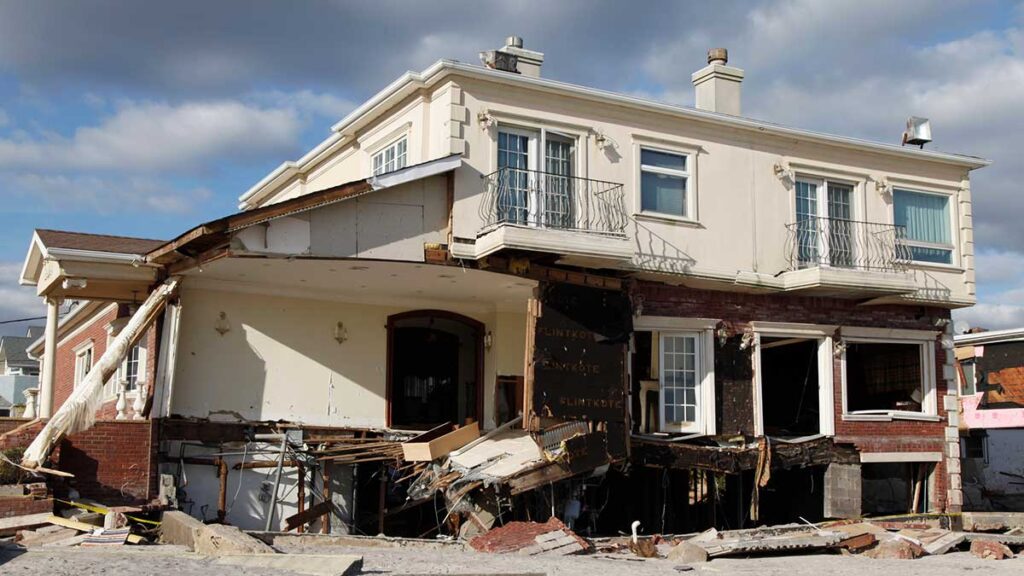
Rest Easy this Hurricane Season.
The urgency to rebuild and restore your home or business can often lead to hasty decisions, making you vulnerable to contractors prioritizing a quick profit over proper repairs. In these challenging times, it is essential to have the right guidance and support to navigate the repair process with confidence.
This guide will help you understand the process of finding reliable contractors, the role of a structural engineer in ensuring the best outcomes, and how to rebuild your property—and your life—after a hurricane.
Who to Turn to After a Devastating Storm Upturns Your Life?
After hurricanes or tropical storms, property owners often face overwhelming stress and confusion. The emotional impact of seeing your home or business damaged or destroyed can make you feel vulnerable, anxious, and desperate for quick solutions.
Unfortunately, this is when opportunistic hurricane repair contractors strike, offering fast fixes that may not address the full scope of damage.
Structural Engineers: An asset in storm damage restoration.
Structural engineers are the best equipped to navigate structural damage repair after a devastating storm. They are a neutral third party that can ensure you are not left exposed when at your most vulnerable.
The Process of Rebuilding Your Life After a Storm
Rebuilding your life after a storm involves more than just physical repairs; it’s about restoring your sense of security and normalcy. This process begins with a clear understanding of the damage sustained and a strategic approach to recovery.
- Comprehensive Damage Assessment: A thorough assessment of the storm damage is critical before any repairs begin. A structural engineer can evaluate the extent of structural damage, water damage, and other issues to create a complete picture of what needs to be done.
- Planning for Long-Term Recovery: Develop a plan that prioritizes essential repairs, addresses safety concerns, and considers future resilience against natural disasters.
Storm Damage Restoration: What You Need to Know
- Choosing the Right Contractor: Look for licensed contractors with a strong track record in your area who are insured and experienced in dealing with hurricane damage. They should be able to provide references and demonstrate a commitment to quality work.
- Red Flags to Watch For: Be wary of contractors who demand large upfront payments, use high-pressure sales tactics, or suggest skipping permits and inspections. These are often signs of a contractor looking to take advantage of your situation.
The Importance of Reliable Property Damage Repair Services
Storm damage repair is not just about fixing visible damage; it involves a comprehensive approach to ensure your property is safe, functional, and protected against future storms.
This includes addressing structural damage, water damage, and other issues that could compromise the integrity of your building.
- Immediate Action to Prevent Further Damage: Quick repairs to roof leaks, broken windows, and other critical areas are necessary to prevent additional damage from occurring.
- Long-Term Solutions for Lasting Resilience: Effective storm damage repair involves using high-quality materials and proven techniques to strengthen your property against future hurricane-force winds.
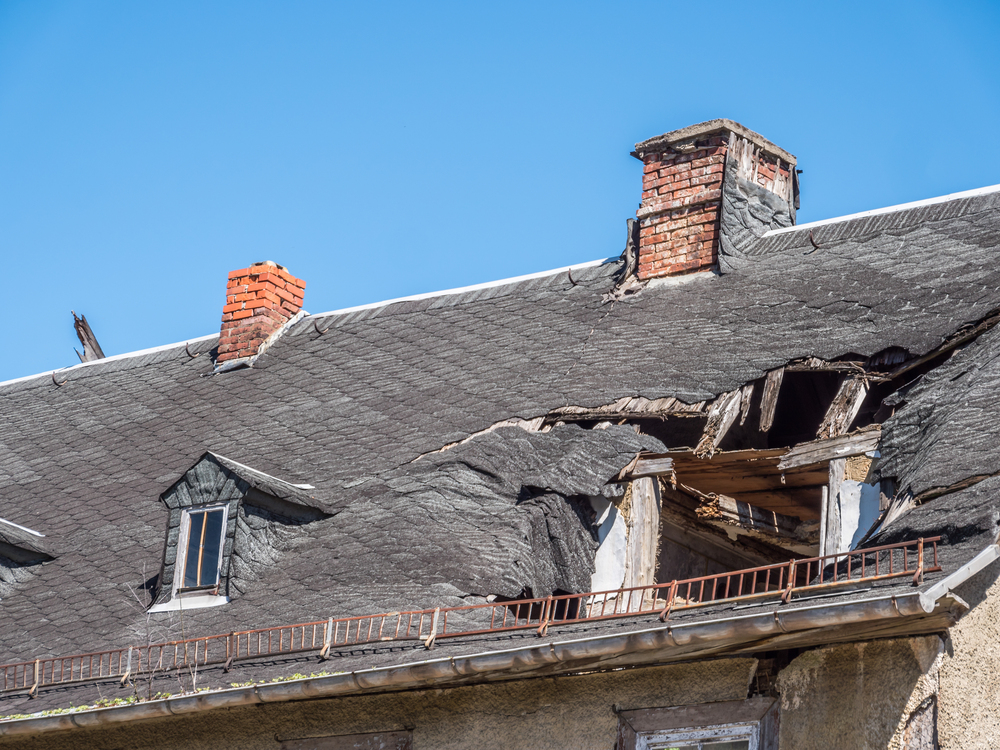
Storm Damage Restoration: A Step-by-Step Process
Storm damage restoration involves several stages, each designed to address specific aspects of damage and restore your property to its pre-loss condition.
- Initial Inspection and Assessment: A structural engineer or storm damage repair specialist conducts a comprehensive inspection to document all damage and develop a restoration plan.
- Water Removal and Mold Remediation: Addressing water damage is critical to prevent mold growth and further structural damage. Water extraction, drying, and mold remediation are essential steps.
- Structural Repairs: Repairs to the building’s structure, such as walls, foundations, and roofs, are crucial for restoring safety and stability.
- Finishing and Restoration: The final stages involve cosmetic repairs, such as painting, flooring, and restoring the property’s interior to its original condition.
Immediate Steps to Take After the Storm
Once the storm has passed and local authorities have given the all-clear, your focus will immediately shift to your property. The aftermath can feel chaotic, but taking a methodical approach is key to a smooth recovery. Acting quickly—but carefully—can prevent further damage and set you up for a successful insurance claim and rebuilding process. Here’s a checklist to guide you through those critical first hours and days.
- Prioritize Safety: Before you do anything else, make sure the area is safe. If you smell gas, see downed power lines near your home, or notice obvious signs of structural failure like a collapsing roof or major foundation cracks, do not enter. Evacuate to a safe location and call emergency services right away.
- Document Everything: Before moving or cleaning up, grab your phone and take extensive photos and videos of all the damage. Capture wide shots of the property and close-ups of specific issues. This visual record is one of the most important tools you’ll have when filing your insurance claim.
- Contact Your Insurance Provider: Notify your insurance company about the damage as soon as you can. This officially starts the claims process. They will likely assign an adjuster and give you guidance on the next steps, including what they require for documentation.
- Get an Unbiased Assessment: While your insurance adjuster will perform an assessment, getting an independent evaluation from a professional is a smart move. A structural engineer can inspect your property to identify all damage, including issues that may not be immediately visible. This expert report provides a clear, unbiased scope of work that protects you when hiring contractors and ensures your claim covers all necessary repairs.
- Mitigate Further Damage: Take reasonable steps to prevent the situation from getting worse. This could mean covering a hole in your roof with a tarp or boarding up a broken window. These temporary measures show your insurance company you’re being proactive and can save you from more costly repairs down the line.
Addressing Structural Damage: The Role of a Structural Engineer
Storm damage caused by high winds, debris, and flooding can compromise the integrity of your home or business, making it unsafe for occupancy and leaving you stranded. Start your disaster recovery in the right way.
- Thorough Structural Assessment: A structural engineer plays a vital role in assessing the full extent of structural damage, ensuring that all issues are identified and addressed.
- Developing a Repair Plan: Based on the assessment, the engineer will develop a detailed repair plan that includes the necessary steps to restore your property’s structural integrity.
DIY vs. Hiring a Professional for Repairs
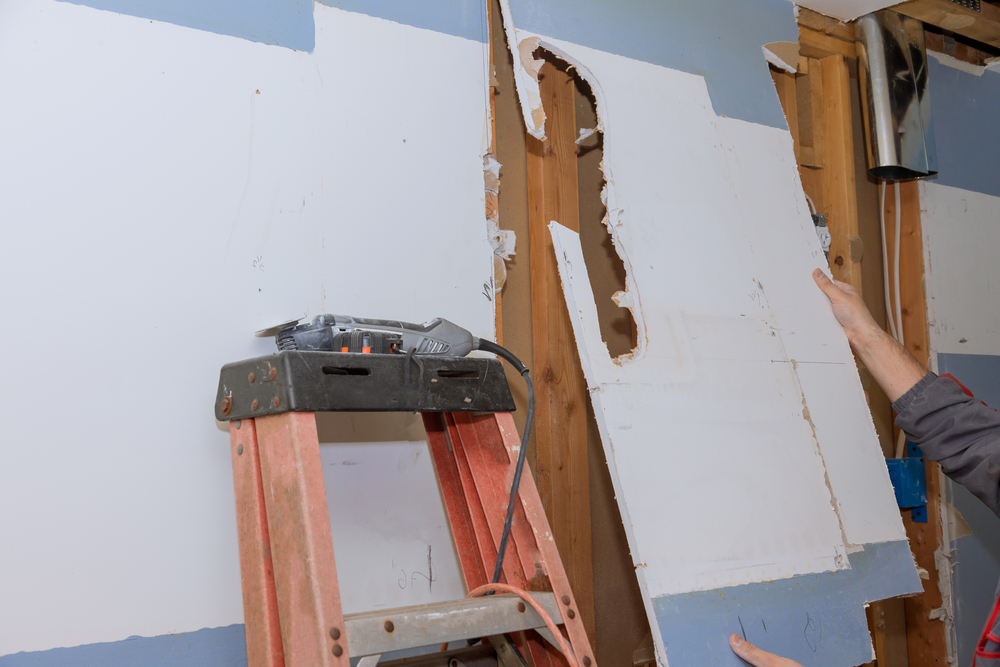
After a storm, the urge to grab a toolkit and start fixing things yourself is completely understandable. Tackling small tasks like patching minor drywall holes or clearing away light debris can be a great way to feel productive and save on labor costs. However, it’s crucial to know where to draw the line. Major repairs involving your home’s roof, electrical systems, or potential mold growth should always be left to licensed professionals. Attempting to fix complex issues without the right expertise can lead to unsafe conditions or even more expensive damage down the road. When it comes to the structural integrity of your home, there is no substitute for professional experience. A structural inspection can identify hidden damage that isn’t visible to the untrained eye, ensuring that all necessary repairs are handled correctly and safely from the start.
Making the Call: Repair or Replace Damaged Elements?
One of the toughest decisions you’ll face is whether to repair damaged parts of your home or replace them entirely. A good rule of thumb is to consider the extent of the damage. If a small section of your siding is cracked or a few shingles are missing, a repair is likely the most sensible option. However, if more than half of your roof or siding is compromised, replacing the entire system can be a smarter long-term investment in your property’s safety and value. Before you make a final decision, it’s essential to get an expert opinion. A contractor can provide a quote, but for an unbiased and thorough evaluation, a forensic structural engineer can assess the full scope of the damage. Their detailed analysis will give you a clear picture of your home’s condition, empowering you to choose the best path forward for a lasting recovery.
Hurricane, flooding and tropical storm: Preparing for Future
Storm damage is an ongoing risk, particularly in areas prone to hurricanes, tropical storms, and other natural disasters.
- Reinforcing Vulnerable Areas: Upgrading windows, doors, and roofs to withstand high winds and flying debris can significantly reduce the risk of damage in future storms.
- Regular Inspections and Maintenance: Property inspections can help identify potential weaknesses and ensure your home is always ready to face severe weather.
Finding the Right Storm Damage Restoration Contractors
Here’s how to find a contractor to provide quality work and protect your interests.
- Work with a Structural Engineer: A structural engineer can help you evaluate contractor quotes, ensuring all necessary repairs are included and priced reasonably.
- Verify Credentials and Experience: Ensure the contractor is licensed, insured, and experienced in storm damage restoration. Check reviews, ask for references, and verify their track record with previous clients.
- Ask for Multiple Quotes: Don’t settle for the first quote you receive. Getting multiple quotes allows you to compare prices, services, and timelines to find the best fit for your needs.
Red Flags When Choosing a Contractor
While many contractors are reputable, others may try to take advantage of your situation. Here are some red flags to watch out for:
- High-Pressure Tactics: Contractors who pressure you to make quick decisions or sign contracts immediately are often more interested in their profit than your best interests.
- Lack of Proper Documentation: Avoid contractors unwilling to provide written estimates, proof of insurance, or details about the work they will perform.
- Demand for Large Upfront Payments: Be cautious of contractors who demand large payments before work begins. A reputable contractor will have a reasonable payment schedule based on project milestones.
Navigating Insurance Claims: Ensuring Fair Compensation
Navigating claims after a hurricane can be a stressful process. Insurance companies often aim to minimize payouts, while some contractors may inflate costs. A structural engineer can help balance these interests and restore your property to a pre-disaster state.
- Accurate Damage Documentation: A structural engineer provides a detailed damage assessment, essential for supporting your insurance claim.
- Advocating for Fair Compensation: Engineers work with you to ensure that the repair costs submitted to your insurance company are based on actual damage and necessary repairs within your insurance coverage.
- Avoiding Unnecessary Repairs: With professional oversight, you can avoid paying for unnecessary or inflated repair costs that do not address the damage.
The Benefits of Working with a Structural Engineer
A structural engineer is a critical ally in storm damage repair, providing expertise, guidance, and advocacy to protect your interests.
- Objective Evaluation: Unlike contractors who may have a financial interest in the scope of work, a structural engineer provides an unbiased assessment of the damage.
- Guidance on Repair Methodology: Engineers ensure the proposed repair methods are safe, effective, and compliant with local building codes.
- Support in Contractor Selection: Engineers help you evaluate contractor proposals, ensuring you select a reputable professional to provide quality work at a fair price.
Upfront Costs: What to Expect
Understanding the potential upfront costs associated with storm damage repair can help you plan your recovery budget.
- Damage Assessment Fees: Hiring a structural engineer for a comprehensive damage assessment is a valuable investment that can save you money in the long run by preventing unnecessary repairs and ensuring that all damage is properly addressed.
- Temporary Repairs and Debris Removal: To prevent further damage, temporary repairs, such as covering roof leaks or removing debris, may require some initial costs. In contrast, a long-term repair plan is developed.
- Down Payments to Contractors: A reasonable down payment is typically required to begin work, but be wary of contractors who demand a large percentage of the total cost upfront.
Average Costs for Common Hurricane Repairs
When you’re facing a damaged home, one of the first questions is always, “How much will this cost?” The numbers can vary widely, but it helps to have a general idea. According to data from home service experts, most homeowners pay an average of around $12,384 for storm damage repairs. The typical cost for hurricane-specific damage falls somewhere between $3,000 and $25,000, though this can fluctuate significantly based on your situation. This range covers everything from minor roof repairs to more extensive structural work. Remember, these figures are just a starting point. The final price tag on your restoration project will depend on the unique circumstances of your property, which is why a detailed assessment is so important before any work begins.
Factors That Influence Repair Costs
Several key factors determine the final cost of your hurricane repairs. The type and severity of the damage are the biggest drivers; for example, widespread flooding often leads to more expensive repairs than wind damage because it requires water extraction and mold remediation. The sheer size of the affected area also plays a major role—fixing a few shingles is much cheaper than replacing an entire roof. The materials you choose will also impact the budget. While stronger materials might cost more upfront, they can offer better protection in the future. Finally, labor costs, which can range from $50 to $150 per hour, will be a significant part of your bill, with emergency repairs often costing more. A forensic structural engineer can help you get a precise scope of work, ensuring you only pay for the necessary repairs.
The Role of Storm Damage Restoration Specialists
Storm damage restoration specialists provide a comprehensive approach to rebuilding after a hurricane. They address all aspects of damage and ensure that your property is restored to its pre-loss condition.
- Coordinated Recovery Efforts: These specialists work closely with structural engineers, contractors, and insurance companies to ensure that every step of the restoration process is completed efficiently and effectively.
- Comprehensive Services: From water damage restoration services to structural repairs and mold remediation, restoration specialists provide all the services needed to return your home or business to a safe, functional state.
Long-Lasting Repairs: Rebuilding Stronger
Rebuilding stronger after a hurricane means making improvements that reduce the risk of damage in future storms.
- Resilient Building Materials: Using materials designed to withstand high winds, flooding, and other severe weather conditions can better protect your property.
- Preventive Measures: Installing storm shutters, reinforcing roofs, and improving drainage are all steps that can help protect your home from future damage.
The Financial Aspect: Planning for the Future
Understanding the financial aspects of storm damage repair can help you plan for future resilience.
- Investing in Quality Repairs: While upfront costs may be higher, investing in quality repairs now can save you money in the long run by preventing future damage.
- Budgeting for Regular Maintenance: Regular inspections and maintenance can help identify potential vulnerabilities before they become significant problems.
Government Financial Aid and FEMA Assistance
When a hurricane strikes, the financial burden can be immense. Fortunately, government assistance can provide a crucial lifeline. If your property is in a federally declared disaster area, you may be eligible for help from the Federal Emergency Management Agency (FEMA). Their Home Repair Assistance program offers funds to homeowners for essential repairs to their primary residence. The goal is to make your home safe, sanitary, and functional again.
The amount of aid you receive isn’t meant to restore your home to its pre-storm condition but rather to cover necessary repairs confirmed by a FEMA inspection. This can include fixing structural issues, utilities, and other critical components. It’s important to apply for assistance as soon as possible after a disaster declaration to get the process started. This financial support can be a foundational step in your recovery, helping you cover costs that insurance might not.
Understanding Tax Deductions for Storm Damage
Beyond direct aid, you might find some financial relief through tax deductions. The IRS allows homeowners to deduct certain casualty losses from storm damage, but there are specific rules. The most important one is that your property must be located in a federally declared disaster area. This deduction can help offset the cost of uninsured losses, but it requires careful and thorough documentation to support your claim with the IRS.
Keeping meticulous records is non-negotiable. You’ll need photos of the damage, receipts for all repairs, insurance documents, and property appraisals. A detailed report from a forensic structural engineer can also serve as powerful evidence of the extent of the damage. Keep in mind that for personal property, the IRS subtracts $500 from each casualty event when calculating your deduction. Because tax laws can be complex, it’s always a good idea to consult with a tax professional to ensure you follow all the rules correctly.
Preparing Your Property for Future Storms
Once your home is restored, thinking about future protection against hurricanes and other severe weather events is essential.
- Reinforce and Upgrade: Strengthen your property’s defenses by upgrading to storm-resistant materials and systems.
- Regular Inspections: Schedule regular inspections with a structural engineer to identify and address potential weaknesses.
How to Prepare Your Vehicle
When you’re focused on securing your home against high winds and rain, it’s easy to forget about one of your most important assets: your vehicle. But your car isn’t just a way to get around; it’s your potential escape route and a crucial tool for recovery after the storm passes. Taking some time to prepare your vehicle is a non-negotiable part of any solid hurricane plan. It protects your investment and, more importantly, ensures you and your family have a safe and reliable way to get to safety if you need to evacuate.
- Fill the Tank: Gas stations often face long lines, run out of fuel, or lose power before and after a storm. Fill your tank completely as soon as a storm is forecast. A full tank gives you the freedom to evacuate without worrying about finding an open station and helps prevent moisture from getting into your fuel lines.
- Move It to Safety: The best place for your vehicle is inside a secure garage to protect it from wind and flying debris. If you don’t have a garage, park it on high ground, close to a building for some protection, but away from trees, power lines, and anything else that could fall. Never park in low-lying areas that are likely to flood.
- Pack an Emergency Kit: Your car should have its own emergency kit ready to go. Pack a bag with essentials like non-perishable food, bottled water, a flashlight with extra batteries, a first-aid kit, and a portable phone charger. It’s also smart to include jumper cables and basic tools. You can find a great checklist to build your car kit on Ready.gov.
- Protect Your Documents: Keep your vehicle’s registration and insurance card in a waterproof bag inside your glove compartment. As a backup, take clear photos of these documents with your phone and save them to a cloud service. This makes it much easier to file a claim if your car is damaged and the original papers are lost.
- Stay Off the Roads During the Storm: This is a critical safety rule: stay off the roads once the storm hits. It’s incredibly dangerous to drive through flooded areas. As little as a foot of moving water can sweep a car off the road, and you can’t see hidden hazards like washed-out pavement or debris. Heed all warnings and stay put until authorities say it’s safe.
Navigating the Emotional Aspect of Rebuilding
Rebuilding your home after a hurricane is not just about repairing a structure; it’s about restoring your peace of mind and sense of safety.
- Finding the Right Support: Lean on professionals like structural engineers and reputable contractors who understand your situation and are committed to helping you rebuild safely and effectively.
- Taking It Step-by-Step: Remember that recovery is a process. Allow yourself the time and space to make careful, informed decisions, prioritizing your safety and well-being.
Don’t Forget Your Vehicle: Damage and Insurance
Amid the rush to secure your home, it’s easy to overlook another significant asset sitting in your driveway: your car. Hurricanes can cause severe damage to vehicles through flooding, falling trees, and wind-blown debris. Protecting your car is a key part of a complete preparedness plan, and it starts with understanding your insurance coverage long before a storm is on the horizon.
Insurance Coverage for Car Damage
For your car to be covered for hurricane-related events, you need to have comprehensive insurance. Standard liability or collision policies typically won’t cover damage from natural disasters. As experts at Bankrate explain, comprehensive coverage is what protects you from flooding, falling objects, and strong winds. It’s crucial to review your policy now, because you can’t add this coverage at the last minute. Most insurance companies issue a moratorium, which temporarily stops them from selling new policies or allowing changes to existing ones about 24 to 48 hours before a storm is expected to make landfall.
It’s also important to be aware that filing a claim for hurricane damage could cause your insurance rates to increase at your next renewal. Furthermore, living in an area prone to hurricanes can sometimes lead to higher premiums, even if you never file a claim. While this isn’t a reason to skip having the right coverage, it is a practical financial point to keep in mind as you manage your budget. The best approach is to confirm you have comprehensive coverage well before hurricane season begins, giving you one less thing to worry about when a storm watch is announced.
Conclusion: The Structural Engineer—Helping You Rebuild Your Home and Your Life
Rebuilding after a hurricane is a complex, emotional journey that requires careful planning and professional guidance.
A structural engineer is your advocate throughout the storm damage repair process, ensuring that every decision—from choosing the right contractor to navigating insurance claims—is made in your best interest. By focusing on thorough assessments, quality repairs, and future resilience, you can rebuild your home more potently and safely and, in doing so, begin to rebuild your life.
With the right support, you can confidently navigate the challenges of storm recovery, knowing that your property is in good hands and your future is secure.
Frequently Asked Questions
Why should I hire a structural engineer if my insurance company is already sending an adjuster? An insurance adjuster works for the insurance company, and their main role is to evaluate the damage according to your policy. A structural engineer works directly for you. They provide an independent, expert assessment of all damage, including hidden issues an adjuster might overlook. This detailed report gives you a clear scope of work, helps you get fair contractor quotes, and serves as powerful documentation to ensure your insurance claim covers everything needed to make your home safe again.
My home only has minor visible damage. Is a full structural inspection really necessary? Yes, it’s a very good idea. Hurricanes can cause serious structural problems that aren’t immediately obvious. High winds can weaken the connections in your roof’s framing, and shifting ground from floodwaters can compromise your foundation. Simply fixing cosmetic issues like broken siding is a temporary solution. A professional structural inspection identifies these hidden dangers early, preventing them from turning into much larger and more expensive problems later on.
What are the most important first steps to take immediately after a hurricane? Once authorities have confirmed it’s safe to return, your first priority is documentation. Before you move or clean anything, take extensive photos and videos of all the damage, both inside and out. This evidence is crucial for your insurance claim. Next, contact your insurance provider to get the claims process started. Finally, take small, reasonable steps to prevent further damage, like covering a broken window, but leave any major work to the professionals.
How can I spot a predatory contractor after a storm? Be cautious of anyone who shows up at your door uninvited, uses high-pressure tactics to get you to sign a contract on the spot, or demands a large cash payment upfront. A trustworthy contractor will provide a detailed written estimate, willingly show you their license and insurance, and offer local references. Never sign a blank contract, and always take the time to get multiple quotes before making a decision.
Can a structural engineer actually help me save money on repairs? While it is an upfront cost, hiring a structural engineer is an investment that often pays for itself. Their detailed assessment creates a precise scope of work, which helps prevent contractors from overcharging you for unnecessary repairs. The engineer’s report also strengthens your insurance claim, helping you secure the full compensation you deserve. By ensuring the job is planned correctly from the start, you avoid costly mistakes and future repairs that can result from a quick, incomplete fix.
Key Takeaways
- Start with a Structural Engineer, Not a Contractor: Before you get quotes for repairs, have an engineer perform a complete damage assessment. This uncovers hidden issues and provides an unbiased scope of work, preventing contractors from over or underbidding the job.
- Use an Engineer’s Report as Your Roadmap: A detailed report from a structural engineer is your most powerful tool. It provides the necessary documentation to support your insurance claim and gives you a clear checklist to hold contractors accountable for every repair.
- Focus on Rebuilding Stronger: Don’t just aim to restore your home to its previous condition. Use this opportunity to invest in more resilient materials and structural reinforcements that will better protect your property during future storms.
