
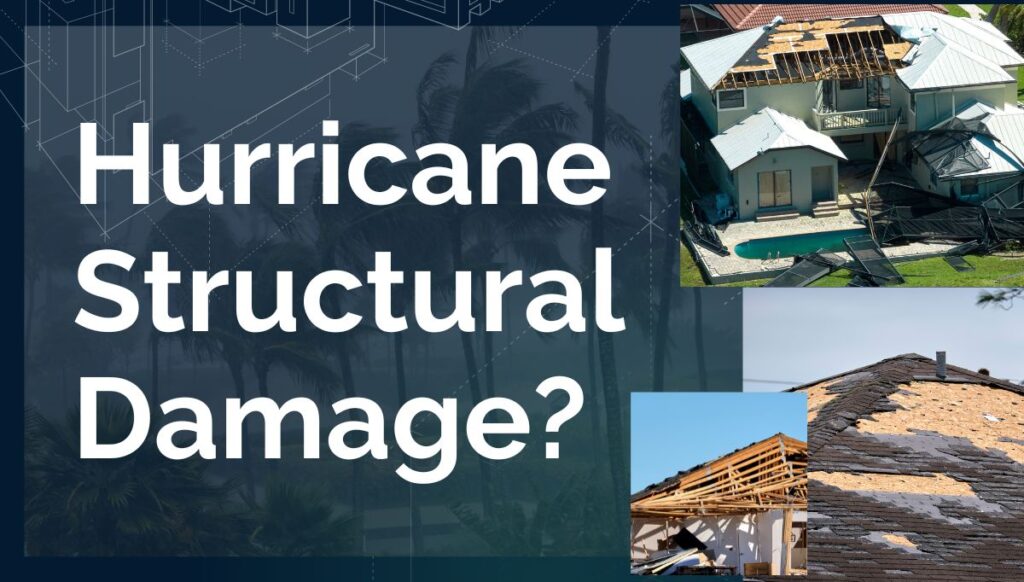
After a hurricane, the race for a good contractor begins. This bottleneck can leave you waiting months for repairs, which is incredibly stressful. But there’s a way to get to the front of the line. Instead of waiting, hire a hurricane damage engineer immediately. They can conduct thorough hurricane damage inspections and provide a detailed report and repair plan. Handing a contractor a ready-to-go project makes you a priority. This simple step is the key to a faster hurricane damage repair and a smoother insurance claim process.

This guide clearly outlines the steps, benefits, and roles involved in managing hurricane-induced structural damage. We’ll provide a process you can use to expedite the entire process and get any needed repairs done sooner and done right.
What to Do Immediately After a Hurricane
The moments after a major storm passes can feel overwhelming. With so much to process, it’s helpful to have a clear plan of action. Before you even think about repairs or insurance calls, your focus should be on two critical first steps: ensuring everyone is safe and thoroughly documenting the state of your property. These initial actions create a foundation for a smoother recovery process. Acting methodically now will save you significant stress later, helping you address the damage without missing any important details. It’s about taking control of the situation one step at a time, starting with the absolute essentials.
Prioritize Safety First
Before you do anything else, “make sure you and your family are safe.” Your property can be repaired, but your well-being is irreplaceable. Stay tuned to local authorities for official updates and instructions on when it’s safe to be outside or return to your home if you evacuated. Be aware of hidden dangers like downed power lines, gas leaks, or contaminated floodwaters. If your home has sustained visible damage, be cautious about re-entering. The structure could be unstable, and it’s best to wait for a professional to assess the situation before you go inside to inspect the damage yourself.
Document All Damage
Once it’s safe to do so, your next priority is to document everything. This step is absolutely crucial for your insurance claim. Before you move, clean, or repair anything, “take pictures and videos of all the damage.” Use your smartphone to capture comprehensive footage of both the exterior and interior of your property. Get wide shots to show the overall context and then zoom in for close-ups of specific issues. Open cabinets and closets, check the attic and basement, and be as thorough as possible. This visual evidence will be your most powerful tool when you file your claim and work with your insurance adjuster.
Common Types of Hurricane Damage
Hurricanes unleash a powerful combination of forces that can affect nearly every part of a home. High winds can tear at roofing and siding, while torrential rain leads to flooding and pervasive water damage. Understanding the different ways a storm can impact your property helps you know what to look for during your initial inspection. “Tropical storms and hurricanes can cause serious damage like wind, rain, mud, debris, and mold,” creating a complex web of issues that often require professional expertise to unravel. From the foundation to the roof, each component of your home is vulnerable, and identifying the full extent of the damage is the first step toward a solid repair plan.
Structural Damage
While cosmetic issues are often the most obvious, structural damage is the most serious. This refers to damage that compromises your home’s core framework, including the foundation, load-bearing walls, and roof trusses. Signs of structural problems can be subtle, such as new cracks in the foundation or drywall, doors that no longer close properly, or floors that seem to sag. If you notice any of these red flags, it’s essential to contact a professional. A forensic structural engineer can perform a detailed analysis to determine the severity of the damage and outline the necessary steps for repair, ensuring your home is safe and sound.
Roof and Siding Damage
Your home’s roof and siding are its first line of defense against the elements, and they often take the brunt of a hurricane’s force. Look for missing or damaged shingles, dents in siding from flying debris, or detached gutters. Even small breaches can allow water to seep into your home’s structure, leading to much bigger problems down the line. The financial impact can be significant, as “hurricane damage can range from $3,000 to $25,000 for roof, siding, and flooding repairs,” according to estimates from Angi. A thorough inspection of your home’s exterior is critical to catch these issues early.
Indoor Flooding and Water Damage
Water intrusion is one of the most destructive consequences of a hurricane. Whether from a leaky roof, a broken window, or rising floodwaters, moisture can quickly ruin flooring, drywall, insulation, and personal belongings. It can also create serious electrical hazards. Addressing this issue promptly is key. As experts at Angi note, “fixing damage quickly helps stop it from getting worse, which can save you money in the long run.” Immediate action, like removing standing water and starting the drying process, can prevent secondary issues and set you on a faster path to recovery.
Mold Growth
Where there’s water damage, mold is often not far behind. In the warm, damp conditions following a storm, mold can begin to grow within 24 to 48 hours. This not only causes further damage to your property but can also pose significant health risks. According to restoration professionals, “taking quick action after a storm is very important to stop more damage, like mold growth.” This is why drying out your home as quickly and thoroughly as possible is so important. If you suspect mold, it’s often best to consult with remediation specialists to handle it safely and effectively.
Step-by-Step Process
1) Initial Assessment
Immediate Action: After a hurricane, inspect your property for visible damage. If you suspect structural issues, contact a licensed structural engineer or architect (depending on your jurisdiction).
Site Visit: The engineer will conduct a thorough site visit to assess any damage or provide peace of mind.
2) Detailed Report
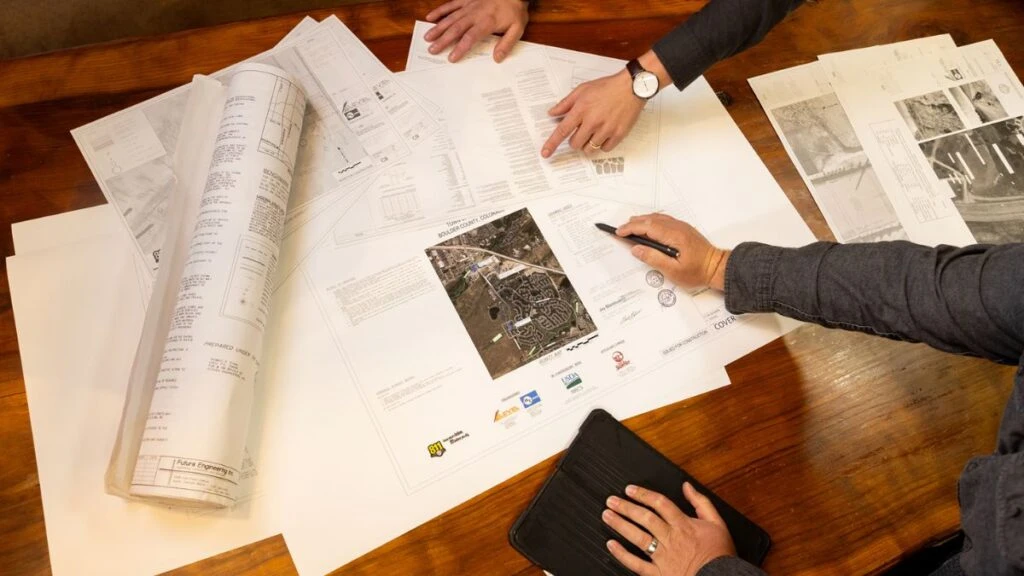
Comprehensive Inspection: The engineer will document all structural damages in a detailed report of their findings.
Budget Estimate: The report may include a preliminary budget for repairs, which can be crucial for insurance negotiations.
This report gives you a ton of leverage.
3) Insurance Coordination
Submit Report: Provide the engineer’s report to your insurance company. This document serves as a credible, professional assessment that the insurance company must consider.
Negotiate Fairly: Use the report to negotiate a fair settlement with your insurance company. The detailed assessment helps prevent low offers based on inaccurate evaluations.
4) Repair Design and Permitting
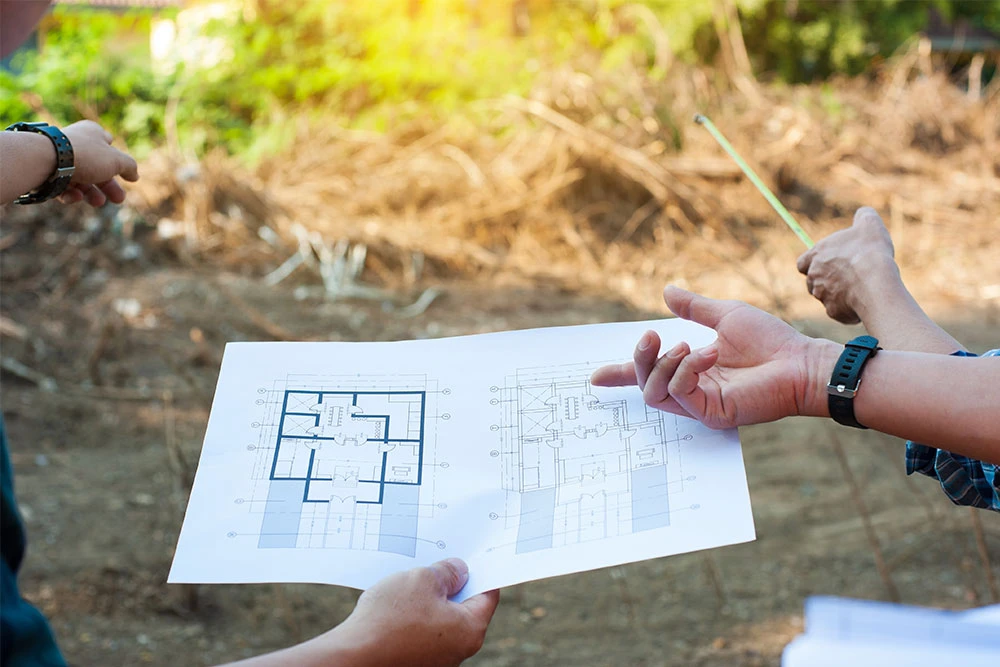
Design Plans: If needed, the structural engineer will create detailed repair plans required for obtaining permits. This step ensures that repairs meet all safety and building codes.
Contractor Bidding: With a design in hand, you can solicit bids from contractors. Having a ready design often attracts contractors faster, as they can start work immediately upon winning the bid.
5) Repair Execution
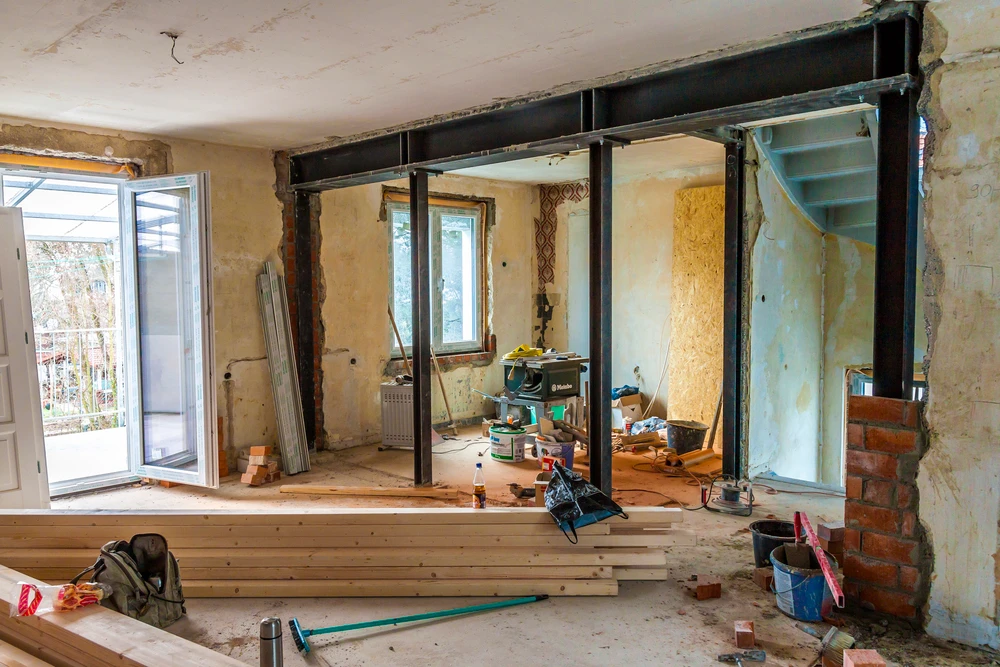
Hire Contractors: Choose a contractor based on bids and start the repair process. The structural engineer may oversee the work to ensure it adheres to the design and safety standards.
Final Inspection: After repairs, the engineer will conduct a final inspection to certify that the work meets all structural and safety requirements.
*Pro Tip: be prepared to pay upfront for the inspection, report, and even the design. Although you’re having to pay out of pocket, this will give you leverage and help to speed up the process of getting reimbursed accurately. Many people aren’t aware of this and get caught up in the back and forth, sometimes waiting years for their project to be completed.
Understanding the Costs of Hurricane Damage Repair
After the storm passes, the financial uncertainty can be just as stressful as the hurricane itself. Getting a handle on potential repair costs is a critical step in creating a recovery plan. While every situation is unique, understanding the typical expenses can help you prepare for conversations with contractors and your insurance company. The total cost will depend on the severity of the damage, the materials needed for repairs, and local labor rates, but we can look at some common averages to give you a starting point.
Factors That Influence Repair Costs
The final bill for hurricane repairs is never a single line item. It’s a combination of several factors that can vary widely. The most significant driver is, of course, the extent of the damage—a few lost shingles will cost far less than a compromised foundation. The type of materials used in your home also plays a big role; replacing custom windows is more expensive than standard ones. Labor costs in your area and the accessibility of your property can also affect the price. A thorough structural inspection is the best way to get a precise and detailed estimate that accounts for all the unique variables of your property.
Average Costs for Common Repairs
While it’s impossible to give an exact number without an inspection, looking at national averages can provide a helpful baseline. According to a report from Angi, most homeowners spend between $2,642 and $22,127 on storm damage repairs, with an average cost of around $12,384. This wide range reflects the huge difference between minor and major storm damage. A small leak might be on the lower end, while significant structural issues could push you toward the higher end or even beyond. Let’s break down some of the most frequent types of repairs.
Roof, Siding, and Window Repair
Your home’s exterior is its first line of defense, and it often takes the brunt of a hurricane’s force. Repairing a storm-damaged roof can cost anywhere from $1,200 to $8,000, depending on the materials and the size of the damaged area. Siding repairs typically range from $600 to $5,500. Blown-out or damaged windows can cost between $250 and $3,500 to fix. These elements are crucial for protecting your home from further water intrusion, so addressing them quickly is key.
Foundation Repair
Foundation damage is one of the most serious and expensive consequences of a hurricane. Storm surge and flooding can erode the soil supporting your home, leading to cracks, settling, or shifting. The cost for foundation repair can range from $2,000 to $15,000 or more. Because the stability of your entire home is at stake, this is not a DIY job. A licensed foundation engineer should always assess the damage to design a safe and effective repair plan that ensures the long-term integrity of your structure.
Water Damage Restoration
When water gets inside, the clock starts ticking. Water damage restoration is a multi-step process that involves removing water, drying out the structure, and preventing mold growth. According to Good Life Fire, this service generally costs between $1,200 and $5,000. The price depends on how much water needs to be removed and the size of the affected area. Prompt action is essential to prevent secondary issues like mold, which can lead to even more costly remediation down the road.
Additional Costs to Consider
The estimates for primary repairs don’t always tell the whole story. Several other expenses can pop up during the recovery process. For instance, emergency services like boarding up windows or putting a tarp on your roof can cost 20% to 50% more than standard repairs. You should also budget for debris removal, which can add hundreds or even thousands of dollars to your total. Finally, don’t forget permitting fees, which can range from $500 to $5,000 depending on the scope of the work. Factoring these potential expenses into your budget will help you avoid surprises and ensure a smoother recovery.
Why It’s Important
Accurate Damage Assessment: Engineers provide precise evaluations, ensuring all structural issues are identified and addressed.
Fair Insurance Settlements: Detailed reports from licensed professionals help secure fair compensation from insurance companies.
Timely Repairs: Early engagement of engineers and contractors accelerates the repair process, reducing downtime and further damage risks.
Role of the Structural Engineer
“Engineers shall hold paramount the safety, health, and welfare of the public.” This principle is a fundamental part of the Code of Ethics for engineers, emphasizing the importance of public safety and ethical conduct in their professional duties.
Ensuring unbiased and truthful assessments and upholding the knowledge to identify hidden damages and design effective repair solutions.
Financial Assistance and Tax Information
After a storm, figuring out the financial side of things can feel just as overwhelming as the cleanup. The good news is that you don’t have to shoulder the entire burden alone. There are several avenues for financial support, from government programs to tax relief, designed to help homeowners get back on their feet. Understanding these options is a critical step in your recovery process, allowing you to make informed decisions and access the resources you’re entitled to. It’s important to separate fact from fiction, as a lot of wrong information can circulate after a major disaster.
Government Aid Programs
After a major hurricane, various federal agencies step in to provide financial assistance, though their programs work in different ways. The Federal Emergency Management Agency (FEMA) is one of the most well-known, often providing direct aid to individuals to help cover temporary housing and essential home repairs. For example, FEMA has distributed billions to people affected by recent storms. Additionally, the National Flood Insurance Program (NFIP) is a key resource for those with flood insurance, processing thousands of claims to help homeowners recover from water damage. These programs are designed to provide a foundation for recovery, not necessarily to cover every single loss.
Tax Deductions for Casualty Loss
You may be able to get some financial relief through tax deductions. If your property is in a federally declared disaster area, you can typically deduct losses from hurricane damage. The IRS refers to this as a “casualty loss,” which is damage from a sudden, unexpected event. To calculate your deduction, you’ll need to subtract any money you receive from your insurance company from your total loss. For personal property, you must also subtract $500 from each casualty loss event before figuring out the final amount. It’s a good idea to consult a tax professional to ensure you follow all the rules correctly.
Preparing for Future Storms
Recovering from one storm is tough enough; the last thing you want is to go through it again unprepared. Taking proactive steps now can make a huge difference in how well your home and family withstand the next major weather event. A little preparation goes a long way in protecting your property and ensuring your family’s safety. This involves both practical planning and a careful review of your financial safety nets, like insurance. By thinking ahead, you can minimize potential damage and streamline your response when a storm is on the horizon, giving you invaluable peace of mind.
Review Your Insurance Policy Annually
Don’t wait for a storm warning to find out what your homeowner’s insurance does and doesn’t cover. It’s crucial to review your policy every year, as some standard policies may not cover specific events like hurricane or flood damage, especially in coastal regions. Check the fine print for exclusions and consider adding supplemental coverage if needed. Understanding your home’s specific vulnerabilities through a structural inspection can also help you tailor your insurance to cover the most critical areas, ensuring you have the right protection in place long before a storm ever forms.
Create a Home Emergency Plan
A clear plan is your best asset when a hurricane is approaching. Work with your family to create an emergency plan that outlines how you’ll evacuate and communicate with each other if you get separated. Designate a meeting spot both near your home and outside your neighborhood. You should also assemble an emergency kit with essentials to last several days, including non-perishable food, water (one gallon per person, per day), a first-aid kit, flashlights, batteries, and copies of important documents like IDs and insurance policies. Having this kit ready means you can focus on getting to safety when it matters most.
Common Misconceptions
Insurance adjusters may not have the expertise to assess structural damage accurately. Relying solely on their evaluations can lead to inadequate settlements.
While restoration companies handle water and mud cleanup, structural issues require specialized engineering assessments and designs.
Conclusion
Contacting a structural engineer early in the hurricane damage assessment process is crucial for accurate reporting, fair insurance settlements, and timely repairs.
This proactive approach not only ensures the safety and integrity of your property but also provides financial and emotional peace of mind during a challenging time.
Give us a call today to navigate this process with confidence. We have Engineers and Architects in multiple states including Florida and Texas.
Frequently Asked Questions
Why should I hire an engineer before my insurance adjuster even sees the property? Hiring a structural engineer first puts a professional expert on your team from the very beginning. While an insurance adjuster works for the insurance company, an engineer works for you. Their detailed report provides an unbiased, comprehensive assessment of all damages, including issues the adjuster might miss. Handing this report to a contractor and your insurance company gives you significant leverage, helps prevent lowball settlement offers, and can move your project to the front of the line for repairs.
Is it expensive to hire a structural engineer, and will my insurance pay for it? You should be prepared to pay for the engineer’s inspection and report out of pocket. While this is an upfront cost, think of it as an investment in your recovery. The detailed, professional documentation an engineer provides often leads to a more accurate and fair insurance settlement that can far outweigh the initial expense. This report is a powerful tool that substantiates your claim and helps ensure you get the funds you need for proper repairs.
What if the damage to my home seems minor? Is an engineer still necessary? Even if your home looks okay on the surface, a hurricane’s powerful winds and water can cause serious underlying problems. Issues like a slightly shifted foundation or compromised roof trusses aren’t always visible to the untrained eye. A structural engineer is trained to spot these hidden dangers that, if left unaddressed, could lead to much bigger and more expensive problems down the road. A professional inspection provides peace of mind that your home is truly safe.
What’s the difference between what an engineer does and what a restoration company does? Think of it this way: a restoration company handles the cleanup, while a structural engineer addresses the core stability of your home. Restoration crews are experts at removing water, drying out interiors, and dealing with mold. An engineer, on the other hand, assesses the home’s framework—the foundation, walls, and roof structure—to ensure it is sound. They design the necessary repairs to make your home safe and secure again.
How does an engineer’s report actually help with my insurance claim? An engineer’s report is a credible, third-party document that details the full extent of the structural damage to your home. It replaces guesswork with professional analysis. When you submit this report with your claim, the insurance company has to consider a licensed professional’s findings. This helps validate the scope of necessary repairs and prevents the insurer from basing their settlement on a less thorough or potentially biased assessment.
Key Takeaways
- Hire an engineer before a contractor: After ensuring your safety, your first call should be to a structural engineer. This gives you a professional damage assessment and a clear repair plan, putting you in control of the recovery process from the start.
- Streamline your insurance claim: An engineer’s detailed report is a powerful tool that serves as credible, third-party evidence of damage. Submitting this report with your claim helps you secure a fair and accurate settlement without unnecessary delays.
- Get your repairs done faster: When you provide contractors with a complete, engineer-approved plan, your project becomes a priority. This simple step helps you skip the long wait times that are common after a hurricane and get your home repaired sooner.
