
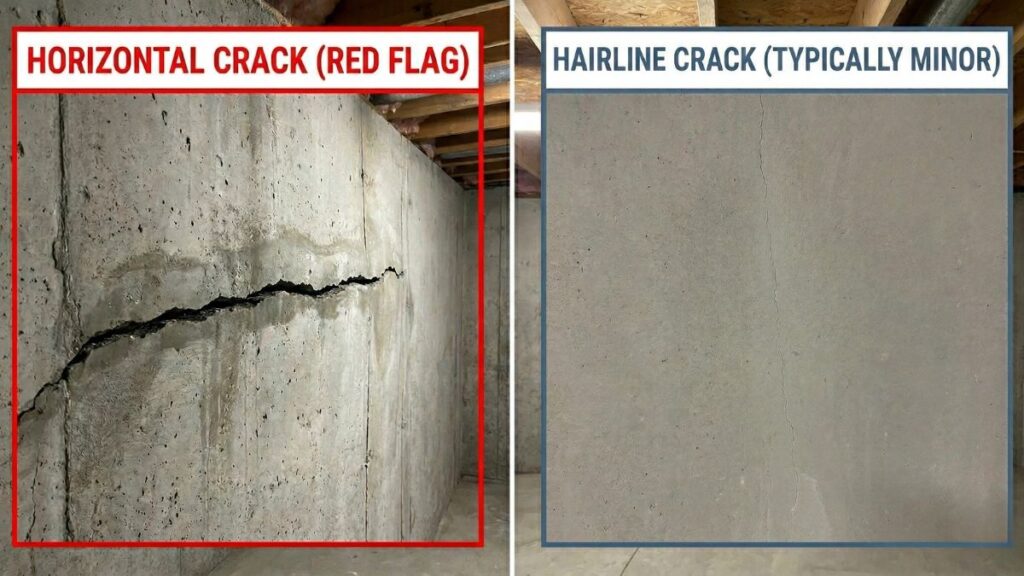
When you discover a crack in your foundation, your first instinct is probably to search for pictures of normal foundation cracks to see how yours measures up. While images are a great starting point, they don’t tell the whole story. A thin vertical line might be harmless in one home, but a similar-looking crack in a different location could be a red flag. This guide provides the crucial context behind the photos. We’ll break down what different types of cracks actually look like—from hairline settling cracks to minor step cracks—and explain the natural forces that create them. You’ll learn how to measure them, what their location means, and how to tell if they’re changing over time, giving you the confidence to know if what you’re seeing is truly normal.
Key Takeaways
- Understand what’s normal: Thin, vertical hairline cracks are a natural byproduct of concrete curing and normal home settling — and unless they’re wider than a human hair, they’re typically cosmetic and nothing to worry about.
- Monitor cracks for changes: The best way to assess any crack is to track it over time. Take dated photos with a ruler for scale, then recheck every few months to see if it’s grown wider or longer. A crack that stays the same is far less concerning than one that keeps growing, and an actively changing crack can signal shifting soil beneath the foundation or the structure struggling to handle its load.
- Recognize the warning signs: Call a professional if you notice any cracks wider than 1/16 of an inch — particularly if there are several. Keep in mind that newer reinforced foundations tend to show problems as multiple smaller cracks, while older unreinforced ones are more likely to develop a single large crack, horizontal cracks, or stair-step patterns. Also watch for related symptoms like sticking doors or sloping floors, which can point to a more serious structural issue.
What Are Normal Foundation Cracks?
Finding a crack in your home’s foundation can feel like a five-alarm fire. Your mind jumps straight to worst-case scenarios, massive repair bills, and structural failure. But before you panic, take a breath. While some cracks do warrant concern, many are minor and pose no real threat to your home’s integrity.
Concrete is, by nature, prone to cracking. A little cracking is often just your house settling, the concrete shrinking as it cures, or the structure adjusting to changes in load. Think of it like breaking in a new pair of shoes.
The real challenge is learning to tell the difference between a harmless settling crack and a sign of a serious structural problem. The size, shape, and direction of a crack tell a story about what’s happening with your foundation. Understanding these visual cues will help you know when you can relax and when you need to call in a professional. This guide will walk you through what normal foundation cracks look like, what causes them, and how to tell them apart from the ones that signal trouble.
Normal vs. Serious: What’s the Difference?
The main difference between a normal and a serious foundation crack comes down to its characteristics. Harmless cracks are typically very thin and are often vertical or diagonal. These are often called hairline cracks and are a common result of the concrete curing process. On the other hand, serious cracks are usually wider, running horizontally or in a stair-step pattern along a block wall. A horizontal crack is a major red flag, as it often means external soil pressure is pushing against your foundation and your foundation structure can not handle the pressure. If you’re ever unsure, a professional structural inspection can provide an informed, evidence-based assessment and help clarify your next steps.
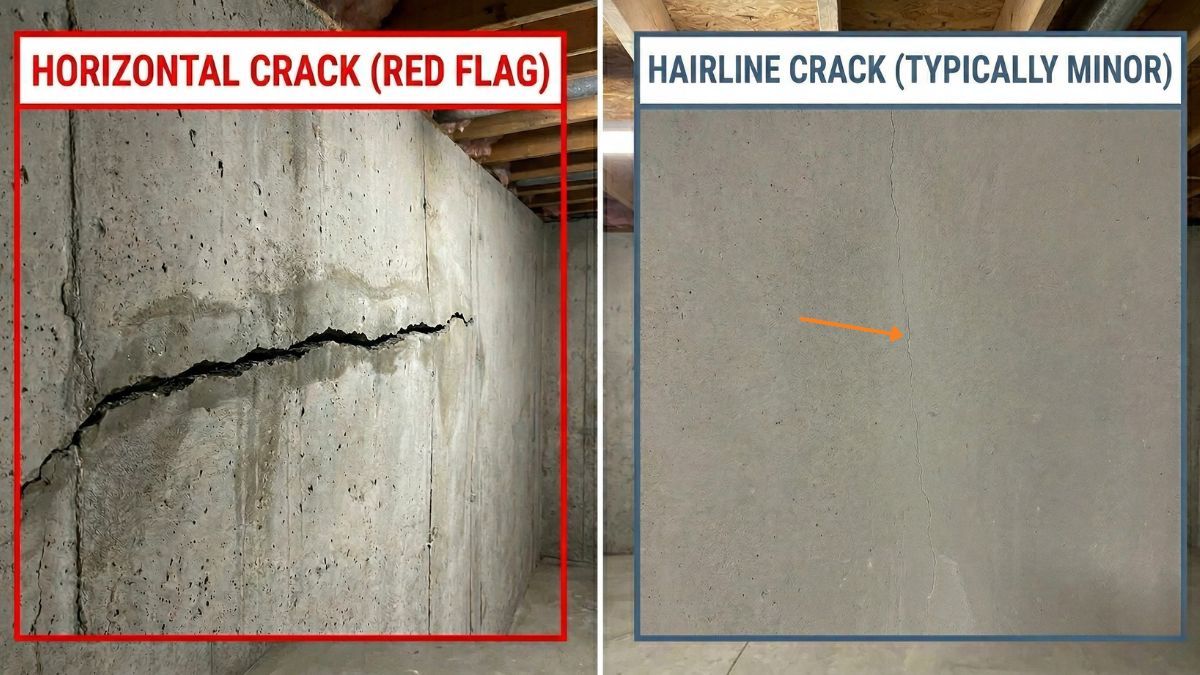
Why All Foundations Get Cracks
It might sound strange, but every foundation is expected to crack a little. When a new home is built, the concrete foundation goes through a curing process where it dries and shrinks. This shrinkage can create small, hairline cracks. Additionally, every house settles into the ground over time, especially within the first few years after construction. This settling process can cause minor shifts that lead to small cracks in the foundation walls or floor slab. These types of cracks are a predictable part of a home’s life cycle — and distinguishing normal settling from structural concerns is a core focus of our foundation engineering practice.
What Causes Normal Foundation Cracks?
It’s easy to think of your home’s foundation as a solid, unmoving block, but foundations are constantly interacting with the ground beneath them and the environment around them. That interaction leads to subtle shifts, expansion, and contraction, which is why cracks appear over time.
Add in the fact that foundation design has evolved significantly over the past century, and there’s a wide range of foundation types out there, each with its own quirks and vulnerabilities. Understanding how these natural forces act on your specific foundation type is key to distinguishing a normal cosmetic issue from a sign of something more serious. Most of the time, though, a crack is just your house settling in for the long haul.
Concrete Settling and Shrinkage
When a new house is built, its immense weight causes the soil underneath to compact and adjust over time. This natural process is called settling, and it can create small, thin cracks as the structure finds its final resting place, and the soil environment beneath it is rarely static either.
At the same time, the concrete foundation is going through its own transformation. During the curing process, concrete loses moisture and shrinks, and this slight reduction in volume can result in tiny hairline cracks, the kind that are barely visible to the naked eye. These are typically a normal part of a new home’s first few years and don’t usually signal a structural problem unless there’s a design or builder defect. Understanding the science behind them is what our foundation engineers focus on every day, helping clients make informed decisions about their home’s structural health.
Soil Movement and Seasonal Changes
The ground under your home is anything but static. There are many areas around the country that have soil hazards including here in Colorado, many of us deal with expansive clay soil, which acts like a sponge, it swells dramatically when wet and shrinks when it dries out. This constant cycle of expansion and contraction puts pressure on your foundation, causing it to shift slightly with the seasons. A dry summer might cause the soil to pull away, while a wet spring can cause it to push inward. This movement can easily lead to minor cracks appearing or changing. While proper grading and drainage can help manage these effects, some seasonal movement is inevitable and perfectly normal for homes.
Temperature and Moisture Changes
Your concrete foundation reacts to changes in temperature and moisture, just like the soil. Concrete expands slightly in the heat and contracts in the cold, and this thermal movement can create or widen small cracks over time. Moisture is another key factor, especially with the freeze-thaw cycles common in our climate. Water seeps into tiny pores in the concrete, and when it freezes, it expands with incredible force, pushing the concrete apart from the inside. If you have poor drainage or downspouts that empty too close to your house, the excess moisture makes this problem worse. A structural engineer inspection can help you pinpoint any drainage issues that might be contributing to cracks.
What Do Normal Foundation Cracks Look Like?
Seeing a crack in your foundation can feel like a five-alarm fire, but most of the time, it’s just a normal part of a house settling in. Concrete, for all its strength, isn’t completely rigid. It shrinks, settles, and moves with the soil around it. The key is learning to distinguish a harmless shrinkage crack from a sign of serious structural trouble. Think of it like being your home’s detective—you just need to know what clues to look for.
Different types of cracks tell different stories about what’s happening with your foundation. Some are thin and wispy, while others look like a jagged staircase. Their shape, size, and direction all provide hints about their cause. Understanding what these common cracks look like is the first step toward knowing whether you can relax or if it’s time to call in an expert for a structural inspection. Let’s walk through some of the usual suspects you might find in your basement, crawl space or slab foundation.
Hairline Settling Cracks (Less Than 1/8 Inch)
These are the most common and least worrisome cracks you’ll find. Hairline cracks are very thin, often looking like a fine pencil line or a piece of thread on the concrete. They typically appear as a house settles naturally on its foundation, especially within the first few years after construction as the concrete cures and loses moisture. While they might look alarming at first glance, these tiny cracks are usually just cosmetic and don’t indicate a structural problem.
That said, not all vertical cracks are created equal. If you notice cracks appearing at regular, evenly spaced intervals, that’s worth paying attention to. Patterned cracking like this can sometimes occur at reinforcement locations and may be a sign that the structure is yielding under load, which is a different situation from ordinary settling and one that warrants a professional eye.
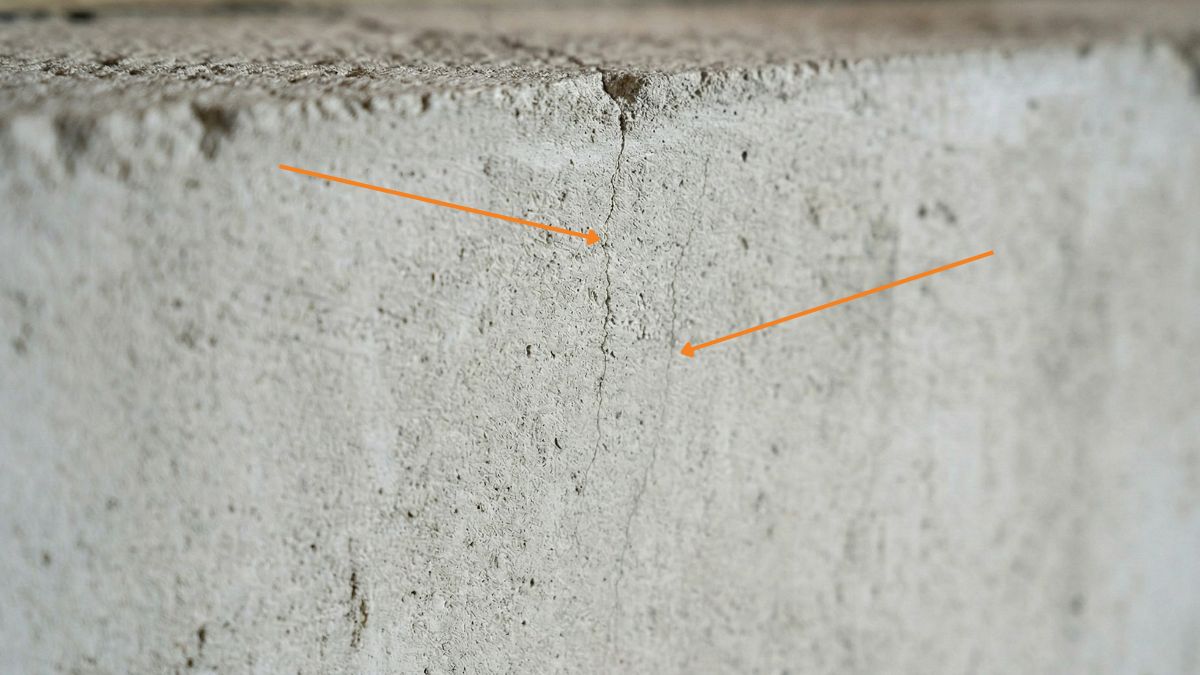
Vertical Shrinkage Cracks
Vertical cracks run straight up and down your foundation wall. Like hairline cracks, they are often a normal result of the concrete curing and shrinking. You’ll usually find that they are a consistent width from top to bottom and don’t show any signs of movement. However, you’ll want to pay closer attention if a vertical crack is wider at the top than it is at the bottom. This could suggest differential settlement, where one part of your foundation is sinking faster than another. If you notice this or any water seeping through, it’s a good idea to have a foundation engineer take a look.
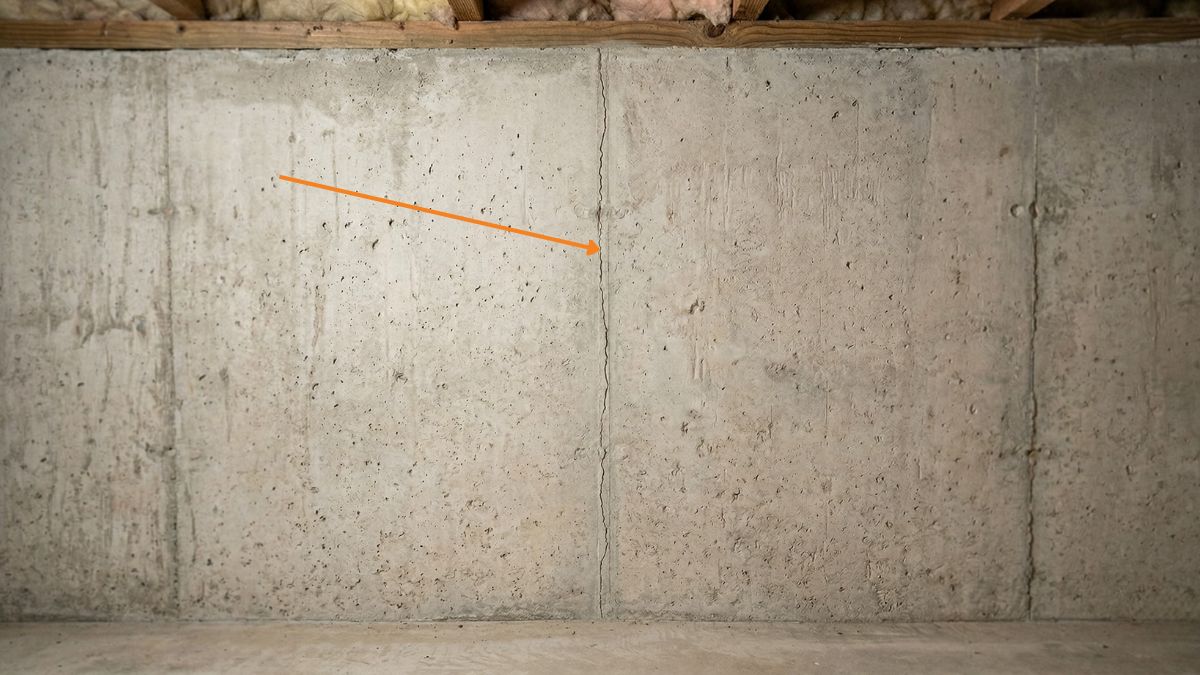
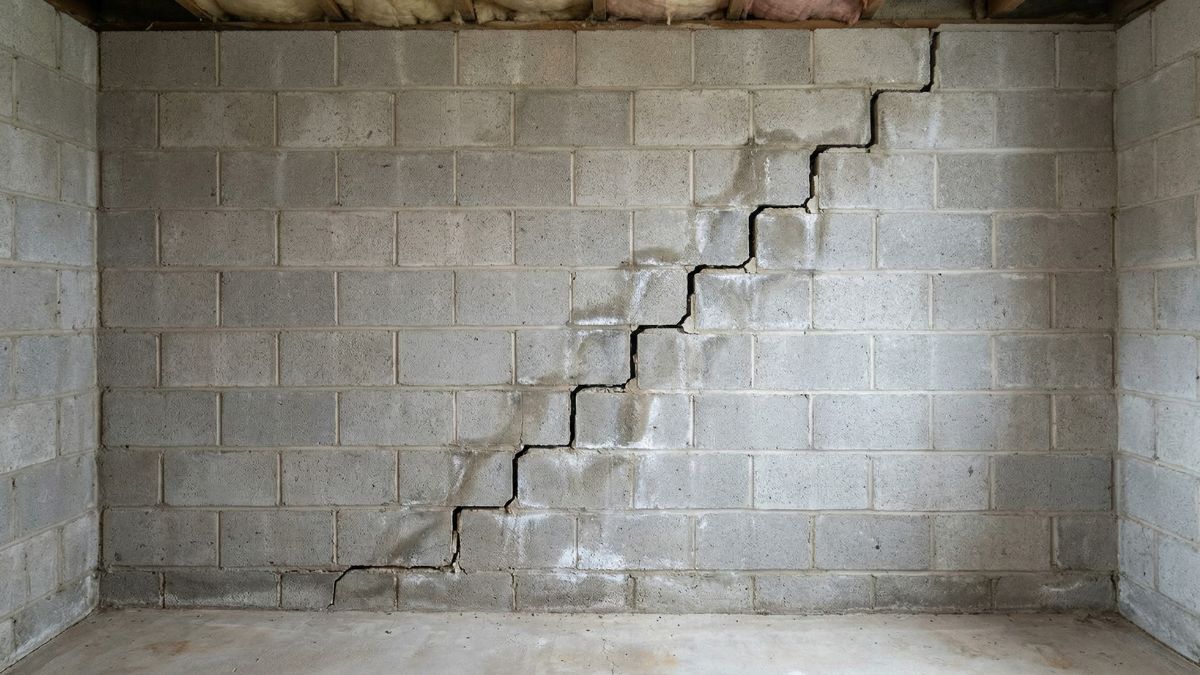
Step Cracks in Block Foundations
If your foundation is made of concrete blocks or bricks, you might see cracks that follow the mortar joints in a stair-step pattern. These are very common and can be caused by minor soil settlement or moisture changes. Small, stable step cracks that haven’t changed in years are often not a major concern. The red flag goes up when these cracks grow beyond hairline size, or are actively growing. A widening step crack can be a sign of significant soil pressure or settlement that could compromise your wall’s integrity, and this is one type of crack that definitely warrants a professional opinion.
It’s also worth noting that if you have a slab foundation, similar stair-step cracking can show up in exterior brick veneer. Don’t dismiss it as purely cosmetic, as it can reflect the same underlying movement and deserves the same attention.
Cracks in Your Floor Slab
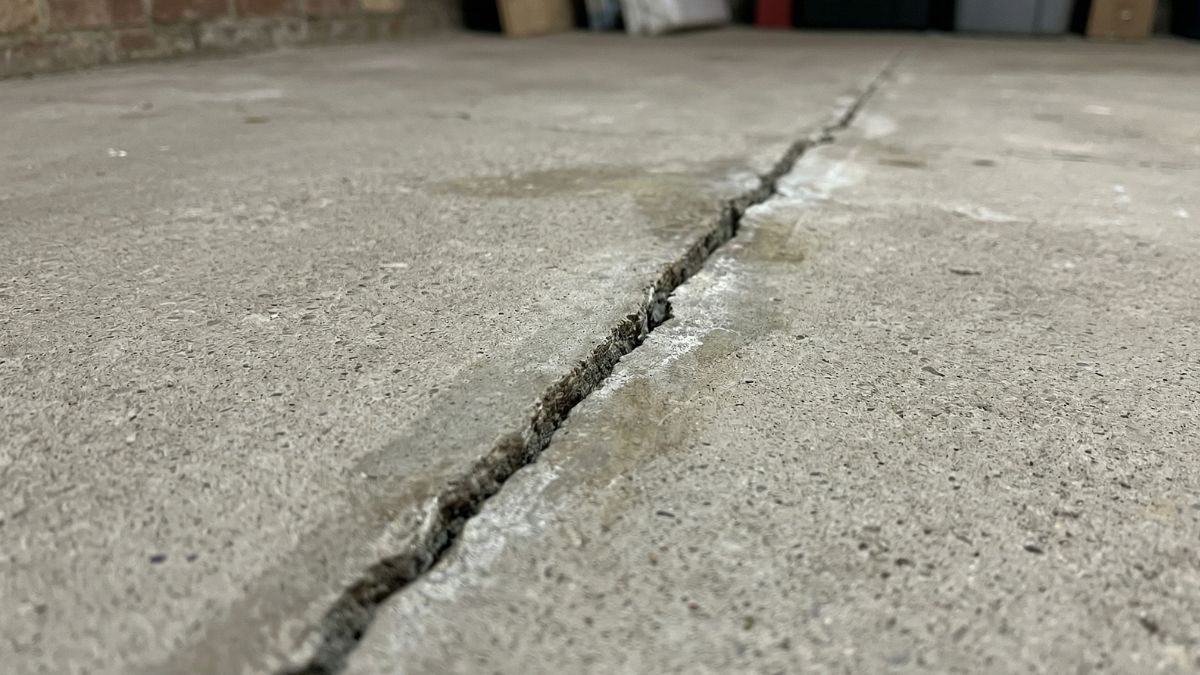
Concrete slabs, whether part of a slab foundation, a basement floor, or a garage, commonly develop cracks over time. Most of the time these are simple shrinkage cracks that formed as the slab cured, and they don’t typically signal a problem with the foundation itself. The time to worry is when you see signs of movement. If one side of the crack is higher than the other, a phenomenon called heaving, or if the crack is getting noticeably wider, it could point to issues with expansive soil or water pressure beneath the slab. These are clear signs that you should seek an expert forensic analysis to understand the root cause.
How to Identify Normal Foundation Cracks
Finding a crack in your foundation can feel alarming, but your first move shouldn’t be to panic, it should be to gather information. A crack tells a story, and the more data you collect now, the easier it will be down the road if a structural engineer needs to piece together what happened and when. By systematically tracking a crack’s size, location, and changes over time, you’ll be better equipped to judge whether it’s a normal part of your home settling or a sign that it’s time to call in a professional.
What to Look For (And How to Measure)
The width of a crack is your first major clue. Most hairline cracks are simply cosmetic and not a cause for concern. However, if you find a crack that’s wider than hairline, it’s time to pay closer attention. Use a simple ruler or measuring tape to get an accurate reading. A great tip is to take a pencil and make small marks at both ends of the crack, noting the date right on the wall. This creates a simple, visual way to see if it’s growing. If you notice a crack expanding, a structural engineer inspection can give you a clear answer on what’s happening.
Check the Crack’s Location and Direction
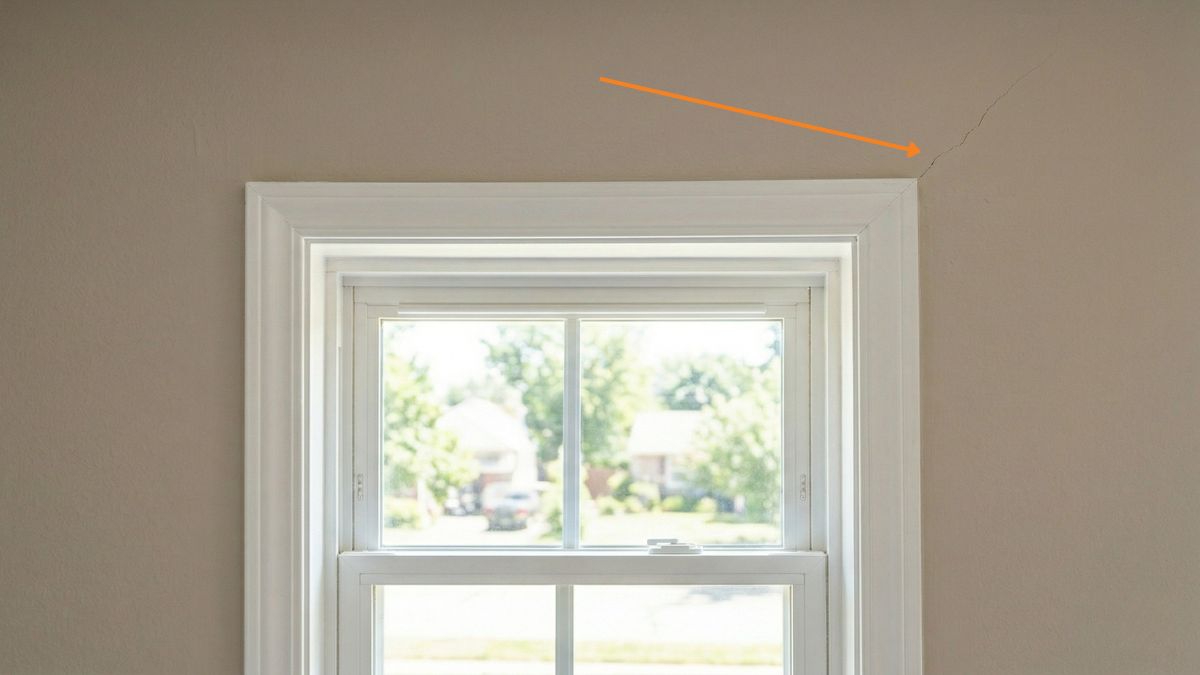
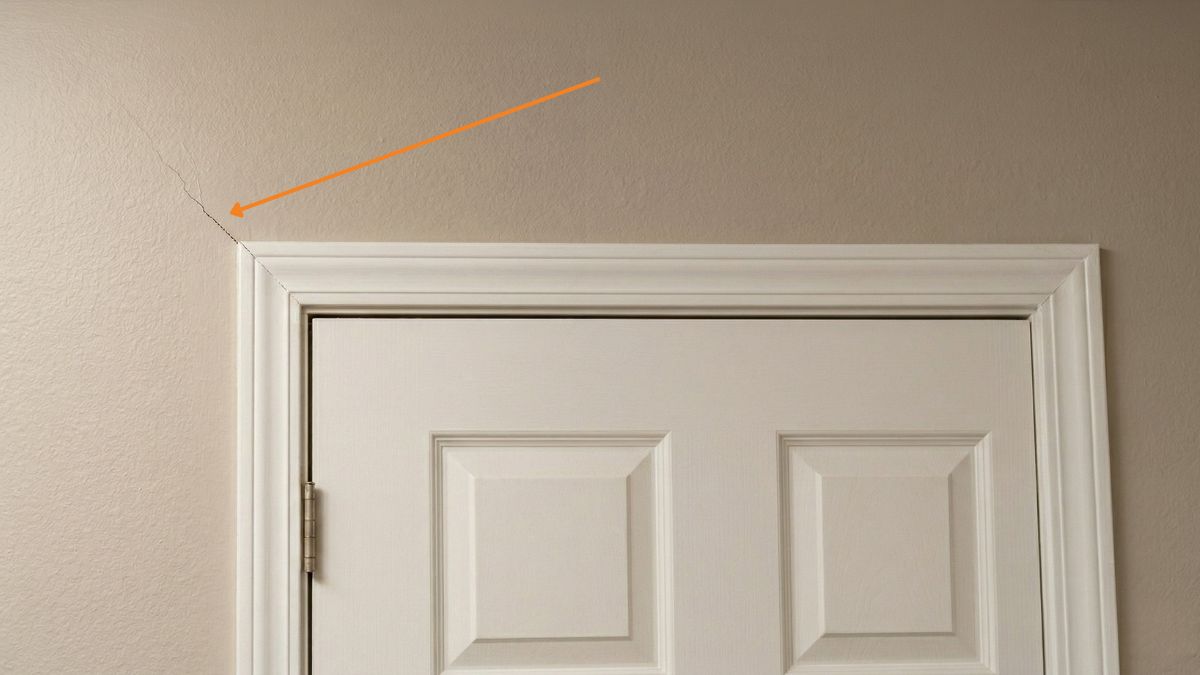
Where a crack appears and the direction it runs are just as important as its size. Vertical or slightly diagonal cracks in a poured concrete wall are often related to concrete curing and shrinkage, which is normal. However, horizontal cracks can indicate pressure from the soil outside, which is a more serious issue. Stair-step cracks in brick or concrete block walls and brick veneers above ground are also a red flag for foundation movement. Pay attention to related signs inside your home, like diagonal cracks extending from the corners of door and window frames. These patterns often point toward underlying settlement or soil heaving that may need a foundation engineer to assess.
Your Crack-Checking Toolkit
You don’t need a lot of fancy equipment to inspect foundation cracks. You can create a simple and effective toolkit with items you probably already have around the house. Grab a good flashlight to get a clear view, especially in dim basements or crawl spaces. A measuring tape or ruler is essential for checking the width and length of any cracks you find. It’s also helpful to have a level to check if nearby walls or floors are still even. And of course, your smartphone is your most powerful tool for taking clear, dated photos to document what you see.
Document Everything with Photos
Creating a visual record is one of the best things you can do. When you find a crack, take several clear photos of it. Place a ruler or a coin next to the crack in the picture to provide a sense of scale. Be sure to capture it from a few different angles and distances—a close-up to show the texture and a wider shot to show its location on the wall.
Make sure you save these photos in a dedicated album and name them with the date. This simple habit creates a timeline, making it easy to see if the crack is changing. This documentation is incredibly valuable if you ever need a forensic structural engineer to investigate an issue.
How to Monitor Foundation Cracks Over Time
Finding a crack in your foundation can be unsettling, but most of the time, it’s just a normal part of a house settling. The key is to watch for changes. Monitoring cracks over time helps you establish a baseline so you can tell if a small issue is turning into a bigger problem. Think of it as a regular health checkup for your home’s foundation.
By keeping an eye on things, you can catch potential issues early and know exactly when it’s time to call in a professional. This simple process doesn’t require special tools—just a few minutes of your time every few months. It’s the best way to gain peace of mind and protect your investment.
Take Clear Photos for Comparison
The easiest way to track a crack is to become its personal photographer. Snap a few clear, well-lit photos of the crack from different angles. Place a ruler or a coin next to it to give a sense of scale—this makes it much easier to spot changes in width or length later on.
Make sure to save the photos in a dedicated folder on your computer or phone and name the files with the date. This creates a visual timeline that is incredibly helpful for tracking even the slightest changes over the seasons.
Track Any Changes or Growth
Once you’ve documented the crack, it’s time to monitor it. A simple trick is to take a pencil and mark the date at each end of the crack directly on the wall. Every few months, check back to see if the crack has grown past your marks. If you notice it getting longer or wider, it’s a sign that there might be ongoing movement that needs attention. Growing cracks are more concerning than static ones because they indicate an active issue, which is a good reason to get a professional structural inspection.
Why Seasonal Checks Are Important
Your home doesn’t exist in a bubble. It’s constantly affected by the soil beneath it, and soil is far from consistent. Across the U.S., soil types vary widely, from expansive clay that swells when wet and shrinks when dry, to loose or collapsible soils prone to erosion and settlement. Unlike the concrete and steel of your home, soil is a natural material, not an engineered one, and it behaves accordingly. These seasonal and environmental shifts put pressure on your foundation, sometimes causing small cracks to appear or change slightly.
That’s why checking on your foundation every three to six months is a good habit. A crack that widens in a wet season and settles back during a dry one might just be reacting to normal soil movement, but consistent growth season after season is a different story.
Keep a Simple Monitoring Log
To keep all your observations organized, start a simple monitoring log. This can be a note on your phone or a page in a notebook. For each check-in, record the date, the current length and width of the crack, and any new photos you’ve taken. This log creates a clear, detailed history of the crack’s behavior. If you ever need to consult with an expert, you’ll have a comprehensive record to share. This information helps foundation engineers accurately diagnose the cause and determine the best course of action.
When to Worry About Foundation Cracks
While most small cracks are a normal part of a home’s life, some are signals of a deeper issue. Knowing how to spot the difference can save you a lot of stress and money down the road. If you see any of the following signs, it’s time to pay closer attention and consider getting a professional opinion.
Red Flags That Point to a Bigger Problem
Certain types of cracks are more concerning than others. Be on the lookout for horizontal cracks running along your foundation walls, as these can indicate intense pressure from the soil outside. Another red flag is a large, diagonal crack with one side higher than the other, which suggests differential settling.
New cracks that appear suddenly in the middle of your walls or ceilings, far from any corners, can also point to a structural problem. If you spot these issues, it’s wise to have a forensic structural engineer investigate the underlying cause.
How Wide is Too Wide?
Size definitely matters when it comes to foundation cracks. A good rule of thumb is that any crack you can fit a credit card edge into warrants a professional look. Cracks you can barely see or feel with your fingertip are usually harmless, but wider gaps suggest the foundation has moved significantly and may continue to do so.
A crack you can slip a coin into (1/16 of an inch or 1/8 of an inch) is considered moderate, but anything wider than that is a serious warning sign. The best way to know for sure is to schedule a structural engineer inspection for an expert measurement and assessment.
Other Signs: Sticking Doors and Uneven Floors
Sometimes, the biggest clues aren’t in the foundation itself but elsewhere in your home. Foundation movement can twist the entire frame of your house, causing secondary problems. Pay attention to doors and windows that suddenly begin to stick or no longer latch properly. You might also notice sloping floors, gaps between the wall and the ceiling, or cracks appearing in the drywall above door and window frames. These are all signs that the structure is under stress. A comprehensive structural engineering evaluation can determine if these issues are connected to your foundation.
Environmental Factors to Watch Out For
The environment around your home plays a huge role in your foundation’s health. Poor drainage is one of the most common culprits behind foundation damage. Make sure your gutters are clean and your downspouts direct water far away from your home’s base. Expansive soils can swell with moisture and shrink when dry, putting immense pressure on your foundation. Even large tree roots growing too close to the house can cause problems. If you suspect soil or water issues, our foundation engineers can help diagnose the problem.
What to Do About Foundation Cracks
Discovering cracks in your foundation can be unsettling, but your next steps don’t have to be. Whether you’re dealing with a tiny fissure or something more concerning, knowing how to respond is key. For minor issues, a little monitoring might be all you need. For more serious signs, calling in a professional will give you clarity and a solid plan. Let’s walk through what to do when you find foundation cracks.
DIY Fixes for Minor Cracks
If you’ve identified a small, hairline crack that isn’t growing, you can often handle it yourself. The most important step is to monitor it. As a homeowner, you should periodically measure the length and width of any cracks to see if they’re changing. A simple way to do this is to mark the ends of the crack with a pencil and date it. Take a photo with a ruler next to it for scale.
Check back every few months, especially after significant weather changes, to see if it has grown. For tiny, stable cracks, some homeowners choose to consult with a professional about moisture-sealing options. Any sealing approach addresses moisture intrusion only and does not constitute a structural repair — a licensed engineer should confirm the crack is non-structural before any treatment is applied.
Knowing When to Call a Professional
It can be tough for a homeowner to tell if a crack is a sign of a serious structural problem. That’s when you need to put down the DIY tools and pick up the phone. You should call a professional if you see any major red flags. These include cracks wider than a quarter-inch, horizontal cracks, or stair-step cracks in a block wall that are actively growing.
Also, pay attention to other symptoms in your home, like sticking doors and windows, sloping floors, or walls that are bowing or leaning. These are often signs that the foundation issue is affecting the rest of your home’s structure, and a structural inspection is necessary.
Get an Expert Opinion from Level Engineering
When you’re unsure, the best thing you can do is get an expert opinion. A professional foundation engineer has the tools and experience to provide an expert, evidence-based assessment of your foundation’s condition. During an inspection, we use precise instruments to check for uneven surfaces and accurately measure cracks to assess their severity.
We can determine if your house is experiencing normal settling or if there’s a deeper issue at play. This analysis provides you with a clear understanding of the problem and a detailed plan for any necessary repairs. A professional assessment is a valuable investment in understanding your home’s structural health.
Frequently Asked Questions
Should I seal every hairline crack I find?
Sealing small, stable cracks is a good preventative measure, but it’s important to understand its purpose. Sealing a crack with epoxy or polyurethane is primarily about keeping moisture and pests out, not providing structural support. If a crack is stable and simply a result of concrete curing, sealing it is a great weekend project. However, if the crack is a symptom of ongoing movement, sealing it is like putting a bandage on a broken arm—it covers the problem but doesn’t fix the underlying issue.
What’s the difference between hiring a structural engineer and a foundation repair contractor?
Think of it like visiting a doctor versus going straight to a surgeon. A structural engineer is like a diagnostician. Their job is to provide an unbiased, expert assessment of your foundation’s condition, identify the root cause of any problems, and recommend a specific solution if one is needed. A foundation repair contractor is the specialist who performs the actual repair work. We always recommend starting with an engineer to ensure you get an accurate diagnosis before you invest in a specific repair method.
I’m buying a house that has some foundation cracks. Should I walk away?
Not necessarily. Since most homes have a few minor cracks, finding them shouldn’t be an automatic deal-breaker. Instead, you should treat it as a crucial step in your due diligence. This is the perfect time to bring in a structural engineer for an inspection. An expert assessment will tell you if the cracks are normal settling or signs of a significant problem. The inspection report will give you a clear picture of the home’s structural health and empower you to negotiate repairs or make a confident decision.
If a crack hasn’t changed in years, can I assume it’s safe?
A crack that has remained stable over time may be less urgent than an actively growing one, but any foundation crack should be periodically monitored and evaluated by a professional if other warning signs appear. Changes in your property’s environment can sometimes reactivate movement. For example, a new drainage problem, a particularly wet season, or even a neighbor’s construction project could alter soil conditions and put new stress on your foundation. It’s still wise to check on old cracks periodically and consider a professional inspection if you notice any new signs of trouble in your home, like sticking doors.
How much does a professional foundation inspection typically cost?
The cost for a professional structural inspection varies based on the size and complexity of the structure. Contact a licensed structural engineer for a project-specific quote. Think of it as paying for clarity—an inspection provides you with an expert assessment of your home’s structural health and a clear, actionable plan if any repairs are needed. This upfront knowledge can help inform decisions and potentially avoid larger expenses down the road.
Disclaimer
This article provides general information about Foundation Cracks and should not be considered professional engineering advice for your specific project. Every structure and site has unique requirements. Level Engineering and Architecture recommends consulting with a licensed structural engineer to evaluate your particular needs and ensure compliance with local building codes and regulations.
Level Engineering and Architecture offers civil and structural engineering and architecture services designed to give our clients clear guidance and practical solutions so you can move forward with confidence. Our approach typically includes an initial site visit and consultation before moving into potential designs, reports, or other services. Results and timelines vary based on project scope, site conditions, and regulatory requirements.
Engineering solutions should be implemented by licensed professionals in accordance with applicable building codes, regulations, and industry standards. This information is for educational purposes only.
————————
Expert Quote
“The U.S. has hundreds of millions of existing structures, almost as many buildings as there are people. Almost all single-family homes are designed and built to generic prescriptive codes and general trade practices. Government inspectors are often underfunded and don’t have the time to verify that foundations are built correctly or are adequate for the soil conditions beneath them.
These agencies also carry government immunity, which protects taxpayers from large lawsuit burdens but leaves homeowners with little recourse. Builders, meanwhile, operate on short warranty timelines and are squeezed by tight margins, affordable housing pressures, and skilled labor shortages.
So where does the accountability fall? On you. Invest in a professional assessment of your home, whether before purchasing or as part of ongoing care.”
Scott Zurn, P.E.
