
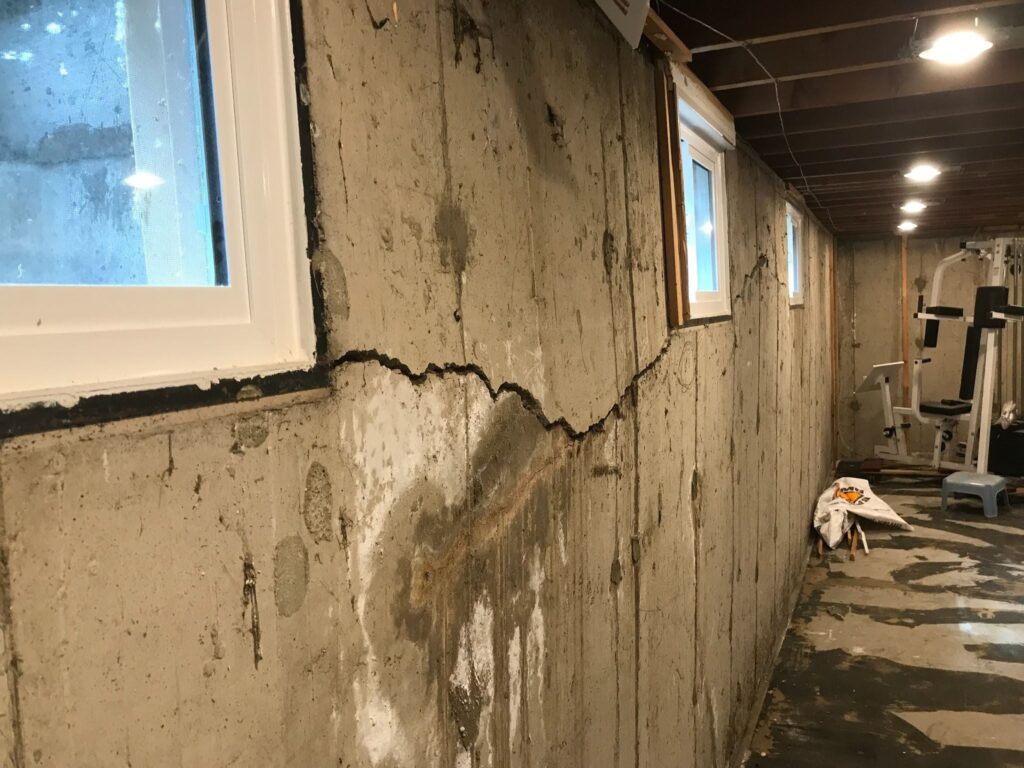
Living in the Denver area means dealing with unique challenges, especially when it comes to our homes’ foundations. The expansive clay soil here can put a tremendous amount of pressure on a structure, causing it to shift and settle in ways that are uncommon in other regions. That’s why a small crack here can sometimes mean something more. Learning how to tell if a foundation crack is structural isn’t just general home maintenance; it’s a crucial skill for Colorado homeowners. We’ll break down the common causes of cracks in our area and show you exactly what to look for, so you can feel confident about your home’s stability.
Key Takeaways
- Decode your foundation cracks: The direction and size of a crack offer major clues about its severity. Thin vertical cracks are often normal, but horizontal, stair-step, or wide (more than hairline) cracks signal a need for professional evaluation.
- Look for clues throughout your home: Foundation problems rarely happen in isolation. Pay attention to other warning signs like sticking doors and windows, sloping floors, or new cracks in your drywall, as these often point to a deeper structural issue.
- Take a proactive approach: For prevention, focus on managing water with proper drainage and clean gutters. If you find a suspicious crack, document it with photos, monitor it for any changes, and consult a structural engineer for an expert diagnosis before attempting any repairs.
- Water and moisture stability: Reactive soils that expand and contract with changing moisture levels are a leading cause of foundation movement and stress. Sources can range from surface drainage issues to fluctuating groundwater levels, and because these conditions are complex and site-specific, a structural or geotechnical engineer should evaluate any suspected moisture-related foundation concerns before they escalate.
What Are the Different Types of Foundation Cracks?
Finding a crack in your foundation can feel alarming, but not all cracks signal a disaster. They fall into different categories based on their cause and severity. Understanding the basics helps you figure out if you’re dealing with a minor cosmetic issue or something that needs a professional eye. The first step is learning to distinguish between non-structural and structural cracks, then looking at specific patterns caused by settlement or concrete shrinkage.
Structural vs. Non-Structural: What’s the Difference?
At the highest level, foundation cracks are either structural or non-structural. Most are non-structural and don’t threaten your home’s stability. These are typically vertical, very narrow (less than 1/32 inch wide), and happen due to normal concrete curing or minor soil shifts. While they can sometimes let moisture in, they don’t compromise your home’s core structure.
Structural cracks, however, are a serious concern affecting your home’s safety. They are often wider than 1/32 inch, run horizontally, or show displacement where one side is offset from the other. If you see these, it’s a sign you need a professional assessment from experienced foundation engineers who can diagnose the root cause and recommend a solution.
Foundation type matters: Crack patterns vary significantly depending on foundation material, age, and reinforcement.
- Block or CMU foundations tend to crack along mortar joints, producing stair-step or horizontal patterns.
- Heavily reinforced modern foundations typically show smaller, more frequent cracks under stress
- Older foundations with minimal steel may develop fewer but larger ones.
Because no single rule applies to every situation, an experienced structural engineer is the right person to assess your specific foundation type and determine the true severity of what you’re seeing.
Settlement Cracks
As a house ages, minor settling is normal, but excessive or uneven movement causes cracks. The most common are “stair-step” cracks that follow the mortar lines in a brick or concrete block foundation. In concrete foundations, a tiny, old cracks might not be an issue, pay close attention to new or growing ones. If a crack is widening, letting in water, or accompanied by other warning signs like sticking doors, If the crack is wider on the top or bottom of the crack this may be evidence of uneven movement in the foundation.
We pay attention to these specifically as uneven movement can translate into other aspects of the structure. Regardless, active changing cracking is a concern and it’s time to call for a structural inspection. An expert can determine if the settlement is ongoing and threatening your home’s stability.
Shrinkage Cracks
Shrinkage cracks are a natural part of the concrete curing process. As concrete dries and hardens, it shrinks slightly, which can cause small fissures to appear. These are almost always non-structural. They tend to be very thin (often called hairline cracks), vertical, and don’t typically grow over time. While they are primarily a cosmetic issue, a cluster of them could allow moisture to seep into your basement. Sealing them is usually a simple fix, but it’s still wise to keep an eye on them. If you’re ever unsure about a crack, a professional structural engineering assessment can provide peace of mind.
How to Visually Identify a Structural Crack
When you find a crack in your foundation, it’s easy to feel a little panicked. But not all cracks spell disaster. Some are perfectly normal signs of your home settling. The key is learning to spot the difference between a harmless hairline crack and a serious structural issue. While a professional diagnosis is always the best course of action, you can start by playing detective. A few simple visual checks can help you describe what you’re seeing when you call a professional — but they are not a substitute for a licensed engineer’s assessment.
Measure the Crack’s Width
One of the first and easiest things you can do is grab a ruler or tape measure. The width of a crack is a major clue to its severity. As a general rule, tiny singular hairline cracks are common and usually not a cause for concern. However, if you find a crack that is wider than a hairline, it’s a sign that you should pay closer attention. A gap this large often indicates that there has been movement or pressure on the foundation, which could compromise your home’s stability. Any crack that you can slide a quarter into is a clear signal to schedule a professional structural inspection to get an expert opinion.
Analyze the Direction and Pattern
The direction a crack runs tells a story about the forces your foundation is up against. Vertical cracks that run straight up and down are often caused by the concrete curing and shrinking, which is a normal process. However, cracks that run horizontally or diagonally (at a 45-degree angle) are more concerning. These patterns suggest that the foundation is failing due to soil pressure or uneven settling. A horizontal crack can mean that outside pressure is causing the wall to bow inward.
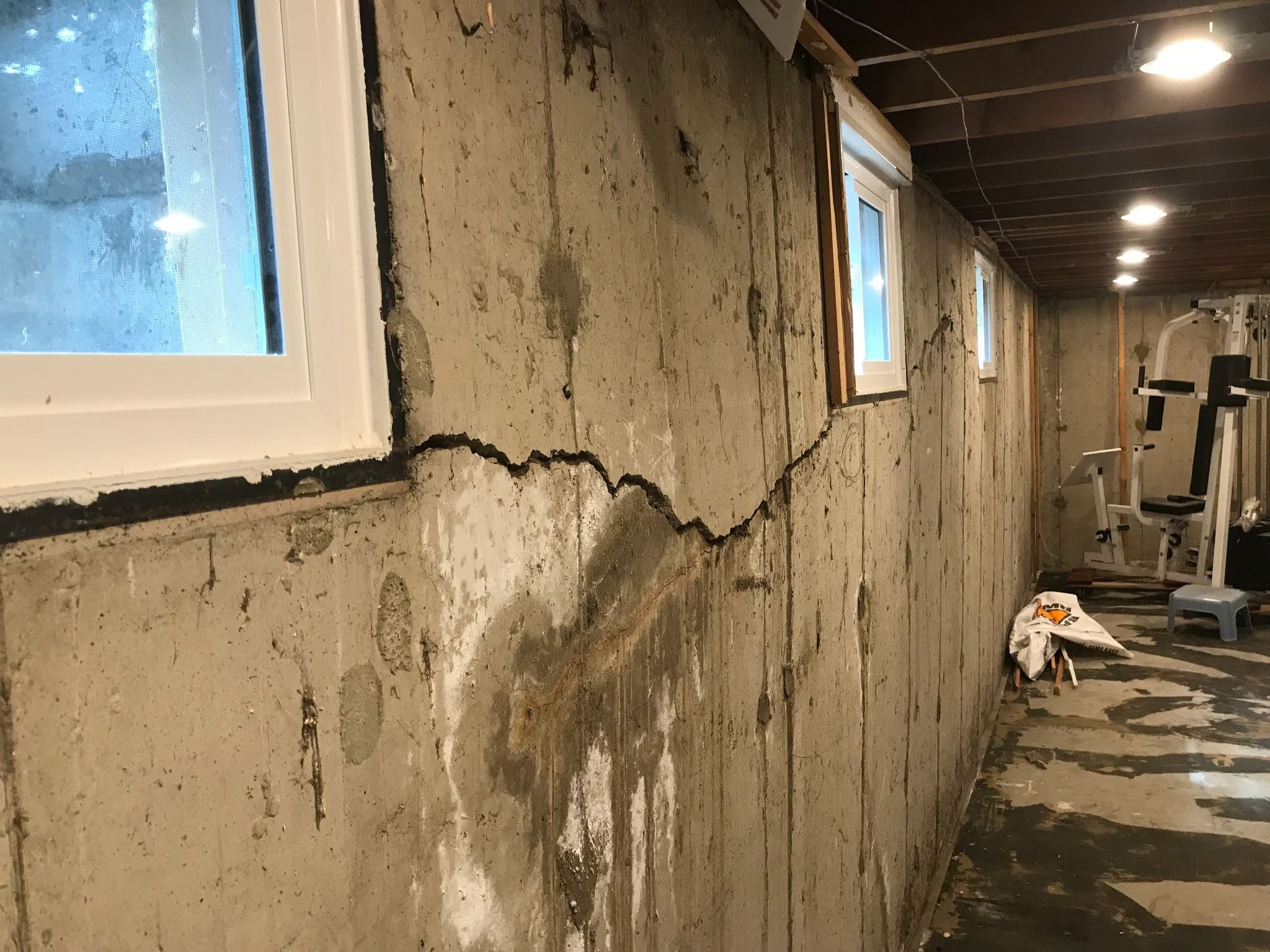
A diagonal crack often points to differential settlement, where one part of your foundation is sinking faster than another.
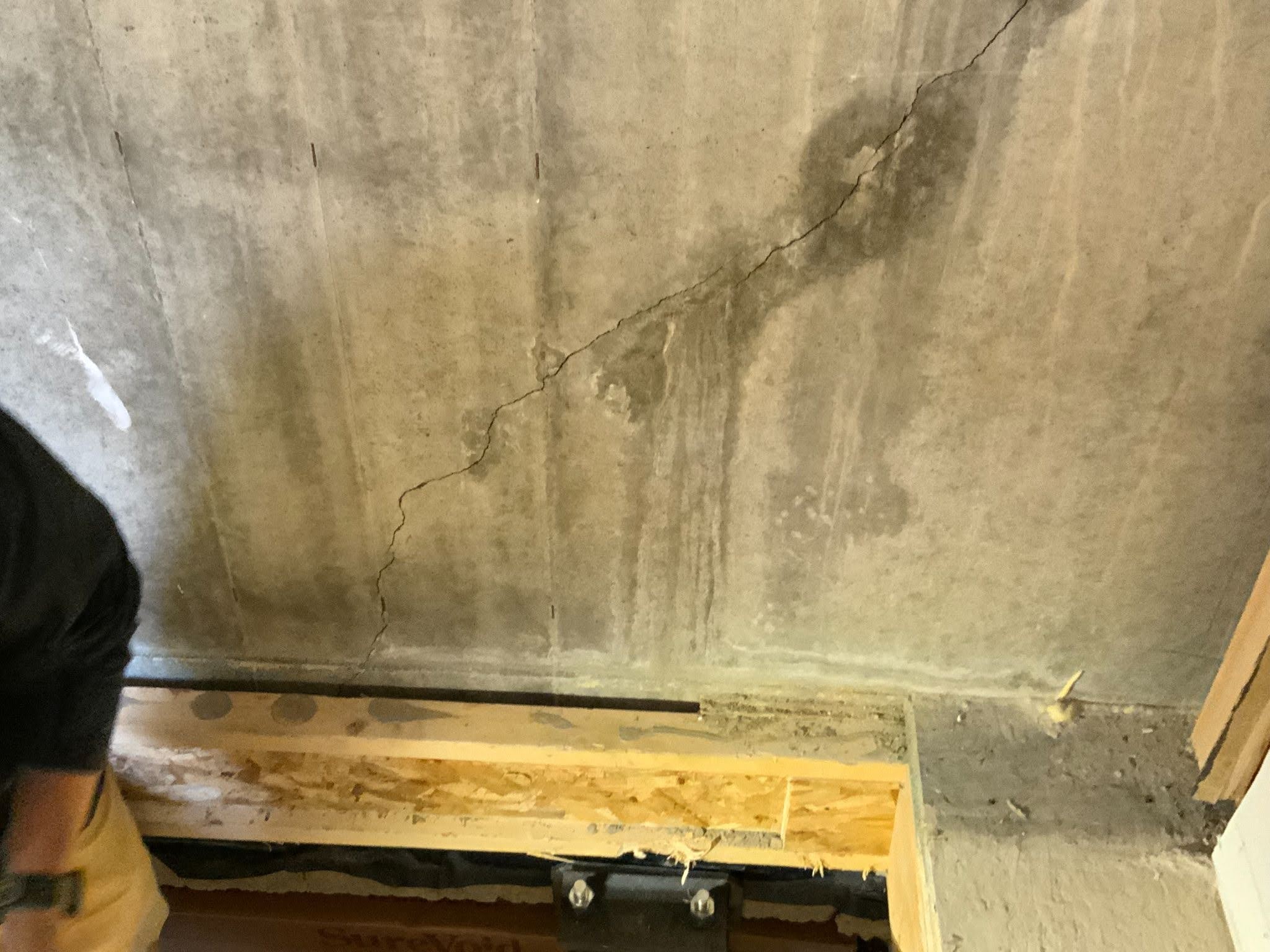
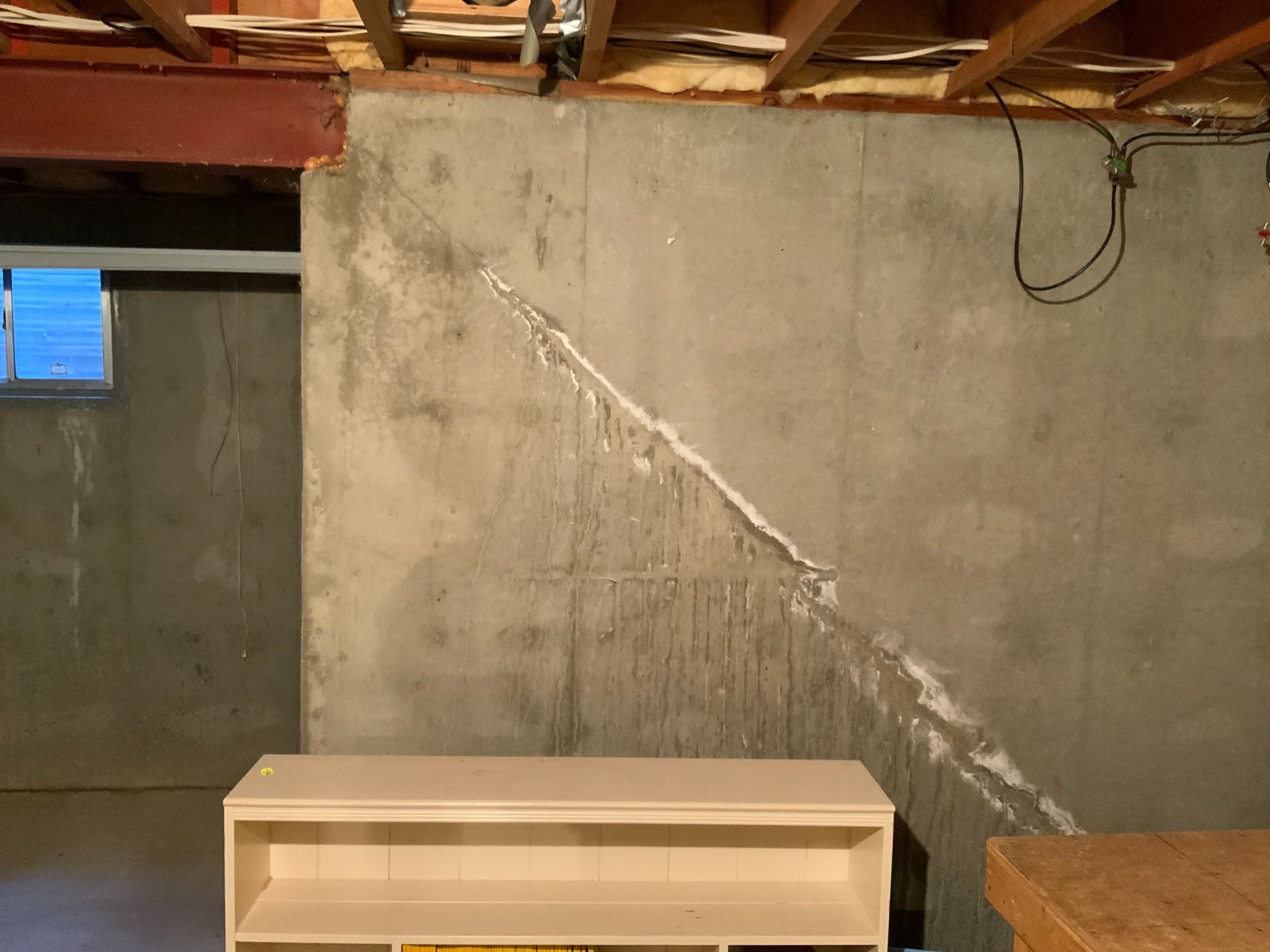
Our team of foundation engineers can interpret these patterns to diagnose the root cause. For clarity, these distresses are related to concrete foundations,If your foundation is constructed in other materials these conditions are different in the way they present problems.
Look for Stair-Step Cracks in Brick or Masonry
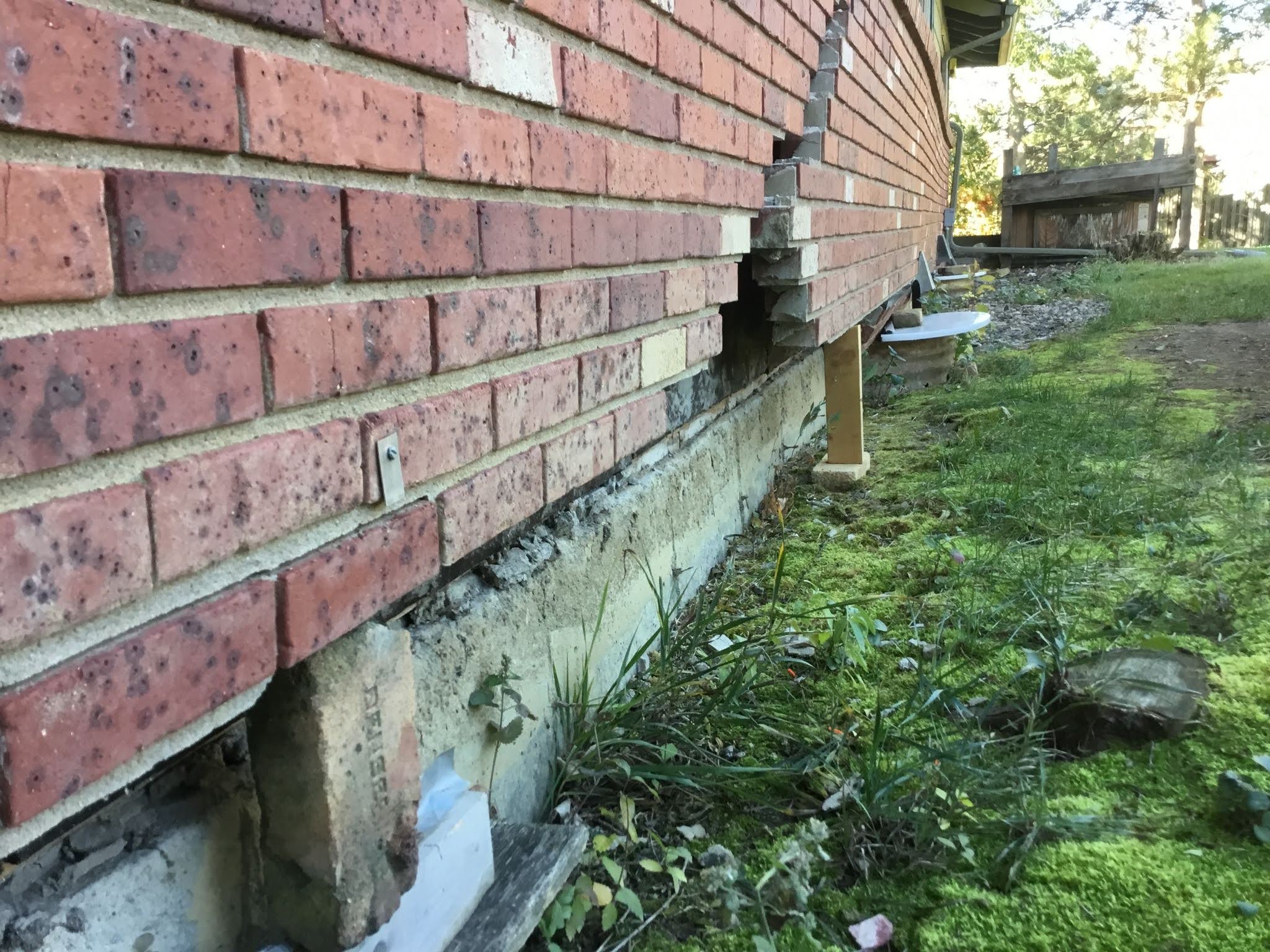
If your home has a brick or concrete block foundation, keep an eye out for stair-step cracks. These cracks follow the mortar joints between the blocks, creating a pattern that looks like a set of stairs. This is a classic sign of foundation settlement. It happens when one side of the foundation drops, causing the rigid masonry to pull apart along its weakest points, which are the mortar lines. You’ll typically see these cracks on exterior walls or in a basement. While a small, isolated stair-step crack might not be an emergency, it’s a definite red flag that your foundation has moved and should be evaluated.
Note Horizontal vs. Vertical Cracks
As we touched on earlier, the orientation of a crack is incredibly important. While thin vertical cracks are often harmless, horizontal cracks are almost always a sign of a serious problem. A horizontal crack running along a basement wall typically means that immense external pressure is being applied. This is often caused by hydrostatic pressure (from water-saturated soil) or the expansion and contraction of clay soils common in the Denver area and many parts of the country.This constant force can cause your foundation walls to bow inward, which is a significant structural failure.
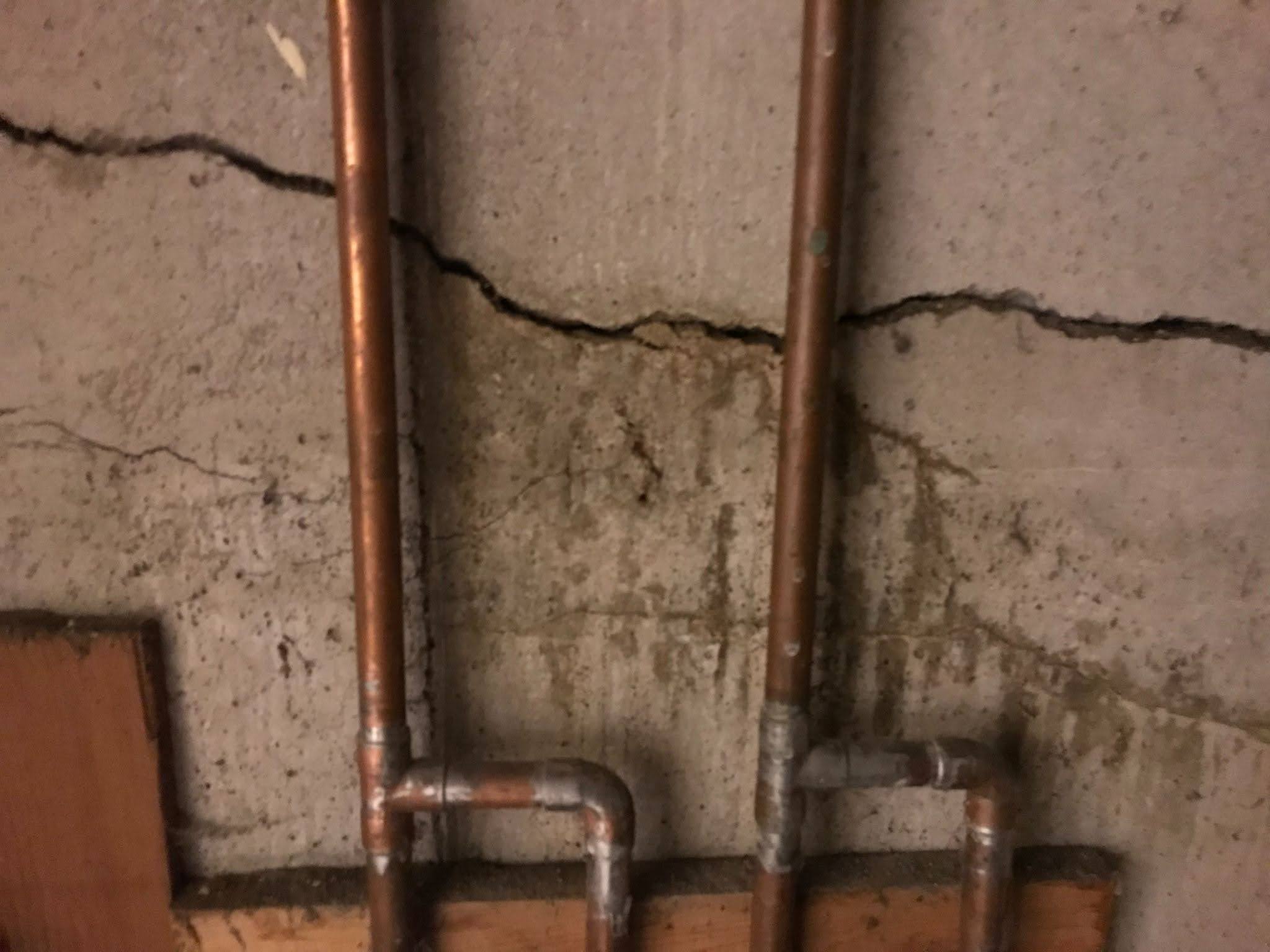
If you see a horizontal crack, don’t wait to get it checked out.
Check for Displacement or Offset
Run your hand over the crack. Is one side sticking out further than the other? This is known as displacement or shear, and it’s a major warning sign. When the two sides of a crack are no longer level or flush, it means the foundation has not only cracked but has also shifted. This indicates that the movement is likely ongoing and severe. A displaced crack tells you that sections of your foundation are moving independently of one another, which can seriously compromise the entire structure of your home.
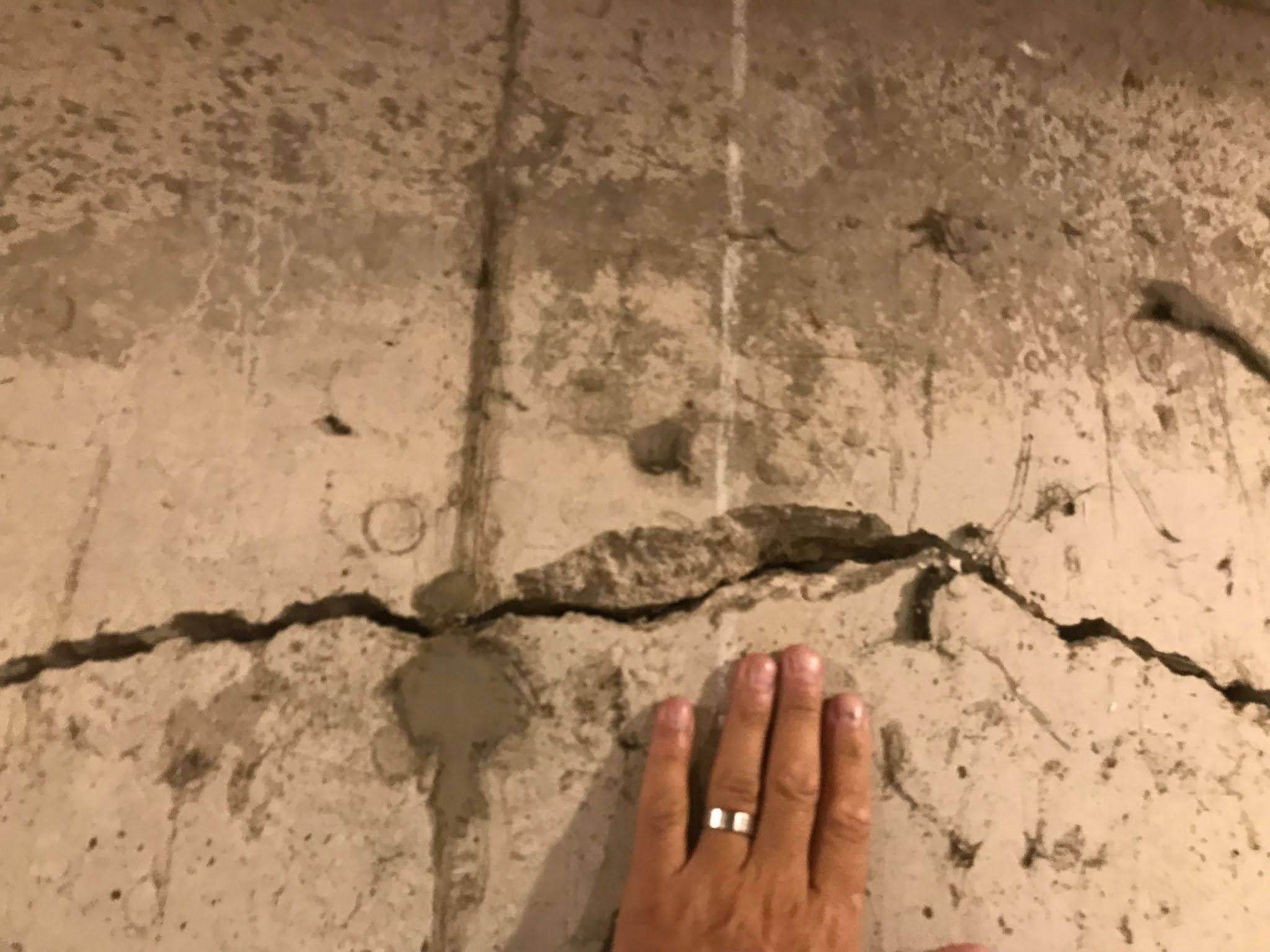
This is not a cosmetic issue; it’s a clear signal of structural distress that requires an immediate forensic analysis from a professional.
What Are the Warning Signs of a Structural Problem?
Foundation cracks rarely appear in isolation. If your home has a significant structural issue, it will often send out other distress signals. Think of these as clues that tell a bigger story about your home’s health. Paying attention to changes throughout your house, not just in the basement, can help you catch a problem before it gets worse. Here are some of the most common warning signs that point to a potential structural problem.
Sticking Doors and Windows
Have you ever had a door that used to close smoothly but now sticks, or a window that’s a struggle to open? While seasonal humidity can cause wood to swell, persistent issues are often a sign of something more. When a house’s foundation shifts, it can twist and warp the frames of your doors and windows. This misalignment is what causes them to jam or not latch properly. If you’re noticing this problem in multiple spots around your home, it’s a strong indicator that the frame is under stress from foundation movement. A professional structural inspection can determine if the cause is a simple fix or a symptom of a larger issue.
Uneven or Sagging Floors
Walking across a room shouldn’t feel like you’re on a ship. If you notice floors that are sloping, sagging in the middle, or feel bouncy and soft underfoot, take it seriously. These are classic signs that the support system beneath your feet is compromised. This could be due to the foundation settling unevenly, causing the floor joists to lose their level support. You might notice it when a ball rolls to one side of the room on its own or see a visible dip in the center of a large space. Uneven floors are a direct signal from your home’s structure that something is off balance and needs to be investigated by a foundation engineer.
Cracks in Interior Walls and Ceilings
While tiny hairline cracks can be a normal part of a house settling, certain types of cracks in your drywall are a cause for concern. Look for cracks that run diagonally from the corners of door and window frames; these often indicate structural movement. Other red flags include cracks that are wider than a quarter-inch or cracks that appear on your ceilings.
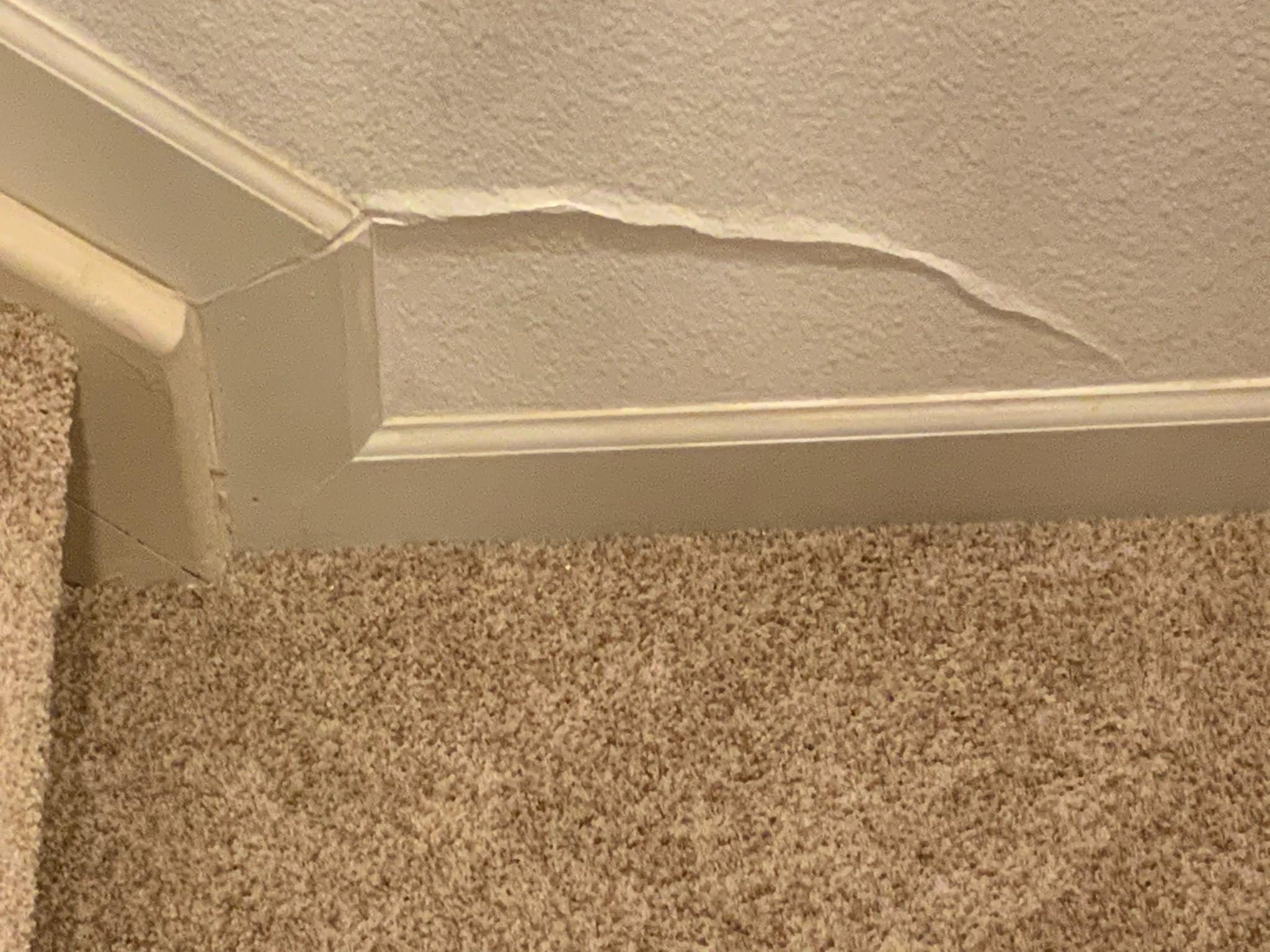
These fissures show that the entire frame of your house is being pulled or pushed in ways it wasn’t designed for. It’s the structure’s way of relieving stress from a shifting foundation. Documenting these cracks can provide valuable information for a forensic structural engineer.
Bowing or Leaning Walls
This is one of the most serious warning signs. If you look down the length of a basement wall and see it curving inward, or notice an exterior brick wall leaning, it requires immediate attention. Bowing walls are typically caused by immense external pressure from the soil and water outside your foundation. This pressure can literally push the wall inward, compromising its strength and the stability of the entire house. This isn’t a “wait and see” problem. A bowing or leaning wall is a clear sign of structural failure that needs a professional assessment from a residential structural engineer right away to ensure your home is safe.
Leaks and Moisture in the Basement
Water and foundations are not a good mix. If you see water seeping through a foundation crack, it’s a dual problem. First, it means the crack is significant enough to breach the wall’s water resistance, opening the door to moisture damage, mold, and pests. Second, the presence of water can make the original problem worse by eroding the soil around your foundation or contributing to freeze-thaw cycles that widen the crack. Even a small, damp spot can indicate a larger issue with drainage or hydrostatic pressure. Don’t just patch the leak; it’s important to understand why it’s happening in the first place.
Mold or Musty Smells
That distinct, musty smell in a basement is often the first sign of a moisture problem you can’t see. Where there is persistent dampness, mold is likely to follow. If you notice this smell or see visible mold growth on walls, floors, or stored items, it’s a clear signal that water is getting in somewhere. This moisture is frequently traced back to cracks in the foundation. Beyond the potential health risks associated with mold exposure, its presence points directly to a breach in your home’s defenses. Addressing the source of the moisture is key, and that often starts with a thorough foundation inspection.
What Causes Foundation Cracks?
Understanding why foundation cracks appear in the first place can help you spot potential issues before they become major problems. Most of the time, the culprit is some kind of movement or pressure from the soil and water surrounding your home. Here are the most common causes you should know about.
Shifting and Settling Soil
The ground beneath your home isn’t static. Soil naturally shifts and settles over time, and your foundation has to adjust. Significant issues often arise from changes in soil moisture. For instance, heavy rainfall can oversaturate the soil, causing it to expand and push against your foundation walls. On the other hand, a drought can cause the soil to shrink and pull away, leaving parts of the foundation unsupported and leading to sinking or settling. This is why you might notice new cracks after a particularly wet or dry season. A foundation engineer can determine if soil movement is the root cause of your foundation issues.
Poor Drainage and Water Damage
Water is the number one enemy of a healthy foundation. If your property doesn’t have proper drainage, water will pool around your foundation, creating immense pressure. Make sure your yard is graded to slope away from the house, not toward it. It’s also a good idea to keep your gutters clean and use downspout extensions to carry water far from your home’s base. Consistent water exposure can weaken the soil, lead to settlement, and even cause walls to bow inward. Learning to understand foundation cracks often starts with looking at how water behaves around your property.
Flaws in the Original Construction
Sometimes, foundation problems can be traced back to the day the house was built. If the soil wasn’t properly compacted before the concrete was poured, it can lead to uneven settling down the road. Other construction flaws, like using a poor-quality concrete mix or not including enough steel reinforcement, can also create weak spots that are prone to cracking under pressure. While it’s frustrating to deal with issues from the original build, identifying them is the first step toward a lasting solution. This is why having solid new home building plans from the start is so critical for a home’s long-term stability.
Temperature Changes and Freeze-Thaw Cycles
Just like other materials, concrete expands when it’s hot and contracts when it’s cold. These temperature fluctuations can lead to small shrinkage cracks, which are usually harmless. However, in climates like Colorado’s, the freeze-thaw cycle can be a bigger problem. When water seeps into small cracks in the foundation and then freezes, it expands, pushing the crack wider. This process repeats itself throughout the winter, gradually turning a tiny fissure into a significant structural concern. This cycle puts a tremendous amount of stress on foundations, especially when combined with expansive soils.
Expanding and Contracting Soil
Some regions, including parts of Colorado, have soil with high clay content. This type of soil acts like a sponge, swelling up dramatically when it absorbs water and shrinking just as much when it dries out. This constant cycle of expansion and contraction puts immense and uneven pressure on your foundation, leading to cracks and movement. If your home is built on expansive clay soil, you might notice cracks that open and close with the seasons. A licensed geotechnical or structural engineer can evaluate soil conditions to determine if expansive clay is contributing to your foundation problems.
When Should You Worry About a Foundation Crack?
Finding a crack in your foundation can feel alarming, but it’s important to remember that not every crack signals a catastrophe. Houses settle and concrete shrinks, so minor cracks are often a normal part of a home’s life. The key is learning to distinguish between a harmless fissure and a sign of a serious structural issue. Paying attention to a crack’s size, direction, and behavior over time will give you the clues you need to decide your next steps.
Think of it like being a detective for your own home. Your job is to gather evidence. Is the crack getting bigger? Are your doors suddenly sticking? Are there other cracks popping up nearby? Answering these questions will help you understand the story the crack is telling. While some situations are clearly urgent, others just require a bit of patient observation. Knowing what to look for empowers you to act when necessary and gives you peace of mind when the issue is minor. If you ever feel out of your depth, that’s the perfect time to call in a professional for an expert opinion.
How Big Is Too Big?
When it comes to foundation cracks, size definitely matters. A good rule of thumb is that any crack wider than a quarter of an inch deserves your immediate attention. This isn’t just an arbitrary number; a crack of this size often indicates that the foundation has moved or shifted significantly, pointing to a potential underlying structural problem. While hairline cracks are usually due to normal concrete curing and settling, wider gaps suggest that more powerful forces are at play. If you can fit a quarter into the crack, it’s time to stop guessing and consult with professional foundation engineers who can determine the cause and recommend a solution.
Is the Crack Growing Over Time?
A crack that is actively changing is a major red flag. Structural cracks don’t fix themselves; they tend to get worse over time as the underlying issue, like soil pressure or water damage, continues to affect the foundation. If you notice a crack is getting longer, wider, or changing shape, it’s a clear sign of an ongoing problem that needs to be addressed. This is why monitoring is so important. A simple way to track a crack is to mark the ends with a pencil and date, then measure its width periodically. If your measurements show any growth, it’s a strong signal that you need a structural inspection to diagnose the problem before it escalates.
Are There Multiple Cracks Appearing?
One small, isolated crack might not be a cause for panic, but a group of cracks appearing close together is a different story. When you see several cracks clustered in one area, it often suggests that a specific part of your foundation is under significant stress. For example, a series of vertical cracks bunched together can point to a serious settlement issue in that location. This pattern indicates that the problem isn’t just a minor flaw in the concrete but a symptom of a larger force affecting your home’s structural integrity. Don’t dismiss multiple cracks as a coincidence; they are often your foundation’s way of calling for help.
Active vs. Dormant Cracks: What to Know
It’s helpful to understand the difference between active and dormant cracks. A dormant crack is one that has appeared and is now stable; it isn’t growing or changing. These are often simple settlement or shrinkage cracks that don’t pose a threat. An active crack, on the other hand, is one that is currently changing. To figure out which kind you have, you’ll need to monitor it. Take clear photos of the crack from the same angle every few months and measure its length and width. If you see any changes, the crack is active. This kind of detailed observation is similar to the forensic analysis an engineer performs to understand the root cause of structural issues.
What to Do If You Suspect Structural Damage
Finding a crack in your foundation can be unsettling, but it’s important not to panic. Instead, think of it as a signal from your home that it’s time to pay closer attention. Taking a systematic approach can help you understand what you’re dealing with and determine the right next steps. By documenting, monitoring, and getting a professional opinion, you can address the issue head-on and protect your property’s value and safety. The key is to be proactive. Ignoring a potential problem won’t make it go away, and catching it early can often save you from more extensive and costly repairs down the line. Here’s a clear, step-by-step guide to follow if you think you might have a structural issue.
Document the Cracks with Photos and Measurements
First things first, become a detective. Grab your phone, a tape measure, and a notebook. For every crack you find, take clear, well-lit photos from a few different angles. It’s helpful to place a ruler or a coin next to the crack in your pictures to provide a sense of scale. Measure the crack’s length and its width at the widest point, and write everything down. Note the crack’s exact location (e.g., “east-facing basement wall, below the window”) and its direction, whether it’s vertical, horizontal, or a stair-step pattern. Creating this detailed record gives you a solid baseline, which is essential for the next step.
Monitor for Any Changes
Once you have your initial documentation, the waiting game begins. Your goal is to figure out if the cracks are active (still growing) or dormant (stable). Check on them every month or so and compare them to your original photos and measurements. Is the crack getting longer or wider? Have any new cracks appeared nearby? A simple trick is to make a pencil mark at the end of the crack and date it; if the crack grows past your mark, you know it’s active. This ongoing monitoring provides crucial information that will help a professional determine the severity of the issue. Consistent change is a clear sign that an underlying problem is still at play.
Call a Professional for an Assessment
While your own observations are valuable, they can’t replace an expert evaluation. If you notice any changes, or if the cracks were concerning from the start (wide, horizontal, or accompanied by bowing walls), it’s time to call for a structural inspection. A licensed structural engineer can give you an unbiased diagnosis of what’s causing the cracks and recommend the most effective solution. They aren’t tied to a specific repair method, so their only goal is to provide an accurate assessment of your home’s structural health. This professional insight is the most reliable way to understand the scope of the problem and plan for the right repairs.
Consider Immediate Safety Precautions
In most cases, foundation issues develop slowly. However, if you notice sudden and dramatic changes, you should prioritize safety. Signs that require immediate attention include cracks that appear overnight, doors and windows that suddenly jam shut, or floors that begin to slope noticeably. If you hear unusual popping or creaking sounds from the structure or see walls that are visibly bowing inward, it’s wise to be cautious. In these rare situations, consult your local building authority or a licensed structural engineer immediately regarding occupancy safety. Only a professional with direct knowledge of your specific structure can advise on whether vacating is necessary.
How a Professional Assesses Foundation Cracks
If you’ve spotted a crack that has you concerned, calling in a professional is the most reliable way to get a clear answer and peace of mind. While it’s great to know the visual signs of a structural issue, a licensed structural engineer has the training and tools to diagnose the problem accurately. They can determine the root cause of the crack, assess its severity, and give you a straightforward plan for what to do next. A professional assessment moves you from a place of worry to a position of control, armed with expert knowledge about the health of your home’s foundation.
The Structural Engineering Inspection Process
When you hire a professional, they follow a systematic process to evaluate your foundation. The first step is a thorough visual check of all accessible areas, including your basement, crawl space, and the home’s exterior. The engineer will look at every crack, no matter how small, and also search for related signs of stress like bowing walls or uneven floors. They’ll likely ask you questions about the history of your home and when you first noticed the cracks. This comprehensive structural inspection is designed to gather all the necessary information to understand the complete picture of your foundation’s condition.
Tools and Techniques an Engineer Uses
An engineer’s assessment goes far beyond what you can see with the naked eye. They use specialized tools to gather precise data about the foundation. For example, a laser level can detect subtle changes in floor elevation, while a crack monitor can be used to measure any ongoing movement over time. They might also use tools to assess soil conditions and moisture levels around your home, as water is a common culprit in foundation problems. This detailed analysis helps a foundation engineer distinguish between minor settling and a significant structural issue that requires immediate attention, ensuring their recommendations are based on solid evidence.
What to Expect During Your Assessment
During the on-site visit, you can expect the engineer to be methodical and thorough. They will document their findings with photos and detailed measurements. After the inspection is complete, you will receive a formal report. This document clearly explains the engineer’s findings, states whether the cracks are structural, and outlines the cause of the problem. If repairs are needed, the report will provide a clear, actionable plan, often including specific engineering designs for the repair work. The goal of a professional structural engineering assessment is to provide an informed, evidence-based opinion and a recommended path forward for addressing your foundation concerns.
How to Prevent and Monitor Foundation Cracks
The best way to handle foundation issues is to stop them before they start. Being proactive about your home’s health can save you a lot of stress and money down the road. By taking a few preventative measures and learning how to keep an eye on small cracks, you can stay ahead of potential problems. It’s all about smart, consistent maintenance and knowing what to look for. This approach empowers you to protect your investment and ensure your home remains a safe, stable place for years to come.
Simple Steps for Prevention
Most foundation problems boil down to one culprit: water. Managing the water around your home is the single most effective thing you can do. Start by checking the grading of your yard. The ground should slope away from your house to guide rainwater away, not toward it. Clean your gutters regularly to prevent overflow, and attach downspout extensions to carry water several feet from the foundation. It’s also wise to avoid planting large trees too close to your home, as their root systems can disrupt the soil and put pressure on your foundation walls. These simple habits can make a huge difference in maintaining a stable foundation.
How to Monitor Cracks Yourself
If you spot a crack, don’t panic. Instead, become a detective. Start by documenting what you see. Grab a tape measure and note the crack’s width and length. Take clear, well-lit photos from a few different angles. It’s also important to identify its direction, whether it’s running vertically, horizontally, or in a stair-step pattern along a block wall. Keep this information in a dedicated folder and set a reminder to check on the crack every few months. If you notice it getting wider, longer, or changing in any way, it’s a sign that the issue might be active and needs a closer look.
Smart Maintenance to Protect Your Foundation
While monitoring cracks yourself is a great first step, it’s crucial to know when to call for backup. If a crack is growing, wider than a quarter-inch, or accompanied by other warning signs like sticking doors, you should have it professionally evaluated. Patching or sealing a crack you suspect is structural is generally not recommended without professional guidance, as it may conceal the underlying issue or trap moisture. Consult a licensed structural engineer before attempting any repairs. The most reliable way to get answers and peace of mind is to schedule a structural engineering inspection. An expert can determine the cause of the crack and recommend the right course of action.
Related Articles
- Crack In Foundation: Is It Normal Or A Big Problem?
- 7 Signs Of A Sinking Foundation & How To Fix It
- Foundation Inspection Checklist: A Homeowner’s Guide
- What Normal Foundation Cracks Look Like (With Pictures)
- Foundation Cracks: When To Worry (Structural Vs. Settling)
Frequently Asked Questions
I found a tiny hairline crack in my basement. Should I panic?
There is no need to panic. Most small, vertical cracks are non-structural and happen as a normal part of the concrete curing process. They are usually just a cosmetic issue. The best first step is to take a photo of it and measure its width. Keep an eye on it every few months to make sure it isn’t growing. If it remains stable, you can likely rest easy.
What’s the single most important thing I can do to prevent foundation cracks?
Manage the water around your home. Poor drainage is the leading cause of serious foundation problems. You can make a huge impact by keeping your gutters clean, using downspout extensions to carry water several feet away, and ensuring the ground slopes away from your foundation. Keeping the soil around your home from becoming oversaturated is the most effective preventative step you can take.
Is a horizontal crack really that much worse than a vertical one?
Yes, it generally is. A horizontal crack in a foundation basement or crawl space is a major red flag because it indicates that external pressure from soil or water is causing your foundation wall to bow inward. This is a sign of potential structural failure. While many vertical cracks are harmless, a horizontal crack almost always requires a professional assessment to ensure your home’s stability.
How can I tell if a crack is getting bigger?
You can easily track a crack with just a pencil and a ruler. Make a small mark at each end of the crack and write the date next to it. Then, measure the width at its widest point and jot that down. Check back every few months. If the crack has grown past your pencil marks or its width has increased, you know you are dealing with an active issue.
When is it time to stop monitoring and just call a professional?
You should call a professional if you notice any key signs of trouble. If a crack is wider than a quarter of an inch, if your monitoring shows it’s actively growing, or if it runs horizontally or in a stair-step pattern, it’s time for an expert opinion. Also, if the crack is accompanied by other warning signs like sticking doors, uneven floors, or bowing walls, don’t wait to schedule an inspection.
This article provides general information about Foundation Cracks and should not be considered professional engineering advice for your specific project. Every structure and site has unique requirements. Level Engineering and Architecture recommends consulting with a licensed structural engineer to evaluate your particular needs and ensure compliance with local building codes and regulations.
Level Engineering and Architecture offers civil and structural engineering and architecture services designed to give our clients clear guidance and practical solutions so you can move forward with confidence. Our approach typically includes an initial site visit and consultation before moving into potential designs, reports, or other services. Results and timelines vary based on project scope, site conditions, and regulatory requirements.
Engineering solutions should be implemented by licensed professionals in accordance with applicable building codes, regulations, and industry standards. This information is for educational purposes only.
Expert Quote
“Not every foundation crack is a crisis, but none of them should be ignored. The direction, width, and behavior of a crack over time tells a story — and an experienced structural engineer knows how to read it. When in doubt, document it, monitor it, and get a professional opinion before it becomes a costly repair.” – (Scott Zurn, P.E.)
