

It’s easy to spot the obvious signs of a hurricane’s visit—a downed tree, missing shingles, or a broken window. But the most dangerous and expensive problems are often the ones you can’t see. A subtle crack in a wall could signal a serious foundation issue, and minor water stains might point to a major structural problem in your attic. A quick walk-around isn’t enough to guarantee your home is safe. This guide explains how to look beyond the surface-level issues and understand the full scope of potential damage. We’ll detail the process of thorough hurricane damage inspections and show you why an expert evaluation is the only way to ensure your home’s long-term integrity is fully restored.
 A hurricane can wreak havoc on homes and properties, leaving behind a trail of destruction. As the winds die down and the waters recede, there is often confusion and serious loss coupled with a critical need for thorough damage inspections and repairs. For homeowners and property managers, understanding the extent of hurricane damage is paramount—not just to ensure safety but also to protect investments and start rebuilding your life on the right foot. This blog post will arm you with essential knowledge on how to identify hidden hazards, navigate the inspection process, and make informed decisions about recovery. Don’t let the aftermath of a hurricane leave you exposed and vulnerable. Instead, take control of the situation by knowing what (or who) to look out for and when to seek professional assistance.
What to Do Immediately After a Storm
Once the storm has passed and it’s safe to go outside, your first instinct might be to start cleaning up. But before you do, there are a few critical steps to take to ensure your safety and protect your financial interests. Acting quickly and methodically can make a huge difference in your recovery process. It’s about being prepared and knowing what to look for. The moments immediately following a storm are crucial for setting the stage for a smooth and successful repair and insurance claim process. Let’s walk through exactly what you need to do, step by step, to handle the situation with confidence.
Prioritize Safety First
Before you assess any damage, your top priority is making sure the area is safe for you and your family. Look for immediate hazards like downed power lines, broken gas lines, or flooding. If you smell gas or see sparks, leave the property immediately and call 911 from a safe distance. It’s important to check for storm damage quickly but also very carefully. Different types of storms cause different kinds of damage, so being aware of the specific risks—like foundation issues after a flood or roof damage from high winds—helps you know what to look for. If you see major cracks in the foundation, sagging ceilings, or walls that appear to be bowing, it’s best to stay out until a professional can inspect the structure.
How to Document Property Damage
Once you’ve confirmed the area is safe, your next job is to become a detective. Before you move or clean up anything, you need to thoroughly document all the damage for your insurance claim. Grab your phone and take as many pictures and videos as you can. Capture wide shots of the entire property to show the overall scene, then move in for detailed close-ups of specific issues—like missing shingles, broken windows, water stains on the ceiling, or cracks in the walls. Don’t forget to photograph damaged personal belongings as well. This visual evidence is incredibly powerful and will be essential when you file your claim. Always take safety precautions to prevent further damage or injuries while you document everything.
Contacting Your Insurance Company
With your documentation in hand, it’s time to contact your insurance company. Call them as soon as possible to report the damage and begin the claims process. They will assign an adjuster to your case, but it’s smart to have your own expert assessment as well. A detailed report from a structural engineer is a powerful tool for your insurance negotiations. This professional evaluation provides an unbiased, in-depth analysis of the structural damage, which can be much more thorough than a standard adjuster’s review. You can then give the engineer’s report to your insurance company to support your claim, helping you secure a fair payment for repairs and avoid lowball offers during a vulnerable time.
Helping Homeowner and Commercial property owners navigate storm damage
Storm damage can manifest in numerous ways, from broken windows to significant structural damage. High winds, flying debris, and flooding often combine to create complex issues that require immediate attention. Most homeowners may not realize that even minor-looking damage can have far-reaching consequences, especially when it comes to weakened structural components. Hiring qualified engineers to assess the damage is the first step to take in the aftermath of a hurricane. They can accurately assess the extent of damage, provide a detailed report, and help you avoid falling victim to opportunistic contractors or a stingy insurance company looking to push a quick and easy fix. Structural engineers inspect with an unbiased approach and ensure you receive the coverage you’re entitled to and that the repairs comply with local legislation.
Dealing with your Insurance company after a hurricane.
A property insurance company is vital in helping you get back on your feet after a storm. However, in most cases, they will opt for the cheapest and quickest repair to minimize your payout. The best way to get around this is to have a professional engineer inspect the storm damage and determine the best course of action for a thorough repair. The insurance process can be daunting, especially after a disaster. Start by documenting all visible damages, including roof damage, water intrusion, and structural issues. Contact your local structural engineer promptly. A detailed report from an independent engineer can bolster your case for a fair settlement.
Insurance Adjuster: The Benefits of a Detailed Report
A detailed damage report provides documented proof of all damage and supports your case for adequate compensation. With this document, you can negotiate with contractors and your insurance provider to ensure you are covered for all related storm damage. It will also guide you through the repair process and allow you to get multiple repair quotes.
The Value of an Independent Assessment
After a hurricane, getting an independent assessment of the damage is one of the smartest moves you can make. While your insurance company will send an adjuster, their goal is often to resolve the claim quickly and for the lowest cost. Engaging a structural engineer early in the process provides you with an unbiased, expert opinion that prioritizes your safety and the long-term integrity of your property. An engineer works for you, not the insurance company. Their job is to conduct a thorough inspection and provide a detailed report on any damage they find, giving you a powerful tool for navigating insurance claims and ensuring repairs are done correctly.
This independent report is your best asset when negotiating with your insurance provider. It serves as documented proof of all damage, including hidden issues that an adjuster might overlook, such as subtle shifts in the foundation or compromised roof trusses. A professional forensic analysis is designed to uncover these problems early, preventing them from turning into major, costly repairs down the road. A professional assessment ensures you have a clear, comprehensive understanding of the work needed, which helps you secure the full compensation you’re entitled to and guarantees that all repairs comply with local building codes and safety standards.
What is included in Storm damage inspections?
To assess which components of your home have been affected by hurricane damage, the first step is to appoint a structural engineer. These engineers will inspect every home component, from your roof cover to your gutters. After a hurricane or severe wind storm, a structural engineer will normally perform a detailed roof inspection, checking for leaks and damage caused to the structure by flying debris. They will also check for signs of water damage to the support structure and assess walls for signs of storm damage. 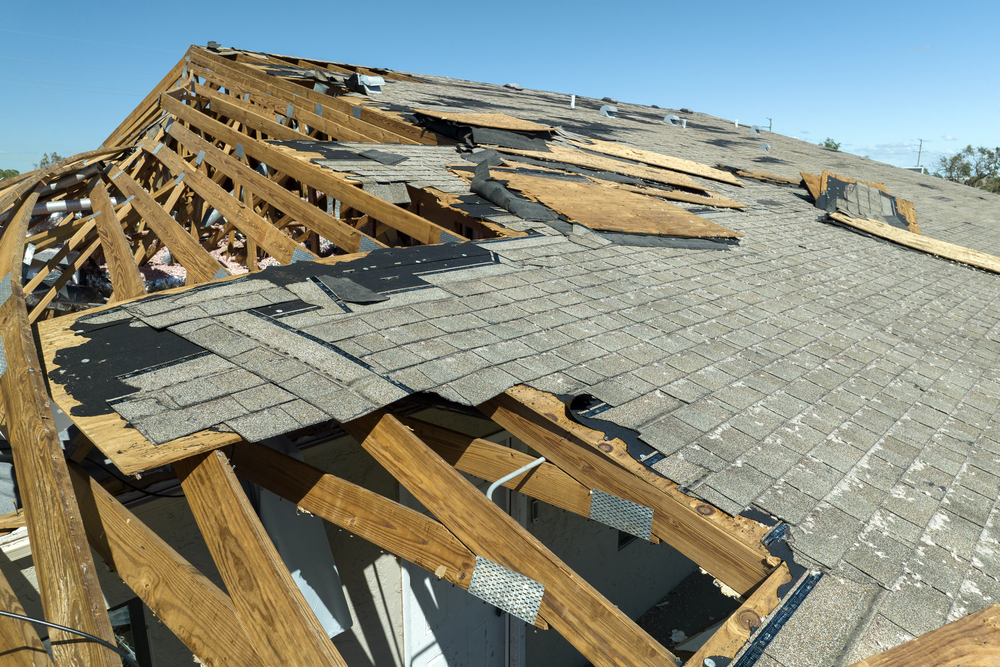
Roof Damage: Identifying structural issues and surface damage like Missing Shingles.
Minor roof damage, such as missing shingles, leaks, or mold growth, can threaten your roof’s structure in the long run. While the roof structure is the most critical component and will safeguard your family’s safety, don’t overlook minor items such as broken gutters or a tear in the waterproofing membrane.
Roofing Services: Finding the Right Professionals for the Job
Choosing the right roofing services can make a significant difference in the recovery process. Look for local roofers with experience in storm damage inspections who can offer a quick assessment and repair service. This ensures your roof remains in good shape and minimizes the risk of further damage.
Roof Inspection: What Homeowners Should Know
A roof inspection is essential for all homeowners following a hurricane. It helps determine if the roof has sustained any damage that might not be immediately visible, such as damage to tile roofs or structural supports in the attic. A thorough inspection can reveal hidden dangers and prevent further damage.
Preparing for Roof Repairs
After a thorough inspection, you may need to prepare for roof repairs. Work with trusted professionals who can assess the damage and provide a realistic repair timeline. Whether dealing with missing shingles or more significant damage, knowing what to expect helps reduce stress and expedite the repair process.
Dealing with mold: The Environmental Protection Agency’s Role in Mold Remediation
Mold remediation is a critical step in hurricane recovery. The Environmental Protection Agency (EPA) offers guidelines for safe mold removal, They Work hand in hand with local health Departments to establish standards for dealing with Mold after extreme weather events where drainage systems may have been compromised or overloaded, leading to excess water presence in built-up areas.
Inspection Steps: The Key to a Successful Insurance Claim
After a storm, the inspection process becomes critical for documenting the full extent of any damage. Start by carefully examining your property and taking photos and notes of all visible issues, such as damaged siding, broken windows, or missing roof shingles. This preliminary documentation will serve as your first line of evidence. Next, contact your insurer to report the incident and schedule an official assessment by an insurance adjuster. Ensure that your property is in a condition that prevents any risk to those conducting the inspection. A well-documented inspection can strengthen your claim, providing solid grounds for negotiations with the insurance company to obtain the compensation you need for repairs.
Why Homeowners Should Seek Professional Inspections Instead of DIY Approaches
Conducting a post-storm inspection might seem manageable for some homeowners, but it’s easy to miss critical problems that are not immediately obvious. Many damages, such as those affecting the roof, attic, or underlying building structures, may not be readily visible or detectable without the right equipment and expertise. Even seemingly minor issues, like small cracks or slightly warped siding, can indicate deeper problems that could worsen over time. Engaging a knowledgeable expert helps ensure that all potential issues are identified early, preventing future surprises and added expenses.
Working with Professional Engineers and Inspectors
After a storm, the path to recovery can feel overwhelming. While it’s tempting to jump straight into repairs, partnering with a professional is the most important first step you can take. A licensed structural engineer acts as your advocate, providing an unbiased and expert assessment of your property’s condition. They see beyond the surface-level damage to identify underlying issues that could compromise your home’s safety and integrity down the road. This professional oversight is not just about fixing what’s broken; it’s about ensuring the repairs are done correctly, meet all building codes, and provide a safe, stable home for the future. An engineer provides the roadmap for a successful recovery, from the initial inspection to the final sign-off on repairs.
The 5-Step Recovery Process with a Structural Engineer
Navigating the aftermath of a hurricane is a complex process, but you don’t have to do it alone. Working with a structural engineer provides a clear, step-by-step framework to guide you from initial assessment to completed repairs. This structured approach helps demystify the process, ensuring that every action you take is informed, effective, and moves you closer to restoring your property. Think of your engineer as your project partner, one who brings technical expertise and a steady hand to a chaotic situation. Following these five steps will help you manage repairs efficiently, deal with insurance companies effectively, and rebuild with confidence.
1. Initial Damage Check
Once it’s safe to return to your property, your first priority is to assess the situation. Look for obvious signs of damage like cracked foundations, sagging rooflines, or walls that appear bowed or shifted. If you notice anything that makes you question your home’s stability, it’s time to call in a professional. A licensed structural engineer will conduct a thorough structural inspection to evaluate the full extent of the damage. Their trained eye can identify critical issues that aren’t always visible to homeowners, ensuring that hidden problems don’t become major safety hazards or costly repairs later on.
2. Creating a Detailed Report
Following the inspection, the engineer will compile their findings into a comprehensive report. This document is more than just a list of problems; it’s a detailed analysis of the damage, its likely cause, and a professional recommendation for the necessary repairs. The report provides a clear, factual account of your property’s condition, often including photos and diagrams to illustrate the issues. This official documentation becomes your most valuable tool, serving as the foundation for your insurance claim, helping you obtain accurate quotes from contractors, and outlining a clear scope of work for the entire repair process.
3. Assisting with Insurance Claims
Dealing with insurance companies can be one of the most frustrating parts of storm recovery. An independent report from a structural engineer is your best defense against a lowball offer. Submitting this unbiased, third-party assessment with your claim provides concrete evidence of the damage and the required repairs. It shifts the conversation from what the insurance adjuster thinks is adequate to what an engineering expert has determined is necessary. This professional documentation strengthens your position, helps ensure a fair settlement, and provides the leverage you need to get the full compensation you’re entitled to.
4. Developing Repair Plans for Permits
For any significant structural work, you’ll need a building permit, and to get a permit, you need a formal set of repair plans. Your structural engineer will create these detailed drawings and specifications. These plans are the official blueprint for the restoration, outlining exactly how the repairs must be executed to meet safety standards and local building codes. They ensure that every contractor bidding on the job is quoting the same scope of work and that the final repairs will restore your home’s structural integrity. This step is crucial for ensuring the work is done right and legally.
5. Overseeing the Repair Work
Once the repair plans are approved, the engineer’s role can continue through the construction phase. Many homeowners choose to have their engineer oversee the repair work to ensure the contractor is following the plans correctly. The engineer can perform site visits and special inspections at critical milestones to verify that the work meets the specifications and quality standards. This oversight provides an essential layer of quality control and accountability, giving you peace of mind that the repairs are being completed properly and your investment is protected. After the work is finished, the engineer can perform a final check to confirm your home is safe and sound.
Finding the Right Experts for Storm Damage Assessments
To find qualified inspectors after a storm, research trusted local engineering companies. Seek recommendations from community organizations or neighbors recently dealing with storm damage. Having your roof inspected by an engineer with local knowledge adds the benefit of an experienced eye. Storms such as hurricanes are normally regional, so a local engineer will likely have great insight into fixing roofs in a way that helps avoid recurring damage. Reaching out to your local building authority or a reputable trade organization can also help identify reliable professionals well-equipped to handle your needs. Finally, the National Institute of Environmental Health Sciences has a detailed guide for navigating storm damage in the aftermath of a disaster. Here is a useful link to their website: https://tools.niehs.nih.gov/wetp/index.cfm?id=2472
Understanding the FEMA Inspection Process
If you’ve applied for disaster assistance from the Federal Emergency Management Agency (FEMA), the next step is usually an inspection to verify the damage to your property. This process can feel a bit mysterious, but knowing what to expect can make it much smoother. The inspection is a critical piece of the puzzle in determining what assistance you might be eligible for. It’s FEMA’s way of getting a firsthand look at your situation to validate your application. Remember to keep your application number handy and be prepared to answer your phone, as communication from FEMA will be key during this stage of the recovery process.
Scheduling the Inspection
After you apply for assistance, FEMA will need to verify the damage you reported. This is typically done through an inspection, which can be either onsite or remote. A FEMA inspector will call you to schedule a time to review your property. It’s important to know that these calls can come from an unknown or restricted number, so be sure to answer your phone, even if you don’t recognize the caller ID. According to FEMA guidelines, inspectors will make several attempts to reach you over a few days, so don’t worry if you miss the first call. Being responsive and flexible will help move the process along quickly.
What the Inspector Does (and Doesn’t Do)
It’s crucial to understand the role of the FEMA inspector to set the right expectations. Their primary job is to document the disaster-caused damage they see. They will take notes and photos to create a detailed record of the condition of your home and personal property. However, the inspector does *not* decide if you will receive assistance or how much you will get. They are simply the fact-finders in the process. Their report is sent to FEMA, where a decision is made based on all the information in your file. For a more comprehensive assessment of underlying structural issues, you may want to hire a forensic structural engineer who can identify problems that aren’t visible to the naked eye.
What Happens After the Inspection
Once the inspector has visited your property and submitted their report, your case file will be reviewed by FEMA. You can typically expect to receive a decision letter in the mail within about 10 days of the inspection. This letter will outline FEMA’s decision regarding your eligibility for assistance. If you are approved, it will specify the amount of the grant and what the funds are intended to be used for, such as home repairs or temporary housing. If your application is denied, the letter will explain the reason and provide information on how you can appeal the decision if you believe it was made in error.
Financial Recovery and Tax Information
Recovering from a hurricane involves more than just physical repairs; it also means getting your finances back in order. The financial side of things can be complicated, especially when you’re dealing with insurance claims, potential government assistance, and tax implications. Understanding your options can help you make the most of the resources available and reduce some of the financial strain. From tax deductions for property loss to understanding how FEMA grants are treated, having clear information is essential for a stable recovery. Let’s break down some of the key financial aspects you should be aware of after a major storm.
Tax Deductions for Hurricane Damage
One potential source of financial relief is the ability to deduct casualty losses on your federal income tax return. If your property is located in an area that has been officially declared a federal disaster zone, you can generally deduct the financial loss from the hurricane damage. This can provide significant tax savings when you need it most. This deduction applies to personal property that was damaged or destroyed and isn’t covered by insurance or other reimbursements. It’s a way the tax code helps individuals recover from major, unexpected events like a hurricane, so it’s definitely something to discuss with a tax professional.
Calculating Your Deduction
When calculating your deduction for personal property, the process is fairly specific. First, you must subtract $500 from the total loss for each separate casualty event. A key benefit for those in a federally declared disaster area is that you don’t have to meet the usual threshold of the loss exceeding 10% of your adjusted gross income (AGI), which applies to other types of casualty losses. This makes it much easier to qualify for the deduction. Be sure to keep meticulous records of your property’s value before the storm and the cost of repairs to accurately calculate your loss for tax purposes.
Amending Past Tax Returns
If you need financial relief sooner rather than later, you may have the option to claim your disaster loss on a prior year’s tax return. By filing an amended return, using IRS Form 1040-X, you can apply the loss to the previous tax year. The primary advantage of doing this is that it can generate a faster tax refund. When you’re facing immediate repair costs and other expenses, getting that money in your hands quickly can make a huge difference. This is a strategic choice that can provide much-needed cash flow during a critical time in your recovery journey.
Are FEMA Grants Taxable?
Here’s some good news: any disaster assistance grants you receive from FEMA are not considered taxable income. This money is provided to help you with necessary expenses and serious needs caused by the disaster, such as making your home safe and sanitary or finding temporary housing. Because these funds are for recovery and not to replace income, the IRS does not tax them. You won’t need to report FEMA assistance on your tax return, which simplifies your financial situation and ensures that every dollar of aid can go directly toward helping you and your family get back on your feet.
Final Thoughts: Don’t Wait – Arrange Your Inspection Today
Hurricanes can leave behind complex and often hidden damage that may not be immediately obvious. Delaying an inspection can result in unnoticed issues escalating into major problems. Taking swift action by arranging a thorough property evaluation can help prevent minor repairs from becoming significant expenditures, ensuring both your safety and peace of mind. Reach out to experienced, independent professionals today to schedule your post-storm inspection and protect what matters most
Frequently Asked Questions
Why should I hire my own engineer when my insurance company is sending an adjuster? Think of it this way: the insurance adjuster works for the insurance company, while a structural engineer works for you. An adjuster’s main goal is often to assess the damage and close the claim according to the insurance policy’s terms. An independent engineer’s sole focus is the long-term safety and integrity of your home. They provide an unbiased, detailed report that can uncover hidden issues an adjuster might miss, giving you a powerful tool to negotiate a fair settlement that covers all necessary repairs, not just the most obvious ones.
What if my home only has minor damage, like a few missing shingles? Is a full structural inspection still necessary? Even seemingly small issues can be signs of bigger, hidden problems. A few missing shingles could point to damage to the underlying roof structure, and a small crack in a wall might indicate a shift in the foundation. A professional structural inspection looks beyond the surface to evaluate the entire system of your home. It’s the best way to get peace of mind and ensure a minor issue today doesn’t become a major, expensive structural failure down the road.
How is a structural engineer’s inspection different from what a FEMA inspector does? The two inspections serve very different purposes. A FEMA inspector’s job is to verify and document the damage to your property to determine your eligibility for federal disaster assistance. They are not there to diagnose the full extent of structural problems or create a plan for repairs. A structural engineer, on the other hand, conducts a thorough technical analysis to identify all damage, determine its cause, and design a safe and effective repair plan that complies with local building codes.
I’ve documented the damage and called my insurance. What’s the first thing an engineer will do when they arrive? Once on-site, the engineer’s first priority is to assess the immediate safety of the structure. They will typically start with a walk-around of the exterior and interior, looking for major red flags like foundation cracks, bowing walls, or sagging rooflines. This initial check helps them understand the overall condition of your home and identify any critical areas that need immediate attention before they proceed with a more detailed, component-by-component evaluation.
Can an engineer help me even after the inspection is done? Absolutely. The initial inspection and report are just the beginning. Your engineer can use their findings to create formal repair plans, which are the detailed blueprints contractors will use to fix your home. These plans are often required to get building permits. Many homeowners also retain their engineer to oversee the construction work, ensuring the contractor follows the plans correctly and that the repairs meet all safety and quality standards.
Key Takeaways
- Act fast, but act smart: Your first moves after a storm are critical. Prioritize safety, then thoroughly document all damage with photos and videos before you clean or move anything to build a strong case for your insurance claim.
- Hire your own expert for an unbiased assessment: An independent structural engineer works for you, not the insurance company. Their detailed report uncovers hidden damage and gives you the professional leverage needed to secure a fair settlement.
- Follow a structured repair process: A successful recovery isn’t just about quick fixes. It involves a clear, five-step process that includes a professional inspection, formal repair plans for permits, and expert oversight to ensure your home is restored correctly and safely.
