
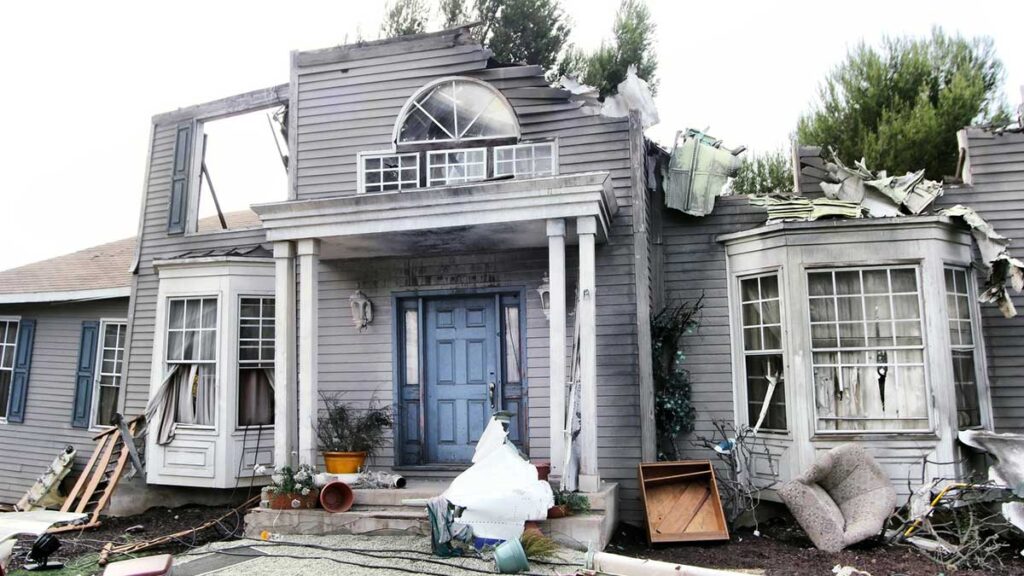
Your home just endured incredible forces. It was battered by high winds, pushed by floodwaters, and potentially struck by debris. While you can easily spot a broken window or missing shingles, the stress on your home’s structural skeleton is much harder to see. Think of it like a car after an accident; you wouldn’t drive it without a mechanic checking the frame. The same logic applies to hurricane damage repair. A structural engineer is the specialist who examines your home’s “frame”—the foundation, walls, and roof system—to find hidden weaknesses. Their assessment is the true foundation for a safe, lasting recovery.
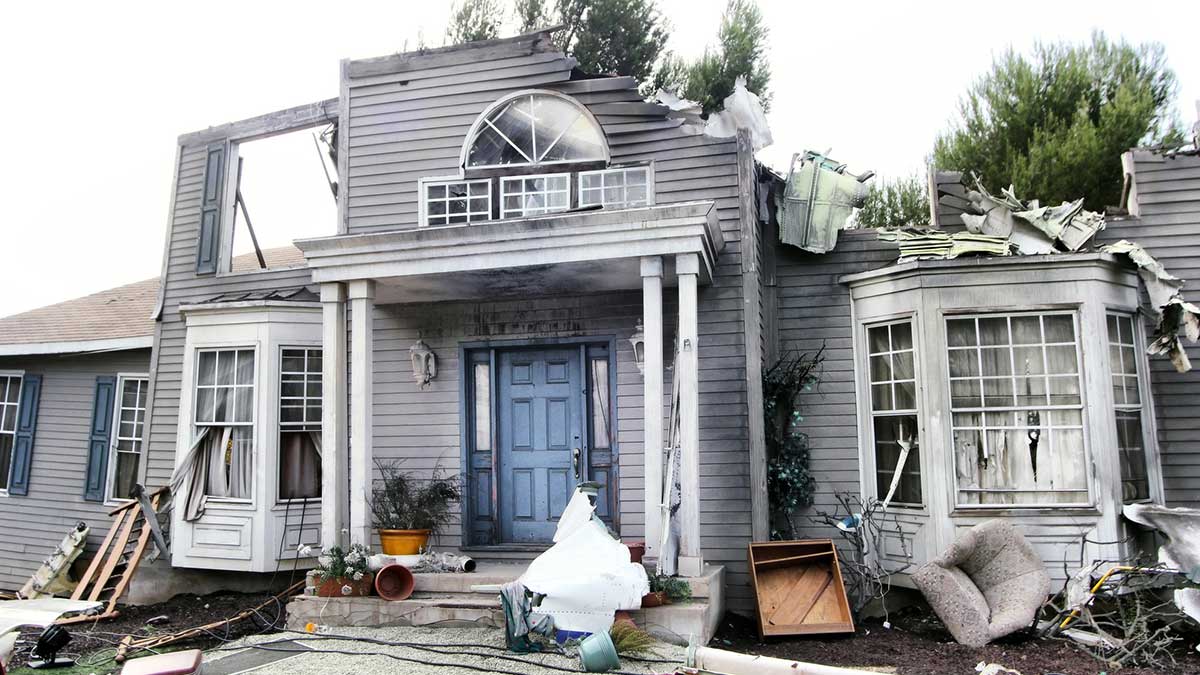 When disaster strikes, the aftermath of a hurricane can leave homeowners and businesses grappling with extensive damage and uncertainty. In these critical moments, the expertise of structural engineers with experience working in hurricane prone areas becomes invaluable. These professionals are not only tasked with assessing the structural aftermath of such storms but also play a pivotal role in guiding recovery efforts and implementing strategies to bolster resilience against future storms. While a storm can leave you vulnerable and in distress, a qualified structural engineer can help you rebuild your home or business. They stand in between you and the contractors and insurance companies looking to profit from your vulnerability, ensuring your recovery process is carried out in a way that safeguards you and your home or business.
1. What is a Hurricane Damage Engineer?
Although this is not an official field of engineering, the term refers to specialized structural (Or civil) engineers with extensive experience in assessing and repairing buildings after severe weather events like hurricanes. Their primary role is to ensure that storm-damaged structures are safe, stable, and capable of withstanding future storms. These engineers provide crucial structural engineering services, including evaluating storm damage, designing repair plans, and overseeing the restoration process. These professionals serve as independent advocates for property owners, ensuring that contractors and insurance providers deliver solutions that meet stringent safety and structural standards. With careful inspection, a hurricane damage engineer can identify the root cause of structural issues, whether from wind damage, water intrusion, or downed trees, and provide detailed reports that are essential for accurate insurance claims and effective repairs.
Immediate Steps to Take After a Hurricane
The aftermath of a hurricane is chaotic, and it’s easy to feel overwhelmed. Focusing on a few key steps can help you create a clear path forward. Before you start thinking about repairs, your immediate actions should center on safety and documentation. These initial steps are crucial for protecting yourself and laying the groundwork for a smooth recovery and insurance process. By tackling these priorities first, you can handle the situation methodically and ensure you have what you need to rebuild. Remember to be patient with yourself and the process, as recovery takes time.
Prioritizing Safety First
Before you assess any property damage, your absolute first priority is your personal safety. If you evacuated, do not return to your home until local officials have declared it safe to do so. Roads may be flooded, and downed power lines can create hidden dangers. If you are already at home, proceed with extreme caution. One of the most critical safety checks is for gas leaks—if you smell gas, leave the premises immediately and call 911 or your gas company from a safe location. Be mindful of standing water, which could be electrically charged, and watch out for weakened structures that could collapse. Your well-being is paramount; everything else can wait until you are sure the area is secure.
Documenting Damage for Insurance Claims
Once you’ve confirmed it’s safe, your next task is to thoroughly document all the damage for your insurance claim. This step is vital for ensuring you receive fair compensation for repairs. Use your smartphone to take as many photos and videos as possible, capturing every detail from multiple angles. Get wide shots of entire rooms and close-ups of specific issues like water lines on walls, roof damage, or cracks in the foundation. After you have your initial documentation, contact your insurance company as soon as possible to start the claims process. They will guide you on the next steps, which will almost certainly include a forensic analysis from a qualified professional to determine the full scope of the structural damage.
2. Storm Damage
The first step in recovery is a thorough storm damage assessment. This process involves evaluating the entire structure to determine the extent of damage caused by high winds, floods, or other impacts associated with hurricanes. Engineers use forensic engineering techniques to assess storm damage, focusing on key areas such as roofs, walls, and foundations. During a storm damage assessment, the engineer will carefully inspect the building for signs of structural damage, including compromised foundations, roof failures, and weakened infrastructure. This meticulous evaluation is essential for creating a comprehensive repair plan and for providing insurance providers with the necessary documentation to support claims. For example, after Hurricane Ian and Hurricane Michael, engineers played a vital role in determining the extent of damage to thousands of homes and businesses, enabling faster recovery efforts.
3. Structural Engineer
Structural damage from hurricanes can be devastating, often affecting the integrity of buildings and infrastructure. High winds, storm surges, and debris can compromise roofs, walls, and foundations, leading to significant safety concerns. Multiple hurricanes or repeated exposure to severe storms can exacerbate these issues, making it essential to address them promptly and effectively. A structural engineer will assess the damage to determine whether the building is safe for occupancy and what repairs are necessary. This assessment includes checking for cracks, shifts in the foundation, and any signs of instability. Engineers also evaluate the impact of wind damage on power lines, building design flaws, and other factors that contribute to structural failure during hurricanes. Their findings help determine the most effective repair strategies, ensuring that the building can withstand future weather events. 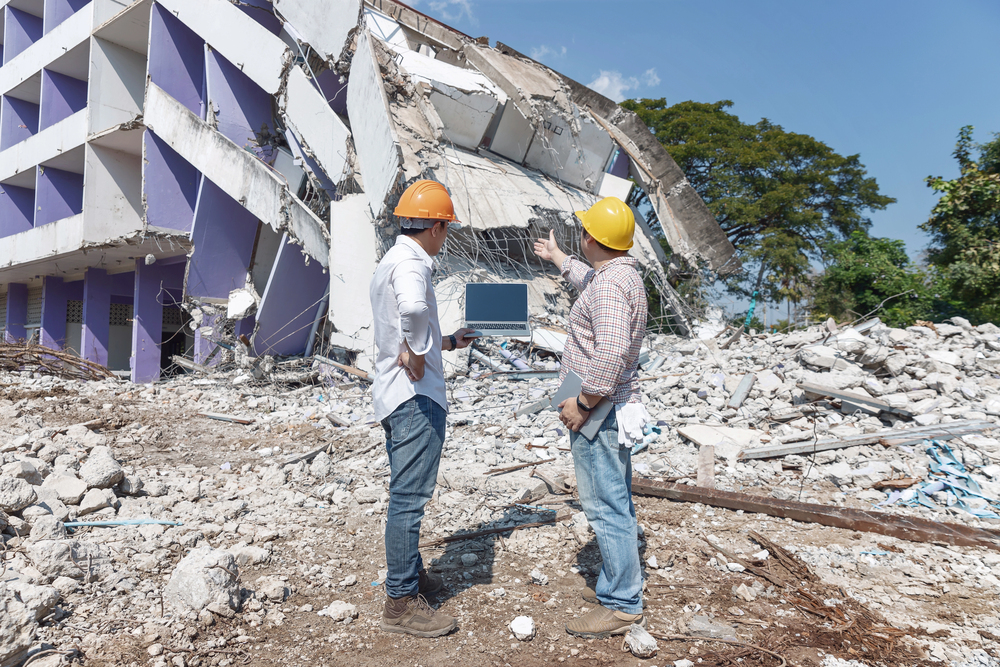
The Restoration Process and Timeline
Emergency Services to Prevent Further Damage
After a hurricane passes, the clock starts ticking. The first 24 to 48 hours are crucial for mitigating further harm to your property. Many restoration companies offer 24/7 emergency services to help secure your home or business immediately. Their first priority is to prevent additional damage from the elements or other hazards. This often involves boarding up broken windows, placing tarps over damaged roofs, and beginning the water extraction process. Taking these immediate steps can make a significant difference in the overall scope and cost of the final repairs, protecting your property from issues like mold growth and deeper structural decay while you arrange for a full assessment.
Key Steps in the Restoration Process
Once your property is secured, the formal restoration process begins. This isn’t a single action but a series of carefully coordinated steps designed to bring your home or business back to its pre-storm condition, or even better. The journey typically starts with a detailed damage assessment and water removal, followed by mold remediation to address any moisture-related issues. Only after the property is clean, dry, and stable can the structural repairs and rebuilding phase commence. Each stage requires specialized expertise, from water mitigation technicians to a forensic structural engineer who can uncover hidden damage and design lasting solutions for repair.
Damage Assessment and Water Removal
The first order of business is to understand exactly what you’re dealing with. A comprehensive damage assessment is performed by professionals, including a structural engineer who will conduct a thorough structural inspection. They will examine the entire building, paying close attention to critical components like the foundation, roof system, and load-bearing walls to identify any compromises. While this evaluation is happening, restoration crews get to work on water removal. Using powerful pumps and industrial-grade dehumidifiers, they extract standing water and dry out the structure to prevent secondary damage, setting the stage for a successful recovery.
Mold Remediation
Where there’s water damage, mold is often not far behind. It can begin to grow within 24 to 48 hours of water exposure, posing risks to both your property’s integrity and your health. Because of this, mold remediation is a critical step in the restoration process. Professionals use specialized equipment and techniques to detect hidden mold, contain the affected areas to prevent cross-contamination, and safely remove it. This isn’t a task for a DIY weekend project; proper remediation ensures that all mold is eliminated and the underlying moisture problem is resolved before any rebuilding begins, giving you peace of mind.
Structural Repair and Restoring Belongings
With the property clean, dry, and free of mold, the rebuilding can finally start. This phase is guided by the detailed report from the structural engineer, which outlines the necessary repairs to restore the building’s safety and integrity. This could range from reinforcing a weakened wall to a complete roof reconstruction. It’s also an opportunity for homeowners to consider remodels or additions. Alongside the structural work, many restoration services also focus on salvaging your personal belongings. They use specialized cleaning techniques to restore items like furniture, documents, and electronics that may have been damaged by water or wind.
How Long Do Repairs Typically Take?
One of the most common questions after a storm is, “How long will this take?” The honest answer is: it depends. The timeline for hurricane damage restoration varies widely based on the extent of the damage. For minor issues, repairs might be completed in a few weeks. However, for homes with significant structural damage or widespread flooding, the process could take several months. Factors like the availability of materials, the complexity of the required structural engineering plans, and contractor schedules all influence the timeline. While it’s natural to want to get back to normal quickly, patience is key to ensuring the work is done correctly and your property is truly safe.
4. Structural Engineering Services
Once the assessment is complete, the next step is to plan and execute the necessary structural repairs. Having a structural engineer involved early in this process is crucial to complying with local building codes. These codes are written by top experts and are in place to ensure the safety of your property and its occupants Structural repairs can range from reinforcing foundations to replacing damaged roofs and walls. In many cases, the building design may need to be updated to better withstand future storms, especially in hurricane-prone areas like Florida. Engineers work closely with contractors to ensure that all repairs meet high safety standards and that the property is restored to a condition that can endure future hurricanes. Given the complexity of these repairs, having an experienced engineer on your team is essential for successful recovery.
5. Hurricane Damage to Civil Infrastructure
Hurricanes don’t just impact buildings; they can also severely damage civil infrastructure, such as drainage systems, roads, and bridges. High winds and flooding can overwhelm drainage systems, leading to widespread water intrusion and flooding that damages roads, weakens bridges, and disrupts essential services. Blocked or damaged drains prevent proper water flow, increasing the risk of localized flooding during heavy rainfalls, which can undermine the structural integrity of nearby properties. Addressing this damage requires a comprehensive assessment by engineers who specialize in both structural and civil infrastructure. They evaluate the extent of damage, identify the root causes, and design repair or reinforcement solutions to restore functionality and resilience. Effective management of civil infrastructure post-hurricane is essential to minimize disruptions, ensure public safety, and maintain critical services, particularly in hurricane-prone areas where repeated exposure to severe weather events is common.
6. Managing Costs and Insurance Claims
The cost of structural engineering services and subsequent repairs can be a concern for many homeowners and businesses. However, these costs are a necessary investment in ensuring the safety and longevity of the property. The design costs associated with structural repairs are typically upfront, but they are essential for getting accurate quotes and for making sure that repairs are done correctly the first time. Navigating insurance claims can be particularly challenging after a hurricane, as insurance providers often have strict requirements and may exclude certain types of natural disasters from coverage, especially in commercial spaces. A detailed report from a qualified hurricane damage engineer is vital in securing the funds necessary for repairs. This report provides a comprehensive account of the damage assessment, including the root cause of structural failures, the extent of the damage, and recommended repairs. In some cases, the costs associated with hiring a structural engineer may be reimbursed by insurance providers, particularly if the engineer’s report is thorough and well-documented. It’s important for property owners to be prepared for these expenses and to understand that the long-term benefits of proper repairs far outweigh the initial costs. Moving quickly to engage a structural engineer after a hurricane can also save money by preventing further damage and by ensuring that repairs are completed before contractors become overbooked during the busy hurricane season.
Average Repair Costs
When you’re facing the aftermath of a hurricane, one of the first questions is always, “How much will this cost?” While every situation is unique, it helps to have a ballpark figure. On average, homeowners spend around $12,384 on storm damage repairs. However, the actual cost can range anywhere from about $2,600 for minor issues to over $22,000 for extensive damage. This wide range reflects the many variables at play, including the severity of the storm and the specific parts of your home that were affected. The only way to get a precise estimate is to have a professional conduct a thorough structural inspection to identify all the damage, both visible and hidden.
Cost Breakdown by Repair Type
The total repair bill is a sum of many parts, and understanding the breakdown can make the costs feel more manageable. The final price tag depends heavily on the type of damage your home sustained, the quality of materials needed for the repairs, and local labor rates. For example, repairing a few shingles is much different from rebuilding a collapsed wall. A detailed assessment from an engineer will outline each necessary repair, from the roof down to the foundation, giving you a clear roadmap for restoration and a solid document to provide to your insurance company. This breakdown is essential for planning your budget and ensuring no critical repairs are overlooked during the recovery process.
Roof and Siding Repair Costs
Your roof and siding are your home’s first line of defense against a storm, so it’s no surprise they often take the hardest hit. High winds can tear off shingles, while flying debris can puncture siding. Roof repairs can cost anywhere from $1,200 to $8,000, depending on whether you need a simple patch or a more significant replacement. Siding repairs typically fall between $600 and $5,500. Addressing this exterior damage quickly is crucial because a compromised roof or siding can lead to water intrusion, which causes much more serious and expensive problems inside your home, like mold growth and structural rot.
Foundation Repair Costs
Foundation damage is one of the most serious issues a hurricane can cause. Storm surge and flooding can saturate the soil around your home, causing it to shift and settle, which can lead to cracks and instability in your foundation. The cost to repair a foundation typically ranges from $2,000 to $15,000, but can be higher for severe damage. Because the foundation is the bedrock of your home’s structural integrity, these repairs are not something to delay. It’s critical to work with experienced foundation engineers who can accurately diagnose the problem and design a lasting solution to ensure your home is safe and stable for years to come.
Interior Water Damage Costs
If water gets inside your home, the repair costs can add up quickly. Interior water damage restoration often costs between $1,000 and $10,000. This process involves more than just drying things out; it includes tearing out soaked drywall, replacing ruined flooring and insulation, and sanitizing the area to prevent mold. If mold has already started to grow, you’ll also need professional remediation, which adds to the cost. This is why immediate action after a storm is so important. The sooner you can stop the source of the water and begin the drying process, the better your chances of minimizing the damage and keeping repair costs down.
Understanding Labor Costs
The cost of labor is a significant part of any repair budget. Professionals who specialize in storm damage restoration typically charge between $50 and $150 per hour. Keep in mind that if you need emergency services right after the storm, these rates can be 20% to 50% higher due to the increased demand and urgency. While it might be tempting to cut corners, hiring qualified and insured contractors is essential for ensuring the work is done correctly and to code. Acting fast is key; addressing damage promptly helps prevent secondary issues like water leaks turning into major mold problems or small cracks becoming significant structural failures, which ultimately saves you a lot of money and stress in the long run.
Finding Financial Assistance for Homeowners
FEMA Home Repair Assistance
After a hurricane, the cost of repairs can feel overwhelming, but you don’t have to face it alone. The Federal Emergency Management Agency (FEMA) offers Home Repair Assistance, which provides funds to help you fix your home after a disaster. This financial aid is specifically for your primary residence—the home you own and live in most of the time. It’s designed to cover essential repairs to make your home safe, sanitary, and functional again. Think of it as a safety net for necessary expenses that your homeowner’s insurance policy doesn’t cover, helping you bridge the gap and begin the rebuilding process without shouldering the entire financial burden yourself.
How to Apply for FEMA Aid
Before you can receive financial help, your area must be officially designated as a major disaster area by the President. Once that declaration is made, you can apply for assistance. FEMA has made the application process accessible through several channels to ensure everyone who needs help can apply. You can register online at DisasterAssistance.gov, use the official FEMA mobile app, or call their toll-free number. For those who prefer in-person support, you can visit a local Disaster Recovery Center (DRC) where FEMA personnel can guide you through the application and answer your questions directly. Acting promptly is key, as there are deadlines for submitting applications.
Tax Deductions for Hurricane Damage
Beyond direct financial aid, you may be able to find some relief through tax deductions. If your property is located in a federally declared disaster area, you might be eligible to deduct your losses from the hurricane damage on your federal income taxes. The IRS classifies this type of damage as a “casualty loss,” which is defined as damage resulting from a sudden, unexpected, or unusual event—and a hurricane certainly qualifies. This deduction can help lessen your tax burden for the year, providing another form of financial recovery. It’s a good idea to consult with a tax professional to understand exactly how this applies to your specific situation and to ensure you file correctly.
Important Tax Rules to Know
To claim a casualty loss deduction, meticulous documentation is non-negotiable. The IRS requires thorough proof of your losses, so you’ll need to keep detailed records of everything related to the damage and repairs. Start by taking extensive photos and videos of the damage before you clean up or make any repairs. Keep all receipts and estimates from contractors, as well as copies of your insurance claims, settlement reports, and any other related paperwork. A comprehensive report from a forensic structural engineer can be an invaluable piece of documentation, as it provides an expert, third-party assessment of the damage, which strengthens both your tax deduction claim and your insurance filing.
Other Forms of Aid and Legal Support
Sometimes, the biggest hurdles after a disaster aren’t just financial. Navigating insurance claims, contractor agreements, and other legal issues can be incredibly complex. This is where organizations like Disaster Legal Services (DLS) can help. In federally declared disaster areas, DLS provides free legal assistance to low-income individuals who can’t afford a lawyer. Their volunteer attorneys can offer guidance on a range of issues, including appealing insurance claim denials, dealing with home repair contract disputes, replacing lost legal documents, and addressing problems with landlords. This support ensures you have a knowledgeable advocate on your side as you work through the recovery process.
7. Extensive Experience and Challenges
Experience is a crucial factor when selecting a hurricane damage engineer. Engineers with extensive experience in dealing with hurricane-related damage bring valuable insights and expertise to the table. They are familiar with the common pitfalls in storm damage assessments, the challenges of working with insurance providers, and the best practices for repairing and reinforcing structures to withstand future storms. For property owners in areas like Florida, where hurricanes are a frequent threat, having an experienced engineer on their side can make a significant difference in the outcome of the recovery process. These professionals have spent many years honing their skills and are well-versed in the unique challenges posed by hurricanes, such as rising sea levels, high winds, and the increased frequency of extreme weather events. One of the biggest challenges faced by engineers after a severe weather event, is ensuring that all repairs meet the necessary safety and structural standards. Engineers appointed by insurance companies directly are often less experienced and aimed at providing quick and cheap solutions rather than long term effective ones. This often involves making tough decisions about building design, material selection, and repair methodologies. Despite these challenges, the role of the Structural Engineers is crucial in helping communities recover and rebuild stronger.
Get Multiple Quotes from Licensed Contractors
After a storm, the pressure to start repairs immediately can be immense, but it’s wise to take a measured approach when hiring help. You should always get prices from several licensed contractors to compare costs, timelines, and proposed solutions. This isn’t just about finding the cheapest option; it’s about finding the best value and ensuring quality workmanship. Providing each contractor with a detailed report from your structural engineer creates a level playing field, forcing them to bid on the exact same scope of work. This process helps you identify fair market rates and spot any bids that seem too high or suspiciously low, which could indicate cut corners or a misunderstanding of the project’s complexity.
Choose Durable, Storm-Resistant Materials
When you rebuild, you have an opportunity to make your home stronger than it was before. Choosing more storm-resistant materials might cost more upfront, but it can save you a significant amount of money and stress in the long run. For example, upgrading from standard asphalt shingles to a metal roof or installing impact-resistant windows can dramatically improve your home’s ability to withstand high winds and flying debris. A structural engineer can provide recommendations on the best materials for your specific situation, ensuring your choices not only enhance durability but also comply with or exceed local building codes for hurricane-prone areas. This is an investment in your property’s resilience and your family’s safety.
Deciding Between Repair vs. Replacement
One of the toughest decisions you’ll face is whether to repair a damaged part of your home or replace it entirely. A good rule of thumb is that if more than half of a component, like your roof or siding, is damaged, replacement is often the better long-term choice. Patching up extensive damage can sometimes be a temporary fix that leads to recurring problems down the road. This is where an unbiased, expert opinion is invaluable. A forensic analysis from a structural engineer can determine the true extent of the damage, including issues that may not be visible. Their assessment will give you a clear understanding of the structural implications, helping you make a sound decision based on safety, longevity, and cost-effectiveness.
The Role of Regular Home Maintenance
The best way to manage storm damage is to minimize it before the storm even hits. Consistent home maintenance is your first line of defense, allowing you to fix small problems before they escalate into major structural failures during a hurricane. Simple actions like cleaning your gutters, trimming overgrown trees away from your house, and regularly inspecting your roof for loose shingles can make a world of difference. A small, unnoticed leak can become a major point of water intrusion in a storm, while a loose piece of siding can be torn off by high winds, compromising your home’s protective envelope. Think of regular upkeep as a fundamental part of your storm preparedness plan.
Conclusion
Hurricane damage that impacts a building’s structure merits getting in touch with a Structural or Civil Engineer. They play an essential role in the aftermath of natural disasters, offering peace of mind in assessing, repairing, and fortifying structures. Their work goes beyond simple repairs—they provide homeowners and businesses with the guidance and support needed to navigate the complex recovery process. By ensuring that buildings are not only restored, but also remain compliant with building code to withstand future weather events. Professional engineers are critical in rebuilding our communities and are the agents for fair and professional recovery. For anyone impacted by a natural disaster, having a structural engineer on your team will benefit you in protecting your property and safeguarding you against being taken advantage of in your time of distress.
Call to Action
If you’re a homeowner or business owner dealing with the aftermath of a hurricane, don’t wait. Contact a Structural engineer today to assess your property and ensure that your repairs are done right. With their help, you can protect your investment and be better prepared for the next storm.
Frequently Asked Questions
Why do I need a structural engineer? Can’t my contractor just handle the repairs? A great contractor is an expert at building and executing repairs, but a structural engineer is a diagnostician for your home’s framework. After the incredible stress of a hurricane, an engineer can identify hidden weaknesses in your foundation, walls, and roof system that a contractor might not be trained to spot. The engineer creates the blueprint for a safe and lasting recovery, ensuring the repair plan addresses the root cause of the problem, not just the visible symptoms.
What are some signs of serious structural damage I might miss? Beyond obvious issues like a damaged roof, keep an eye out for subtle clues. Look for new cracks appearing in your foundation, drywall, or ceiling, especially jagged ones spreading from the corners of doors and windows. If doors or windows suddenly stick or refuse to close properly, it could mean your home’s frame has shifted. Sagging floors or rooflines are also major red flags that warrant a professional inspection.
My insurance company wants to send their own adjuster or engineer. Is that enough? While the professional sent by your insurance company is a required part of the claims process, it’s important to remember who they work for. Hiring your own independent structural engineer ensures you have an expert whose only priority is your best interest. They provide a thorough, unbiased assessment of all the damage, acting as your personal advocate to make sure the proposed repairs will make your home truly safe and secure for the long term.
How can an engineer’s report help with my insurance claim and repair costs? An engineer’s report is a powerful tool. It provides your insurance company with detailed, expert documentation that substantiates the full extent of the damage, which can be critical for getting a fair settlement. This report also serves as a precise scope of work. When you give it to contractors for bidding, you ensure everyone is quoting the exact same job, which helps you compare prices accurately and avoid paying for unnecessary work or overlooking critical fixes.
Is it better to repair the damage or just replace everything? This is a tough decision that really depends on the severity of the damage. A structural engineer can give you an objective, expert opinion to guide your choice. They will analyze the structural integrity of components like your roof or foundation to determine if they can be safely repaired or if they are compromised beyond a reliable fix. Their assessment is based on safety and building codes, giving you the clarity needed to make a sound financial and structural decision.
Key Takeaways
- Start with an Independent Structural Assessment: A structural engineer acts as your advocate, providing a detailed, unbiased report that is essential for validating insurance claims and holding contractors accountable for quality repairs.
- Focus on Safety and Documentation First: Before you even think about repairs, ensure the area is safe. Then, thoroughly photograph and video all damage to build a strong foundation for your insurance claim.
- View Restoration as an Opportunity to Fortify Your Home: Beyond just fixing the damage, consider using more durable, storm-resistant materials during the rebuild. This investment significantly improves your home’s ability to withstand future weather events.
