
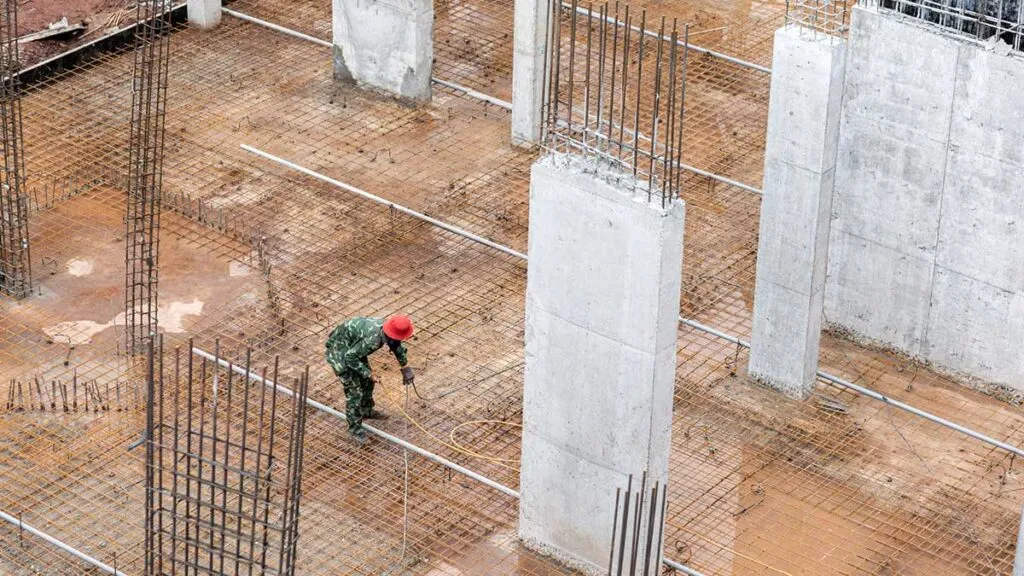
That dream home or backyard shed you’re planning? Its long-term success rests on something you’ll probably never see again. I mean that literally. The entire stability of your project depends on its structural foundation, and the unsung hero of this whole operation is the foundation footing. This is the critical base that supports your structure, distributing its weight evenly. Getting the footings construction right is non-negotiable, and we’ll cover the essentials for all types of building foundations and footings to ensure your project stands strong for years.
In construction, a strong foundation is everything—it’s the bedrock that supports the weight of your entire home and is the main point of direct contact between your structure and the ever changing environment in which it stands. .
With this basic guide, we’ll walk you through the process of preparing and pouring footings for your foundations. Ready to lay the groundwork for success? Read on to ensure your project stands firm from the ground up. Remember to consult your local structural engineer as the footings of your ordinary house can quickly become your biggest headache.
What is a Foundation Footing?
Think of the base of a floor lamp—it’s always wider than the pole to keep the lamp stable and prevent it from tipping over. A foundation footing works on the same principle, but for your entire house. Footings are wide concrete structures that sit at the very bottom of your foundation, directly on the soil. Their main job is to take all the concentrated weight from the foundation walls and spread it out over a larger area. This simple but brilliant design prevents the building from sinking or settling unevenly into the ground, which is the key to avoiding major structural issues down the road. Without properly designed footings, the immense pressure of your home could cause the soil beneath it to shift, leading to costly and dangerous problems.
This load-bearing function is why footings are non-negotiable for any structure, from a new build to a simple deck. When you’re planning a project like a home addition, the new footings must be engineered to not only support the new space but also to work seamlessly with your home’s existing foundation. An improperly designed footing can create a point of weakness, causing the new section to settle differently than the rest of the house. This differential settlement can strain the entire structure, leading to cracks, leaks, and other serious damage. That’s why getting the footing right from the very beginning is one of the most important investments you can make in your property’s long-term health and stability.
Footing vs. Foundation: Understanding the Relationship
It’s easy to use the terms “footing” and “foundation” interchangeably, but they refer to different parts of your home’s support system. The simplest way to think about it is that the foundation is the entire structure below the main floor that supports your house, while the footing is a specific, critical component of that foundation. A helpful phrase to remember is: all footings are part of a foundation, but not all foundations are just footings. The footing is the wide base that makes direct contact with the earth, while the foundation also includes the walls that extend upward from the footing to support the house itself. The right design for both is essential for any project, from a small home addition to a brand-new accessory dwelling unit (ADU).
The Core Functions of a Footing
The core function of a footing is to provide a stable base for the entire structure. By distributing the building’s load, footings anchor the house to the ground and prevent settlement, which can cause everything from cosmetic wall cracks to doors that won’t close properly. This role is especially vital in areas with tricky soil, like the expansive clay soils common in the Denver area, which can shrink and swell with moisture changes. A well-engineered footing ensures the weight is transferred to the ground safely, providing stability against soil movement, wind, and even seismic activity. This is why a professional structural inspection is so important before you build; it guarantees your footings are designed to handle your home’s specific load and local soil conditions for lasting peace of mind.
Understanding Soil Bearing Capacity
Before breaking ground, it’s crucial to evaluate the soil bearing capacity of your site. Not all foundations are suitable for all soil types. The soil beneath your foundation will either support or compromise the structure’s weight, making this one of the most important steps in the construction process. Conditions can vary significantly, affecting your foundation’s design, and ultimately, its stability.
– High Bearing Capacity Soil: For soils with high bearing capacity, such as well-compacted gravel or sand, traditional footings like concrete footings or strip footings are often sufficient.
– Weak or Marginal Soils: In areas with weak soil or marginal soils, additional measures like deep foundations or specialized footing designs (e.g., pile foundation) may be necessary to prevent differential settlement and ensure long-term structural integrity.
Tip: Consulting a structural engineer is highly recommended if your project involves building on weak or soft clay soil. Their expertise in foundation design rules will help prevent issues like uneven settling or excessive foundation movement.
Frost Depth and Geographic Considerations
Another critical factor in footing design is understanding the frost depth specific to your geographic region. The frost line represents how deep the ground freezes during winter, which can cause soil movement and lead to differential foundation movement.
If your footing and foundation wall do not extend below the frost line, the freeze-thaw cycle can result in frost heave, damaging your foundation and compromising the stability of the entire structure.
– Northern Regions: In colder climates, where the frost line is deeper, footing depth needs to be substantial to counteract frost heave and maintain structural integrity.
– Warmer Climates: In regions with milder winters, the frost line is shallow, allowing for shallower shallow foundations, such as concrete footings or continuous footings.
Practical Guidelines: To avoid frost heave, your footings should always extend below the frost line. Remember that this depth can vary depending on local climate conditions.
Types of Footings and Their Applications
Choosing the correct type of footing is crucial for a stable foundation. Here’s an in-depth look at the most common types of footings and their applications:
1. Concrete Footings
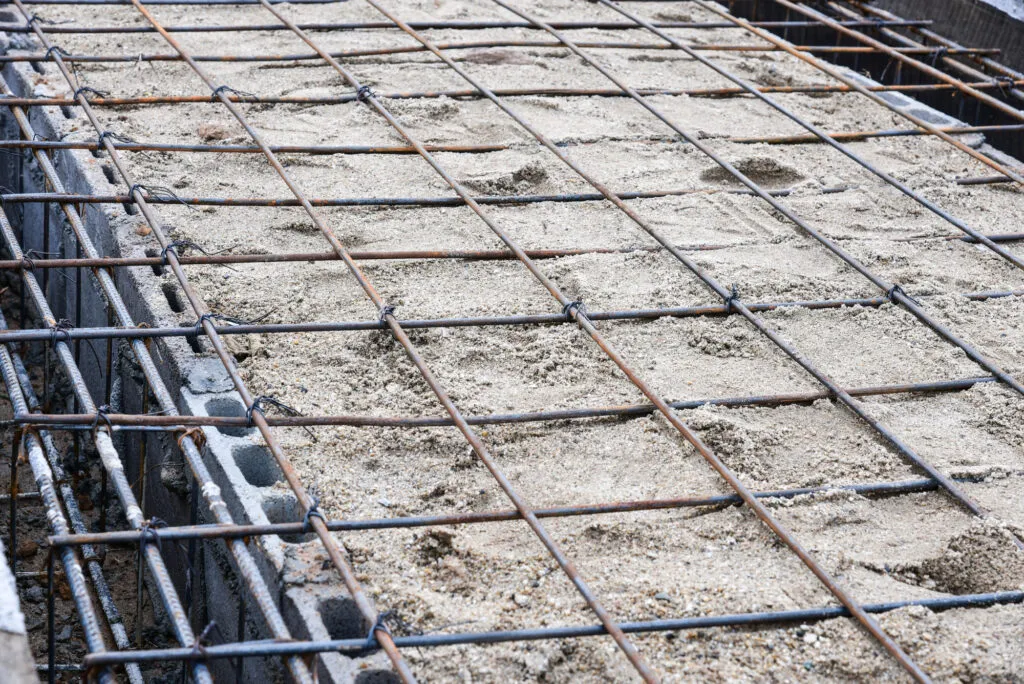
Concrete footings are among the most widely used footings in residential construction, thanks to the versatility of poured concrete and uniformity of the final product.
These footings distribute the structure’s weight evenly across the soil directly beneath walls and can be used for supporting foundation walls, retaining walls, load-bearing walls, and other structural elements.
Concrete footings are particularly effective in areas with strong soils and are suitable for small to medium size structures, such as sheds, garages or homes. various additives such as dry cement can be added to typical soils to increase their stability and ensure your foundations have strong footings.
– When to Use: Concrete footing is a broad term and can be used for various structures in various conditions, from light to moderate loads. Read-on for more details on the types of concrete footings.
Shallow vs. Deep Foundations
When it comes to foundation design, the choice between a shallow or deep system boils down to two key factors: the strength of your soil and the weight of the structure it needs to support. Shallow foundations are the go-to for most residential projects where the ground has a high bearing capacity. They transfer the building’s weight to the soil just a few feet below the surface and work perfectly for homes built on stable ground like compacted gravel or sand. On the other hand, deep foundations are required when the surface soil is weak or the building is particularly heavy. These systems reach much deeper to transfer the structural load to more stable soil layers far below, which is essential for preventing long-term issues like uneven settling. Getting this right is crucial, and it’s exactly why the expertise of foundation engineers is invaluable, especially when you’re dealing with tricky soil conditions.
2. Strip Footings
A strip footings are continuous concrete footings that support load-bearing walls. They are often used in the construction of frame houses and residential concrete projects.
Strip footings distribute loads over a long, narrow area, making them ideal for structures built on good soil with uniform load distribution.
– When to Use: A Strip footing is perfect for lightweight structures and scenarios where the soil has adequate bearing capacity. They are also commonly used in conjunction with concrete walls and foundation walls.
3. Raft and Mat Foundations
A Raft or mat foundation is essentially a large concrete slab that supports the entire structure, spreading the load evenly across the ground.
These are especially useful in areas with weak soil or marginal soils where a standard footing would not provide enough support. By covering a large area, raft foundations reduce the risk of differential settlement. As there are no crawl spaces below rafts, they often require insulation and careful waterproofing to protect your home from the elements.
Raft foundations often require steel reinforcement or need to be thickened to accommodate specific point loads. so may require some intricate design best done by an engineer.
– When to Use: Use raft foundations in areas with weaker soils, or when the structure requires a uniformly distributed load-bearing solution.
4. Combined Footings
Combined footings are designed to support two or more columns when the spacing is limited, or when the soil beneath has low bearing capacity.
A combined footing is useful when individual footing of foundation walls would overlap or when load distribution needs to be managed across a wider area.
– When to Use: A Combined footing is ideal for complex structures with multiple columns or where the soil has a lower bearing capacity.
5. Pile Foundation
In cases where soils are particularly soft or porous, pile foundations are often the go-to solution. Piles are an example of deep foundations, driven into the ground to reach stronger, more stable soils or bedrock. This method is often used in areas with weak bearing conditions or where the soil near the surface cannot support the structure’s weight.
– When to Use: Consider pile foundations when building on soft zones or areas with weak soil that do not have adequate strength for standard footings.
Each footing type has its strengths and specific applications, making it crucial to assess your project’s exact needs before deciding on the right one.
5. Individual or Pad Footings
Individual footings, also known as pad footings, are one of the most common types you’ll encounter. They are essentially single, isolated concrete pads designed to support a concentrated load from a single column or post. Think of them as the sturdy feet for your structure’s legs. They are frequently used for smaller buildings like sheds, porches, or decks. However, their application isn’t limited to small projects. In situations where the soil is very soft or has a high water content, a series of individual footings can be used to support all the walls of a building, providing targeted support where it’s needed most. Determining if this is the right approach for your soil conditions is a critical step where professional guidance is invaluable.
6. Stepped Footings
Building on a sloped lot presents unique challenges, and that’s where stepped footings come in. This clever design allows the foundation to follow the natural contour of the land. Instead of one continuous, level footing, a stepped footing is poured in a series of horizontal “steps” that go down the slope. This method is particularly useful for structures like a walk-out basement or a garage that doesn’t require a full-height basement wall on all sides. By adapting to the terrain, stepped footings allow the foundation wall to be shorter in certain areas, which can lead to significant savings on excavation and concrete costs for your new home build or addition.
7. Strap Footings
Sometimes, property lines can throw a wrench in your foundation plans. If a column is located right at the edge of your property, you can’t extend its footing onto your neighbor’s land. This creates an off-center (or eccentric) load that could cause the footing to tilt. A strap footing solves this problem by using a concrete strap beam to connect the exterior footing to a nearby interior footing. This beam distributes the load between the two footings, creating a balanced system that prevents tilting. It’s an engineered solution for a tricky situation, ensuring stability even when space is tight. For complex designs like this, it’s always best to consult a structural engineer.
8. Well Foundations
While you’re unlikely to need them for a residential project, well foundations are a fascinating part of foundation engineering. These are massive, hollow structures that are sunk deep into the ground to provide a stable base in extremely challenging conditions. They are a type of deep foundation often used for building bridges and other large structures in soft or wet soil, particularly in or near bodies of water. The well is sunk to a stable stratum, and then the hollow space is filled with concrete or sand. This creates an incredibly robust foundation capable of supporting immense weight, making it a cornerstone of major infrastructure and commercial construction projects.
9. Pier Foundations
When the soil near the surface is too weak to support a structure, you have to go deeper to find solid ground. Pier foundations do exactly that. This method involves drilling holes deep into the earth until a strong soil layer or bedrock is reached. These holes are then filled with concrete and rebar to create large, round columns, or piers. These piers effectively act as stilts, transferring the heavy loads from the structure above, bypassing the weak upper soil, and anchoring the building to the strong ground deep below. This technique is common for everything from elevated decks and porches to entire home additions in areas with problematic soils.
Key Construction Materials and Design Details
Once you’ve landed on the right type of footing for your project, the next step is to consider the specific materials and design details. These elements are the building blocks of a durable foundation, and getting them right is non-negotiable for the safety and longevity of your structure. From the concrete mix to the placement of steel, every detail plays a vital role in creating a foundation that will stand the test of time. Getting these details correct from the start ensures your home, addition, or commercial building has the support it needs to handle everything from its own weight to the shifting ground beneath it.
Common Footing Materials
While footings can technically be made from stone, brick, or even wood, concrete is the undisputed champion in modern construction. Its strength, durability, and ability to be poured into precise forms make it the ideal material for creating a solid base. The specific concrete mix and whether it needs reinforcement will depend on your project’s unique demands, including the local soil conditions and the total weight of the building it will support. For instance, the expansive clay soils common in the Denver area often require specific foundation engineering solutions to ensure long-term stability and prevent future issues that could compromise your entire structure.
The Critical Role of Steel Reinforcement (Rebar)
Concrete is incredibly strong when you squeeze it (a property called compression), but it’s surprisingly weak when you try to stretch or bend it (tension). This is where steel reinforcement, commonly known as rebar, comes in. By embedding steel bars within the concrete, you create a composite material that can handle both forces. In a footing, rebar is typically placed near the bottom, where the bending forces are greatest. As the footing settles and supports the building’s weight, the rebar resists the tension that could otherwise cause the concrete to crack and fail. Proper sizing and placement are critical, as this steel skeleton is what gives your foundation the resilience it needs to last a lifetime.
Interior Footings for Support Columns
Not all footings are located along the perimeter of a building. Interior footings, sometimes called pad footings, are individual concrete pads placed inside the foundation to support columns. Think of the steel posts (often called Lally columns) in a basement that hold up the main beam—each one rests on its own footing. These footings are designed to spread the concentrated, heavy load from a single column over a larger area of soil. This prevents the column from essentially punching right through the concrete floor, a failure known as “puncture shear.” These are essential for open-concept designs and are a key consideration when planning a home addition or remodel that changes the internal structure.
Water Management Systems
A strong footing can be undermined by one simple thing: water. That’s why an effective water management system is just as important as the footing itself. This system is designed to protect your foundation from both rainwater and groundwater by directing moisture away from the structure. Key components often include a perimeter drain (or French drain) installed alongside the footing to collect and channel groundwater away. Proper grading of the soil around your home is also crucial to ensure surface water flows away from the foundation, not toward it. Ignoring water management can lead to soil erosion, hydrostatic pressure against your foundation walls, and ultimately, costly structural damage.
Step-by-Step Guide to Foundation Footing Construction
Now that you understand the types of footings, let’s break down the process of constructing them:
Step 1: Site Assessment and Planning
The first step in any construction project is assessing the site’s conditions and determining the footing design rules that apply. Understanding the soil beneath your project will inform the type of footing required. Mark the area where the footings will be placed, using stakes and string lines to ensure accuracy.
Layout with Batter Boards and Strings
Once your site is assessed, the next step is to translate your building plans onto the ground. This is where batter boards and strings come in. Think of them as a temporary, real-world grid that outlines exactly where your foundation will be built. These simple wooden frames are set up just outside the corners of your planned foundation, and strings are stretched between them to mark the precise location of the exterior walls. Getting this layout right is critical; an accurate initial setup makes the rest of the foundation work much simpler and helps ensure your entire structure is square and correctly placed.
The process involves driving stakes into the ground and attaching horizontal boards to create a stable frame that won’t be disturbed during excavation. The strings are then pulled taut between the boards, creating the outline for your footing trenches. It’s essential to double-check that your corners are perfectly square by measuring the diagonals—they should be equal. This meticulous process ensures that the footing forms are placed exactly where they need to be, perfectly aligning with the detailed architectural plans for your project and preventing costly mistakes down the line.
Step 2: Excavation
Excavate the ground to the required footing depth, ensuring that the base is level. The depth will depend on both the frost line and the type of soil you’re working with. Uneven excavation can lead to differential settlement, so precision is key.
Step 3: Base Preparation
Prepare the base by adding a layer of compacted gravel or crushed stone. This layer improves drainage and provides a stable foundation for the concrete, preventing issues related to settling foundations or differential foundation movement.
Step 4: Formwork Installation
Build and install the formwork for your footings. The forms should be strong enough to hold the weight of the concrete without shifting during the pour. Formwork makes up a significant part of the cost of a home’s foundation footings. It’s worth having a look around at some of the solutions contractors have to minimize waste and optimize efficiency.
Step 5: Pouring Concrete
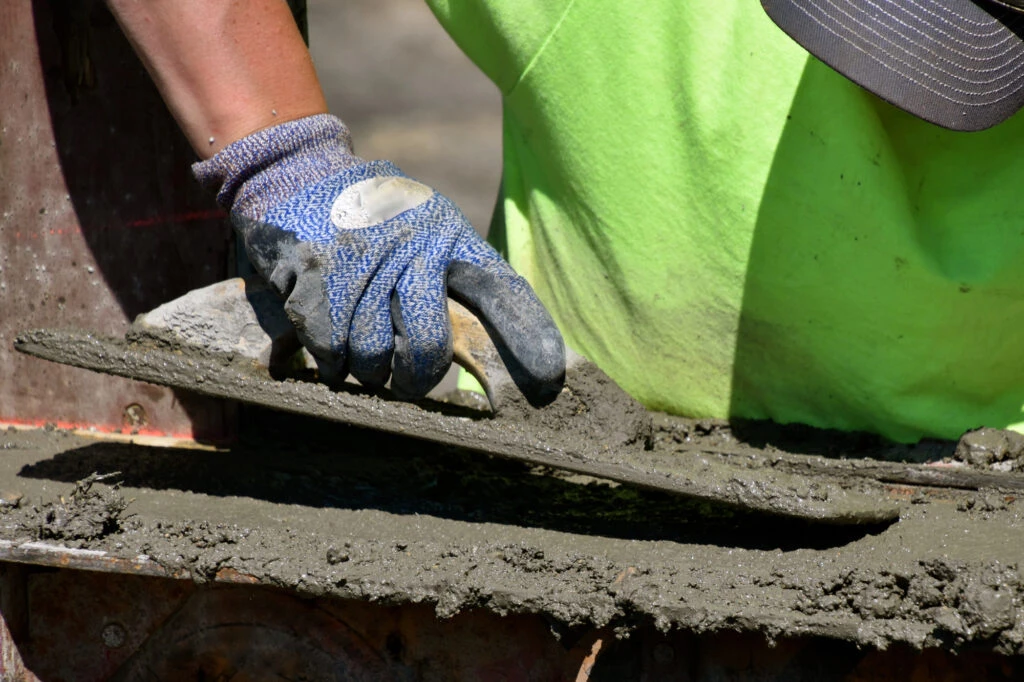
Pour the concrete into the forms, ensuring that it spreads evenly. Use a vibrator or tamping tool to eliminate air pockets in your concrete slab that could weaken the footings. For concrete footings supporting load-bearing walls, this step is particularly critical for ensuring even weight distribution.
Vibrating, Leveling, and Setting Anchor Bolts
Once the concrete is in the forms, a few final steps are crucial for ensuring a solid base. First, vibrate the wet concrete to remove any trapped air pockets. These voids can create weak spots, so eliminating them ensures the concrete is dense and strong enough to support the structure’s weight. Next, carefully level the top surface. An uneven footing can lead to differential settlement over time, causing serious structural issues. Finally, while the concrete is still wet, set the anchor bolts. These bolts will secure the building’s frame to the foundation, creating a critical connection that holds everything in place. Proper execution of these steps is vital, and consulting a foundation engineer can ensure your project’s long-term stability.
Step 6: Curing
Allow the concrete to cure properly, which usually takes several days. During this period, protect the concrete from extreme weather conditions to prevent cracks and ensure that it reaches its full strength.
Step 7: Inspection and Backfilling
Once the concrete has cured, remove the formwork and inspect the footings. If everything is in order, backfill the excavated areas with soil. This step ensures that your foundation is secure and ready to support the rest of the structure.
Tip: A structural engineer’s inspection at this stage can provide peace of mind, ensuring that your footings meet all necessary standards and will perform well over time.
Sizing, Common Problems, and Other Applications
Getting the construction process right is one thing, but understanding the long-term performance of your footings is just as important. From proper sizing to recognizing warning signs, these details ensure your structure remains stable for years to come.
Footing Sizing Guidelines
While general rules exist, footing size isn’t a one-size-fits-all calculation. For a typical house, a common baseline is a footing at least 12 inches wide and 12 inches deep, supporting an 8 to 10-inch thick foundation wall. However, final dimensions depend on your project’s weight, the soil’s bearing capacity, and local building codes. An undersized footing can lead to settlement, while an oversized one is an unnecessary expense. To get it just right, it’s always best to work with professional foundation engineers who can design footings tailored to your home’s unique needs.
Common Causes and Signs of Footing Failure
All houses settle, but the real trouble is uneven, or “differential,” settlement. This happens when one part of the foundation sinks faster than another, stressing the structure. Even a quarter-inch of uneven movement can cause noticeable cracks in brick, tile, or drywall. Watch for warning signs like foundation cracks, doors and windows that stick, and sloping floors. These symptoms often point to an issue with the footings or the soil beneath them. If you spot these problems, a forensic structural analysis can help identify the root cause before the damage gets worse.
Applications Beyond the Main House
Footings aren’t just for your home’s foundation. They are fundamental for almost any structure needing stable ground support. Think about a new deck, a backyard pergola, or a sturdy retaining wall—all need proper footings to prevent shifting or sinking. The same principles apply whether you’re building a small fence or planning a major project like an accessory dwelling unit (ADU). Any time you transfer a significant load to the ground, a well-built footing is your first line of defense, ensuring your investment stands strong. If you’re considering an addition, our team can help you develop the right ADU plans from the ground up.
Structural Engineer Consultation
While this guide provides a comprehensive overview of foundation footing construction, the process involves several variables that can make or break your project.
Factors like soil conditions, local frost lines, and specific load requirements often require expert analysis to ensure your foundation is not just strong, but also durable.
Engaging a structural engineer to design and inspect your foundation is a wise investment. They bring an understanding of American Concrete Institute Committee standards and can help you avoid common pitfalls that lead to excessive settlement or foundation failure.
– Custom Design: An engineer will design tailored foundations to the unique conditions of your site, considering factors like differential foundation movement and bearing strength.
– Code Compliance: Structural engineers ensure that your footing and foundation meets all relevant building codes and standards, which is crucial for the safety and longevity of your project.
Conclusion
Constructing the footings of your home’s foundation is a critical task that demands careful planning, precise execution, and, in many cases, professional advice.
Whether you’re building a small structure or a full-sized home, ensuring that your footings are well-designed and properly installed is key to the overall stability and longevity of your project.
By understanding the process, respecting the importance of soil conditions, and choosing the correct footing type, you’re well on your way to creating a foundation that will stand the test of time. This guide provides a solid foundation (pun intended) for your project, but remember, there is no substitute for a reputable concrete contractor and an experienced structural engineer.
Frequently Asked Questions
Do I really need a structural engineer for a small project like a deck or a shed? While it might seem like overkill, consulting an engineer is one of the smartest moves you can make, even for smaller projects. Local building codes might not always require it, but an engineer ensures your footings are designed correctly for your specific soil conditions and the weight they’ll carry. This foresight prevents issues like leaning posts or a sinking shed, protecting your investment and giving you peace of mind that the job was done right from the ground up.
What are the most common signs of footing failure I should look for in my home? The most telling signs of footing trouble are symptoms of uneven settlement. Look for cracks that are wider at the top than the bottom, especially around door and window frames or in your brickwork. Other red flags include doors that suddenly stick or don’t latch properly, windows that become difficult to open, and floors that visibly slope or feel bouncy. These issues suggest one part of your house is sinking differently than another, which often points back to a problem with the footings.
Can I just pour bigger or deeper footings to be on the safe side? While it sounds logical, simply making footings bigger isn’t a guaranteed solution and can be a waste of money on concrete and labor. The right footing size is a precise calculation based on the weight of your structure and the soil’s ability to support that weight. An oversized footing on weak soil won’t solve the underlying problem. A properly engineered design ensures the footing is exactly what your project needs—no more, no less—for optimal stability and cost-effectiveness.
How does the soil on my property affect the type of footing I need? Think of soil as the mattress your house rests on. A firm, dense soil like compacted gravel can support a standard, simple footing. However, if you have soft, expansive clay soil, it’s like building on a waterbed. In that case, you might need a more robust design, like a deep pier foundation that reaches down to a more stable layer of earth, bypassing the problematic soil near the surface entirely. The soil type is the single most important factor in determining the right foundation strategy.
What is the difference between a footing and a slab-on-grade foundation? It’s easy to mix these up. A footing is a specific structural component—the wide base at the bottom of a foundation wall that spreads the building’s weight. In contrast, a slab-on-grade foundation is a single, thick layer of concrete that acts as the footing, foundation, and floor all in one. Many homes are built with perimeter footings and foundation walls that create a crawlspace or basement, whereas a slab foundation sits directly on the ground.
Key Takeaways
- A footing’s job is to spread your home’s weight evenly across the soil: This prevents the structure from sinking or settling unevenly, which is the root cause of many serious issues like foundation cracks and sticking doors. A successful design always accounts for site-specific factors like soil strength and the local frost line.
- There is no one-size-fits-all footing solution: The right type—whether a simple concrete strip, a large raft foundation, or deep piers—depends entirely on your project’s weight, the slope of your land, and the ground conditions it sits on.
- Proper execution is just as important as the design: Key details like steel rebar placement, effective water drainage, and precise leveling are essential for long-term durability. Consulting a structural engineer is a crucial investment to ensure your foundation is built to last.
