
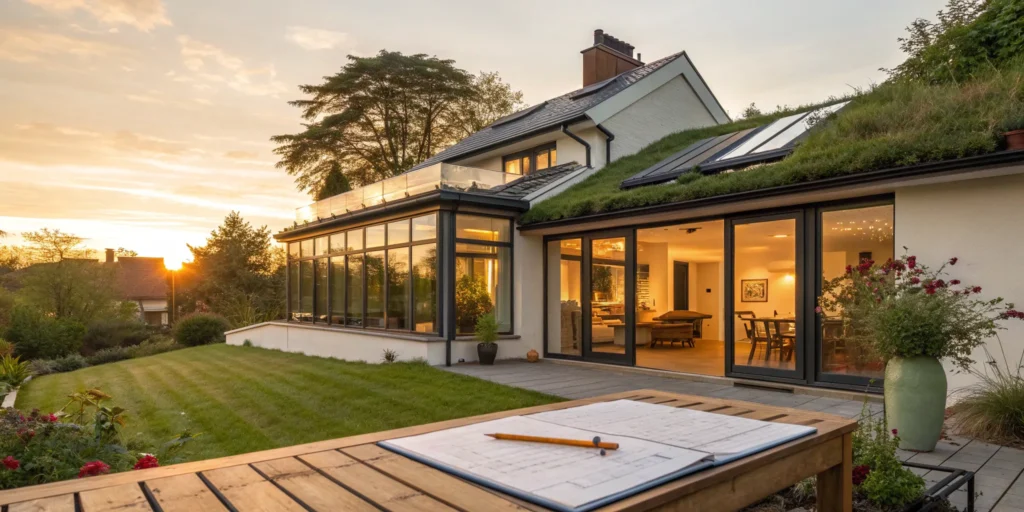
Before you can knock down a single wall, you have to answer a critical question: can your house handle the weight? Adding a new room or an entire second story puts significant stress on your home’s original foundation and frame. This is why a professional structural assessment is a non-negotiable first step when creating your home addition plans. A proper evaluation ensures the new structure will be safe and sound for years to come. This guide covers the essential factors you must consider, from structural integrity and local zoning laws to realistic budgeting, so you can start your project on solid ground.
Key Takeaways
- Treat Your Plan as the Foundation: A detailed set of home addition plans is the most critical part of your project. It ensures your design is structurally sound, compliant with local codes, and allows you to get accurate quotes, preventing costly surprises.
- Confirm Your Home Can Handle the Weight: Before you fall in love with a design, a structural engineer must evaluate your home’s existing foundation and frame. This non-negotiable step ensures your house can safely support the new addition.
- Budget for More Than Just Construction: A realistic budget accounts for materials and labor plus design fees, permits, and a contingency fund of 15-20% for unexpected issues. Planning for these costs from the start keeps your project on track financially.
What Goes Into Your Home Addition Plans?
When you decide your home needs more space, it’s easy to get caught up in the excitement of imagining a new primary suite or a bigger kitchen. But before you can knock down any walls, you need a solid game plan. That’s where home addition plans come in. Think of them as the detailed blueprint for your project. These aren’t just simple sketches; they are comprehensive documents that map out every detail, from the new room’s layout and window placement to how it will seamlessly connect with your existing home.
A professional set of home addition plans is your roadmap to a successful build. It ensures that the new structure is not only beautiful and functional but also safe and structurally sound. These plans take into account local building codes, your property’s specific limitations, and, of course, your budget. They serve as the essential communication tool between you, your designer, and your contractor, making sure everyone is on the same page from start to finish. Without a detailed plan, you’re essentially building blind, which can lead to costly mistakes and frustrating delays.
What Kind of Home Addition Is Right for You?
Home additions come in all shapes and sizes, tailored to fit your family’s unique needs. One popular option is a “bump-out,” which involves extending an existing room by a few feet to create more space for a dining nook or a walk-in closet. If you need more significant square footage, you might consider a full room addition, like a new family room, a guest suite, or a dedicated home office. These often extend from the back or side of the house.
For those with limited yard space, building up instead of out is a great solution. Adding a second story can double your living area without sacrificing your lawn. This is perfect for creating new bedrooms or a luxurious primary suite. No matter which direction you choose to expand, a thoughtful architectural design ensures the new space feels like a natural extension of your home, not an afterthought.
Why a Solid Plan Is the Foundation of Your Project
Jumping into a home addition without a detailed plan is like starting a road trip without a map—you’re bound to get lost. A solid plan is the single most important factor in keeping your project on time and on budget. It helps you anticipate challenges, make informed decisions, and avoid the kind of design mistakes that are expensive to fix later. By defining the scope of work upfront, you can get accurate quotes from contractors and prevent surprise costs from derailing your finances.
More importantly, a crucial part of the planning process is ensuring your home can actually handle the new structure. Before you do anything else, you need an expert to evaluate your home’s existing foundation and frame. A structural engineer inspection will determine if your home can support the additional load or if reinforcements are needed. Skipping this step can lead to serious safety issues down the line. A good plan isn’t just about design; it’s about building with confidence.
What Kind of Home Addition Is Right for You?
Home additions come in all shapes and sizes, tailored to fit your family’s unique needs. One popular option is a “bump-out,” which involves extending an existing room by a few feet to create more space for a dining nook or a walk-in closet. If you need more significant square footage, you might consider a full room addition, like a new family room, a guest suite, or a dedicated home office. These often extend from the back or side of the house.
For those with limited yard space, building up instead of out is a great solution. Adding a second story can double your living area without sacrificing your lawn. This is perfect for creating new bedrooms or a luxurious primary suite. No matter which direction you choose to expand, a thoughtful architectural design ensures the new space feels like a natural extension of your home, not an afterthought. Another increasingly popular option is an Accessory Dwelling Unit (ADU), a self-contained living space ideal for multi-generational families or as a rental property.
Why a Solid Plan Is the Foundation of Your Project
Jumping into a home addition without a detailed plan is like starting a road trip without a map—you’re bound to get lost. A solid plan is the single most important factor in keeping your project on time and on budget. It helps you anticipate challenges, make informed decisions, and avoid the kind of design mistakes that are expensive to fix later. By defining the scope of work upfront with professional blueprints, you can get accurate quotes from contractors and prevent surprise costs from derailing your finances.
More importantly, a crucial part of the planning process is ensuring your home can actually handle the new structure. Before you do anything else, you need an expert to evaluate your home’s existing foundation and frame. A structural engineer inspection will determine if your home can support the additional load or if reinforcements are needed. Skipping this step can lead to serious safety issues down the line. A good plan isn’t just about design; it’s about building with confidence and ensuring your investment is safe and sound.
Key Questions to Ask Before You Build an Addition
Dreaming about your home addition is the fun part, but turning that dream into a reality requires careful planning. Before you start picking out paint colors or furniture, there are a few foundational steps you need to take. Thinking through these key factors from the beginning will save you from headaches, unexpected costs, and delays down the road. It’s all about setting your project up for success by making informed decisions early on.
Is Your Home’s Structure Ready for an Addition?
Before you get too far into planning, you need to know if your home can actually support an addition. Your house was built to handle its original size and weight, and adding more square footage puts extra stress on the existing structure. A professional evaluation is the only way to know for sure if your foundation and frame are up to the task. An expert can identify what, if any, reinforcements are needed to safely support the new load. This isn’t a step to skip—it’s essential for the safety and longevity of your entire home. Getting help from experienced foundation engineers early on provides the peace of mind that your project is built on solid ground.
Checking Local Zoning Laws and Building Codes
Every city and county has its own set of rules for construction, and they can get surprisingly specific. Local zoning laws can dictate how large your addition can be, how close it can be to your property lines (known as setbacks), and even how tall it can be. Building codes, on the other hand, govern the actual construction standards for safety and quality. Trying to figure these out on your own can be overwhelming. A local design and engineering team will be familiar with the regulations in your area and can create home addition plans that meet all the requirements, ensuring a smooth permit approval process.
How Will You Pay for It? Budgeting and Financing
Creating a realistic budget is one of the most important parts of planning your home addition. It’s easy to focus on the big-ticket items like materials and labor, but there are many other costs to consider. Your budget should account for design and engineering fees, building permits, new furniture, and landscaping if the construction damages your yard. It’s also smart to set aside a contingency fund—typically 10% to 20% of your total budget—to cover any unexpected issues that might pop up. Once you have a clear number in mind, you can explore financing options like a home equity loan or a cash-out refinance to fund the project.
Common Financing Options
With a solid budget in hand, it’s time to look at how you’ll pay for everything. A Home Equity Line of Credit (HELOC) is a really flexible option, working like a credit card that lets you borrow against your home’s equity as needed. This is great for handling construction costs as they come up. If you’d rather have predictable monthly payments, a home equity loan provides a lump sum of cash upfront with a fixed interest rate. Another popular method is a cash-out refinance, which replaces your current mortgage with a larger one, letting you use the extra cash for your addition. And if you need funds quickly without using your home’s equity, personal loans are also a solid choice, though their interest rates can be a bit higher.
Designing an Addition That Blends With Your Home
A great home addition doesn’t just add square footage; it improves the way you live in your home. The goal is to make the new space feel like it was always there, not like an awkward attachment. Think about how the addition will connect to your existing layout. How will you move between the old and new spaces? Consider things like window placement to maximize natural light and how the new room will function for your family both now and in the future. This is where professional architecture services become invaluable. An architect can help you design a space that is both beautiful and highly functional, ensuring it flows perfectly with the rest of your home.
Will Your Utilities Handle the Extra Space?
Adding a new room or an entire new level to your home will place greater demands on your existing utility systems. Your current HVAC system might not be powerful enough to heat and cool the additional space efficiently. You may also need to upgrade your electrical panel to handle more lights and outlets or run new plumbing lines for a bathroom or kitchen. It’s important to assess these needs during the design phase. Planning for utility upgrades from the start prevents you from having to make costly and disruptive changes later on and ensures your new space will be comfortable and fully functional from day one.
How Much Does a Home Addition Really Cost?
Figuring out the cost of a home addition can feel like trying to hit a moving target. The truth is, there’s no single price tag. The final cost depends on the size of your addition, the complexity of the design, the quality of materials you choose, and even your specific location. A simple bump-out for a breakfast nook will cost significantly less than a two-story addition with a new primary suite and bathroom.
The key to getting a handle on the numbers is to break the project down into manageable pieces. Instead of looking at one giant, intimidating figure, you can focus on the individual costs that make up the whole. This includes everything from the lumber and windows to the fees for permits and the cost of hiring skilled professionals. Understanding these components will help you create a realistic budget and avoid sticker shock down the road. We’ll walk through the main expenses you need to account for, so you can plan your project with confidence.
Understanding Average Costs
While it’s tempting to look for a simple answer, the cost of a home addition is influenced by many factors. Think of it less as a fixed price and more as a range that depends on your specific project. The size of the addition, the materials you select, and the complexity of the design all play a significant role in the final number. It’s also crucial to remember that construction costs are just one piece of the puzzle. Your total budget needs to account for design fees, permits, and a contingency fund for those inevitable surprises. Planning for these expenses from the start is the best way to keep your project on track financially and avoid stress.
Cost Per Square Foot
One of the most common ways to estimate the cost of an addition is by looking at the price per square foot. Generally, you can expect this to fall somewhere between $125 and $250, but it can go much higher depending on the specifics. For example, a simple family room with standard finishes will be on the lower end of that range. However, an addition that includes a kitchen or bathroom will be more expensive due to the added costs of plumbing, electrical work, and high-end fixtures. The quality of your finishes—like flooring, windows, and cabinetry—will also have a major impact. The best way to get a precise estimate is to work with a professional to develop detailed home addition plans that contractors can use for accurate bidding.
Potential Return on Investment
A home addition is more than just an expense; it’s an investment in your property. While you’re enjoying the extra living space, you’re also potentially increasing your home’s market value. A well-designed and properly constructed addition can increase your home’s value by a significant amount, sometimes by as much as 30%. The return you see will depend on the type of addition, the quality of the work, and the real estate market in your area. Beyond the financial gains, consider the return on lifestyle. Having a dedicated home office, a spacious primary suite, or a family room where everyone can gather comfortably adds value to your daily life that you can’t put a price on.
What Are You Paying For? Materials vs. Labor
Material and labor costs will make up the largest portion of your budget. Materials include everything from the foundation concrete and framing lumber to the windows, roofing, flooring, and light fixtures. The price can vary dramatically based on your selections—custom cabinetry will cost more than stock options, and high-end tile will have a different price point than standard vinyl. Labor covers the skilled professionals who bring your vision to life, including contractors, carpenters, electricians, and plumbers. These costs can fluctuate based on your region and the complexity of the job. A clear set of home addition plans is essential for getting accurate bids from contractors.
How Professionals Charge for Their Services
Beyond the costs for lumber and labor, you’ll also need to budget for the experts who design your project. Architects and engineers typically charge in one of a few ways: a flat fee for the entire design, an hourly rate for their time, or a percentage of the total construction cost. While it might feel like just another expense, investing in professional design is one of the smartest moves you can make. A detailed set of plans is the foundation for getting accurate, apples-to-apples quotes from contractors. Without it, you’re just guessing, which can lead to budget overruns and stressful changes once construction is underway. Getting comprehensive home addition plans from the start ensures your project is designed correctly and helps you control costs from day one.
Don’t Forget Permit and Inspection Fees
Before any construction can begin, you need the green light from your local municipality. This involves securing the right permits, which come with their own set of fees. You’ll need to look into your local government’s rules about how large an addition can be, how close it can be to your property lines, and how tall it can be. These zoning laws and building codes are in place for safety and community planning, and they are not optional. Permit costs vary widely depending on where you live and the scope of your project. An experienced architect or designer can help you prepare and submit the necessary documents, making this process much smoother.
How to Plan for Unexpected Costs
Even the most perfectly planned project can hit a snag. During demolition, you might discover hidden water damage, outdated wiring, or a structural issue that needs to be addressed. That’s why it’s crucial to build a contingency fund into your budget. Think of it as a financial safety net for your project. Always set aside extra money—typically 10% to 20% of your total estimated cost—to cover these surprises. Having this fund ready means an unexpected problem won’t derail your project. A thorough structural inspection before you finalize your plans can also help identify potential issues early on, minimizing the chances of costly surprises.
Creating a Smart Budget with a Contingency Fund
Now it’s time to put it all together. A realistic budget goes beyond just the construction estimate. You need to decide how much you can comfortably spend and create a detailed list that includes all potential costs. This means accounting for materials, labor, permit fees, design and engineering fees, and even things like new furniture or landscaping for the finished space. Once you have your total estimated cost, add your contingency fund on top of that. This comprehensive figure is your true project budget. This careful planning is the foundation of a successful home addition that you’ll love for years to come.
Applying the 30% Rule
So, how do you know if your budget is reasonable for your home’s value? A helpful benchmark is the “30% Rule,” which suggests you shouldn’t spend more than 30% of your home’s current market value on a single project. For example, if your home is worth $500,000, this guideline caps your addition budget at around $150,000. While this isn’t a strict law, it’s a smart way to avoid over-investing in your property—that is, spending more than you’re likely to get back when you sell. This is another reason why having detailed home addition plans is so important. They give you a clear picture of the total estimated cost, allowing you to measure your project against this guideline and make confident financial decisions.
How to Plan an Addition to Your Home, Step by Step
Adding on to your home is an exciting prospect, but it can also feel overwhelming. Where do you even begin? The good news is that most home addition projects follow a clear, logical sequence of events. Understanding this process from the start helps you set realistic expectations, make informed decisions, and keep your project on track from the initial idea to the final coat of paint. Breaking the journey down into manageable steps demystifies the entire experience, giving you a roadmap to follow. Whether you’re adding a primary suite, expanding your kitchen, or building a second story, this step-by-step guide will walk you through the key phases of creating your home addition plans and bringing them to life. Think of this as your playbook for a smoother, more predictable, and ultimately successful renovation. By seeing the big picture—from initial brainstorming and budgeting to hiring professionals and passing final inspections—you can approach your project with confidence instead of anxiety. Each step builds on the last, ensuring that critical details aren’t missed and that your investment results in a space you’ll love for years to come.
Step 1: Figure Out What You Really Want
Before you call a single contractor or sketch a single line, take some time to get crystal clear on what you want and why. What is the primary purpose of this new space? Are you creating a home office, a playroom for the kids, or an in-law suite? Think about how the addition will function and how it needs to connect with the existing layout of your home. A seamless flow is crucial. Make a list of your must-haves versus your nice-to-haves. This initial vision will become the guiding star for every decision you make, from the architectural design to the choice of doorknobs, ensuring the final result truly meets your family’s needs.
Planning for Long-Term Needs and Aging in Place
As you map out your must-haves, think beyond your immediate needs. A home addition is a long-term investment, so it’s the perfect opportunity to consider how your family might live in the space ten, twenty, or even thirty years from now. This is often called “aging in place”—designing your home to be comfortable and accessible for a lifetime. This could mean planning for a primary suite on the main floor, creating wider doorways and hallways, or designing a bathroom with a curbless shower. A thoughtful architectural design can incorporate these features seamlessly, making your home more functional for everyone, whether you’re carrying groceries, pushing a stroller, or planning for future mobility needs.
Step 2: Do Your Homework on Rules and Costs
Now it’s time for a reality check. Start by researching your local zoning laws and building codes. Municipalities have specific rules about how large an addition can be, how close it can be to your property lines (setbacks), and how tall it can be. You can usually find this information on your city’s website, like the Denver Community Planning and Development site. Next, establish a realistic budget. This number should cover everything: design fees, permits, materials, labor, and even new furniture. It’s also smart to set aside a contingency fund—typically 10% to 20% of the total cost—to cover any unexpected issues that pop up along the way.
Step 3: Assemble Your Team and Finalize the Plan
You can’t build a great addition without a great team. You will likely need an architect to create the design, a structural engineer to ensure it’s safe and sound, and a general contractor to manage the construction. Do your homework here. Ask for recommendations, check references, and look at portfolios of their past work. Once you’ve assembled your professionals, you’ll work with them to finalize the design. This is where your vision from Step 1 comes together with their expertise to create a detailed blueprint. A firm like Level Engineering can provide both the architectural services and the structural engineering needed to create a cohesive and buildable plan.
Step 4: Get the Green Light and Break Ground
With your finalized plans in hand, your contractor will submit them to the local building department to secure the necessary permits. This step is non-negotiable—you cannot start work without official approval. The permit process ensures your addition is designed to meet safety standards. During this time, your contractor will also be scheduling tradespeople and ordering materials. Once the permits are issued, it’s time to break ground. A critical part of this phase is ensuring your home’s existing foundation can support the new structure. Your foundation engineers will have already assessed this, but it’s a key checkpoint before construction gets too far along.
Step 5: Crossing the Finish Line with Final Inspections
As construction wraps up, the project enters its final phase. Your contractor will schedule a series of final inspections with the city. An inspector will visit the site to verify that all the work—from electrical and plumbing to the framing and insulation—has been completed according to code. This is for your safety and protection. After the official inspections are passed, you’ll do a final walkthrough with your contractor. This is your chance to inspect the quality of the work, test out new systems, and create a “punch list” of any minor issues that need to be addressed before you make the final payment.
Common Home Addition Mistakes (And How to Avoid Them)
Embarking on a home addition is an exciting prospect, but it’s also a major undertaking with plenty of room for error. A few missteps can turn your dream project into a stressful and costly ordeal. The good news is that you can sidestep these common pitfalls with a bit of foresight and planning. By learning from the mistakes of others, you can ensure your project runs smoothly from start to finish. Let’s walk through the most frequent blunders homeowners make and how you can steer clear of them.
Don’t Skip the Structural Evaluation
Before you get lost in design ideas and paint swatches, you need to address the most critical question: can your home handle the extra weight? An addition isn’t just attached to your house; it becomes part of its structural system. Skipping a professional structural evaluation is one of the riskiest mistakes you can make. An engineer needs to assess your home’s foundation, framing, and soil conditions to confirm they can support the new load. Overlooking this step can lead to catastrophic issues like a cracked foundation, sagging floors, or even structural failure. Investing in an upfront assessment will save you from incredibly expensive repairs later on.
Don’t Underestimate Your Budget or Timeline
It’s an unfortunate truth of home renovation: projects often cost more and take longer than initially planned. A common mistake is creating a budget that only covers the visible costs, like materials and labor, without accounting for the unexpected. To avoid this, break down every possible expense and then add a contingency fund of at least 15-20% to cover surprises like hidden water damage or supply chain delays. The same goes for your timeline. Be realistic and build in buffer days for weather, inspections, and the small hiccups that are a normal part of any major construction project.
Don’t Overlook Local Building Codes
Every municipality has its own set of rules for construction, and ignorance isn’t an excuse. Overlooking local building codes and zoning laws can bring your project to a screeching halt. These regulations dictate everything from how close you can build to your property line (setbacks) to the maximum height of your structure. Before you finalize your home addition plans, you or your architect must research these requirements and secure all necessary permits. Attempting to build without the right permits can result in hefty fines, legal trouble, and even being forced to tear down your new addition.
Hiring an Inexperienced or Unvetted Team
Your home addition will only be as good as the team you hire to build it. Rushing this decision or simply choosing the cheapest bid is a recipe for disaster. A successful project typically requires an architect, a structural engineer, and a general contractor. Take your time to vet each professional. Review their portfolios, check their licenses and insurance, and speak with their previous clients. You’re not just hiring for skill; you’re building a relationship. Choose a team that communicates clearly, respects your vision, and has proven experience with projects like yours.
Forgetting to Plan for Daily Disruptions
Living through a major renovation is not for the faint of heart. Many homeowners underestimate the impact construction will have on their daily lives. Your home will be a noisy, dusty, and chaotic work zone for weeks or months. It’s crucial to plan for these disruptions. Talk with your contractor about their work schedule and what to expect each day. Set up dust barriers to protect the rest of your home and decide if you need to arrange for a temporary living situation, especially if the kitchen or a main bathroom is out of commission. A little mental and logistical preparation goes a long way.
How to Choose the Right Professionals for Your Project
A home addition is a team sport, and who you pick for your team will have the biggest impact on your project’s success. Bringing your vision to life requires a group of skilled professionals, including an architect, a structural engineer, and a contractor. The architect will focus on the design, layout, and aesthetics, translating your ideas into a functional blueprint. The structural engineer will ensure that the design is safe, stable, and able to withstand the test of time. Finally, the contractor will manage the day-to-day construction, bringing the plans off the page and into reality.
For many projects, you’ll hire these professionals separately. However, working with an integrated design-build firm that offers both architectural and engineering services can simplify communication and streamline the entire process. This approach ensures that the design and structural plans are developed together from the very beginning, which can prevent costly revisions down the road. No matter which path you choose, taking the time to assemble a qualified, communicative, and trustworthy team is the most important investment you’ll make.
Why You Might Need a Structural Engineer
While an architect designs the look and flow of your addition, a structural engineer makes sure it won’t fall down. It’s that simple—and that important. A structural engineer analyzes your home’s existing structure, including its foundation and load-bearing walls, to determine how to safely attach the new addition. They calculate load capacities, specify the right materials (like beams and supports), and create the structural drawings your contractor will use to build. Their expertise is non-negotiable for ensuring your new space is not only beautiful but also safe and compliant with building codes.
How to Find the Right Architect and Contractor
Finding the right architect and contractor can feel like dating—you need to find someone with the right skills who you also trust and communicate well with. Start by asking for recommendations from friends or local community groups. Once you have a few names, do your homework. Review their portfolios to see if their style aligns with your vision. Always check their past work, talk to previous clients, and verify their licenses and insurance. Before signing anything, make sure you have a detailed, written contract that outlines the scope of work, timeline, and payment schedule to protect everyone involved.
Where to Look for Licensed Professionals
Start your search for professionals within your own network. Ask friends, family, and neighbors who have recently completed similar projects for their recommendations. Local online community groups can also be a goldmine for honest feedback on architects and contractors in your area. Once you have a shortlist, expand your search by looking at the websites of professional organizations like the American Institute of Architects (AIA). When you find a firm that offers integrated services, like the architecture and engineering solutions at Level Engineering, it can simplify your search by providing a cohesive team from the start. This ensures everyone is aligned on your project’s goals from day one.
Vetting Your Contractor
Once you have a few potential contractors in mind, it’s time to do some serious vetting. This step is crucial for protecting your investment and ensuring a smooth process. Begin by verifying that each contractor holds the proper licenses and is fully insured—this includes both liability insurance and worker’s compensation. Ask to see a portfolio of their completed projects to gauge the quality of their work and see if their style fits your vision. The most important step is to speak with their past clients. Ask them about their experience with communication, budgeting, and how the contractor handled unexpected challenges. A reputable contractor will be happy to provide these references.
Key Questions to Ask an Architect
When you meet with potential architects, treat it like an interview. You’re looking for a partner in this process, so finding the right fit is essential. Come prepared with a list of questions to help you understand their approach. Ask about their design philosophy, their typical process for a project like yours, and who from their team you will be working with directly. It’s also important to ask if they have experience with home additions in your specific area. A great question to ask is, “Do you foresee any potential challenges with my project, given my budget or property constraints?” Their answer will reveal their experience and honesty, helping you find a professional who can provide realistic and creative home addition plans.
Understanding the Architect’s Role During Construction
An architect’s job doesn’t end once the blueprints are approved. Many architects offer construction administration services, meaning they stay involved to ensure their design is executed correctly. This can be an invaluable part of the process. During the build, your architect can act as your advocate, visiting the construction site to check on progress and quality, helping you review and approve contractor payments, and finding creative solutions to any design problems that arise. According to This Old House, they also perform a final walkthrough to ensure the finished work meets the standards set in the plans. This oversight helps keep the project true to your original vision and provides an extra layer of quality control.
Managing Project Changes with a Formal Process
No matter how carefully you plan, changes are almost inevitable during a home addition. You might decide on a different window, or a contractor might uncover an unexpected issue behind a wall. The key to preventing these changes from derailing your budget and timeline is to establish a formal change order process from the very beginning. A change order is a written document that details the change in scope, the additional cost, and any adjustment to the project schedule. Both you and your contractor must sign off on it before any new work begins. This simple process eliminates confusion and ensures there are no surprise bills at the end of the project, keeping everyone on the same page.
Alternatives to Hiring a Full-Service Architect
While a traditional architect is a great choice for many projects, it’s not the only option. If your project is straightforward, you might work with an architectural designer or a draftsperson who can produce the necessary drawings for a lower cost. Another excellent option is a design-build firm. These companies offer a one-stop-shop approach, handling everything from the initial design to the final construction under one roof. At Level Engineering, we provide comprehensive architecture and structural engineering services, creating a seamless process for our clients. This integrated model improves communication, streamlines decision-making, and ensures that the design is both beautiful and structurally sound from the very beginning.
Why You Should Hire Local Pros
When it comes to a home addition, local knowledge is a powerful tool. A team that’s based in your area will have an in-depth understanding of regional zoning laws, permitting processes, and specific building codes, which can vary significantly from one town to the next. Local professionals have likely built relationships with municipal inspectors and suppliers, which can help your project run more smoothly. They also understand the local climate and soil conditions, allowing them to create home addition plans that are perfectly suited to your environment. Hiring local experts isn’t just about convenience; it’s about leveraging their experience to make your project a success.
Related Articles
- Commercial Remodel & Additions – Level Engineering & Inspection
- Building An ADU: A Comprehensive Guide
- Residential Architectural Design And Planning Services
- What To Avoid When Completing A DIY Renovation
Frequently Asked Questions
Do I really need both an architect and a structural engineer for my addition? Think of it this way: an architect is your visionary, focusing on how the space will look, feel, and function to meet your family’s needs. A structural engineer is your safety expert, ensuring that the beautiful design is also stable, sound, and built to last. While some small projects might not require both, for most additions, they play distinct and equally crucial roles. The engineer’s calculations ensure your existing home can support the new structure, which is a non-negotiable step for safety and code compliance.
What’s the very first step I should take when considering a home addition? Before you even think about calling a contractor, your first step is to get clear on your goals and your budget. Sit down and define exactly what you need from the new space and why. Is it for a growing family, a home business, or an aging parent? Once you know your “why,” you can establish a realistic budget that includes a 15-20% contingency fund for surprises. This initial clarity will guide every other decision and make your conversations with professionals much more productive.
How can I ensure my new addition flows well with my existing home? This is a common concern, and it’s what separates a good addition from a great one. The key is thoughtful architectural design. A skilled professional will look beyond the new room itself and consider how it connects to your current home’s rooflines, window styles, exterior materials, and interior traffic patterns. The goal is to create a seamless transition so the new space feels like it was always meant to be there, not like an obvious add-on.
Can I live in my house while the addition is being built? It really depends on the scope and location of your project. If you’re adding a room onto the back of the house with minimal disruption to your main living areas, it’s often manageable. However, if the renovation involves your kitchen, only bathroom, or creates a lot of dust and noise in your primary living space, you might want to arrange for a temporary place to stay. Have a frank conversation with your contractor about the day-to-day impact so you can prepare for the reality of living in a construction zone.
How can I keep my home addition project from going way over budget? The best defense against budget overruns is thorough planning. A detailed set of architectural and engineering plans allows you to get precise, apples-to-apples quotes from contractors, which minimizes guesswork. The most important tool, however, is your contingency fund. By building an extra 15-20% into your budget from the very beginning, you create a financial cushion to absorb unexpected costs—like discovering old plumbing issues—without causing a crisis.
