
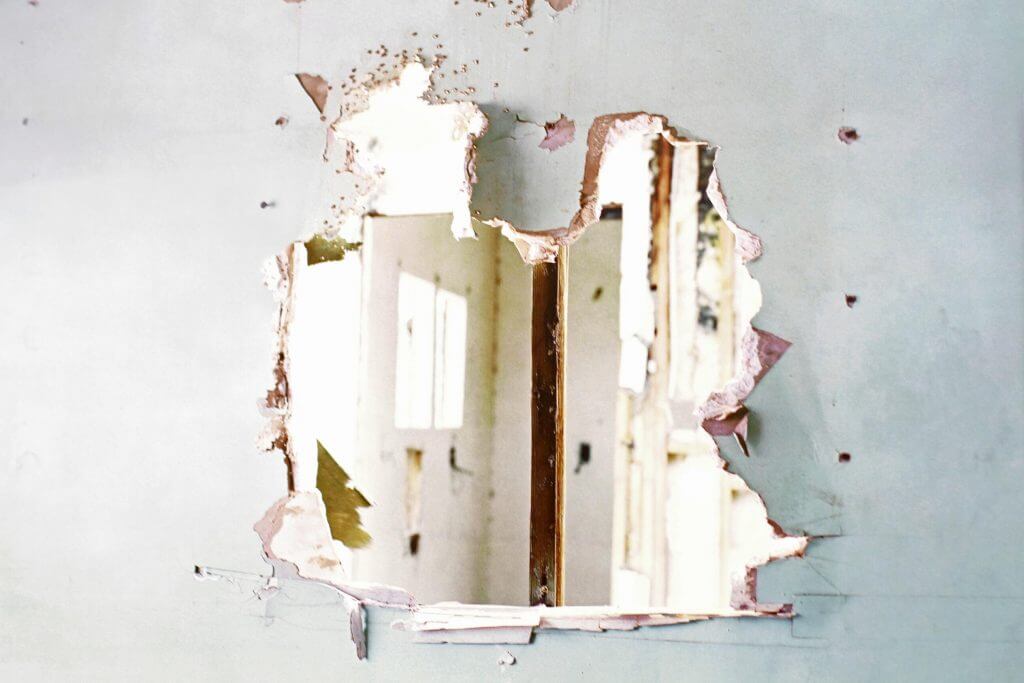
“Can I take this wall down?” It’s one of the first questions many homeowners ask when planning a DIY renovation. That question is often followed by others about permits, budgets, and whether that hairline crack in the basement is a big deal. Getting clear answers is the key to moving forward with confidence. Many common renovation mistakes stem from making assumptions about these critical details. This guide provides the answers you need, helping you distinguish between a simple weekend project and a job that requires an expert eye, ensuring your renovation plans are both ambitious and achievable.
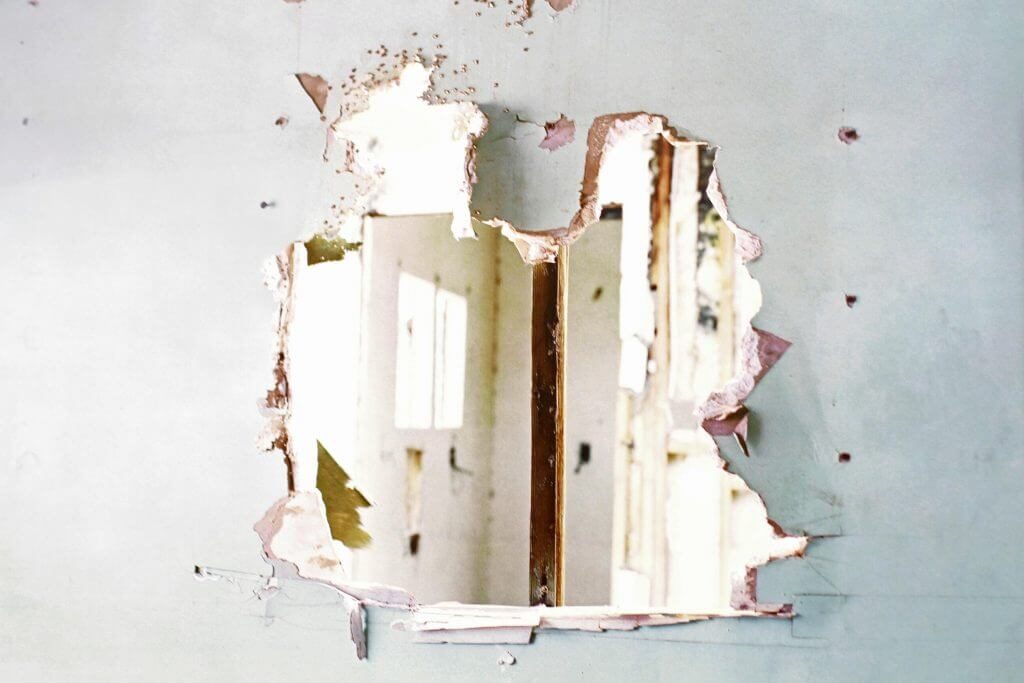
In the age of renovation TV shows, there aren’t many homeowners who haven’t (at some point) seriously considered starting a DIY project. After all, it looks fun and easy on television. You’ve got some great ideas, and you’re pretty sure you can pick up just about everything you’ll need second hand… But the truth is, if you don’t have experience in DIY renovations, then you are likely to end up making some common (and costly) mistakes. This is where the importance of professional Foundation Inspection Services cannot be overstated.
Before you start knocking down walls or ripping out cabinets, having your home’s foundation thoroughly inspected by a certified professional can save you from unforeseen complications down the road. You don’t know what you don’t know. Foundation issues, if not identified and addressed early on, can lead to significant structural damage, rendering your hard work and investment futile.
A DIY renovation that is systematically planned, well thought out, and executed with care can be a success; just make sure you avoid the following 7 mistakes:
1. Not Consulting a Structural Engineer
Oftentimes, when you make changes to your house, it has an impact on the structure of the home. Be sure to reach out to your local Structural Engineer to gather information about whether or not your project should be looked at first by an engineer. We have been called on many projects where the homeowner did not do this, trusted the advice from a contractor, and ended up in a pretty nasty situation. It never hurts to double-check before beginning the work.
Common mistakes made on home improvement projects where engineers were not involved include:

Ignoring the Foundation
Before diving into any DIY renovation, it’s critical to assess the foundation of your home. Ignoring foundation issues can lead to structural problems down the line. Investing in professional Foundation Inspection Services can help identify potential issues early, saving you time, money, and stress in the long run. A DIY foundation is possibly the single biggest risk to the structural integrity of your home.
Overlooking Moisture Issues
Moisture problems can wreak havoc on your home’s structure and your DIY renovation efforts. Ensure that any existing moisture issues are addressed before you start your project. Use moisture-resistant materials and proper sealing techniques to protect your home from potential water damage.
2. Overspending on Little-Used Rooms
You may be dreaming of a new bedroom and an updated office, but if you’re trying to add resale value to your home, then it would be a mistake to spend your entire renovation budget on rooms that aren’t considered to be key aspects of the home. A prospective buyer will consider a newly renovated kitchen as a big plus, but may not even notice the new carpet and feature wall in the second bedroom.
Compromising on the Wrong Things
During a renovation, it is not uncommon to find an appliance or fixture that suddenly becomes a “must-have” item. If this can be accommodated in the budget, then there’s no harm done, and the item could become a nice feature for that particular room. The risk is when you invest too much in a feature and then compensate by skimping on important things.
Skipping the Bathroom
Nothing dates a house quite like an old bathroom; whether it’s the cheap plastic fixtures, the tiles that were popular 20 years ago, or the patterned shower curtain, bathrooms proudly proclaim their age. Many people will avoid renovating their bathroom because they assume it will be too expensive, but with a little forethought, you can give a bathroom a modern face-lift without doing anything too drastic.
Focus on High-Impact, Low-Cost DIY Projects Instead
Instead of gutting a room that gets little use, you can get more satisfaction—and a better return on your investment—by focusing on smaller projects that pack a big punch. These high-impact, low-cost updates can completely transform the feel of your most-used spaces without the stress and expense of a full-blown renovation. Think of these as the weekend wins that refresh your home and scratch that creative itch. While a major remodel or addition requires professional plans and permits, these simpler DIY tasks let you see a dramatic change in just a day or two, all while staying on budget.
Refresh with Paint and Wallpaper
Never underestimate the power of a fresh coat of paint. It’s one of the most affordable and effective ways to change a room’s entire mood. You don’t even have to paint the whole room; as noted by Bankrate, “even small changes, like painting a door or cabinets, can make a big difference.” Consider creating an accent wall with a bold color or trying out removable peel-and-stick wallpaper for a trendy, low-commitment update. These small projects can modernize a space, make it feel brighter, and give you a sense of accomplishment without requiring a huge time commitment or specialized skills.
Update Your Backsplash or Hardware
If your kitchen or bathroom feels dated, look to the details. Swapping out old, worn hardware like cabinet knobs, drawer pulls, and faucets is a simple task that can instantly modernize the space. For a bit more impact, consider updating your kitchen backsplash. You don’t need to be a tile expert; peel-and-stick tile options are easy to install and come in countless styles. A new backsplash can serve as a beautiful focal point and “quickly update your kitchen’s style,” making the whole room feel more current and thoughtfully designed without the cost of replacing countertops or cabinets.
Boost Curb Appeal on a Budget
The first impression of your home starts at the curb, and you can make significant improvements without spending a lot of money. A freshly painted front door in a welcoming color, new house numbers, and an updated porch light can make your entrance pop. Simple landscaping also goes a long way. You don’t need a complete garden overhaul; “planting flowers can start at $20” and adding fresh mulch to garden beds can make the entire property look cleaner and more cared for. These small exterior touches create a more inviting atmosphere for you and your guests every time you arrive home.
3. Going ahead without a cohesive design.
Although not all home improvement projects require an architect or designer, there is much to be gained from having an experienced designer draw up a plan for your renovation. Here are some common mistakes to look out for when undertaking the design of your projects.
Ignoring the Existing Style
If the architecture of your home is French Provincial, then re-doing the interior in an ultra-modern style may not produce the greatest results. You don’t have to be tied to the original design, but respecting the “bones” of the house will prevent your finished renovation from resembling a clashing hodgepodge of decors.
Not Planning for Storage
During a renovation, your home can quickly become cluttered with tools, materials, and debris. Planning for adequate storage solutions will keep your workspace organized and safe. Consider temporary storage options or reorganizing your space to accommodate the needs of your DIY project.
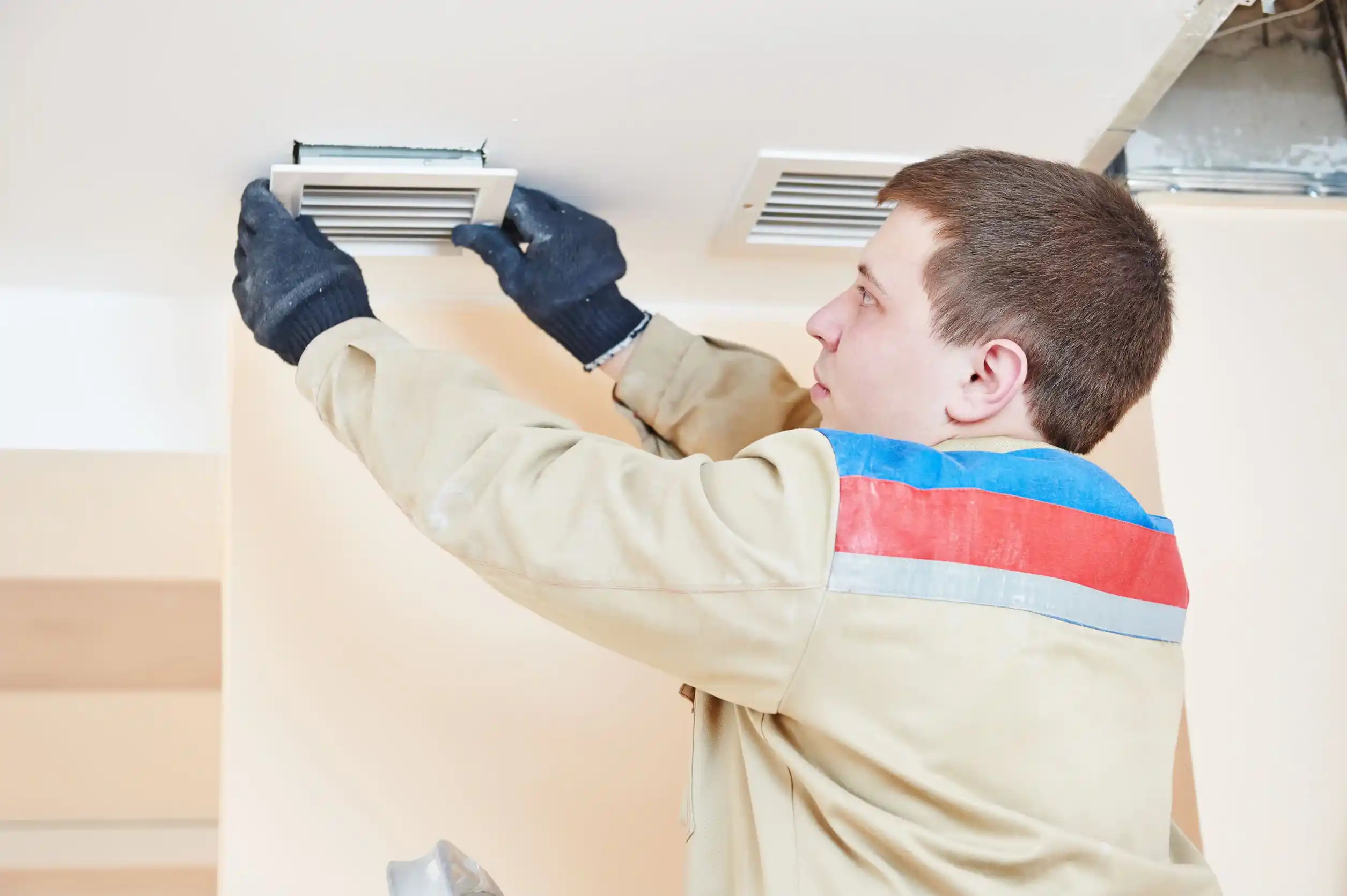
Forgetting About Ventilation
Proper ventilation is often overlooked in DIY projects but is crucial for maintaining a healthy indoor environment. Ensure that your workspace is well-ventilated, especially when using strong adhesives, paints, or other chemicals. Good ventilation helps to disperse harmful fumes and reduce the risk of respiratory issues.
Skimping on Lighting
Good lighting is essential for both the aesthetics and functionality of your renovation. Insufficient lighting can make spaces look smaller and less inviting. Plan your lighting design carefully, considering natural light sources and the placement of light fixtures to enhance the overall look and feel of your home.
4. Choosing the Wrong Contractor
In a DIY renovation, most contractors are hired on a whim. Sometimes this works out well, but to ensure you are getting the right person for the job, it pays to shop around. Do research, ask friends and colleagues for referrals, and get multiple quotes that you can compare. You need to find someone who is qualified and capable of doing the work within the budget that you have set. We have great relationships with multiple contractors that we’ve worked with for years now. We would be happy to point you in the right direction depending on your project.
Neglecting Safety Precautions & DIY problems
Perhaps you are opting for not using a contractor and having a go at DIY. DIY projects can be thrilling, but they also come with their share of risks. From common DIY injuries such as cuts and bruises to more severe ones like eye injuries and fractures, it’s crucial to prioritize safety. Always wear protective gear like safety goggles and gloves, and ensure you’re familiar with the tools you’re using. Remember, a small amount of preparation can prevent significant injuries.
Knowing When to DIY vs. When to Hire a Professional
Deciding what to tackle yourself and what to hand off is a huge part of a successful renovation. It’s all about knowing your limits and the risks involved. While rolling up your sleeves can be rewarding and save you money, some jobs are best left to the pros for safety and quality reasons. Let’s break down which projects are typically safe to DIY and which ones signal it’s time to call for backup.
Common DIY-Friendly Projects
If you’re eager to get your hands dirty, there are plenty of projects that are perfect for a weekend warrior. Painting is a classic example; a fresh coat of paint can completely transform a room, and doing it yourself can save you thousands in labor costs. Other manageable tasks include small drywall repairs, like patching holes or fixing minor texture issues. You can also usually handle replacing light switches, outlets, and light fixtures. And if you’re feeling destructive, doing your own demolition—like tearing out old cabinets or flooring—is a great way to cut down on costs before the professionals arrive to handle the rebuild.
Projects Best Left to the Experts
On the other hand, some jobs carry risks that just aren’t worth it. Anything involving garage door springs, for instance, should be handled by a pro because they are under extreme tension and can cause serious injury. The same goes for major electrical work, like touching your main panel, and anything related to your HVAC system. Most importantly, any project that affects your home’s structure requires an expert. Before you even think about taking a sledgehammer to a wall, you need a professional to determine if it’s load-bearing. Guessing wrong can have catastrophic consequences for your home’s stability, which is why a consultation with a structural engineer is a non-negotiable first step.
Setting Expectations: “Good Enough” vs. “Perfect”
One last thing to consider is the final result you’re aiming for. When you do it yourself, you might end up with a finish that’s “good enough.” You learn to live with the slightly crooked tile or the paint smudge on the ceiling. When you hire a professional, you’re paying for a perfect, polished job, and you have every right to ask them to fix mistakes. Before you start a DIY project, be honest with yourself. Think about how much time you can realistically commit, how much you’re willing to learn, and whether you’ll be happy with the outcome if it isn’t flawless. Sometimes, the peace of mind that comes with a professional job is worth every penny.
5. Failing to Allow for Budget Blowouts
Anyone who has ever watched DIY reality shows should know that projects can easily go over budget. Allowing 15-20% for unavoidable overages will prevent your project from becoming a costly nightmare if there is a delay. Don’t tell your contractors or suppliers that you have allowed for extra and be sure to push hard for the original budget to be respected. But having a little extra set aside can minimize stress if things go awry.
Underestimating the Time Commitment
DIY projects often take longer than anticipated. Underestimating the time required can lead to frustration and incomplete projects. Set realistic timelines and be prepared for potential delays. Remember, patience and thoroughness are key to achieving professional-looking results.
Creating a Realistic Budget from the Start
A successful renovation hinges on a realistic budget. This isn’t just about picking a number; it’s about understanding all the potential costs before you begin. From materials and labor to permits and unexpected repairs, every detail matters. Creating a detailed cost breakdown helps you make informed decisions and prevents you from overcommitting financially. It’s also wise to factor in professional consultations early on. For example, understanding the structural requirements for a project like removing a wall can prevent costly surprises, ensuring your budget is grounded in reality from day one.
The 30% Rule for Room Renovations
A helpful guideline for major projects is the 30% Rule, which suggests you shouldn’t spend more than 30% of your home’s total value on a single room’s renovation. For instance, if your home is valued at $500,000, you’d want to cap a major kitchen overhaul at around $150,000. This rule helps you maintain a healthy balance in your investment, ensuring the renovation adds appropriate value without over-capitalizing on one area of the house. It’s a simple way to set a practical ceiling for your spending before you get lost in the details.
Understanding Average Project Costs
Getting a handle on typical costs can help you set a baseline for your budget. On average, you can expect a home remodel to cost between $15 and $60 per square foot, with labor and materials being the two largest expenses. To get a more precise estimate for your specific project, it’s best to gather detailed quotes from contractors. Providing them with professional architectural plans ensures every bidder is quoting the exact same scope of work, leading to more accurate and comparable pricing for your project.
Exploring Your Financing Options
Once you have a solid budget, the next step is figuring out how to pay for it all. For many homeowners, funding a renovation means looking beyond their savings account. Luckily, there are several financing avenues available, each with its own set of pros and cons. From leveraging your home’s equity to taking out a personal loan, the right choice depends on your financial situation, credit score, and the total cost of your project. Exploring these options thoroughly will help you find a comfortable and sustainable way to bring your vision to life.
Home Equity Loans and HELOCs
If you’ve built up equity in your home, you can use it to finance your renovation. A Home Equity Line of Credit (HELOC) works like a credit card, allowing you to borrow money as needed up to a set limit. A home equity loan, on the other hand, provides a lump sum with a fixed interest rate. Both options often have lower interest rates than other types of loans, but it’s crucial to remember that your home serves as collateral. This means you risk losing your home if you can’t make the payments.
Personal Loans and 0% APR Credit Cards
For smaller projects or for those who prefer not to use their home as collateral, personal loans are a great alternative. They can be funded quickly and don’t put your property at risk. Another strategy, especially if you have excellent credit, is to use a 0% APR credit card to purchase materials. These offers typically last between 12 and 21 months, giving you time to pay off the balance without accruing interest. Just be sure you can pay it off before the promotional period ends, as interest rates can jump significantly afterward.
Government-Backed Renovation Loans
Don’t overlook government-backed loan programs, which are designed to help homeowners finance improvements. An FHA 203(k) loan, for example, allows you to bundle the costs of buying a home and renovating it into a single mortgage. There are also specific programs available for certain demographics, such as USDA loans for homeowners in eligible rural areas and VA renovation loans for veterans. These options can be a fantastic resource, so it’s worth checking to see if you qualify for any of them.
6. Ignoring Building Codes
Building codes and regulations are in place for a reason—they ensure the safety and integrity of structures. Ignoring these codes can result in fines, failed inspections, and unsafe conditions. Familiarize yourself with local building regulations and ensure your renovation complies with all necessary requirements.
Overlooking Insulation
Proper insulation is crucial for maintaining a comfortable and energy-efficient home. Neglecting insulation during your DIY renovation can lead to higher energy bills and a less comfortable living environment. Consider adding or upgrading insulation to improve your home’s overall efficiency.
Forgetting About Energy Efficiency
Energy-efficient upgrades can save you money in the long run and make your home more environmentally friendly. Consider incorporating energy-efficient appliances, lighting, and insulation into your renovation plans.
7. Not Planning for the Future
Ignoring Future Needs
When planning your DIY renovation, think about your future needs. Will your family be growing? Do you anticipate any mobility issues? Planning for the future can save you time and money down the road.
Overlooking Accessibility
Designing with accessibility in mind ensures that your home is comfortable and functional for everyone. Consider features like wider doorways, ramps, and accessible fixtures to create a more inclusive environment.
Forgetting to Consider Return on Investment (ROI)
It’s easy to get swept up in the excitement of a renovation and focus only on what you want right now. But unless you plan on living in your home forever, it’s wise to think about the return on investment (ROI) for your projects. Every dollar you spend on an upgrade won’t necessarily translate into a dollar added to your home’s sale price. Some renovations, like adding a swimming pool in a cold climate, might be great for your family but could actually deter future buyers. Thinking strategically about which updates add the most value can help you enjoy your home now and feel confident you’re making a sound financial decision for the future.
High-Value Interior Upgrades
When it comes to interior projects, kitchens and bathrooms are the undisputed champions of ROI. An outdated bathroom or a cramped, dysfunctional kitchen can be a major turn-off for potential buyers. You don’t have to gut the entire space to see a return, either. Minor cosmetic updates like painting cabinets, replacing old fixtures, and installing a new backsplash can give the room a modern facelift without breaking the bank. If you’re planning a more significant overhaul, like removing a wall to create an open-concept kitchen, it’s crucial to consult with professionals to ensure the changes are structurally sound and add real, lasting value.
Exterior Projects that Pay Off
First impressions are everything, and your home’s exterior is the first thing anyone sees. Projects that enhance curb appeal almost always provide a solid return. Think about replacing an old garage door, adding a stone veneer to the front of the house, or building a new deck for outdoor entertaining. Even simple landscaping can make a huge difference. These exterior upgrades not only make your home more beautiful and enjoyable but also signal to buyers that the property is well-maintained. For larger projects like a home addition or a new patio, getting proper architectural and engineering plans ensures the work is done right and truly enhances your home’s value.
Neglecting Regular Maintenance
Regular maintenance is essential to keep your home in good condition. Create a maintenance schedule to address small issues before they become major problems. This proactive approach can extend the life of your renovations and protect your investment for the foreseeable future.
Neglecting to Document the Process
Documenting your DIY renovation process can be beneficial for future reference and resale value. Take photos and keep notes of the changes you make. This documentation can be helpful for future projects and provide valuable information to potential buyers.
Get in Touch
Ready to start your DIY renovation journey? Remember, planning and preparation are key to avoiding common pitfalls. Ensure the stability of your home with professional Foundation Inspection Services and consult with experts when needed. With careful planning and attention to detail, your home improvement projects can be a success. Contact us today to schedule a consultation and take the first step towards your dream home.
Frequently Asked Questions
When do I absolutely need to call a structural engineer for my renovation? You should bring in a structural engineer anytime you’re planning a project that could affect your home’s framework. This includes obvious jobs like removing a wall, adding a second story, or putting in a large window, but also less obvious ones like major foundation repairs or even building a heavy-duty deck. Think of it this way: if the change involves the bones of your house, an engineer’s stamp of approval ensures it’s done safely and correctly.
My contractor seems confident a wall isn’t load-bearing. Is their word good enough? While many contractors have a great deal of experience, a structural engineer provides a different level of certainty. An engineer’s assessment is based on precise calculations and a deep understanding of how your home distributes weight, not just a visual inspection. Getting an engineer’s official opinion is a small investment that protects you from a catastrophic and expensive mistake. It’s always better to be certain than to be sorry.
I have a limited budget. What renovations give me the most bang for my buck? If you’re looking for the best return on your investment, focus your energy and budget on kitchens and bathrooms. These are the rooms that most influence a home’s value and appeal to future buyers. You don’t even need a full gut job; small updates like painting cabinets, replacing old hardware, or installing a new backsplash can make a huge impact without a huge price tag.
How much extra money should I really set aside for unexpected costs? It’s a smart rule of thumb to add a 15-20% contingency fund to your total estimated budget. This isn’t for splurging on fancier tile; it’s a safety net for the surprises that are almost guaranteed to pop up during a renovation. This buffer can cover things like discovering old plumbing that needs replacing or dealing with a sudden material price increase, saving you a lot of stress down the line.
What’s the real difference between using a home equity loan versus a personal loan for my project? The main difference comes down to collateral. A home equity loan or line of credit (HELOC) uses your house as security, which is why they typically offer lower interest rates. A personal loan doesn’t require any collateral, making it less risky for you, but this usually means you’ll face a higher interest rate. The best choice depends on your project’s size, your credit, and your personal comfort level with risk.
Key Takeaways
- Start with a Professional Gut Check: Before you swing a sledgehammer, consult a structural engineer. They can identify critical issues, like load-bearing walls or foundation problems, that will define your project’s scope and prevent costly, dangerous mistakes.
- Budget for Reality, Not Just the Dream: A successful renovation plan includes a 15-20% contingency fund for unexpected issues. Focus your spending on high-impact rooms like kitchens and bathrooms to maximize your return on investment, rather than overspending on less-used spaces.
- Be Honest About Your DIY Limits: While tackling cosmetic updates like painting can save money, know when to step aside. Projects involving your home’s structure, major electrical systems, or plumbing are best left to licensed professionals to ensure the job is done safely and correctly.
