
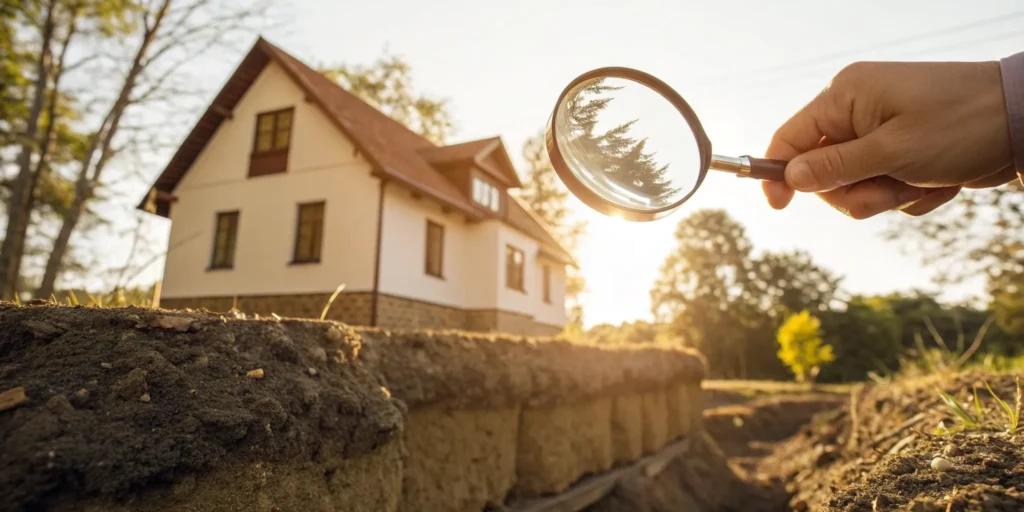
Foundation problems often start subtle — a new crack in drywall, doors that stick, or uneven floors. These are common signs that your home’s foundation may need professional evaluation. One of the first questions homeowners ask is: how much does a foundation inspection cost? Understanding this cost — what it includes, what drives price differences, and what you can expect — helps you plan your next steps with confidence. A professional foundation inspection provides an unbiased expert assessment of your home’s structural condition and can save you from unnecessary repairs or surprises later.
If you’re noticing cracks in your walls, uneven floors, or planning to buy a home, a foundation inspection is a smart move. But how much does it actually cost? In this guide, we break down the average cost of a foundation inspection, what factors affect the price, and how to avoid costly surprises.
Key Takeaways
- Treat the inspection fee as a preventative investment: Spending a few hundred dollars on a professional assessment now can save you from surprise repair bills that are ten times that amount by catching issues before they escalate.
- Pay for an unbiased diagnosis, not a sales pitch: A licensed structural engineer provides an objective report on your foundation’s condition, while a “free” estimate from a repair company is often designed to sell you their specific services.
- Your home will tell you when something is wrong: Learn to spot the early warning signs—like sticking doors, new drywall cracks, or a damp basement—so you can address them proactively instead of reacting to a major failure.
What’s Included in a Foundation Inspection?
A typical foundation inspection involves a visual assessment by a structural engineer. This may include:
-
Interior and exterior crack analysis
-
Measurement of foundation levels
-
Soil condition checks
-
Identification of moisture or water damage
-
Recommendations for repair (if needed)
The inspection usually takes 1–2 hours, and some professionals offer detailed written reports for an additional fee.
How Much Does a Foundation Inspection Cost?
When you’re thinking about the health of your home, the foundation is literally the base of it all. So, it’s natural to wonder what it costs to get it checked out by a professional. The truth is, there isn’t a single flat fee for this crucial service. The price for a foundation inspection typically falls between $300 and $1,000, with the national average hovering around $600. It’s helpful to think of this not as a cost, but as an investment in your home’s long-term stability and your own peace of mind.
Several key factors influence where your home will land in that price range. The size and complexity of your house, where you live, and the type of foundation you have all play a role in the final cost. A straightforward inspection for a small, simple home will be on the lower end, while a large, complex property with tricky access points will cost more. Understanding these variables will help you get a clearer picture of what to expect when you call in an expert for a foundation engineering assessment. Ultimately, a professional inspection gives you a clear, unbiased report on your foundation’s condition, which is invaluable whether you’re buying, selling, or just maintaining your home.
Understanding Pricing Models: Hourly vs. Per-Square-Foot
When you start getting quotes for a foundation inspection, you’ll find that professionals typically use one of two pricing models: a flat rate or an hourly fee. A flat rate, often tied to your home’s square footage, is common for a standard, comprehensive assessment. This approach is great for budgeting because it gives you a predictable, all-in price with no surprises. An hourly rate, on the other hand, is better suited for more targeted or complex investigations. For example, if you need an engineer to analyze a specific, unusual crack or provide a more in-depth forensic analysis, an hourly fee allows for that flexibility. The key isn’t which model is used, but getting a clear explanation of the scope of work. You want to know exactly what’s included in the price, so you can be confident in the structural inspection you’re paying for.
How Home Size Affects Your Inspection Cost
One of the most direct factors affecting the cost of a foundation inspection is the size of your home. It’s a simple matter of time and effort—a larger footprint and more square footage require a more extensive review. A structural engineer needs to cover more ground, both inside and out, to ensure nothing is missed.
To give you a general idea, an inspection for a smaller home around 1,000 square feet might cost between $250 and $500. For a mid-sized home of about 2,000 square feet, you can expect the price to be in the $500 to $900 range. If you have a larger home, say 3,000 square feet or more, the cost will likely be between $750 and $1,200.
Does Your Zip Code Change the Price?
Where your home is located has a surprising amount of influence on the price of a foundation inspection. In areas with a higher cost of living or a particularly active real estate market, you can generally expect professional services, including engineering inspections, to be priced higher.
Beyond economics, regional geology matters. Here in Colorado, we have our own unique challenges with expansive clay soils that can cause foundations to shift and settle over time. An experienced local engineer understands these specific regional risks and will factor that knowledge into their inspection process. This local expertise ensures a more accurate and valuable assessment for your property, as they know exactly what signs to look for in our environment.
Why Some Inspections Cost Over $1,000
While most inspections fall within the typical range, some situations can push the cost above $1,000. This usually happens when the inspection is more complex than a standard visual assessment. For example, if your home has a pier-and-beam foundation instead of a simple slab, it requires the inspector to navigate a crawl space, which takes more time and effort.
Accessibility is another major factor. If the inspector has to work around finished basements, tight crawl spaces, or other obstructions, the job becomes more difficult. In cases where significant problems are suspected, the engineer may need to conduct a more in-depth forensic analysis to pinpoint the root cause of the issue. Finally, if you need an emergency or last-minute inspection, expect to pay a premium for the expedited service.
What Factors Affect Foundation Inspection Costs?
When you get a quote for a foundation inspection, the price isn’t pulled out of thin air. Several key factors determine the final cost, and understanding them helps you see exactly what you’re paying for. Think of it like this: every home has its own unique story, and an inspector needs the right amount of time and expertise to read it properly.
The size of your home, the type of foundation it sits on, its age, and even how easy it is to access the crawlspace or basement all play a role. On top of that, the qualifications of the professional you hire will also influence the price. A seasoned structural engineer with years of experience will naturally charge more than a general home inspector, but their specialized knowledge can be invaluable. Let’s break down these variables so you know what to expect.
Home Size and Square Footage
It makes sense that a larger home costs more to inspect. More square footage means more foundation to examine, more walls to check for cracks, and more ground for the engineer to cover. A sprawling ranch-style house will take more time than a small bungalow.
The complexity of the layout matters, too. A simple rectangular footprint is straightforward, but a home with multiple additions, split levels, or an intricate design requires a more detailed look. The inspector needs to assess how all the different parts of the structure interact with the foundation. Essentially, the more time an engineer has to spend on-site to conduct a thorough structural inspection, the more it will be reflected in the cost.
Foundation Type (Slab, Basement, Crawl Space)
Not all foundations are created equal, and the type your home has is a major factor in the inspection cost. Common types in Colorado include slab-on-grade, basements, and crawl spaces. A home with a full, unfinished basement is often easier to inspect because the foundation walls are readily visible.
On the other hand, a home with a crawl space can be more complex, especially if the space is tight. Pier and beam foundations are often the most time-consuming to inspect because the engineer must check each individual pier and the subfloor structure. Each type requires a different approach, and the complexity directly impacts the time and effort involved in a proper foundation assessment.
Average Inspection Costs by Foundation Type
To give you a clearer picture, let’s break down the typical costs based on your home’s foundation. For a home with a slab-on-grade foundation, you can generally expect the inspection to be on the lower end of the spectrum, often between $350 and $600. This is because the visible portions of the foundation are relatively easy to access. An inspection for a home with a crawl space usually costs a bit more, typically falling in the $450 to $750 range. The higher price reflects the extra time and physical effort required for an engineer to navigate the tight, often dirty space to check support piers and joists.
Homes with a full basement can see costs ranging from $400 to over $800. An unfinished basement allows for a straightforward assessment of the walls and floor. However, if your basement is finished, the cost may increase as the inspector has to work around drywall and other finishes to look for subtle signs of trouble. A qualified foundation engineer will have the expertise to properly assess any of these foundation types, ensuring no potential issue goes unnoticed, regardless of the complexity involved in the inspection process.
Common Issues for Different Foundations
Each foundation type has its own set of vulnerabilities that a trained professional knows to look for. With slab foundations, an engineer is primarily looking for signs of differential settlement, which can cause significant cracks in the slab and the walls above. They’ll also check for upheaval, where expansive soil pushes the center of the slab upward. For crawl spaces, the main concerns are moisture and wood rot. An inspector will carefully examine support posts, beams, and the subfloor for any signs of water damage, mold, or pest infestation that could compromise the home’s structural integrity.
In homes with basements, the focus is often on the walls. Hydrostatic pressure from the surrounding soil can cause basement walls to bow inward or develop horizontal cracks—a serious red flag. A thorough structural inspection will also include a careful search for any signs of water intrusion, such as efflorescence (a white, powdery residue) on the walls or damp spots on the floor. Identifying these specific issues early is key to preventing them from turning into major, costly repairs down the road, protecting both your home and your investment.
Why Older Homes and Tight Spaces Cost More
An older home has had more time to settle and experience the effects of soil movement and weather. Because of this, inspectors often need to spend extra time looking for signs of long-term stress, past repairs, or outdated building practices. This additional diligence can increase the inspection time and cost.
Accessibility is another crucial piece of the puzzle. If an inspector can easily walk through an open basement or crawl space, the job is much quicker. However, if they have to navigate a cluttered crawl space, move stored items, or access a tight attic to check roof trusses, it adds time and labor to the inspection. Clearing pathways to your foundation can sometimes help streamline the process.
Paying for Expertise: The Inspector’s Role in Pricing
When it comes to your home’s foundation, expertise is everything. You can hire a general home inspector, but a licensed structural engineer brings a higher level of training and authority to the assessment. An engineer can provide a stamped report with specific repair plans, which is often required for permits and real estate transactions.
While an engineer’s inspection typically costs more, you are paying for their specialized knowledge and credentials. Highly experienced professionals who hold certifications from organizations like the American Society of Home Inspectors (ASHI) have a proven track record of technical skill. Their detailed, reliable reports give you the confidence to make informed decisions about your property.
How to Save Money by Bundling Services
If you already have an engineer scheduled to visit your property, it’s smart to think about any other structural concerns you might have. Are you also worried about a crack in the chimney, a sagging deck, or a wall you’d like to remove someday? It’s far more cost-effective to have the engineer assess these things during the same visit rather than scheduling—and paying for—separate appointments later on. You’re already covering the professional’s travel time and initial site visit fee, so adding another task is often just an incremental cost. This approach gives you a complete picture of your home’s structural health and saves you money in the long run. Think of it as a preventative investment; a single, comprehensive structural inspection can catch multiple issues before they become expensive, standalone problems.
Warning Signs You Need a Foundation Inspection
Your home has its own way of telling you when something isn’t right. While it’s easy to overlook a small crack or a door that suddenly sticks, these little annoyances can be early warnings of foundation trouble. Paying attention to these signals is the first step in protecting your property’s structural integrity. Foundation issues rarely fix themselves; they tend to get worse and more expensive over time. Knowing what to look for can help you address problems before they become major headaches. If you notice several of these signs, it’s probably time to call in a professional for a closer look.
Is Your House Settling? What to Look For
Some of the most obvious signs of foundation trouble are related to the house shifting or settling unevenly. Walk through your home and look for floors that are noticeably sloped or feel bouncy underfoot. You might also spot gaps forming between the walls and the ceiling or floor. Outside, a leaning chimney is a classic red flag. Another significant indicator is walls that have started to bow or bulge, either inward or outward. These are all signs that part of your foundation may have moved, and it’s crucial to have an expert in foundation engineering diagnose the cause and extent of the movement.
Don’t Ignore Dampness and Water Stains
Water is one of the biggest threats to a healthy foundation. If you have a basement or crawl space, any signs of water intrusion should be taken seriously. Look for damp spots on the walls, standing water on the floor, or a persistent musty smell that could indicate mold or mildew growth. Water can weaken the soil supporting your foundation and even seep through tiny cracks, making them larger over time. Proper drainage is key to keeping your foundation dry and stable. A thorough structural inspection will always include checking for moisture issues, as they often point directly to an underlying foundation problem.
Why Your Doors and Windows Suddenly Stick
Have you noticed doors that won’t latch or windows that are suddenly difficult to open and close? This often happens when the frame is warped by a shifting foundation. Similarly, keep an eye out for new cracks in your drywall, especially over doorways and windows. While thin, vertical cracks can be part of normal settling, larger, jagged, or horizontal cracks are more concerning. The most critical cracks to watch for are horizontal ones in the foundation walls themselves, as they can indicate serious pressure from the surrounding soil. A forensic analysis can help determine if these issues are cosmetic or signs of a deeper structural problem.
Special Considerations for Remodeled Homes
A recent remodel can make an older house feel brand new, but it can also hide or create new structural problems. It’s common to see small drywall cracks or notice a door sticking after renovations, which can simply be the house settling into its new configuration. However, these signs can also point to bigger issues, especially if the remodel involved major changes like removing a load-bearing wall or building an addition. Renovations can sometimes cover up pre-existing problems or put new stress on the original foundation. An inspector needs to look past the fresh paint and new floors to understand the home’s history and ensure the new work is properly supported, which requires a more detailed approach than a standard inspection.
Curious how much your foundation inspection will cost in your area? Book a free consultation with a local structural engineer »
Who Should You Hire for a Foundation Inspection?
When you suspect a problem with your foundation, your first move is to call a professional. But who is the right person for the job? The expert you choose can make all the difference in getting an accurate diagnosis and a clear path forward. It’s not just about finding someone who can look at cracks; it’s about hiring someone with the specific expertise to understand the complex forces affecting your home’s structure from the ground up.
Do You Need a Structural Engineer or a Home Inspector?
A general home inspector is great at spotting the symptoms of a potential foundation issue, like a sticking door or a crack in the drywall. They perform a broad, visual check of the entire home. However, they typically aren’t qualified to diagnose the root cause or determine the severity of a structural problem. For that, you need a licensed structural engineer. A structural engineer has specialized training in how buildings are designed, built, and how they behave under stress. They can distinguish a minor settlement crack from a sign of serious structural failure, providing a detailed analysis and recommending specific, appropriate repairs.
The Role of a Licensed Structural Engineer
The primary role of a licensed structural engineer is to provide an objective diagnosis of your foundation’s health. Unlike a repair company that offers a free estimate designed to sell you their specific services, an engineer works directly for you. You are paying for their specialized knowledge and an unbiased assessment, not a sales pitch. They deliver a clear, honest evaluation of your home’s structure, giving you a reliable roadmap for what to do next. If repairs are needed, their detailed, stamped report allows you to get accurate, comparable quotes from contractors. This professional structural inspection report is often required for building permits and real estate transactions, making it an essential tool for protecting your investment.
What to Look for in an Inspector’s Credentials
When you’re vetting professionals, don’t be shy about asking for their credentials. Look for a licensed Professional Engineer (P.E.), as this is a key indicator of expertise and accountability. You can also check for certifications from reputable organizations. For example, inspectors certified by the American Society of Home Inspectors (ASHI) have passed rigorous technical exams and adhere to a strict code of ethics. Another great credential to look for is a Certified Structure & Foundation Inspector from an organization like InterNACHI, which shows they’ve completed specialized training in this exact area. These qualifications ensure you’re working with someone who truly knows their stuff.
Tips for Vetting Your Inspector
Ask for Referrals and Sample Reports
Finding the right person to inspect your foundation can feel like a big task, but a few simple steps will help you choose with confidence. Start by asking for recommendations from people you trust—your real estate agent, a local contractor, or friends who have recently gone through the process. Once you have a few names, don’t hesitate to ask for a sample report. This is a fantastic way to see the level of detail they provide and what you can expect from their final assessment. A thorough, easy-to-understand report is a sign of a true professional who is committed to giving you a clear picture of your home’s health. Most importantly, ensure the inspector is a licensed Professional Engineer (P.E.), as this credential is a key indicator of their expertise and accountability in structural matters.
Is a “Free” Estimate Really Free?
You’ve probably seen ads for “free foundation inspections.” While tempting, it’s wise to be cautious. These offers often come from foundation repair companies, not independent engineers. Their goal is to sell you their repair services, which can create a conflict of interest. An inspector who also profits from the repairs might be more likely to recommend expensive, unnecessary work. A paid inspection from an independent foundation engineer provides an unbiased, professional assessment. You’re paying for their expert opinion and a detailed report, not a sales pitch. This investment gives you the peace of mind that the recommendations are based on sound engineering principles, not a company’s bottom line.
What to Expect During the Inspection
Knowing what happens during a foundation inspection can take a lot of the stress out of the process. It’s a straightforward assessment designed to give you a clear picture of your home’s structural health from the ground up. While every home is unique, the inspection follows a consistent, methodical approach. Here’s a step-by-step look at what our engineers do when they arrive at your property.
What Happens During the Visual Inspection?
The first step is a comprehensive visual review of your property, both inside and out. Your engineer will look for tell-tale signs of foundation movement. Inside, this includes checking for cracks in the drywall (especially over doorways and windows), doors that stick or don’t latch properly, and any noticeable slopes in the floor. Outside, they’ll examine the visible portions of your foundation for cracks, inspect the grading of the soil around your home, and check for proper drainage. This thorough assessment helps our foundation engineers build a complete picture of what’s happening with your home’s structure.
The Inspector’s Checklist: Interior and Exterior
To get a full picture, an engineer works through a detailed checklist, starting from the inside of your home. They’ll pay close attention to any cracks in the drywall or plaster, particularly those spreading from the corners of doors and windows, as these are common stress points. They will also check if your doors and windows stick or have trouble latching, which can indicate that their frames have been twisted by foundation movement. The floors are another key area; the inspector will look for any noticeable slopes, sagging, or gaps where the floor meets the wall. These interior clues are often the first signs homeowners notice, and they provide a critical part of the story for a structural inspection.
Next, the inspector moves outside to examine the foundation and its immediate surroundings. They will carefully inspect the visible concrete or brick for any cracks, noting their size, direction, and location. Horizontal cracks are often more concerning than vertical ones. The engineer will also assess the grading of the land around your house to ensure that water drains away from the foundation, not toward it. Poor drainage is a leading cause of foundation problems. They’ll check for signs of soil separation from the foundation, a leaning chimney, or any bowing in the exterior walls. This comprehensive exterior review helps connect the dots between what’s happening inside your home and the external forces at play, which is essential for an accurate forensic analysis.
Tools of the Trade and How Long It Takes
A typical foundation inspection takes about one to two hours, though this can vary depending on the size and complexity of your home. During this time, the engineer isn’t just looking around—they’re taking precise measurements. They will use specialized tools, like a digital altimeter, to measure the elevations across your floor. This creates a topographical map of your foundation, revealing any areas that are sinking or heaving, often with a precision that the naked eye can’t detect. This data is crucial for an accurate structural engineer inspection and forms the basis of the final report.
Modern Inspection Technology: Drones and Thermal Imaging
Beyond the standard tools, today’s engineers are using some pretty cool tech to get an even clearer picture of your home’s health. New technologies like drones and thermal cameras are making inspections more accurate and efficient. For instance, a drone can safely access hard-to-reach areas, providing a bird’s-eye view that might reveal roof damage or drainage issues that could eventually impact your foundation. Meanwhile, thermal imaging can detect subtle temperature variations inside your walls, pointing to hidden moisture intrusion or insulation gaps that could compromise the structure. These advanced tools allow for a more comprehensive assessment in less time, giving you a deeper understanding of your property’s condition.
How to Read Your Final Report
After the on-site work is complete, you’ll receive a detailed written report. This document is your roadmap to understanding your foundation’s condition. It will include a summary of the engineer’s observations, the floor elevation map showing their measurements, and a clear conclusion about the foundation’s performance. Most importantly, it will provide specific, actionable recommendations if any issues were found. The report will be signed and stamped by a licensed Professional Engineer, giving you a credible, official document you can use to plan for repairs or during a real estate transaction.
Understanding the Report’s Scope and Limitations
Your inspection report is a powerful document, but it’s helpful to understand its scope. Think of it as a detailed snapshot of your foundation’s health on the day of the inspection. It provides a comprehensive visual assessment and precise measurements, all compiled into a credible report signed and stamped by a licensed engineer. However, because the inspection is non-invasive, it has its limits. The engineer can’t see what’s happening behind finished walls or beneath the concrete slab. The report reflects the condition at that specific moment and can’t predict future shifts or issues that might arise from changing soil conditions or other external factors. Its purpose is to give you a clear, expert opinion based on the available evidence, so you can make informed decisions.
Don’t Believe These Foundation Inspection Myths
The fear of a massive repair bill can make anyone hesitant to schedule a foundation inspection. But many of the scariest stories you hear are based on misconceptions. Understanding the reality of inspection and repair costs can help you make smart, proactive decisions for your home without breaking the bank. Let’s clear up a few common myths.
Myth: Every Foundation Problem Costs a Fortune
The thought of foundation repair often brings to mind huge, five-figure bills, but that’s rarely the case when you catch issues early. Many minor problems, like small, non-structural cracks, can be addressed for a fraction of that cost—sometimes between $500 and $2,000. The key is identifying the root cause before it spirals into a major project. Ignoring a small issue is what allows it to become a significant and expensive structural problem down the road. Getting a professional opinion from foundation engineers doesn’t lock you into a costly repair; it empowers you with information to protect your investment wisely.
Fact: An Early Inspection Can Save You Thousands
Think of a foundation inspection as a routine check-up for your home’s structural health. Spending a few hundred dollars on one now can save you thousands in the long run by catching small issues before they become big, costly headaches. For homebuyers, an inspection provides a clear picture of the home’s condition and uncovers hidden safety hazards or potential future repairs, giving you crucial information before you buy. For current homeowners, a proactive structural engineer inspection offers peace of mind and a clear roadmap for maintenance, ensuring your home remains safe and stable for years to come.
Why You Can’t DIY a Foundation Check
It’s tempting to save the inspection fee by looking for cracks yourself, but what you see on the surface rarely tells the whole story. A professional engineer is trained to distinguish between a harmless settlement crack and one that signals a serious underlying problem. They understand local soil conditions, building codes, and the complex forces acting on your home. While a professional inspection typically costs between $300 and $1,000, that fee buys you certainty. A forensic structural engineer can accurately diagnose the issue and recommend the most effective repair, preventing you from wasting money on the wrong solution.
How to Budget for What Comes Next
Receiving your foundation inspection report is a major step, but it’s what you do next that truly matters. Instead of seeing it as a list of problems, think of the report as your roadmap. It gives you a clear, expert assessment of your foundation’s health, allowing you to move forward with confidence. The days of worrying about mysterious cracks or strange noises are over. Now, you have professional insights that replace uncertainty with a solid plan. Whether the next steps involve immediate repairs, simple monitoring, or long-term maintenance, you can start budgeting and planning effectively to protect your property for years to come.
Budgeting for Common Foundation Repairs
It’s easy to assume that any foundation issue comes with a staggering price tag, but that’s not always the case. While a thorough inspection typically costs between $300 and $1,000, the price of repairs can vary dramatically. Some issues, like minor crack sealing, are relatively inexpensive to address. The key is to avoid guessing. Your inspection report will identify the specific problems, and from there, you can get precise quotes for the work. A professional assessment from qualified foundation engineers will give you a realistic understanding of the costs involved, so you can budget accurately without fearing the worst-case scenario.
Typical Costs for Minor and Major Repairs
The cost of foundation repair depends entirely on the problem’s severity. Minor issues, like sealing small, non-structural cracks to prevent water intrusion, can be relatively affordable, often ranging from $250 to $800. However, more significant problems require more intensive solutions. For instance, waterproofing a basement to address persistent moisture issues can cost between $3,000 and $10,000. If the inspection reveals that your foundation is sinking, repairs could range from $1,000 to over $25,000, depending on the method used and the extent of the damage. While these numbers can seem daunting, remember that an early assessment is the best way to catch problems before they escalate into major expenses.
Common Repair Methods: Underpinning, Slabjacking, and More
Once an engineer has diagnosed the issue, they will recommend a specific repair strategy tailored to your home. You might hear terms like underpinning, which involves extending the foundation’s depth or breadth to provide better support and is a long-lasting solution. Another common method is slabjacking, a process used to lift sunken concrete slabs by injecting a specialized grout material underneath. For water-related issues, waterproofing techniques are used to seal the foundation and prevent moisture from getting in. The right approach depends entirely on the findings of your foundation engineering report, which is why an accurate, unbiased diagnosis is so critical before you commit to any repairs.
Signs You’ll Need Further Investigation
Sometimes, a visual inspection uncovers symptoms of a deeper issue that requires more investigation. If the engineer finds significant movement, extensive cracking, or signs of soil problems, they may recommend further analysis. This is a normal part of the diagnostic process and ensures you’re not just treating a symptom. This next phase could involve soil testing or a more in-depth forensic analysis to pinpoint the root cause. While this means an additional upfront cost, it’s a critical investment. Catching and correctly diagnosing a problem early is the best way to prevent a small issue from turning into a major, costly repair down the road.
How to Create Your Repair Action Plan
Once you have a complete picture of your foundation’s condition, you can create a strategic plan for any necessary repairs. It’s tempting to put off fixes, but even small problems can grow into much more expensive ones if they’re ignored. Your inspection report is the perfect tool to help you prioritize. It will outline which issues are urgent and which can be monitored. Use this information to get detailed quotes from reputable contractors and build a timeline that works for your budget. A professional structural engineer inspection is an investment that pays for itself by helping you avoid much larger expenses and giving you a clear path forward.
DIY Fixes vs. When to Call a Professional
When you spot a small crack in the drywall, it’s tempting to reach for the spackle and call it a day. While some minor cosmetic fixes are perfectly fine for a DIY project, they can sometimes mask the early warnings of a more significant foundation issue. Your home has its own way of telling you when something isn’t right, and those little annoyances are often the first signals. A door that suddenly sticks or a hairline crack that seems to grow are symptoms, and simply covering them up doesn’t address the root cause. Knowing when to call a professional is key. If you’re seeing new or expanding cracks, sticking doors, or uneven floors, it’s time to get an expert opinion from a structural engineer to ensure a small problem doesn’t become a major one.
Financial and Legal Considerations
A foundation inspection report is more than just a technical document about your home’s structure; it’s a crucial piece of financial and legal information. The findings can impact everything from your home’s market value and your ability to secure a loan to your insurance coverage and legal obligations when you decide to sell. Understanding these implications is just as important as understanding the physical condition of your foundation. It’s about making informed decisions that protect your largest asset. Spending a few hundred dollars on a professional assessment now can save you from surprise repair bills that are ten times that amount by catching issues before they escalate. This proactive step gives you a clear understanding of your property’s health, empowering you to plan for the future, whether that involves budgeting for repairs, navigating an insurance claim, or preparing your home for sale.
Will Homeowners Insurance Cover Repairs?
This is one of the first questions homeowners ask, and the answer is nuanced. Generally, homeowners insurance will cover foundation damage, but only if it’s caused by a specifically named “covered peril” in your policy. This could include sudden and accidental events like a burst pipe that erodes the soil under your home or damage from a tornado. However, most policies explicitly exclude damage that results from normal wear and tear, gradual soil settlement, or lack of maintenance over time. Since many foundation issues in Colorado are related to expansive soils, they often fall into this excluded category. A detailed report from a forensic structural engineer can be invaluable in determining the exact cause of damage, which is critical information when filing a claim.
How Foundation Issues Affect Selling Your Home
If you’re planning to sell, the condition of your foundation is a major factor in your home’s value and marketability. A home with good structural integrity is simply worth more. Known foundation issues can deter potential buyers or lead to significantly lower offers, as they represent a major unknown expense and headache. In most real estate transactions, you are legally required to disclose any known defects. Addressing structural issues before you list your home can make it far more appealing and help you secure a better price. Providing a report from a licensed engineer that either clears the foundation or details completed repairs gives buyers confidence and can streamline the entire selling process, preventing last-minute negotiations or a deal falling through.
Understanding an Inspector’s Liability
It’s important to understand the difference in accountability between a general home inspector and a licensed structural engineer. A home inspector’s legal responsibility is often limited by their contract, sometimes to just the fee you paid for the inspection. This means if they miss a significant issue, your recourse may be minimal. In contrast, a licensed Professional Engineer (P.E.) from a firm like Level Engineering has a much higher level of professional liability. When they provide a stamped report, they are putting their professional license on the line, certifying that their findings are based on sound engineering principles. This provides you with a much greater level of assurance and a more reliable document for making major financial decisions about your property.
Get the Most Out of Your Foundation Inspection
A foundation inspection is more than just a passive appointment; it’s an opportunity for you to gain a deep understanding of your home’s structural health. To make sure you get clear, actionable information, it helps to do a little prep work and know what to ask. Being an active participant in the process ensures you receive the full value of the inspector’s expertise and can confidently plan your next steps. By preparing your home and your questions, you can turn the inspection report into a practical roadmap for maintaining your property.
How to Prepare for the Inspection
To ensure your inspector can perform a thorough assessment, the best thing you can do is provide clear and easy access to all foundation areas. This includes your basement, crawl space, and the exterior perimeter of your home. Take some time to move any storage boxes, furniture, or personal items that might be blocking walls or access points. An inspector’s job is to observe and analyze, not to move your belongings. Clearing the way allows them to see every corner and crack, giving you a more complete and accurate picture of your foundation’s condition without any delays or limitations.
Share Your Home’s History with the Inspector
Your inspector can learn a lot from a visual assessment, but you hold key pieces of the puzzle. Don’t hesitate to share your home’s story. Let the engineer know about any past foundation repairs, water intrusion issues, or major renovations you’ve undertaken, such as a home addition or the removal of a wall. Even small details, like a door that only sticks in the summer or a crack you’ve been monitoring, provide valuable context. This information helps the engineer connect the dots between what they observe and what has happened over time, leading to a more accurate diagnosis. Providing this history ensures they can conduct the most effective and thorough assessment possible.
Smart Questions to Ask Your Inspector
Don’t be shy about asking questions during or after the inspection. This is your chance to learn directly from an expert. Before they arrive, jot down any specific concerns you have, like a door that sticks or a crack you’ve been watching.
Here are a few smart questions to have ready:
- What are the most significant issues you found?
- Are these problems common for a home of this age in this neighborhood?
- What do you believe is the root cause of the issue?
- What are the recommended next steps for repairs or further evaluation?
Having a list ready helps you stay focused and ensures you don’t forget anything important. A good inspector will be happy to walk you through their findings and explain what they mean for your home.
How to Protect Your Foundation for the Long Haul
Once your inspection is complete, you can take simple, proactive steps to protect your foundation for years to come. The key is managing water around your home. Regularly clean your gutters and ensure downspouts direct water at least five feet away from the foundation. Check that the ground slopes away from your house, preventing water from pooling against the walls. If you spot small cracks, sealing them early can stop them from growing. A periodic structural inspection is also a great way to catch potential issues before they become expensive problems, giving you peace of mind and protecting your investment.
How Often Should You Get an Inspection?
For most homeowners, a foundation inspection isn’t something you need to schedule annually. A better approach is to think of it as a periodic health screening for your house. If your home is in good shape and you haven’t noticed any of the common warning signs, getting a professional assessment every five to seven years is a great rule of thumb. This proactive check-up allows an expert to catch subtle changes caused by soil movement or moisture before they develop into more serious issues. Spending a few hundred dollars on a preventative structural inspection can save you from much larger, unexpected repair bills, giving you a clear picture of your home’s long-term stability.
There are also specific times when an inspection is a must, regardless of when you last had one. If you’re buying or selling a home, an inspection is essential for due diligence. You should also schedule one before starting any major renovations, especially if you plan to remove a load-bearing wall or build an addition. And, of course, if you notice any new warning signs—like widening cracks, sticking doors, or water in the basement—it’s time to call an expert right away. Addressing these issues promptly is the best way to prevent a minor problem from escalating into costly structural damage.
Conclusion & Next Steps
A professional foundation inspection is an essential investment in your home’s safety and long-term value. Understanding the cost — which can range from $300 to $3,000 depending on your home’s size, foundation type, and complexity — ensures you’re prepared and informed. Beyond just a price, a thorough inspection provides an expert assessment, identifies potential issues early, and helps you avoid costly repairs down the line.
Next Steps:
- Schedule a professional foundation inspection with a qualified structural engineer or certified home inspector.
- Review the inspection report carefully and prioritize any recommended repairs.
- Contact trusted experts for quotes on necessary foundation maintenance or remediation.
Take Action Today! Protect your home and your investment by booking a foundation inspection now. Contact our team
to get started and receive a comprehensive, unbiased evaluation.
Related Articles
- Foundation Inspection Checklist For Homeowners
- Uncovering The Importance Of Foundation Engineering
- Home Inspection Nightmare: Avoiding Common Pitfalls In Real Estate Transactions
Frequently Asked Questions
How often should I have my foundation checked? There isn’t a strict rule, but a good practice is to get a professional inspection every five to seven years, just as a proactive measure. You should definitely schedule one sooner if you notice any of the classic warning signs, like new wall cracks or sticking doors. It’s also wise to get an inspection after a significant event like a minor earthquake, a flood, or if major construction happens next door.
Is a foundation inspection different from the one my home inspector did when I bought my house? Yes, they are very different. A general home inspector performs a broad overview of the entire house and is trained to spot symptoms of potential problems, including possible foundation issues. A structural engineer, on the other hand, is a specialist who diagnoses the root cause of those symptoms. Think of it this way: your home inspector might point out a crack, but a structural engineer can tell you exactly why that crack is there and what needs to be done about it.
Why should I pay for an inspection when some companies offer them for free? This is a great question. A paid inspection from an independent structural engineer provides you with an unbiased, expert assessment of your foundation’s condition. You are paying for their professional opinion, not a sales pitch. “Free” estimates are typically offered by repair companies whose primary goal is to sell you their services, which can create a conflict of interest. An independent report ensures the recommendations you receive are based solely on the engineering facts.
What if the inspection report says my foundation is fine? Was it a waste of money? Not at all—in fact, that’s the best possible news you can get! A clean bill of health for your foundation is a fantastic outcome. The inspection fee is an investment in certainty. It provides you with documented proof from a licensed professional that your home is structurally sound, which gives you incredible peace of mind and can be a valuable asset if you decide to sell your home in the future.
Does finding a foundation problem mean my house is unsafe to live in? Most foundation issues do not pose an immediate safety risk. Many problems develop slowly over time and can be monitored or addressed with a clear plan. An engineer’s report is crucial because it will assess the severity of any issues found. It will distinguish between minor problems that need simple maintenance and more significant concerns that require prompt attention, giving you a clear understanding of the situation without causing unnecessary alarm.
