
Why ADUs Are Booming (and Why They’re Not “Plug-and-Play”)
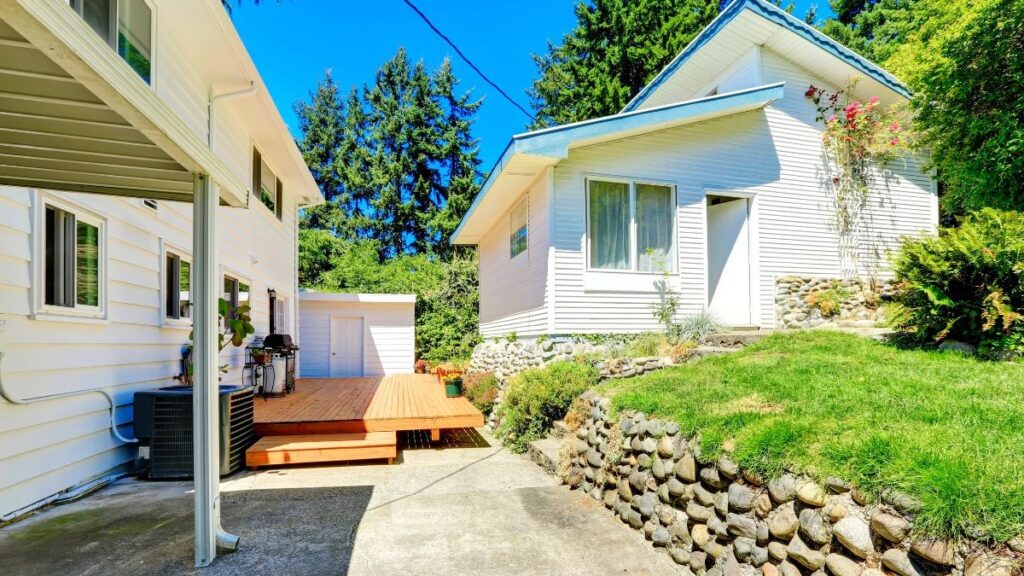
Accessory Dwelling Units (ADUs)—also called backyard cottages, casitas, or granny flats—are small, self-contained homes built on the same lot as a primary residence. As cities respond to housing affordability, more jurisdictions now allow ADUs. That shift in zoning regulations has unlocked new opportunities for multi-generational living, rental income, and boosting property value.
But here’s the catch: ADUs are not a one-size-fits-all project. Every property is site-specific. Rules, utilities, setbacks, bulk planes, parking, and even yard-use requirements vary not only by state but often city-to-city—and sometimes neighborhood-to-neighborhood. That’s why successful ADU projects rely on a coordinated design team—architecture, engineering, and permitting specialists—to navigate feasibility, code compliance, and cost.
This article breaks down the ADU process, common misconceptions, costs, ROI thinking, and the roles of the homeowner, realtor, contractor, and design team.
Key Benefits of an ADU
- Flexible living: Multi-generational housing, caregiver suites, or independent living for adult children.
- Potential rental income: Long-term rental or short-term (where allowed).
- Property value: When designed and permitted correctly, ADUs can increase overall property value.
- Smart land use: Gentle density gain without massive redevelopment.
Common Misconceptions About ADUs
“I can buy stock plans online and drop them onto my lot.”
Reality: Most stock plans don’t address local zoning regulations, energy codes, bulk planes, height limits, fire separation, or utility constraints. Expect rework to meet local code.
“It’s a quick, 3-month project.”
Reality: Permitting, design, and utility coordination take time. From feasibility to final inspection, ADUs often run 6–12+ months depending on jurisdiction, scope, and utility work.
“Cost per square foot will match a typical single-family home.”
Reality: Smaller buildings still require high-cost components (bathroom, kitchen, foundation, utilities), so cost per square foot is often higher than a standard home.
“Utilities are straightforward.”
Reality: Sewer location, service upsizing, separations/meters, and site access can add significant time and cost. Utility providers may have additional rules and fees.
The ADU Process: From Idea to Keys
A clean, four-phase view used by many design teams:
Phase 1: Feasibility and Due Diligence
- Clarify goals: Rental income, aging-in-place, resale strategy, or family needs.
- Zoning scan: Setbacks, lot coverage, floor area ratio (FAR), height limits, bulk planes, parking requirements, and yard-use rules.
- Utility prelim: Sewer distance and depth, water and electric capacity, gas availability, potential service upgrades, and meter requirements.
- Site survey/ILC and geotechnical: Confirm property lines, easements, topography, and soil conditions that affect foundation design.
- Early cost + ROI lens: Obtain preliminary contractor pricing (often add a prudent contingency such as 10–15%) and triangulate with rental comps and resale projections.
Deliverable: A feasibility study that outlines what’s possible, likely hurdles, budget range, and timeline.
Phase 2: Architectural Design
- Concept design: Fit, massing, layout; accessibility and daylighting; privacy relative to the main home and neighbors.
- Code compliance: Energy code, fire separation, egress, sound, ventilation, and local amendments for ADUs.
- Final drawings: Permit-ready architectural plans coordinated with structural engineering.
Phase 3: Structural Engineering
- Foundations based on soils report and site conditions.
- Framing systems for one- or two-story ADUs (or garage-top ADUs), lateral bracing, and roof structure.
- Coordination with mechanical, electrical, and plumbing strategies.
Phase 4: Permitting, Bidding, and Construction
- Permit submission: Jurisdiction reviews for code and zoning compliance.
- Revisions: Respond to planner and reviewer comments.
- Contractor selection: Refined pricing and schedule.
- Construction + inspections: The design team remains your advocate, resolving site surprises and ensuring compliance.
The “Hidden” Complexity: Utilities, Impervious Area, and Variances
- Utilities: If your sewer is in the front street but the ADU sits behind the main house, trenching across the lot can add tens of thousands of dollars. Electric service or gas may need upsizing or separate metering. Do not assume your utility provider is aligned or fast—plan early.
- Impervious area: Roofs, patios, and driveways increase runoff. Many jurisdictions cap impervious coverage and require demonstrated compliance. You may need to remove or reconfigure paving.
- Variances: Existing garages inside setbacks, height conflicts, or other constraints may require a variance. A strong architecture/engineering team can craft solutions and present them to boards or commissions.
What Does an ADU Cost?
Costs are location- and site-specific. Based on recent experience:
- Typical project ranges: Approximately $100,000 to $180,000+ in many moderate-cost markets for a studio or 1-bed ADU. High-cost urban markets can see 2–3x that.
- Why it’s higher per square foot: Kitchens and bathrooms drive cost; mobilization, permitting, and utility upgrades don’t scale down with square footage.
Budget Drivers
- Utility distance and upgrades
- Foundation type and soils
- Two-story or garage-top structures
- Energy code and envelope requirements
- Finish level and MEP complexity
- Jurisdictional fees and timelines
How to Think About ROI and Property Value
- Rental income: Compare market rents for similar ADUs in your area against all-in costs (including financing, design, permitting, and utilities).
- Resale: Discuss with a realtor how an ADU impacts comparable sales and buyer demand in your neighborhood.
- Hold period: If you plan to sell within 3–5 years, design for broad appeal (universal layouts, privacy, parking solutions) rather than hyper-specific custom needs.
- Operating costs: Factor utilities, maintenance, insurance, and property taxes.
Quick Decision Lens
- If the ADU is estimated to cost $200k but likely adds $300–400k in property value and/or generates strong rental income, that supports the investment.
- If value-add is under build cost and rental outlook is weak, consider re-scoping or pausing.
Roles and Responsibilities
For Homeowners
- Define goals (family, rental, resale) and tolerance for timeline/cost.
- Hire a design team early for a feasibility study and code/utilities analysis.
- Involve your realtor to validate rent assumptions and resale impact.
- Expect a realistic schedule (often 6–12+ months total).
For Realtors
- Provide comps for resale value with and without an ADU.
- Offer rental projections for ADU size/type in the specific neighborhood.
- Advise on buyer preferences: parking, yard division, privacy, storage, and accessibility.
For Contractors
- Collaborate early on constructability and budget.
- Review preliminary drawings and provide cost ranges that reflect utilities and site conditions.
- Coordinate with the design team on value engineering without compromising code or performance.
For the Design Team (Architecture + Engineering)
- Lead feasibility: zoning, utilities, surveys, geotech, and site constraints.
- Produce permit-ready plans and coordinate structural design.
- Guide energy code, egress, fire separation, and local ADU standards.
- Support the owner and contractor throughout permitting and construction.
Smart Design Choices That Pay Off
- Privacy and yard-use planning: Fencing, entries, and landscape to create clear boundaries for two households.
- Parking strategy: Meet or exceed local requirements efficiently; where parking isn’t required, reclaim space for livable area.
- Daylight and ventilation: Healthier spaces rent and resell better.
- Universal design: Wider doors, step-free entries, and accessible baths broaden your market.
- Energy envelope: Target cost-effective performance for lower operating costs and comfort.
A Practical ADU Checklist
- Goals: Rental, family, resale—rank them.
- Feasibility study: Zoning, utilities, survey/ILC, geotech, impervious area, high-level budget.
- Realtor inputs: Rent comps, resale impact, buyer preferences.
- Schematic design: Fit, massing, layouts; align with budget and ROI.
- Engineering: Foundations, framing, lateral, and roof systems.
- Permitting: Submit, respond to comments, secure approvals.
- Bidding and construction: Final pricing, schedule, inspections, punch list.
Bottom Line
Building an ADU can be a smart move—for flexibility, income, and property value—but only when grounded in site-specific feasibility, realistic costs, and coordinated design. The right architecture and engineering team is not an “extra” cost; they are your advocate to reduce risk, avoid surprise utility and code hurdles, and make sure your ADU supports your long-term goals.
Join Us Live: ADU Workshop + Expert Q&A
Everything You Need to Know About Building an Accessory Dwelling Unit (ADU)
Date: December 2nd @ 10 am MST
Duration: 1.5 Hours
Cost: FREE Live Event
What You’ll Learn
- Feasibility & Zoning: Can you actually build an ADU on your property?
- Design Process: Stages, site considerations, and working with designers.
- Costs & ROI: Pricing breakdowns, value impacts, and return on investment.
- Timelines & Permitting: Typical timelines, obstacles, and what to expect.
- Real Examples: Behind-the-scenes of real ADU projects.
- Q&A Session: Bring your questions — our experts will answer them live.
