
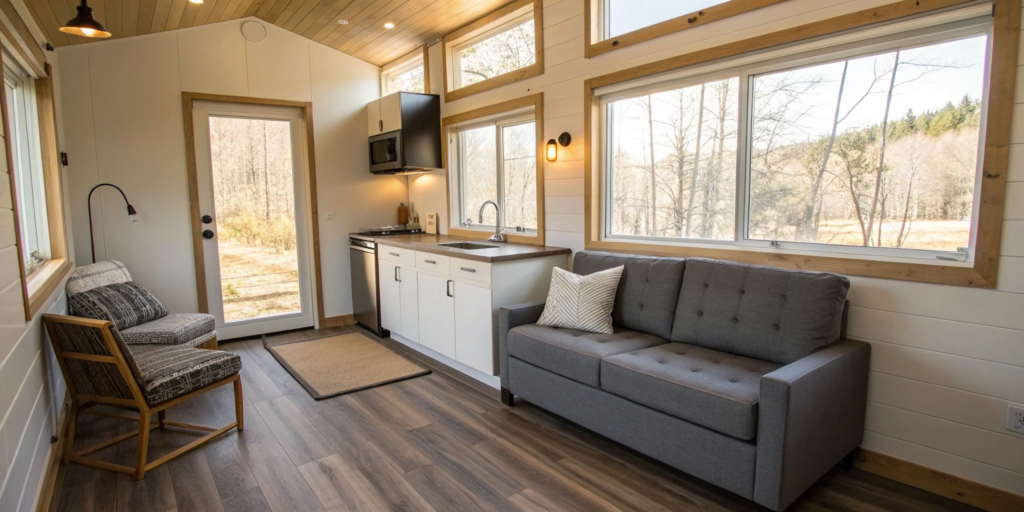
Staring at a two-dimensional floor plan can feel like trying to read a foreign language. It’s hard to truly picture how the lines on a page will translate into a living, breathing space. What if you could see your accessory dwelling unit before the first nail is hammered? Technology now gives you that power. AI image generators are incredible tools that let you turn simple text descriptions into rich, detailed visuals. You can type in your dream features and create an image of your future ADU in seconds. This guide will show you how to use these tools for inspiration and how to bridge the gap between a beautiful concept and a professionally engineered, buildable plan.
A floor plan is much more than just a technical drawing; it’s the recipe for a home. It dictates the flow, function, and overall feel of the space long before the first wall goes up. For a compact home, this recipe is even more critical. The best 1 bedroom ADU floor plans are masterclasses in efficiency, turning a small footprint into a comfortable and highly functional living environment. In this guide, we’ll break down the key ingredients for a successful design. We’ll explore smart layouts, clever storage solutions, and popular styles to help you find or create a plan that feels intuitive, spacious, and perfectly suited to its purpose.
Key Takeaways
- Focus on a smart and efficient layout: A great one-bedroom ADU feels spacious and functional when the design prioritizes a logical flow, clever built-in storage, and plenty of natural light.
- Choose a plan that fits your property and purpose: The best layout is one that works with your lot’s specific size and shape, meets local zoning rules, and is designed for its intended use, whether it’s for a family member or a rental unit.
- Partner with a professional to get it right: Working with a design and engineering firm ensures your ADU is safe, structurally sound, and compliant with local codes, saving you from expensive mistakes and permitting headaches.
What Makes a 1-Bedroom ADU Floor Plan Great?
A great one-bedroom ADU floor plan is more than just a blueprint—it’s a recipe for a comfortable, functional, and inviting home. Since you’re working with a smaller footprint, every square foot has to pull its weight. The difference between a cramped, awkward space and a bright, livable one often comes down to thoughtful design that anticipates how a person will actually move through and use the home day-to-day. It’s about creating a space that feels intuitive and spacious, even when it’s compact. The best designs master three key elements: a smart layout, clever storage solutions, and an abundance of natural light. A well-designed floor plan is crucial to making an ADU feel both functional and comfortable. When the layout flows logically, storage is integrated seamlessly, and the space is filled with light, you create a small home that feels anything but. This isn’t just about aesthetics; it’s about creating a highly livable environment that can serve as a rental property, a guest house, or a home for a family member. Getting these fundamentals right from the start is key. Working with a professional on your ADU plans ensures these crucial details are handled from the very beginning, setting your project up for success.
Nail the Layout for a Natural Flow
The layout is the foundation of a great ADU. It dictates how you move from one area to another and defines the overall feel of the space. A smart layout creates an intuitive path from the entrance to the kitchen, living area, and private bedroom. Many successful one-bedroom ADUs use an open-concept design for the main living areas to create a sense of spaciousness. You can still create distinct “zones” using furniture placement, area rugs, or even a well-placed bookshelf. The goal is to make the home feel connected without being one giant, undefined room. This thoughtful planning prevents awkward corners and wasted space, making the home feel larger and more user-friendly.
Get Creative with Storage and Space
In a small home, clutter is the enemy. That’s why maximizing storage is non-negotiable. The best ADU plans get creative with every nook and cranny. Think vertically with floor-to-ceiling shelving, and choose multi-functional furniture like a sofa that pulls out into a bed or an ottoman with hidden storage. Built-in solutions are your best friend here—window seats with drawers underneath, custom cabinets, and closets designed to fit your specific needs can make a huge difference. A custom architectural design allows you to integrate these storage solutions directly into the structure, keeping the floor plan open and tidy. This approach turns potential clutter zones into functional, organized spaces.
Fill Your Space with Natural Light and Air
Nothing makes a small space feel larger than plenty of natural light. A great ADU floor plan strategically places windows, glass doors, and even skylights to flood the interior with sunlight. This not only makes the home feel bright and airy but also reduces the need for artificial lighting during the day. Using light paint colors on the walls and ceiling will help reflect that light throughout the space. Good airflow is just as important. Placing windows on opposite walls creates cross-ventilation, keeping the ADU fresh and comfortable without relying entirely on your HVAC system. This focus on light and air transforms the ADU from a simple structure into a pleasant and healthy living environment.
How Much Does a 1-Bedroom ADU Plan Cost?
Figuring out the budget for your ADU is one of the first and most important steps. While there’s no single price tag, understanding the key components of the cost will help you create a realistic financial plan. The total expense goes far beyond just the construction; it includes design, permits, site preparation, and finishes. Let’s break down what you can expect to invest in your one-bedroom ADU project.
What Can You Expect to Pay?
The cost of building an ADU can vary widely, but it generally falls into two main categories. Converting an existing structure, like a garage, is often the more budget-friendly option, typically ranging from $80,000 to $200,000. This approach uses the existing foundation and structure, which saves on major construction expenses. On the other hand, building a new, detached ADU is a bigger investment, often starting at $250,000 and going up from there. These are broad estimates, and the final cost will depend on your specific location, materials, and design. It’s also important to remember that these figures usually cover the construction itself and don’t always include “soft costs” like architectural plans, engineering, or permit fees. Getting a detailed quote for your specific ADU plans is the best way to understand your potential investment. While an ADU has a smaller footprint, it still requires the same high-cost infrastructure as a full-sized home, including foundations, utility connections, kitchens, bathrooms, and mechanical systems.
What Influences Your Total Project Cost?
Several key factors will directly impact your ADU budget. The size and complexity of your design are the most significant drivers—a larger, more intricate structure requires more materials and labor. Your choice of finishes also plays a huge role. High-end appliances, custom cabinetry, and premium flooring will increase the cost compared to standard, off-the-shelf options. Site conditions are another critical element. A flat, easily accessible lot will be less expensive to build on than a sloped property that requires extensive grading and a complex foundation. Every ADU needs a solid base, and the specific requirements for your project will be determined by a professional foundation engineer. Finally, local labor rates and the contractor you hire will also affect the final price.
Budgeting for Those Unexpected Costs
A successful project budget accounts for more than just the obvious construction costs. Several “hidden” expenses can catch homeowners by surprise if they aren’t planned for. Permitting fees, which vary by municipality, are a necessary cost that must be factored in from the start. You’ll also need to budget for utility hookups to connect your ADU to water, sewer, and electricity. Landscaping is another cost that’s easy to overlook. After construction is complete, you’ll want to finish the area around your new ADU with paths, plants, or a patio. Most importantly, it’s wise to set aside a contingency fund—typically 10-20% of your total construction cost—to cover any unexpected issues that arise. Working with a professional on your architectural design can help you anticipate these costs and keep your project on track.
What Features Should Your ADU Design Prioritize?
When you’re working with a smaller footprint, every design choice matters. A thoughtful layout can make a one-bedroom ADU feel spacious, comfortable, and completely self-sufficient. The key is to focus on features that deliver the biggest impact on livability and function. Instead of trying to shrink a full-sized home design, think about how the space will actually be used day-to-day. This means prioritizing smart storage, multi-functional areas, and a seamless flow between rooms. A great ADU plan doesn’t just fit on your property; it fits the lifestyle of the person living in it. Whether it’s for an aging parent, a recent grad, or a rental tenant, focusing on a few key areas will ensure the final space is both beautiful and practical. From the kitchen layout to the placement of windows, these details are what transform a small structure into a true home. Before you get lost in paint colors and finishes, it’s important to nail down the core functionality. Think about the non-negotiables first. Does the occupant love to cook? Then a well-appointed kitchen is a must. Do they work from home? A dedicated nook is essential. We’ll walk through the essential features that should be at the top of your list to create a space that feels custom-built for its purpose.
Create a Kitchen That Works for You
The kitchen is often the heart of a home, and that’s still true in an ADU. A well-designed floor plan is crucial to make the space functional and comfortable. Your kitchen layout should allow for easy movement and clear access to essential appliances. Think about creating an efficient work triangle between the sink, stove, and refrigerator. Galley kitchens or single-wall layouts are excellent space-savers. You can also maximize your space with clever appliance choices, like an under-counter fridge or a combination microwave-convection oven, and use vertical space with open shelving or tall cabinets.
Design a Bathroom That Saves Space
A bathroom needs to be functional without taking up too much of your limited square footage. Smart design choices can make a compact bathroom feel open and accessible. Consider incorporating features like a corner shower, a wall-mounted sink, or a pocket door to maximize the usable floor area. If you’re planning for aging in place or need better accessibility, you might want to include wider doorways or a zero-threshold shower. Good lighting and light-colored tiles can also create an illusion of spaciousness, making the room feel brighter and more inviting.
Make Your Living Areas Work Harder
In a one-bedroom ADU, rooms often need to serve more than one purpose. Your living area might also need to function as a dining room, home office, or guest space. Look for opportunities to incorporate furniture that can do more than one job, like a sofa bed for visitors or a dining table that can double as a desk. Built-in storage is your best friend here—think window seats with hidden compartments, custom shelving, or floor-to-ceiling cabinets. This flexibility allows the space to adapt to different needs without feeling cluttered.
Create a Private and Quiet Retreat
Privacy is essential for making an ADU feel like a separate, independent home, especially if it’s close to the main house. The design should start with a separate entrance that doesn’t face directly into the primary residence. Strategic window placement is also key to maximizing light while maintaining privacy. To keep things quiet, use good soundproofing insulation in the walls and ceilings and choose solid-core doors to reduce noise transfer. These small details make a huge difference in comfort for both you and your ADU’s occupant.
Where Can You Find the Best 1-Bedroom ADU Plans?
Once you have a clear idea of what you need, the next step is finding the right floor plan. You have a few great options, each with its own set of benefits. You can work with a local design and engineering firm to create something completely custom, purchase a pre-designed or “stock” plan from an online provider, or find a middle ground by modifying an existing plan to fit your property. The best path for you depends on your budget, timeline, and how specific your vision is. A custom design offers the most flexibility and ensures your ADU is perfectly suited to your lot and lifestyle. On the other hand, pre-designed plans can be a fantastic source of inspiration and a more affordable starting point. Many homeowners find that looking through stock plans helps them refine their ideas before they even speak with a designer. No matter which route you choose, the goal is to find a functional and beautiful layout that turns your ADU dream into a reality.
Create a Custom ADU with Level Engineering
Working with a design and engineering firm gives you the freedom to create a one-of-a-kind ADU. Instead of being limited by pre-made options, you can design a space that perfectly complements your main home’s style and fits the unique constraints of your property. At Level Engineering, we create custom ADU plans from the ground up, ensuring every square foot is used effectively. You can also bring us an existing floor plan you like, and our team can help you customize it to meet your specific needs, from adjusting the kitchen layout to adding unique architectural details. This collaborative approach guarantees your final design is both personal and practical.
Browse Plans from National Providers
If you’re looking for inspiration or a ready-to-go starting point, national ADU plan providers are a great resource. Websites like Houseplans.com offer extensive catalogs of designs where you can browse hundreds of 1-bedroom ADU layouts. This option can save you time in the initial design phase and often comes at a lower upfront cost than a fully custom plan. Keep in mind, however, that a stock plan will almost always require modifications from a local engineer or architect to ensure it complies with Denver’s specific zoning laws, building codes, and structural requirements for our climate.
Local Architect vs. Pre-Designed Plans: What’s the Best Choice?
A well-designed floor plan is essential for making an ADU feel comfortable and functional. While pre-designed plans are a helpful resource, getting a professional involved early on often leads to a much better result. A local firm understands regional building codes, permitting processes, and environmental factors like soil conditions and snow loads. By working with our architecture and design team, you get a partner who can guide you through the entire process, ensuring your ADU not only looks great but is also safe, compliant, and built to last. This expert guidance helps you avoid costly mistakes and ensures your project runs smoothly from start to finish.
How Can You Customize Your Floor Plan?
A great floor plan is more than just a blueprint; it’s the foundation for a space that truly works for you. While pre-designed plans offer a fantastic starting point, the real magic happens during customization. This is your chance to tailor every square foot to fit your lifestyle, your property, and your vision. Whether you’re building a rental unit, a guesthouse, or a home for a family member, personalizing the design ensures the final space is both beautiful and highly functional. Think of it as tailoring a suit—a standard size might fit, but a custom-fit one feels like it was made just for you. At Level Engineering, we see every project as a unique puzzle. You can either modify an existing floor plan or work with our designers to create a completely new ADU plan that perfectly suits your needs and complements your main home. The process involves looking beyond the lines on the page to imagine how life will unfold within the walls. We’ll help you consider everything from the flow of morning traffic around the kitchen island to where the sunlight will hit in the afternoon. From small layout adjustments to clever storage solutions and thoughtful accessibility features, customizing your floor plan is the key to creating an ADU that feels like home.
Adjust the Layout to Fit Your Life
Even the best pre-designed plan might not be a perfect fit right out of the box. That’s where layout modifications come in. Maybe you’d prefer an open-concept living area, need to shift a wall to accommodate a family heirloom, or want to add a larger window to capture that perfect view of the backyard. These adjustments are what transform a generic layout into your specific space. You can work with designers to tweak an existing plan or create a brand-new one from scratch. The goal is to ensure the final design supports your daily routines and enhances your quality of life, making the ADU feel intuitive and comfortable.
Design with Built-in Furniture and Storage
In a compact space like a one-bedroom ADU, every inch counts. Smart storage is non-negotiable, and built-ins are your best friend. Instead of filling the floor with bulky furniture, you can integrate storage directly into the home’s design. Think about a window seat with hidden drawers, floor-to-ceiling shelving that draws the eye upward, or a custom closet system that maximizes every corner. Multi-functional furniture, like a sofa bed or a kitchen island with seating, also helps you get more out of your square footage. These thoughtful architectural solutions keep the space feeling open and uncluttered while ensuring there’s a place for everything.
Design for Accessibility and Aging in Place
Many homeowners build ADUs to house aging parents or to create a space they can comfortably live in down the road. If accessibility is a priority, it’s crucial to incorporate those needs into the floor plan from day one. This can include designing wider doorways to accommodate walkers or wheelchairs, creating a zero-threshold shower, and ensuring there are no steps at the entrance. You might also consider adding grab bars in the bathroom or planning for a small patio or deck for easy outdoor access. By planning for these features early, you create a safe, comfortable, and independent living environment that adds long-term value and flexibility to your property.
Using AI to Visualize Your ADU Design
Once you have a general idea for your floor plan, it can be hard to picture what it will actually look like in three dimensions. This is where technology can be a game-changer. AI image generators have become powerful tools for homeowners, offering a fun and accessible way to visualize design concepts before breaking ground. These tools can translate your ideas—from the architectural style to the color of the siding—into a realistic image, helping you refine your vision. It’s a fantastic way to experiment with different looks and see what resonates with you.
While AI is an incredible resource for inspiration, it’s important to remember that it can’t replace the expertise of a professional. These images are for brainstorming, not for building. To turn your favorite concepts into a safe and compliant reality, you’ll need a set of detailed architectural and engineering plans created by a qualified team.
What Are AI Image Generators?
At their core, AI image generators are tools that create new images from scratch based on simple text descriptions, often called “prompts.” You type in what you want to see, and the AI interprets your words to produce a unique visual. They can also be used to edit existing photos. Think of it as having a concept artist at your fingertips. For anyone planning an ADU, this technology offers a low-cost, high-speed way to explore different design possibilities. You can test out various styles, materials, and landscaping ideas without any commitment, helping you communicate your vision more clearly when you’re ready to work with a designer.
Creating New Images from Text
Platforms like Midjourney and DALL-E excel at turning text into art. You can use them to brainstorm early design ideas by feeding them descriptive prompts. For example, you could type, “A modern, single-story one-bedroom ADU with a flat roof, floor-to-ceiling windows, and cedar plank siding, set in a grassy backyard with a stone patio.” The AI will then generate several visual interpretations of that description. According to some design experts, these tools are becoming invaluable for generating unique architectural visuals that can spark creativity and help you zero in on the aesthetic you love.
Editing Existing Photos
Some AI tools also have the ability to edit existing images. This feature is particularly useful for visualizing how your ADU will look on your actual property. You could take a photo of your backyard and use an AI editor to add a rendering of an ADU in the corner. This helps you see how the new structure will fit with your main house and the surrounding landscape. It’s a practical way to test placement, scale, and style in a real-world context, making the project feel much more tangible from the very beginning.
How to Get the Best Results for Architectural Concepts
Getting a great result from an AI image generator is all about the quality of your prompt. The AI is a powerful tool, but it needs clear instructions to create something that aligns with your vision. Vague descriptions will lead to generic or unexpected images. The key is to be as specific and descriptive as possible, guiding the AI with details about style, materials, and even the mood you want to capture. Think of yourself as a director and the AI as your production artist—the more detailed your direction, the closer the final scene will be to what you imagined.
Be Specific with Your Descriptions
Details are everything. Instead of simply asking for a “one-bedroom ADU,” provide the AI with a rich description. Include the architectural style, the materials you envision, the type of roof, the size and placement of windows, and any outdoor features like a deck or garden. For example, try a prompt like: “A charming craftsman-style ADU with a low-pitched gabled roof, a covered front porch with tapered columns, dark green lap siding, and white trim.” The more specific you are, the more accurate and compelling the resulting image will be.
Define the Style with Keywords
Keywords are your best friend when prompting an AI. Using specific terms helps the AI understand the aesthetic you’re aiming for. Start with a clear architectural style, such as “modern farmhouse,” “mid-century modern,” or “minimalist.” Then, add keywords for materials (“reclaimed brick,” “standing seam metal roof”), lighting (“warm ambient light,” “natural afternoon sun”), and setting (“nestled among aspen trees,” “urban backyard setting”). Combining these keywords helps the AI generate an image that is not only architecturally specific but also rich in atmosphere.
Comparing Costs, Plans, and Usage Limits
As you start exploring different AI image generators, you’ll find that they come with various pricing structures and usage rules. Many platforms offer a free trial or a limited free tier, which is a great way to experiment and see if the tool is a good fit for you. However, for more extensive use or higher-quality images, you’ll likely need to consider a paid plan. Understanding the differences between free and paid versions, as well as the common payment models, will help you choose the right tool for your needs and budget.
Free vs. Paid Tiers
Most AI image generators operate on a “freemium” model. The free tier might give you a limited number of image generations, produce lower-resolution images, or add a watermark to the final product. Paid tiers typically unlock a host of benefits, including more monthly generations, faster processing speeds, higher image quality, and additional features. As noted in a D5 Render analysis, the choice often comes down to how you plan to use the generated images and the level of quality you require.
Subscription and Credit-Based Models
Paid plans generally fall into two categories: subscriptions or credit packs. A subscription model usually involves a recurring monthly or annual fee that gives you a set number of image generations or unlimited access. This is a good option if you plan to use the tool frequently. A credit-based model allows you to purchase a bundle of “credits,” which you then spend each time you generate an image. This can be more cost-effective if you only need to create a handful of images for your project.
Understanding Image Rights and Commercial Use
Before you get too attached to an AI-generated image, it’s crucial to understand who owns it. The policies on image rights and commercial use vary significantly from one platform to another. Some services grant you full ownership of the images you create, allowing you to use them for any purpose, including marketing a rental ADU. Others may have more restrictive terms, stating that the AI company retains some rights or prohibiting commercial use altogether. Always read the terms of service carefully to ensure you can use the images in the way you intend without running into legal issues down the road.
Beyond Still Images: AI Video Creation
The world of AI visualization is moving fast, and some tools are now venturing beyond static images into video creation. This emerging technology allows you to generate short video clips or animated fly-throughs of your ADU design from a simple text prompt or an existing image. Imagine creating a brief virtual tour that pans across the exterior or moves through the open-concept living area. While still in its early stages, this capability offers an even more dynamic and immersive way to visualize your future space, making it easier to get a true feel for the flow and layout.
Responsible AI and Technical Considerations
While AI image generators are incredibly powerful, they are still just tools. It’s important to use them responsibly and be aware of their limitations. These platforms have built-in safety features to prevent misuse, but the user also has a role to play in ensuring the technology is used ethically. Furthermore, understanding the technical constraints of AI will help you set realistic expectations. The images it produces are meant for inspiration and should always be reviewed with a critical eye before being handed over to a design professional.
Safety Features and Watermarking
To promote responsible use, many AI platforms incorporate safety filters that block the creation of harmful or inappropriate content. You may also notice that images generated on free plans often come with a watermark. This not only serves as branding for the AI company but also makes it clear that the image was created by AI. These features are part of a broader effort to ensure that this powerful technology is used in a positive and transparent way.
Technical Limitations to Keep in Mind
AI is impressive, but it’s not infallible. It can sometimes generate images with strange architectural impossibilities—think floating staircases, windows that don’t make sense, or bizarre structural connections. This is why AI-generated images should be treated as artistic concepts, not as technical drawings. They are a fantastic starting point for a conversation with your designer, but they can’t replace the detailed, code-compliant blueprints created by a professional. A firm like Level Engineering can take your AI-inspired vision and translate it into a structurally sound and buildable ADU plan.
What Are the Most Popular ADU Floor Plan Styles?
Once you start exploring 1-bedroom ADU plans, you’ll quickly see a few common styles emerge. While your final choice will depend on your property, your budget, and your personal taste, understanding these popular approaches can give you a great starting point. Think of these as design frameworks you can adapt to fit your specific needs. The right style will not only look great but also make your small space feel functional, comfortable, and perfectly suited for its purpose, whether it’s for a family member, a renter, or a home office.
The Clean Look: Modern and Minimalist Designs
Modern and minimalist designs are a popular choice for 1-bedroom ADUs, especially in urban areas. This style focuses on clean lines, simple forms, and functionality, creating a space that feels open and uncluttered. Think large windows that let in plenty of natural light, neutral color palettes, and an emphasis on smart, efficient layouts. By stripping away unnecessary ornamentation, a modern design makes every square foot count. This approach is perfect if you want a sleek, contemporary look that maximizes the feeling of spaciousness. A well-designed modern ADU plan can feel surprisingly large and airy, making it a practical and stylish addition to your property.
The Classic Vibe: Traditional and Cozy Cottages
If you’re aiming for a warm and inviting feel, a traditional cottage style might be the perfect fit. These designs often feature classic architectural elements like pitched roofs, charming porches, and divided-light windows. Sometimes called “granny pods,” these ADUs are designed to feel like a small, self-contained home with a distinct sense of comfort and nostalgia. This style works beautifully when you want the ADU to complement a more traditional main house or create a welcoming retreat for family and guests. The focus here is on creating a cozy, homey atmosphere that feels both timeless and comfortable, making it an ideal choice for long-term living or a private guesthouse.
The Space Saver: Open-Concept Studio Plans
For the smallest footprints, an open-concept studio plan is often the smartest way to go. This layout removes most interior walls, combining the kitchen, living area, and sleeping space into one large, flexible room. The key to a successful open-concept plan is creating a seamless flow while using clever design tricks to define different zones. This might include built-in storage, multi-functional furniture like a sofa bed, or a kitchen island that doubles as a dining table. An open layout makes a small unit feel much larger and brighter. Our architectural services can help you craft a plan that maximizes every inch, creating a space that is both highly functional and incredibly versatile.
How Do You Choose the Right Floor Plan?
Picking the perfect floor plan is about finding that sweet spot between your vision and your reality. It’s easy to fall in love with a design online, but the best plan is one that truly fits your property, your lifestyle, and your budget. Before you get too attached to a specific layout, it’s helpful to think through a few key factors that will guide your entire project. Your lot has its own rules, your main home has its own style, and your reason for building an ADU will shape every design decision you make. By starting with these practical considerations, you can narrow down your options and find a floor plan that doesn’t just look good on paper but works beautifully in real life. This approach ensures your new space is functional, compliant, and a true asset to your property for years to come.
Start with Your Property and Zoning Rules
Before anything else, take a good look at your own backyard. The size, shape, and slope of your land will immediately influence what you can build. Local zoning rules are the next critical layer, dictating how large your ADU can be and where it can sit on your property. These regulations include setbacks, which are minimum distances required between your ADU and property lines, your main home, and other structures. You’ll also need to consider access for construction and the location of existing utilities like water, sewer, and electricity. Working with a team that understands local codes is essential to creating ADU plans that are both beautiful and buildable from the start.
Complement Your Home’s Architectural Style
Your new ADU should feel like a natural extension of your property, not an afterthought. The goal is to create a cohesive look that enhances your home’s overall curb appeal and value. This means the ADU should complement the architectural style of your main house and the surrounding neighborhood. For example, if you live in a historic Craftsman home, a sleek, ultra-modern ADU might feel out of place. Pay attention to details like roof pitch, window styles, siding, and trim. A design professional can help you achieve this architectural harmony, ensuring the new structure blends in seamlessly while still having its own charm.
What Will You Use Your ADU For?
How you plan to use your ADU is the single most important factor in its design. Are you creating a home for an aging parent, a long-term rental unit, or a flexible space for guests and a home office? The answer will guide your layout choices. If the ADU is for a family member with mobility challenges, you’ll want to prioritize accessibility with wider doorways, a zero-entry shower, and single-level living. For a rental property, durable materials and a layout that maximizes privacy are key. If you love to entertain, adding a small patio or deck can extend the living space outdoors. Thinking through these specific needs ensures your floor plan is perfectly tailored to its purpose.
Why Work With a Design Professional?
While it can be tempting to find a floor plan online and hand it directly to a builder, designing an ADU is a complex project with a lot of moving parts. Working with a design professional, like an architect or engineer, is one of the smartest investments you can make. They do more than just draw pretty pictures; they create a comprehensive blueprint that ensures your new space is safe, legal, and perfectly suited to your property and needs. Think of them as your project guide. They translate your vision into a buildable reality, making sure every detail—from the foundation to the roofline—is thoughtfully planned. A professional helps you avoid common pitfalls that can lead to costly revisions, failed inspections, and a final product that doesn’t quite meet your expectations. They consider site-specific challenges, like grading and utility connections, that a stock plan simply can’t account for. By bringing an expert on board early, you set your project up for a smoother process and a much better outcome. Their expertise in creating custom ADU plans ensures your investment is sound, functional, and built to last for years to come.
Ensure Your ADU is Safe and Structurally Sound
A great floor plan is about more than just flow and aesthetics; it’s about creating a space that is fundamentally safe and structurally sound. A design professional ensures your ADU layout meets all critical building codes and safety standards. They account for everything from proper egress and ventilation to the structural loads your unit must support, especially with Colorado’s weather in mind. This is where structural engineering becomes essential. An engineer will verify that your foundation is correct for the soil conditions, the walls can support the roof, and the entire structure is built to withstand the elements. This professional oversight gives you peace of mind, knowing your ADU is a safe and secure home for family, guests, or renters.
Get Through the Permit Process with Ease
Navigating local zoning laws and building permits can be one of the most challenging parts of any construction project. The rules for ADUs can vary significantly from one city or county to the next, dictating everything from size and height to placement on your property. Submitting plans that don’t meet these specific requirements can lead to long delays and frustrating rejections. A local design professional is fluent in these regulations. They know exactly what your municipality requires and will prepare detailed plans designed for approval. They manage the entire submission process, communicating with officials and making any necessary adjustments along the way. This saves you an incredible amount of time and stress, letting you focus on the exciting parts of the project while they handle the complex paperwork.
Lean on Expert Design and Project Management
Beyond safety and permits, a design professional brings a creative and practical eye to your project. They are experts at maximizing small footprints, creating clever storage solutions, and designing layouts that feel spacious and intuitive. Their architectural services help you refine your ideas into a cohesive design that is both beautiful and highly functional, ensuring the final result truly enhances your property. Involving a professional early in the process often leads to a better-built ADU. They can help you select materials, connect you with trusted contractors, and even provide oversight during construction to ensure the build stays true to the plan. This expert guidance helps prevent costly mistakes and ensures your vision is executed with quality and precision from start to finish.
Common ADU Floor Plan Mistakes to Avoid
Designing an ADU is exciting, but a few common missteps can turn a dream space into a daily frustration. The good news is that these pitfalls are easy to avoid with a little foresight. Thinking through the details of your layout now will save you from costly changes and headaches down the road. From storage to privacy, a well-considered plan ensures your ADU is as functional as it is beautiful. Many homeowners get caught up in the big picture and overlook the small details that define daily life in a compact space. How will your tenant get their groceries inside without feeling like they’re walking through your backyard barbecue? Where will they store their winter coats? Answering these questions early on is the key to a successful project. A thoughtful approach to your ADU plans will create a comfortable, efficient, and valuable addition to your property for years to come.
Avoid the Clutter: Plan for Enough Storage
When you’re working with a smaller footprint, every square inch counts. One of the most frequent mistakes is underestimating storage needs, which leads to a cluttered and cramped living area. Instead of sacrificing space for bulky, standalone furniture, think vertically and integrate storage directly into the design. Built-in shelving, window seats with hidden compartments, and floor-to-ceiling cabinets can keep belongings organized without eating up valuable floor space. Smart, multi-functional furniture like a sofa bed or an expandable dining table also helps you make the most of the layout, ensuring the space feels open and livable, not just small.
Rethink Awkward Entrances and Outdoor Access
Privacy is a huge factor in making an ADU feel like a true home. An awkward entrance that cuts through your personal yard or faces your kitchen window can be uncomfortable for everyone. A great ADU design includes a separate, well-defined entrance that gives occupants a sense of autonomy. Using solid doors, quality soundproofing, and even strategic landscaping like shrubs or a decorative screen can create a clear boundary. Don’t forget to consider outdoor access. A small, private patio or deck can dramatically expand the living area and make the ADU much more desirable for renters or family members.
Plan for Future Flexibility
Your needs might change over time, and your ADU should be able to adapt. A common oversight is designing a unit for a single, specific purpose without considering its future potential. What starts as a rental unit could become a home office, an in-law suite, or a creative studio later on. When creating your architectural design, think about incorporating flexible features. This could mean adding wider doorways and a no-step entry for aging-in-place accessibility or choosing a neutral, timeless style that appeals to various uses. A flexible design not only serves you better in the long run but also adds significant value to your property.
Related Articles
- Comprehensive ADU Building Guide | LEVEL Engineering
- ADUs 101: A Clear Guide For Homeowners, Realtors, And Contractors
- ADU Workshop – Level Engineering & Inspection
Frequently Asked Questions
Can I just buy a stock floor plan online and start building? While stock plans are a great source of inspiration, they are rarely ready for construction as-is. Every location, especially here in the Denver area, has specific building codes, zoning laws, and climate considerations like snow loads that a generic plan won’t account for. You will always need a local architect or engineer to review, modify, and stamp the plans to ensure they are safe, compliant, and suitable for your property before you can get a building permit. How do I find out if my property is even eligible for an ADU? The first step is to check your local municipality’s zoning regulations. You can usually find this information on your city or county’s website. These rules will tell you about size limitations, required setbacks from property lines, and any other specific requirements. Because these codes can be complex, a great next step is to consult with a design firm. We can help you understand exactly what’s possible on your lot and ensure your project starts on the right foot. What’s a realistic size for a one-bedroom ADU to feel comfortable, not cramped? There isn’t a single magic number, as a smart layout can make a smaller space feel much larger than a poorly designed bigger one. Generally, one-bedroom ADUs range from 500 to 800 square feet. The key to comfort isn’t just the total square footage, but how it’s used. A plan with an open living area, plenty of natural light, and clever built-in storage will feel far more spacious and livable than one that chops up the space with unnecessary walls and hallways. Besides construction, what are the biggest ‘hidden’ costs I should plan for? It’s easy to focus on the cost of building materials and labor, but several other expenses are crucial to budget for. You’ll need to account for design and engineering fees, city permit fees, and the cost of connecting to utilities like water, sewer, and electricity. You should also set aside funds for site preparation, which could include grading or tree removal, and a contingency fund of at least 10% to cover any unexpected issues that come up during construction. Does the ADU’s purpose really change the floor plan that much? Absolutely. The way you intend to use the ADU should be the primary driver of its design. For example, an ADU for an aging parent will need to prioritize accessibility, with features like a no-step entry, wider doorways, and a walk-in shower. A rental unit, on the other hand, might focus more on durable finishes, a low-maintenance layout, and creating a strong sense of privacy from the main house. Defining the purpose upfront ensures the final space is perfectly suited to its occupant.
