
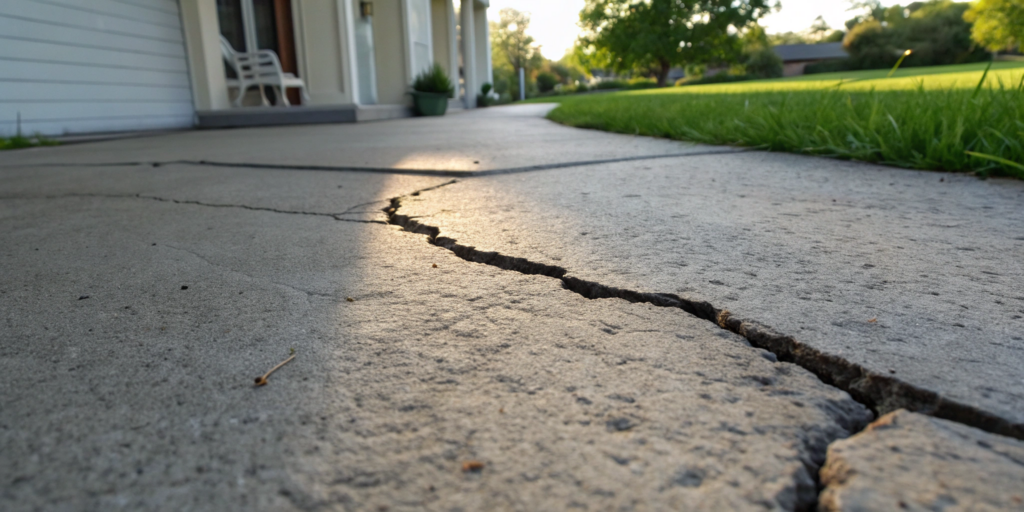
As a Colorado homeowner, you know our environment presents unique challenges, especially when it comes to our expansive clay soil. This soil acts like a sponge, swelling with moisture and shrinking when dry, putting constant stress on your home’s structure. This is why discovering hairline cracks in foundation is a common experience here. While often harmless, these cracks can sometimes be the first sign of soil-related movement. This article is your local guide to understanding what those cracks mean in the context of our region’s specific conditions, helping you protect your home from the ground up and manage any issues with confidence.
Every crack in your foundation tells a story. It has clues about the forces acting on your home, from natural settlement to pressure from the surrounding soil. Think of yourself as a detective and that hairline crack in foundation as your first piece of evidence. Is it running vertically or horizontally? Is it wider at one end? Is it changing over time? The answers to these questions can reveal whether you’re dealing with a simple cosmetic issue or a symptom of a more significant problem. This guide will teach you how to read the signs, interpret the evidence, and gather the information you need to make a smart, informed decision about your home’s health.
Key Takeaways
- Document Small Cracks Before You Worry: Most thin, vertical cracks are harmless signs of your home settling or concrete shrinkage. The best first step is to take photos and measure the crack, then check it every few months to see if it’s changing.
- Some Cracks Are Clear Warning Signs: Immediately call a professional if you find horizontal or jagged stair-step cracks, any crack wider than a dime, or a crack that is actively leaking water. These point to more serious pressure on your foundation.
- Manage Water Around Your Home: The most effective way to prevent future cracks is to control moisture. Keep your gutters clean and ensure downspouts and landscaping direct all water far away from your foundation walls.
What Exactly Is a Hairline Crack in a Foundation?
Finding a crack in your home’s foundation can feel like a major problem, but many small cracks are perfectly normal. Hairline cracks are the most common type you’ll see, and understanding what they are and why they appear can save you a lot of stress. They are often just a sign that your home is settling in, not that it’s falling down.
How to Spot a Hairline Crack
Hairline cracks are exactly what they sound like: very thin, fine lines that look like a piece of hair on your concrete wall or floor. Typically, they are less than 1/32 of an inch wide. You might see them running vertically or diagonally on your foundation walls. These cracks are often just on the surface and are a common sight, especially in newer homes where the concrete is still curing. While they can look unsettling, they are usually just a cosmetic issue and a normal part of a home’s aging process. If you’re looking at a crack that’s thin and doesn’t seem to be getting wider, you’re likely dealing with a simple hairline crack. If you have multiple repeating hairline cracks that may be a more concerning problem.
Where Do These Cracks Come From?
So, where do these little cracks come from? Most of the time, hairline cracks are a natural byproduct of concrete doing its thing. When a new foundation is poured, the concrete contains a lot of water. As it cures and dries, it shrinks, and this shrinkage can create small cracks. In the case of basements, the exterior soil pressures begin to weigh on the basement walls. As your basement walls restrain soil pressures outside, the concrete may exhibit hairline cracks until the steel reinforcement begins to take on the stress. Seasonal temperature swings can also play a role, as concrete expands in the heat and contracts in the cold. These factors are usually not a cause for panic, but if you’re ever unsure, getting a structural inspection can give you clarity and peace of mind. Think of it like a clay pot drying in the sun. Another common cause is normal house settling. Every home settles into the ground over time, and this slight movement can cause minor stress cracks. Seasonal temperature swings can also play a role, as concrete expands in the heat and contracts in the cold. These factors are usually not a cause for panic, but if you’re ever unsure, getting a structural inspection can give you clarity and peace of mind.
What Causes Hairline Cracks in a Foundation?
Finding a crack in your foundation can feel alarming, but not all cracks signal a major problem. Most are a normal part of a home’s life cycle. Understanding what causes these tiny fissures is the first step in figuring out whether you have a simple cosmetic issue or something that needs a closer look. Several factors, from the way your home was built to the environment around it, can contribute to hairline cracks. Here’s what’s likely happening behind the scenes.
Understanding Normal Settling and Curing
Believe it or not, a brand-new house is expected to have a few hairline cracks. As the fresh concrete in your foundation cures and dries, it naturally shrinks. This process, known as curing, often creates small, web-like cracks. At the same time, your entire house will gradually settle into the soil beneath it. This settling can also cause minor cracks to appear. These types of cracks are usually uniform in width and don’t change over time. While they are typically harmless, having a baseline understanding of your foundation’s condition is always a good idea for any homeowner.
How Weather Affects Your Foundation
Your home, just like anything else, responds to changes in temperature. During hot summer months, materials expand, and in the cold of winter, they contract. This constant cycle of thermal expansion and contraction puts a low level of stress on your foundation, which can lead to small hairline cracks over time. These are often found in the mortar joints of a block foundation or randomly across a poured concrete wall. Monitoring these cracks through the seasons is a great way to ensure they aren’t growing, which could indicate a more significant issue requiring a structural inspection.
When Soil and Water Are the Culprits
The ground under your home is not static. Soil, especially the clay-heavy soil common in Colorado, expands when it gets wet and shrinks as it dries. This constant movement can put immense pressure on your foundation, causing it to shift and crack. A period of heavy rain followed by a dry spell can be enough to create new hairline cracks. If you notice cracks appearing or worsening after significant weather changes, it’s a sign that soil and moisture are likely the culprits. A foundation engineer can help determine if the soil movement is within a normal range.
Could It Be Poor Drainage or Construction?
Water is a foundation’s number one enemy. If your property has poor drainage—meaning gutters are clogged or the ground doesn’t slope away from your house—water can pool around the foundation. This saturates the soil, leading to the expansion and pressure we just talked about. Over time, this constant hydrostatic pressure can create cracks. In some cases, flaws during the initial construction, like an improperly prepared base or a poor concrete mix, can also create weak spots that are more susceptible to cracking under normal stress.
Are Hairline Foundation Cracks a Serious Problem?
Finding a crack in your foundation can feel alarming, but don’t panic just yet. Many hairline cracks are perfectly normal and don’t pose a threat to your home’s structural integrity. Concrete, by its nature, can crack as it cures and settles over time. The key is learning to distinguish between a minor cosmetic issue and a genuine red flag that signals a deeper problem. Understanding what to look for can save you a lot of stress and help you know when it’s time to call in a professional. The size, shape, direction, and location of a crack all tell a story about what’s happening with your foundation. By paying attention to these details, you can make an informed decision about your next steps. A thorough structural engineer inspection can give you a definitive answer, but you can start by assessing the situation yourself.
How to Tell a Normal Crack from a Red Flag
Most small, thin cracks are nothing to worry about. Singular hairline cracks that run vertically (up and down) are often the result of the concrete shrinking as it cures or your house settling naturally over the years. These are typically cosmetic and don’t indicate a structural failure. Think of them as the normal growing pains of a house. As long as they remain small and aren’t letting water in, they usually don’t require immediate action. The real red flags are cracks that are actively changing. If you notice a crack getting wider or longer, it’s a sign of ongoing movement. Other warning signs include horizontal cracks, stair-step cracks in brick or concrete block walls, and any crack that is accompanied by water intrusion or other issues like sticking doors and windows. These symptoms suggest that external forces are putting stress on your foundation.
Does the Width of the Crack Matter?
A simple rule of thumb is to pay attention to the width of the crack. Hairline cracks, which are typically less than 1/32 of an inch wide, are often just a surface issue. You can use the edge of a credit card as a rough guide—if the crack is thinner than the card, it’s likely cosmetic. These minor cracks can often be sealed to prevent moisture from getting in. However, when a crack is wider than 1/16 of an inch or there are multiple cracks, it’s time to call for a professional opinion. A gap this large suggests that the foundation has shifted or is under significant stress. Don’t ignore it, as it could worsen over time and lead to more extensive damage. If you find a crack of this size, consulting with experienced foundation engineers is the best way to diagnose the cause and determine the right solution.
Understanding Specific Crack Measurements
When you’re looking at a crack, it helps to have a frame of reference. A simple credit card can be your best tool for a quick assessment. Hairline cracks are typically less than 1/32 of an inch wide, which is thinner than the edge of a credit card. These are the cracks that are most often cosmetic. If a crack is wider than a credit card but still quite thin, it’s worth monitoring. The real point of concern is when a crack reaches or exceeds 1/16 of an inch in width. At this size, the crack is no longer just a surface issue and suggests there might be ongoing movement or significant pressure on the foundation. This is the threshold where it’s wise to get a professional opinion from a foundation engineer to understand the underlying cause and prevent further damage.
Reading the Clues: Crack Direction and Location
The direction of a crack provides important clues about the type of stress your foundation is experiencing. As mentioned, vertical cracks are common and usually related to concrete shrinkage or minor settlement. While you should still monitor them, they are generally the least concerning. Diagonal and horizontal cracks, on the other hand, are almost always a serious issue. A crack running sideways across your foundation wall typically means that intense pressure from the soil or water outside is pushing inward. This is known as hydrostatic or lateral pressure and can lead to wall bowing and eventual failure. Similarly, jagged diagonal or stair-step cracks in a block or brick foundation often indicate differential settlement, where one part of the foundation is sinking faster than another. A forensic structural engineer can analyze these patterns to pinpoint the root cause. The importance of these cracks is also dependent on the age of the foundation and the amount of reinforcement. No foundation should be treated the same; each foundation is unique.
Why Experts Focus on Vertical Surfaces
When an engineer inspects a foundation, they pay close attention to vertical surfaces like your basement walls because the direction of a crack tells a story. Vertical cracks are the most common type you’ll find, and they’re often the least alarming. They typically result from the concrete shrinking as it cures or from minor, even settlement of the house over time. While you should always keep an eye on them, these thin, up-and-down lines usually don’t point to a major structural problem. In contrast, a horizontal crack is a significant red flag. It signals that outside pressure from soil or water is pushing against the wall, which can cause it to bow and eventually fail. Understanding this distinction is why professional foundation engineers start their assessment here; it helps them quickly separate normal signs of aging from serious threats to your home’s stability.
Check for Uneven Surfaces (Vertical Displacement)
One of the most critical signs of a serious foundation problem is vertical displacement. This is when one side of the crack has moved up, down, or out of plane with the other side. You can check for this by running your hand across the crack. If the surface feels uneven or you can feel a distinct lip, it’s a clear indication that the foundation has shifted. This is no longer just a crack; it’s a fracture showing structural movement. Displacement means the sections of your foundation are no longer locked together and supporting your home evenly. This is a significant structural concern that requires immediate attention. Ignoring it can compromise the safety of your home. If you find a crack with any displacement, it’s essential to schedule a structural engineering evaluation right away to assess the stability of your foundation.
Don’t Forget About Radon Gas
While you’re inspecting your foundation for structural issues, there’s another invisible threat to consider: radon gas. Radon is a naturally occurring radioactive gas that you can’t see, smell, or taste. It seeps up from the soil and can enter your home through any opening, making foundation cracks a primary entry point. The danger is that it can accumulate to dangerous levels inside, especially in basements and lower levels. Long-term exposure to radon is the second leading cause of lung cancer in the United States, making it a serious health risk. Because of this, it’s crucial to test your home’s radon levels, particularly if you have visible foundation cracks. If a test reveals high levels, sealing the cracks is an important step, but you’ll also need to work with a certified radon mitigation professional to install a system that safely vents the gas outside.
Red Flags: When to Call a Pro Immediately
Most hairline cracks are just a normal part of a house’s life. But some cracks are trying to tell you something more serious. If you spot any of the following warning signs, it’s time to stop monitoring and start making a call to a professional. These red flags indicate that the problem could be more than cosmetic and may require immediate attention to protect your home’s structural integrity. Acting quickly can prevent a small issue from turning into a major, expensive repair.
Is the Crack Getting Bigger?
A crack that stays the same size year after year is usually not a cause for alarm. The real concern is a crack that’s actively changing. If you notice a crack getting wider, longer, or if one side of the crack has shifted to be higher than the other, it’s a clear sign of ongoing movement. This indicates that your foundation is under active stress from settling or soil pressure. Don’t wait to see how much worse it can get. Any documented change in a crack is your cue to schedule a structural engineer inspection to find out what’s causing the movement and how to stop it.
Watch Out for Horizontal or Diagonal Cracks
The direction of a crack tells a story about the forces acting on your foundation. While thin, vertical cracks are often related to concrete curing, horizontal cracks are a major red flag. A horizontal crack typically means that outside pressure from soil or water is causing your foundation wall to bow inward. Similarly, jagged diagonal cracks that are wider at one end than the other often point to differential settlement—meaning one part of your foundation is sinking faster than the rest. Both of these scenarios can threaten the stability of your home and require an expert evaluation from experienced foundation engineers.
Do You See Water Leaking from the Crack?
Cracks and water are a bad combination. If you see water leaking through a foundation crack, notice damp spots on the wall, or smell a musty odor, take it seriously. Water intrusion not only leads to mold and poor air quality but can also weaken the concrete and corrode the steel rebar inside it over time. A leaking crack is also a symptom of a larger problem, usually poor drainage or hydrostatic pressure building up against your foundation. Addressing the source of the water is just as important as sealing the crack itself, and a professional can help diagnose the root cause.
Are Your Doors and Windows Sticking?
Sometimes, the most obvious signs of a foundation problem aren’t in the foundation at all. If doors in your home have started to jam or won’t latch properly, or if windows have become difficult to open and close, it could be due to foundation movement. As a foundation shifts or settles, it can twist the frame of your entire house, causing door and window frames to become misaligned. You might also notice new cracks in your drywall, especially over doorways or where walls meet the ceiling. These are classic signs that it’s time for a comprehensive structural engineer home inspection to assess the overall health of your home.
Look for Other Signs Throughout the House
Foundation problems rarely stay in the basement. Because your foundation supports the entire weight of your home, any shifting or settling will send ripple effects all the way up to the roof. Beyond sticking doors and windows, there are other subtle (and not-so-subtle) clues throughout your living space that can point to an underlying issue. Keeping an eye out for these signs can help you catch a problem early before it becomes more complex and costly to fix. By learning to spot these secondary symptoms, you can get a more complete picture of your home’s health and know when it’s time to investigate further.
Check for Sloping Floors and Gaps
If you’ve ever dropped a marble and watched it roll to one side of the room, you might be seeing a sloping floor caused by foundation settlement. As the foundation moves, it can cause the entire frame of your house to tilt, leading to uneven floors. You might also spot new gaps appearing where the walls meet the floor or ceiling. These gaps are a sign that the structure is being pulled or twisted. While a perfectly level home is rare, a noticeable or worsening slope is a clear signal that it’s time to have a professional structural inspection to understand the cause of the movement.
Inspect for a Sagging Roofline
Take a walk across the street and look at your home’s silhouette against the sky. Does the roofline look straight and level, or does it appear to dip or sag in the middle? A sagging roof can be a startling sign of uneven foundation settlement. When one part of the foundation sinks more than another, it pulls that entire section of the house down with it, which can cause the ridge of your roof to look bowed. This isn’t just a cosmetic issue; it’s an indicator of significant structural stress that can lead to serious problems if left unaddressed. If you notice your roofline isn’t as straight as it used to be, it’s a critical reason to consult with a foundation engineer to assess the stability of your entire home.
Your Action Plan: How to Monitor Foundation Cracks
If you’ve spotted a hairline crack, your first job is to become a detective. Don’t panic—just observe. Monitoring a crack over time is the single best way to understand if it’s a harmless part of your home settling or a sign of a bigger issue. Creating a clear record of its behavior gives you a baseline, making it easier to spot meaningful changes. This documentation is also incredibly valuable if you eventually need to bring in a professional. When a foundation engineer can see a crack’s history, they can make a much more accurate diagnosis of the root cause. Think of it as creating a health record for your home’s foundation. A little bit of tracking now can save you a lot of guesswork and stress later. Here’s a simple system you can use to monitor and document any cracks you find.
Step 1: Measure and Track Changes
Start by marking the ends of the crack with a pencil, noting the date directly on the wall. This simple step gives you a clear visual reference to see if the crack is getting longer. Next, measure its width at the widest point. You can use a ruler or a specialized crack-monitoring gauge for more precision. Write this measurement down in a dedicated notebook or a note on your phone. The goal is to see if the crack is static or active. A crack that stays the same size month after month is usually not a cause for immediate concern. However, a crack that is actively growing in length or width is a signal that your foundation is experiencing ongoing stress.
Step 2: Take Photos and Keep Notes
A picture is worth a thousand words, especially when it comes to foundation issues. Create a dedicated photo album on your phone for your foundation. When you take a picture of a crack, place a ruler or a coin next to it to provide a sense of scale. Try to take the photo from the same angle and distance each time you document it. Along with the photo, jot down some notes: the date, the crack’s location (e.g., “basement, north wall, near the window”), its length and width, and any other observations. Is there moisture present? Are there any new cracks nearby? This detailed log provides a clear timeline and is exactly the kind of information a professional would need for a forensic analysis.
Step 3: Create a Consistent Schedule
Consistency is key, so set a recurring reminder to check on the crack. A good starting point is to check it once a month. You should also make a point to inspect it after significant weather events, like a period of heavy rain, rapid snowmelt, or a long drought, as these can all affect the soil around your foundation. During each check-in, you’re looking for any changes from your last entry. Has the crack grown longer? Has it gotten wider? Has its direction changed? Sticking to a schedule turns monitoring from a worry into a routine part of your home maintenance. This proactive approach helps you stay ahead of any potential problems and gives you peace of mind.
Found a Hairline Crack? Here’s What to Do First
Spotting a crack in your foundation can feel like a big deal, but there’s no need to panic. Most hairline cracks are perfectly normal and don’t point to a major structural problem. Before you do anything else, take a deep breath and follow these simple steps to assess the situation.
First, Assess and Document What You See
First, get a good look at the crack. Hairline cracks are very thin—typically less than 1/8 of an inch wide. If the crack is vertical (running up and down), it’s often a sign of normal concrete curing or minor settlement. These small cracks are usually just cosmetic. The most important thing you can do right now is document what you see. Grab your phone and take a few clear pictures. Place a ruler or a coin next to the crack for scale. Make a note of its exact location, length, and width. This creates a baseline record that will help you determine if the crack is changing over time, which is key information for any future structural inspection.
Next, Look for Causes Outside Your Home
Next, step outside and play detective around your home’s perimeter. The environment surrounding your foundation plays a huge role in its health. In Colorado, expansive clay soil is a common issue. This type of soil swells dramatically when it gets wet and shrinks as it dries, putting constant pressure on your foundation walls. Also, check how water behaves around your house. Are your gutters overflowing? Do your downspouts dump water right next to the foundation? The ground should slope away from your home, not toward it. Poor drainage is one of the leading causes of foundation problems, so identifying any issues here can point you toward a simple, effective solution.
Finally, Take Steps to Prevent Further Damage
Once you’ve looked for potential causes, you can take some simple steps to prevent the issue from getting worse. Your main goal should be to direct water away from your foundation. Start by cleaning your gutters and adding extenders to your downspouts so they discharge water at least five feet from your home. Next, check the grading, or slope, of the soil around your foundation. Ideally, it should slope downward at least six inches over the first ten feet. This encourages water to flow away naturally. Taking these proactive measures can often stabilize minor cracks and prevent future ones from forming. If you’re still concerned, getting an expert opinion from a foundation engineer can give you peace of mind.
Can You Repair Hairline Foundation Cracks Yourself?
When you spot a hairline crack in your foundation, the first question that usually comes to mind is, “Can I fix this myself?” The short answer is: sometimes. For very thin, vertical cracks that are simply a result of concrete curing or minor settlement, a DIY repair can be a practical way to seal the gap and prevent moisture from getting in. It’s a task that many handy homeowners can tackle over a weekend. However, it’s crucial to understand what a DIY fix actually accomplishes. Sealing a crack with an epoxy or polyurethane filler is primarily a waterproofing measure. It stops water, soil gases, and insects from entering your basement or crawl space. What it doesn’t do is solve the underlying issue that caused the crack in the first place. If the crack is a symptom of a deeper structural problem, simply filling it is like putting a bandage on a broken arm. The patch will eventually fail, and the root cause will remain unaddressed. That’s why knowing the difference between a simple cosmetic repair and a sign of trouble is key before you head to the hardware store.
Popular DIY Fixes (and What They Can’t Do)
If you’ve determined the crack is minor and non-structural, a few common DIY methods can work well. The most popular approach involves using an epoxy or polyurethane injection kit. These kits typically come with everything you need to clean the crack and inject a sealant deep into the gap, creating a strong, waterproof bond. Another option is to use a hydraulic cement patch, which expands as it dries to fill the crack tightly. The main limitation of these methods is that they don’t add structural reinforcement. They simply fill a void. If your foundation is still shifting due to soil pressure or settlement, that DIY patch will likely crack again. Think of it as a cosmetic and preventative fix, not a structural repair.
Choosing the Right Materials for a DIY Repair
Choosing the right material is essential for a successful DIY repair. For the thinnest hairline cracks, a flexible polyurethane sealant is often the best choice because it can accommodate tiny, natural movements in the concrete as temperatures change. For slightly wider (but still less than 1/8 inch) cracks, an epoxy injection kit provides a more rigid and incredibly strong seal. These materials are designed to bond permanently with the concrete, effectively making the wall solid again. You can find these kits and compounds at most major home improvement stores, but be sure to read the instructions carefully, as proper surface preparation is critical for a lasting fix.
Specific Materials for Wet and Dry Cracks
The condition of the crack—whether it’s wet or dry—is the most important factor in choosing your repair material. If you have a crack that is damp, seeping, or actively leaking water, you need to use a polyurethane-based sealant. Polyurethane is hydrophilic, meaning it reacts with water to create a flexible, expanding foam. This foam aggressively fills the entire depth of the crack, effectively pushing water out and creating a durable, waterproof barrier. This flexibility is an added bonus, as it allows the seal to accommodate the tiny, natural movements of your foundation without breaking. Using epoxy on a wet crack is a recipe for failure, as the moisture will prevent it from curing and bonding correctly.
For a crack that is completely bone-dry, an epoxy injection is the superior choice. Epoxy creates an incredibly rigid and strong bond, essentially gluing the two sides of the crack back together. The resulting repair is often stronger than the concrete around it. This makes it an excellent solution for sealing static, dry cracks and restoring some of the concrete’s original tensile strength. However, because it’s so rigid, it’s not ideal for cracks that might experience minor seasonal movement. Remember, whether you choose polyurethane for a wet crack or epoxy for a dry one, you are only sealing the gap, not addressing the underlying cause of the crack itself.
When to Put Down the Tools and Call a Pro
This is the most important rule of DIY foundation repair: know when to put the tools down and call for a professional opinion. If you see any of the following red flags, it’s time to stop. Do not attempt to patch cracks that are wider than a quarter-inch, are horizontal or run in a jagged, stair-step pattern. You should also call an expert if the crack is actively leaking water or if one side of the crack is higher than the other. These are all signs of significant pressure on your foundation. A professional foundation evaluation can diagnose the root cause and save you from costly and ineffective repairs down the road.
Is It Time to Call a Professional?
While you can monitor small, unchanging hairline cracks on your own, some situations require an expert eye. Trust your gut—if a crack in your foundation feels concerning, it’s always worth getting a professional opinion. A structural engineer can give you a clear, unbiased assessment of the situation and provide peace of mind or a concrete plan for repairs. Waiting too long can turn a minor issue into a much larger, more expensive problem. Knowing when to make that call is key to protecting your home’s structural integrity.
Key Signs You Need an Expert Opinion
Certain types of cracks are immediate red flags that signal it’s time to call for a professional structural inspection. Pay close attention to any crack wider than a quarter of an inch; this is generally the threshold where a crack is considered potentially structural. The direction is also a major clue. While thin vertical cracks are often related to concrete curing, horizontal or long, jagged diagonal cracks are far more serious. These often indicate intense pressure from the soil or significant structural movement. If you see one side of the crack is higher than the other (a sign of displacement), don’t hesitate to get it evaluated.
What Happens During a Professional Evaluation?
When you call a professional, they’ll schedule a time to perform a thorough visual assessment of your foundation. An engineer won’t just look at the crack itself; they will examine the entire foundation, both inside and out. They’ll look for related signs of stress throughout your home, such as sticking doors or windows, sloping floors, or cracks in your interior drywall. They will measure the crack’s length, width, and depth, and may use tools like a level to check for displacement or bowing in the foundation walls. The engineer’s job is to identify the root cause of the crack, not just the symptom, to ensure they can recommend a lasting solution.
Making Sense of the Engineer’s Report
After the evaluation, you’ll receive a detailed report. This document can seem technical, but it’s designed to give you a clear picture of your foundation’s health. The report will describe the type, size, and location of any cracks and explain what’s causing them. A qualified foundation engineer will classify the damage, letting you know if it’s cosmetic, minor, or a serious structural concern that requires immediate action. Most importantly, the report will outline specific, actionable recommendations for repair or further monitoring. This gives you the expert guidance you need to make an informed decision and protect your investment.
How Professionals Assess Foundation Cracks
When you bring in an expert, they do more than just glance at a crack. A professional assessment is a systematic investigation to understand what’s happening with your home’s foundation, why it’s happening, and what needs to be done about it. It’s about getting to the root cause to find a lasting solution, not just a quick fix. This process combines visual inspection, precise measurements, and an understanding of how your home, the soil, and the environment interact. The goal is to give you a clear, comprehensive picture of your foundation’s health and a reliable plan for moving forward.
What a Structural Engineer Looks For
The first step is always a detailed visual inspection. A structural engineer will examine the crack’s width, length, direction, and location. They’re looking for patterns that tell a story about the forces acting on your foundation. For example, cracks wider than a quarter-inch often signal a more significant issue than simple settling. The engineer will also look for other related signs of stress around your home, like sticking doors or windows. After a thorough on-site review, they will compile their findings into a detailed report. This document explains the underlying causes of the cracks and provides clear, actionable recommendations for repair, giving you a roadmap for protecting your home. This is the kind of in-depth analysis you can expect from professional foundation engineers.
The Tools and Tech They Use to Diagnose
To get the full story, engineers use specialized tools to gather data that isn’t visible to the naked eye. They might use a laser level to measure the evenness of your floors and foundation, which can reveal if parts of the structure have sunk or heaved. Moisture meters help detect water issues in or around the concrete, which is often a primary cause of foundation problems. In some situations, an engineer might recommend monitoring the cracks over a period of time to see if they are actively growing. This helps determine if the issue is ongoing or has stabilized. A complete structural engineer inspection uses these techniques to provide an accurate diagnosis and ensure the recommended solution truly fits the problem.
Common Professional Foundation Repair Methods
If a professional evaluation determines that your foundation needs more than a simple patch, there are several established methods to address the root cause of the problem. These solutions are designed not just to fix the visible crack but to stabilize your foundation and prevent future movement. The right method depends entirely on the specific issue your home is facing, whether it’s sinking, bowing, or shifting due to unstable soil. An engineer will recommend the best approach after a thorough diagnosis. Understanding these common repair techniques can help you feel more prepared and confident when discussing the solutions for your home.
Underpinning with Piers
When a foundation is sinking or settling unevenly, the solution is often to give it new, more stable footing. This process is called underpinning, or piering. It involves driving strong steel or concrete piers deep into the ground beneath your foundation until they reach solid bedrock or stable soil that can support the weight of your home. Hydraulic jacks are then used to carefully lift and stabilize the foundation, closing cracks and correcting the settlement. This method essentially creates a new, ultra-strong support system for your house, providing a permanent solution for sinking foundations. It’s a significant foundation repair, but it’s one of the most effective ways to address serious settlement issues.
Wall Anchors and Tiebacks
If your foundation walls are bowing or leaning inward, it’s usually because of intense lateral pressure from the soil outside. Wall anchors are designed to counteract this force and pull the wall back into a stable, vertical position. The process involves installing large metal plates on the inside of the bowing wall and connecting them with long steel rods to an anchor set in stable soil far away from your foundation. The rods are then tightened, applying pressure that straightens and reinforces the wall. This method is highly effective for stabilizing bowing walls and preventing further movement, as it directly addresses the external pressure that caused the problem in the first place.
Carbon Fiber Straps
For bowing walls that haven’t moved too far out of place, carbon fiber straps offer a modern, less invasive solution. These straps are incredibly strong—often stronger than steel—and are applied directly to the interior of the foundation wall. They are bonded to the concrete with a powerful epoxy, creating a reinforcement system that prevents any further inward movement. Because the straps are very thin and have a low profile, they can be easily painted over, leaving a clean finish that doesn’t interfere with your basement space. According to one industry report, carbon fiber is one of the most reliable methods for reinforcing walls under pressure without adding bulk.
Grouting and Soil Stabilization
Sometimes the problem isn’t the foundation itself, but the soil beneath it. If the ground is loose, unstable, or has voids, it can’t provide adequate support for your home. Grouting, also known as soil stabilization, addresses this by injecting a cement-based mixture or a polyurethane resin into the unstable soil. This material fills any gaps, compacts the loose soil, and hardens to create a solid, stable base under your foundation. This method is particularly useful in areas with poor soil conditions, as it improves the ground’s load-bearing capacity and prevents future settlement. It’s a proactive way to solve the problem at its source.
Understanding the Costs of Foundation Repair
The cost of foundation repair can vary dramatically, from a small DIY expense to a significant investment in your home’s structural health. The final price tag depends on the severity of the problem, the repair method required, and the size and accessibility of the affected area. While it can be tempting to look for the cheapest fix, it’s important to remember that an effective foundation repair is a long-term solution that protects the value and safety of your home. Getting a clear understanding of potential costs can help you budget accordingly and make an informed decision without cutting corners on such a critical part of your house.
DIY Repair Costs
For minor, non-structural hairline cracks, a do-it-yourself approach can be very budget-friendly. If you’ve confirmed the crack is purely cosmetic, you can often seal it to prevent moisture intrusion for a relatively small cost. DIY repair kits that include epoxy or polyurethane injection materials are available at most home improvement stores. You can typically expect to spend between $10 and $50 on the necessary sealants and tools to patch a few small cracks. This is a great option for simple waterproofing, but remember, this type of repair only fills the crack; it doesn’t address any underlying structural issues that may have caused it.
Professional Repair Costs
When you need a professional solution, the costs will be higher because the work is addressing the root cause of the problem. Minor repairs, like injecting a few cracks with professional-grade epoxy, might range from $1,000 to $3,000. More extensive work, however, comes with a higher price tag. According to Angi, major repairs like underpinning a sinking foundation or installing wall anchors for a bowing wall can easily exceed $10,000. The best first step is to get a professional structural inspection to get an accurate diagnosis and a detailed quote based on the specific needs of your home.
Will Insurance or a Warranty Cover Repairs?
Many homeowners wonder if their insurance will help cover the cost of foundation repairs, but unfortunately, it’s often not the case. Standard homeowner’s insurance policies typically exclude damage from gradual soil settlement or poor construction. However, you should always check your specific policy, as some may provide coverage if the foundation damage was caused by a sudden, specific event like a burst pipe or flooding. If you live in a newer home, you should also check your builder’s warranty. Many new home warranties include coverage for major structural defects, including foundation issues, for a limited period, often up to ten years.
Proactive Steps to Prevent Future Cracks
The best way to deal with foundation cracks is to prevent them from forming in the first place. While you can’t stop your house from settling naturally, you can take a few key steps to protect your foundation from the most common sources of stress. A little preventative maintenance goes a long way in avoiding costly repairs and giving you peace of mind. By managing water, understanding seasonal effects, and keeping a watchful eye, you can help ensure your foundation remains stable for years to come.
Focus on Drainage First
Water is one of the biggest culprits behind foundation problems. When soil around your foundation becomes saturated, it expands and puts immense pressure on the concrete walls. Your first line of defense is to manage water effectively. Start by checking the grading around your home; the ground should slope away from the foundation, dropping at least six inches over ten feet. Keep your gutters clean and ensure downspouts direct water far from the house. If water still pools near your foundation, you may need to explore more robust foundation engineering solutions, like a French drain, to protect your home’s structural integrity.
Help Your Foundation Handle Seasonal Changes
Here in Colorado, our expansive clay soil creates unique challenges. This type of soil swells significantly when it absorbs water and shrinks as it dries out. This constant cycle of expansion and contraction can cause the ground beneath your home to shift, leading to cracks. To counteract this, aim for consistent moisture levels around your foundation year-round. During long, dry spells in the summer, consider using a soaker hose to lightly water the soil around the perimeter of your home. This simple step prevents the soil from shrinking away from the foundation and helps minimize seasonal movement.
Mind Your Landscaping
Your landscaping can be a friend or a foe to your foundation. Large trees with extensive root systems planted too close to your home can be a major problem. As they grow, their roots can absorb a huge amount of moisture from the soil, causing it to shrink and leading to settlement. On the flip side, flower beds and shrubs planted right up against the house can trap water, oversaturating the soil and creating that expansive pressure we’ve talked about. A good rule of thumb is to keep any significant plantings at least five feet away from your foundation. This simple buffer zone helps maintain more consistent moisture levels in the soil, reducing the stress on your home’s structure. If you’re concerned that your landscaping might be contributing to foundation issues, a foundation engineer can assess the situation and offer guidance.
Create a Simple Long-Term Care Plan
Make it a habit to inspect your foundation a few times a year, especially after seasonal shifts. Walk around the inside and outside of your home, looking for any new cracks. If you find one, mark its ends with a pencil and note the date. Check it every few months to see if it has grown in length or width—a growing crack is a sign you need a professional opinion. This proactive monitoring allows you to catch potential issues early. If you notice any concerning changes, scheduling a structural inspection can help you understand the cause and determine the right course of action.
Related Articles
- Why Is My Foundation Cracking?
- Why Is My Foundation Cracking? – Level Engineering
- Foundation Inspection Checklist For Homeowners
- When To Hire A Structural Engineer For House Inspection
Frequently Asked Questions
Is it really okay to just ignore a small hairline crack? Ignoring it isn’t the best approach, but you don’t need to panic either. The right first step is to monitor it. Most thin, vertical cracks are just a normal part of a house settling and the concrete curing. Think of it as observing rather than ignoring. Document the crack with a photo and a quick measurement, then check on it every few months. If it stays the same, it’s likely just a cosmetic issue. If it starts to grow, that’s your signal that something more is happening and it’s time for a closer look. Do I need to call an engineer for every single crack I find? Definitely not. You can save yourself a lot of stress and money by learning to spot the difference between a minor issue and a real warning sign. You should call for a professional evaluation when you see cracks that are wider than a quarter of an inch, running horizontally across a wall, or have one side that is uneven with the other. These specific signs suggest that the foundation is under significant stress from outside forces, and that’s when an expert opinion is essential. What’s the single most important thing I can do to prevent foundation cracks? Without a doubt, it’s managing water around your home. The expansive clay soil common in Colorado swells up when it’s wet and shrinks when it’s dry, and this movement puts constant pressure on your foundation. Your goal should be to keep the moisture level in the soil as consistent as possible. The easiest way to do this is by making sure your gutters are clean and your downspouts direct all water at least five feet away from your house. If I fill a crack myself, am I just covering up a bigger problem? That’s a great question, and the answer depends on the crack. Sealing a minor, non-structural hairline crack is a good way to keep moisture out and is a perfectly fine DIY project. However, if the crack is a symptom of ongoing foundation movement, filling it is only a temporary fix. The patch will likely fail as the foundation continues to shift. The key is to be certain the crack is purely cosmetic before you attempt a repair. Why does it seem like foundation issues are so common in Colorado? You’re not imagining it. The issue often comes down to our soil. Much of the region has what’s called expansive clay soil. Think of it like a sponge—it swells dramatically when it gets wet from rain or snowmelt and then shrinks and cracks during our dry spells. This constant cycle of expansion and contraction puts a huge amount of stress on a home’s foundation, making cracks and movement more common here than in other parts of the country.
