
Your home’s current footprint holds more potential than you might realize. That formal dining room that only sees action once a year or the series of small, disconnected rooms could be transformed into functional, light-filled spaces you love. Changing the layout of your house is about reimagining your space to align with your family’s needs, not just knocking down walls. It’s an opportunity to introduce more natural light, create dedicated areas for work or hobbies, and ensure every square foot serves a purpose. This article explores how you can unlock your home’s hidden potential and create a floor plan that works for you.
Ask Permission, Not Forgiveness!
Obtaining a permit for home renovation or modifications can be time-consuming and often confusing. However, this is not a reason to avoid the process altogether. The only way to protect your investment and make your home a safe and comfortable space is to obtain the necessary permits. Consult with your local A&E expert on the process. It will save you time and stress and result in a safer, well-designed home for your family.
Why Change Your Home’s Layout?
Have you ever walked through your home and felt like you were fighting against its design? Maybe a wall is always in the way, a room feels dark and unused, or the path from the kitchen to the dining room is a maze. These are signs that your home’s layout might not be working for you anymore. Reconfiguring your floor plan is about more than just aesthetics; it’s about making your home a better partner in your daily life. A thoughtful redesign can transform how you live, improving the flow between rooms, making spaces more functional, and creating an environment that truly supports your lifestyle. It’s an opportunity to solve those daily frustrations and make your home feel custom-built for you and your family.
Beyond just fixing problems, changing your layout can unlock hidden potential within your home’s existing footprint. You can introduce more natural light to brighten dark corners, create dedicated spaces for work or hobbies, and even increase your property’s value. Whether you’re dreaming of an open-concept living area for entertaining or simply need a more practical setup for a growing family, rethinking your layout is the first step toward creating a space that is not only beautiful but also incredibly functional. It’s about aligning your physical environment with the life you want to live inside it.
Improve Flow and Function
A great home layout should feel effortless. It guides you smoothly from one space to another, making daily routines like carrying groceries to the kitchen or moving from the living room to the patio feel intuitive. When a layout has poor flow, you notice it in the small, daily annoyances—awkward corners you have to squeeze past or long, inefficient routes between connected rooms. Improving the flow of your home can make daily activities more efficient and pleasant. By creating clear pathways and logical connections between spaces, you reduce friction in your day-to-day life, making your home a more relaxing and supportive place to be.
Increase Natural Light
Nothing transforms a room quite like natural light. It can make a small space feel larger, a dark room feel welcoming, and even improve your mood. If your home suffers from dim, shadowy areas, a new layout can be the solution. Removing interior walls or strategically widening doorways can allow sunlight to travel deeper into your home, illuminating spaces that were once cut off. A brighter home is not only more cheerful but can also be more energy-efficient, reducing your reliance on artificial lighting during the day. A layout that prioritizes light can completely change the atmosphere of your home, making it feel more open, airy, and vibrant.
Make Better Use of Space
Many homes have rooms or areas that go largely unused. That formal dining room that only sees action once a year, the awkward nook that just collects dust, or the spare bedroom that has become a storage closet are all examples of underutilized space. Reconfiguring your layout allows you to reclaim these areas and transform them into functional, beloved parts of your home. That unused dining room could become a much-needed home office, a playroom for the kids, or be incorporated into an expanded kitchen. By rethinking how your space is allocated, you can ensure every square foot of your home serves a purpose and contributes to your lifestyle.
Increase Your Home’s Value
A well-designed floor plan is a major asset when it comes time to sell. Modern buyers often prioritize open, functional layouts that suit a contemporary lifestyle. An awkward or dated configuration can be a significant deterrent, while a thoughtful, flowing design can make your home stand out in the market. Renovations that improve the layout, such as creating an open-concept kitchen and living area or adding a bathroom, are often a wise investment. A home that is not only beautiful but also practical and easy to live in is far more appealing to potential buyers, which can lead to a faster sale and a higher selling price.
Common Layout Problems a Redesign Can Fix
Many older homes, while full of charm, were built for a different era and often come with layouts that feel awkward by today’s standards. You might be familiar with the classic “bowling alley” hallway, a series of small, disconnected rooms, or a kitchen that’s isolated from the rest of the living space. These poor floor plans can create choppy traffic patterns, result in unusable dead space, and negatively impact your daily life by making simple tasks feel complicated. For instance, a lack of a proper entryway can lead to clutter piling up by the front door, while a poorly placed bathroom can create privacy issues. These are not just minor inconveniences; they are fundamental design flaws that a layout redesign can solve.
A professional redesign can address these issues head-on. By evaluating how you actually live in your home, an architect or designer can identify the key problem areas and propose effective solutions. This might involve removing a wall to combine a cramped kitchen and dining room, reconfiguring a hallway to create better flow, or repurposing an oddly shaped room into a functional home office or storage area. The goal is to transform those frustrating, awkward spaces into a cohesive and functional floor plan that makes your home more enjoyable and easier to live in. It’s about turning a house that works against you into a home that works for you.
Ideas for Reconfiguring Your Floor Plan
Once you’ve decided to change your home’s layout, the exciting part begins: exploring the possibilities. There are many ways to reconfigure a floor plan, from simple adjustments to major structural changes. The right approach depends on your goals, budget, and the existing structure of your home. You could focus on opening up your main living area to create a more social environment, or you might decide to repurpose existing rooms to better fit your family’s current needs. Even finishing an underutilized space like a basement or attic can dramatically increase your home’s usable square footage without the expense of building an addition. Thinking through these options is the first step toward a more functional home.
Create an Open-Concept Plan
One of the most popular ways to modernize a home is by creating an open-concept floor plan. This typically involves removing walls between the kitchen, living room, and dining room to create one large, multifunctional “great room.” This change can make your home feel significantly larger, brighter, and more connected, as it allows light and conversation to flow freely between spaces. It’s an ideal setup for families who want to keep an eye on the kids while cooking or for those who love to entertain. However, since this often involves removing load-bearing walls, it’s crucial to work with a structural engineer to ensure the changes are made safely and correctly.
Repurpose Existing Rooms
Sometimes, the best way to improve your layout doesn’t require tearing down walls at all. Instead, you can simply repurpose existing rooms to better suit your lifestyle. That formal living room you never use could become a cozy library or a dedicated home office. An unused guest bedroom could be transformed into a playroom, a home gym, or a craft room. This approach is often more budget-friendly than major structural changes and allows you to adapt your home to your evolving needs. It’s about looking at your current floor plan with fresh eyes and imagining how each space could better serve you and your family right now.
Finish an Attic or Basement
If you need more living space but don’t want to build an addition, look no further than your attic or basement. These often-overlooked areas hold incredible potential. Finishing a basement can give you a whole new level of usable space, perfect for a family room, home theater, guest suite, or even an accessory dwelling unit (ADU). Similarly, an attic can be converted into a charming extra bedroom, a quiet office, or a kids’ play loft. This strategy adds valuable square footage and functionality to your home, often for a lower cost per square foot than building a brand-new addition from the ground up.
Add a Bathroom or New Floor
For a truly transformative change, you might consider more significant additions or remodels, like adding a new bathroom or even an entire second story. Adding a bathroom is one of the most valuable upgrades you can make, especially in older homes that may only have one. It can greatly improve convenience for a growing family and offers a strong return on investment. Adding a new floor is a much larger project, but it can be the perfect solution for families who have outgrown their home but love their neighborhood. This type of major renovation requires careful planning with architects and engineers to ensure the foundation and structure can support the new load.
Design Principles for a Better Layout
Creating a great floor plan is both an art and a science. It’s not just about where the walls go; it’s about designing a space that feels intuitive, comfortable, and efficient. A few key design principles can guide you as you rethink your home’s layout. By focusing on creating a welcoming entry, designing a functional kitchen, maximizing storage, and prioritizing natural light, you can ensure your new layout is a success. These principles help you think like a designer, focusing on how the space will be used and how it will feel to live in. Keeping them in mind will help you create a home that is not only beautiful but also a joy to inhabit every day.
Create a Welcoming Entry
The entryway is your home’s first impression, so it should be both welcoming and functional. A great entry is spacious enough to greet guests without feeling cramped and provides a clear path into the rest of the home. It should also be designed to handle the daily clutter of coats, shoes, and bags. Incorporating a closet, a bench with storage, or even just a designated spot for hooks and a shoe rack can make a huge difference. A well-designed entry sets a positive tone for the entire house and helps keep the rest of your home organized and clutter-free from the moment you walk in the door.
Design a Functional Kitchen
The kitchen is often called the heart of the home, and its design can make or break a floor plan. A functional kitchen is organized into efficient “work zones” for different tasks like prepping, cooking, and cleaning. This concept, often based on the classic “work triangle,” ensures that everything you need is within easy reach and that you can move through your tasks without backtracking or feeling cramped. A good kitchen layout also considers workflow, storage, and appliance placement to make meal prep and cleanup as seamless as possible. When your kitchen is designed for function, it becomes a more enjoyable and efficient space for everyone.
Maximize Storage
Clutter is the enemy of a peaceful home, and the best way to fight it is with smart storage solutions. A great layout incorporates ample, well-placed storage throughout the house. This means thinking beyond just closets and cabinets. Consider built-in shelving, window seats with hidden storage, or a dedicated pantry. By designing specific, designated spots for everything from cleaning supplies to toys to seasonal decor, you can keep your living spaces clear and organized. Thoughtful storage solutions are a key component of a functional layout, making your home feel larger, calmer, and easier to maintain.
Prioritize Natural Light
Natural light has a powerful effect on how a space feels, and a good layout will maximize its presence. When planning your redesign, think about how you can bring more sunlight into your home. This could mean adding more windows, especially on south-facing walls, which receive the most consistent light throughout the day. You could also consider adding skylights to brighten up central areas of the home or using glass doors to connect indoor and outdoor spaces. Prioritizing natural light will not only make your home feel brighter and more spacious but also create a warmer, more inviting atmosphere that connects you to the outdoors.
Hiring the Right Professionals for Your Project
Reconfiguring your home’s layout is a complex project that requires a team of skilled professionals. While it might be tempting to jump straight to a builder, starting with the right design experts will ensure your project is safe, compliant, and well-planned from the beginning. The key players you’ll likely need on your team are an architect or designer, a structural engineer, and a builder or contractor. Each professional plays a distinct and crucial role in bringing your vision to life. Understanding who does what will help you assemble the right team and ensure a smooth process from the initial concept to the final construction.
Architects and Designers
An architect or architectural designer is your visionary. They are the professionals who will help you translate your ideas into a concrete plan. They’ll listen to your needs, assess your existing space, and create detailed drawings for your new layout. Their expertise is in space planning, aesthetics, and ensuring the design is functional and meets your lifestyle goals. If your project involves significant changes, like moving walls or altering the building’s exterior, an architect is essential. They will create the blueprints that your builder will follow and help you navigate the complexities of design and permitting.
The Role of a Structural Engineer
While an architect designs the space, a structural engineer makes sure it’s safe and sound. If your renovation involves any changes to your home’s structure, a structural engineer is a non-negotiable member of your team. They analyze the plans to ensure the building can support the proposed changes and design the necessary structural elements, like beams and supports. Their job is to protect the integrity of your home and ensure everything is built to code. At Level Engineering, our team of structural engineers works closely with homeowners and architects to provide the calculations and plans needed for a safe and successful renovation.
When Structural Alterations Are Needed
You’ll need a structural engineer anytime you plan to alter the load-bearing components of your house. This includes removing or adding walls, creating large openings for doors or windows, adding a second story, or making significant changes to your foundation. Even seemingly small changes can have a big impact on your home’s structural stability. An engineer will perform the necessary calculations to specify the right materials and construction methods, ensuring your home remains safe for you and your family for years to come. Consulting with an engineer early in the process can save you from costly and dangerous mistakes down the road.
Builders and Contractors
The builder or general contractor is the person who turns the plans into reality. They manage the day-to-day construction, hire and oversee subcontractors (like plumbers and electricians), source materials, and ensure the project stays on schedule and on budget. If your project is purely cosmetic and doesn’t involve moving any load-bearing walls, you might be able to work directly with a builder. However, for any project involving structural changes, the builder will work from the plans created by your architect and engineer. A good contractor is an expert in construction and a vital partner in executing the design flawlessly.
Budgeting for Your Home Renovation
A successful renovation starts with a realistic budget. It’s easy to get swept up in the design possibilities, but it’s crucial to have a clear understanding of the costs involved before you begin. Many homeowners create their dream layout only to get sticker shock when the quotes from builders come in. To avoid this, it’s important to research costs, get multiple estimates, and be honest about what you can afford. A well-planned budget should account for all aspects of the project, from design fees to materials and labor. It should also include a contingency fund to cover any unexpected issues that may arise during construction.
Common Costs to Consider
When budgeting for your renovation, think beyond the obvious costs of materials and labor. Your total budget should include several key components. First are the design fees for your architect and structural engineer. Next, you’ll have permit fees, which vary depending on your municipality and the scope of your project. The bulk of your budget will go toward construction costs, which include materials and labor for all the trades involved. Finally, and most importantly, always set aside a contingency fund of 10-20% of your total project cost. This will provide a cushion for any unforeseen problems, like discovering hidden water damage or needing to update old wiring.
Return on Investment for Popular Upgrades
While a renovation is an expense, it’s also an investment in your home. Some upgrades offer a better return on investment (ROI) than others when it comes time to sell. Kitchen and bathroom remodels consistently rank among the projects with the highest ROI. For example, adding a bathroom to a home that only has one can significantly increase its value and appeal to buyers. Similarly, creating an open-concept kitchen and living space is a highly sought-after feature that can make your home more competitive on the market. While you should always renovate for your own enjoyment first, considering the potential ROI can help you make smart decisions about where to invest your money.
Understanding the Importance of Building Permits
A building permit is a crucial authorization required by local building departments before commencing any construction, remodeling project, or structural modification work on your property. These permits are mandated by building regulations established by municipal authorities to ensure building safety and structural integrity.
Do I need a permit for a house renovation?
As a general rule of thumb, any structural work to your home will require a permit. However, this differs according to your local building council and its planning bylaws. Many different factors play into permits being issued by your local jurisdiction. For instance, if you are choosing to paint your house, do maintenance like wallpapering, install hardwood floors, perform minor electrical repairs, install new countertops, or replace faucets, that is likely not a concern of the laws of the local jurisdiction but can be regulated by your HOA. If you want to remove a wall to open up your floor plan, you should consult a structural engineer. The local building department will require structural modifications to be designed or overseen by a Licensed Structural Engineer. Understanding the Permitting Process Depending on your local building council, the permit process for your remodeling project or home improvements could be littered with red tape. If you plan a commercial activity from your home or put up a second dwelling, you may even require separate permits. It’s best to consult your local A&E expert and get your ducks in a row early on. Please note: each jurisdiction varies, and each city/county has different codes to follow.
Some works where municipalities require a permit:
- Removing a wall
- Remodeling projects /additions affecting the existing support system
- Demolishing a structural portion of the house
- Changing the use of a room (garage to bedroom)
- Adding egress windows to structures
- Electrical circuits/ Electrical work
- Altering, adding, or removing a ventilation system.
- Adding rooms or second dwellings (Including ADU’s)
- Most large projects
If you are changing the house’s ‘bones,’ you should consider hiring a structural engineer to inspect the modifications you want to make. Your local permitting office may require a licensed structural engineer to oversee or modify your design. The structural engineer has specialized training and knowledge about changing the structural aspects of homes. The state licenses them to follow building regulations and can assist in obtaining the proper permits applicable to your local codes.
Some works are less likely to require a permit.
Work that doesn’t require a Permit:
- Minor electrical repairs
- Removing existing plumbing
- Small home improvements (Although it’s best to consult an expert if you plan on changing any structural elements or electrical work)
Ensuring Compliance with Building regulations
Structural engineers calculate the forces required to hold up a structure, environmental factors, and the materials used to build. A home’s load path can be very complicated, and it is critical for a professional to help obtain the proper permits.
How long does it take to obtain a building permit?
Building codes vary depending on your region. Most municipalities will take up to six weeks to issue permits; however, several factors can impact this timeline. It’s best to consult an architect or structural engineer to get clear guidance on your specific project requirements.
So why do you need a permit?
In the aftermath of the 2010 earthquake in Port-au-Prince, Haiti, the devastating consequences of not enforcing permit requirements were starkly evident. Haiti’s lack of structural regulations led to widespread devastation, highlighting the importance of implementing and adhering to permitting laws. Obtaining a permit isn’t just about following rules; it’s about safeguarding lives and property against the potential ravages of natural disasters. This picture poignantly reminds us why obtaining a permit is essential. By adhering to building permit requirements, we can mitigate the impact of natural disasters and prevent unnecessary loss of life and property. Governments and local jurisdictions have enacted permit laws to create safer environments for their citizens, underscoring the critical role of permits in ensuring public safety. Moreover, obtaining a building permit is crucial for protecting your investment. Modifying structural elements of your home with proper licenses can significantly increase the value of your property. While obtaining a permit minimizes your total construction costs, you safeguard the value of your home and save yourself from potential headaches in the future. “The building official is at this moment authorized and directed to enforce the provisions of this code.” This directive underscores the importance of enforcing codes and permit requirements to ensure compliance and safety in construction projects. Building officials play a crucial role in upholding these regulations and ensuring construction projects meet the necessary standards. Obtaining the required permits is essential when undertaking home improvement or remodeling projects that involve adding new windows, modifying bearing walls, or constructing decks and balconies. Failure to comply with local codes and ordinances can result in fines, penalties, and homeowner’s insurance coverage complications. By following the rules and obtaining permits, homeowners can protect their property, finances, and the safety of their families. “The building official is now authorized and directed to enforce the provisions of this code. The building official shall have the authority to render interpretations of this code and adopt policies and procedures to clarify the application of its provisions.” “The building official shall receive applications, come review construction documents, and issue permits for the erection, an altercation, demolition, and moving of buildings and structures, inspect the premises for which such permits have been issued, and enforce compliance with the provisions of this code.”
-International Building Code Book, 2015
Since most homeowners lack structural engineering knowledge, they are required to submit a design to the local city building administration to ensure it follows the code. Depending on the building official, the design you submit will need approval by an engineer, may need to show calculations for each modification, and must abide by the city’s code.
Consulting Experts for Your Permitting Needs
The jurisdiction governing the home, the homeowner, and the engineer have a common goal—the safety of the home’s occupants–you and your family. To ensure the safety and stability of the project, you require a permit that proves an engineer and a technician have reviewed the plan in full. 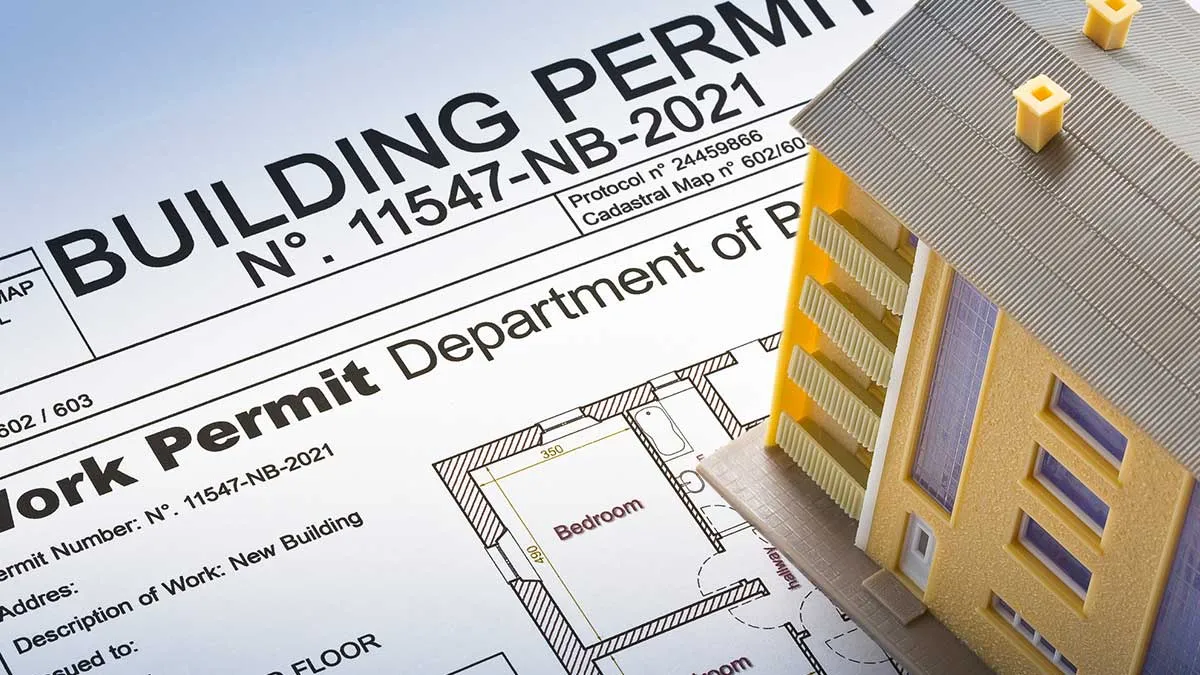
What requires a permit? Common Permitting Questions Answered.
Frequently asked questions about permitting include the need for permits for various projects, such as home renovations, additions, or remodeling projects. Understanding the permitting requirements for your specific project is essential for avoiding costly mistakes and ensuring compliance with local regulations.
Q: What happens if I build without a permit? A: Undertaking construction work without the necessary permits can lead to significant consequences and complications. If you proceed with building without obtaining the necessary permits, you risk facing legal, financial, and safety issues.
Q: Do I require a permit for structural modifications? A: Structural modifications such as removing load-bearing walls or adding an accessory dwelling unit typically require a permit.
Q: What about minor repairs or cosmetic upgrades? A: Minor repairs or cosmetic upgrades like wallpapering or installing hardwood floors may not require a permit, whereas adding a new window or removing an existing window will require plans drawn to ensure compliance.
Q: What steps should I take if I build without a permit? A: If construction is carried out without permits, it’s crucial to have the work assessed by a qualified structural engineer. Subsequently, as-built drawings must be submitted to the local planning authorities to assess regulation compliance. Failure to obtain permits can result in fines, penalties, and legal consequences.
Q: Do I need a permit for a home improvement project? A: Yes, if your renovation involves structural modifications or changes to the “bones” of your house, such as removing load-bearing walls, you will likely require a permit. Minor renovations like replacing cabinets or countertops may not require a permit, but it’s essential to check with your local A&E expert. Different rules apply in different jurisdictions, and separate permits may be required for different types of work.
Q: What about additions to the home? Adding any structure to your home, including room additions or building an accessory dwelling unit, requires permits. It’s essential to comply with zoning regulations, HOA requirements, and other local ordinances in addition to obtaining building permits.
Q: Is a permit necessary to finish my basement? A: Most cities require permits for finishing basements, especially if the project involves significant structural modifications or changes to plumbing or electrical systems. Ensuring compliance with the code is crucial to avoid issues when selling your home.
Q: What about remodeling my bathroom? A: If your bathroom remodel involves structural changes, rerouting plumbing or electrical systems, or altering the original floor plan, you will likely need a permit. Cosmetic upgrades like replacing fixtures may not require permits but always check with your local building department.
Q: Do I need a permit to build a deck? A: Yes, building a deck typically requires permits, as there are specific requirements regarding height, square footage, and structural integrity. Please obtain deck construction permits to avoid fines that may complicate future home sales.
Q: What about building a shed or fence? A: The need for permits for sheds and fences varies depending on factors such as size, location, and local regulations. In most cases, larger sheds and sure fences require permits, so checking with your building department is essential.
Q: What should I do if I need clarification on whether I need a permit? A: If you need clarification on whether your project requires a permit, it’s best to consult a professional, such as a licensed contractor or structural engineer. They can assess your project and help you navigate the permitting process to ensure compliance with local regulations.
What Happens if I Built Without a Permit?
Undertaking construction work without the required permits can lead to significant consequences and complications. If you proceed with building without obtaining the necessary licenses, you risk facing legal, financial, and safety issues. The homeowner’s insurance company may not cover any damages to a property where illegal works have been undertaken. This includes plumbing and electrical work, which have been the downfall of many homeowners.
Assessment by an Engineer and Submission of As-Built Drawings
If construction is carried out without permits, it becomes imperative to have the work assessed by a qualified structural engineer. The engineer will evaluate the construction to ensure its safety and structural integrity. Subsequently, as-built drawings must be submitted to the local planning authorities. These drawings depict the construction as completed and will require a final inspection by your local building inspector to ensure compliance. They are essential for assessing compliance with regulations.
Potential Changes and Additional Costs
Submitting as-built drawings may reveal discrepancies or non-compliance with building codes. Consequently, the local planning authorities may require modifications to the completed work and multiple inspections from various professionals. These modifications could entail structural alterations, changes to building materials, or other adjustments to ensure compliance. Implementing these changes may result in additional costs, including expenses for hiring contractors, purchasing materials, or resubmitting permit applications.
Fines and Penalties
Local authorities can impose fines for construction undertaken without the necessary permits. Joint remodeling projects often become nightmares without a license.
Compliance is Key
Given the potential legal and financial consequences of building without permits, it is crucial to prioritize compliance with permitting requirements from the outset. Obtaining permits ensures construction projects meet safety standards, legal regulations, and building codes. By adhering to proper procedures and consulting with your local A&E expert regarding what requires a permit, you can save time and money with a minimal impact on the total cost of your home remodeling project.
Key Takeaways
- Align Your Space with Your Lifestyle: A successful redesign starts with identifying your current layout’s pain points. Focus on creating a floor plan that solves daily frustrations by improving traffic flow, maximizing natural light, and ensuring every room has a clear purpose.
- Structural Changes Require an Engineer: If your plans involve moving or removing walls, a structural engineer is an essential part of your team. They work alongside your architect to guarantee the changes are safe, sound, and compliant with building codes, protecting your home’s integrity.
- Plan for Success with Permits and a Budget: Before demolition begins, secure all necessary building permits and create a detailed budget that includes a 10-20% contingency fund. These crucial steps prevent costly fines, protect your home’s future value, and ensure a smoother renovation process.
