
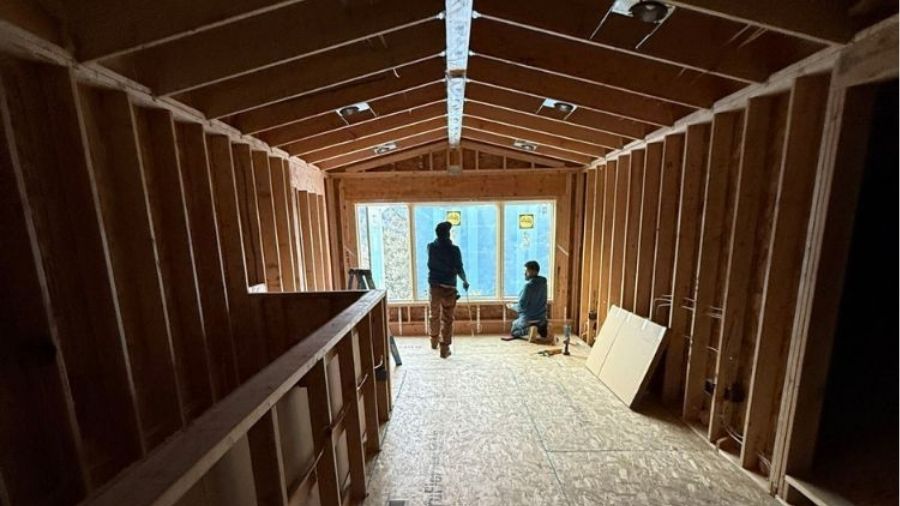
If you love your neighborhood but are quickly running out of living space, you’ve probably weighed the options: move or remodel? Moving is a massive undertaking, both financially and emotionally. A partial second-story addition offers a smarter path forward, allowing you to invest in the home you already own. This strategic project adds valuable square footage right where you need it most, preserving your yard and minimizing disruption. It’s a practical way to increase your property’s value while creating a more functional home for your family. The most inspiring partial second story addition before and after transformations begin with a solid plan, ensuring your investment is safe, sound, and built to last for years to come.
The best home renovations are the ones that solve a real problem. Maybe your family is growing, you’re working from home permanently, or you’re just tired of feeling cramped. A partial second-story addition is a fantastic way to create a home that truly fits your life without the stress and expense of moving. This type of project allows you to design a dedicated space for a specific need, whether it’s a peaceful primary retreat or a much-needed playroom for the kids. It’s an investment in your daily comfort and your home’s long-term value. The most satisfying partial second story addition before and after photos aren’t just about looks; they show a home that now works perfectly for the people who live in it.
Key Takeaways
- Expand Your Home Without Moving: A partial second-story addition is a targeted way to get the extra room you need, like a primary suite or home office, without the high cost of a full build-out or the stress of finding a new house.
- Put Structural Safety First: Before you get lost in design, you must confirm your home’s foundation can handle the added weight. A professional structural inspection is the most critical first step to ensure your project is safe and to establish a realistic budget.
- Budget for Reality and Build the Right Team: Plan for a total project cost between $80,000 and $200,000, and always include a 10-20% contingency fund for surprises. Assembling an experienced team of architects, engineers, and a contractor is essential to protect your investment.
What Is a Partial Second-Story Addition?
If you love your home but are running out of room, building up instead of out can be a brilliant solution. A partial second-story addition is exactly what it sounds like: adding new living space above just one section of your existing home. Think about building a new primary suite over your garage, adding a home office above the living room, or creating a playroom on top of a single-story wing of your house. This type of project lets you expand your home’s functional space without sacrificing your yard.
Unlike a full second-story addition that covers your home’s entire footprint, a partial add-on offers more flexibility. It allows you to target the exact area where you need more space without committing to a massive, whole-house overhaul. This approach can be less disruptive to your daily life and is often a more budget-friendly way to get the square footage you need. The key to a successful project is starting with a solid plan, which includes getting a professional structural inspection to ensure your home can support the new weight. An engineer can assess your foundation and framing to determine what’s possible. From there, you can work with an architect to design a space that feels like it was always meant to be there.
Full vs. Partial Additions: What’s the Real Difference?
The main difference between a full and partial second-story addition comes down to scope and scale. A full addition means adding an entire new level across your home, essentially doubling your footprint vertically. A partial addition is more targeted, focusing on a specific zone. Because the project is smaller, a partial add-on is generally less expensive, with costs often ranging from $80,000 to $200,000. The final price tag depends on the size, design complexity, and what kind of structural reinforcements your home’s foundation and frame might need to safely support the new structure.
Smart Places to Add a Partial Second Story
So, where are the best places to build a partial second-story addition? Building above the garage is one of the most popular choices. It’s a fantastic way to create a separate living space, like an in-law suite, a rental unit, or a private primary bedroom. This location often requires fewer major changes to the main house’s structure. Another common spot is over a sturdy, single-story section of your home, like a porch or family room. By focusing on these areas, you can get the space you need while minimizing the impact on your home’s existing layout and roofline, making your home addition plans more manageable.
Is a Partial Second-Story Addition Right for You?
If you love your home but are starting to feel a bit cramped, you’ve probably weighed your options. Do you go through the stress of selling and moving, or do you take on a massive renovation? A partial second-story addition offers a fantastic middle ground. It’s a strategic way to get the extra room you need—whether it’s for a growing family, a dedicated home office, or a private primary suite—without the full-scale disruption of a complete second-floor build-out or the headache of house hunting.
This type of project allows you to add significant square footage right where you need it most, often over a garage or an existing one-story wing of your house. It’s a smart, targeted approach to expansion that can transform how you live in your home. By building up instead of out, you preserve your yard space while gaining valuable living area. If you’re looking for a solution that balances your budget, timeline, and desire for more room, exploring home addition plans for a partial second story could be the perfect next step.
Why Building Up Can Be Cheaper Than Moving Out
Let’s be honest: moving is expensive. Between closing costs, realtor fees, and the sheer cost of a larger home in the Denver area, the numbers add up quickly. A partial second-story addition is often a more affordable path to getting the space you need. Because you’re not building an entire new level, the scope of the project is smaller, requiring fewer materials and less labor than a full build-out. This makes it a smart way for growing families to get more space without buying a new house or tearing down their current one. It’s an investment in the home you already own and love, tailored to fit your budget and your needs.
How a Partial Addition Minimizes Disruption
One of the biggest hesitations with any major renovation is the chaos it brings to your daily routine. A key advantage of a partial second-story addition is that it’s generally less disruptive. Typically, this kind of project doesn’t require removing the entire roof, which means the construction timeline is often shorter and creates less mess. In many cases, your family can continue living in the home while the work is underway, containing the construction zone to one area. This is a huge benefit compared to a full-scale addition, which can make your home unlivable for months. You get the gain without as much pain.
Add Space and Increase Your Home’s Value
Beyond creating a more comfortable living situation, a well-designed addition is a solid financial investment. Adding a second story, even a partial one, can significantly increase your home’s worth, especially in high-demand areas. You’re not just adding a room; you’re adding valuable square footage that will be reflected in your home’s appraisal value. Whether you create a luxurious primary suite or a pair of kids’ rooms, the new space enhances your property’s appeal to future buyers. To ensure that value is built on a solid footing, a proper structural inspection is the critical first step in the process.
Understanding the Return on Investment (ROI)
When you’re planning a big project like this, it’s natural to focus on the cost. But a partial second-story addition is more than an expense—it’s an investment that can really pay off. A well-planned addition can significantly increase your home’s market value, potentially by as much as 65%. You’re adding desirable square footage that directly impacts your home’s appraisal value and makes it more attractive to future buyers. It’s a smart way to invest in the home you already love, adding functional space for your family now and long-term financial value for the future. To maximize that return, it’s crucial to start with a solid plan, which includes professional architectural design to ensure the new space is both beautiful and functional.
Exploring Alternatives: Is an Addition Your Best Option?
A partial second-story addition is a strategic way to get the extra room you need—whether it’s for a growing family, a dedicated home office, or a private primary suite—without the full-scale disruption of a complete second-floor build-out or the headache of house hunting. This type of project allows you to expand your home’s functional space without sacrificing your yard, making it a smart choice for homeowners who love their current location but need more room. By working with a professional team, you can develop home addition plans that seamlessly integrate the new space with your existing structure, making it feel like it was always part of the original design.
Less Expensive Ways to Add Space
Let’s be honest: moving is expensive. Between closing costs, realtor fees, and the sheer cost of a larger home, the numbers add up quickly. A partial second-story addition is often a more affordable path to getting the space you need. Because you’re not building an entire new level, the scope of the project is smaller, requiring fewer materials and less labor than a full build-out. This makes it a smart way for growing families to get more space without buying a new house or tearing down their current one. It’s a targeted investment that addresses your specific needs while keeping your budget in check.
Moving vs. Remodeling: Making the Right Choice
A partial second-story addition offers a fantastic middle ground. It’s a targeted way to get the extra room you need without the high cost of a full build-out or the stress of finding a new house. This approach can be less disruptive to your daily life and is often a more budget-friendly way to get the square footage you need. Making the right choice starts with understanding what your home can handle. A thorough structural engineer inspection is the essential first step to confirm your foundation can support the new weight, ensuring your investment is safe, sound, and built to last.
What Can You Create with the Extra Space?
Now for the fun part: dreaming up what you’ll do with all that new square footage. A partial second-story addition opens up a world of possibilities for making your home more functional and enjoyable. Whether you’re craving a private escape, more room for your family to grow, or a flexible space that can adapt to your needs, building up is a fantastic way to get it. Here are a few popular ideas to get you started.
Create a Dreamy Primary Suite or Private Retreat
A partial second-story addition is the perfect opportunity to create the primary suite you’ve always wanted. Imagine a private sanctuary away from the hustle and bustle of the main floor. Designing a dedicated space with a bedroom, an en-suite bathroom, and a walk-in closet gives you a personal retreat to unwind. This isn’t just about adding a room; it’s about creating a space that truly feels like your own. Our team can help you design home addition plans that transform your vision for a peaceful, private escape into a beautifully designed reality, adding both comfort and significant value to your home.
Build a Dedicated Kids’ Zone or Playroom
If your main floor is starting to feel overrun with toys and school projects, moving the kids’ space upstairs can be a game-changer. Building a special area for them to sleep, study, and play helps keep the rest of your home tidy and gives them a space to call their own. This separation fosters independence and contains the creative chaos to one zone. Our architecture service can help you design a fun and functional playroom, separate bedrooms for growing kids, or a dedicated homework nook. It’s a smart way to restore order to your main living areas while giving your children a place to thrive.
Carve Out a Quiet Home Office or Media Room
In a busy household, finding a quiet corner for work or relaxation can feel impossible. A partial second-story addition offers the perfect solution. You can design a dedicated home office that’s separate from the main living areas, giving you the peace you need to focus. Or, create a cozy media room for family movie nights and gaming sessions. These home addition plans can be designed to serve multiple purposes—a hobby room, a workout area, or even a comfortable guest room for when friends and family visit. It’s all about creating a versatile room that adapts to your family’s changing needs.
How Much Does a Partial Second-Story Addition Cost?
Let’s talk numbers. Budget is one of the first things you’ll consider when planning a major home project, and it’s smart to have a realistic idea of the investment from the start. While every project is unique, we can look at typical ranges to help you create a baseline. A partial second-story addition is almost always more cost-effective than a full build-out, but several key factors will shape your final budget. From the size of the space to the condition of your home’s existing structure, understanding these variables will help you plan more effectively and avoid surprises down the road.
What to Expect Per Square Foot
As a starting point, you can expect the average cost for a partial second-story addition to fall somewhere between $200 and $350 per square foot. This range typically covers the basic construction, including framing, roofing, siding, and standard interior finishes. Think of this as a helpful ballpark figure for initial estimates. For example, a 400-square-foot addition could land anywhere from $80,000 to $140,000. This per-square-foot cost gives you a way to compare the relative expense of different-sized projects as you begin to explore your options.
Typical Cost Breakdowns for Common Additions
To give you a clearer picture, a partial second-story addition generally lands in the $80,000 to $200,000 range. The final price tag really depends on the specifics of your project. A simple bedroom addition will be on the lower end, while a luxurious primary suite with a high-end bathroom will push you toward the higher figure. The biggest variable, however, is what’s happening beneath the surface. Your home’s existing structure must be able to support the new weight, and sometimes that requires significant reinforcement. This is why a thorough structural assessment is non-negotiable. An engineer will determine if your home needs updates to its foundation engineering or framing, which is a critical factor in your overall budget.
Setting a Realistic Budget for Your Addition
Looking at the total project, most partial second-story additions cost between $80,000 and $200,000. This all-in price accounts for everything from architectural plans and permits to labor and materials. Of course, projects with high-end finishes, luxury bathrooms, or complex structural requirements can exceed this range. This wider budget window reflects the many choices you’ll make along the way. It’s a good reminder that your design decisions and material selections will have a direct impact on the final price tag.
The 30% Rule for Smart Budgeting
When you’re planning a big project like this, it’s easy to get carried away with the design details, but your budget is the foundation of a successful renovation. A great guideline to keep your spending in check is the 30% Rule, which suggests that you shouldn’t spend more than 30% of your home’s total value on any single project. Following this rule helps ensure your investment is sound and prevents you from over-capitalizing—that is, spending more on the renovation than you’d get back if you were to sell your home. On top of that, it’s always smart to build a 10-20% contingency fund into your budget. This buffer gives you peace of mind to handle any surprises that come up during construction, which is a key part of creating realistic home addition plans.
Key Factors That Affect Your Final Price
So, what pushes a project toward the lower or higher end of that range? The final cost depends on a few key variables. The size and complexity of your design are major drivers; a simple bedroom addition will cost less than a primary suite with a vaulted ceiling and a spa-like bathroom. The quality of your finishes—from flooring to fixtures—also plays a big role.
However, the most significant factor is your home’s existing structure. A professional assessment is needed to determine if your foundation and first-floor framing can support the added weight. If they can’t, you’ll need to budget for reinforcements, which can add a substantial amount to the cost. This is why partnering with experienced architects and engineers from the beginning is the best way to get an accurate and comprehensive budget.
Practical Ways to Save Money on Your Addition
While a partial second-story addition is a significant investment, there are plenty of smart ways to manage your budget without sacrificing quality. It’s not about cutting corners on the important things, like structural integrity, but about making strategic choices that keep costs in check. With a little planning and some savvy decisions, you can get the beautiful new space you want while keeping your finances on track. Here are a couple of practical strategies to consider.
DIY Finishing Work to Cut Costs
If you’re handy and have some experience with home projects, taking on some of the finishing work yourself is a fantastic way to save on labor costs. Tasks like painting the interior walls, installing baseboards, or handling the final cleanup are manageable for many homeowners and can shave a surprising amount off your contractor’s bill. This concept, often called “sweat equity,” allows you to contribute directly to the project. Just be realistic about your skill set. It’s best to leave the complex jobs to the pros, but tackling these smaller, final-touch items gives you more control over your budget and a real sense of ownership over your new space.
Choose Standard Materials Over Custom
Another effective way to save is by opting for standard, off-the-shelf materials instead of custom-made ones. Choosing standard-sized windows and doors from a major supplier, for example, is almost always more affordable than ordering custom dimensions. The same goes for cabinetry, plumbing fixtures, and lighting. You can also save money upfront by selecting more budget-friendly finishes now with a plan to upgrade them later. A simple, classic light fixture can look great for a few years until you’re ready to splurge on a statement piece. Discussing these options with your design team early on will help you create home addition plans that align with your budget from day one.
Is Your Home Strong Enough for an Addition?
Adding a new level to your home is exciting, but it’s a major construction project that goes far beyond picking out paint colors and flooring. Before you get lost in design ideas, you have to address the bones of your house. Building up means adding a significant amount of weight and complexity to your existing structure, and your home needs to be ready for it. This is where the technical planning comes in, and it’s the most critical phase of the entire project.
Getting the structure right is a non-negotiable, and it’s absolutely a job for professionals. A successful partial second-story addition hinges on a thorough structural inspection and a solid engineering plan. You’ll need an experienced team to assess your home’s current condition and design the necessary reinforcements to ensure the new space is safe, stable, and seamlessly integrated. We’ll walk through the three biggest structural hurdles you’ll need to clear: your foundation’s strength, the new roofline design, and the integration of essential home systems.
Can Your Foundation Handle the Weight?
First things first: can your home’s foundation take on the extra load? Every part of your new addition—the walls, the roof, the furniture, and even the people in it—adds thousands of pounds of weight that your original foundation was likely not designed to support. A structural engineer will need to perform a detailed assessment to determine if your foundation and footings are up to the task. This is one of the biggest variables in your project’s budget. As the experts at Cedreo note, the cost of an addition depends heavily on “whether your existing foundation and structure can support the additional weight without major reinforcements.” A foundation engineer can identify what, if any, upgrades are needed to safely build up.
The Reality: Most Foundations Need Reinforcement
It’s a common hope for homeowners that their existing foundation is already strong enough to support a new addition. The reality, however, is that most single-story homes were built with a foundation designed to support just that—a single story. The original plans didn’t account for the thousands of extra pounds a new level would add. This isn’t a project-killer; it’s just a critical planning step. A structural inspection is the only way to know for sure. An experienced team of foundation engineers will assess your home’s current condition and design the necessary reinforcements to ensure the new space is safe and stable. This often involves strengthening the existing foundation or adding new footings to properly distribute the new load, which is a standard part of the process for most upward expansions.
How to Seamlessly Blend Your New Roofline
A successful addition should look like it was always part of your home, not an awkward box plopped on top. Achieving that seamless look is all about the roofline. This is where architecture and engineering work hand-in-hand. The design needs to be aesthetically pleasing while also being structurally sound and properly weatherproofed. According to Cronin Engineering, “detailed house plans are the backbone of any successful second story addition.” Your plans must show exactly how the new roof structure will tie into the existing one, ensuring proper drainage and preventing leaks. This requires careful planning to create a transition that is both beautiful and built to last, which is a core part of any home addition plan.
Connecting the Essentials: HVAC, Electrical, and Plumbing
Your new space won’t be much of a retreat if it’s freezing in the winter and sweltering in the summer. Integrating your home’s mechanical systems is a crucial piece of the puzzle that needs to be solved early in the design phase. You’ll need to figure out how to extend plumbing, electrical, and HVAC services to the new level. Can your current furnace and AC unit handle the extra square footage, or will you need a separate, zoned system? How will you run new wiring and pipes without causing major disruption to the floor below? As Cronin Engineering points out, you must “consider how the new second story addition integrates with existing utilities.” Planning this from the start prevents costly surprises and ensures your new addition is comfortable and fully functional from day one.
Common (and Costly) Mistakes to Avoid
A partial second-story addition is an exciting project, but it’s also a complex one. While it’s easy to get swept up in design ideas, overlooking a few key fundamentals can turn your dream into a costly headache. A little foresight prevents budget overruns, construction delays, and a final result you’re less than thrilled with. Let’s walk through the most common mistakes homeowners make so you can steer clear of them from the start. Getting these things right ensures your investment is protected and your new space is safe, sound, and beautiful for years to come.
Why You Can’t Ignore Your Home’s Structure
Before you think about floor plans, you must address the most critical question: can your home handle the extra weight? Adding a new level puts immense stress on your existing foundation and frame. Assuming it’s strong enough is a gamble that can lead to cracked walls or even foundation failure. The only way to know for sure is to have a professional conduct a structural inspection. An engineer will assess your home’s condition and determine what reinforcements are needed to safely support the addition, ensuring the longevity of your entire home.
Ceiling Joists vs. Floor Joists: A Critical Distinction
It’s easy to look up into your attic, see a network of wooden beams, and assume you have a ready-made floor for your new addition. However, there’s a critical difference between ceiling joists and floor joists. Ceiling joists are designed simply to hold up the drywall ceiling below them and some light insulation—they aren’t built to support the weight of people, furniture, and walls. Floor joists, on the other hand, are much stronger and are engineered to handle those heavy “live loads.” Trying to build a new room on top of ceiling joists is a serious safety risk. A key part of any structural engineering plan for an addition involves assessing this system and designing the necessary upgrades to safely support your new space.
The High Cost of Skipping Permits and Pros
The temptation to cut corners on paperwork can be strong, but this is one area you shouldn’t. Building permits aren’t just red tape; they exist to ensure your project meets local safety standards. Skipping them can result in hefty fines, work stoppages, or even an order to tear down your new addition. A complex project like this requires professional oversight. An experienced residential architect or engineer won’t just create the plans; they will ensure the project is compliant with all building codes and help you get the necessary approvals.
The Dangers of a DIY Second-Story Addition
While tackling a home project yourself can be rewarding, a partial second-story addition is not the place to test your DIY skills. This is a complex undertaking where the stakes are incredibly high. The biggest danger lies in underestimating the structural requirements. Without a professional structural inspection, you have no way of knowing if your home’s foundation and frame can support thousands of pounds of new weight. Getting this wrong can lead to catastrophic failure. Beyond the structural risks, you’re also dealing with complex building codes, permits, and the integration of electrical and plumbing systems. A single mistake can compromise your family’s safety and lead to costly repairs. This is one project where hiring a team of experienced professionals is the smartest and safest investment you can make.
How to Avoid the ‘Stuck-On’ Look
You want your new addition to feel like it’s always been part of your home, not an awkward afterthought. A common mistake is focusing so much on the interior that the exterior is neglected, which can hurt your home’s curb appeal and value. The new roofline should blend seamlessly with the old, windows should match the existing style, and the proportions need to be visually balanced. Working with a design professional ensures your home addition plans result in a cohesive look that enhances your home’s character rather than detracting from it.
How to Design an Addition You’ll Love
The most exciting part of any home project is imagining the final result. This is where you get to dream big and think about how your new space will look, feel, and function. A successful addition isn’t just about adding square footage; it’s about creating a space that enhances your life and feels like a natural extension of your home. A thoughtful design process considers everything from the roofline and window placement to the flow of traffic between rooms. It’s the difference between a tacked-on box and a beautifully integrated part of your house.
Getting the design right from the start prevents costly changes down the road and ensures you end up with a space you truly enjoy. Whether you’re sketching ideas on a napkin or creating a mood board on Pinterest, focusing on a few key principles will help guide your project toward success. This is the stage where you can really define what you need—more bedrooms, a dedicated office, or a quiet retreat. Partnering with a design and engineering team can help translate your vision into a buildable reality, ensuring your new addition is both beautiful and structurally sound. The goal is to create a space that feels like it was always meant to be there.
How to Match Your Home’s Existing Style
A great addition doesn’t scream “I’m new!” Instead, it should blend in so well that it looks like it was part of the original home design. Achieving this seamless integration means carefully considering your home’s existing architectural style, materials, and roof design. The new siding, window trim, and roofing should match or complement what’s already there. An experienced team can help you create a cohesive look that respects your home’s character while giving you the modern space you need. This is where professional architecture services become invaluable, ensuring the final product is harmonious and beautiful.
Let the Light In: Maximizing Windows and Views
One of the best ways to make a new space feel inviting is to fill it with natural light. When designing your addition, think about window placement to capture the best light throughout the day and frame any nice views you might have. Don’t be afraid to think beyond standard windows—skylights, vaulted ceilings, or even a small balcony can make a room feel larger and more open. These additions can also create interesting new features, like a second-story fireplace or a bridge overlooking a living room. Thoughtful home addition plans will incorporate these elements to create a bright, airy, and enjoyable space.
Create a Floor Plan That Actually Works
A beautiful room is only useful if it functions well for your family. A partial second-story addition means building new space above only part of your existing home, like over the garage or a single-story wing. It’s a smart way for growing families to get more space without the hassle of moving. Think about how you’ll move through the new area and how it connects to the rest of the house. Where will the stairs go? How will the new hallway flow into the existing one? A well-designed floor plan prioritizes logic and ease of movement, ensuring your new rooms are practical for everyday life.
Could a Modular or Prefab Addition Be Right for You?
When you picture a home addition, you might imagine months of on-site construction. But there’s another approach worth considering: a modular or prefab addition. These structures are built off-site in a factory and then delivered and installed at your home, which can significantly shorten the construction timeline and reduce the disruption to your daily life. This efficient process often makes them a more cost-effective choice compared to traditional stick-built projects. However, just because the addition is built elsewhere doesn’t change the physics. It still adds a massive amount of weight to your house. That’s why a thorough structural inspection is a non-negotiable first step to ensure your home’s foundation and framing can safely support the new unit.
Getting It Approved: Your Guide to Permits
Before the first hammer swings, you’ll need to work through the necessary paperwork. This phase is all about making sure your beautiful new addition is safe, structurally sound, and compliant with local regulations. It can feel like a bit of a maze, but tackling the permitting process with a solid plan and the right experts on your side makes all the difference. This isn’t a step you can afford to skip—it protects your home, your investment, and your family.
Understanding Local Building Codes
Every city and county has its own set of rules for construction, known as building codes. These regulations cover everything from the height of your ceilings to the size of your windows and the type of electrical wiring you can use. Because second-floor additions are technically complex projects, your plans must meet these specific requirements. An experienced architect or designer will be your guide, translating your vision into a blueprint that satisfies all local codes. They’ll handle the details so you can focus on the exciting parts of your home addition project.
Why You Need a Professional Engineer’s Stamp
Your home’s original foundation and walls were only designed to support one story. Adding a second level puts significant new stress on the entire structure. That’s why you’ll need a structural engineer to assess your home and confirm it can handle the extra weight. Once they’ve designed the necessary supports, they’ll put their official stamp on your building plans. This stamp is a formal verification that the design is structurally sound and safe. Most building departments won’t even look at your application without it. Investing in this expertise from the start is the best way to prevent costly repairs down the road.
How Long Does the Approval Process Take?
Patience is key during the approval phase. After you submit your plans to the local building department, they go into a queue for review. A plan checker will go over every detail to ensure it complies with building codes. The timeline can vary from a few weeks to several months, depending on how busy your local office is and the complexity of your project. If the reviewer requests changes, your architect or engineer will need to make revisions and resubmit. The best way to keep things moving is to submit a complete and professional set of plans from the very beginning.
Who to Hire for Your Second-Story Addition
A successful addition isn’t just about great design—it’s about having the right people in your corner. Your team will turn your vision into a reality, so choosing them carefully is one of the most important steps in the entire process. Think of your architect, engineer, and contractor as your partners who will guide you from initial sketches to the final walkthrough.
How to Choose the Right Architect and Engineer
Your architect and engineer are the first key players you’ll bring on board. The architect is your creative visionary, focusing on how the new space will look, feel, and function. They’ll work with you to design an addition that blends beautifully with your home’s existing style. The structural engineer, on the other hand, makes sure that vision is safe and buildable. They’ll assess your home’s foundation and structure to confirm it can handle the extra weight. Finding a firm that provides integrated architecture and engineering services can make this process much smoother, ensuring your design is both beautiful and structurally sound from day one.
How to Vet Contractors and Builders
Once you have your plans, it’s time to find a contractor to bring them to life. A great contractor is organized, communicative, and has a solid track record. Start by asking for recommendations and checking online reviews, but don’t stop there. Always verify their license and insurance, and be sure to call their references. Ask previous clients about their experience with communication, timelines, and budget. A good builder will also be an expert on local building codes and any neighborhood rules, helping you avoid costly surprises. Get at least three detailed bids, but remember that the cheapest option isn’t always the best.
The Power of Three: Getting Multiple Contractor Quotes
Getting at least three detailed quotes is a non-negotiable step in hiring a contractor. This isn’t just about finding the lowest price; it’s about making an informed decision for a major investment. A cheap bid might mean lower-quality materials, an incomplete scope of work, or a contractor who cuts corners. When you compare bids side-by-side, look closely at the details. Are the material allowances the same? Is the timeline realistic? Does one contractor provide a more thorough breakdown of costs? This process reveals a lot about a builder’s professionalism and transparency. Choosing the right contractor is just as important as creating solid home addition plans, as they are the ones who will bring your project to life.
Who’s Managing the Project?
With your team in place, you need a designated project manager to keep everything on track. This person is the central point of communication, coordinating everyone from the framers to the electricians. Sometimes the architect or lead contractor fills this role, but it’s crucial to clarify who is responsible for the day-to-day management. Detailed house plans are the backbone of a smooth project, giving the manager a clear roadmap to follow. Effective project management ensures your addition is completed on time and within budget, minimizing stress and making the construction process feel much more manageable.
How to Ensure Your Project Runs Smoothly
Once your designs are finalized and your team is in place, the focus shifts to managing the project itself. A successful addition isn’t just about the final result; it’s also about making the process as smooth and stress-free as possible. This is where thoughtful planning makes all the difference. By thinking through the logistics of budget, timeline, and daily life, you can stay in control of your project and avoid common headaches.
Think of this as your project management headquarters. We’ll walk through the three most important elements to get right: establishing a solid budget and timeline, figuring out how to live in your home while it’s a construction zone, and building a financial safety net for those inevitable surprises. Getting these pieces sorted out before the first hammer swings will set you up for a much better experience and help ensure your project stays on track.
How to Set a Realistic Timeline and Budget
Let’s talk numbers first. A partial second-story addition is a significant investment, and having a realistic budget from day one is critical. Costs can range widely, but many projects fall somewhere between $80,000 and $200,000. This depends on the square footage, the complexity of your design, and whether your home’s existing structure can support the extra weight without major reinforcements. Your architect and engineer will help you understand the scope of your home addition plans and how that translates to cost. When you review bids from contractors, make sure you’re comparing apples to apples and that everything is clearly itemized. Similarly, work with your builder to map out a detailed timeline that accounts for each phase, from demolition to the final coat of paint.
A Complete Project Timeline: From Design to Finish
A partial second-story addition is a marathon, not a sprint, with the entire process often taking between six months and a year from start to finish. The initial design phase can last up to three months as you work with your architect and engineer to finalize the layout, materials, and structural requirements. This is where you and your team will finalize the details of your home addition plans, so it’s important not to rush. Next comes the permitting process, which can easily add another six weeks or more while you wait for city approval. Once you have the green light, the active construction phase typically lasts between three and six months. The final stretch involves finishing work like drywall, painting, and flooring, which can take another one to two months to complete. Understanding this timeline helps you set realistic expectations for the journey ahead.
What to Expect While Living Through Construction
Living in a construction zone requires patience and a plan. A second-story addition involves significant demolition of your roof, and as one expert notes, it creates “a lot more interruption and re-working of the plumbing systems and A/C gear in your attic and walls.” You’ll have crews in your home, and there will be dust and noise. Before the work begins, talk with your family about how you’ll handle the disruption. You might set up a temporary kitchen in the basement, designate a “no-work” zone for quiet time, or even plan a short getaway during the loudest phases of the project. Clear communication with your contractor about their daily schedule can also help you plan your days accordingly.
The Big Question: Should You Move Out During Construction?
This is one of the biggest logistical hurdles to figure out. While a partial addition is less disruptive than a full build-out, you’ll still be living in a construction zone. For some projects, it’s possible to stay, but you need to be realistic about the noise, dust, and safety concerns, especially if you have kids or pets. Many homeowners find that moving out, even for a short time, is the best way to preserve their sanity. Some sources suggest you will likely need to move out for safety and should budget for a rental home. The best approach is to have a frank conversation with your contractor about the expected level of disruption. They can give you a clear idea of what daily life will look like, helping you decide whether to stay or go when finalizing your home addition plans.
Why You Need a Contingency Fund
If there’s one piece of advice to take to heart, it’s this: have a contingency fund. This is a separate stash of money, typically 10-20% of your total project cost, set aside specifically for unexpected issues. And with a renovation, the unexpected often happens. Once walls are opened up, you might discover outdated electrical wiring, hidden plumbing leaks, or other problems that need to be addressed. A forensic structural engineer is an expert at uncovering these types of hidden issues. Your contingency fund ensures you can handle these surprises without derailing your budget or compromising on the quality of the work. It’s the financial safety net that protects your investment and your peace of mind.
Protecting Your Investment During Construction
Once the dust starts to fly, your role shifts from planner to project overseer. This is when having clear agreements and practical strategies in place becomes essential for protecting your home, your budget, and your sanity. A well-managed construction phase is all about proactive communication and setting clear expectations with your contractor from day one. By focusing on a few key areas, you can ensure the process stays on track and your investment is secure, allowing you to focus on the exciting transformation happening in your home.
Tie Payments to Milestones, Not the Calendar
One of the best ways to protect your finances is to structure your payment schedule around project milestones, not the calendar. This means you release funds only after specific, pre-defined stages of work are completed and inspected to your satisfaction—for example, after the framing is finished or the new roof is installed. This approach keeps you in control and incentivizes your contractor to make steady progress. Before any work begins, make sure this payment schedule is detailed in your contract. A well-defined agreement is a core part of any successful home addition plan, as it ensures both you and your builder are aligned on expectations for quality and timing, preventing misunderstandings down the line.
Keeping Your Home Safe and Clean
Living through a renovation is messy, but you can minimize the chaos with some smart preparation. Work with your contractor to seal off the construction zone from the rest of your house using plastic sheeting and temporary walls. Cover furniture in nearby rooms and protect your floors with durable coverings. It’s also a good idea to shut down and cover any HVAC vents in the work area to keep dust from circulating through your home—and plan on changing your air filters more frequently. According to Bob Vila, establishing a single entry and exit point for the crew can also limit the tracking of dirt and dust throughout the house. A little planning goes a long way in keeping your living space clean and safe during the project.
Related Articles
- Residential Structural Engineering Services: Your Homeowner’s Guide
- Do I Need A Permit For Structural Modifications?
- Structural Engineer Home Inspection
Frequently Asked Questions
How do I know if my house can handle a second-story addition? This is the most important question, and the short answer is that you can’t know for sure without a professional assessment. Your home’s original foundation was built to support its current weight, and adding a new level introduces a massive new load. The only way to determine if your home is up to the task is to hire a structural engineer to perform a thorough inspection of your foundation, footings, and existing frame. They will identify what, if any, reinforcements are needed to make your project safe and successful.
What’s the very first step I should take if I’m considering this project? Before you get too deep into floor plans or finishes, your first move should be to consult with a firm that offers integrated architecture and engineering services. This initial conversation will help you understand the feasibility of your project from both a design and a structural standpoint. An expert can give you a realistic idea of what’s possible with your home and your budget, and guide you through the critical first steps of a structural assessment and preliminary design.
Can I really live in my home while the work is being done? In many cases, yes, but it requires some planning and patience. A partial second-story addition is generally less disruptive than a full build-out because the work is concentrated over one section of your home. However, there will be noise, dust, and a crew of people around. It’s wise to set up a “construction-free” zone in your house and communicate clearly with your contractor about their daily schedule. Some families plan a short trip during the most intensive phases, like when the roof is being opened up.
How long does a project like this typically take from start to finish? The timeline can vary quite a bit depending on the scope of your project, the permitting process in your city, and even the weather. Generally, you can expect the design and approval phase to take a few months. Once construction begins, a straightforward partial addition might take anywhere from three to six months to complete. More complex projects with significant structural work or high-end finishes can certainly take longer. Your contractor should provide a detailed schedule before work begins.
Is it better to build a partial addition over the garage or another part of the house? Building over the garage is a popular choice for a reason. The garage often has a simpler structure and is slightly separate from the main living areas, which can make construction less disruptive. It’s an ideal spot for creating a private primary suite or an accessory dwelling unit. However, the best location really depends on your home’s layout and your foundation’s strength. An addition over a single-story family room or kitchen wing can also be a fantastic option for integrating new bedrooms or a playroom more directly with your existing living space.
