
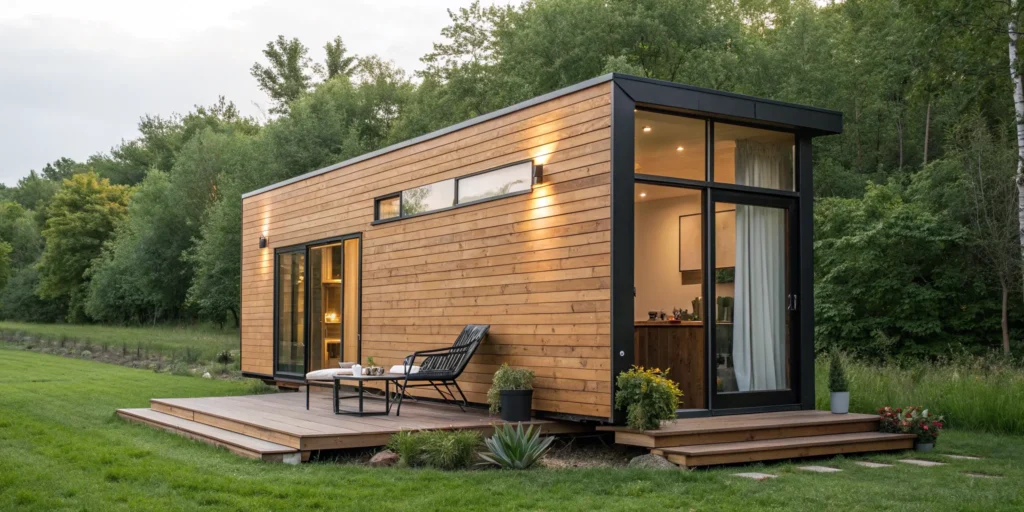
Fitting two bedrooms into 400 square feet sounds like a puzzle, but it’s one that designers are solving beautifully. This isn’t about shrinking a standard house; it’s about smart, intentional design from the ground up. Every inch matters. A clever 400 sq ft room design can transform a tiny footprint into a home that feels open, functional, and surprisingly spacious. We’re seeing these brilliant 400 sq ft house plans 2 bedroom used for everything from backyard cottages to full-time minimalist homes, proving you don’t need a massive amount of space to live well.
Key Takeaways
- Maximize your footprint with a strategic layout: A successful 400 sq ft home relies on an open-concept living area, multi-functional furniture, and vertical solutions like lofts to feel spacious and support your daily life.
- Ensure your plan is buildable and legal: Before committing to a design, confirm it meets local zoning laws and building codes for your property. Partnering with architects and engineers guarantees your home is safe, compliant, and tailored to your needs.
- Solve small-space challenges with intentional design: Address potential issues like clutter and lack of privacy from the very beginning. Integrate built-in storage and use smart dividers or pocket doors to create a home that’s organized and comfortable.
What Is a 400 Sq Ft 2-Bedroom House Plan?
When you hear “400 square feet,” you might picture a generous two-car garage, not a home with two separate bedrooms. But that’s exactly what a 400 sq ft 2-bedroom house plan is: a blueprint for a compact, thoughtfully designed home that makes the most of every single inch. These tiny homes are not about compromise; they’re about clever, efficient living.
These plans are becoming increasingly popular for a variety of uses, from stylish backyard guest cottages and rental properties to minimalist primary residences. The key isn’t the size of the footprint, but the intelligence of the design. A well-executed plan can create a space that feels open, functional, and surprisingly comfortable, proving that you don’t need a massive house to live well. It’s all about prioritizing smart layouts and multi-functional spaces to build a home that fits your life perfectly.
Getting to Know the Compact Lifestyle
At its heart, compact living is about efficiency. It’s a shift in perspective from wanting more space to using space more wisely. These house plans are designed to combine functionality with comfort, offering practical solutions for small living spaces. Instead of hallways that eat up square footage, you’ll find open-concept areas. Instead of wasted corners, you’ll see integrated storage. The goal is to create a home that supports your lifestyle without the burden of maintaining a large property. This approach is perfect for building an ADU (Accessory Dwelling Unit) in your backyard, creating a private space for family or generating rental income. It’s about living with intention and enjoying a beautifully designed home, no matter the size.
Visualizing the Space: What 400 Sq Ft Looks Like
It can be tough to picture 400 square feet in the abstract. Think of a standard two-car garage or a large, upscale hotel room. Now, imagine that space transformed. Instead of cars and tools, you have an open-concept living area where every element serves a purpose. A successful 400 sq ft home isn’t about compromise; it’s about clever, efficient living. The design focuses on creating a flow that feels spacious and supports your daily life. By eliminating wasted areas like long hallways and incorporating smart storage solutions, the layout feels intentional and uncluttered, proving that a small footprint can still deliver a big impact on comfort and usability.
The magic lies in a layout that combines functionality with comfort. This often means using vertical space to your advantage, like incorporating a lofted bedroom to free up the main floor for living, dining, and kitchen activities. Multi-functional furniture is also a game-changer—think of a coffee table that rises to become a dining table or a sofa with built-in storage. These aren’t just tricks; they are core principles of small-space design that make a compact home feel organized and inviting. When you plan an addition or a new build, focusing on these integrated solutions from the start ensures your home is perfectly tailored to your needs, no matter the square footage.
Fitting Two Bedrooms into a Small Footprint
Fitting two private sleeping areas into 400 square feet might sound like a puzzle, but it’s entirely achievable with a smart layout. The secret lies in an open floor plan that combines the living area, kitchen, and dining space into one bright, airy great room. This eliminates walls that would otherwise chop up the small footprint and make it feel cramped. The bedrooms themselves are typically modest, designed to comfortably fit a bed and a small closet, providing the privacy you need without taking up unnecessary space. Our approach to residential architecture focuses on creating these kinds of well-designed layouts that maximize every inch, ensuring your small home is both functional and a joy to live in.
Types of Tiny Homes: Foundation vs. Wheels
Once you start exploring 400 sq ft house plans, you’ll quickly discover they fall into two main categories: those built on a permanent foundation and those built on wheels. This isn’t just a minor detail—it’s a fundamental choice that shapes the entire project, from legal requirements to your day-to-day lifestyle. A tiny house on a foundation is treated much like a traditional home, subject to local building codes and zoning laws. It’s a permanent addition to a piece of property. On the other hand, a tiny house on wheels is often classified as a recreational vehicle (RV), which comes with a completely different set of rules and possibilities. Your decision will influence where you can place your home, the types of permits you’ll need, and how you connect to utilities, so it’s one of the first and most important things to figure out.
Tiny House on a Foundation (THOF)
A tiny house on a foundation (THOF) is for anyone who loves the minimalist ethos but wants the stability of a traditional home. These structures are built directly on a piece of land, just like a standard house, making them a permanent and durable housing solution. This route requires you to own land, secure the proper building permits, and connect to essential utilities like water, sewer, and electricity. Because it’s a permanent structure, the design and construction process is more involved. You’ll need robust architectural plans and solid foundation engineering to ensure your home is safe, stable, and compliant with local codes. This makes THOFs the perfect option for building a backyard ADU, a guest house, or a primary residence for those who have found their perfect spot and aren’t planning on moving.
Tiny House on Wheels (THOW)
If your vision of tiny living includes the freedom of the open road, a tiny house on wheels (THOW) is probably what you’re picturing. Built on a trailer chassis, a THOW is designed for mobility, giving you the flexibility to change your scenery whenever you want. This option is ideal for adventurers, digital nomads, or anyone who isn’t ready to settle down in one place. Since THOWs are often classified as RVs, they can bypass many traditional building codes and property taxes, which can be a major financial advantage. However, this classification also means you’ll need to navigate a different set of regulations, primarily concerning where you can legally park your home, both for short-term stays and long-term living. It’s a trade-off: you gain incredible freedom, but you also have to plan your logistics more carefully.
The Benefits and Logistics of Mobility
The biggest draw of a THOW is, of course, its mobility. You can hitch your home to a capable truck and tow it to a new city, a national park, or a friend’s backyard. But moving a house, even a tiny one, requires some planning. The cost and complexity depend on factors like the distance of the move, the size and weight of your home, and whether you’ll need special permits for an oversized load. While you can hire “power-only” services where a professional driver hooks up to your trailer and moves it for you, it’s an added expense to consider. This mobility offers unparalleled freedom and the ability to live a more nomadic lifestyle, but it’s important to have a realistic understanding of the logistics involved before you commit to life on wheels.
Can You Really Fit Two Bedrooms in 400 Square Feet?
It might sound like a puzzle, but yes, you absolutely can fit two bedrooms into 400 square feet. The catch? You can’t just shrink a standard floor plan and hope for the best. Success hinges on clever, intentional design that makes every inch work for you. It’s less about compromise and more about creativity. By focusing on a strategic layout, embracing multi-functional spaces, and thinking vertically, you can create a small home that feels surprisingly spacious and perfectly functional for your needs. Let’s look at how you can pull it off.
Start with a Smarter Layout
The foundation of a successful small home is a smart layout. In a 400-square-foot space, there’s no room for wasted square footage, which means things like long, empty hallways are out. The goal is to create a floor plan that combines functionality with comfort. This involves carefully placing rooms to create a natural flow and using design strategies like open-concept living areas to make the home feel larger. By working with a designer, you can develop a layout that not only fits two bedrooms but also ensures they are comfortable, private, and practical for everyday living.
Design Rooms That Do Double Duty
When space is at a premium, every room needs to be a multitasker. Instead of dedicating an entire room to a single purpose, think about how it can serve you in multiple ways. These compact designs are perfect for minimalist living, allowing for rooms that serve multiple purposes. For example, a living area can easily double as a guest space with a high-quality sofa bed or a stylish Murphy bed that folds away during the day. A dining nook can feature a table that collapses or folds out to become a dedicated workspace. This approach gives you the flexibility you need without sacrificing the essentials.
Think Vertically: Add a Loft Bedroom
When you can’t build out, build up. Utilizing vertical space is a classic strategy in small home design, and for good reason. Adding a loft for the second bedroom can effectively double your sleeping space without increasing the home’s footprint. This approach is perfect for creating a cozy, semi-private sleeping area that doesn’t completely close off the main living space, helping maintain an open, airy feel. Designing an Accessory Dwelling Unit (ADU) or a small home with a loft requires careful structural planning to ensure safety and compliance with building codes, so it’s a great idea to work with an engineer from the start.
Where to Find 400 Sq Ft 2-Bedroom House Plans
Once you have a clear idea of what you need, the fun part begins: finding the perfect plan. You can start by browsing online collections of pre-designed house plans to gather inspiration and see what’s possible. These sites are fantastic for seeing different layouts and styles in action. However, a unique project like a 400 sq ft, 2-bedroom home often benefits from a personal touch to make sure it perfectly fits your property and lifestyle.
Level Engineering
While stock plans are a great starting point, partnering with an architecture and engineering firm gives you the freedom to create a home that’s truly yours. A custom design ensures every square inch is tailored to your needs, from the placement of windows to the flow of the living space. At Level Engineering, we specialize in creating custom ADU plans and small homes that are both beautiful and functional. We can help you design a plan from scratch or modify an existing idea to comply with local zoning laws and building codes, ensuring your project is a success from the ground up.
Monster House Plans
If you want to explore a wide range of pre-made options, Monster House Plans is a solid place to start. They offer a collection of 400 square foot house plans with well-designed layouts that maximize every bit of space. You’ll find that their compact designs are thoughtfully created for anyone looking for minimalist living solutions. Browsing their selection can give you a great sense of how different designers approach the challenge of fitting two bedrooms into a tiny footprint, which can be incredibly helpful as you refine your own ideas.
Houseplans.com
For those who love variety, Houseplans.com is another fantastic resource. You can find some of the best 400 sq. ft. tiny house plans in a huge range of styles, whether you’re dreaming of a cute beach cottage, a rustic cabin, or a sleek modern home. The site makes it easy to filter for one or two-bedroom options that fit within a compact space. It’s a great resource for discovering different architectural aesthetics and seeing how they can be adapted to a smaller scale, helping you pinpoint the exact look and feel you want for your home.
The House Designers
If you’re looking for designs that feel efficient, modern, and homey all at once, check out The House Designers. They provide a range of house plans that are well-utilized and thoughtfully laid out. Their collection includes plenty of options to suit different tastes, making it a valuable stop for anyone interested in 400 sq ft designs. This is a great place to find inspiration for creating a space that feels both contemporary and comfortable, proving that you don’t have to sacrifice warmth and character just because you’re living small.
Smart Design Features for a Spacious Feel
Living in 400 square feet doesn’t have to feel like a compromise. With the right design choices, a small home can feel open, organized, and incredibly comfortable. The secret is to think strategically about every single inch of your floor plan. Smart design isn’t just about aesthetics; it’s about creating a functional space that supports your lifestyle. By focusing on features that create flow, add storage, and serve multiple purposes, you can build a two-bedroom home that feels surprisingly spacious.
Whether you’re planning a new build from scratch or working on an extensive remodel, these design principles are key to making a compact footprint work for you. It’s about being intentional with your layout and furnishings to create a home that’s both beautiful and practical. From removing walls to choosing the right furniture, every decision plays a role in how large your home feels. Let’s look at the most effective strategies for maximizing your space.
Choose an Open Floor Plan
One of the most impactful features of a small home is an open floor plan. These designs typically combine the living room, kitchen, and dining area into one large, cohesive space. By removing interior walls, you instantly create longer sightlines that make the home feel bigger. This layout also enhances the flow of natural light, which is crucial for preventing a small space from feeling dark and closed-in. An open concept is perfect for both everyday living and entertaining, as it creates a more social and connected atmosphere. It’s a foundational element in many modern new home building plans for a reason—it just works.
Work in Some Built-In Storage
Clutter is the enemy of small-space living, and built-in storage is your best defense. Instead of filling your rooms with bulky, freestanding furniture, well-designed layouts maximize every inch by incorporating storage directly into the home’s structure. Think window seats with hidden compartments, floor-to-ceiling bookshelves, or custom cabinetry that seamlessly blends into the walls. These solutions keep your belongings organized and out of sight without taking up precious floor space. When planning a home addition or remodel, integrating smart storage from the start is one of the best investments you can make for long-term functionality and a clean, minimalist look.
Opt for Convertible Furniture
When your space is limited, every piece of furniture should work hard. Convertible furniture that serves multiple purposes is a game-changer for compact living. A coffee table that lifts to become a dining table, a sofa that pulls out into a guest bed, or an ottoman with hidden storage can transform a room’s function in seconds. This approach allows you to adapt your space to your needs without adding more clutter. For example, a Murphy bed can free up an entire room for use as a home office or workout area during the day. Choosing multi-functional pieces is a practical and clever way to get the most out of your 400 square feet.
Use Your Vertical Space
Don’t forget to look up! When floor space is at a premium, your walls offer a ton of untapped potential. Using vertical space for storage and decor draws the eye upward, creating an illusion of height and making the entire room feel larger and more organized. Consider installing tall, narrow bookshelves, floating shelves, or hanging plants to get items off the floor. A lofted bed is another brilliant solution, especially in ADU plans, as it opens up the area underneath for a desk or a cozy seating nook. By thinking vertically, you can dramatically increase your home’s storage capacity and visual appeal without sacrificing a single square foot of living area.
Extend Your Living Space Outdoors
Your living space doesn’t have to stop at your front door. When you’re working with a compact footprint, the outdoors becomes your most valuable asset. A well-designed deck, patio, or even a small courtyard can function as an extension of your home, effectively adding another room for dining, relaxing, or entertaining. Creating a seamless transition with large glass doors or a covered porch helps blur the line between inside and out, making the entire property feel more spacious and connected. This is especially true for backyard cottages, where smart ADU plans often integrate outdoor living areas to maximize the functionality and enjoyment of the compact lifestyle.
What Does It Cost to Build a 400 Sq Ft 2-Bedroom Home?
Figuring out the budget is one of the first and most important steps in any building project. While a 400-square-foot home is significantly more affordable than a standard-sized house, the total cost depends on many factors, from your location to the finishes you choose. On average, a new home build can range anywhere from $117,000 to over $450,000, but a compact home will naturally fall at the very low end of that spectrum.
The final price tag is a combination of three main things: the design plans, the core construction costs, and your material selections. Understanding how these pieces fit together will help you create a realistic budget and make smart decisions along the way. Working with a team that specializes in new home building plans can help you get a clear and accurate estimate tailored to your specific vision and property.
How Much Do House Plans Cost?
Your journey starts with a set of architectural plans. You can find pre-made stock plans online for a few hundred to a couple of thousand dollars. However, for a unique space like a 400-square-foot, two-bedroom home, a custom design is often the best investment. Custom plans ensure the layout perfectly suits your needs, maximizes every inch of space, and complies with local building codes. At Level Engineering, our architectural services focus on creating thoughtful, efficient designs that bring your vision to life while respecting your budget. The cost for custom plans is a small fraction of your total project budget but has a massive impact on the final result.
Breaking Down Construction Costs
Beyond the visible structure, a large portion of your budget will go toward the essential systems that make a house a home. These major installations can range from $30,000 to $75,000 for a standard build, and while costs will be lower for a tiny home, they don’t scale down perfectly. You’ll still need rough-in plumbing for the kitchen and bathroom, a complete electrical system, and an efficient HVAC system. For example, electrical hookups can run between $20,000 and $30,000, while plumbing might cost between $7,000 and $15,000. These foundational elements are critical for a safe and comfortable home, regardless of its size.
Average Building Costs
When you look at the structure itself, a good rule of thumb for new construction is to budget between $150 and $250 per square foot. For a 400-square-foot home, that puts the basic build cost in the range of $60,000 to $100,000. This figure generally covers the “shell” of the house—the foundation, framing, siding, roofing, and the installation of windows and doors. Of course, this is an estimate, and your final cost will depend heavily on your material choices and local labor rates. A critical piece of this puzzle is the foundation; getting the foundation engineering right from the start is essential for the long-term safety and stability of your home, ensuring your investment is built on solid ground.
How Material Choices Impact Your Budget
This is where you have the most control over your budget. The materials you choose for everything from siding and roofing to flooring and countertops will significantly influence the final cost. Opting for high-end, luxury finishes will create a beautiful result but will also increase your expenses. On the other hand, choosing standard, durable materials can help you stay on budget without sacrificing quality. It’s all about finding the right balance for your priorities. Labor costs and the complexity of your design also play a role, so it’s important to discuss these details with your builder and design team from the start.
Budgeting for Additional Expenses
Beyond the costs of plans, labor, and materials, your total budget needs to account for several other essential expenses. These are the costs that bring your project from a blueprint to a livable home, and they can add up quickly if you’re not prepared. Things like the foundation, utility hookups, and necessary permits are non-negotiable and play a huge role in the overall price tag. Thinking through these items from the very beginning will give you a much more realistic picture of your total investment and help you avoid any surprise costs down the road. It’s all part of the process of turning your vision into a safe, legal, and fully functional home.
Foundations and Trailers
Every home needs a solid base, and for a 400-square-foot house, you generally have two options. If you want a permanent structure, you’ll need a traditional foundation, which can cost between $7,000 and $10,000. This is a critical structural component, and it’s essential to work with professionals to ensure it’s done right. Proper foundation engineering guarantees your home is stable, safe, and built to last. Alternatively, if you’re building a tiny home on wheels (THOW), you’ll need to purchase a specialized trailer. These typically run from $5,500 to $9,500 and give you the flexibility to move your home in the future, though they come with their own set of regulations.
Permits and Utility Hookups
Navigating the world of permits and utilities is a crucial step you can’t afford to overlook. No matter where you build, you will need permits, and the cost can range from a few hundred to several thousand dollars depending on your local municipality. For a home on a permanent foundation, you’ll also need to budget for utility hookups to connect to the local water, sewer, and electrical grids. These costs can vary dramatically based on how far your home is from existing lines. It’s always best to check with your local city hall or planning department early on to understand the specific requirements and fees for your property.
Understanding the Financial Implications
Building a small home is an exciting venture, but it’s also a significant financial decision with long-term implications. Beyond the upfront construction costs, it’s important to think about how your new home will function as an asset over time. Factors like property taxes and resale value are tied directly to the choices you make during the planning phase, such as opting for a permanent foundation versus a mobile trailer. Understanding these financial nuances will help you make informed decisions that align with both your lifestyle goals and your long-term financial well-being, ensuring your tiny home is a smart investment for years to come.
Property Taxes: Wheels vs. Foundation
The type of base you choose for your home directly impacts how it’s taxed. A tiny home on wheels is often classified as a recreational vehicle (RV). This means you won’t pay traditional property taxes, but you may have annual registration fees and costs for parking if you’re renting a spot. On the other hand, a home built on a permanent foundation is considered real property. This means you will need to own the land it sits on and will be responsible for paying annual property taxes, just like any other homeowner. This is a key distinction to consider as you weigh the pros and cons of each building style.
Long-Term Investment Value
It’s important to have realistic expectations about your home’s long-term investment potential. Generally, larger homes in desirable locations tend to appreciate in value more over time. While a 400-square-foot home offers incredible lifestyle benefits and affordability, it may not grow in value at the same rate as a traditional-sized house. However, a well-designed and legally permitted small home, especially an Accessory Dwelling Unit (ADU), can still add significant value to your overall property. The key is to focus on quality construction and timeless design to ensure your home remains a desirable asset, whether you plan to live in it forever or sell it down the line.
Is Living in 400 Sq Ft Right for You?
Choosing to live in a 400-square-foot home is a big decision that comes with a unique set of benefits and challenges. On one hand, compact living offers a simpler, more intentional lifestyle with lower costs and less maintenance. It pushes you to be creative with your space and mindful of your possessions. On the other hand, it requires careful planning to avoid feeling cramped and to ensure you have enough storage and privacy for everyone inside.
Well-designed layouts can make a small footprint feel surprisingly spacious and comfortable. The key is to understand the trade-offs and decide if they align with your personal needs and priorities. Before you commit to a small home, it’s helpful to weigh the advantages against the potential drawbacks. This balanced perspective will help you determine if this minimalist approach is the right fit for you and your family.
The Benefits of Living Small
One of the biggest draws of a smaller home is the financial freedom it can offer. With less square footage, construction costs are typically lower, as are monthly utility bills and property taxes. You’ll also spend far less time cleaning and maintaining your home, freeing up your weekends for other activities. This lifestyle encourages you to live more intentionally, keeping only the things you truly need and love. A well-designed small home, like an ADU, combines functionality with comfort, proving that you don’t need a lot of space to live well. It’s a practical solution for anyone looking to simplify their life and reduce their environmental footprint.
Common Challenges (and Their Solutions)
Living in a small space forces you to get smart about storage. Without a plan, clutter can quickly take over and make your home feel chaotic and cramped. The solution lies in clever design choices from the very beginning. Think about integrating built-in shelving, under-bed storage, and furniture that serves multiple purposes, like an ottoman with hidden storage or a dining table that folds away. An open floor plan can also make the area feel larger, but it requires thoughtful zoning. With some careful planning and smart choices, you can transform a 400-square-foot space into a highly functional and cozy home where everything has its place.
The Social Dynamics of Sharing a Small Space
Sharing 400 square feet with another person is as much a social experiment as it is a design challenge. It requires teamwork, communication, and a whole lot of respect for each other’s personal space. Two people can absolutely live comfortably in a small home, but it works best when you approach it as a partnership. This means having open conversations about everything from furniture choices to quiet hours. A thoughtful architectural design can help by creating subtle zones for privacy, even in an open-concept layout. A well-placed bookshelf can divide a room, or a small nook can become a dedicated personal retreat. It’s about making conscious choices together to ensure your home is a sanctuary for both of you.
Daily Organization and Storage Solutions
In a small home, organization isn’t just a nice-to-have; it’s essential for your sanity. Clutter is the number one enemy of a compact space, and the best way to fight it is with a proactive strategy. This means thinking about storage from the very beginning of the design process. Instead of trying to fit bulky, freestanding furniture into tight corners, focus on integrating storage directly into the home’s structure. When you plan a remodel or new build, you can incorporate solutions like built-in shelving, under-bed drawers, and multi-purpose furniture. By creating a designated spot for everything you own, you make daily tidying effortless and maintain the open, airy feel of your home.
How to Find Privacy in a Small Home
When you’re sharing a 400-square-foot home, creating a sense of personal space is essential. This is especially true in a two-bedroom layout where multiple people need their own retreat. Instead of traditional swinging doors that eat up valuable floor space, consider pocket doors or sliding barn doors. You can also use furniture, like an open-backed bookshelf or a decorative screen, to act as a room divider that separates zones without completely closing them off. The right architectural design will make every inch count, using clever layouts to build in privacy without sacrificing the home’s open and airy feel.
Navigating Zoning Laws and Building Codes
Before you get too attached to a specific house plan, you need to do some homework on your local rules and regulations. This is the less glamorous side of building, but it’s absolutely critical. Zoning laws dictate what you can build on your property, while building codes set the standards for how you must build it to ensure it’s safe and habitable. These rules can vary significantly from one city to the next, so what’s allowed in one neighborhood might be prohibited in another. Getting this part wrong can lead to costly fines or even being forced to tear down your project.
This is where having an expert on your side makes all the difference. A professional team can review your property and plans to make sure everything is compliant from the start. At Level Engineering, we handle the complexities of local codes and zoning for our clients every day, ensuring their new home builds and ADUs are not only beautifully designed but also fully approved. It’s about building with confidence and avoiding stressful surprises down the road.
Key Building Code Requirements to Know
Building codes are all about safety and ensuring your home is a healthy place to live. They cover everything from the strength of your foundation to the placement of electrical outlets. For a small home, some of the most important codes relate to basic livability standards, like ensuring there’s enough headroom and a safe way to get out in an emergency. These aren’t just suggestions; they are legal requirements that every new construction project must meet. A thorough structural inspection during the building process confirms that all these standards are being followed correctly.
Ceiling Heights and Emergency Exits
You might not think about ceiling height often, but building codes certainly do. In most places, common areas need a ceiling that is at least 6 feet 8 inches tall to ensure the space feels comfortable and not claustrophobic. Another non-negotiable rule involves emergency exits. Every bedroom must have an emergency exit, which is typically a window of a specific size that’s low enough to the ground for someone to climb out of safely. These requirements are in place for your protection, ensuring you can escape quickly in case of a fire or other emergency.
Understanding Local Zoning Restrictions
While building codes focus on the structure itself, zoning laws are about how your property fits into the larger community. These local ordinances control land use, determining things like the minimum size of a house, how far it must be set back from the property line, and whether you can even build a second dwelling (like an ADU) in your backyard. Because these rules are created at the municipal level, they can be incredibly specific to your town or even your specific neighborhood. It’s essential to check with your local planning department before you start building.
Size Limits and Weather Considerations
One of the first zoning rules to check is whether your area has a minimum size requirement for a permanent home. Some municipalities have rules about how small a primary residence can be, which could impact your plans for a 400-square-foot house on a foundation. You also need to consider your local climate. A tiny home can be vulnerable to severe weather, so it’s crucial to choose a safe location and ensure the structure is engineered to withstand local conditions like high winds or heavy snow. A properly designed foundation is your home’s first line of defense, providing the stability needed to keep you safe no matter the weather.
How to Choose the Right 400 Sq Ft House Plan
Finding the perfect 400 sq ft house plan is an exciting step, but it involves more than just scrolling through layouts. The right plan needs to fit your daily life, your property, and your local building codes. Before you fall in love with a design, think through a few key factors to ensure your project is set up for success from day one.
Consider Your Lifestyle Needs
Before you get lost in floor plans, take a moment to think about how you actually live. Are you a homebody who loves a cozy evening in, or do you entertain guests often? Do you work from home and need a dedicated office nook? Maybe you have a hobby that requires extra storage. When you’re working with a small footprint, every square inch counts. A plan that looks great on paper might not work if it doesn’t support your daily routines. Making a list of your must-haves versus your nice-to-haves will help you zero in on designs that truly combine functionality with comfort.
Factor in Lot Size and Zoning
This step is crucial and can save you major headaches down the road. Every municipality has its own set of rules about what you can build, and where. You’ll need to look into local zoning laws, building codes, and specific property line setbacks. For example, if you’re building an Accessory Dwelling Unit (ADU), there might be specific size or height restrictions. It’s always a good idea to talk with your local planning department before you purchase a plan. They can confirm that your chosen design is feasible for your specific lot, ensuring you don’t invest in a plan you can’t actually use.
Work with Architects and Engineers
While pre-made plans are a fantastic starting point, they often need a professional eye to make them build-ready. A licensed architect or engineer can modify a stock plan to fit your unique needs or design a completely custom home from scratch. More importantly, they ensure your home is structurally sound and compliant with all local building codes, from the foundation to the roof. Working with a firm that offers comprehensive architecture and engineering services provides peace of mind, knowing that every detail has been expertly reviewed. This collaboration ensures your small home is not only beautiful but also safe and built to last.
Inspiring Design Trends for Small Homes
Living in a 400-square-foot home doesn’t mean you have to compromise on modern comforts or style. In fact, some of the most exciting design trends are perfectly suited for compact living. Today’s small home designs are all about smart, intentional choices that make your space more efficient, sustainable, and enjoyable. By focusing on quality over quantity, you can create a home that feels both luxurious and practical.
From eco-conscious materials that reduce your environmental footprint to smart technology that streamlines your daily routines, these trends are about enhancing your quality of life. It’s not about cramming everything into a tiny box; it’s about designing a home that works for you. Whether you’re building an Accessory Dwelling Unit (ADU) or embracing a minimalist lifestyle, incorporating these popular features will help you make the most of every square foot.
Go Green with Sustainable Features
Building small is already a step toward a more sustainable lifestyle, but you can take it even further by incorporating eco-friendly features into your design. These house plans combine functionality with comfort, offering practical solutions that are good for both you and the planet. Think about using reclaimed wood for flooring, installing energy-efficient windows to reduce heating and cooling costs, or choosing non-toxic paints.
Many small homeowners also add features like solar panels or rainwater harvesting systems to further minimize their environmental impact. These choices not only create a healthier living environment but can also lead to significant savings on utility bills over time. Our architectural services can help you integrate these sustainable elements seamlessly into your home’s design.
Integrating Smart Home Technology
Smart home technology is a game-changer for small spaces, helping you maximize every inch for minimalist living. It’s less about futuristic gadgets and more about creating a home that responds to your needs. Imagine lights that automatically adjust throughout the day, a thermostat that learns your schedule to save energy, or a security system you can monitor from your phone.
These integrated systems can be managed from a single device, reducing clutter and simplifying your daily life. Smart storage solutions, like automated lifts for out-of-reach cabinets, can also make a huge difference in a compact kitchen or bedroom. By building these features into your new home plans, you can create a highly functional and responsive living environment from the start.
Maximizing Natural Light
Nothing makes a small space feel larger and more inviting than an abundance of natural light. Many modern tiny house floor plans feature open layouts, porches, and large windows specifically for this reason. The goal is to blur the lines between inside and out, creating a bright, airy atmosphere.
You can achieve this with strategic design choices like installing skylights, using glass doors that lead to a patio, or keeping window treatments minimal. A thoughtful architectural design will consider the orientation of your home to capture the best light throughout the day. Pairing bright interiors with plenty of natural light is one of the most effective ways to make your 400-square-foot home feel open and spacious.
How to Make Your 400 Sq Ft Home Feel Bigger
Living in a 400-square-foot home doesn’t have to feel restrictive. With a bit of strategic design, you can create a space that feels open, airy, and surprisingly spacious. It’s all about making smart choices that trick the eye and maximize every square inch. From the colors you put on the walls to the furniture you select, every detail plays a role in shaping the perception of your home. Thoughtful planning can transform a compact footprint into a comfortable and functional living area. Whether you’re working on new home building plans or remodeling an existing space, these tips will help you make your small home feel much larger than its measurements suggest.
Use Smart Color and Lighting
The right color palette can work wonders in a small space. Paint your walls with light colors like soft whites, pale grays, or muted pastels to make rooms feel bigger and brighter. These shades reflect light, creating an open and airy atmosphere. You can also hang large mirrors on the walls to create an illusion of depth and bounce light around the room. When it comes to decor, keep it simple to avoid a cluttered look. Maximizing natural light is also key. If you’re designing an ADU or addition, talk to your architect about window placement to ensure you get as much sunlight as possible.
Choose the Right Furniture
In a small home, every piece of furniture needs to earn its keep. Opt for items that are both stylish and functional. Choose furniture that does more than one job, like an ottoman that also stores blankets or a couch that turns into a bed for guests. Look for pieces with a smaller visual footprint—a sofa with raised legs, for example, allows you to see more of the floor, which makes the room feel more open. A drop-leaf dining table can be folded down when not in use, and nesting coffee tables can be tucked away to free up floor space when you need it.
Get Creative with Storage
Effective storage is the secret to a happy small home. Instead of bulky dressers, use the space under your bed or inside ottomans. Don’t forget about the back of your doors—they’re perfect for hanging organizers for shoes or toiletries. The best strategy is to think vertically. Put up shelves that go high up the wall to draw the eye upward and provide storage for books and decor without taking up valuable floor space. When planning a remodel or addition, integrating built-in shelving and cabinets can create a seamless look while offering incredible storage solutions.
Related Articles
- Residential Architectural Design And Planning Services
- Building An ADU: A Comprehensive Guide
- Create An Open Floor Plan By Removing A Load Bearing Wall
- Accessory Dwelling Unit
- Removing A Fireplace From Middle Of House – Level Engineering
Frequently Asked Questions
What’s the very first step I should take if I want to build a 400 sq ft home? Before you fall in love with a specific design, your first step should be to research your local zoning laws and building codes. Understanding what you can legally build on your property—including rules about setbacks, height limits, and utility connections—will save you a lot of time and potential frustration. A quick call to your local planning department or a consultation with a firm that specializes in local architecture can give you the clarity you need to move forward confidently.
Is it difficult to get a building permit for a small home or ADU? It’s not necessarily more difficult, but it does require careful attention to detail. The permitting process for a small home is just as thorough as for a larger one. Officials will review your plans to ensure they meet all safety, structural, and land-use requirements. Working with an experienced architect and engineer from the start is the best way to ensure your plans are compliant and sail through the approval process smoothly.
How can I ensure there’s enough privacy for two people in such a small space? Privacy is all about intentional design. Beyond just having separate bedrooms, consider using solid-core doors to minimize noise transfer between rooms. A smart layout might place the bedrooms on opposite ends of the home, with a bathroom or closet in between to act as a sound buffer. You can also use pocket doors to save space while still creating a solid physical separation when you need it.
Are these small homes a good long-term investment? They absolutely can be. Because the initial construction cost is significantly lower than a traditional home, your upfront investment is smaller. These properties are also in high demand as rental units, especially ADUs in desirable neighborhoods, which can provide a steady income stream. As more people look for simpler, more sustainable living options, the appeal and resale value of well-designed small homes are likely to continue growing.
Can I just buy a plan online and give it to a builder? While online plans are a fantastic source of inspiration, they almost always need to be reviewed and modified by a licensed professional. An architect or engineer will need to adapt the plan to your specific property, climate, and local building codes. They will also produce the official, stamped documents required for permitting, ensuring your home is not only beautiful but also structurally sound and safe.
