
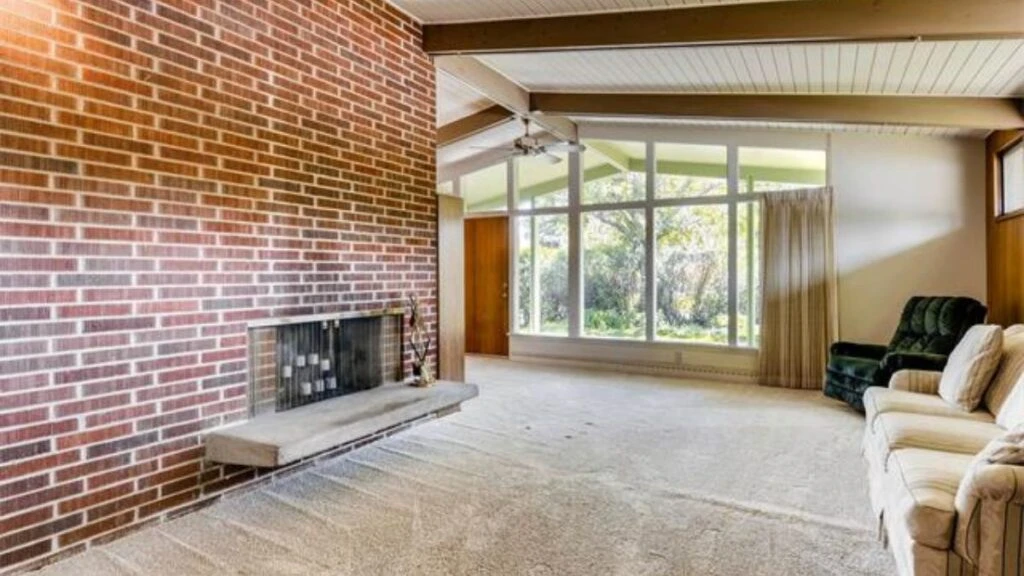
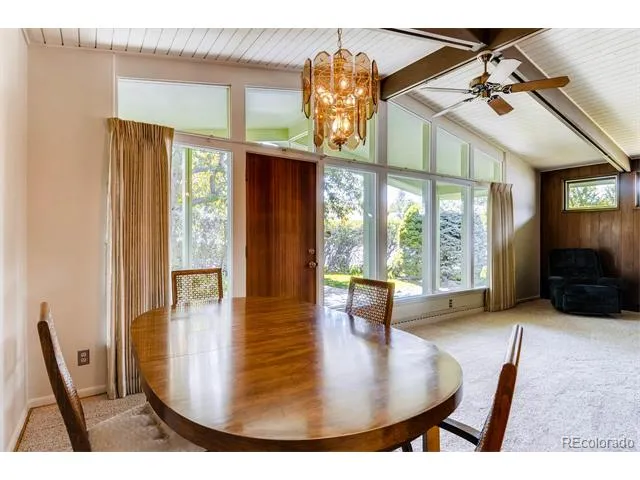
An open-plan living space is at the top of many renovation wish lists. But what do you do when a massive fireplace stands in the way—and it’s holding up the entire roof? That was the exact challenge with this modern home redesign. The goal was a clean, open look, but removing the fireplace was a complex job that required careful structural engineering. The finished product is absolutely amazing! You can see a few before pictures below, or click here to take a virtual tour of the incredible transformation.
What’s Involved in Removing a Fireplace?
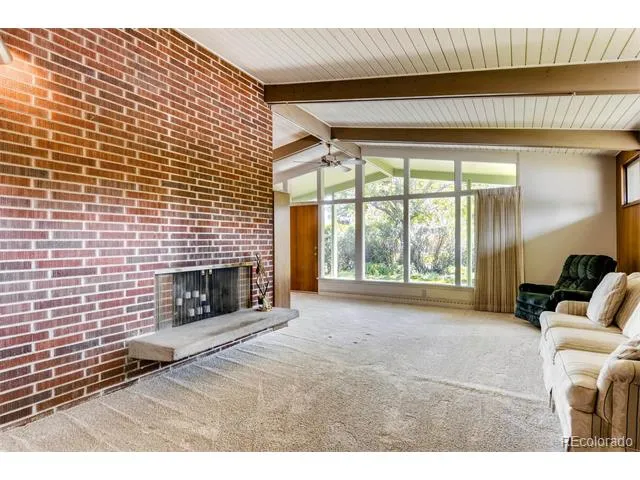
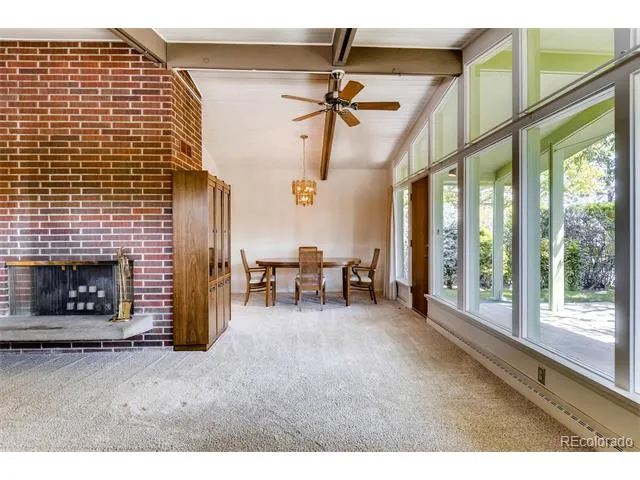
- The house had a large brick fireplace dividing the kitchen, living room and dining room.
- To accomplish an open plan design the fireplace was to be removed.
- The fireplace was holding up the entire roof of the main living area.
- For the fireplace to be removed, a beam had to be installed to support the roof.
- Due to the wonderful full wall windows the beam was restricted in width. This worked out well since the ceiling is vaulted.
- The beam was able to be fairly deep. The beam ended up spanning 26’ approximately, and completely opened up the main living area.
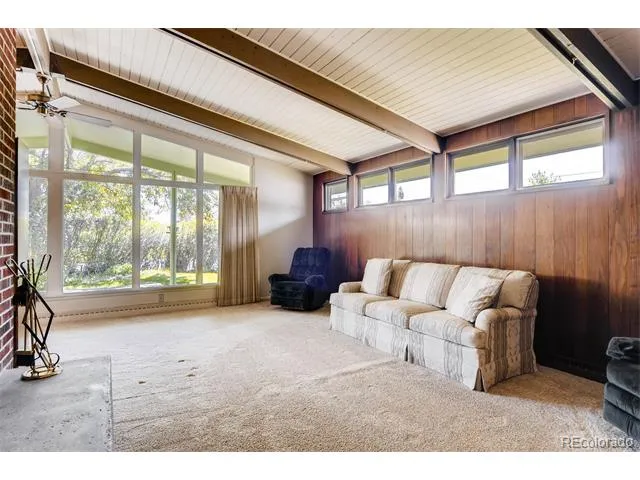
See attached pictures below to for the before remodel photos.
See attached link for the photos from after the remodel. (Get ready for your mind to be blown).
http://tours.virtuance.com/public/vtour/display/903003
Investor: Podium Properties, Ryan Borger
Contractor: Reliable Improvements, Dan Ewert
Engineer: Level Engineering, Scott Zurn
Reasons You Might Consider Removing a Fireplace
That cozy fireplace might have been a major selling point when you bought your home, but sometimes, it just doesn’t fit your vision anymore. Whether it’s cramping your style or causing practical headaches, you’re not alone in thinking about a change. Many homeowners are opting to remove their fireplaces to reclaim valuable floor space, create a more modern and open layout, or simply get rid of a feature they never use. The decision often comes down to a mix of aesthetics, functionality, and safety. An old, unused fireplace can be more than just an eyesore; it can be an energy drain or even a structural concern. Thinking through why you want it gone is the first step in figuring out the best way forward for your home and your lifestyle.
To Update Your Home’s Style and Layout
Let’s be honest: a bulky, floor-to-ceiling brick fireplace can dominate a room and dictate your entire furniture arrangement. If you’re dreaming of an open-concept living area, that massive hearth might be the main thing standing in your way. As one source notes, many people are removing them for “more space, a modern look, or better energy use.” Tearing out a fireplace can instantly make a room feel larger, brighter, and more flexible. It opens up possibilities for new layouts, like creating a seamless flow between your kitchen and living room or making space for that oversized sectional you’ve been eyeing. It’s a bold move, but it can completely transform the heart of your home.
To Address Safety and Structural Issues
Sometimes, the decision to remove a fireplace isn’t about style—it’s about safety. An old, deteriorating chimney can pose serious risks, from crumbling masonry to fire hazards. More importantly, the fireplace itself could be a critical part of your home’s structure. As one homeowner pointed out, “The biggest worry is if the fireplace or chimney is holding up any part of the building.” If you see cracks in the brickwork or notice the chimney is leaning, it’s time to call in a professional. A structural inspection can determine if the fireplace is load-bearing and assess its overall condition, giving you a clear picture of any potential dangers hiding in plain sight.
To Improve Energy Efficiency and Reduce Maintenance
A traditional wood-burning fireplace can feel wonderfully rustic, but it’s often not very practical. They are notoriously inefficient, as “a lot of heat escapes up the chimney,” pulling your warm, conditioned air out with it. This can lead to drafts and higher energy bills. On top of that, there’s the constant upkeep: scheduling chimney sweeps, cleaning out soot, and dealing with wood storage. If you’re tired of the maintenance and poor heating performance, removing the fireplace can help you create a more comfortable, energy-efficient home. You can seal up a significant source of heat loss and free up your weekends from chimney-related chores.
The Financials: Cost, Timeline, and Home Value
Once you’ve decided to move forward, the next big questions are usually about money and time. Removing a fireplace is a significant project, and it’s important to have a realistic understanding of the investment required. The total cost can vary widely based on the size and complexity of your fireplace, whether it’s a structural component of your home, and how much of the work you plan to do yourself. Beyond the demolition itself, you’ll need to budget for finishing work like repairing the wall, floor, and roof. It’s also wise to think about the project’s timeline, as it can disrupt your home for several days. Understanding these financial and logistical details will help you plan effectively and avoid any surprises along the way.
How Much Does Fireplace Removal Cost?
The cost of removing a fireplace isn’t one-size-fits-all. Factors like the material (brick is heavier and messier than a metal insert), location, and whether the chimney is shared with other units can all impact the price. On average, you can expect a full removal to cost around $4,500. However, that number can climb to “$10,000 for a large brick fireplace on a main support wall.” This higher price tag often reflects the need for significant structural work, such as installing a new beam to carry the load once the masonry is gone. Getting a detailed quote from a qualified contractor is the best way to understand the specific costs for your project.
Professional vs. DIY Costs
Tempted to save money by tackling the demolition yourself? The cost difference is certainly appealing. The price “to remove a fireplace yourself is low for tools and supplies ($25–$50), but hiring a professional can cost a lot, usually between $4,000 and $10,000.” While the initial savings are huge, it’s crucial to weigh them against the risks. Demolition is physically demanding and can be dangerous if you don’t know what you’re doing, especially if the structure is load-bearing. Hiring a pro costs more, but you’re paying for their expertise, insurance, and the peace of mind that the job will be done safely and correctly.
Additional Expenses to Plan For
The contractor’s quote for demolition is just one piece of the financial puzzle. Don’t forget to budget for other essential costs. You’ll likely need to pay for a dumpster rental for debris disposal and building permits from your city. The most critical preliminary expense is hiring a structural engineer to assess the fireplace, which is a non-negotiable step for safety. After the demolition, you’ll have finishing costs for patching the roof, walls, and flooring where the fireplace used to be. These “hidden” expenses can add up, so it’s smart to factor them into your overall budget from the start.
How Long Does the Project Take?
A full fireplace removal is typically a multi-day project. For a straightforward job, the process “usually takes 2 to 5 days.” This timeline covers everything from initial prep and demolition to hauling away the debris. However, if your project is more complex—for instance, if the fireplace is on an upper floor or is a massive, load-bearing structure—it could easily take a week or more. Your contractor can give you a more precise timeline based on your specific situation, but it’s a good idea to plan for at least a few days of noise, dust, and disruption in your home.
Will It Affect Your Home’s Resale Value?
This is the million-dollar question for many homeowners. The truth is, it depends. For some buyers, a fireplace is a must-have feature that adds charm and a cozy focal point. For others, “fireplaces… make rooms feel small and awkward,” and they’d rather have the extra space. Your local market trends also play a role. If you’re in an area with older homes where fireplaces are expected, removing one might be a drawback. However, if your remodel creates a stunning, open-concept space that aligns with modern tastes, it could be a huge selling point. It’s a bit of a gamble, but focusing on what makes the home more functional and beautiful for you is usually the best bet.
The Removal Process: Safety and Key Steps
Removing a fireplace is more than just swinging a sledgehammer. It’s a systematic process that requires careful planning and execution to ensure the safety of both you and your home. From the initial structural assessment to the final finishing touches, each step is crucial. The process begins with understanding exactly what you’re dealing with—is the fireplace a simple decorative feature or a vital structural support? From there, you’ll need to handle permits, prepare your home for the inevitable dust and debris, and then proceed with the demolition in a controlled manner. Following these key steps, ideally with professional guidance, will help ensure your project goes smoothly and safely from start to finish.
Step 1: Get a Structural Assessment
Before any demolition begins, the absolute first step is to figure out if your fireplace is supporting any part of your house. This is not something you can eyeball. You should “always hire a structural engineer to check if your fireplace is load-bearing.” An engineer can inspect the fireplace, chimney, and surrounding framing to determine its role in your home’s structure. This assessment is the foundation of a safe removal plan. It will tell you whether you need to install temporary supports during demolition and what kind of permanent beam or column system will be required to replace the support provided by the fireplace.
Why You Need an Engineer
An engineer does more than just say “yes” or “no” to whether a fireplace is load-bearing. If it is, they will design the solution. This involves calculating the loads from the roof and floors above and specifying the correct size and type of beam needed to carry that weight safely. These calculations result in formal plans that a contractor can use to build the new support system. At Level Engineering, we provide these crucial structural engineering services, creating detailed plans that ensure your home remains safe and sound long after the fireplace is gone. These professional plans are also typically required to get a building permit.
Step 2: Secure Permits and Permissions
Because fireplace removal is a major structural alteration, you will almost certainly need a permit from your local building department. Attempting to do this work without one can result in fines, stop-work orders, and major headaches when you eventually sell your home. Your contractor can usually handle the permit application process for you, but it’s your responsibility as the homeowner to ensure it’s done. The structural plans created by your engineer will be a key part of your permit application, demonstrating to the city that the work will be done correctly and according to code.
Step 3: Prepare Your Home for Demolition
Demolition is messy. Dust from brick, mortar, and plaster will get everywhere if you don’t take precautions. Before the work starts, seal off the work area from the rest of your house using plastic sheeting and tape over doorways and vents. It’s also critical to protect your floors. “Cover the floor with a heavy tarp, and maybe even plywood underneath for extra protection,” especially if you have hardwood floors. Move all furniture out of the room or cover it securely. Taking the time to prep the space thoroughly will save you a massive cleanup job later.
Dust Control and Safety Measures
Beyond sealing the room, consider renting an air scrubber to help capture airborne dust particles during demolition. Anyone in the work area should wear proper personal protective equipment (PPE), including safety glasses, a dust mask or respirator, and sturdy gloves. Ensure the area is well-ventilated by opening windows if possible. These simple safety measures protect both your health and your home during the messiest part of the project. A professional contractor will typically manage all of these precautions as part of their service.
Step 4: The Demolition Process
With the prep work done, the actual demolition can begin. The process should be methodical, not chaotic. The safest approach is to “start removing bricks from the top of the fireplace and work your way down to prevent collapses.” This applies to both the chimney stack outside and the fireplace inside. A professional crew will carefully dismantle the structure piece by piece, managing the debris as they go. If temporary supports are needed, they will be installed before any load-bearing sections are removed, ensuring the structural integrity of your home is maintained throughout the process.
Working from the Top Down
Why is the top-down method so important? A chimney is a tall, heavy structure, and starting at the bottom could cause the entire thing to collapse unexpectedly, damaging your home and posing a serious safety risk. By dismantling it from the top, workers can control the demolition and safely lower the materials to the ground. This controlled process is essential for managing the immense weight of the masonry and preventing accidents. It’s a physically demanding job that requires experience and the right equipment to do safely.
Step 5: Finishing the Job
Once the last brick has been hauled away, the project is far from over. The final step is to repair and restore the areas where the fireplace and chimney used to be. This involves patching the hole in your roof, repairing the subfloor, and framing and drywalling the empty space in your wall. The goal is to make it look like the fireplace was never there. This finishing work is what truly integrates the new, open space into the rest of your home, and it requires skilled tradespeople to get a seamless result.
Capping, Framing, and Restoration
The restoration phase involves several key tasks. On the roof, a roofer will need to patch the opening and ensure it’s completely weatherproof. Inside, a carpenter will frame the new wall and ceiling sections. If the fireplace was on an exterior wall, this will also include adding insulation and sheathing. Finally, a drywall contractor will hang and finish the new surfaces, followed by a painter to blend it all together. The flooring will also need to be patched, which might involve weaving in new hardwood or replacing a section of tile or carpet.
DIY vs. Hiring a Professional
The decision to DIY or hire a professional for your fireplace removal is a big one, with major implications for your budget, timeline, and safety. A DIY approach can save you thousands of dollars in labor costs, but it comes with significant risks and requires a high level of skill, physical strength, and the right tools. Hiring a professional contractor provides expertise, efficiency, and insurance, but at a much higher price point. It’s essential to be realistic about your own abilities and the complexity of your specific project. For anything involving a load-bearing wall, the choice is simple: you need a professional team, including an engineer and an experienced contractor, to do the job safely.
Tackling the Project Yourself
If your fireplace is purely decorative and not a structural element, a DIY removal might be feasible—if you’re an experienced and confident renovator. You’ll need to be prepared for intense physical labor, a massive amount of dust and debris, and the challenge of patching your roof, walls, and floor afterward. “Having the correct tools (e.g., angle grinder, Exakt saw, tile cutter) makes the job easier and safer.” Without the right equipment, the work will be slower and more dangerous. Before you pick up a sledgehammer, do thorough research and have a clear plan for every step, from demolition to disposal.
Required Tools and Materials
A successful DIY fireplace removal requires more than just brute force. You’ll need a heavy-duty sledgehammer, a pry bar, a chisel, and a masonry hammer for the demolition itself. For cutting through tougher materials, an angle grinder is essential. You’ll also need scaffolding or tall, sturdy ladders to safely reach the top of the chimney. Don’t forget safety gear: a respirator, safety glasses, steel-toed boots, and heavy-duty gloves are non-negotiable. Finally, you’ll need a plan for debris, which usually means renting a large dumpster.
What to Ask a Contractor
If you decide to hire a professional, choosing the right one is key. It’s always a good idea to “get multiple quotes from different contractors before deciding.” When you interview potential contractors, come prepared with a list of questions. Ask if they are licensed and insured, and request proof. Inquire about their experience with similar projects and ask for references you can contact. You should also clarify who is responsible for securing permits, how they plan to manage dust and protect your home, and what their process is for debris removal. A reputable contractor will be happy to answer all your questions and provide a detailed, written estimate.
Not Ready for Full Removal? Consider These Alternatives
If the cost, mess, and complexity of a full fireplace removal feel overwhelming, don’t worry—you have other options. You don’t have to commit to a complete demolition to update the look and function of your fireplace. There are less invasive and more budget-friendly alternatives that can still achieve a major transformation. Whether you want to hide an outdated design or simply switch to a more convenient heat source, these solutions can give you the change you’re looking for without the commitment of a full tear-out. These alternatives can often be completed faster and with far less disruption to your home.
Conceal the Fireplace
If the fireplace is structurally sound but you just can’t stand the look of it, you can simply hide it. One popular approach is to “take out the hearth and mantle, then build a new wall over the fireplace to hide it.” This allows you to create a clean, flat wall perfect for mounting a TV or creating a new focal point with artwork. You’ll still need to properly cap the chimney to prevent drafts and moisture issues, but this cosmetic fix is much cheaper and less disruptive than a full removal. It’s a great way to modernize your space while leaving the underlying structure intact.
Convert to a Gas or Electric Insert
If you still like the idea of a fireplace but hate the maintenance of a wood-burning one, a conversion could be the perfect solution. You can “think about converting to gas if you still want a fireplace but want less maintenance and better heating.” Gas and electric inserts fit directly into your existing fireplace opening, providing ambiance and warmth at the flip of a switch. They are far more energy-efficient than traditional fireplaces and eliminate the need for firewood, chimney sweeping, and ash cleanup. This option allows you to keep the cozy focal point while upgrading to a cleaner, more convenient technology.
Frequently Asked Questions
My contractor says they can handle the removal. Do I still need to hire a structural engineer? Even if you have a fantastic contractor, bringing in a structural engineer first is a non-negotiable step. A contractor can execute the demolition, but an engineer is the only professional qualified to determine if the fireplace is holding up parts of your home. If it is, the engineer will create the official plans for the new support beam, which are necessary for both safety and for securing a building permit. Think of it this way: the engineer provides the essential blueprint, and the contractor builds from it.
What’s the difference in cost and complexity if my fireplace isn’t load-bearing? If a structural assessment confirms your fireplace is purely decorative, you’re in luck—the project becomes much simpler and more affordable. You won’t need to install a costly support beam, which significantly reduces both material and labor expenses. The demolition is more straightforward, focusing only on removing the masonry and then patching the wall, floor, and roof. While it’s still a messy job, the overall cost and timeline are considerably less than for a structural removal.
I’m worried about the mess. How disruptive is the demolition process? There’s no sugarcoating it: removing a brick fireplace is a dusty and noisy job. However, a professional crew will take extensive measures to contain the mess. They will seal off the work area with plastic sheeting, cover floors and furniture, and often use air scrubbers to manage airborne dust. While you should plan for a few days of disruption in that part of your house, a good contractor works hard to keep the chaos from spreading and handles the complete cleanup and debris disposal.
What happens to the empty space after the fireplace is gone? Once the demolition is complete, you’re left with a blank canvas. The final phase of the project involves making it look like the fireplace was never there. This includes a roofer patching the hole in your roof, a carpenter framing the new wall section, and a flooring specialist weaving in new material to repair the floor. After drywall, taping, and painting, the new space will blend seamlessly with the rest of your room, ready for your new layout.
Is it better to remove the fireplace or just cover it up? This really depends on your ultimate goal and budget. If you simply dislike the look of the brick but don’t need the extra floor space, concealing the fireplace with a new wall is a faster and more affordable cosmetic fix. However, if your main objective is to create a truly open-concept layout and reclaim that square footage, a full removal is the only way to achieve that transformation. A full removal is a much bigger investment, but it fundamentally changes the flow and feel of your home.
Key Takeaways
- Start with a Structural Engineer: This is a non-negotiable first step. An engineer will confirm if the fireplace is a structural support and create the official plans needed to remove it safely and secure a building permit.
- Plan Beyond Demolition: The total cost goes far beyond the initial tear-down. Remember to budget for essential extras like engineering plans, city permits, debris removal, and the finishing work needed to repair the roof, walls, and floor.
- Consider a Less Invasive Update: If a full removal isn’t right for you, you can still transform your space. Converting to a gas or electric insert offers modern convenience, while concealing the fireplace behind a new wall can update your room’s style without the structural work.
