
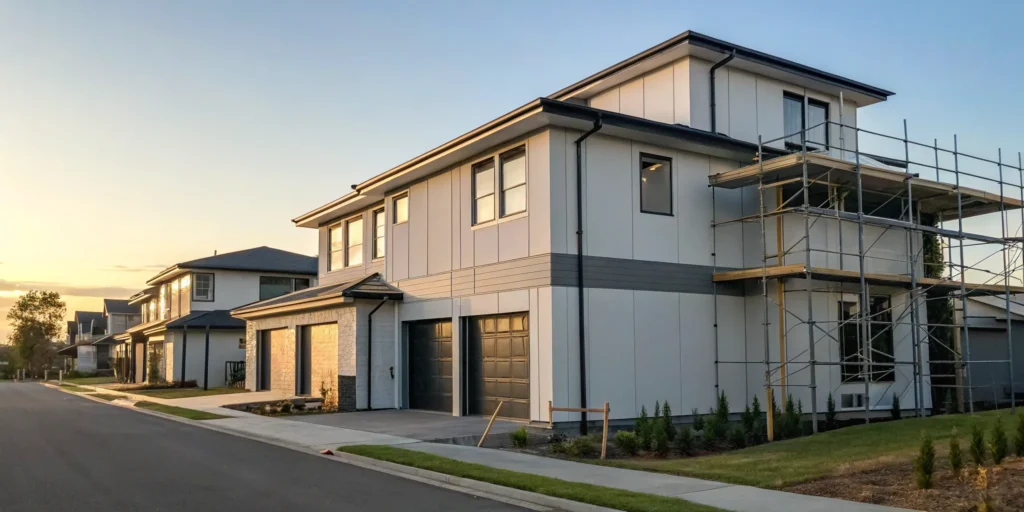
Think a modular second story addition means you’re stuck with a generic, cookie-cutter design? Let’s set the record straight. Today’s modular building process offers incredible flexibility, letting you create a custom space that perfectly suits your family and matches your home’s style. You have total control over the final look, from open-concept floor plans to specific window placements and exterior finishes. A second story modular addition doesn’t limit your creativity. It provides a smarter, more efficient framework to bring your unique vision to life while ensuring high-quality construction from start to finish.
Key Takeaways
- Benefit from Speed and Cost Certainty: Modular additions are built in a factory while your home is prepped, drastically reducing on-site construction time and disruption. This controlled process also provides fixed costs upfront, protecting your budget from the unexpected expenses common in traditional builds.
- Start with a Structural Assessment: Your home’s ability to support a second story is the most critical factor. A structural engineer must inspect your foundation and frame to confirm they can handle the added weight, ensuring the project is safe and feasible from the start.
- Assemble a Team with Modular Experience: The success of your project relies on hiring professionals who understand the specifics of modular construction. Seek out a contractor and engineer with a proven track record in second-story additions to manage logistics, permitting, and seamless integration.
What Is a Modular Second Story Addition?
If you’re feeling cramped but love your neighborhood, adding a second story is a fantastic way to gain space without moving. But the thought of a long, disruptive construction project can be daunting. That’s where a modular second story addition comes in. Instead of building the new level piece by piece on top of your house, the entire second floor is constructed off-site in a factory. These sections, or “modules,” are built in a climate-controlled environment, complete with framing, wiring, and even drywall.
Once the modules are finished, they’re transported to your home, lifted by a crane, and set into place on top of your existing structure. The final connections and finishing touches are then completed on-site. This method streamlines the construction process, significantly reducing the time your home is exposed to the elements and minimizing the disruption to your daily life. Before you can get started, however, it’s crucial to have a professional assess your home’s ability to support a second level. A structural engineer can determine if your foundation and frame are strong enough for the addition.
Modular vs. Stick-Built: What’s the Difference?
The biggest difference between modular and traditional construction is where the building happens. A traditional, or “stick-built,” addition is constructed entirely on your property. This means materials are exposed to weather, which can lead to delays and potential damage. With modular construction, about 80-90% of the work is done in a factory. This controlled environment eliminates weather-related setbacks and ensures a higher level of precision.
This efficiency often translates to cost savings, with modular additions typically being 10% to 20% cheaper than their traditional counterparts. You also get more predictability. Because the design is finalized before production begins, you can lock in costs and avoid the surprise expenses that often pop up with on-site builds. This makes it easier to create detailed home addition plans that fit your budget and vision perfectly.
From Factory to Foundation: The Modular Process Explained
The modular addition process is a model of efficiency. It starts with the design phase, where you work with architects and engineers to create the layout for your new second story. While your custom modules are being built in the factory, a crew prepares your existing home. This involves removing the roof and ensuring the top of the first floor is structurally ready to receive the new level.
Once the modules are complete, they are carefully wrapped for protection and transported to your site. Then comes the most exciting part: the crane day. In a matter of hours, a crane lifts each module and precisely sets it into place. The sections are then secured to each other and to the first floor. This rapid assembly means your home is weather-tight in a day or two, not weeks. From there, the on-site crew connects the utilities and completes the interior and exterior finishing work.
Why Building Indoors Means Better Quality
There’s a common misconception that modular means lower quality, but the opposite is often true. Building in a factory setting allows for a level of quality control that’s difficult to achieve on an outdoor construction site. Every step of the process is monitored, from the precision-cut framing to the installation of electrical systems. Materials are protected from rain, snow, and humidity, preventing common issues like warped lumber or mold growth.
Modular homes are built with high-quality materials and must adhere to the same strict local and state building codes as traditional homes. In many cases, they are even more durable because they need to be strong enough to withstand transportation and being lifted by a crane. This indoor advantage ensures that your new addition is not only built faster but is also constructed to a consistently high standard.
Why Go Modular for Your Second Story?
Adding a second story is a fantastic way to gain space without leaving the neighborhood you love. But the thought of a long, messy construction project can be daunting. This is where modular additions really shine. By building the new level of your home off-site, you can sidestep many of the biggest headaches associated with traditional remodels. From a faster timeline to more predictable costs, going modular offers some compelling advantages that make expanding your home a much smoother process.
Build Faster with Less Disruption to Your Life
One of the most significant benefits of a modular addition is the speed. Because the new story is built in a factory while the site prep happens at your home, the two processes occur simultaneously. This parallel workflow means modular additions can be completed in about half the time of a traditional build.
This efficiency translates to far less disruption for you and your family. Instead of living with months of noise, dust, and a constant stream of workers, the on-site construction phase is dramatically shortened. The modules arrive nearly complete and are typically set in place by a crane in just a day or two. This streamlined approach minimizes the time your home is exposed to the elements and gets you back to normal life much faster. When you start planning your home addition, a shorter timeline is a huge relief.
Stick to Your Budget with Predictable Costs
Budgeting for a major renovation can feel like guesswork, with unexpected issues and delays often leading to cost overruns. Modular construction brings a welcome level of predictability to the process. Since the majority of the work is done in a controlled factory environment, costs for labor and materials are fixed upfront. This significantly reduces the risk of surprise expenses popping up down the line.
Generally, modular additions are about 10% to 20% less expensive than their site-built counterparts. This cost-effectiveness comes from the manufacturer’s ability to buy materials in bulk and the efficiencies of an assembly-line process. You get the benefit of a high-quality build without the premium price tag, allowing you to get more value from your investment and stick to your budget.
Your Home, Your Design: Custom Modular Options
A common myth about modular building is that it limits your design choices. The reality is quite the opposite. Modular doesn’t mean “cookie-cutter.” You have a great deal of flexibility to create a space that perfectly suits your family’s needs and complements your existing home’s style. You can customize floor plans, choose your own finishes, and select everything from window styles to siding materials.
The design process allows you to work with an architect to ensure the new addition flows seamlessly with your current layout. Whether you’re adding a master suite, a pair of kids’ bedrooms, or a new family room, the modular approach supports a wide range of modern aesthetics and functional designs. You can create a custom second story that looks and feels like it was always part of your home.
How Modular Construction Reduces Waste
If sustainability is important to you, you’ll appreciate the eco-friendly nature of modular construction. Building in a factory is a much more efficient process that generates significantly less waste than a traditional construction site. Materials are measured and cut with precision, and any excess can often be recycled or repurposed for other projects, keeping it out of the landfill.
This method also reduces the environmental impact on your property. With less on-site activity, there’s less soil disruption and disturbance to your neighborhood. The controlled building process ensures that high-quality, durable materials are used, resulting in an energy-efficient addition that’s built to last. It’s a smarter way to build that’s better for both your wallet and the planet.
Maximizing Your Return on Investment (ROI)
Any home addition is a significant financial undertaking, and ensuring a strong return on your investment is key. Modular second-story additions excel in this area by combining upfront cost savings with long-term value. Because the modules are built efficiently in a factory, costs are often 10% to 20% lower than a traditional build. More importantly, these costs are predictable. You get a fixed price before construction begins, which protects your budget from the unexpected expenses that can derail on-site projects. This financial certainty allows you to plan effectively and ensures the project’s value isn’t eroded by surprise overages. The quality control of a factory build also means you’re investing in a durable, well-constructed space that enhances your home’s overall worth for years to come, especially when built upon a structure verified by experienced foundation engineers.
What’s the Real Cost of a Modular Second Story Addition?
One of the biggest questions about any home renovation is, “What’s it going to cost?” While modular additions are known for being cost-effective, the final price tag depends on several factors. Understanding the full scope of expenses from the start helps you create a realistic budget and avoid surprises. Let’s walk through the key cost components for adding a modular second story to your home.
How to Estimate Your Cost Per Square Foot
As a starting point, you can expect modular home additions to cost between $100 and $200 per square foot. This range typically covers the factory-built module itself, including standard framing, insulation, windows, and basic interior finishes. This pricing often makes modular construction about 10–20% more affordable than a traditional, on-site build. Keep in mind that this is just for the unit itself. The final cost will also include site preparation, foundation work, installation, and utility hookups. High-end finishes like custom cabinetry or premium flooring will also push the price toward the higher end of that range.
Understanding the Total Project Cost
While the per-square-foot estimate gives you a good starting point, the total project cost is a much bigger picture. Think of it like buying a car—the sticker price is one thing, but taxes, fees, and optional upgrades determine the final amount you pay. For a modular addition, the total cost includes the factory-built unit plus all the on-site work required to make it a seamless part of your home. This includes everything from initial design and engineering fees to foundation reinforcement, crane rental, utility connections, and final interior and exterior finishing touches. Every choice you make, from the complexity of the floor plan to the type of siding you select, will influence the bottom line.
Cost Variations by Location
Where you live plays a huge role in the overall cost of your project. Construction costs, including labor and materials, can vary dramatically from one city to another. According to data from Angi, the national average for a second-story addition hovers around $175,000, but this can swing widely. For example, a project in a high-cost area like Los Angeles could run anywhere from $500,000 to over a million dollars. This is why getting quotes from local contractors who understand your market is so important. They can provide a realistic estimate based on regional material prices, labor rates, and permitting requirements, giving you a much clearer picture of your potential investment.
Breaking Down the Budget: From Permits to Labor
Creating a detailed budget is the best way to stay in control of your project’s finances. Beyond the cost of the modular unit itself, you need to account for several critical pre-construction and on-site expenses. These “soft” and “hard” costs are essential for a successful build and can add up quickly if you haven’t planned for them. This includes securing the right building permits, preparing your home for the addition, and, most importantly, ensuring your existing structure can handle the new load. This phase almost always requires professional oversight to make sure everything is done safely and up to code.
Key Costs to Factor In
Before any construction begins, you’ll need to budget for a few key items. First are the building permits, which typically cost between $1,200 and $2,000, depending on your local municipality. Next, and most critically, is reinforcing your home’s foundation. Your existing foundation was likely designed to support only one story, so it will need to be strengthened to handle the weight of a second floor. This is a non-negotiable safety step that can cost $5,000 or more and requires the expertise of a foundation engineer to assess and design the necessary upgrades. You’ll also need to factor in the cost of demolition, which involves carefully removing your existing roof to prepare for the new addition.
Contractor and Labor Fees
Labor is one of the largest line items in any construction budget, typically making up 30% to 50% of the total project cost. This includes the skilled tradespeople who will handle everything from foundation work to electrical and plumbing hookups. Your general contractor’s fee, usually 10% to 20% of the project total, is also part of this. While it might seem like a big chunk, a good contractor is invaluable. They manage the entire project, coordinate all the subcontractors, handle logistics like crane day, and ensure the project stays on schedule and meets quality standards. Hiring a team with specific experience in modular additions is key to a smooth and successful build.
Budgeting for Site Prep and Structural Work
Before a single module is delivered, your existing home needs to be ready. The most critical step is getting a professional structural inspection to confirm your home’s foundation and frame can handle the weight of a second story. If the assessment reveals that your foundation isn’t strong enough, it will need to be reinforced or even replaced, which can add a significant amount to your project’s budget. This isn’t just a recommendation; it’s a fundamental safety requirement. Other site prep costs can include temporarily removing your roof, clearing the area for crane access, and preparing the existing structure for the new addition.
Planning for Crane, Installation, and Utility Fees
Once your modules are built and your home is prepped, the next phase involves getting them into place. The cost to set and install the modules typically adds another $30 to $60 per square foot. A major line item here is the crane rental, which is necessary to lift the modules onto your home. You’ll also need to budget for connecting the new story to your existing utilities—plumbing, electrical, and HVAC systems all need to be seamlessly integrated. Depending on the scope of your addition, you might even need to upgrade your electrical panel or HVAC unit to handle the increased load.
How to Plan Your Budget and Avoid Hidden Costs
A successful addition looks like it was always part of your home. To achieve that, and to stay on budget, you need a solid plan. Start by working with an experienced team that includes an architect and a structural engineer who can create detailed plans and identify potential issues early on. When you get quotes from contractors, make sure they are itemized so you can see exactly what’s included. Don’t forget to set aside a contingency fund—usually 10–15% of the total project cost—to cover unexpected expenses that can pop up during any renovation. Careful planning is the best way to ensure your project runs smoothly.
Tips for Saving Money on Your Addition
While modular additions are already cost-effective, you can maximize your savings with smart planning. The biggest advantage is cost certainty. Because the modules are built in a factory, the price for materials and labor is locked in early, protecting you from the surprise cost increases common in on-site construction. This process also significantly reduces material waste, as precise cuts and efficient use of resources in the factory mean you’re not paying for discarded lumber and drywall. To get the clearest picture of your budget from day one, it’s essential to start with a thorough assessment of your existing home. A professional foundation engineer can determine if your home can support the new weight, helping you avoid the single biggest potential budget-breaker: unexpected structural reinforcement.
Project Timeline and Living Arrangements
Beyond the budget, the two biggest concerns for any homeowner are how long the project will take and where they’ll live while it’s happening. A major renovation can feel like it’s taking over your life, but a modular second story addition is designed to minimize that disruption. The entire process is structured for efficiency, which means a shorter timeline and less time spent living in a construction zone. Understanding what to expect from the project schedule and how it will impact your living situation can help you plan accordingly and make the entire experience feel much more manageable from start to finish.
How Long Does a Modular Addition Take?
One of the most compelling advantages of a modular addition is the speed. Because the new story is constructed in a factory at the same time your home is being prepped, the two processes happen in parallel. This efficient workflow means a modular addition can often be completed in about half the time of a traditional, stick-built project. Instead of months of on-site construction, the timeline is condensed into a few key phases: design, factory production, site prep, and final installation. This accelerated schedule is possible because the detailed home addition plans are finalized upfront, eliminating the on-site delays that can derail a traditional build.
Planning for Temporary Housing During Construction
With a modular addition, you can forget the nightmare of living through months of dust, noise, and a constant parade of workers. The on-site construction phase is dramatically shorter. While you will likely need to move out temporarily, it’s usually for a much briefer period than with a traditional build. The most disruptive part of the process—removing the old roof and setting the new modules with a crane—is typically completed in just a few days. Once the modules are in place and the structure is weather-tight, the interior finishing work can proceed with far less impact on your daily life, getting you back into your newly expanded home much faster.
What to Watch Out For with Modular Additions
While modular additions offer incredible benefits, the process isn’t without its challenges. Thinking through these potential roadblocks ahead of time is the best way to keep your project on track and on budget. From checking your home’s existing structure to navigating local permits, a clear understanding of the hurdles helps you plan for a smoother build. Let’s walk through the most common issues you might face and how to solve them.
Is Your Home’s Foundation Ready for a Second Story?
Before you get attached to the idea of adding a second story, you have to confirm your house can handle it. Your home’s original foundation was designed to support its current weight—not the significant load of an entire new level. A thorough structural inspection is the critical first step to determine if your foundation and framing are strong enough.
In some cases, the existing structure may need reinforcement, which can add to the project’s cost. An engineer might find that you need to strengthen beams, add support columns, or even pour new footings. This isn’t a step to skip or guess on; getting a professional foundation engineering assessment is essential for the safety and long-term stability of your home.
Planning for the Crane: Site Access and Logistics
A key part of the modular process involves lifting the new story into place with a crane. This means you need a clear and accessible path from the street to your home. Think about potential obstacles like power lines, large trees, narrow driveways, or tight neighborhood streets. The delivery truck carrying the module and the crane itself are massive, and they need room to maneuver safely.
Your project team will need to plan the logistics carefully, which might involve coordinating with utility companies or even getting temporary road closures. Poor site access can lead to delays or require a more specialized (and expensive) crane. It’s a puzzle that requires careful planning, but an experienced team can map out the best approach for your specific property.
Getting Through the Zoning and Permit Process
Just like any major renovation, a modular second-story addition requires permits and must comply with local zoning laws. These regulations can dictate things like the maximum height of your home, how far it must be set back from property lines, and even the exterior aesthetic. Navigating the permitting process can be complex, and rules vary significantly between municipalities in the Denver area.
Working with a team that has experience in your specific city or county is a huge advantage. They will understand the local building codes and can create home addition plans that meet all requirements from the start. This helps avoid lengthy revisions and approval delays, ensuring your project moves forward without getting stuck in administrative red tape.
Potential for Higher Costs and Budget Surprises
While modular additions are often praised for being cost-effective, it’s a mistake to assume they’re always the cheaper option. The advertised price per square foot, typically between $100 and $200, usually only covers the factory-built module itself. The total project cost will also include site preparation, crane rental, installation, utility connections, and any necessary structural reinforcements for your existing home. If your project is complex or requires significant modifications to your first floor, the final cost could be on par with, or even exceed, a traditional stick-built addition. The key to avoiding budget surprises is to get a detailed, itemized quote that accounts for every phase of the project, from initial design to final finishes.
Challenges with Older Homes and System Integration
Placing a brand-new second story on an older home comes with a unique set of challenges. Older foundations and frames were not designed to support the immense weight of an additional level, making a professional structural inspection an absolute necessity. You may need to invest in significant reinforcements, like new footings or support beams, before the project can even begin. Beyond the structure, integrating modern systems can be tricky. Connecting new plumbing, electrical, and HVAC systems to older, potentially outdated infrastructure requires careful planning to ensure everything functions safely and efficiently. An experienced engineer can help you anticipate these integration issues and develop a solid plan.
Design Constraints and First-Floor Limitations
The biggest constraint in a second-story addition is the first floor itself. The layout of your existing home dictates where load-bearing walls must be placed on the new level, which can limit your design flexibility. Unlike a stick-built project where you can make adjustments on-site, a modular design is finalized before production begins. This means you trade some creative freedom for speed and efficiency. While you can still customize finishes and layouts to a large degree, the fundamental structure is less adaptable. Working with a skilled architect or designer early in the process is the best way to maximize your design possibilities within the existing footprint of your home.
Fact vs. Fiction: The Truth About Modular Quality
One of the most persistent myths about modular construction is that it’s lower in quality than a traditional site-built home. This simply isn’t true. Modular homes are built to the exact same local, state, and regional building codes as their site-built counterparts. In fact, because they are constructed in a climate-controlled factory, the materials are protected from weather damage during the building process.
Furthermore, each module has to be sturdy enough to withstand transportation by truck and being lifted by a crane. This often means they are built with more structural reinforcement than a typical home. Don’t let outdated misconceptions steer you away; modern modular construction is a high-quality, durable, and efficient building method.
Making Your New Addition Look Like It’s Always Been There
A successful second-story addition should feel like it was always part of the house, not something that was just dropped on top. Achieving a seamless transition requires thoughtful design that considers both the exterior look and the interior flow. This means matching siding, roofing, and window styles, as well as ensuring the new staircase feels natural and the floor plan connects logically.
This is where great architectural design makes all the difference. Your designer will work to blend the old with the new, creating a cohesive look that enhances your home’s curb appeal and functionality. The goal is to create open, connected spaces that improve how you live in your home, making the final result feel both spacious and intentional.
The Dangers of a DIY Approach
While the idea of tackling a big project yourself is appealing, a modular second-story addition is one area where a DIY approach is incredibly risky. The most critical factor is your home’s structural integrity. Your house was built to support its original design, and adding the immense weight of a second floor without a professional assessment is a gamble you don’t want to take. A qualified engineer must perform a thorough structural inspection to confirm your foundation and frame can handle the new load. Without this expert analysis, you risk severe structural damage that could compromise the safety of your entire home.
Beyond structural risks, the logistics and legal requirements are complex. Coordinating a factory-built module, a delivery truck, and a crane requires specialized experience, and one miscalculation can lead to costly delays or damage. Furthermore, every municipality has strict building codes and permitting processes for major renovations. Trying to create compliant home addition plans and get them approved without professional help can quickly become a nightmare. Hiring an experienced team is the best way to ensure your project is safe, legal, and built to last.
Strategic Considerations Before You Build
While adding a second story can be a game-changer for your home, it’s not always the right answer. Before you get too far into the design phase, it’s important to take a step back and look at the big picture. A successful renovation is about making smart, strategic decisions, not just adding square footage. This means honestly evaluating your home’s current condition, your long-term goals, and your budget to decide if an addition is truly the best path forward or if another option makes more sense.
When to Reconsider a Second Story Addition
The dream of a second story lives or dies with your home’s foundation. Before you do anything else, you need a professional to assess whether your house can actually support the extra weight. A structural engineer is the expert you need for this job; they can determine if your foundation and frame are strong enough for the addition. If the required structural upgrades are too extensive or costly, it might be a sign to reconsider. Other roadblocks could be strict zoning laws that limit your home’s height or neighborhood covenants that restrict major renovations. It’s better to uncover these deal-breakers early on before you’ve invested too much time and money.
Addition vs. Rebuild: When Starting Over is Smarter
What happens if the engineer’s report shows your foundation needs major work? Sometimes, the cost to reinforce the existing structure—like strengthening beams, adding columns, or pouring new footings—can be so high that it makes more sense to start over. This isn’t a setback; it’s a strategic choice. A complete rebuild gives you a blank slate to create the exact home you want, without being limited by the old layout or hidden problems. It’s an opportunity to get modern, efficient systems and a floor plan designed for your family. If you’re facing extensive foundation engineering costs, it’s worth comparing them against the price of creating brand new home building plans from the ground up.
How to Finance Your Modular Addition
Once you have a vision for your new second story, the next big step is figuring out how to pay for it. Financing a major renovation can feel overwhelming, but the good news is that there are clear, established paths for funding a modular addition. Understanding your options and what makes modular financing a little different will help you approach the process with confidence and secure the right loan for your project.
Exploring Your Financing Options
When it comes to funding your modular addition, you have several great options. One of the most popular choices is a construction-to-permanent loan. This type of loan is incredibly convenient because it combines two loans into one. It starts as a short-term loan that covers the costs of building the modules and preparing your home. Once the project is complete, it automatically converts into a standard, long-term mortgage. This streamlined approach means you only have to go through one application and one closing process, saving you time and paperwork. You can also explore government-backed loans, as programs from the FHA, VA, and USDA are often well-suited for modular construction and can offer favorable terms.
Why Securing a Loan Can Be Different for Modular Projects
Securing a loan for a modular addition has a few unique steps. Because you’re adding significant weight to your existing home, lenders will want assurance that the structure can handle it. This is why they almost always require a professional structural assessment before approving a loan. An engineer will evaluate your foundation and frame to confirm they can safely support the new story, protecting both you and the lender’s investment. On the plus side, many lenders view modular construction very favorably. The controlled factory environment leads to consistent quality and fewer construction delays, which reduces risk. This can sometimes translate into a smoother approval process and better loan terms for you.
How to Choose the Right Team for Your Project
A modular second-story addition is a major undertaking, and its success hinges on the team you assemble. The right group of professionals—from your contractor to your engineer—will guide you through each phase, manage complexities, and turn your vision into a safe, beautiful reality. A well-chosen team communicates clearly, anticipates challenges, and works collaboratively to keep your project on track and within budget.
Think of your team as your partners in this process. You’ll be working closely with them for months, so it’s important to find people you trust and whose expertise you respect. The goal is to find a contractor with specific experience in modular additions and an engineering firm that can provide the detailed analysis needed to ensure your home can handle the new structure. Investing time in vetting your team upfront is one of the smartest decisions you can make. It sets the foundation for a smoother process and a final result that you’ll love for years to come.
What to Look for in a Contractor and Engineer
When you start your search, prioritize experience. You want a builder who has successfully completed second-story additions before, preferably using modular construction. They’ll understand the unique logistics, from crane coordination to seamlessly connecting the new and old structures. Similarly, your engineer should have deep experience in residential projects.
Look for professionals who are licensed, insured, and happy to provide references from past clients. It’s also a huge advantage to find a firm that offers integrated services, combining architecture and engineering under one roof. This streamlines communication and ensures your design plans are structurally sound from the very beginning, preventing costly revisions down the line. A cohesive team that has worked together before can make all the difference.
Key Questions to Ask Potential Contractors
Before you sign any contracts, it’s time to ask some direct questions. A good contractor will welcome your diligence and provide clear, confident answers. Start by asking to see a portfolio of their previous second-story additions. A successful project should seamlessly blend with the existing home, so pay attention to how well the new construction integrates with the original style.
Here are a few key questions to get the conversation started:
- How many modular second-story additions have you completed?
- Who will be my main point of contact throughout the project?
- How do you handle unexpected issues or changes to the plan?
- Can you provide a detailed timeline and explain your payment schedule?
- What is your process for ensuring the site is safe and clean?
From Blueprint to Approval: What to Expect
Once you’ve selected your team, the project moves into the design and approval phase. This is where your ideas start taking shape on paper. The process typically begins with an initial consultation to discuss your goals, budget, and style preferences. From there, an architect will develop initial concepts and work with you to refine the layout and finishes.
Before getting too far, your team will need to research local building regulations and zoning laws to ensure your plans are compliant. This is also when a structural engineer gets involved to assess your home’s existing structure. They’ll work with the architect to create the final construction drawings needed to obtain building permits from your local municipality. This collaborative process ensures your new addition is not only well-designed but also fully approved and ready for construction.
Why You Can’t Skip the Structural Engineer
Bringing a structural engineer on board early is non-negotiable for a second-story addition. Their primary job is to determine if your home can safely support the weight of an entire new floor. An engineer will conduct a thorough structural inspection of your house, paying close attention to the foundation and existing frame.
If your foundation isn’t strong enough, it may need to be reinforced before construction can begin. The engineer will provide the precise calculations and plans needed for any necessary upgrades. This expert analysis is what makes the project feasible and safe. They are not just checking a box for the permit office; they are ensuring the long-term integrity of your entire home. Think of them as the essential partner who confirms your dream of adding a second story can be built on a solid foundation.
Related Articles
- Commercial Remodel & Additions – Level Engineering & Inspection
- Building An ADU: A Comprehensive Guide
- Accessory Dwelling Unit
- Do I Need A Permit For Structural Modifications?
Frequently Asked Questions
How do I know if my house can even support a second story? This is the most important question to answer before you do anything else. The only way to know for sure is to have a structural engineer perform a thorough inspection. They will assess your home’s foundation and existing frame to determine if it can handle the significant weight of a new level. If it can’t, they can design the necessary reinforcements to make your project safe and possible.
Will I have to move out during the construction? While the on-site construction time is much shorter than a traditional build, you will likely need to live elsewhere for a period. The most disruptive phase is when your old roof is removed and the new modules are set in place by the crane. For safety and comfort, it’s best to plan on being out of the house during this key part of the process, which can last a few weeks.
Does “modular” mean my design options are limited? Not at all. This is a common myth, but modern modular additions are highly customizable. You’ll work with an architect to design a floor plan that fits your family’s needs and complements your home’s current style. You can choose your own finishes, from siding and windows to flooring and fixtures, to create a space that feels like it was always meant to be there.
How long does the entire process take from start to finish? While every project is different, a modular addition is significantly faster than a traditional one. The design and permitting phase can take a couple of months. Once approved, the modules are built in the factory over several weeks while the on-site prep work happens at your home. The final installation and finishing touches usually take just a few more weeks. All in, you’re often looking at a timeline that’s about half that of a conventional build.
What’s the most important first step to get started? Your first step should be to schedule a consultation with a firm that can assess your project’s feasibility. Look for a team that includes both architects and structural engineers. They can evaluate your existing home, discuss your vision and budget, and give you a clear understanding of what’s possible before you invest too much time and money into the idea.
