
In a typical home sale, the buyer’s inspection report can feel like a ticking time bomb. Any unexpected findings can lead to stressful renegotiations, demands for repair credits, or even a canceled contract. This process leaves sellers feeling powerless. There is a better way to manage the sale of your most valuable asset. Pre-listing inspections allow you to get ahead of potential problems before your home even hits the market. This gives you the time to make thoughtful, cost-effective repairs or to price your home accurately from the beginning. It’s about shifting control back to you, ensuring a smoother, more predictable path to closing.
Introduction:
Selling a home is more than just setting an asking price and listing it with a real estate agent. To truly stand out in today’s competitive real estate market and guarantee a smooth transaction, home sellers need a strategy that attracts serious buyers and commands the best price.
Enter the pre-listing inspection, especially the Comprehensive Pre-listing Structural Inspection. Let’s unpack its significance and distinguish between a general pre-listing inspection and a specialized structural pre-listing inspection.

Section 1: The Rise of the Pre-listing Inspection
In the traditional home sales process, a buyer’s home inspection usually comes after the purchase agreement. Any significant defects or issues found can lead to renegotiations, sometimes even a lower price or deal breakers. To circumvent these hurdles, savvy home sellers and real estate agents are turning to pre-listing inspections. This proactive approach allows sellers to address hidden problems and repair costs before listing. This ensures that the home is in its best shape when it hits the market and saves the seller from timely and costly problems down the road.
Properties with a pre-listing inspection report sell 30% faster than those without, showcasing the trust it instills in potential buyers.
The Impact of Inspections on Home Sales
A pre-listing inspection flips the traditional home sale process on its head. Instead of waiting for a buyer to find potential problems, you, the seller, hire a professional to assess your home before it ever hits the market. This proactive step gives you the upper hand. You can discover any hidden issues, from minor repairs to significant structural concerns, on your own terms. This gives you time to either make the necessary fixes or adjust your asking price accordingly, preventing last-minute surprises that could derail a sale. According to the National Association of Realtors, inspection issues have been known to delay or even terminate a significant number of contracts, so getting ahead of them is a smart move for a smoother, more predictable closing.
Understanding Market Trends
The popularity of pre-listing inspections often reflects the current real estate climate. While they may seem less common in a red-hot seller’s market, they become an invaluable tool when the market is more balanced. Providing a professional inspection report upfront builds a huge amount of trust and confidence with potential buyers. It signals that you’re a transparent seller with nothing to hide, which can make your property stand out from the competition. This transparency often leads to stronger offers and a more streamlined negotiation process, as buyers aren’t left guessing about the home’s condition. A comprehensive structural inspection from a reputable firm provides that extra layer of credibility that serious buyers truly appreciate.
Section 2: Deciphering Pre-listing Inspections
Not all pre-listing inspections carry equal weight in the homebuying process. While a general home inspection evaluates the major systems of the house, including the HVAC system, cooling systems, and potential issues like lead-based paint or radon testing, it does not dive deep into the structural integrity of the home.
A pre-listing structural inspection, conducted by a qualified engineer, focuses primarily on the “bones” of the house—ensuring that the foundation, beams, load-bearing walls, and roof structures are in prime condition. Most buyers are none the wiser in differentiating between the two, however, a general home inspector cannot by law give input on any Structural components.
It is critical that the pre listing inspection report includes a structural report compiled by a structural engineer. This will safeguard the seller’s money and ensure both the buyer and seller avoid surprises.
The real estate agent will often arrange the buyer’s inspection report, however it is up to the buyer to ensure that this pre-listing inspection report includes a structural engineer’s report.
How Much Does a Pre-Listing Inspection Cost?
Let’s talk numbers. The cost of a pre-listing inspection can vary, but you can generally expect to pay between $300 and $500 for a standard home inspection. According to Bankrate, the national average hovers around $342, but this figure can shift based on your home’s size, age, and where you live. Think of it as an upfront investment to prevent bigger, more expensive surprises during negotiations. It’s important to remember that this price range typically covers a general home inspection. A specialized structural inspection, which focuses specifically on the foundation and core framework of your house, is a separate and vital step. Getting a professional engineer’s eyes on your property provides a deeper level of assurance that goes beyond a standard check-up.
When is an Inspection Most Recommended?
So, is a pre-listing inspection always necessary? While it’s a smart move for most sellers, it becomes especially crucial in a few key scenarios. If you’re selling an older home, a pre-listing inspection is practically essential. Older properties often have hidden surprises in their plumbing, electrical, and structural systems that you’ll want to know about before a buyer does. It’s also highly recommended if you’ve noticed potential defects yourself—like cracks in the foundation or a sagging roofline—or if your main goal is to sell your home quickly. Addressing issues upfront streamlines the process. For newer homes where you’re the original owner, you might have a good handle on its condition, but an inspection can still provide valuable peace of mind for you and potential buyers.
Section 3: Why Structural Inspections Matter
Your house may look appealing, but potential buyers, especially those guided by experienced real estate agents, are aware that surface appeal can hide significant defects.
A professional home inspector can give a comprehensive report, but only a structural engineer can provide insights into the property’s foundational and structural soundness. This deeper look is especially vital in older homes where issues like settling may have impacted the home’s integrity.
Many buyers will get a pre listing inspection report that misses critical structural concerns that end up costing more money that they have budgeted for in their personal finance.
The cost of a structural pre listing inspection is insignificant when compared to the cost of having to underpin the foundation of your new home or build a new roof.
Pre-listing structural inspections offer several benefits:
- Full Disclosure: Sellers can present a complete picture of the property’s condition, reducing post-listing surprises.
- Maximized Asking Price: By addressing structural issues prior, sellers can confidently justify their asking price or better yet be at the upper end asking for a higher market price than before.
- Attract Serious Buyers: A home inspected structurally signals prospective buyers that the seller values transparency, making the home more attractive.
By now, the difference between a standard home inspection and a structural inspection should be clear. While both are valuable tools in the real estate transaction, understanding their distinctions is crucial.
As we delve deeper, we will explore the tangible benefits of structural inspections for both sellers and buyers, ensuring that the selling process works to the advantage of all parties involved.
Ready to give your home a competitive edge? Stay tuned as we delve further into the world of structural inspections and reveal how it can transform your real estate experience.
Gaining More Time for Repairs
One of the biggest advantages of a pre-listing inspection is that it puts you back in control of the timeline. When you wait for the buyer’s inspection, their report can feel like a ticking time bomb, leaving you with a narrow window to address unexpected issues. This pressure often leads to rushed, costly repairs. A pre-listing inspection flips this scenario. By identifying potential problems before your home even hits the market, you give yourself the gift of time—time to research qualified contractors, gather multiple quotes, and complete the work on your schedule, not a buyer’s.
This proactive approach allows you to handle repairs thoughtfully and cost-effectively. A comprehensive structural inspection, for instance, might uncover a foundation issue that would be a major red flag for buyers. Finding this out early gives you the breathing room to consult with engineers and make necessary repairs without the stress of a closing date looming over you. By addressing these concerns upfront, you avoid last-minute surprises and reduce a buyer’s leverage for negotiating significant price reductions or repair credits, ensuring a smoother and more profitable sale.
Flexibility: Full vs. Partial Inspections
One of the best parts about a pre-listing inspection is that it’s not an all-or-nothing deal. You have the flexibility to decide the scope of the review. You can opt for a comprehensive, full-house inspection that covers every major system, or you can choose a partial inspection that focuses on a specific area of concern. For example, if you’ve noticed some new cracks around your basement windows or are worried about an aging roof, a partial inspection allows you to get an expert opinion on just that issue. This targeted approach can be a smart, cost-effective way to address potential red flags before they ever come up in negotiations with a buyer.
Choosing between a full or partial inspection depends on your goals and your property’s condition. A partial structural inspection is perfect if you want to investigate a specific issue, like settling cracks or a sagging floor, without paying for a full report on things you already know are in good shape. However, a complete pre-listing inspection provides total transparency, building trust with potential buyers and giving you a powerful marketing tool. No matter which path you choose, if your concerns involve the home’s core integrity, it’s crucial to hire a licensed structural engineer. They can provide the definitive analysis on the foundation, load-bearing walls, and other structural elements that a general inspector can’t.
The Anatomy of Inspections: Structural vs. General Home Analysis
Section 4: Demystifying the General Pre-listing Home Inspection
A general pre-listing home inspection is an essential step in the home-selling process. Conducted by a professional home inspector, it encompasses a broad sweep of the house, ensuring that most aspects are in good working order.
While it provides valuable insights to the home seller and potential buyers, it does not drill down into the deeper structural issues that might be lurking beneath the surface.
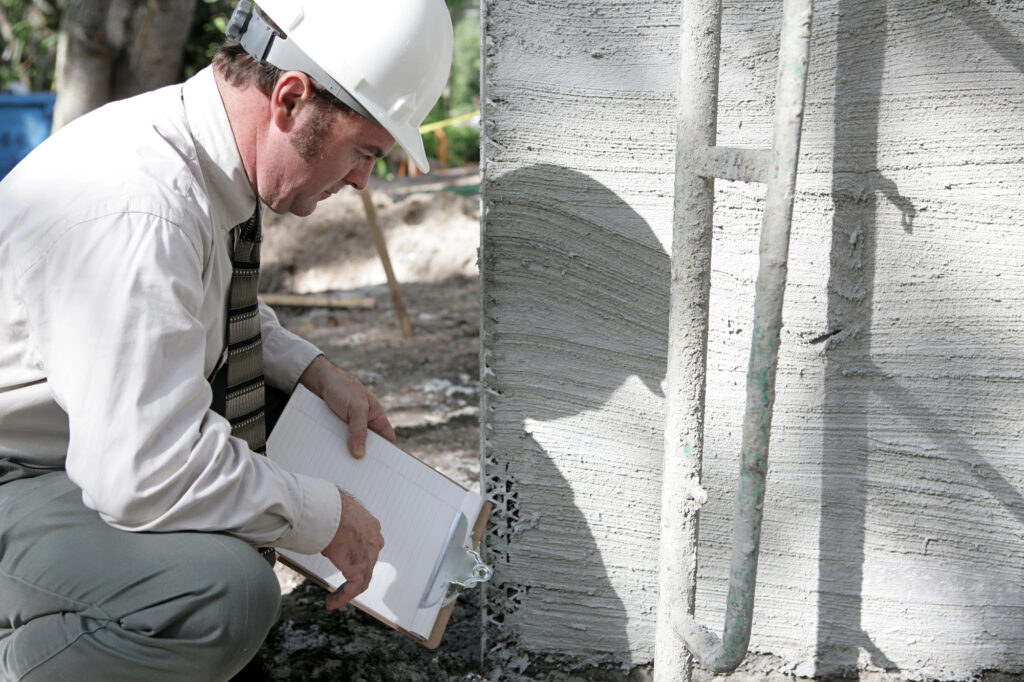
Typical Components of a General Pre-listing Home Inspection:
- HVAC System: Assessment of heating, ventilation, and air conditioning systems for functionality and efficiency.
- Cooling Systems: Ensuring proper working conditions, especially during high-demand seasons.
- Lead-Based Paint & Radon Testing: Legally required for homes of certain ages, these tests assess health hazards.
- Major Systems: Evaluation of electrical, plumbing, and other essential systems in the house.
- Roof and Gutters: Inspection for leaks, blockages, or necessary repairs.
- General Safety Measures: Smoke alarms, carbon monoxide detectors, and more.
- Visible Damages or Wear: Identifying areas of the home that may require attention or repairs ahead of listing.
Section 5: The Deep Dive – Pre-listing Structural Inspections
A structural inspection, on the other hand, is more specialized. Conducted by seasoned engineers, it delves into the core structure of the home, ensuring that the foundational elements are intact and resilient.
Such inspections are especially crucial for properties that have endured environmental strains, are older, or exhibit signs of structural wear.
Components of a Pre-listing Structural Inspection by Level Engineering:
- Foundation Integrity: Examining for cracks, shifts, and signs of settling that might compromise the property’s stability.
- Load-Bearing Walls: Ensuring walls critical to the structure’s integrity are sound and free from significant defects.
- Beam & Post Assessment: Analyzing the primary beams and posts for any degradation or damage.
- Roof Structural Evaluation: Beyond the shingles and gutters, this inspects the trusses and structural integrity of the roof.
- Potential Soil Issues: Determining if soil-related concerns might impact the home’s foundational stability.
- Signs of Water Damage: Not just superficial but how water might have impacted the structure over time.
- Flooring and Joists: Inspecting for sagging floors, weakened joists, or other signs that could indicate structural problems.
Testimonial:
Knowledgeable, friendly, informative! I appreciated how precise our engineer was about the condition of our home and how it could be repaired. Well worth the money! Tiffany Hatch (11 September 2023)
Section 6: Bridging the Inspection Gap
Understanding the distinction between these two types of inspections is crucial for a transparent real estate transaction.
While a general pre-listing inspection offers an overview, the structural home inspection, especially when undertaken by renowned experts like Level Engineering, goes deeper into identifying minor and major defects in the home’s structure, offering an in-depth analysis of the home’s condition.
This thoroughness attracts serious buyers, often streamlining the sales process and even bolstering the asking price.
Potential buyer negotiation points are significantly reduced when a seller can present both types of reports, showcasing their commitment to full disclosure.
After all, every buyer wants to be assured of their new home’s structural integrity and general condition, while sellers benefit from fewer last-minute surprises and a smoother selling process.
The Revelations of a Pre-Listing Inspection and the Power of Full Disclosure
Section 7: The Enlightening Findings of Pre-listing Inspection
Whether it’s a general pre listing home inspection or a detailed structural assessment, the pre-listing inspection process can uncover a myriad of concerns that might have gone unnoticed by the untrained eye. These findings, while sometimes daunting, are an invaluable tool for the home seller in today’s competitive real estate market.
Let’s delve into some of the pivotal discoveries that a pre-listing inspection can reveal:
- Foundation Faults: From minor cracks to significant shifts, addressing these early can save a fortune in the future.
- Water Damage: Often silent and hidden, water damage can cause structural concerns and mold growth.
- Roofing Issues: Beyond surface-level shingle wear, there might be deeper structural roofing problems.
- Termite or Pest Damage: Unseen invaders can compromise the integrity of wood structures.
- Soil Instability: An unstable soil foundation can spell disaster for property stability.
- Load-Bearing Wall Concerns: Critical to a home’s structure, any weakness or damage here can be serious.
- Plumbing and Electrical Concerns: Beyond structural, these can impact the home’s safety and functionality.
- Aging HVAC Systems: Systems past their prime can be inefficient and costly in energy consumption.
- Environmental Hazards: The presence of materials like asbestos or lead paint, especially in older homes.
Section 8: The Unparalleled Benefits of Full Disclosure
Embracing full disclosure not only demonstrates a seller’s honesty but also illustrates their commitment to ensuring a seamless real estate transaction. By addressing issues prior to listing, sellers can control repair costs, thereby often safeguarding their asking price.
Furthermore, with clear knowledge of the property’s condition, sellers can negotiate confidently, reducing the chances of unexpected concessions.
Here are some of the standout advantages of full disclosure:
- Attract Serious Buyers: When potential buyers see that you’ve done your due diligence, they’re more likely to engage in earnest.
- Reduce Legal Liabilities: Full disclosure minimizes the risk of future legal claims post-sale.
- Streamline Transactions: With fewer surprises, the home sales process is smoother and quicker.
- Optimal Pricing: Armed with a detailed inspection report, sellers can justify their listing price.
- Peace of Mind: Both for the seller, knowing they’re providing an honest sale, and for the buyer, who can invest with confidence.
Benefits for Real Estate Agents
As a real estate agent, your primary goal is a smooth, swift transaction that satisfies your client. A pre-listing inspection, especially a structural one, is a powerful tool to make that happen. When sellers invest in a comprehensive structural inspection upfront, it builds immediate trust with potential buyers and makes the listing more credible. This transparency can significantly shorten the sales cycle—in fact, some reports show that homes with pre-inspection reports sell up to 30% faster. It also minimizes the chance of last-minute surprises that can derail negotiations or put the entire deal at risk. By presenting a home with a clean bill of structural health, you attract more serious buyers and position yourself as a thorough agent dedicated to a seamless process.
Key Drawbacks and Risks for the Seller
While a pre-listing inspection sounds like a great way to get ahead of the game, it’s not without its potential downsides. Being proactive is fantastic, but it’s important to walk into this process with your eyes wide open. Understanding the risks can help you decide if it’s the right move for your specific situation. From legal obligations to the simple fact that not every buyer will take your report at face value, there are a few key considerations to weigh before you schedule that inspection. Let’s break down some of the potential drawbacks you might encounter as a seller.
Legal Duty to Disclose
This is probably the biggest risk for sellers. Once you have a pre-listing inspection report in your hands, you are legally obligated to disclose everything it contains to potential buyers. You can’t pick and choose what to share. If the inspector finds a foundation crack or evidence of past water damage, that information must be passed along. This legal requirement can sometimes put you in a tougher negotiating position than if the buyer had discovered the issue on their own. Knowledge is power, but in this case, it also comes with a significant legal responsibility that you can’t ignore.
Buyer Skepticism and Second Inspections
Even with a detailed report from a reputable company, some buyers will be skeptical. They might worry that an inspector hired by you, the seller, could be biased. Because of this, many buyers will still opt to hire their own inspector for a second opinion. This means you could pay for a pre-listing inspection only to have the buyer pay for another one anyway. A buyer’s goal is to protect their investment, and they often want their own trusted expert to perform an independent structural inspection, so relying solely on a seller-provided report can feel like a risk they aren’t willing to take.
Potential for Conflicting Reports
When a buyer brings in their own inspector, you run the risk of getting conflicting reports. No two inspectors are exactly alike; one might flag an issue that the other considered minor, or they might have different opinions on the best way to address a repair. This can create confusion and open up a new round of negotiations you were hoping to avoid. Instead of streamlining the process, you could find yourself defending your inspector’s findings against the buyer’s, adding an unexpected layer of complexity to the sale.
Risk of Unnecessary Repairs
An inspection report can sometimes feel like a laundry list of every tiny flaw in your home. Faced with this list, you might feel pressured to fix everything to present a “perfect” house. However, you could end up spending time and money on repairs that a potential buyer wouldn’t have even noticed or cared about. Every buyer has different priorities, and what seems like a major issue to you might be a non-issue for them. It’s a gamble to invest in repairs before knowing what a specific buyer will value, especially for cosmetic items or minor system updates.
Section 9: The Level Engineering Advantage

Choosing the right partner for your pre-listing inspection is paramount. At Level Engineering, we pride ourselves on providing thorough, expert assessments that equip you with the necessary insights to list your home confidently.
Our commitment to excellence ensures you receive the most comprehensive overview of your property’s health, both on the surface and structurally.
“The confidence and clarity that Level Engineering brings to the table have been instrumental in many homeowners achieving their desired selling price. Our aim is to ensure every client can list their home knowing they’ve showcased its true value.”
Conclusion
When the stakes are high, as they often are in real estate, arming yourself with knowledge becomes your greatest asset.
A pre-listing inspection, especially a structural one, is that knowledge weaponized. As you prepare to list your home, consider the advantages, the peace of mind, and the potential financial benefits that come with such a proactive step.
Don’t leave such a pivotal aspect of your home sale to chance. Contact Level Engineering and Inspections today, and ensure that you step into the market with confidence, transparency, and the unmatched assurance of quality that only our expert team can provide.
Frequently Asked Questions
Will buyers accept my pre-listing inspection report, or will they just hire their own inspector? It’s smart to assume that a serious buyer will still want their own inspection for peace of mind. However, that doesn’t diminish the value of your pre-listing report. Providing a thorough structural inspection upfront acts as a powerful marketing tool that builds immediate trust and transparency. It shows you have nothing to hide, which attracts higher-quality offers and can significantly speed up the negotiation process by addressing major concerns before they even become sticking points.
If my pre-listing inspection uncovers issues, am I required to fix them all before selling? This is a common concern, and the short answer is no. Your legal obligation is to disclose the findings of the report to potential buyers. What you do with that information is up to you. Discovering a problem early gives you control over the solution. You can choose to make the repairs on your own timeline, offer a credit to the buyer, or simply adjust your asking price to reflect the home’s condition. The key benefit is that you’re making these decisions from a position of power, not reacting to a buyer’s demands.
My house is only a few years old. Is a pre-listing structural inspection still necessary? While older homes are more likely to have hidden issues, new construction isn’t always perfect. Problems related to soil settlement, drainage, or even builder oversights can appear in the first few years. A pre-listing structural inspection on a newer home provides definitive proof of its solid condition. It serves as a stamp of quality that can make your property stand out and gives buyers the confidence they need to make a strong, clean offer.
What’s the real difference between what a general home inspector and a structural engineer looks for? Think of it like a visit to the doctor. A general home inspector is like your primary care physician; they perform a broad check-up on all the home’s major systems like plumbing, electrical, and HVAC. A structural engineer is a specialist, like an orthopedist. They focus specifically on the home’s “skeleton”—the foundation, load-bearing walls, beams, and roof framing—to diagnose the health of its core structure. A general inspector can flag a potential structural issue, but only an engineer can give you a definitive analysis and solution.
What happens if the inspection finds a major, expensive problem? Discovering a significant issue can feel scary, but finding it before you list is far better than being blindsided by a buyer’s report. This knowledge puts you in the driver’s seat. You have the time to consult with professionals, gather multiple quotes for repairs, and fully understand the scope of the problem. This allows you to address the issue thoughtfully and cost-effectively, preventing it from derailing a sale or forcing you into a major price reduction under pressure.
Key Takeaways
- Address repairs on your own terms: A pre-listing inspection gives you the time to find cost-effective solutions for any issues, preventing last-minute, high-stress negotiations with buyers.
- A structural inspection goes deeper than a general one: While a general inspection covers systems like plumbing and HVAC, only a structural engineer can give you a definitive analysis of your home’s foundation, load-bearing walls, and overall stability.
- Understand the disclosure obligation: Getting an inspection before you list means you are legally required to share the findings with buyers. This transparency builds trust, but be prepared that some buyers may still want a second opinion.
Related Articles
- Unlocking The Value Of Your Home: The Power Of A Pre-listing Inspection
- How Can Engineers Help You Get More Value From Listings?
- Maximize Listing Value With Real Estate Engineering
- Foundation Inspection Cost: A 2025 Price Guide
- Home Inspection Nightmare: Avoiding Common Pitfalls In Real Estate Transactions
