

When you hear the term “flame retardant,” you probably think of safety. For decades, chemicals have been added to building materials and furniture to slow the spread of fire. But what if those same chemicals create a different kind of hazard in your home? Many common flame retardants can get into our air and dust, posing long-term health risks. The good news is you don’t have to choose between fire safety and a healthy home. A new generation of materials that are organic, sustainable, and fire-retardant is changing how we build and protect ourselves.
Organic, sustainable, and fire-retardant walls?
At the time of writing this, 91 large wildfires are burning 640,200 acres in 15 U.S. states. Tragic reports of fires keep coming, leaving us wondering what we can do to protect our infrastructure from destruction.
Be encouraged, architects and engineers, because where there’s a problem, there’s an opportunity for a solution. RMIT University recently released a study entitled Fireproofing flammable composites using mycelium: Investigating the effect of deacetylation on the thermal stability and fire reaction properties of mycelium. The study reveals exciting evidence that through chemical manipulation, a species of mycelium (Basidiomycota fungi) exhibits fire-retardant properties.
The study signifies a promising future for organic and sustainable fire-retardant cladding for buildings. Researchers are already testing “fungal mats reinforced by engineering fibers to delay ignition, reduce the flaming intensity, and improve fire safety ranking.”
As engineers and architects, we can’t control nature, but we can work with it to design more sustainable and resilient structures.
The Scope of Fire Risk in U.S. Buildings
As building practices evolve, so do the materials we use. Modern construction increasingly incorporates plastics in everything from insulation and piping to flooring and fixtures. While often cost-effective and versatile, these materials present a unique challenge for fire safety. According to a review in ScienceDirect, the growing use of plastics in buildings is a major concern because they can catch fire easily and burn rapidly. To counteract this, chemical flame retardants are added to these materials to slow down combustion and meet safety codes. This approach, however, introduces a different set of problems that affect not just the building’s integrity during a fire, but also the health of the people living and working inside it every day.
Health and Environmental Risks of Common Flame Retardants
The term “flame retardant” sounds reassuring, but the reality is more complicated. These are chemicals added to a vast range of products, including furniture foam, electronics, and building insulation, with the goal of meeting fire safety standards. However, the Green Science Policy Institute points out that these chemicals are often used even when they don’t provide a significant real-world safety benefit. Many of these compounds are not chemically bonded to the materials they treat, meaning they can easily leach out into the air and dust around us. This continuous, low-level exposure is linked to serious health concerns, including endocrine disruption, developmental issues, and cancer, creating a hidden hazard within our homes and workplaces.
Widespread Exposure in Everyday Items
You might be surprised to learn how pervasive these chemicals are. Flame retardants have been found in the bodies of nearly everyone tested, making their way into our systems through contaminated dust we inhale or ingest. The Green Science Policy Institute highlights a particularly concerning fact: young children often have the highest levels of these chemicals in their bodies. This is because their developing systems are more vulnerable, and their tendency to put hands and objects in their mouths increases their exposure. The very products designed to keep us safe could be silently contributing to long-term health risks for the most vulnerable members of our families.
How Chemical Retardants Can Make Fires More Dangerous
Ironically, the chemicals designed to slow fires can sometimes make them more hazardous. While they might delay ignition, the benefit is often minimal—sometimes just a few seconds. More alarmingly, when materials treated with these chemicals do burn, they can release more smoke and toxic gases, including carbon monoxide, soot, and hydrogen cyanide. This not only makes it harder for occupants to see and breathe while trying to escape but also poses a significant danger to firefighters. The smoke from these fires is often more toxic, turning a dangerous situation into a potentially lethal one long before the flames themselves become the primary threat.
Sustainable and Natural Alternatives to Chemical Retardants
The good news is that we’re not stuck choosing between fire safety and our health. A new generation of sustainable, bio-based materials is changing the conversation. As noted by Green Design Consulting, recent technological advancements allow natural materials like wood to be treated in ways that make them just as fire-resistant as—and sometimes even better than—conventional options. This shift represents a move toward building materials that work in harmony with our environment and our well-being. For homeowners and developers planning a new home build or a major remodel, exploring these innovative, non-toxic alternatives is a powerful way to create a safer, healthier living space from the ground up.
How Bio-Based Materials Provide Fire Resistance
So, how can natural materials like wood or fungi resist fire? The science is fascinating and relies on innovative treatments that enhance their inherent properties. Some methods, known as intumescent treatments, cause the material to swell and form a protective layer of char when exposed to heat. This char acts as an insulating barrier, slowing the transfer of heat and preventing the underlying material from igniting. Other treatments work at a chemical level, altering the material’s composition to make it less flammable or to release water vapor and inert gases that suppress flames. These sophisticated approaches allow us to use renewable resources without compromising on stringent fire safety standards.
Benefits of Natural Fire-Resistant Materials
Beyond fire safety, choosing bio-based materials offers a host of environmental and economic advantages. These materials are a cornerstone of the “circular economy” because they are derived from renewable sources, which helps reduce our reliance on finite resources. They also contribute to less waste throughout the building lifecycle. Many natural materials can be reused, recycled, or even composted at the end of their service life, minimizing their impact on landfills. By incorporating these materials into our home addition plans or commercial projects, we can build structures that are not only safe and healthy but also responsible and forward-thinking.
How to Avoid Harmful Flame Retardants in Your Home
Reducing your exposure to harmful flame retardants doesn’t require a complete overhaul of your home. It starts with making informed choices as a consumer and taking simple, practical steps to minimize contact with chemicals that may already be present. Whether you’re buying a new sofa, planning a renovation, or just trying to create a healthier environment for your family, a little knowledge goes a long way. The following tips can help you identify safer products and reduce the chemical load in your living spaces, giving you more control over your indoor environment.
Choosing Safer Furniture and Building Materials
When you’re shopping for new furniture, especially upholstered items, keep an eye out for a specific label. The Green Science Policy Institute advises looking for a tag that reads “TB 117-2013” and explicitly states the product was made *without* added flame-retardant chemicals. For building materials, the choices can feel more complex. This is where consulting with professionals can make a difference. When we work with clients on architectural designs, we help them select materials that meet safety codes without introducing unnecessary chemicals, ensuring the final space is both beautiful and healthy.
Simple Steps to Reduce Chemical Exposure
Since flame retardants often escape from products and settle in household dust, one of the most effective ways to reduce exposure is to keep your home clean. Use a vacuum with a HEPA filter to trap fine particles, and wipe down surfaces with a damp cloth. Another simple but powerful habit is to wash your hands frequently, especially before preparing food or eating. This small action helps prevent the transfer of chemicals from your hands to your mouth, reducing ingestion of contaminated dust and protecting your family’s health in a meaningful way.
Challenges and Expert Recommendations for a Safer Future
Moving toward healthier, more sustainable building practices requires a shift in perspective. It involves challenging old assumptions and embracing a more holistic view of safety—one that considers both immediate fire risk and long-term health impacts. As engineers and architects, our role is to guide clients through these complexities. We believe in a comprehensive approach that combines smart material choices with proven safety systems. This ensures that every project, from a simple load-bearing wall removal to a full commercial build, is designed for resilience, safety, and the well-being of its occupants.
Common Misconceptions About Bio-Based Materials
One of the biggest hurdles to adopting natural building materials is the misconception that they are inherently less fire-safe. However, as experts at Green Design Consulting explain, this is simply not true. With the right treatments and engineering, bio-based materials can meet or even exceed strict fire safety standards. The key is understanding the science and applying it correctly. Part of our job is to educate clients and contractors, dispelling these myths and demonstrating how sustainable materials can be integrated into a project without compromising safety or performance.
The Importance of Smoke Detectors and Sprinkler Systems
While material choice is important, it’s only one piece of the fire safety puzzle. The most effective strategies for preventing fire-related deaths and injuries involve a multi-layered approach. The Green Science Policy Institute emphasizes that the best fire protection comes from proven technologies like smoke detectors and fire sprinkler systems, combined with fire safety education and well-marked escape routes. These active safety measures provide the earliest possible warning and response, which is far more reliable than relying solely on the chemical treatment of materials. A well-designed building integrates these systems seamlessly, creating a truly safe environment.
Internal Project Spotlight
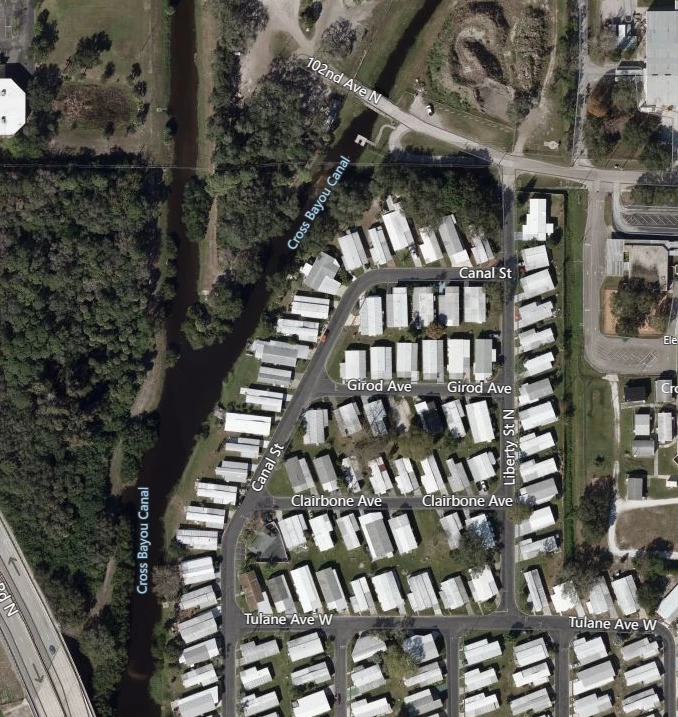
In Tampa, Florida, Grant Escobar is working on an interesting project. Partnering with the Clearwater Cascade Community (55+ community) to assess the on-going erosion they are experiencing on the Cross Bayou Canal that is impacting their property and livelihood.
Level Engineering has been consulting with the board of directors to develop the necessary steps to design and build an erosion control structure. We have performed an initial inspection and report, presented potential solutions in front of the entire community during a town hall, and are currently working on the contract to move into the engineering and design phase of the project needed for permitting approval.
We plan on utilizing our Hydrau-tech partners to assist in the analysis and modeling of the waterway as well as the design of the proposed solution. We are excited to continue helping this community to protect their homes and preserve the waterway system that is home to many marine life including manatees.



New Team Member Feature
Let’s warmly welcome one of Level’s newest Professional Engineers, Roberto Guzman. Roberto joined the collaborative in August in the Miami office. With three master’s degrees and 21 years of worldwide industry experience, Roberto brings a diverse and robust skillset.

Technical Capabilities:
Construction Engineering; Architectural Engineering; Civil Works; Structural Engineering in Multistory Buildings, Commercial Buildings, Office Buildings, Industrial Facilities, Site Development, Earthworks, Highways and Bridges.
Thanks for reading this edition of the Level Letter: An A&E roundup. What’s happening on the front lines of the A&E world. Projects worth sharing, team highlights, job opportunities, articles, podcasts, and other resources.
Frequently Asked Questions
Are natural materials like wood actually safe to use in construction if I’m worried about fire? This is a common and completely valid concern. The idea of using wood in a fire-safe design might seem counterintuitive, but modern technology has changed the game. Many bio-based materials are treated with innovative, non-toxic solutions that cause them to form a protective layer of char when exposed to heat. This char acts as an insulator, dramatically slowing the spread of flames. When properly engineered and treated, these materials can meet and often exceed the same strict fire safety codes that conventional materials do.
I can’t renovate right now. What can I do to reduce my family’s exposure to flame retardants already in my home? You can make a big difference with a few simple habits. Since these chemicals often escape from products and settle into household dust, your cleaning routine is your best tool. Regularly use a vacuum with a HEPA filter, which is designed to trap these tiny particles instead of just blowing them back into the air. Wiping down surfaces with a damp cloth also helps capture dust. Finally, washing your hands frequently, especially before eating, is a powerful way to prevent the transfer of these chemicals from your hands to your mouth.
How can I tell if new furniture or building materials contain these harmful chemicals? When you’re shopping for upholstered furniture, look for a label that mentions “TB 117-2013.” The key is to find one that also explicitly states the product was made without added flame-retardant chemicals. For building materials, it can be trickier. The best approach is to ask suppliers directly for product information and safety data sheets. When working on a project, this is where having a knowledgeable architect or engineer is invaluable, as they can help you specify and source materials that are both safe and healthy.
If chemical flame retardants only offer a few seconds of protection, what’s a better way to ensure fire safety? A truly fire-safe home relies on a layered approach, not just on the chemical treatment of its contents. The most effective life-saving tools are active safety systems. This means having properly installed and maintained smoke detectors to give you the earliest possible warning of a fire. A residential sprinkler system is another incredibly effective measure that can suppress a fire long before the fire department arrives. These systems provide a much more reliable and significant safety benefit than any chemical additive.
Are these sustainable, fire-resistant materials a lot more expensive than conventional options? While some innovative materials can have a higher upfront cost, the price gap is closing as they become more common. It’s also helpful to think about the long-term value. Choosing materials that don’t introduce harmful chemicals into your home is an investment in your family’s health and well-being. By planning ahead and discussing material options with your design and construction team, you can often find sustainable choices that fit within your project’s budget.
Key Takeaways
- Question the Chemicals in Your Home: Many common flame retardants used in building materials and furniture can leach into your air and dust, posing long-term health risks without offering a significant fire safety advantage.
- Build Smarter with Natural Materials: You don’t have to choose between safety and health; innovative, bio-based materials like treated wood offer effective fire resistance, allowing you to create a healthier living space from the ground up.
- Prioritize Proven Safety Systems: The most reliable fire protection comes from a layered approach that includes smoke detectors, sprinkler systems, and clear escape routes—not just the chemical treatments on your materials.
Related Articles
- Sustainable Structural Engineering Solutions | LEVEL
- What Is Sustainable Structural Engineering, And Why Is It More Important Now Than Ever?
- Organic Sustainable Fire-Retardant Walls | LEVEL Letter
- Level Letter: Organic, Sustainable, And Fire-retardant Walls From An Unexpected Source + Level Updates
- Industrial Architecture: A Complete Guide For Businesses
