
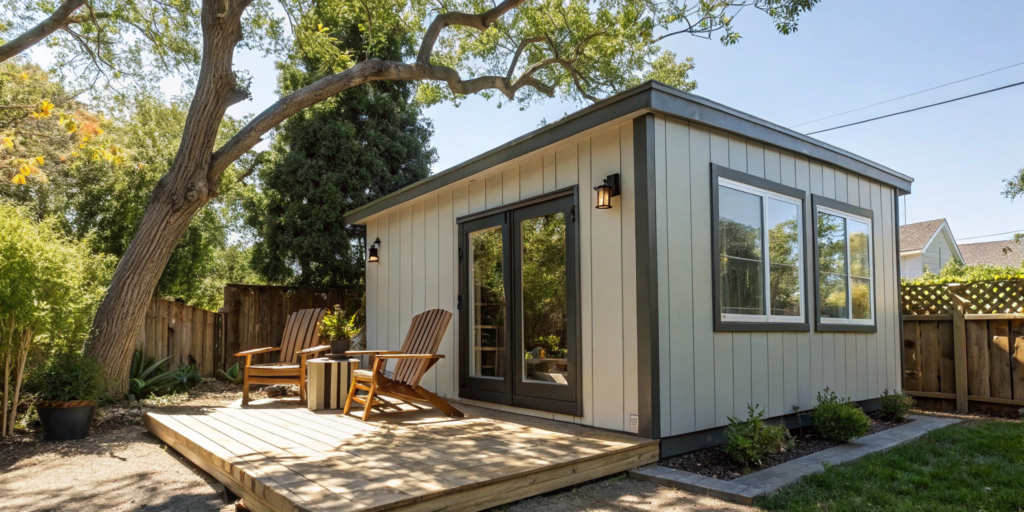
The dream of building an ADU can quickly turn into a nightmare if you make a few common mistakes. Many homeowners fall in love with a design before checking local regulations, underestimate the total cost, or choose a layout that doesn’t fit their long-term needs. The single best way to avoid these costly errors is by investing in a high-quality plan from the very beginning. A professional set of adu design plans is your first line of defense against budget overruns and permitting headaches. It ensures your project is designed for compliance, efficiency, and your specific goals, setting you up for a smooth and successful build.
You’ve seen them popping up in backyards all over Denver: stylish backyard cottages, clever garage conversions, and modern in-law suites. The appeal of an ADU is undeniable, offering a smart solution for everything from multi-generational living to extra income. But how do you get from a great idea to a finished, functional home? The journey starts with a single, essential document: the ADU building plans. This is the bridge between your vision and a buildable reality. A quality plan provides the detailed instructions needed to ensure your project is completed on time, on budget, and exactly as you envisioned it.
Key Takeaways
- Prioritize Regulations Over Aesthetics: Before falling in love with a design, confirm your local zoning laws and building codes. This foundational step ensures your project is legally viable from the start and prevents costly redesigns down the line.
- A Quality Plan is Your Project’s Roadmap: Look for detailed, permit-ready plans that include clear structural specifications and a flexible layout. A comprehensive plan minimizes on-site confusion, helps control costs, and ensures the final build is functional, durable and unique to your site and uses.
- Budget Realistically and Partner with Experts: A successful ADU project requires a solid budget—including a 10-20% contingency fund for surprises—and the right professional guidance. Working with an experienced local multi-disciplinary design consulting helps you manage the process and bring your vision to life efficiently.
What Are ADU Building Plans, Really?
So, what exactly are we talking about when we say “ADU building plans”? Think of them as the complete architectural roadmap for building a small, secondary home on your property. An ADU, or Accessory Dwelling Unit, is a self-contained living space designed to be fully functional on its own. That means it has its own kitchen, bathroom, and sleeping area, making it perfect for a variety of uses. Homeowners use them to generate rental income, create a private space for aging parents, or build the ultimate guest house. The plans themselves are much more than a simple sketch. They are the detailed blueprints and specifications that a contractor will use to bring your vision to life. These documents outline everything from the foundation and structural frame to the electrical and plumbing systems. Compliance with local zoning and site requirements including utility requirements are often missed in the planning, design and budget. Creating a successful living space requires a thoughtful design, which is why having solid ADU plans is the critical first step in any project. They ensure the final build is safe, compliant with local codes, and perfectly suited for its intended purpose.
What Are the Different Types of ADUs?
ADUs are not a one-size-fits-all solution, which is great because it gives you flexibility. They can take several different forms depending on your property, budget, and needs. A detached ADU, often called a backyard cottage or granny flat, is a standalone structure separate from the main house. You could also convert an existing space, like a garage or a basement, into a fully functional apartment. Another popular option is an attached ADU, which involves creating home addition plans that connect directly to your primary residence. This variety allows you to choose a design that makes the most sense for your lot and lifestyle.
A Variety of Names for ADUs
You’ve probably heard ADUs called a bunch of different things, and honestly, they all point back to the same idea: a small, secondary home on your property. Depending on the design and its purpose, you might hear terms like granny flat, in-law suite, backyard cottage, or carriage house. As Architectural Designs points out, the names often reflect how the space is used, from a private suite for family to a detached cottage for guests. You’ll also hear “garage apartment” a lot, which, as Houseplans.com notes, speaks to the popularity of converting existing structures. Whatever you decide to call it, the end goal is always to create a functional, independent living space that makes your property work better for you.
Do I Really Need Professional ADU Plans?
While the idea of adding an ADU is exciting, the process involves navigating a web of local building codes, zoning laws, and permit requirements. This is where professional plans become invaluable. Attempting to design an ADU without a deep understanding of these regulations can lead to costly mistakes and major delays. Working with an experienced team ensures your project is designed for compliance from day one. An expert can guide you through creating a functional, beautiful space that not only meets all legal requirements but also avoids common pitfalls. Investing in a professional multi-disciplinary design firm including architecture service is the smartest move you can make to streamline the process and protect your investment.
Why Build an ADU? Key Benefits and Broader Context
Increased Property Value and Rental Income
Beyond creating a beautiful new space, one of the most compelling reasons to build an ADU is the significant financial upside. A thoughtfully designed and well-constructed unit is more than just an addition; it’s a powerful asset that can substantially increase your property’s market value. For many homeowners, it also opens the door to a consistent stream of rental income, which can help offset mortgage payments, cover the construction costs over time, or simply provide extra financial breathing room. Whether you’re planning for retirement or looking for a way to make your property work for you, investing in a secondary dwelling with solid ADU plans is a practical strategy for building long-term wealth right in your own backyard.
A Sustainable and Flexible Housing Solution
ADUs are an inherently smart and sustainable housing option. By making efficient use of existing residential land, they help reduce urban sprawl and preserve precious green space, contributing to a healthier urban environment. This approach to development is not only eco-friendly but also incredibly flexible. An ADU can seamlessly adapt to your family’s evolving needs over the years. It can serve as a private home for aging parents, a first apartment for a recent graduate, a quiet and dedicated home office, or a welcoming suite for out-of-town guests. This versatility ensures that your investment remains relevant and valuable, providing the right kind of space exactly when you need it.
Helping Address Local Housing Shortages
On a broader community level, ADUs play a vital role in addressing local housing shortages, especially in growing cities like Denver. They introduce what urban planners call “gentle density” by adding more housing options to established neighborhoods without constructing massive new developments that can alter a community’s character. This approach, guided by thoughtful architectural design, provides more diverse and attainable housing choices for residents, from single professionals to small families. By choosing to build an ADU, you’re not just improving your own property; you’re contributing a positive, practical solution to a city-wide challenge and helping to create a more inclusive community.
From Cottages to Conversions: Popular ADU Styles
Accessory Dwelling Units, or ADUs, aren’t a one-size-fits-all solution. They come in several styles, each with its own set of benefits and considerations. The right choice for you will depend on your property, your goals, and your budget. Understanding the most common types is the first step in finding the perfect fit for your home. From standalone backyard cottages to clever garage conversions, let’s explore the possibilities.
Detached ADUs: Building a Backyard Cottage
Often called a backyard cottage, granny flat, or guest house, a detached ADU is a standalone structure built on the same property as your main home. It’s a completely separate living space, typically equipped with its own kitchen, bathroom, and sleeping area. This separation offers the highest level of privacy for both you and your occupants, making it an excellent option for a rental unit or a home for an independent family member. Because it’s a new build, you have a lot of creative freedom with the design. Our team can help you create custom ADU plans that maximize your backyard’s potential while complementing your existing home.
Garage Conversions: Turn Your Garage into a Home
If you have a garage that’s mostly used for storage, a conversion might be the perfect ADU solution. This approach transforms an existing structure into a fully functional living space. Since you’re working with a building that’s already there, garage conversions can be more cost-effective and faster to complete than building from the ground up. It’s a smart way to add value and utility to your property without sacrificing yard space. A successful conversion requires careful planning to handle insulation, plumbing, and electrical systems, turning a basic garage into a comfortable and stylish home.
Basement Apartments: Creating a Lower-Level Living Space
An unfinished or underused basement holds incredible potential for an ADU. Creating a basement apartment, sometimes known as an English basement or a mother-in-law suite, allows you to add a private living space within your home’s existing footprint. These units can be designed with all the essentials, including a separate entrance, kitchen, and bathroom. It’s a great way to generate rental income or provide a comfortable space for family. Before you start, it’s crucial to have a professional assess the space to ensure it meets code requirements for things like ceiling height and egress windows, and that the foundation engineering is sound.
Attached ADUs: Seamlessly Expanding Your Home
An attached ADU is a unit that’s built onto your primary residence. Think of it as a major home addition that functions as its own separate apartment. It shares at least one wall with the main house but has its own private entrance, kitchen, and bathroom. This style is ideal if you want to keep family members close by while still giving them their own space. A well-designed attached ADU blends seamlessly with your home’s existing architecture, looking like it was always part of the original structure. Our experts in home addition plans can help you design a unit that feels both connected and private.
Common ADU Sizes, Layouts, and Features
While every ADU is unique, most fall within a typical size range of up to 800 square feet, though local regulations sometimes allow for as much as 1,000 square feet. The majority of ADU plans you’ll find feature one or two bedrooms, making them a versatile option for singles, couples, or small families. When it comes to the interior layout, an open floor plan is an incredibly popular choice because it creates a sense of spaciousness, even in a compact footprint. This design approach seamlessly combines the kitchen, living, and dining areas into one cohesive space. Many homeowners also choose to include a front porch, which adds to the curb appeal and provides a lovely spot for outdoor living.
Popular Architectural Styles
Beyond the functional layout, the architectural style of your ADU is where you can really make the design your own. Most homeowners aim to choose a style that complements their main house, creating a cohesive look for the entire property. You’ll find a huge variety of options available, from the rustic charm of a Modern Farmhouse to the clean lines of a Contemporary build. Craftsman, Cottage, and Ranch styles are also incredibly popular choices, often favored for their timeless and welcoming appeal. Working with a firm that offers expert architecture services ensures you can select a style that not only matches your vision but also fits perfectly within your neighborhood’s character.
How to Choose the Right ADU Plan for Your Property
Picking the perfect ADU plan is about more than just finding a design you love. It’s about finding a design that works for your specific property, your budget, and your local laws. It might sound like a lot to juggle, but breaking it down into a few key steps makes the process much more manageable. Think of it as creating a checklist to make sure you’re covering all your bases before you get too far down the road. From understanding zoning codes to defining exactly what you need the space for, a little bit of planning now will save you a ton of headaches later. This approach ensures your new ADU not only looks great but is also functional, legal, and a valuable addition to your property for years to come. By taking the time to assess your needs and constraints upfront, you can confidently choose a plan that aligns with your vision. Whether you’re dreaming of a cozy backyard cottage for guests, a modern studio for rental income, or a comfortable space for a family member, the right plan is the foundation of a successful project. Let’s walk through the essential steps to help you find it.
Start Here: Check Your Local Zoning Laws
Before you even start daydreaming about paint colors, your first stop should be your local zoning office. Every city and county has its own set of rules for ADUs, covering everything from maximum size and height to where it can be placed on your property (these are called setbacks). Researching these local building codes and regulations is crucial. Getting this right from the start helps you avoid potential legal issues and ensures your project doesn’t get shut down by a surprise violation. It’s not the most glamorous part of the process, but it’s without a doubt the most important.
Does Your Property Have Space for an ADU?
Once you know the rules, take a good look at your own backyard. How much space do you actually have to work with? Most ADUs are under 800 square feet, but some areas allow for up to 1,000. You’ll need to measure your available space to see what’s feasible. Consider the layout of your property, including the location of your main house, any large trees, or slopes. This assessment will help you determine what type of ADU you can build—whether it’s a detached unit in the back, a garage conversion, or an addition. A professional can provide a site analysis to help you understand the unique opportunities and constraints of your lot.
What Will You Use Your ADU For?
Why are you building an ADU in the first place? Answering this question will guide every design decision you make. If you’re planning to use it for rental income, you’ll need a full kitchen, a durable bathroom, and a private entrance. If it’s for an aging parent, you might need to incorporate accessibility features. Many homeowners make the mistake of only focusing on their current needs, but it’s smart to think about the future, too. A flexible design that could easily shift from a home office to a guest suite will add more long-term value to your property.
Let’s Talk Money: Setting a Realistic Budget and Timeline
It’s easy to underestimate the costs and time involved in a construction project. Beyond the price of the plans, you have to account for permits, materials, labor, and landscaping. It’s a good rule of thumb to add a 10-15% contingency fund to your budget for any unexpected expenses that pop up along the way. Similarly, be realistic about your timeline. Permitting can take months, and construction is often delayed by weather or supply chain issues. Working with an experienced team can help you create a detailed budget and a practical schedule, ensuring a much smoother process from start to finish.
What Makes a Good ADU Design Plan?
Once you start browsing ADU plans, you’ll see tons of options. But a pretty picture doesn’t always translate to a successful project. The best plans go far beyond aesthetics; they provide a clear, comprehensive roadmap for your builder. A quality plan is the foundation of a smooth construction process, helping you stay on budget and on schedule. Knowing what to look for will help you sort through the options and choose a design that is not only beautiful but also practical, compliant, and built to last.
The Details Matter: Clear Floor Plans and Structure
A quality ADU plan is incredibly detailed. It should include precise floor plans with clear dimensions, window and door schedules, and electrical layouts. Think of it as the instruction manual for your new space. The structural details are just as important, specifying everything from the foundation requirements to the roof framing. Good ADU plans are designed for efficiency, often featuring open layouts and multi-functional rooms to make the most of every square foot. When every detail is clearly documented, your contractor has a straightforward guide to follow, which minimizes confusion and costly on-site changes.
Choose Permit-Ready Plans for a Smoother Process
Navigating the city’s permitting office can be one of the most challenging parts of any construction project. That’s why you want plans that are designed to be “permit-ready.” This means they have been created with local building codes and zoning regulations in mind. For example, plans for a Denver ADU must follow specific rules about size, height, and setbacks. Choosing a plan that already accounts for these requirements can save you weeks or even months of back-and-forth with city officials. A local firm will be well-versed in the local building codes and can ensure your design gets the green light without unnecessary delays.
Designing for Comfort and Lower Bills
An ADU isn’t just a building; it’s a home. Incorporating energy-efficient features into the design will make the space more comfortable and less expensive to operate long-term. Look for plans that prioritize sustainability. This can include things like specifying high-quality insulation, calling for energy-efficient windows, and orienting the structure to take advantage of natural light and heat. These features not only lower utility bills but also make the ADU more attractive to potential renters or family members. A well-designed, sustainable home is a smart investment that pays off for years to come.
Plan for the Future with a Flexible ADU Design
Your needs might change over time, and a great ADU plan accounts for that. Many people build an ADU for a specific purpose, like a rental unit or a home office, without thinking about the future. Look for flexible designs that can adapt with you. For instance, a layout with an open living area could easily be reconfigured, or a ground-floor unit could be designed with accessibility in mind for aging parents down the road. Choosing an adaptable plan ensures your ADU remains a valuable asset, whether it’s serving as an in-law suite, a creative studio, or a source of rental income. This kind of foresight is a hallmark of excellent architectural design.
How Much Does It Really Cost to Build an ADU?
An ADU is a significant investment, and understanding the full financial picture is key to a successful project. The total cost goes far beyond the price of the building plans. It includes everything from permit fees and site preparation to construction materials and labor. Getting a handle on these numbers early on will help you create a realistic budget, secure financing, and avoid stressful surprises down the road. Let’s walk through the main cost components you’ll need to account for.
Budgeting for Your ADU Design Plans
First, let’s talk about the blueprints. The cost for ADU plans can vary quite a bit depending on whether you choose a pre-designed plan or opt for a custom design. Stock plans you find online can be a budget-friendly starting point. Prices for these pre-made ADU plans often start around $575 and can go up to about $1,495. While affordable, these plans may require significant adjustments to fit your specific property and comply with local Denver-area regulations. A custom design from an architecture and engineering firm will be a larger initial investment, but it’s tailored precisely to your vision, your lot’s unique characteristics, and local building codes.
Costs Beyond the Plans: Construction and Permits
Once you have your plans, the next major expenses are construction and permits. These costs will make up the bulk of your total budget. Construction includes materials (lumber, roofing, windows) and labor for every trade, from foundation work to plumbing and electrical. Permit fees are another critical line item. As one expert notes, “Neglecting ADU building codes and permits is usually the first and most costly mistake when building an accessory dwelling unit.” Researching these requirements early helps you avoid expensive delays. Working with a local firm that provides architecture services ensures your project is designed to meet all necessary codes from the start.
How to Plan for Unexpected Costs
No matter how carefully you plan, unexpected issues can arise during construction. That’s why building a contingency fund into your budget is so important. It’s common for homeowners to “underestimate the time and complexity involved in building an ADU.” A good rule of thumb is to set aside an extra 10% to 20% of your total construction cost to cover unforeseen expenses, like discovering difficult soil conditions during excavation or dealing with supply chain delays. Partnering with experienced professionals who can anticipate potential challenges is your best defense against budget overruns. This proactive approach will help you manage the project with confidence and ensure a successful outcome.
Common (and Costly) Mistakes to Avoid
Building an ADU is an exciting project, but a few common missteps can turn it into a major headache. Knowing what to watch out for from the start can save you time, money, and stress. Here are some of the most frequent mistakes we see homeowners make and how you can steer clear of them.
Mistake #1: Ignoring Local Building Codes
One of the quickest ways to derail your ADU project is to ignore local regulations. Every municipality has specific zoning laws and building codes that dictate what you can build, from size and height restrictions to property line setbacks. Failing to do your homework can lead to denied permits or costly fines. Before you get attached to a specific design, it’s essential to understand the rules. Working with a local expert who creates permit-ready ADU plans ensures your project is compliant from the very beginning, saving you from major headaches down the road.
Mistake #2: Choosing an Inflexible Design
It can be tempting to grab a cheap, pre-approved plan, but this often leads to regret later. Your needs will likely change over time. The ADU you build for an aging parent today might become a rental unit or a home office in the future. A great ADU plan is designed with flexibility in mind. Think about features like wider doorways or easily reconfigurable spaces. Investing in a thoughtful, adaptable design ensures your ADU remains a valuable asset for years to come, no matter how your life evolves.
Mistake #3: Hiring an Inexperienced Designer
Building an ADU is more complex than it looks. These small homes require clever design solutions to maximize space and functionality, and they come with their own set of permitting challenges. Partnering with a designer or architect who doesn’t have specific ADU experience can lead to poor layouts, miscommunications, and costly errors. You need a team that understands the unique constraints and opportunities of these projects. Be sure to vet your professionals, look at their past ADU work, and choose a firm with a proven track record. An experienced partner will guide you through the process smoothly.
Mistake #4: Forgetting to Design for the Future
This goes hand-in-hand with choosing an adaptable design, but it’s more about the function of the space. When you’re deep in the planning stages, it’s easy to focus only on your immediate needs. Take a moment to think five or ten years ahead. If you’re building the ADU as a rental, what features will attract tenants? If it’s for family, could their mobility needs change? Planning for these future scenarios during the design phase is far more cost-effective than a major remodel or addition later on. Considering accessibility, storage, and privacy from the start will make your ADU more functional long-term.
Which ADU Features Add the Most Value?
Building an ADU is more than just adding a small house to your backyard; it’s a significant investment in your property’s future. The right features can make a world of difference, turning a simple structure into a highly desirable living space that commands higher rent and adds substantial resale value. Whether you plan to use it for rental income, to house a family member, or to create a flexible space for a home office or studio, a thoughtfully designed ADU will always deliver a better return on your investment. It’s the small, intentional choices made during the design phase that separate a basic unit from a truly exceptional one. Focusing on a few key areas during planning can significantly impact the final outcome. Think about what makes a small space feel comfortable, functional, and inviting. It’s not about cramming in expensive finishes, but about smart design that enhances the living experience. From the flow of the floor plan to the placement of windows, every detail contributes to the ADU’s overall appeal and value. A well-designed unit is easier to rent, more enjoyable to live in, and a stronger asset for your property. The right ADU plans will incorporate these value-adding features from the very beginning, setting your project up for success and ensuring you get the most out of your new space.
Focus on Smart Layouts and Modern Design
In a compact space, the layout is everything. A smart design maximizes every square foot, making the ADU feel spacious and intuitive. Optimizing the layout with an open-concept kitchen and living area, for example, can create a sense of flow and prevent the space from feeling cramped. Functional layouts that include clever storage solutions—like built-in shelving or multi-purpose furniture—are also a huge draw for potential renters or buyers. Modern aesthetics, clean lines, and durable, attractive materials will make your ADU stand out and feel like a custom home, not an afterthought. A well-considered design is one of the most effective ways to enhance your property’s value.
Let the Light In: Windows and Outdoor Access
Never underestimate the power of natural light. Large windows, skylights, or glass doors can completely transform a small ADU, making it feel brighter, bigger, and more welcoming. When planning your unit, consider how you can position it to take full advantage of the sun throughout the day. Beyond light, providing a connection to the outdoors adds immense value. Even a small, private patio or deck creates a dedicated outdoor living space, extending the usable area and improving the quality of life for its occupants. These details show a level of care that makes an ADU far more appealing and valuable. Good architecture services can help you integrate these elements seamlessly.
Create a Private Oasis That Saves on Bills
For an ADU to be successful, it needs to feel like a private, separate home. This is crucial for attracting long-term tenants and ensuring harmony on your property. Thoughtful design can achieve this through separate entrances, strategic window placement that avoids direct sightlines to the main house, and sound-dampening insulation. At the same time, energy efficiency is a major selling point. Features like high-quality insulation, double-pane windows, and energy-efficient appliances not only reduce the environmental footprint but also lead to lower utility bills—a huge plus for any resident. These features demonstrate a commitment to quality and comfort, making your ADU a more convenient and desirable place to live.
Where to Find a Reputable ADU Plan Provider
Once you have a clear vision for your ADU, the next big step is finding the right professional to bring it to life. The quality of your building plans will directly impact every phase of your project, from securing permits to the final construction. Choosing a provider isn’t just about getting a blueprint; it’s about finding a partner who understands your goals, your property, and the local landscape. A great plan provider will save you time, prevent costly mistakes, and ensure your new space is safe, functional, and compliant. So, where do you start looking for someone you can trust? Let’s explore the best options.
The Advantage of Hiring a Local Expert
When it comes to ADUs, local knowledge is everything. Every city and county has its own unique set of building codes, zoning laws, and permit requirements. A local expert is already familiar with these rules and can design plans that comply from the get-go, saving you from frustrating and expensive revisions. Before you even begin, it’s crucial to research local building codes and regulations, and a local firm can guide you through this process. Here in the Denver area, an experienced team like Level Engineering understands everything from soil conditions to specific municipal requirements, ensuring your project moves forward smoothly. They can provide tailored ADU plans designed for our unique environment.
Online Plan Shops vs. Local Firms: What’s the Difference?
You might be tempted by online plan shops that offer thousands of designs at a low price. While these can be great for inspiration, they often fall short. ADUs are a flexible housing choice, and a generic plan rarely accounts for your property’s specific dimensions, your personal needs, or local building codes. A local firm, on the other hand, provides a custom solution. They can create tailored designs that maximize your space and meet all regulations. A stock plan almost always needs to be modified by a local engineer anyway, which can quickly erase any initial savings. Working with a local architecture and engineering firm ensures your design is practical, permit-ready, and perfectly suited to you.
Navigating the Online ADU Plan Marketplace
If you start your search online, you’ll find marketplaces with a massive selection of stock ADU plans—some list over 700 options. These sites have powerful tools to help you sort through the noise and find a design that catches your eye, giving you a good sense of what’s possible.
Detailed Search Filters
These sites let you filter plans by almost any criteria: number of bedrooms, square footage, and even the specific width and depth of the unit. This is incredibly helpful for quickly narrowing your options to designs that will actually fit on your property. It saves you from falling in love with a plan that was never going to work for your backyard in the first place.
Virtual Tours and Additional Services
To help you visualize the space, many providers offer 360-degree virtual tours and video walkthroughs. You’ll also see add-on services like plan modifications or “cost-to-build” reports. While helpful for initial estimates, remember these are just that—estimates. A local team can provide a much more accurate picture of costs in the Denver area and ensure any modifications to a stock plan meet local codes, a critical step for creating buildable ADU plans.
Do Your Homework: How to Vet Your Designer
Before you commit to a provider, do your homework. Start by checking their credentials. Are they licensed architects or engineers in your state? Do they have a portfolio of completed ADU projects you can look at? A reputable firm will be transparent about their qualifications and happy to share their past work. Next, dive into client reviews. Reading about other homeowners’ experiences can give you incredible insight into a company’s reliability, communication, and quality of work. Look for reviews on Google, Houzz, and other third-party sites. As one expert notes, reading client reviews can reveal a lot about the provider’s quality and dependability, helping you make an informed choice.
Can You Find Deals on ADU Building Plans?
Yes, you can absolutely find deals on ADU building plans, but it’s about more than just snagging the lowest price. A great deal means getting a high-quality, comprehensive plan that fits your budget and sets your project up for success. Many online architectural sites and local firms offer promotions, especially during certain times of the year. The key is to know what you’re looking for so you can recognize a valuable offer when you see one. Think of it this way: a cheap set of plans that isn’t compliant with local Denver-area codes will cost you far more in the long run with revisions, delays, and engineering fees. A true deal is a well-designed, permit-ready plan that saves you both money upfront and headaches down the road. It’s about finding that sweet spot between cost-effectiveness and quality, ensuring your investment is sound from the very first step.
Look for Promotions and Service Packages
If you’re browsing online plan marketplaces, you’ll often find designs available at a discounted price. It’s always a good idea to keep an eye out for seasonal sales or special promotions. For a more integrated approach, look for firms that offer bundled services. For example, a local expert might package their ADU plans with necessary structural engineering reviews or permit application support. This can provide significant value and streamline the process, saving you the effort of coordinating multiple professionals. Buying a pre-designed plan is also inherently more affordable than commissioning a fully custom design, making it a great deal from the start.
What a Good Deal on ADU Plans Really Looks Like
A good offer provides value, not just a low price. When you’re comparing plans, look for the ability to filter designs by the features that matter most to you, like the number of bedrooms, foundation type, or architectural style. This ensures you’re only considering options that truly fit your needs. Price-wise, ADU plans can range from around $600 on sale to $1,500 or more, with many falling in the $800–$1,000 range. Use this as a general benchmark to gauge offers. Most importantly, a good deal is a complete, clear set of plans that a builder can actually use and that your local building department will approve with minimal changes.
Ready to Start Your ADU Project?
Once you have a vision for your accessory dwelling unit, it’s time to move from dreaming to doing. Taking the right first steps can make all the difference between a smooth, successful build and one filled with frustrating delays. Getting organized now will help you set a realistic timeline, create an accurate budget, and bring your ADU plans to life with confidence.
Your First Steps for a Successful ADU Project
Before you get attached to a specific design, your first move should be to research local building codes and zoning regulations. Every city and county as well as utility providers has its own set of rules for ADUs, covering everything from size and height restrictions, impervious lot coverage percentages to setback requirements from property lines. Understanding these rules from the start helps you avoid designing a unit that can’t legally be built. This initial homework is crucial for a compliant project and prevents costly mistakes down the road. A firm that specializes in ADU plans will be well-versed in these local nuances and can guide you through the requirements. Before you get attached to a specific design, your first move should be to research local building codes and zoning regulations. Every city and county as well as utility providers has its own set of rules for ADUs, covering everything from size and height restrictions, impervious lot coverage percentages to setback requirements from property lines. Understanding these rules from the start helps you avoid designing a unit that can’t legally be built. This initial homework is crucial for a compliant project and prevents costly mistakes down the road. A firm that specializes in ADU plans will be well-versed in these local nuances and can guide you through the requirements.
Partnering with the Right Professionals
Partnering with the right team is one of the best investments you can make in your ADU project. Engaging with experienced architects and civil as well as structural engineers who specialize in ADUs will streamline the entire process. They do more than just draw up plans; they help you create a functional, beautiful space that meets your specific needs while adhering to all building codes. A professional can offer creative solutions you might not have considered, optimize your layout for your property, and ensure the structural integrity of your new unit. Their expertise is key to managing the complexities of design and construction, turning your vision into a tangible, well-built reality.
What to Expect from the Timeline and Permit Process
The path to getting your ADU built involves a critical, and often confusing, step: the permitting process. Overlooking the timeline for obtaining permits is a common misstep that can derail your project before construction even begins. Familiarizing yourself with the steps involved—from submitting your architectural designs to scheduling inspections—is essential for a smooth workflow. Each phase takes time, and an experienced professional can provide a realistic schedule and manage the submission process for you. This foresight helps you plan your budget and construction schedule accurately, ensuring there are no surprises along the way.
Related Articles
- Building An ADU: A Comprehensive Guide
- ADUs 101: A Clear Guide For Homeowners, Realtors, And Contractors
- ADU Workshop – Level Engineering & Inspection
Frequently Asked Questions
Is a custom ADU plan worth the extra cost over a pre-designed one? This is a great question because it gets to the heart of your project’s foundation. While pre-designed or “stock” plans can seem like a bargain upfront, they often require significant changes from a local engineer to meet Denver-area building codes and fit your specific property. A custom plan is designed from the start with your lot, your goals, and all local regulations in mind. This tailored approach often saves you money and time during the permitting and construction phases, making it a smarter investment in the long run. What’s the single biggest mistake people make when starting an ADU project? Hands down, the most common and costly mistake is underestimating or ignoring local zoning laws and building codes. It’s tempting to jump right into finding a design you love, but if that design doesn’t comply with your city’s rules for size, height, or placement on your property, you’ll face major delays and redesign costs. Always start by understanding the specific regulations for your address before you get too attached to a particular plan. How do I know if my property is even suitable for an ADU? The best way to find out is to start with your local zoning department to confirm that ADUs are allowed in your area. From there, you’ll need to consider the practical aspects of your lot. Think about available space, access for construction equipment, and the location of utility lines. A professional site analysis can give you a clear picture of what’s possible and help you determine the best type and placement for an ADU on your property. Besides construction, what are some of the ‘hidden’ costs I should budget for? It’s easy to focus on the big-ticket items like lumber and labor, but several other costs are crucial for an accurate budget. You’ll need to account for city permit fees, utility connection charges, and potentially a property survey. It’s also wise to set aside a contingency fund of about 10-15% of your total construction cost to cover any unexpected issues that might come up, like supply delays or unforeseen site conditions. How long does the design and permitting phase typically take before construction can start? The pre-construction phase often takes longer than people expect. The design process itself can take several weeks, depending on how quickly you make decisions and whether you’re using a stock or custom plan. After that, submitting your plans to the city for review and receiving a permit can take anywhere from a few weeks to several months. Building this time into your overall project schedule from the beginning helps set realistic expectations.
