
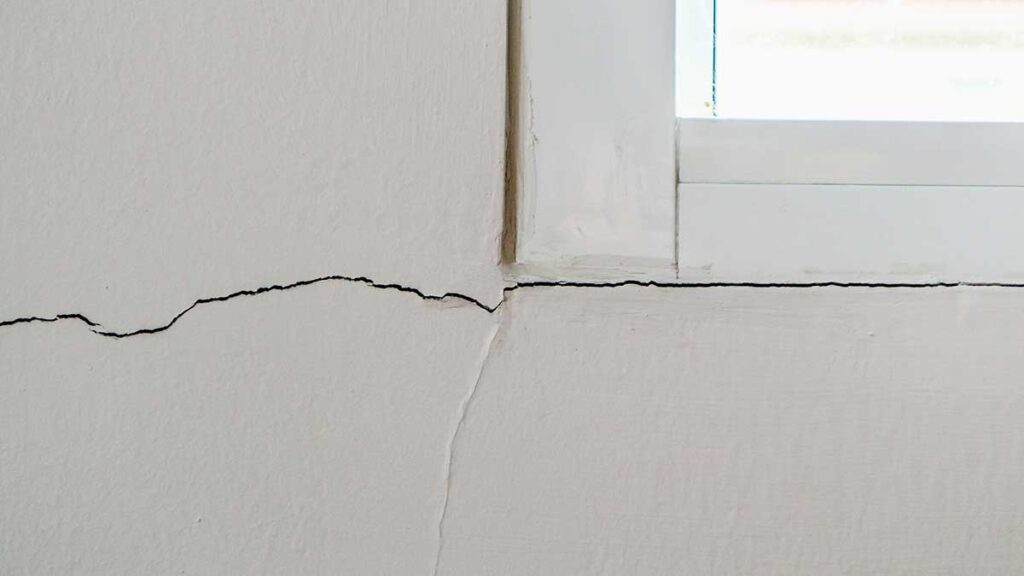
You found the perfect house. It has the right layout, a great backyard, and it’s in your ideal neighborhood. Then, the inspection report comes back with two words that make your stomach drop: foundation issues. Suddenly, your dream home feels like a huge risk. Does a cracked foundation mean you should walk away, or is it a manageable problem you can use to negotiate a better deal? The process of buying a home with foundation issues can be intimidating, but it doesn’t have to be a deal-breaker. This guide will help you understand how to assess the damage, what repairs might cost, and when to move forward confidently.
Selling a home is already complex, but selling a house with foundation issues can be a real deal breaker. From the prospect of costly foundation repairs to navigating disclosure requirements and managing skeptical potential buyers, it’s easy to see why homeowners may struggle to find a way forward. By understanding the assessment and repair process and making strategic choices, selling a house with foundation problems can be more manageable and even lead to a successful sale. This guide will help you better understand foundation issues with your property, who to call if you suspect or want to identify any potential problems, and what steps to avoid. Disclaimer: This is a general guide to point you in the right direction and must not be mistaken for legal or professional advice. Consult your attorney and local structural engineer when undertaking any property transactions.
Understanding Foundation Issues
What Are Foundation Issues?
Foundation issues refer to problems with a house’s base structure that impact its stability and safety. These issues can be as minor as hairline cracks or as severe as structural damage that affects the entire building. Addressing these problems is critical when selling a home, as they can significantly influence the property’s market value. 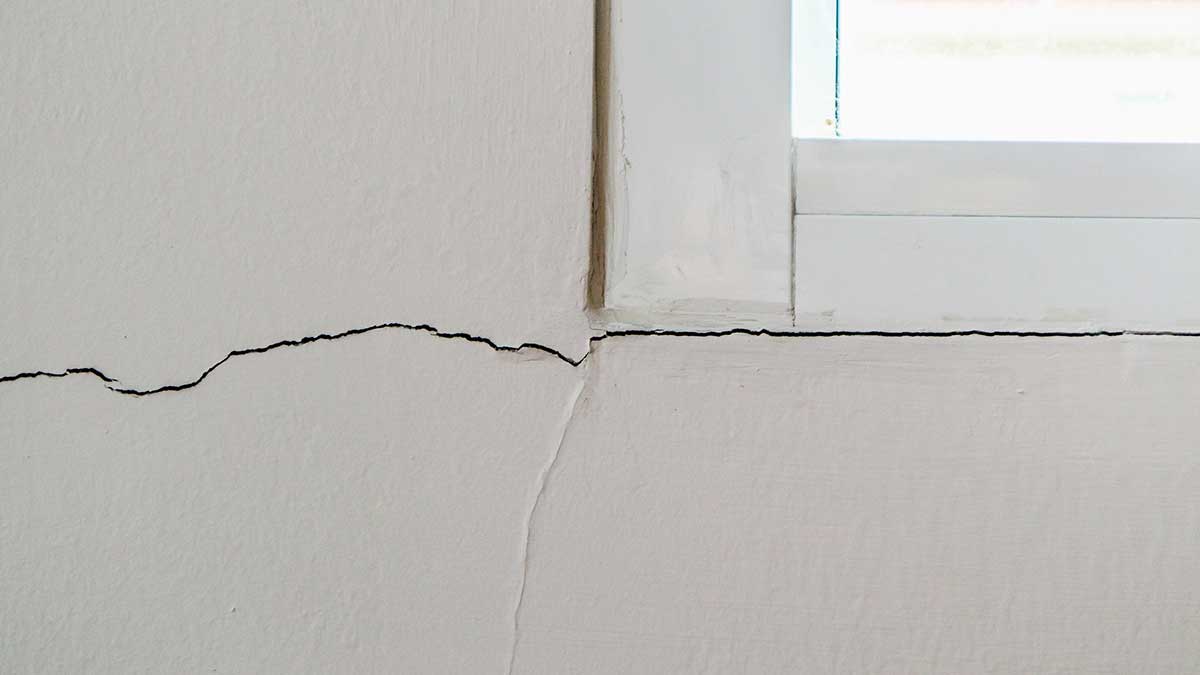
Common Signs of Foundation Problems
Identifying foundation problems early can help in managing them effectively. Here are some common signs that suggest your house may have foundation issues:
- Cracking in Walls and Floors: Cracks in interior drywalls, ceilings, or floors.
- Uneven Floors: Floors have an irregular gradient or show bumps and slopes
- Sticking Windows and Doors:
- Water Intrusion: Signs of moisture around the home’s foundation or in the crawl space.
Understanding the severity of these foundation problems is essential for deciding whether to repair the foundation problem or sell the house.
Types and Severity of Foundation Cracks
Not all cracks are created equal, and spotting one doesn’t automatically mean your home’s structural integrity is compromised. The key is to understand what you’re looking at. Generally, small, vertical hairline cracks are common and often result from concrete curing or minor settlement. However, horizontal cracks are a much bigger red flag, as they can indicate significant pressure on the foundation from soil and water. Stair-step cracks in brick or concrete block walls are also a cause for concern. As a rule of thumb, any crack wider than a quarter of an inch deserves immediate attention. If you notice cracks that are growing, widening, or leaking water, it’s time to call in a professional to assess the foundation and determine the cause.
Additional Warning Signs to Look For
Foundation issues often show up in ways that go beyond visible cracks in the concrete. It’s important to look for other clues around your home that might signal a problem. Pay attention to your doors and windows—do they stick, refuse to close properly, or show gaps between the frame and the wall? This can happen when the foundation shifts and warps the structure. Similarly, take a walk through your house and feel the floors. Any sloping, sagging, or uneven spots could point to settlement issues below. Other warning signs include moisture in your crawl space or basement, walls that appear to be bowing or bulging, and even nails popping out of the drywall. When you see several of these signs together, it’s a strong indicator that you need a professional structural inspection to get a clear picture of what’s happening.
Environmental Causes of Foundation Problems
Foundation problems aren’t always the result of poor construction; often, the environment is the primary cause. In places with significant weather changes, like the hot summers and cold winters we experience in Colorado, the soil beneath your home is in constant motion. Expansive soils, common in this region, swell with moisture from rain and snowmelt and then shrink as they dry out. This cycle of expansion and contraction puts immense, uneven pressure on your foundation, leading to settling and cracking over time. Because these issues are so common in certain climates, it’s important to understand that they are often a matter of when, not if. A professional foundation engineer can assess how the local soil and climate are impacting your specific property.
How Foundation Issues Compare to Other Major Home Repairs
The phrase “foundation issues” can sound incredibly intimidating, and for good reason—it can be one of the most expensive problems to fix in a home. While minor crack repairs might cost between $250 and $800, the average foundation repair is closer to $5,000, with major stabilization work potentially exceeding $12,000. During a home inspection, foundation problems are often considered the most critical red flag because they compromise the structural integrity of the entire house. Unlike replacing a water heater or even a roof, a faulty foundation affects every part of the home built on top of it. The first step to understanding the scope and cost is to get a professional structural inspection to determine the severity of the issue.
Foundation Repair: When and How to Fix Issues
Should You Fix the Foundation Before Selling? Pros and Cons
Deciding whether to fix the foundation or sell it as is is a significant choice for homeowners. Here’s a breakdown of the pros and cons:
Pros:
Increased Buyer Trust: Addressing foundation damage before the listing can reassure buyers, making most buyers more confident about the property’s condition. This can lead to a smoother sales process. Potential for a Higher Price: Homes with repaired foundations command a higher price, as buyers may be willing to pay more for a property without significant issues.
Cons:
Timing Delays: Repairs to foundation issues could delay the process if you want to sell quickly. Repairing foundation issues can take time, which may not align with your desired timeline for a fast sale. High Repair Costs: Foundation repairs can vary widely—from around $2,000 for minor crack repairs to over $20,000 for significant work, like installing hydraulic piers. This can be a considerable upfront expense for homeowners, and the final sale price does not guarantee a total return on investment. Weighing these pros and cons can help you decide whether to proceed with repairs before putting your home on the market.
Different Foundation Repair Options
If you decide to proceed with repairs, several methods are available depending on the nature of the foundation issues:
- Hydraulic Piers: Often used to stabilize settling foundations by lifting and supporting them.
- Slab Jacking: Raising a sunken concrete slab by injecting a mixture beneath it.
- Crack Sealing: Sealing l-shaped cracks and small gaps to prevent further water damage.
- Drainage Solutions: Improving drainage around the house with foundation issues to prevent future problems.
Understanding Repair Costs
The cost of foundation repair is a major factor in your decision-making process. Expenses can range dramatically, from a couple of thousand dollars for simple crack sealing to over $20,000 for more intensive solutions like installing hydraulic piers. It’s crucial to get a detailed quote from a qualified professional to understand the full financial picture. This upfront investment can be substantial, and it’s important to remember that you may not see a dollar-for-dollar return in your final sale price. Before committing to any work, consulting with foundation engineers can provide a clear assessment of the necessary repairs and their associated costs, helping you make an informed choice that aligns with your budget and selling goals.
The Permanence of Foundation Repairs
A common concern for both sellers and buyers is whether a foundation fix will truly last. Modern foundation repairs, when performed by reputable professionals, are designed to be permanent solutions. Many repair companies even offer transferable warranties, which can be a powerful tool to reassure potential buyers that the issue has been resolved for good. While discovering a foundation problem can be unsettling, a properly executed and documented repair can turn a major red flag into a manageable part of the negotiation. Having a third-party structural inspection post-repair can provide the official documentation and peace of mind needed to close the deal confidently.
Working with a Qualified Foundation Repair Contractor
Hiring a qualified foundation repair contractor is essential to ensure the work is done correctly and can ultimately save you money in the long run. To find the right contractor, verify their credentials by ensuring they are licensed and insured. Your Additionally, asking for references and speaking with past clients can provide valuable insights into their level of satisfaction and the quality of the contractor’s work. Obtaining multiple estimates is also recommended. This helps you understand the project’s scope and compare the costs of necessary repairs, ensuring you make an informed decision.
Pricing a House with Foundation Issues
How Foundation Problems Affect Home Value
Foundation damage can significantly impact a home’s market value. Buyers often see foundation issues as a risk, which can deter them from making an offer or lead them to negotiate a lower price. The cost of major repairs can also influence how much cash buyers or real estate investors are willing to pay.
Setting the Right Asking Price for a House with Foundation Issues
Pricing a house with foundation problems requires a strategic approach. Here are some tips for setting a fair asking price:
- Consult a Structural Engineer: They can provide a detailed damage report and recommend repair methods, helping you justify your pricing.
- Offer a Discount: Can you reduce the price based on the estimated cost of foundation damage repairs? This allows buyers to tackle the issue themselves.
- Price Competitively: Compare your home with others that have sold with similar structural issues.
Navigating the Sale: From Disclosures to Buyer Negotiations
Legal Obligations: Disclosing Foundation Issues
When selling a house with foundation issues, you are legally required to disclose any known problems to buyers. Transparency is crucial to avoid legal repercussions. Here’s what to include:
- Inspection Report: Sharing a professional inspection report can help build trust.
- Detailed Repair Estimates: Providing potential buyers with estimates for the cost of repairs allows them to understand the scope of the issue.
- Full Disclosure: Don’t withhold information about past or present foundation problems.
Working with Real Estate Agents
A real estate agent with experience selling homes with structural damage can significantly improve the selling process. They are crucial in marketing the property, focusing on features that attract buyers and offset the foundation challenges. For example, they can highlight advantages such as a prime location, large lot size, or recent upgrades to attract potential buyers. Beyond marketing, a skilled agent can also assist in negotiating with buyers. They know how to identify and connect with buyers open to purchasing a property with foundation issues, ensuring a fair agreement is reached. Also, a knowledgeable agent can help you manage the disclosure requirements, ensuring you meet all legal obligations related to foundation problems. This reduces the risk of future legal complications and builds trust with potential buyers.
Attracting the Right Buyers
Even if your home has foundation issues, there are effective strategies to make it more appealing to prospective buyers. One way is to emphasize the property’s strengths, such as its location or any recent upgrades that add value. Highlighting these positives can help shift focus away from the foundation problems. Offering repair allowances can also make a difference, as it provides buyers with the funds to address the issues themselves, making the purchase less daunting. Additionally, considering cash offers from cash buyers or real estate investors can be a practical option. These buyers are often more willing to purchase properties without repair contingencies, enabling a faster transaction and allowing you, the cash buyer, to close the sale more quickly.
Steps to Avoid Being Taken for a Ride in the Selling Process
- Get a Professional Assessment: A structural engineer can provide an unbiased view of the foundation’s condition.
- Hire a Reputable Agent: Find a real estate agent familiar with homes with foundation problems.
- Be Honest About the Damage: Transparency helps avoid issues during negotiations.
- Know Your Legal Rights: Understand your obligations around disclosure requirements to protect yourself legally.

Negotiation Strategies for Buyers and Sellers
Discovering foundation issues doesn’t automatically mean the deal is off. Instead, it signals the start of a negotiation. For both buyers and sellers, this is a critical phase where clear communication and a willingness to find a middle ground are essential. With the right strategies, you can work through the challenges and arrive at a solution that feels fair to everyone. Having a professional assessment in hand provides a factual basis for these discussions, removing much of the emotion and guesswork. This allows both parties to focus on practical solutions, whether that means adjusting the price, arranging for repairs, or setting aside funds to cover future work.
Using an Escrow Holdback
For smaller foundation problems that don’t require immediate, pre-closing intervention, an escrow holdback can be an elegant solution. This strategy involves the seller agreeing to place a portion of the sale proceeds into a separate escrow account. These funds are held until after the closing date and are specifically earmarked for the agreed-upon repairs. It’s a great way to give the buyer peace of mind without delaying the sale. However, this isn’t a casual agreement. It must be formalized in a written contract, signed by both the buyer and seller, and crucially, approved by the buyer’s mortgage lender to ensure all parties are protected.
The Importance of the Inspection Contingency
As a buyer, the inspection contingency is one of your most powerful tools. This clause in your purchase agreement gives you the right to have the home professionally inspected and allows you to renegotiate or back out if significant problems are uncovered. If an inspection reveals potential foundation issues, your first step is to talk with your real estate agent to understand your options. The next, most crucial step is to get a structural inspection from a qualified engineer. They can provide a detailed report on the extent of the damage and the estimated repair costs, giving you the concrete evidence needed to negotiate effectively with the seller.
For Buyers: When to Walk Away
While it can be tough to let go of a house you’ve set your heart on, knowing when to walk away is crucial for your financial well-being. You should seriously consider backing out of the deal if the foundation damage is too severe, the repair costs are beyond your budget, or the seller is unwilling to negotiate or help cover the expenses. It’s not just about the upfront cost, either. Significant structural issues can make it difficult to secure a mortgage, as lenders may be hesitant to finance a property with a compromised foundation. Government-backed loans like FHA or VA loans have particularly strict standards and may require repairs to be completed before the loan is approved, which can complicate the transaction significantly.
Closing the Deal: Final Steps for a Successful Sale
How Foundation Issues Affect Appraisals
A house with foundation issues often receives a lower appraisal value. Appraisers consider structural damage and the estimated cost of foundation repairs when determining a home’s worth. This can impact your ability to sell, especially to buyers relying on mortgages.
Financing a Home with Foundation Problems
Foundation problems don’t just affect the appraisal; they can create significant hurdles for potential buyers trying to secure a mortgage. Lenders are cautious about financing properties with known structural defects because it increases their risk. This is especially true for certain types of loans with strict property standards. Understanding these financing challenges is key for sellers, as it directly impacts the pool of potential buyers and the overall timeline of the sale. Knowing the options available can help you and your real estate agent prepare for negotiations and guide buyers toward viable solutions.
Challenges with Government-Backed Loans
Buyers who plan to use government-backed loans, such as FHA or VA loans, often face the biggest challenges when a home has foundation issues. These loan programs have strict minimum property standards to ensure the home is safe, secure, and structurally sound. A property with an unsound foundation typically won’t qualify, and the lender will likely require that all necessary repairs are completed before they approve the loan. This can create a difficult situation, as the buyer can’t get the loan to buy the house until it’s fixed, and the seller may not have the funds or desire to pay for extensive repairs upfront.
Using Rehabilitation Loans for Repairs
One of the best solutions for financing a home with known foundation problems is a rehabilitation loan. These specialized loans, like the FHA 203(k) or VA renovation loan, are designed for properties that need significant repairs. They allow the buyer to roll the cost of the home purchase and the estimated cost of the repairs into a single mortgage. This is a huge advantage because the buyer doesn’t need to come up with cash for the repairs separately. For sellers, marketing your home as eligible for a renovation loan can attract a wider range of buyers who are willing to take on a project.
Working with Cash Buyers for a Quick Sale
Working with cash buyers can be ideal for homeowners looking to sell quickly, especially when foundation damage repairs are involved. Cash buyers can close faster since they don’t need to wait for mortgage approvals, allowing quicker transactions. They are often more willing to purchase the property as is, even if it requires significant repairs. However, it’s essential to know that cash buyers typically negotiate lower offers, considering the costs and risks associated with the structural integrity issues and needed repairs.
Success Stories: Overcoming Foundation Challenges
Many homeowners have sold homes with foundation issues by being transparent, setting the right price, and working with professionals. For example, some sellers secured a fair price by offering repair credits, while others sold to real estate investors for a quick cash sale. With the right strategy, you can turn a problematic situation into a successful sale.
Final Thoughts: Turning a Challenge into an Opportunity
Selling a house with foundation issues requires preparation, honesty, and professional guidance. By following these steps, you can navigate the process and achieve a successful sale even when faced with structural challenges. Need help with a professional inspection or repair estimate? Contact Level Engineering today to ensure you make the right decisions for your property’s unique needs.
Frequently Asked Questions
I see a crack in my wall. Does this automatically mean I have a major foundation problem? Not necessarily. It’s easy to see a crack and immediately assume the worst, but many homes have small, vertical hairline cracks from normal settling or concrete curing. The real red flags are horizontal cracks, stair-step cracks in brickwork, or any crack that is actively growing or wider than a quarter of an inch. Instead of panicking, think of a crack as a signal to investigate further. The best first step is to have a structural engineer take a look to give you a clear, unbiased assessment of what’s really going on.
Is it better to fix the foundation myself before selling, or just lower the price? This is the big question, and the right answer depends on your goals. Fixing the foundation before you list the house can build trust with buyers and may help you secure a higher sale price. However, it requires a significant upfront investment of time and money, with no guarantee you’ll recoup every dollar. On the other hand, pricing the home lower to account for the repair costs can attract cash buyers or investors and lead to a much faster sale. Consider your financial situation and how quickly you need to sell to decide which path makes the most sense for you.
My inspection report mentioned foundation issues. What’s my very next step as a buyer? Your first call should be to a licensed structural engineer to schedule an independent foundation inspection. A general home inspector is trained to spot potential problems, but a structural engineer is the specialist who can diagnose the root cause, determine the severity of the issue, and provide a detailed report with recommended repair methods and estimated costs. This report is your most powerful tool; it gives you the concrete information you need to negotiate with the seller for repairs or a price reduction, or to make the tough decision to walk away.
Will a bank even give me a mortgage for a house with foundation problems? It can be challenging, but it’s definitely not impossible. Lenders are cautious because a faulty foundation represents a significant risk to their investment. Government-backed loans like FHA and VA have very strict safety and structural standards, and will often require repairs to be completed before closing. However, a great option to explore is a rehabilitation loan, like an FHA 203(k), which allows you to roll the cost of the home and the necessary repairs into a single mortgage.
If a foundation has been repaired, is it truly fixed for good? When done correctly by a reputable company, modern foundation repairs are designed to be permanent solutions that address the underlying cause of the problem. Many professional repairs even come with a transferable lifetime warranty, which can be passed on to you as the new owner. This is a huge asset that provides peace of mind. If you’re considering a home with a past repair, be sure to ask the seller for all the documentation, including the scope of work and the warranty information.
Key Takeaways
- Prioritize a Professional Inspection: Before you decide to repair or sell as-is, get an unbiased report from a structural engineer. This document is your foundation for smart pricing, transparent disclosures, and effective negotiations.
- Decide to Fix or Price Accordingly: You have options beyond expensive, upfront repairs. You can sell the home as-is by adjusting the price to reflect the needed work or by offering a repair credit, which can attract a wider pool of buyers.
- Be Transparent and Ready to Negotiate: Honesty is non-negotiable—you must disclose all known foundation issues. A successful sale hinges on being open to solutions like repair credits, escrow holdbacks, or working with buyers using renovation loans to get the deal done.
