
When you suspect a foundation problem, your first instinct might be to call a repair company for a free estimate. But it’s important to remember that their goal is to sell you a service. An effective, lasting repair starts with an unbiased diagnosis from a structural engineer. They work for you, not a sales commission. The question of whether foundation repair affects home value often comes down to whether the right repair was done. This guide explains the crucial role an engineer plays in designing a solution that truly solves the problem, protects your investment, and gives you peace of mind.
 You finally found the perfect home, but how can you be sure it’s structurally sound? It’s a question most homeowners or potential buyers should ask before undertaking any real estate transaction. Foundation issues are more common than people think. As infrastructure ages and soil conditions change, it can impact building foundations, resulting in foundation repairs. However, don’t fear; this guide is for homeowners, sellers, and real estate professionals who want straight answers. We’ll explain how foundation issues influence value, what kind of foundation repairs can make a difference, and how to navigate the foundation repair process while adding real value to your home.
1. Home Foundation Repair: Safeguarding your home’s value
Having your foundation repaired is as necessary as changing the flat tire of your car. The longer you leave it, the more potential there is for damage to the rest of the structure. We often treat cosmetic damage caused by undue pressure exerted on the structural elements as minor issues. However, these can be signs of differential settlement or foundation heave. Foundation repair can range from quick fixes to major structural overhauls. Either way, ignoring the problem costs more in the long run. Getting ahead of it is always the right financial move, and the best place to start is consulting a local engineer.
2. Spotting Foundation Problems Isn’t Always Obvious
Foundation issues don’t always show up as gaping cracks. Common signs include sticky doors, windows that don’t close right, or hairline cracks. Even something seemingly unrelated, such as mold growth, can mean moisture has penetrated the foundation and requires repairs. Many homeowners assume everything is okay because they don’t see a dramatic issue when they walk around. The primary causes of foundation failure are below the surface, such as uneven pressure caused simply by the movement of the earth over time. Accepting a home as-is is a significant risk that can be mitigated by requesting a structural engineer undertake a structural inspection
Not All Cracks Are a Major Concern
Finding a crack in your foundation can feel alarming, but it’s not always a sign of a major structural failure. Many homes develop small, hairline cracks as they naturally settle over time. These minor settling cracks are often cosmetic and typically don’t affect your home’s structural integrity or its market value. While it’s smart to monitor any new cracks you find, you don’t need to panic over every little line. Think of them as signs that your house is simply adjusting to its environment, a normal process for any building.
The time to pay closer attention is when cracks show more serious characteristics. Be on the lookout for horizontal cracks, cracks wider than a quarter-inch, or stair-step patterns in brick walls. If you also notice other issues like doors that stick, windows that are difficult to open, or sloping floors, it could indicate a deeper problem. These are signals that the foundation movement might be affecting the rest of your home’s structure. When you see these warning signs, it’s wise to get a professional structural inspection to get a clear picture of what’s happening and protect your investment.
3. Structural Integrity and property value.
Why is my Foundation Cracking? Structural integrity isn’t just a buzzword—it makes your home safe and livable. Foundation damage and other structural problems can affect the sale price of a house and put off potential buyers. Even worse is if the information is withheld or incorrect, which could have legal implications and leave buyers at a significant loss. Consult a professional engineer to assess your foundation and identify any structural issues. It gives you the information to make informed decisions about foundation repairs that can be presented to the seller or a potential buyer. Does Foundation Repair add value? Short answer: Foundation repair affects home value, often more than cosmetic damage or other minor issues. When done right, foundation repair increases the home’s longevity and makes it a better investment for potential buyers. Serious buyers will ask about your home’s foundation or recognize telltale signs of potential problems. Professional foundation repairs can make the sale process much faster. It provides documented evidence of the conditions of the foundation and mitigates unnecessary negotiation over unknowns.
How Repairs Protect Value vs. Add Value
It’s a common misconception that every home improvement project adds dollar-for-dollar value to your property. When it comes to foundation repairs, it’s more about protection than profit. Think of it this way: fixing a foundation issue doesn’t add a new, shiny feature like a remodeled kitchen, but it stops your home’s value from dropping. Unaddressed structural problems can significantly lower your property’s worth and scare away potential buyers. According to experts at Angi, these repairs are essential for preserving your home’s market price, ensuring you don’t lose equity over a preventable issue.
From a seller’s perspective, having documented foundation repairs is a huge asset. It shows you’ve been a responsible homeowner and removes a major point of contention during negotiations. Buyers are much more confident making an offer on a home with a clean bill of structural health. Instead of seeing it as an expense, view foundation repair as an investment in a smoother, faster, and more profitable sale. A professional assessment from a foundation engineer provides the clarity and documentation needed to give everyone peace of mind.
4. Can I add value by doing my own foundation repair?
There is a process to good foundation repair and it always starts with having a structural engineer assess the extent of your foundation damage. The engineer will then be able to design a custom repair, or advise on the best off the shelf products and repair companies. Foundation repair is best left to the experts, even if you have the skills and knowledge to affect the repairs, it is always best practice to have an engineer undertake the design. Having a professional assess your foundations and provide recommendations will safeguard the future value of your home and can boost the sales value, allowing you to sell at a higher price.
The Risks of Poorly Executed Repairs
It can be tempting to opt for a quick fix or a DIY solution to save money, but when it comes to your home’s foundation, cutting corners is a recipe for disaster. Poorly executed repairs can do more harm than good, actively lowering your home’s value. Buyers view unpermitted work or repairs done by unlicensed individuals as a major risk, which often leads to lower offers. A botched repair job doesn’t just fail to solve the original problem; it creates a new one that a future buyer will have to deal with, and they will expect a significant discount for that trouble.
Beyond just the sale price, a history of bad repairs can make your home difficult to sell at all. Foundation issues are a major deterrent for most homebuyers, and evidence of a failed repair attempt can scare away potential buyers. It can also create serious hurdles for buyers trying to secure a mortgage or homeowner’s insurance, as lenders and insurers are wary of properties with questionable structural stability. The best way to protect your investment is to ensure the job is done right the first time, starting with an unbiased structural inspection to diagnose the root cause and design an effective, lasting solution.
5. What Appraisers Look At
Appraisers take repair costs and potential risks into account. If the issue is obvious or poorly repaired, it’ll be reflected in the valuation. There are several telltale signs of foundation damage, some less detrimental to the structural integrity in the short term, while others can lead to a house being deemed unlivable. Home appraisers do not assess the structure in detail and will determine value based on their assumptions. Having an engineer inspect the foundation provides the appraiser with the information they need to determine the fair value of your home. But if you’ve had a professional fix it—preferably one backed by a structural engineer’s stamp—that can keep your home value intact. In some cases, it might even bump it up. To learn more about specific foundation problems, click here
6. In Hot Real Estate Markets, Every Detail Matters
In fast-moving markets, even minor problems get magnified. Homes with foundation issues tend to get lowball or no offers. Buyers move on. Contrast that with a home that’s had its foundation professionally repaired and comes with documentation. That’s reassuring. It makes the house more appealing and can help it sell faster—and at a better price. 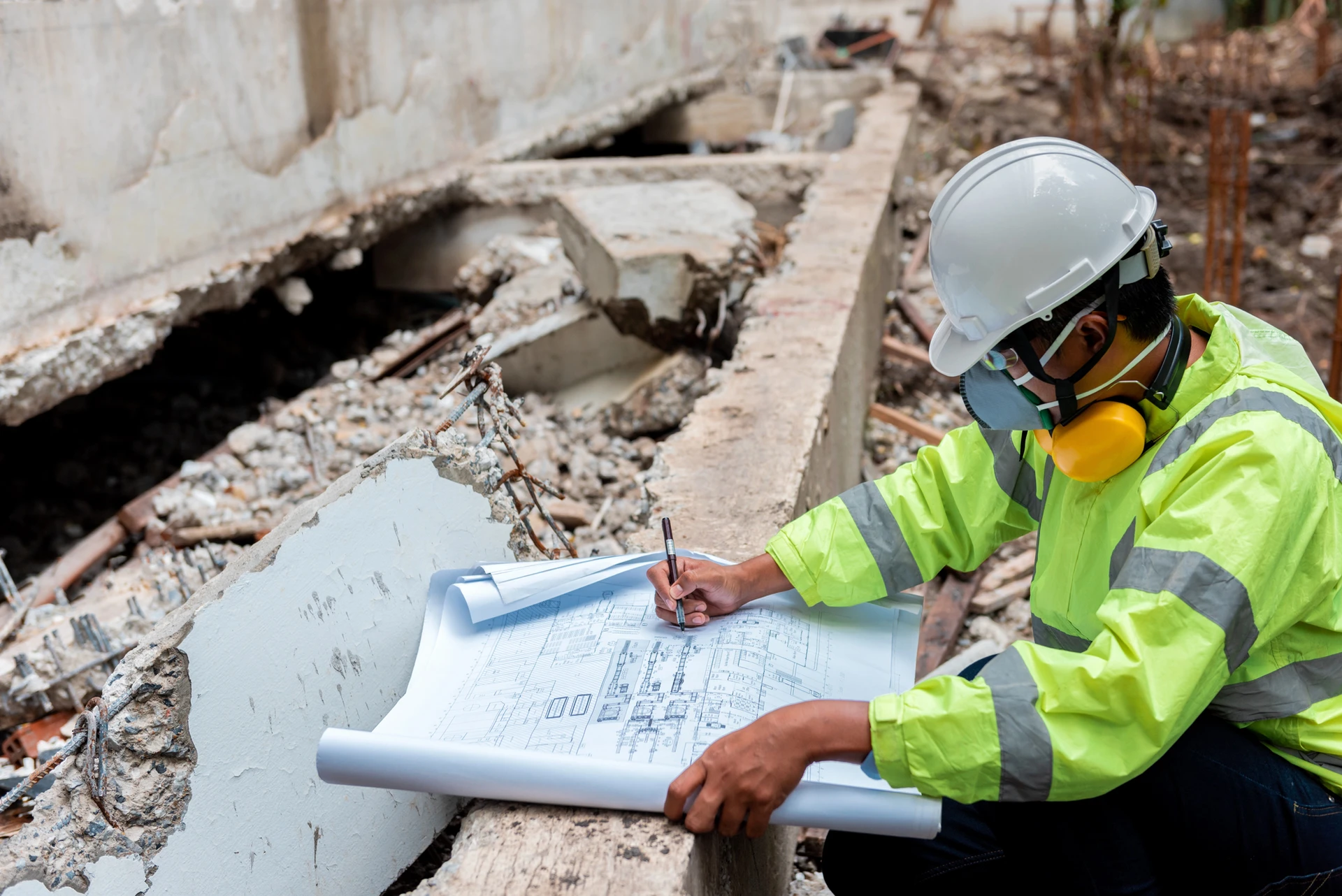
How Local Market Conditions Play a Role
Your local real estate market has a huge say in how foundation problems affect your home’s sale. In a competitive seller’s market, you might think buyers will overlook most issues, but that’s not always the case. When buyers have to move quickly, any hint of a major problem—like a faulty foundation—can be enough to make them pass on your home for one without that uncertainty. Even small issues can feel like huge risks, leading to lowball offers or buyers walking away entirely. In a slower buyer’s market, unrepaired foundation damage gives buyers all the leverage they need to negotiate a much lower price.
This is why it’s better to think of foundation repair as a way to protect your home’s value, not as a project that adds a specific dollar amount. A solid foundation is a baseline expectation for any buyer. By addressing issues professionally, you’re maintaining your home’s expected market value and preventing a significant price drop. Having a foundation engineer assess the situation provides the documentation and peace of mind that makes your property more attractive, helping it sell faster and for a better price, regardless of market conditions.
7. Why You Need an Engineer, Not Just a Repair Crew
Let’s be honest: foundation repair companies are in the business of selling their services. Some are great. Others? Not so much. The exemplary process starts with a structural engineer. They don’t sell products—they diagnose problems. Their job is to figure out what’s wrong and recommend a solution. Then, a qualified repair company executes that plan. Skipping the engineer is like getting surgery without seeing a doctor. This will negatively impact the overall value and lead to ineffective repairs. Common Off-the-Shelf Foundation Repair Solutions Here’s a look at some tools and methods that repair companies use:
- Push Piers – Steel piers that help lift and stabilize sunken foundations.
- Helical Piers – Ideal for lighter structures or poor soil conditions.
- Slab Piers – These are used under concrete slabs to lift and stabilize.
- Wall Anchors – Help straighten and support bowing basement walls.
- Carbon Fiber Straps – Reinforce cracked walls without excavation.
- Pier and Beam Supports – Common in homes with crawl spaces.
- Foam Injection – Expands under concrete to lift sunken areas.
- Crack Injection (Epoxy/Polyurethane) – Seals cracks and prevents water intrusion.
- French Drains & Sump Pumps – Improve drainage and reduce hydrostatic pressure.
- Root Barriers – Stop tree roots from disturbing your foundation.
Engineers help match the right solution to your specific issue. Foundation repair isn’t one-size-fits-all, no matter what the brochure says.
The Cost of an Expert Opinion
At Level Engineering, we provide thorough structural inspections to give homeowners, buyers, and real estate agents a clear, unbiased assessment of a property’s foundation.
It’s easy to see an expert consultation as just another expense, but it’s one of the smartest investments you can make for your property. Think of it this way: the cost of a professional structural inspection is a fraction of what you might spend on extensive repairs later. Ignoring potential foundation issues doesn’t make them disappear; it just makes them more expensive to fix down the road. An engineer provides an unbiased diagnosis of the problem because their goal isn’t to sell you a specific repair product—it’s to give you an accurate assessment and a clear path forward. This professional report not only safeguards your home’s future value but also gives you incredible leverage, whether you’re negotiating a purchase, preparing to sell, or simply planning for your home’s long-term health.
8. Not All Movement Is Downward
Foundation Damage Explained We talk a lot about foundation settlement—but foundation heave is also a problem. That’s when the ground swells and pushes parts of the foundation upward. This can cause just as much chaos, from cracked walls to warped floors. Both heave and settlement require targeted fixes. A pro needs to determine what’s happening and why before a repair plan is made.
9. Foundation Tech Is Getting Smarter
Today’s foundation repair options are better than ever. Materials are more substantial, tools are more innovative, and companies are more competitive. Carbon fiber is revolutionizing wall stabilization. Foam injection offers fast, clean lifting of slabs. These aren’t bandaids—they’re serious solutions. But with more options comes more risk of choosing the wrong fix. That’s why engineers are more important than ever.
10. Selling a Home With Known Issues
You can sell a house with foundation problems. People do it all the time. But you must be honest, have your paperwork ready, and understand it may affect your price. The smart move? Handle the repairs first. Then, show buyers the receipts, warranties, and inspection reports. It gives them peace of mind—and puts you in a stronger negotiating position. How to Spot Foundation Issues Early Heads up for these red flags:
- Cracks in drywall or bricks
- Doors or windows that stick
- Sloped or uneven floors
- Gaps between walls and ceiling
- Leaning chimneys
- Mold in the crawl space
These are often signs of expansive soil, poor drainage, foundation differential settlement, or any change in conditions exerting undue pressure on your foundation. 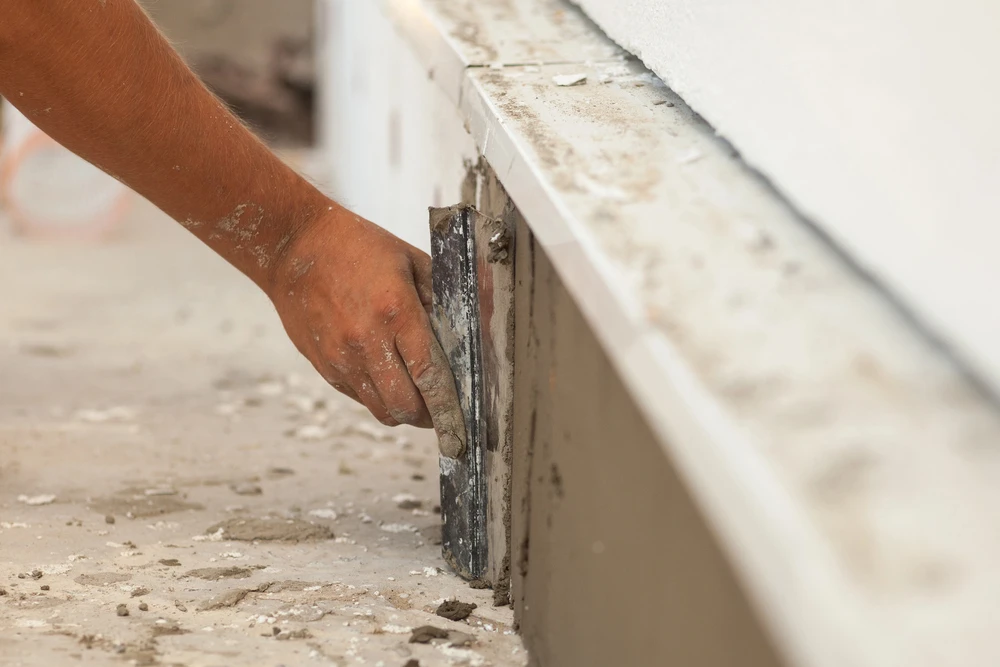
Understanding State Disclosure Laws
When you sell your home, honesty isn’t just the best policy—it’s often the law. In most states, including Colorado, sellers are legally required to inform potential buyers about any known significant issues with the property. This absolutely includes foundation problems. Trying to hide a cracked foundation or signs of settlement can lead to serious legal trouble after the sale closes. Think of the disclosure form as your opportunity to be transparent. Documenting everything you know protects you and gives the buyer a clear picture of the home’s condition. A professional structural inspection can give you a definitive report on your foundation’s health, ensuring your disclosures are accurate and complete.
The Buyer’s Perspective: Securing Loans and Insurance
For buyers, a home with foundation issues is a major red flag, and not just because of the potential repair costs. Lenders and insurance companies are wary of properties with significant structural defects. Major problems can make a home unsafe, lower its value, and make it difficult to secure a mortgage or obtain homeowner’s insurance. A lender might refuse to finance the purchase altogether, or an insurer could deny coverage, leaving the buyer in a tough spot. This is why a thorough due diligence process is so critical. An independent inspection from a qualified foundation engineer before you buy is the best way to uncover these issues and avoid major financial headaches down the road.
Repair, Reduce the Price, or Offer a Credit?
If you discover your home has foundation issues before selling, you generally have three options: fix the problem, lower the asking price, or offer the buyer a credit at closing. Choosing not to make repairs will almost certainly lower your home’s value, as savvy buyers will request a price reduction to cover future costs. Getting an engineer’s assessment first is the smartest move. It gives you a clear understanding of the repair scope and cost, which empowers you to negotiate effectively. With a detailed report, you can confidently price the repair, justify your asking price, or offer a fair credit that won’t leave you shortchanged.
The True Cost of Selling “As-Is” to an Investor
Selling a house with known foundation problems “as-is” might seem like an easy way out, but it usually comes at a steep price. Foundation issues can scare away most traditional homebuyers, who often rely on financing that may not be approved for a home with structural defects. This leaves you with a much smaller pool of potential buyers, primarily investors and cash buyers looking for a deep discount. They know your options are limited and will make lowball offers that account for the repair costs, plus a significant margin for their risk and effort. Before accepting a low offer, get a professional opinion to understand the true cost of repairs and your home’s potential value.
What Buyers Can Do If Problems Were Hidden
Discovering a major foundation problem after you’ve already bought a home is a nightmare scenario. If you suspect the seller knew about the issue and intentionally failed to disclose it, you may have legal recourse. The first step is to document everything. A forensic structural engineer can investigate the problem to determine its cause, severity, and how long it has likely existed. This expert analysis provides the critical evidence you’ll need. If the findings suggest the seller concealed the problem, you should consult a real estate attorney. They can advise you on your legal options, which could include pursuing the seller for the cost of repairs and other damages.
The Limits of Builder Warranties
If you own a newer home, you might assume the builder’s warranty will cover any foundation issues that arise. However, these warranties have specific limitations you need to understand. Typically, a builder’s structural warranty covers the cost of stabilizing the foundation to correct the underlying problem, but it often excludes cosmetic damage that results from the settlement, like drywall cracks or sticking doors. Getting the builder to honor the warranty can sometimes be a challenge. An independent engineering report can be invaluable in these situations, providing unbiased documentation to support your claim and ensure the builder addresses the root cause of the issue.
How Your Home’s Overall Condition Factors In
It’s important to have the right mindset about foundation repair. It’s not a glamorous kitchen remodel or a fancy bathroom upgrade; it’s essential maintenance. Think of it this way: foundation repair is a fix to maintain your home’s value, not an investment to increase it. A solid foundation is the baseline expectation for any buyer. By addressing structural problems, you are preserving your property’s market value and making it sellable. Ignoring them erodes that value significantly. A professional structural assessment ensures the core of your home is sound, protecting the single biggest investment you’ll likely ever make.
11. Repair foundations before doing aesthetic renovations
This has a more significant impact on the value of your home
While a cosmetic repair can help a home sell faster, it does not increase the value of your property. Painting over cracks and doing surface repairs will only hide the common signs of foundation failure or foundation settlement. Although foundation repair is not as visible on the surface, it prevents more considerable costs or potential disasters that could tank a home’s value.
12. The Real ROI of Foundation Repair
Is it worth repairing a foundation, even if you don’t plan to sell immediately? Proper foundation repairs protect the long-term value of your property. Providing a potential buyer or agent with the peace of mind that your home’s foundation repairs have been professionally done will mean selling faster and at a better price. As a plus, they make the house safer, more insurable, and easier to finance. Buyers today are more informed. They’ll ask questions during home sales. Be ready with answers—and receipts. Wrapping It Up: So, Does Foundation Repair Affect Home Value? Yes. It does. But not always in the way people think. Suppose you ignore foundation problems and our home value drops. If you get them professionally repaired—with engineering oversight—it shows buyers you care about quality and safety. That adds value. Realtors and homeowners: don’t guess. Get an engineer involved early. Choose repair companies that follow through. Document everything. When it’s time to sell, you’ll be glad you did. FAQs Do foundation repairs affect home value? Yes. Repaired properly, they can protect or even boost it. Left alone, they’ll drag it down. How long do structural repairs take? Depending on the job, anywhere from a couple of days to a few weeks. The engineer will give you a realistic timeline. Is it worth repairing the foundation? The foundation of a home is its main structural component. If it fails, the home will have foundation of a home repair is What happens if I don’t fix foundation issues? They get worse. More damage, more money, more stress. And possibly a house you can’t sell. How much does foundation repair affect home value in an appraisal? Yes, and not in a good way. Unless they’ve been adequately addressed. Can I sell a home with foundation problems? Yes, but to ensure you get the actual value of your home, it is best to have an engineer assess the extent of the problem and propose a solution. Selling a house with foundation problems will significantly impact the sale price. Takeaway: Foundation repair isn’t just about fixing cracks—it’s about protecting your investment. Get expert advice, don’t cut corners, and think long-term. Need a professional opinion? Schedule a free inspection today. Your foundation deserves the same attention as the rest of your home.
Typical Financial Costs for Repairs
Let’s talk numbers. Foundation repair costs can range from a few hundred dollars for simple crack injections to well over $20,000 for major stabilization projects involving piers and excavation. The final price tag depends entirely on the extent of the damage and the solution required. While it’s tempting to put off a repair, ignoring the issue is the most expensive choice you can make. A small problem left unaddressed can escalate, leading to more significant structural damage and a much higher repair bill later on. The most crucial first step is understanding the true scope of the problem. Before collecting quotes from repair companies, you need an unbiased diagnosis from a professional who isn’t selling a specific product. Consulting a foundation engineer provides a clear roadmap for the necessary repairs, ensuring you invest in the right solution to protect your home’s long-term value.
Key Takeaways
- Prioritize an Engineer’s Diagnosis Over a Sales Pitch: Before getting quotes from repair companies, hire a structural engineer. They provide an unbiased assessment to identify the root cause of the problem, ensuring you pay for the right solution, not just a product.
- View Foundation Repair as Value Protection, Not an Upgrade: A solid foundation is a baseline expectation for buyers. Professional repairs don’t add value like a new kitchen; they prevent your home’s value from dropping and protect your equity from the significant hit that unaddressed structural issues can cause.
- Documentation is Key for a Successful Sale: Don’t just fix the problem—document it. Having an engineer’s report and records of professional repairs gives potential buyers confidence, removes major negotiating points, and helps ensure a smoother, faster, and more profitable transaction.
