
It’s a common misconception that the local government’s inspection is the ultimate seal of approval on a construction project. While it’s a necessary step, the reality is that a city building inspector is primarily concerned with code compliance—the absolute minimum required by law. They aren’t there to check for quality, longevity, or issues that might fall outside their limited scope. This is where a private inspector comes in. By hiring your own expert, you get a detailed assessment focused on protecting your interests, ensuring the structural integrity and overall quality of the work go far beyond the basic requirements.

What is a private building inspector?
A building inspector is a professional responsible for ensuring that buildings comply with building codes, safety regulations, and other relevant standards. However, there is a key distinction between a private building inspector and a local authority building inspector.
A local authority building inspector, employed by the local government, primarily focuses on verifying that minimum code requirements are met. In contrast, a private building inspector is often hired by homeowners or developers to provide a more thorough and independent assessment of the construction work.
Remember that an inspector is not necessarily an Architect or an Engineer. They are not responsible for the structural design of the building and will normally require the services of a professional to assess more complex parts of a home.
In many states, a structural engineer’s inspection is often mandated to ensure that the building’s structure is sound and capable of withstanding various environmental forces. This may come at an additional cost but will certainly help in avoiding delays and potential disasters.
Private vs. Government Building Inspectors
Legal Authority and Enforcement
Think of a local authority building inspector as the official referee for your project. As a government employee, their main job is to make sure your construction follows all local, state, and federal building codes. They hold the legal power to enforce these rules, which means they can issue occupancy certificates, require you to fix any issues, and even put a stop to construction if they find serious violations. This authority is essential for public safety, ensuring that all buildings are structurally sound and safe for people to use.
A private inspector, on the other hand, is on your team. You hire them directly to get an independent and often more detailed look at the construction quality. While they provide expert insights and can spot problems you might miss, they don’t have the legal power to enforce codes or halt the project. Their role is to advise you, giving you the clear, professional information you need to make sure the work lives up to your standards. If you have specific worries about the building’s structure, a private structural inspection from a licensed engineer can give you that deeper level of analysis and peace of mind.
1. The Role of Building Inspectors in Construction
In short, a building inspector’s role is to ensure that the construction activity on a building site aligns with the minimum standards set out in local building code. It is important to note that these are visual inspections and can be done by a local authority inspector or a certified private inspector.
The building department has immunity against any structural failures as they do not ensure structural stability or quality of execution. This falls in the scope of private inspector’s, builders and each professional employed on a project.
2. Why Choose a Private Building Inspector?
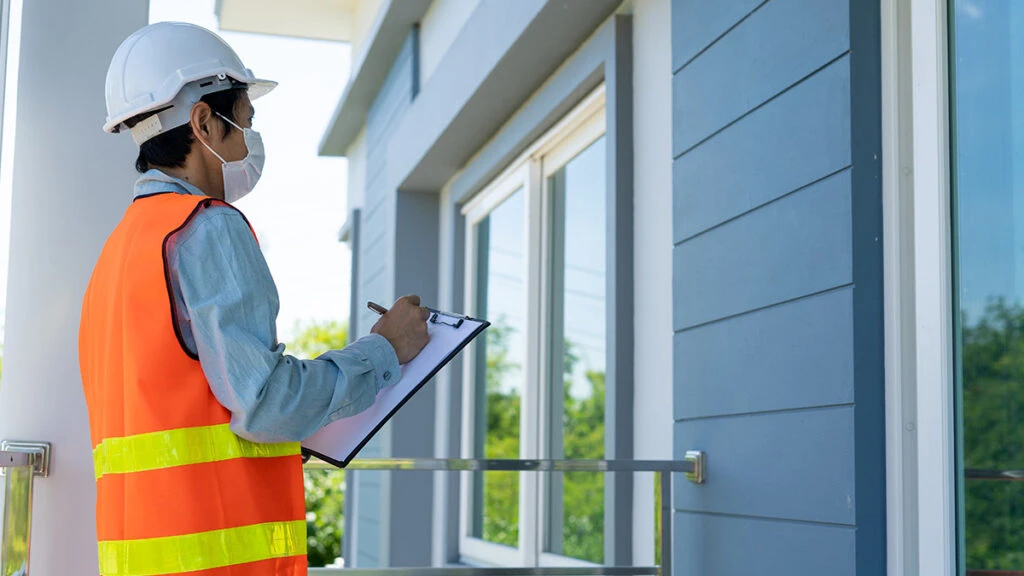
Unlike your local BCO inspectors, a private inspector provides a more detailed and thorough evaluation of your building. These private inspectors are not limited by the same constraints as local building departments and can offer specialist inspections, often outsourced to professional engineers.
Your local authority building department will only conduct inspections during the construction phase of your home. A private home inspector can be appointed to routinely inspect your home, ensuring longevity and peace of mind.
Home inspectors will often reach out to specialist third-party inspectors. These are private providers that go beyond visual inspection and offer specialist insights into technical aspects of your home.
3. The Benefits of Third-Party Inspectors
Third-party inspectors offer an unbiased, expertise-driven assessment of your project. Builders and homeowners alike benefit from the additional scrutiny provided by these professionals.
Third-party inspectors can be hired to inspect independently of your contractor or local BCO, ensuring that structures are sound, roof systems are properly installed, and safety measures are adequately in place.
This service is especially valuable when builders and homeowners want to ensure that their project exceeds minimum code requirements and achieves a higher standard of quality control.
4. Understanding the Inspection Process
The inspection process carried out by a private building inspector is typically more thorough than that of a local building department inspector. It starts with a plan review to ensure that the home adheres to the approved designs. Next, inspectors perform visual inspections at critical stages of the project, such as after the foundation is laid or before drywall is installed. This detailed inspection process helps to identify potential issues early, preventing costly repairs down the line.
Understanding Inspection Fees
The cost of an inspection can vary quite a bit, but most general home inspections fall somewhere between $300 and $500. This price depends on factors like the home’s size, age, and location. Private inspectors might charge a flat fee, an hourly rate, or even a per-trip cost, which is common for phased construction projects. Government inspectors, on the other hand, often have fees set by the local municipality, which might be calculated based on a specific formula related to the property’s square footage.
It’s also important to remember that a standard inspection doesn’t cover everything. If the inspector finds a potential structural issue, like a crack in the foundation or a sagging roof, they will recommend you hire a specialist. These specialized inspections from a structural engineer are a separate service with their own costs, but they provide the in-depth analysis needed to ensure your home is safe and sound.
5. The Importance of Routine and Ongoing Inspections
Routine inspections are essential for maintaining the long-term safety and integrity of buildings. Construction projects are exposed to various environmental factors, such as weather, that can affect the home’s condition over time.
Private providers often recommend regular inspections even after the construction is complete. These ongoing inspections can help identify wear and tear, ensuring that the building remains in good condition and reducing the likelihood of expensive repairs in the future.
6. Home Inspectors and Structural Engineers: A Crucial Partnership
A key advantage of hiring a home inspector is their ability to work closely with structural engineers. While a building inspector focuses on code compliance, engineers assess the structural integrity of the building. This collaboration ensures that the structures can withstand environmental stressors and meet the highest standards quality and structural integrity. Homeowners and builders alike can benefit from this partnership, which offers a level of assurance that goes beyond what a local building inspection might provide.

7. Scheduling Inspections: When and How to Do It
One of the most important decisions in any project is when to schedule inspections. Typically, the responsibility falls on the builder hiring inspectors at key stages, such as after the foundation is poured or once framing is complete.
Private building inspectors can be contracted directly to perform these inspections, ensuring that any potential issues are caught early. For existing properties, a home inspection conducted by a private inspector can reveal hidden problems that may affect the home’s condition or market value.
Types of Building Inspections and Specializations
Just as doctors have specialties, so do building inspectors. The term “building inspection” covers a wide range of assessments, and the type of inspector you need depends entirely on your project’s specific requirements. A general home inspector is great for a pre-purchase overview, but they might not have the deep knowledge needed for complex systems or structural issues. Understanding the different specializations helps you hire the right professional for the job, ensuring every part of your property is properly evaluated, from the wiring in the walls to the foundation it sits on. This is why many projects involve a team of inspectors, each bringing their unique expertise to the table.
Common Inspector Specializations
Many inspectors choose to focus on specific systems within a building. This allows them to develop a deep understanding of the codes, materials, and common issues associated with that area. While a general inspector provides a broad overview, a specialist offers a more detailed and technical assessment. This is particularly important for the critical systems that make a home functional and safe. Hiring a specialist ensures that complex components are not just visually checked but are thoroughly evaluated by someone who knows exactly what to look for, preventing potential failures and costly future repairs.
Electrical, Plumbing, and Mechanical Inspections
The most common specializations are for a building’s essential systems: electrical, plumbing, and mechanical (which includes heating, ventilation, and air conditioning, or HVAC). An electrical inspector checks wiring, outlets, and panels to prevent fire hazards. A plumbing inspector examines pipes, drains, and fixtures for leaks and proper function. Mechanical inspectors ensure your HVAC systems are installed correctly and operate safely and efficiently. While these inspectors focus on the systems running through your home, a structural engineer inspection is needed to assess the home’s core integrity—the foundation, beams, and load-bearing walls that hold everything up.
Specialized Inspection Duties
Beyond standard code compliance checks for new builds or sales, inspectors perform a variety of specialized duties to address unique situations. These tasks often require a more investigative approach to uncover hidden issues or document conditions before and after construction. For example, an inspector might be brought in to assess work that was done without proper approvals or to determine if nearby construction has impacted a property. These specialized inspections provide crucial information for legal, insurance, or renovation purposes, offering clarity and a path forward when complex issues arise.
Damage Assessments and Unpermitted Work
Inspectors are often called upon to create “dilapidation reports” to document a neighboring property’s condition before a new construction project begins, which helps determine if any subsequent damage was caused by the new work. They also play a key role in assessing unpermitted work. If you discover that a previous owner completed a remodel without the necessary permits, an inspector can evaluate the construction to see if it meets current codes. In these cases, a forensic structural engineer may be needed to analyze the work and develop a plan to bring it into compliance, ensuring the structure is safe and legally sound.
Mandatory Structural Inspections
In many areas, certain types of inspections are not just recommended—they are legally required, especially for commercial buildings or multi-family residences. These mandatory inspections are put in place to protect public safety by ensuring that structures remain sound over time. Unlike routine checks, these assessments are often required at regular intervals and must be performed by a licensed professional engineer rather than a general contractor or inspector. This is because they involve complex structural analysis that goes far beyond a simple visual check, focusing on the building’s ability to withstand loads and environmental forces.
Facade and Safety Inspections
Facade inspections are a prime example of mandatory safety checks, particularly in urban areas with tall buildings. These inspections are designed to identify deteriorating conditions in a building’s exterior walls, such as cracked masonry or loose panels, that could pose a danger to the public below. Following serious accidents caused by neglect, many cities have implemented strict regulations requiring regular facade assessments by a licensed engineer. These commercial structural inspections are critical for maintaining a building’s safety and compliance, protecting both the public and the property owner from liability.
Common Questions About Private Building Inspectors
Q: What qualifications does a building inspector need?
A: Most building inspectors hold diplomas in construction or have some form of practical training. However, it’s important to note that building inspectors are not typically qualified to make detailed structural assessments. For a thorough evaluation of a structure’s integrity, you would need to hire a qualified structural engineer. The combination of a private building inspector and a structural engineer ensures that both code compliance and structural soundness are thoroughly checked.
Q: Why didn’t the local building department inspector catch this issue?
A: Building inspectors are primarily focused on ensuring compliance with building codes and regulations. Their job does not typically include identifying every possible defect or construction error, especially those related to the structural aspects of the building. For more detailed inspections, particularly concerning structural integrity, a private inspector or structural engineer should be consulted. This is especially true when the issues fall outside the basic scope of what a building inspector covers during a standard inspection.
Q: Who is responsible for arranging inspections?
A: The responsibility for scheduling inspections typically falls on the builder or property owner. In many cases, the builder will coordinate with both local building departments and private providers to ensure that inspections are conducted at the appropriate stages of the construction process.
For third-party inspections, it’s common for homeowners or developers to contract directly with a private building inspector to ensure that all aspects of the project meet their expectations.
Q: When should I arrange a private inspection for my home?
A: A private inspection should be arranged at key stages of the project—for example, after the foundation is laid, once framing is complete, and before drywall installation.
Additionally, it’s advisable to schedule a home inspection before purchasing or selling a property to identify any hidden issues that could affect the home’s condition. Regular routine inspections are also recommended for maintaining the integrity of the building over time.
The Building Inspector Career Path
If you have a sharp eye for detail and a passion for construction, a career as a building inspector might be a great fit. This path offers a blend of fieldwork and office tasks, playing a crucial role in ensuring public safety. It’s a stable career with clear requirements for entry and opportunities for growth. Becoming an inspector means you are the go-to person for verifying that construction projects meet all the necessary codes and standards. It’s a rewarding job where you get to see projects develop from the ground up while protecting the interests of homeowners and the community.
Qualifications, Skills, and Certification
Getting started as a building inspector requires a specific combination of education, hands-on experience, and personal skills. Most jurisdictions have a formal certification process that ensures you are qualified to handle the responsibilities of the job. This usually involves submitting an application, paying a fee, and providing proof that you meet the minimum criteria. The goal is to ensure every certified inspector has the foundational knowledge to accurately assess construction work and uphold safety standards. It’s a process that values both what you’ve learned in a classroom and what you’ve experienced on a job site.
Education and Experience Requirements
To become a certified inspector, you’ll typically need a high school diploma or GED as a baseline. From there, you have a few different paths. You could qualify with two years of experience in a construction role where you regularly read and interpreted building plans, like a foreman. Alternatively, two years of experience in an architect’s or engineer’s office working on building design would also meet the requirement. If you’ve pursued higher education, an associate’s degree in a construction-related field or a bachelor’s degree in architecture, engineering, or building technology is often sufficient to get your foot in the door.
Essential Skills for Inspectors
Beyond formal qualifications, successful inspectors share a few key traits. Strong communication skills are non-negotiable; you’ll need to clearly explain complex code requirements and inspection findings to contractors, homeowners, and officials. A meticulous attention to detail is also critical, as your job is to spot potential issues that others might miss. You should also have a solid understanding of mechanical systems and be physically fit enough to handle the demands of a construction site, which can include climbing ladders, navigating uneven terrain, and accessing tight spaces to get a complete view of the work.
Work Environment and Daily Tasks
The life of a building inspector is rarely confined to a desk. You can expect to spend a significant amount of your time on active construction sites, conducting visual inspections at various stages of a project. This hands-on work is balanced with office time, where you’ll review building plans, write detailed reports on your findings, and handle administrative tasks. The environment can be physically demanding, requiring you to be comfortable with heights and enclosed areas. One day you might be inspecting a foundation for a new home, and the next you could be examining the framing of a large commercial building.
Salary, Benefits, and Job Outlook
A career as a building inspector offers competitive pay and a stable employment outlook. As long as construction and renovation projects continue, there will be a need for qualified professionals to ensure the work is done safely and correctly. The U.S. Bureau of Labor Statistics provides detailed information on what to expect in this field. Salaries can vary based on location, experience, and employer, but the profession generally provides a solid income with benefits, especially for those working in government or for established engineering firms.
Average Pay and Top Employers
On average, a building inspector in the United States can expect to earn around $60,000 per year. However, this figure can be higher depending on your employer and location, with the median pay closer to $72,000 annually for experienced inspectors. The largest employer of building inspectors is local government, which accounts for over a third of all jobs in the field. Engineering and architectural services firms are also major employers, followed by the construction industry itself. These roles often come with comprehensive benefits packages, making it an attractive long-term career choice.
9. Peace of Mind: Regular and thorough inspection.
In conclusion, the role of a private building inspector in construction projects cannot be overstated. These professionals provide a level of expertise and scrutiny that is unmatched by your local building department. Whether you’re undertaking a new construction project or buying an existing property, hiring a private inspector is a smart move that ensures the safety, durability, and quality of your project.
Structural Engineer’s offer comprehensive inspection services that are often mandated by the building department. They help to avoid the pitfalls associated with relying solely on local building inspectors, who may not be able to provide the same level of detail and attention.
By putting your trust in a private provider for routine inspection, you’re not just meeting the minimum requirements—you’re ensuring that your home meets the highest standards of safety and quality.Whether you’re a homeowner, builder, or developer, the benefits of hiring a private building inspector are clear. From conducting detailed inspections to working alongside engineers, these professionals play a crucial role in putting your project on the path to success. Don’t leave your investment to chance—hire a private building inspector and build with confidence.
Key Takeaways
- Understand the Inspector’s Allegiance: A city inspector works for the government to verify minimum code compliance, not quality. A private inspector works directly for you, providing a detailed assessment focused on protecting your investment and ensuring high-quality workmanship.
- Use Inspections Strategically During Construction: Don’t wait until a project is finished. Hiring a private inspector at critical milestones—like after the foundation is poured or before drywall goes up—allows you to catch and correct issues early, saving you from major headaches and costs down the road.
- Know When to Call in a Structural Engineer: A general inspector is skilled at identifying red flags, but they are not specialists in a building’s core integrity. If they point out potential structural concerns, the next step is to hire a licensed structural engineer for an expert analysis and a clear plan for any necessary repairs.
Related Articles
- Private Building Inspectors In Residential Construction
- Inspector For New Residential Construction: Why It Matters
- The Comprehensive Guide To Choosing A Structural Commercial Building Inspector: Everything You Need To Know
- Unveiling The Unsung Heroes Of Construction: Special Inspectors And Their Crucial Role
