
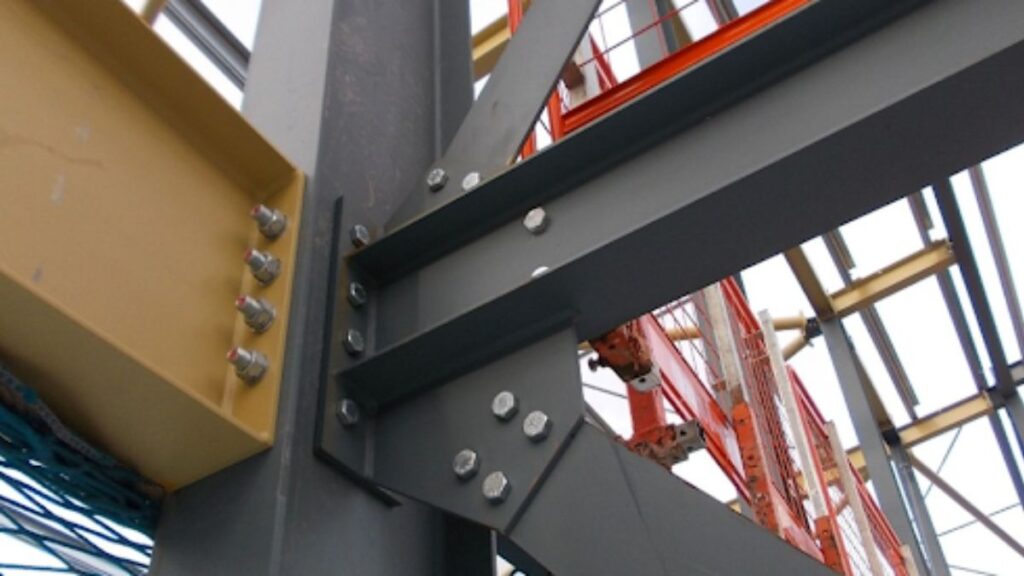
That hairline crack in the foundation seems a little wider this year. You’re planning to remove a wall for that open-concept kitchen you’ve always wanted, but you’re not sure if it’s load-bearing. These moments of uncertainty are when you need more than a guess—you need an expert. Specialized inspections provide definitive answers about your home’s structural health. Unlike a general overview, these targeted assessments focus on specific areas of concern. A professional engineer will perform special inspections to analyze the core integrity of your home, diagnose the root cause of any issues, and provide a clear, actionable report for repairs or renovations.
Special Inspections: More than Just a Checklist
Special inspections aren’t just about ticking off boxes on a list. They involve a comprehensive process that examines the construction project from multiple angles—material quality, construction techniques, and even the machinery involved—to ensure compliance with the international building code and other referenced standards. The inspector’s role often starts even before the first shovel hits the ground and continues until the project reaches completion.
Why a Special Inspection Agency Matters
Choosing the right special inspection agency is crucial for any construction project. A registered special inspection agency will have qualified inspectors on board, sophisticated equipment for testing, and a comprehensive special inspection program that aligns with the requirements of the local building code. The agency acts as an independent third party, validating that the project meets the strict industry standards and qualifications.
Registered special inspection agency
To perform special inspections, one must possess a deep understanding of the international building code, construction methods, and selected materials. In some states like California, special training and registration are required. The process involves more than just eyeballing; it includes various tests, equipment checks, and even core sampling in some cases to ensure the grade and quality of materials.
Agency Rules and Regulations
Special inspection agencies operate under a strict framework of rules and regulations designed to ensure every project is safe, compliant, and built to last. These aren’t arbitrary guidelines; they are established by building authorities to maintain a high standard of quality control across the construction industry. An agency’s adherence to these rules is a direct reflection of its professionalism and commitment to public safety. This regulatory oversight ensures that the agency has qualified inspectors, the right equipment for testing, and a thorough inspection program that aligns with the specific requirements of your local building code. It’s this structured approach that provides an essential, independent check on the quality of work being performed on site.
Code Requirements and Local Rules
At the heart of special inspections are the building codes. These are the official rulebooks for construction, and they exist to make sure buildings are strong and safe for everyone. For many construction and demolition projects, the building code mandates that the project owner or designer hire a special inspection agency. This isn’t just a suggestion; it’s a requirement to verify that critical structural components are installed correctly. Because these codes can vary between cities and counties, it’s vital to work with a firm that understands the specific special inspections required in your area. This local expertise ensures your project moves forward smoothly without compliance issues or delays.
Agency Qualifications and Registration Costs
Not just anyone can perform a special inspection. Any company offering these services must be officially registered with the local Department of Buildings, and their inspectors must meet specific qualifications. This often involves having professional licenses, certifications, and proven experience. Furthermore, top-tier agencies are typically required to be accredited by a recognized organization and must carry significant insurance. These qualifications are non-negotiable, as they guarantee the agency has the necessary engineering expertise and financial accountability to stand behind its findings. This rigorous vetting process ensures that the team inspecting your project is truly qualified to confirm its structural integrity and safety.
A Glimpse into Special Inspection Services
Special inspection services go beyond the standard building inspection and often involve advanced tests like non-destructive testing, concrete construction quality checks, and specialized equipment inspections. Some of these services can only be performed by inspectors with particular certifications, making their expertise invaluable in ensuring the safety and longevity of construction projects.
The Special Inspection Process
So, what does a special inspection actually look like in practice? It’s a highly structured process designed to ensure nothing falls through the cracks. It begins with a clear plan and involves continuous monitoring and reporting throughout the construction phase. The goal is to identify and correct any issues in real-time, rather than discovering them after the fact when they are much more difficult and expensive to fix. This systematic approach provides a crucial layer of quality control, verifying that the work on-site matches the approved engineering designs and meets all safety and code requirements. It’s a collaborative effort between the engineering team, the inspectors, and the construction crew to keep the project on track and up to standard.
The Statement of Special Inspections
Every special inspection journey starts with a key document: the Statement of Special Inspections. A Structural Engineer creates this statement for the building, which essentially serves as the roadmap for the entire process. It outlines exactly which critical components and construction procedures require inspection. Think of it as the official checklist that guides the special inspector’s work on the job site. This document lists everything from concrete strength and soil compaction to welding and high-strength bolting. By defining the scope upfront, the Statement of Special Inspections ensures that everyone involved knows which elements are vital to the building’s structural integrity and require third-party verification.
On-Site Process and Discrepancy Reporting
Once work begins, the special inspector makes periodic visits to the site to observe the construction and perform necessary tests. Their job is to verify that the materials and methods used align with the approved plans and the Statement of Special Inspections. If the inspector finds something that doesn’t match the design, it’s noted as a “discrepancy.” A formal notice is created for each discrepancy, and it’s tracked meticulously until the issue is resolved and re-inspected. This rigorous reporting system ensures that problems are addressed promptly and correctly, maintaining the project’s integrity and preventing minor issues from becoming major structural problems down the line.
Scope of Work: Structural vs. Non-Structural
It’s important to understand what special inspections cover—and what they don’t. These inspections are specifically focused on the elements and systems that are critical to the building’s main structure. This includes things like the foundation, steel frame, load-bearing walls, and other components that ensure the building can safely withstand applied loads. Special inspections do not apply to parts of a project that are not critical to structural performance, such as drywall installation, painting, or other cosmetic finishes. This sharp focus ensures that the most vital aspects of the building’s safety and stability receive the expert attention they require.
Tackling the Challenges of Construction Projects
Construction projects are fraught with challenges, from obtaining approval for plans to ensuring the fabrication and placement of components are done correctly. Special inspectors are the guardians who ensure every chapter of the project adheres to the code, right from the initial approval to the final testing and registration. However, it’s not an easy task. They must continually update their certifications and stay on top of ever-changing regulations and standards.
The Engineer’s Role on the Construction Site
Structural engineers are primarily concerned with designing and constructing buildings and structures that are safe and capable of withstanding the elements to which they will be exposed, as well as improving the structural integrity of existing buildings. They aren’t merely ticking off a checklist; they’re assessing the work in progress to ensure it conforms to design plans and quality benchmarks. It’s the engineer’s trained eye that often catches inconsistencies and rectifies them before they escalate, thereby ensuring that contractors remain true to the project’s design and safety guidelines.
Testimonial by Alan Christensen:
“Justin was evaluating structural stability. I also asked him about stability and seismic activity because of the recent earthquake in Türkiye. He was knowledgeable and helpful. I was glad for the information he gave me as it put my mind at ease, knowing what he has concluded. He was professional and well-informed, and I was glad for his evaluation.”
Expertise in Structural Inspections
Special inspectors often possess niche specializations, and structural inspections are among the most critical. In such cases, the focus is not just on the materials used but also on the structural integrity of the building. This includes assessing load-bearing walls, foundations, and other key structural elements. A minor error in any of these could result in significant safety risks, making the role of a specialized inspector invaluable in safeguarding both lives and investments.
Government Oversight and Third-Party Roles
Government entities often establish the framework and guidelines for how inspections should be conducted. However, given the technical nature of some projects or due to resource constraints, the government may not always be equipped to handle inspections in-house. In such instances, they rely on third-party agencies like Level Engineering & Architecture. With a skilled team and cutting-edge resources, Level fills this gap seamlessly, ensuring that even the most complex projects are inspected with the utmost precision.
Meeting Design Intent: A Core Responsibility
A special inspector’s role doesn’t end at ensuring code compliance; they must also verify that the work aligns with the project’s design intent. These professionals often have engineering backgrounds that equip them with expertise akin to that of the designer. This unique skill set enables them to act as gatekeepers, ensuring that what is planned is precisely what gets built. Through rigorous testing and assessment, they confirm that contractors have correctly interpreted the design and are executing it to the established specifications.
Specialized Inspections for Homeowners
While a general home inspection provides a great overview of a property’s condition, sometimes you need to call in an expert for a closer look. Specialized inspections focus on specific systems or components of a home, offering a detailed analysis that goes beyond a standard check-up. These are crucial when you suspect a particular problem, are considering a major renovation, or want extra assurance during the home-buying process. Think of it as seeing a specialist instead of a general practitioner—they have the focused knowledge and tools to diagnose and address specific concerns, ensuring your home is safe, sound, and secure for the long haul.
When to Call for a Specialized Inspection
Knowing when to schedule a specialized inspection can save you from costly surprises down the road. If a general home inspector flags a potential issue—like a crack in the foundation, evidence of water damage, or outdated electrical wiring—that’s your cue to bring in an expert. You should also consider one before undertaking a major project, such as removing a wall or building an addition, to ensure the structural integrity of your home isn’t compromised. These targeted checks are designed to assess the parts of your home that are most critical to its strength and safety, giving you a clear picture of what needs to be addressed.
Common Types of Specialized Home Inspections
Depending on your concerns, there are several types of specialized inspections you might need. Each one is handled by a professional with expertise in that specific area, from structural engineers to licensed electricians. The most common inspections address potential structural damage, roofing issues, plumbing and electrical systems, HVAC performance, and environmental hazards like mold or pests. These inspections dig deeper than a surface-level review, providing the detailed information you need to make informed decisions about repairs, renovations, or even purchasing a property. They offer peace of mind by confirming that key systems are functioning safely and efficiently.
Structural and Foundation Inspections
Of all the specialized checks, a structural inspection is one of the most critical. If you see large cracks in your walls or foundation, notice sloping floors, or have doors that stick, it’s time to call a professional engineer. A structural expert will assess the core integrity of your home, including its foundation, load-bearing walls, and framing. This type of inspection is essential for identifying underlying issues that could threaten your home’s stability. An engineer can determine the cause of the problem and provide a detailed report with recommendations for repairs, ensuring your investment is protected.
Roof and Plumbing Inspections
Specialized inspections often go “behind the surface” to uncover hidden problems, and this is especially true for roofing and plumbing. A few missing shingles or a small stain on the ceiling could indicate a much larger issue. A roofing specialist can identify weak spots, assess the remaining lifespan of your roof, and find the source of leaks before they cause major water damage. Similarly, a plumbing inspector can use cameras to check for blockages, leaks, or corrosion within your pipes—problems that are impossible to see but can lead to significant and expensive damage if left unaddressed.
Electrical and Pest Inspections
Outdated electrical systems and pest infestations pose serious risks to both your safety and your property’s value. A licensed electrician can perform a thorough inspection to identify faulty wiring, an overloaded panel, or ungrounded outlets, all of which are potential fire hazards. A pest inspection is equally important, as termites, carpenter ants, and other wood-destroying insects can cause extensive structural damage that often goes unnoticed until it’s severe. Getting these areas checked by a specialist is a proactive step toward ensuring your home is safe and structurally sound for years to come.
Mold and Radon Testing
Some of the biggest threats to a healthy home are the ones you can’t see. Mold often hides in damp, dark places like basements, attics, or behind walls, and it can cause serious respiratory issues. A professional mold inspector can identify hidden growth and determine the extent of the problem. Radon, an invisible and odorless gas that can seep into homes from the ground, is another serious health concern. A trained professional uses specialized equipment to test for radon levels, ensuring the air your family breathes is safe.
The Significance of Approved Construction Documents
In any project, the approved construction documents serve as the bible that guides all activities. Special inspectors play a pivotal role in ensuring that what is executed aligns with these documents, ensuring every component complies with the outlined specifications.
Q&A:
- What special inspections are required in NYC? Special inspections in NYC often include a focus on fire-resistant materials, inspection on welding and ADA compliance, among other elements.
- How do I get a special inspector in California? In California, you can consult the state’s professional engineer registration board for a list of certified special inspectors.
- What is an ICC special inspector? An ICC special inspector is certified by the International Code Council and is considered highly qualified to inspect various types of construction.
Conclusion: Special inspectors are more than just overseers; they are essential participants in the complex process that transforms raw materials and plans into standing structures. Their qualifications, certifications, and attention to detail make them an indispensable part of the construction industry. If you’re in the engineering and architecture sector and are looking for reliable special inspection services, contact Level Engineering & Architecture for top-notch expertise.
Key Takeaways
- Ensure Your Design Becomes Reality: Special inspections are the official verification process confirming that critical structural elements, like the foundation and steel frame, are built exactly according to the engineer’s approved plans.
- A Formal Process Creates Accountability: Hiring a registered special inspection agency provides crucial third-party oversight. They follow a strict plan, document their findings, and ensure any on-site issues are resolved correctly and promptly.
- Address Specific Home Concerns with an Expert: For issues beyond a general inspection, like foundation cracks or plans to remove a wall, a specialized inspection is necessary. It provides a detailed diagnosis and a clear, actionable plan for any required repairs or renovations.
Related Articles
- Why Hire A Private Building Inspector For Your Home?
- Commercial Structural Engineer Inspections Colorado – Level Engineering & Inspection
- Foundation Inspection Cost: A 2025 Price Guide
- Commercial Structural Engineer Inspections San Francisco – Level Engineering & Inspection
- Foundation Inspection Checklist For Homeowners
