
When you’re managing a commercial property, what you can’t see can cause the most harm. A standard building check might catch cosmetic flaws, but it often misses the subtle signs of structural distress—like minor foundation shifts or material fatigue—that can lead to major problems. A structural engineer is trained to see what others don’t, diagnosing the health of a building’s essential support systems. Getting a professional commercial structural engineer inspection is the only way to get a complete picture of your property’s condition. This article explains the scope of these specialized assessments, when to schedule one, and what to expect from the final report.
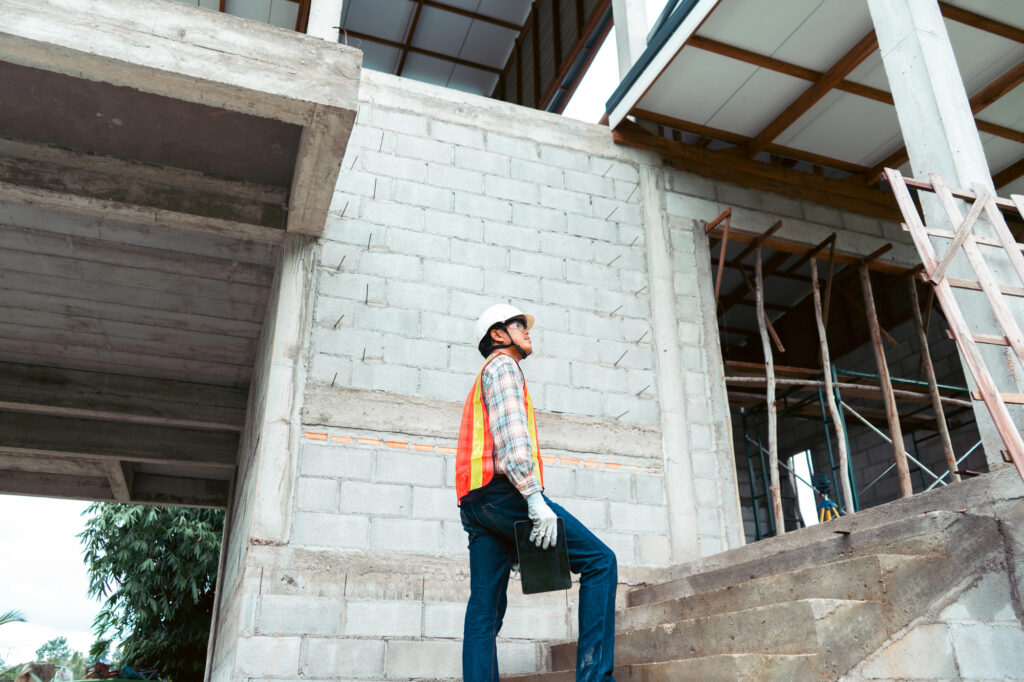
Defining a commercial structural engineer inspection.
In today’s rapidly evolving construction industry, the importance of commercial structural engineering inspections cannot be overstated. These specialized assessments play a critical role in ensuring the safety and stability of commercial buildings, contributing to the longevity of properties and safeguarding public well-being.
Today’s structures are becoming increasingly complex and are designed to an extreme level of efficiency in terms of the capability of the materials and their compositions. Building inspectors are no longer able to assess the safety and compliance of these very tailored designs and so require specialist inspections by qualified professionals to ensure buildings are safe and compliant to more than just minimum requirements.
If you are a commercial building contractor or a property developer, this article will assist you in safeguarding your investment and guide you in limiting your future liability.
Understanding the Significance of Structural Engineer inspection services
A Structural engineer’s expertise lies in assessing the structural components of buildings, ensuring they meet safety standards and are capable of withstanding the stresses they encounter over time.
Unlike general home inspections performed by home inspectors, structural engineering inspections focus on the intricate details of a building’s structural soundness and are performed by a qualified structural engineer.
Why are commercial structural inspections important?
For commercial property owners, developers, and real estate agents, a structural inspection is more than just a formality—it’s a critical component of responsible asset management. These assessments provide a clear, expert evaluation of a building’s core integrity, offering peace of mind and tangible benefits that protect your investment from the ground up. From ensuring safety to facilitating financial transactions, understanding the role of a structural engineer is key to managing the complexities of commercial real estate.
Maintain Property Value
A commercial building is a significant financial asset, and its value is directly tied to its structural health. A commercial structural inspection focuses specifically on the building’s essential support systems—the foundation, walls, beams, and columns that hold everything together. By verifying that these components are sound and performing correctly, an inspection helps maintain the property’s market value. It provides documented proof that the building is safe, stable, and meets required performance standards, which is crucial for securing financing, attracting tenants, and commanding a fair price upon sale. Think of it as a comprehensive health report for your most important asset.
Aid in Financial Transactions
During the high-stakes process of buying or selling a commercial property, uncertainty can kill a deal. A structural engineer’s report removes ambiguity by providing an unbiased, professional assessment of the building’s condition. If the inspection uncovers issues, the resulting report will detail the nature, location, and extent of the damage. More importantly, the engineer’s expert opinion on the cause of the problem provides critical information that can be used in negotiations. This clarity allows buyers and sellers to address potential problems head-on, whether through price adjustments or planned repairs, ensuring a smoother and more transparent transaction for everyone involved.
Meet Legal and Permit Requirements
In many municipalities, a structural engineer’s stamp of approval is a non-negotiable part of the building process. Local authorities often require a certified inspection to issue permits for new construction, major renovations, or changes in a building’s use. This is especially true for commercial remodels and additions where existing load-bearing elements are altered. These requirements aren’t just bureaucratic hurdles; they are essential safety measures. An inspection ensures your project complies with building codes and legal standards, protecting you from potential liability and confirming that the structure is safe for public occupancy.
Act as Preventative Care
Just like a routine health check-up, regular structural inspections serve as vital preventative care for your building. Identifying a small issue, like a minor foundation crack or early signs of material fatigue, can prevent it from escalating into a catastrophic and costly failure. This proactive approach to building maintenance is far more affordable than emergency repairs and reconstruction. By scheduling periodic inspections, property owners can address minor problems before they compromise the building’s integrity, ensuring long-term safety, preserving property value, and avoiding unexpected expenses that can disrupt business operations.
The Scope of Structural Engineering Inspections
Buildings today are being designed using highly advanced softwares that often result in material and structural capabilities being pushed to their extreme limits. If you have a 100 storey building made up of 15000 Psi concrete, who ensures that this building complies with its own unique structural requirements?
A typical building inspector is not qualified to assess these specialist structures. They often require the input and inspection of specialist structural engineers. This ensures that the building is safe and meets the standards set out in the building code.
Load Capacity Evaluations
One of the most critical parts of a commercial structural inspection is evaluating the building’s load capacity. Essentially, this means determining how much weight the structure, including its floors and roof, can safely handle. This isn’t just about the building’s current state; it’s about its future potential. Before you add heavy machinery, install new equipment, or plan a commercial addition, you need to know if the existing frame can support the new loads. An engineer can test the materials and analyze the design to provide a clear answer, preventing dangerous overloads and ensuring any modifications are built on a solid, stable foundation.
Identifying Common Causes of Damage
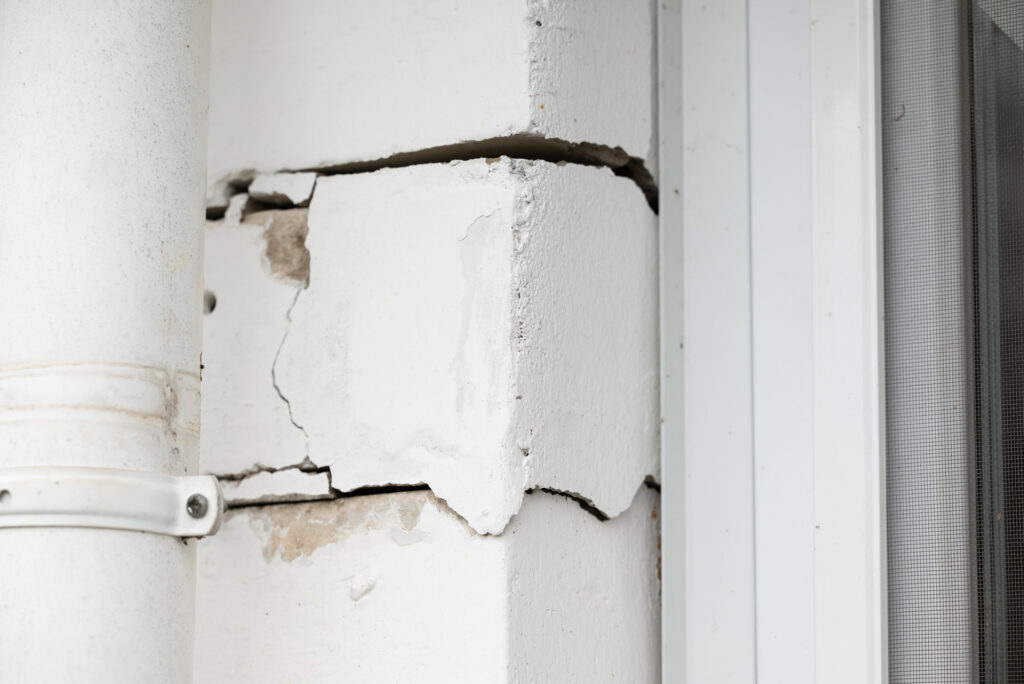
Structural engineers are trained to spot the subtle signs of trouble that might go unnoticed by others. An inspection involves a thorough search for common types of damage that can indicate deeper issues. This includes foundation problems that manifest as sloped, cracked, or soft-feeling floors, as well as cracks appearing in walls or above doorways. They also look for evidence of water damage, such as rotting wood and mold, which can compromise the integrity of structural materials over time. By identifying these symptoms, an engineer can diagnose the root cause and recommend the most effective repairs to protect the building’s health.
Uncovering Hidden Structural Issues
What you can’t see can often be the most significant threat to a building’s safety. Some of the most dangerous structural problems, like hidden foundation cracks, deteriorating support beams, or weakened walls, aren’t always visible to the naked eye. A professional commercial structural inspection is designed to uncover these latent hazards before they can lead to serious harm or catastrophic failure. Think of it as preventative care for your property. Finding and addressing these issues early not only protects the people inside but also saves you from far more costly and complicated repairs down the road.
Specialist inspection: An in-depth look at your building’s structure
This in-depth analysis involves a meticulous examination of load-bearing components, foundation integrity, wall stability, and the overall structural framework. Such a thorough assessment goes beyond the surface level, revealing potential issues that might otherwise remain hidden.
One of the distinguishing factors that sets a structural engineer’s inspection apart from a building inspector’s, is their ability to detect signs of potential structural problems. While a visual inspection may identify obvious concerns, a commercial structural engineer inspection can pinpoint underlying issues that pose risks to a building’s integrity.
These include noticing settlement issues like wall settlement cracks and sloping floors, or picking up related issues like drainage problems, which, if left unattended, can lead to severe structural deterioration.
Ensuring Load-Bearing Capacity
Load-bearing components are the backbone of any building, and their integrity is non-negotiable. The industry continues to make progress in testing the limit of material efficiencies. This progress leaves us with one important question: who is keeping an eye on the very technical complexities and ensuring the safety of the public?
A structural engineer is equipped to assess these critical elements, ensuring they can support the weight and stresses imposed upon them. They have the right knowledge and experience to design and assess highly complex structures, while ensuring material efficiencies are not compromised.
The Expertise of a Structural Engineer
A Structural engineer possesses a wealth of knowledge and experience in the field of civil engineering, with a specialization in structural systems. Their expertise extends to understanding the principles of building structures, making them adept at providing solutions to complex structural problems. When a home inspector suspects structural issues during a general inspection, it often necessitates further investigation by a structural engineer to assess the extent of the problem and recommend necessary repairs.
When to Schedule a Commercial Structural Inspection
Knowing when to call for a structural inspection is just as important as knowing who to call. Being proactive can save you from costly repairs and significant liability down the road. While some situations are obvious, like visible damage, other key moments in a property’s lifecycle also warrant a professional assessment. Think of it as preventative care for your most valuable asset. Scheduling an inspection at the right time ensures you have a clear and accurate understanding of the building’s condition, allowing you to make informed decisions whether you’re buying, renovating, or simply maintaining the property.
During Real Estate Transactions
Whether you’re buying or selling a commercial property, a structural inspection is a crucial part of your due diligence. For buyers, it uncovers potential hidden issues that could turn into major expenses after the deal closes. An engineer’s report gives you the leverage to negotiate repairs or a more favorable price. For sellers, a pre-listing inspection can identify and address problems beforehand, leading to a smoother, faster transaction. As one industry expert notes, “You might need an inspection before or after buying or selling a building.” It’s a small investment that provides invaluable peace of mind and financial protection for all parties involved in the transaction.
Before Remodeling or Additions
Planning a significant renovation or addition? Before you swing a single sledgehammer, it’s essential to bring in a structural engineer. Any project that alters the building’s frame requires a professional eye. You should “always get an engineer involved if you plan to remove a wall, add a second story, [or] put heavy items like solar panels” on the roof. An engineer will ensure the existing structure can handle the new loads and that your proposed changes won’t compromise the building’s integrity. This step is critical for both safety and compliance, ensuring your commercial remodel is built to last.
After a Major Event
Commercial buildings are built to be resilient, but they aren’t indestructible. Significant events can cause unseen damage that compromises the structure over time. It’s wise to schedule an inspection “after a big storm or if water gets into the building.” Here in Colorado, that could mean after a heavy snowstorm that puts immense weight on the roof, a period of rapid soil saturation from spring runoff, or even high wind events. An engineer can assess the impact of these events on the foundation, roof, and load-bearing elements, catching minor issues before they escalate into major structural failures.
Following Accidental Damage
Accidents happen on job sites, and sometimes they affect the building’s core structure. For instance, you should call for an inspection “if a contractor or plumber accidentally cuts into a main support beam or removes parts of the roof structure.” While it may seem like a small mistake, even minor alterations to structural components can have serious consequences. A prompt commercial structural engineering assessment can determine the extent of the damage and provide a clear plan for remediation, ensuring the building remains safe and sound for its occupants.
The Inspection Process: What to Expect
The idea of a structural inspection can feel intimidating, but knowing what to expect can make the process straightforward and stress-free. The goal is to give you a clear, unbiased assessment of your property’s structural health. From the initial site visit to the final detailed report, each step is designed to be thorough and informative. An experienced engineer will guide you through their findings, explaining complex issues in simple terms and providing actionable recommendations. This transparency ensures you have all the information you need to move forward with confidence, whether that involves repairs, renovations, or a real estate transaction.
Preparing for the Inspection
To get the most out of your inspection, a little preparation goes a long way. The engineer will need clear, unobstructed access to key structural areas, including the foundation, attic or roof framing, and any crawl spaces. It’s also helpful to have any existing blueprints, previous inspection reports, or records of past repairs available for their review. This background information can provide valuable context and help the engineer conduct a more efficient and comprehensive assessment. The ultimate goal is to receive a detailed written report that clearly outlines the building’s condition and any necessary next steps.
How Long Does an Inspection Take?
The time required for a structural inspection can vary, but a good rule of thumb is about one hour for every 1,500 square feet. However, for commercial properties, this can change based on the building’s complexity, age, and the specific concerns being investigated. A simple visual assessment of a single issue will be much quicker than a comprehensive evaluation of an entire industrial facility. The engineer will be able to provide a more accurate time estimate once they understand the full scope of the inspection you need.
Understanding the Final Report
After the on-site visit, the engineer will compile their findings into a formal written report. This document is the most important deliverable of the inspection process. A quality report will do more than just state if the structure is safe; it will also “explain what repairs are needed” if any issues are found. You can expect it to detail “what damage was found, where it is, and how big it is,” often accompanied by photographs for clarity. At Level Engineering, our reports provide clear, actionable recommendations, giving you a roadmap for addressing any structural concerns and maintaining your property’s integrity.
How Much Does a Commercial Structural Inspection Cost?
Addressing the cost of a commercial structural inspection upfront helps you budget effectively and understand the value it provides. It’s best to view this service not as an expense, but as an investment in the safety, longevity, and value of your property. The price can vary based on several factors, but a reputable engineering firm will be transparent about their fees and what is included. Understanding the cost structure allows you to see how a professional inspection can prevent far more expensive problems in the future, protecting you from unforeseen liabilities and ensuring your building remains a sound investment.
Typical Costs and Hourly Rates
While every project is unique, it’s helpful to have a general idea of the cost. For basic residential assessments, a structural inspection “usually costs between $500 and $800.” However, commercial properties are often larger and more complex, so the cost is typically higher. The final price will depend on the size of the building and the scope of the investigation. For a precise figure, the best approach is to request a detailed quote based on your property’s specific needs. This ensures you receive a fair price for the expert analysis your investment deserves.
Factors That Influence the Price
Several key factors determine the final cost of a commercial structural inspection. The primary driver is “how big and complex the job is.” A straightforward visual check of a single beam will cost less than a comprehensive analysis of an entire multi-story building. Other influencing factors include the age and accessibility of the property—older buildings or those with hard-to-reach areas may require more time and effort. The level of detail required in the final report and whether any specialized testing or calculations are needed will also affect the price. A clear discussion about the scope of work beforehand will ensure the quote accurately reflects the job.
Part 2: Addressing Structural Problems
On a commercial building project, a structural engineer is the linchpin holding everything together. Their specialized knowledge and skills go far beyond having visual inspections performed on a regular basis.
In this part, we will delve into how structural inspections provide the necessary and often critical information in pre-empting or resolving complex structural problems.
Why hire a structural engineer?
Structural engineers are highly trained professionals with a deep understanding of civil engineering principles, particularly in the realm of structural systems.
Their expertise enables them to navigate the intricacies of a building’s structural integrity, which goes beyond what a general home inspector can provide.
One of the responsibilities of a structural engineer is to assess common situations such as:
- Heat loss issues
- Sloping floors
- Wall cracks
- Small cracks in structural elements
- Installed additional weight on an alteration or addition project
- Common foundation issues
- Quality of execution on new construction projects.
- Structural concerns raised by the property owner
They then provide advice on how to properly complete the necessary work and ensure structural integrity.
Uncovering Subtle Structural Problems
While a visual inspection can identify apparent concerns, structural engineering inspections are aimed at pinpointing underlying problems that could jeopardize a building’s safety.
These issues include bowing foundation walls, sloping floors, wall settlement cracks, and drainage problems – all of which, if left unattended, can lead to severe structural deterioration.
Providing Practical Solutions
Identifying structural issues is only part of the equation; the real value of a structural engineering inspection lies in providing a practical solution. When a home inspector suspects structural problems during a general inspection, it often requires further structural inspection by a qualified structural engineer to assess the extent of the problem and recommend necessary repairs.
A structural engineer can offer recommendations for repairs, reinforcements, and upgrades where necessary. Their expertise extends to understanding the root causes of structural problems, making their solutions not only effective but also tailored to address the underlying issues comprehensively.
A Thorough Approach to Structural Problems
Addressing structural problems is not a one-size-fits-all endeavor. A Structural engineer takes a holistic approach by considering the entire building system, including its foundations, load-bearing structures, and other key elements. This comprehensive view ensures that all potential issues are addressed and resolved effectively, preventing future complications.
Part 3: Structural Engineer for commercial inspection?
In the final part of our series on commercial structural engineering inspections, we will explore the far-reaching impact of a structural engineer on commercial properties. These dedicated professionals play a pivotal role in ensuring the safety, stability, and longevity of diverse commercial buildings. Let’s delve into their significance and the specialized services they offer.
Tailored Services for Diverse Structures
A Structural Engineer understands that every commercial property is unique, with its own set of challenges and requirements. That’s why they offer tailored services to meet the specific needs of each property and building owner. Whether it’s a retail space, office building, or industrial structure, a structural engineer has the expertise and necessary qualifications to perform a thorough structural inspection and address structural concerns effectively.
Comprehensive Services Offered by a Structural Engineer
A structural engineer provides a wide range of services, going beyond inspections. These services encompass:
- Detailed Structural Evaluations: A thorough examination of the building’s structural elements to ensure their strength and stability.
- Forensic Analysis and Consulting: Expert analysis of the entire structure, including the identification of root causes and potential solutions. This results in a comprehensive written report detailing all structural aspects.
- Professional and reliable feedback: Tailoring inspections and recommendations that take into consideration the whole structure.
Commercial Building Inspections
One of the primary services offered by a structural engineer is commercial building inspections. These inspections involve a meticulous examination of commercial properties to ensure safety and compliance with structural standards. Property owners and investors rely on a structural engineer to provide insights into the structural health of their investments.
Industrial Structure Analysis
Industrial buildings often have unique structural demands due to their size and purpose. A Structural engineer is equipped to conduct specialized inspections for industrial structures, identifying and addressing any structural concerns specific to these facilities.
Key Aspects of Structural Forensic Consultation
A Structural engineer excels in forensic consultations, which involve investigating the causes of structural problems. This critical process begins with a thorough examination to determine the underlying cause of the issue, providing a foundation for effective repair strategies. The result is a comprehensive set of recommendations for necessary repairs, ensuring the long-term stability of the structure.
A Diverse Range of Structural Concerns Addressed
A structural engineer has in depth knowledge on a wide array of structural problems, including but not limited to:
- General structural inspections
- Expansive structural movement
- Bowing foundation walls
- Failure investigations
- Defective structures
- Foundation issues
- Drainage issues
- Wall cracks
- Inspection of retaining walls
- Commercial roofing investigations
- Steel-frame construction failures
- Truss failures
- Storm damage
- Settlement
- Moisture intrusion
- Fire damage
- Construction evaluation
- Damage assessment
- Repair or replacement analysis
- Scope and cost of repair
- Reconstruction monitoring and assessment
Why Choose Structural Engineers for Structural Forensic Consultation
There are several compelling reasons to partner with structural engineers for structural forensic consultation:
- Expertise in Structural Engineering Inspection: Structural engineers possess deep expertise in diagnosing and resolving a variety of structural problems. Whether it’s common issues like small cracks or more severe problems like foundation failures, they have the skills and experience to assess and recommend solutions.
- Comprehensive Service Offering: From initial structural inspection to repair recommendations and follow-up monitoring, their services cover every aspect of structural forensics. This comprehensive approach ensures that all potential issues are addressed and resolved effectively.
- Tailored Solutions for Every Property: Structural engineers understand that each commercial property is unique. Their forensic consultations are tailored to meet the specific needs and challenges of each property, ensuring personalized and effective solutions.
How to Find and Choose a Qualified Structural Engineer
Finding the right structural engineer for your commercial project is a big decision. The right expert not only ensures your building is safe and compliant but also acts as a valuable partner throughout the process. With so many options out there, knowing what to look for can make all the difference. Let’s walk through how to find and select a qualified professional who is the perfect fit for your project’s specific needs.
Engineer Qualifications and Training
First, it’s important to understand what makes a structural engineer qualified. These are highly trained professionals with specialized degrees in civil engineering, focusing specifically on structural systems. This rigorous education is the bedrock of their expertise. The single most important credential to verify is their Professional Engineer (PE) license. This license is a legal requirement and confirms that the engineer has met strict state standards for education, experience, and comprehensive exams. Beyond their initial license, PEs are held to high ethical standards and must engage in continuing education to maintain their licensure, ensuring they are up-to-date on the latest building codes, materials, and analysis techniques.
Where to Find a Local Engineer
Your search for a local engineer can start with your existing professional network. Ask for recommendations from trusted sources like your contractor, architect, or real estate agent, as they often have firsthand experience working with engineers in your area. Your local building department can also be a valuable resource. Professional organizations like the American Society of Civil Engineers (ASCE) often have member directories you can search. And of course, a targeted online search for a local firm is a great starting point. For projects in the Denver area, a multi-disciplinary firm can provide a seamless experience by offering both engineering and architectural services under one roof.
Tips for Choosing the Right Professional
Once you have a shortlist of potential engineers, it’s time to narrow it down. Start by reviewing their experience and portfolio. You want to find an engineer who has a successful track record with projects similar in scope and complexity to yours. An expert in new high-rise construction may not be the best fit for a historic building renovation. Don’t hesitate to ask for multiple quotes, but remember that the lowest price isn’t always the best value. Carefully compare the scope of services outlined in each proposal to ensure you’re making an apples-to-apples comparison. Finally, trust your gut. Choose an engineer who communicates clearly and makes you feel confident and supported.
Conclusion
From tailored inspections to forensic analysis and consulting, these professionals play a crucial role in maintaining the structural integrity of buildings. Their expertise and dedication make them invaluable partners for property owners, investors, and developers seeking to ensure the safety and longevity of their commercial structures.
We hope this article has provided you with a comprehensive understanding of the vital role that structural engineers play in the construction and maintenance of commercial buildings. Their commitment to safety and structural integrity makes them essential contributors to the ever-evolving world of architecture and construction.
Frequently Asked Questions
What’s the real difference between a standard building inspector and a structural engineer? Think of it this way: a building inspector gives your property a general physical, checking a wide range of systems from plumbing to electrical. A structural engineer is a specialist, like a cardiologist for your building. They focus exclusively on the building’s “bones”—the foundation, beams, columns, and load-bearing walls—to diagnose its strength and stability. While an inspector might flag a crack, an engineer can tell you exactly why it’s there and what it means for the building’s long-term health.
My inspection report identified a few problems. What are the next steps? The report is your roadmap. It will detail the issues and provide clear, actionable recommendations for repairs or reinforcement. Your next step is to share this report with a qualified contractor to get quotes for the necessary work. The engineer’s detailed findings ensure the contractor understands the exact scope of the repair, which helps you get accurate bids and ensures the problem is fixed correctly the first time.
Do I really need a full structural inspection for a small crack or a minor renovation? It’s a great question, and often, the answer is yes. What looks like a small crack can sometimes be a symptom of a much larger issue, like foundation settlement. For renovations, even minor ones that involve moving a wall, you need to be certain you aren’t affecting the building’s support system. A targeted assessment from an engineer provides that certainty and prevents a small project from turning into a major, costly problem.
Does a structural inspection cover things like the roof’s condition or potential leaks? A structural inspection focuses on the framework that supports the roof, like the trusses and beams, to ensure they can handle loads from snow or equipment. While the engineer will note obvious water damage that affects structural components, the inspection isn’t designed to assess the condition of the roofing material itself, like shingles or membranes. For that, you would typically need a separate inspection from a roofing specialist.
How often should I have my commercial property inspected as part of regular maintenance? There isn’t a single magic number, as it depends on the building’s age, construction type, and local conditions. A good practice is to schedule a proactive inspection every five to ten years. However, you should always get an inspection after any significant event, such as a major storm or if you notice new signs of stress like widening cracks or sloping floors. Regular check-ins help you stay ahead of potential issues and protect your asset.
Key Takeaways
- Protect Your Investment with Proactive Inspections: A structural engineer’s assessment goes beyond a surface-level check to safeguard your property’s value, confirm its safety, and catch minor issues before they become costly disasters.
- Schedule Inspections at Critical Milestones: Call in a structural engineer during key moments like real estate transactions, before starting a remodel or addition, or after an event like a major storm or accidental on-site damage.
- A Professional Report is Your Action Plan: A qualified engineer provides more than just a pass/fail assessment; you’ll receive a detailed written report that identifies the root cause of any issues and gives you a clear, actionable plan for necessary repairs.
