
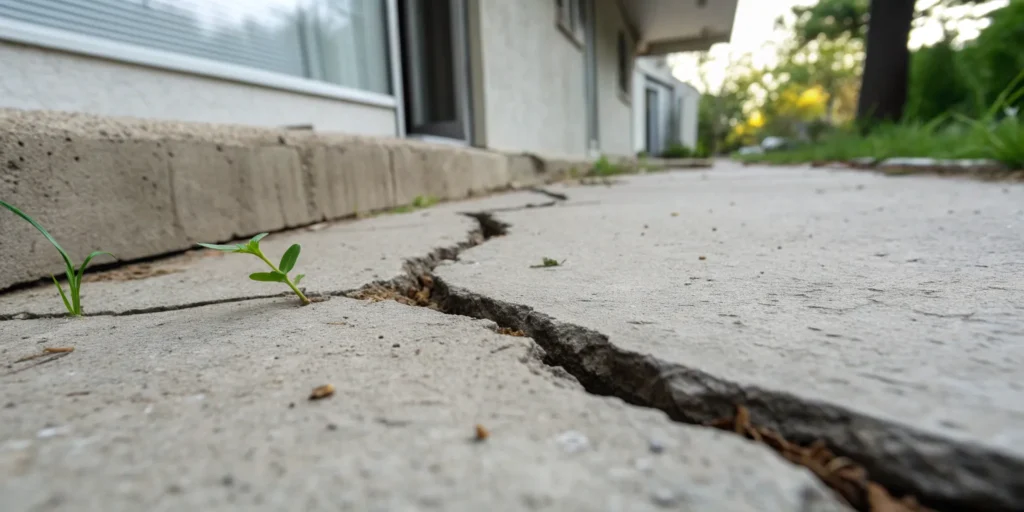
When you find a foundation crack, it’s tempting to just compare it to pictures of normal foundation cracks online. But a picture without context is just a single clue. To really understand what’s happening, you need to think like a detective. This guide is your field manual. We’ll show you what to look for, whether it’s small cracks in your garage floor or larger ones in your basement walls. You’ll learn to analyze a crack’s size, direction, and location, and how to monitor it over time. This way, you can confidently tell the difference between harmless settling and a real problem.
Key Takeaways
- Understand what’s normal: Most foundations develop thin, vertical hairline cracks from natural concrete curing and home settling. These are typically cosmetic and not a cause for immediate alarm, especially if they are less than 1/8 inch wide.
- Monitor cracks for changes: The best way to assess a crack is to track its behavior over time. Take dated photos with a ruler for scale and check every few months to see if it gets wider or longer. A static crack is much less concerning than one that is actively growing.
- Recognize the warning signs: It’s time to call a professional for any cracks wider than a quarter-inch, horizontal cracks, or large stair-step cracks. Also, pay attention to related issues like sticking doors or sloping floors, as these can point to a significant structural problem.
What’s Considered a Normal Foundation Crack?
Finding a crack in your home’s foundation can feel like a five-alarm fire. Your mind immediately jumps to worst-case scenarios involving massive repair bills and structural failure. Before you panic, take a deep breath. While some cracks are definitely a cause for concern, many are perfectly normal and pose no threat to your home’s integrity. Concrete, by its very nature, is prone to cracking. A little bit of cracking is often just a sign that your house is settling in, like a new pair of shoes you’re breaking in.
The real challenge is learning to tell the difference between a harmless settling crack and a sign of a serious structural problem. The size, shape, and direction of a crack tell a story about what’s happening with your foundation. Understanding these visual cues will help you know when you can relax and when you need to call in a professional. This guide will walk you through what normal foundation cracks look like, what causes them, and how to tell them apart from the ones that signal trouble.
Is It a Normal Crack or a Serious Problem?
The main difference between a normal and a serious foundation crack comes down to its characteristics. Harmless cracks are typically very thin—usually less than 1/8 of an inch wide—and are often vertical or diagonal. These are often called hairline cracks and are a common result of the concrete curing process. On the other hand, serious cracks are usually wider, running horizontally or in a stair-step pattern along a block wall. A horizontal crack is a major red flag, as it often means external soil pressure is pushing against your foundation. If you’re ever unsure, a professional structural inspection can give you a definitive answer and peace of mind.
Why Every Foundation Eventually Cracks
It might sound strange, but every foundation is expected to crack a little. When a new home is built, the concrete foundation goes through a curing process where it dries and shrinks. This shrinkage can create small, hairline cracks. Additionally, every house settles into the ground over time, especially within the first few years after construction. This settling process can cause minor shifts that lead to small cracks in the foundation walls or floor slab. These types of cracks are a predictable part of a home’s life cycle. Understanding the science behind them is what our foundation engineers do every day to ensure a home is built to last.
What Causes These Common Foundation Cracks?
It’s easy to assume your home’s foundation is a solid, unmoving block, but that’s not quite the case. Foundations are constantly interacting with the ground beneath them and the environment around them. This interaction leads to subtle shifts, expansion, and contraction, which are the primary reasons you’ll see cracks appear over time. Understanding these natural forces can help you distinguish between a normal cosmetic issue and a sign of a bigger problem. Most of the time, these cracks are just your house settling in for the long haul.
Your Home is Settling (And That’s Okay)
When a new house is built, its immense weight causes the soil underneath to compact and adjust over time. This natural process is called settling, and it can create small, thin cracks as the structure finds its final resting place. At the same time, the concrete foundation is going through its own transformation. During the curing process, concrete loses moisture and shrinks. This slight reduction in volume can result in tiny hairline cracks, typically less than 1/8 of an inch wide. These are a completely normal part of a new home’s first few years and don’t usually signal a structural problem. Our team of foundation engineers sees this every day.
The Impact of Weather and Shifting Soil
The ground under your home is anything but static. Here in Colorado, many of us deal with expansive clay soil, which acts like a sponge—it swells dramatically when wet and shrinks when it dries out. This constant cycle of expansion and contraction puts pressure on your foundation, causing it to shift slightly with the seasons. A dry summer might cause the soil to pull away, while a wet spring can cause it to push inward. This movement can easily lead to minor cracks appearing or changing. While proper grading and drainage can help manage these effects, some seasonal movement is inevitable and perfectly normal for homes in this region.
How Heat, Cold, and Water Create Cracks
Your concrete foundation reacts to changes in temperature and moisture, just like the soil. Concrete expands slightly in the heat and contracts in the cold, and this thermal movement can create or widen small cracks over time. Moisture is another key factor, especially with the freeze-thaw cycles common in our climate. Water seeps into tiny pores in the concrete, and when it freezes, it expands with incredible force, pushing the concrete apart from the inside. If you have poor drainage or downspouts that empty too close to your house, the excess moisture makes this problem worse. A structural engineer inspection can help you pinpoint any drainage issues that might be contributing to cracks.
A Visual Guide to Normal Foundation Cracks
Seeing a crack in your foundation can feel like a five-alarm fire, but most of the time, it’s just a normal part of a house settling in. Concrete, for all its strength, isn’t completely rigid. It shrinks, settles, and moves with the soil around it. The key is learning to distinguish a harmless shrinkage crack from a sign of serious structural trouble. Think of it like being your home’s detective—you just need to know what clues to look for.
Different types of cracks tell different stories about what’s happening with your foundation. Some are thin and wispy, while others look like a jagged staircase. Their shape, size, and direction all provide hints about their cause. Understanding what these common cracks look like is the first step toward knowing whether you can relax or if it’s time to call in an expert for a structural inspection. Let’s walk through some of the usual suspects you might find in your basement or crawl space.
Thin, Hairline Cracks (Less Than 1/8 Inch)
These are the most common and least worrisome cracks you’ll find. Hairline cracks are super thin—less than 1/8 of an inch wide—and often look like a fine pencil line or a piece of thread on the concrete. They typically appear as a house settles naturally on its foundation, especially within the first few years after construction. This happens as the concrete cures and loses moisture. While they might look alarming at first glance, these tiny cracks are usually just cosmetic and don’t indicate a structural problem. Just keep an eye on them to make sure they don’t get any wider over time.
Understanding Vertical Shrinkage Cracks
Vertical cracks run straight up and down your foundation wall. Like hairline cracks, they are often a normal result of the concrete curing and shrinking. You’ll usually find that they are a consistent width from top to bottom and don’t show any signs of movement. However, you’ll want to pay closer attention if a vertical crack is wider at the top than it is at the bottom. This could suggest differential settlement, where one part of your foundation is sinking faster than another. If you notice this or any water seeping through, it’s a good idea to have a foundation engineer take a look.
Stair-Step Cracks in Your Basement Walls
If your foundation is made of concrete blocks or bricks, you might see cracks that follow the mortar joints in a stair-step pattern. These are very common and can be caused by minor soil settlement or moisture changes. Small, stable step cracks that haven’t changed in years are often not a major concern. The red flag goes up when these cracks are wider than 1/4 inch or are actively growing. A widening step crack can be a sign of significant soil pressure or settlement that could compromise your wall’s integrity. This is one type of crack that definitely warrants a professional opinion.
What About Cracks in Your Garage or Basement Floor?
It’s also common to find cracks in the concrete slab of your basement or garage floor. Most of the time, these are simple shrinkage cracks that formed as the slab cured. They don’t typically signal a problem with the foundation itself. The time to worry is when you see signs of movement. For example, if one side of the crack is higher than the other (a phenomenon called “heaving”), or if the crack is getting noticeably wider, it could point to issues with expansive soil or water pressure beneath the slab. These are clear signs that you should seek an expert forensic analysis to understand the root cause.
How to Check Your Foundation Cracks
Finding a crack in your foundation can feel alarming, but you don’t need to be a structural engineer to do a little detective work. By taking a closer look, you can gather the information needed to understand what’s happening with your home. Systematically checking a crack’s size, location, and changes over time will help you figure out if it’s a normal part of your house settling or a sign you need a professional opinion.
Grab a Ruler: What to Look For and How to Measure
The width of a crack is your first major clue. Most hairline cracks—those less than 1/8 of an inch wide—are simply cosmetic and not a cause for concern. However, if you find a crack that’s wider than 1/4 of an inch, it’s time to pay closer attention. Use a simple ruler or measuring tape to get an accurate reading. A great tip is to take a pencil and make small marks at both ends of the crack, noting the date right on the wall. This creates a simple, visual way to see if it’s growing. If you notice a crack expanding, a structural engineer inspection can give you a clear answer on what’s happening.
Does the Crack’s Location and Direction Matter?
Where a crack appears and the direction it runs are just as important as its size. Vertical or slightly diagonal cracks in a poured concrete wall are often related to concrete curing and shrinkage, which is normal. However, horizontal cracks can indicate pressure from the soil outside, which is a more serious issue. Stair-step cracks in brick or concrete block walls are also a red flag for foundation movement. Pay attention to related signs inside your home, like diagonal cracks extending from the corners of door and window frames. These patterns often point toward underlying settlement that may need a foundation engineer to assess.
Your Simple Crack-Checking Toolkit
You don’t need a lot of fancy equipment to inspect foundation cracks. You can create a simple and effective toolkit with items you probably already have around the house. Grab a good flashlight to get a clear view, especially in dim basements or crawl spaces. A measuring tape or ruler is essential for checking the width and length of any cracks you find. It’s also helpful to have a level to check if nearby walls or floors are still even. And of course, your smartphone is your most powerful tool for taking clear, dated photos to document what you see.
Don’t Forget to Take Pictures
Creating a visual record is one of the best things you can do. When you find a crack, take several clear photos of it. Place a ruler or a coin next to the crack in the picture to provide a sense of scale. Be sure to capture it from a few different angles and distances—a close-up to show the texture and a wider shot to show its location on the wall. Make sure you save these photos in a dedicated album and name them with the date. This simple habit creates a timeline, making it easy to see if the crack is changing. This documentation is incredibly valuable if you ever need a forensic structural engineer to investigate an issue.
How to Keep an Eye on Foundation Cracks
Finding a crack in your foundation can be unsettling, but most of the time, it’s just a normal part of a house settling. The key is to watch for changes. Monitoring cracks over time helps you establish a baseline so you can tell if a small issue is turning into a bigger problem. Think of it as a regular health checkup for your home’s foundation. By keeping an eye on things, you can catch potential issues early and know exactly when it’s time to call in a professional. This simple process doesn’t require special tools—just a few minutes of your time every few months. It’s the best way to gain peace of mind and protect your investment.
Create a ‘Before and After’ Photo Log
The easiest way to track a crack is to become its personal photographer. Snap a few clear, well-lit photos of the crack from different angles. Place a ruler or a coin next to it to give a sense of scale—this makes it much easier to spot changes in width or length later on. Make sure to save the photos in a dedicated folder on your computer or phone and name the files with the date. This creates a visual timeline that is incredibly helpful for tracking even the slightest changes over the seasons.
How to Tell if a Crack is Getting Bigger
Once you’ve documented the crack, it’s time to monitor it. A simple trick is to take a pencil and mark the date at each end of the crack directly on the wall. Every few months, check back to see if the crack has grown past your marks. If you notice it getting longer or wider, it’s a sign that there might be ongoing movement that needs attention. Growing cracks are more concerning than static ones because they indicate an active issue, which is a good reason to get a professional structural inspection.
Why You Should Check Your Foundation Seasonally
Your home doesn’t exist in a bubble. It’s affected by the world around it, especially the soil. Here in Colorado, the soil expands when it’s wet and shrinks when it’s dry. These seasonal shifts can put pressure on your foundation, sometimes causing small cracks to appear or change slightly. That’s why checking on your foundation every three to six months is a great habit. A crack that widens in the wet spring and shrinks back in the dry summer might just be reacting to normal soil movement, but consistent growth season after season is a different story.
How to Keep a Simple Crack Monitoring Log
To keep all your observations organized, start a simple monitoring log. This can be a note on your phone or a page in a notebook. For each check-in, record the date, the current length and width of the crack, and any new photos you’ve taken. This log creates a clear, detailed history of the crack’s behavior. If you ever need to consult with an expert, you’ll have a comprehensive record to share. This information helps foundation engineers accurately diagnose the cause and determine the best course of action.
Okay, So When Should I Actually Worry?
While most small cracks are a normal part of a home’s life, some are signals of a deeper issue. Knowing how to spot the difference can save you a lot of stress and money down the road. If you see any of the following signs, it’s time to pay closer attention and consider getting a professional opinion.
Foundation Crack Red Flags to Watch For
Certain types of cracks are more concerning than others. Be on the lookout for horizontal cracks running along your foundation walls, as these can indicate intense pressure from the soil outside. Another red flag is a large, diagonal crack with one side higher than the other, which suggests differential settling. New cracks that appear suddenly in the middle of your walls or ceilings, far from any corners, can also point to a structural problem. If you spot these issues, it’s wise to have a forensic structural engineer investigate the underlying cause.
How Wide is Too Wide?
Size definitely matters when it comes to foundation cracks. A good rule of thumb is that any crack wider than a quarter of an inch (about 6 millimeters) warrants a professional look. While smaller hairline cracks are usually harmless, wider gaps suggest that the foundation has moved significantly and may continue to do so. Cracks that are between 5 and 15 millimeters are considered moderate, but anything wider than that is a serious warning sign. The best way to know for sure is to schedule a structural engineer inspection to get an expert measurement and assessment.
Understanding Crack Width Standards
It helps to have some clear benchmarks for crack widths. Generally, any crack thinner than 1/8 of an inch is considered a normal hairline crack, usually resulting from concrete curing or minor settling. These are typically just cosmetic. The real turning point is when a crack reaches about 1/4 of an inch (or 6 millimeters) in width. This is the industry-standard ‘rule of thumb’ for when you should have it professionally evaluated. While cracks between 1/4 and 1/2 inch might be classified as moderate, anything wider is a significant red flag indicating substantial movement. Remember, these are just guidelines, and the context of the crack matters just as much as its size. If you’re seeing a crack approach that quarter-inch mark, it’s always a smart move to consult with a foundation engineer for a definitive assessment.
Look Beyond the Cracks: Sticking Doors and Uneven Floors
Sometimes, the biggest clues aren’t in the foundation itself but elsewhere in your home. Foundation movement can twist the entire frame of your house, causing secondary problems. Pay attention to doors and windows that suddenly begin to stick or no longer latch properly. You might also notice sloping floors, gaps between the wall and the ceiling, or cracks appearing in the drywall above door and window frames. These are all signs that the structure is under stress. A comprehensive structural engineering evaluation can determine if these issues are connected to your foundation.
More Than Just Doors: Other Structural Warning Signs
Your foundation isn’t an isolated part of your house; it’s the base that supports everything above it. When it moves, it can cause a ripple effect throughout the entire structure. That’s why some of the most telling signs of a foundation issue don’t appear in the basement at all. Start paying attention to how your doors and windows operate. If they suddenly start sticking or have trouble latching, it could be because the frame has been twisted out of square. You might also spot new cracks in the drywall, especially diagonal ones branching out from the corners of doors and windows. These are classic signs that the house frame is under stress from below.
Simple DIY Diagnostic Tests
You don’t need to be an expert to gather some basic information about a crack. The first thing to check is its width. As a general guideline, hairline cracks less than 1/8 of an inch wide are usually just cosmetic. If you find a crack wider than 1/4 of an inch, it’s a signal to investigate further. A simple way to monitor a crack is to mark its ends with a pencil and write the date directly on the wall. Every few months, check to see if it has grown longer or wider. This simple test helps you determine if the issue is ongoing. Having this information is incredibly useful if you decide to get a professional structural inspection, as it provides a clear history of the crack’s behavior.
Is Your Yard Causing the Problem?
The environment around your home plays a huge role in your foundation’s health. Poor drainage is one of the most common culprits behind foundation damage. Make sure your gutters are clean and your downspouts direct water far away from your home’s base. Expansive soils, like the clay common in the Denver area, can swell with moisture and shrink when dry, putting immense pressure on your foundation. Even large tree roots growing too close to the house can cause problems. If you suspect soil or water issues, our foundation engineers can help diagnose the problem.
Preventative Yard Maintenance Tips
A healthy foundation often starts with a healthy yard. Since the soil and water around your home are the biggest influences on its stability, a little preventative maintenance can go a long way. Start by checking your gutters and downspouts. They should be clear of debris and extend at least five feet away from your house to channel rainwater far from the foundation. Also, take a look at the grading, or slope, of the soil. It should gently slope away from the walls to prevent water from pooling. If you’re dealing with persistent drainage problems or the effects of expansive clay soil, our team of foundation engineers can help you find a lasting solution.
Important Considerations for Homeowners
Once you’ve found a crack in your foundation, practical questions quickly follow. Who pays for repairs, and are there hidden dangers? Understanding your home warranty and insurance policy is crucial, as coverage for foundation issues is often very specific. It’s also important to consider the secondary effects of a compromised foundation, from moisture problems to pest infestations. Knowing what to look for helps protect your financial investment and your family’s health.
New Home Warranties
If you’re in a newer home, you might think your builder’s warranty covers foundation cracks. It’s rarely that simple. Most warranties only cover repairs if the damage results from a specific event, like a major plumbing leak. They typically exclude damage from normal soil settlement or concrete curing—the cause of most minor cracks. Always read your warranty documents carefully to understand what is and isn’t included before filing a claim.
What Your Homeowners Insurance Covers
Homeowners insurance policies have similarly specific rules. Generally, your policy only covers foundation damage from a “sudden and accidental” event listed as a covered peril, like a burst pipe or fire. Problems that develop slowly, such as cracks from expansive soil or gradual settling, are almost always excluded. If the cause of the damage is unclear, a forensic analysis can determine the origin, which is critical information for any insurance claim.
Potential Health Risks from Foundation Cracks
A foundation crack can be more than a structural issue; it’s an open door for problems that affect your home’s air quality. Even small cracks allow moisture into your basement or crawl space, creating a perfect environment for mold and mildew. They also serve as easy entry points for pests like insects and rodents and can allow dangerous soil gases, like radon, to enter your home. If you’re concerned about these risks, a professional structural inspection can assess the cracks and identify any related issues.
Found a Crack? Here’s What to Do Next
Discovering cracks in your foundation can be unsettling, but your next steps don’t have to be. Whether you’re dealing with a tiny fissure or something more concerning, knowing how to respond is key. For minor issues, a little monitoring might be all you need. For more serious signs, calling in a professional will give you clarity and a solid plan. Let’s walk through what to do when you find foundation cracks.
Can I Fix Minor Foundation Cracks Myself?
If you’ve identified a small, hairline crack that isn’t growing, you can often handle it yourself. The most important step is to monitor it. As a homeowner, you should periodically measure the length and width of any cracks to see if they’re changing. A simple way to do this is to mark the ends of the crack with a pencil and date it. Take a photo with a ruler next to it for scale. Check back every few months, especially after significant weather changes, to see if it has grown. For tiny, stable cracks, you can seal them with a polyurethane or epoxy injection kit to keep moisture out. This is mostly a preventative measure, not a structural repair.
Common Foundation Repair Methods
If you’ve determined a crack is more than just a cosmetic flaw, there are several professional repair methods to address the issue. The right approach depends entirely on the root cause of the crack. For minor, non-structural cracks that might let in moisture, sealing them is often the best solution. However, if the crack is a symptom of a larger structural problem, like a settling or bowing foundation, you’ll need a more robust solution that reinforces and stabilizes the wall. Understanding the difference is key to choosing a repair that solves the problem for good, not just for now.
Sealing and Injection Techniques
For cracks that aren’t threatening your home’s structural integrity but are letting in water, injection techniques are a common fix. Epoxy injections are used to essentially glue the concrete back together, restoring its strength. Think of it as a structural bond. Polyurethane foam injections, on the other hand, are used for waterproofing. The foam is injected into the crack, where it expands to fill the entire void and create a flexible, watertight seal. The choice between the two depends on whether the crack needs structural bonding or just a barrier against moisture.
Structural Reinforcement and Stabilization
When a crack signals a serious structural issue, sealing it is just a band-aid. The real solution involves stabilizing the foundation itself. If your foundation is settling unevenly, methods like underpinning with steel piers may be necessary to lift and support the structure from below. For foundation walls that are bowing or leaning inward due to soil pressure, carbon fiber straps or steel bracing systems can be installed to provide reinforcement and prevent further movement. These are significant repairs that require the expertise of professional foundation engineers to ensure your home is secure.
Understanding the Costs of Inspection and Repair
Of course, one of the first questions on any homeowner’s mind is, “How much is this going to cost?” The truth is, there’s no single price tag for foundation repair. The cost can range from a few hundred dollars for a simple crack injection to tens of thousands for major stabilization work. The final price depends on the severity of the damage, the repair method required, and the size of your home. The first step toward getting a clear financial picture is always a professional inspection, which will diagnose the problem and outline the specific solutions needed.
Typical Inspection Fees
Before any repairs can happen, you need an expert diagnosis. A professional structural inspection is the best way to understand the cause and severity of your foundation cracks. Generally, you can expect the cost of a structural inspection to range from about $300 to $1,000. The price varies based on the size of your property and the complexity of the issues being investigated. While it might seem like an extra expense, this inspection is a crucial investment. It provides you with a detailed report and an unbiased professional opinion, so you can make an informed decision about repairs without the pressure of a sales pitch.
Average Repair Costs
Once you have a diagnosis, you can get a better idea of repair costs. Minor crack sealing with epoxy or polyurethane injections might only cost a few hundred dollars. However, more extensive work comes with a higher price tag. Installing carbon fiber straps to reinforce a bowing wall can cost several thousand dollars, while major stabilization projects like underpinning can easily exceed $10,000 or more. The cost is directly tied to the labor and materials needed to properly address the root cause of the foundation issue, ensuring a long-term solution for your home.
When It’s Time to Call a Structural Engineer
It can be tough for a homeowner to tell if a crack is a sign of a serious structural problem. That’s when you need to put down the DIY tools and pick up the phone. You should call a professional if you see any major red flags. These include cracks wider than a quarter-inch, horizontal cracks, or stair-step cracks in a block wall that are actively growing. Also, pay attention to other symptoms in your home, like sticking doors and windows, sloping floors, or walls that are bowing or leaning. These are often signs that the foundation issue is affecting the rest of your home’s structure, and a structural inspection is necessary.
Ready for an Expert Opinion? We Can Help
When you’re unsure, the best thing you can do is get an expert opinion. A professional foundation engineer has the tools and experience to give you a definitive answer. During an inspection, we use precise instruments to check for uneven surfaces and accurately measure cracks to assess their severity. We can determine if your house is experiencing normal settling or if there’s a deeper issue at play. This analysis provides you with a clear understanding of the problem and a detailed plan for any necessary repairs. Getting a professional assessment is the surest way to protect your investment and gain peace of mind.
Related Articles
- Why Is My Foundation Cracking?
- Uncovering The Importance Of Foundation Engineering
- Foundation Inspection Cost: A 2025 Price Guide
Frequently Asked Questions
Should I seal every hairline crack I find? Sealing small, stable cracks is a good preventative measure, but it’s important to understand its purpose. Sealing a crack with epoxy or polyurethane is primarily about keeping moisture and pests out, not providing structural support. If a crack is stable and simply a result of concrete curing, sealing it is a great weekend project. However, if the crack is a symptom of ongoing movement, sealing it is like putting a bandage on a broken arm—it covers the problem but doesn’t fix the underlying issue.
What’s the difference between hiring a structural engineer and a foundation repair contractor? Think of it like visiting a doctor versus going straight to a surgeon. A structural engineer is like a diagnostician. Their job is to provide an unbiased, expert assessment of your foundation’s condition, identify the root cause of any problems, and recommend a specific solution if one is needed. A foundation repair contractor is the specialist who performs the actual repair work. We always recommend starting with an engineer to ensure you get an accurate diagnosis before you invest in a specific repair method.
I’m buying a house that has some foundation cracks. Should I walk away? Not necessarily. Since most homes have a few minor cracks, finding them shouldn’t be an automatic deal-breaker. Instead, you should treat it as a crucial step in your due diligence. This is the perfect time to bring in a structural engineer for an inspection. An expert assessment will tell you if the cracks are normal settling or signs of a significant problem. The inspection report will give you a clear picture of the home’s structural health and empower you to negotiate repairs or make a confident decision.
If a crack hasn’t changed in years, can I assume it’s safe? A crack that has remained stable for a long time is certainly a good sign, but it isn’t a guarantee that it will stay that way forever. Changes in your property’s environment can sometimes reactivate movement. For example, a new drainage problem, a particularly wet season, or even a neighbor’s construction project could alter soil conditions and put new stress on your foundation. It’s still wise to check on old cracks periodically and consider a professional inspection if you notice any new signs of trouble in your home, like sticking doors.
How much does a professional foundation inspection typically cost? The cost for a professional structural inspection can vary based on the size and complexity of your home, but it’s a surprisingly affordable investment in your peace of mind. Think of it as paying for clarity. An inspection provides you with a definitive, expert answer about your home’s structural health and a clear, actionable plan if any repairs are needed. This upfront knowledge can save you from much larger expenses and a lot of stress in the future.
