
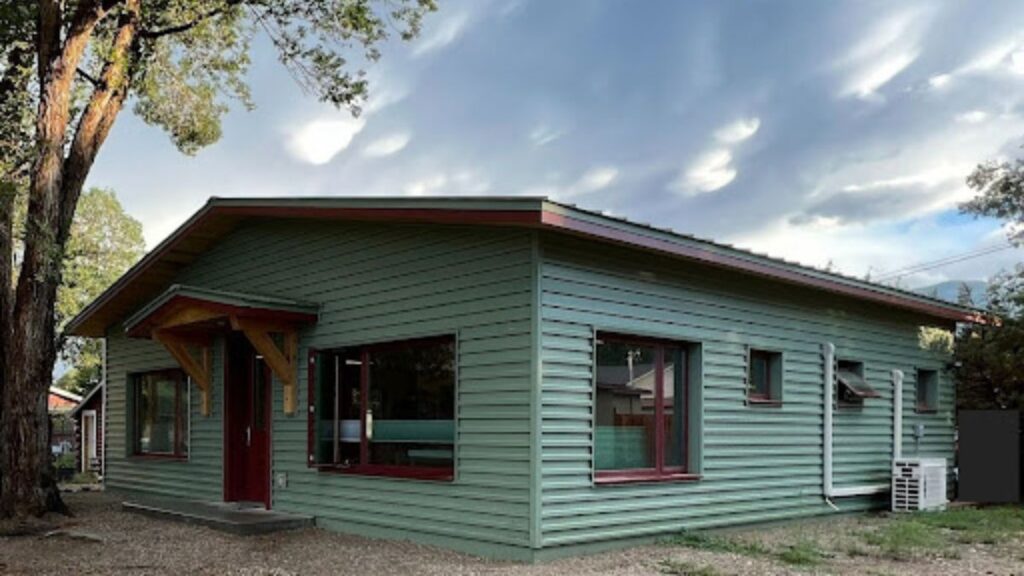
Your property is likely your biggest asset, and building an Accessory Dwelling Unit (ADU) is one of the smartest ways to maximize its value. Beyond adding square footage, an ADU creates a powerful income stream, helps pay off mortgages faster, and builds long-term wealth.
However, a profitable project requires a strategic approach. From zoning laws to construction costs, every decision matters. This guide covers the entire ADU construction process, ensuring your backyard home is not only beautiful but a sound financial investment.
What are Accessory Dwelling Units?
An ADU (Accessory Dwelling Unit) is a secondary, independent residential unit located on the same lot as a primary single-family home. Often called a “granny flat,” “backyard cottage,” or “in-law suite,” an ADU is fully self-contained.
To be considered a legal ADU, the structure must have:
- A permanent foundation
- A private entrance
- A complete kitchen (stove, sink, fridge)
- A full bathroom
- A dedicated sleeping area
Unlike a simple guest room renovation, an ADU increases housing density and property value by functioning as a complete, separate home.
Why ADUs Are Gaining Popularity
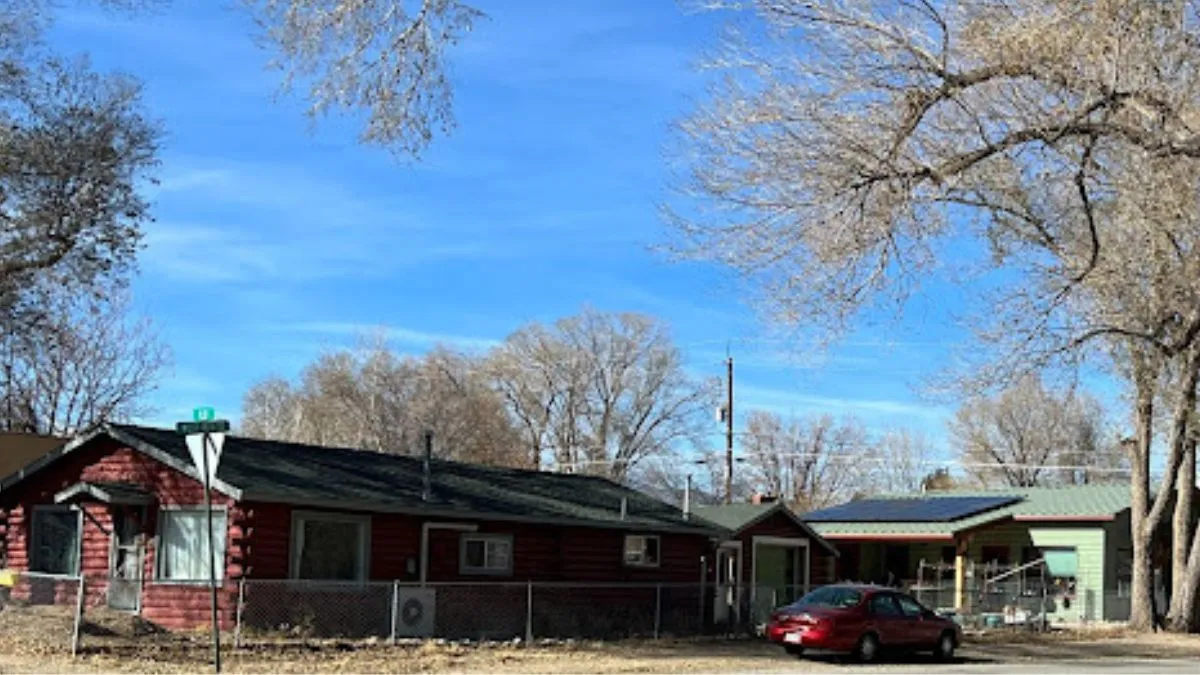
It seems like everyone is talking about ADUs lately, and for good reason. These versatile little homes are popping up in backyards across the country as a smart solution to modern living challenges. For some, an ADU is a way to generate rental income and build wealth. For others, it’s the perfect space for aging parents or adult children, keeping family close while maintaining privacy. This flexibility is a huge part of their appeal, offering a practical way to adapt your property to your changing needs without having to move. They represent a shift toward more efficient, multi-functional use of residential space.
Beyond personal benefits, ADUs are also seen as a positive step for communities. They gently increase housing density in established neighborhoods, which can help make cities more walkable and vibrant. By adding smaller, often more affordable housing options, they contribute to a more diverse and accessible housing market. This approach allows neighborhoods to evolve and grow from within, accommodating more people without the need for large, disruptive development projects. It’s a subtle but powerful way to address housing shortages while preserving the character of a community.
Addressing the Housing Mismatch
One of the biggest drivers behind the ADU trend is the simple fact that our housing supply hasn’t kept up with how we actually live. As one report notes, “Current housing options (mostly large homes) don’t match the reality of today’s smaller households.” Decades ago, the typical single-family home was built for a nuclear family, but today, we have more single-person households, empty nesters, and young couples than ever before. ADUs help fill this gap by providing compact, efficient living spaces that are better suited for one or two people. They offer a practical alternative to oversized homes, making better use of available land.
This is where thoughtful design becomes so important. Creating a functional and comfortable living space within a smaller footprint requires careful planning and expertise. The goal is to build a unit that feels like a complete home, not just a spare room. By working with professionals who specialize in ADU plans, you can ensure your new unit meets the needs of modern residents while complementing your existing property and neighborhood. It’s about creating housing that fits today’s lifestyles, not yesterday’s.
The Rise of Unpermitted Units
The demand for ADUs has grown so quickly that many have been built without going through the proper channels. It’s been observed that “Many more ADUs exist without official permits (informal ADUs) than with them.” While it might seem tempting to cut corners to save time or money, building an unpermitted unit is a risky gamble. These structures often don’t meet safety codes, which can pose a danger to occupants. Furthermore, if the city discovers an unpermitted unit, they can issue hefty fines or even require you to tear it down, turning your investment into a major loss.
This is why following the official process is non-negotiable. Securing the right permits ensures your ADU is safe, legal, and a true asset to your property. It also protects you from future legal headaches, especially when it comes time to sell. Navigating the maze of building codes and zoning regulations can be daunting, but you don’t have to do it alone. Partnering with an experienced team that understands local requirements is the best way to ensure your project is done right from the start, giving you peace of mind and a valuable, compliant addition to your home.
Key Characteristics of a Legal ADU
So, what officially makes a backyard cottage or basement apartment a legal ADU? It’s more than just having four walls and a roof. A legal ADU is defined by a specific set of characteristics that classify it as an independent dwelling. These requirements ensure the unit is safe, habitable, and self-sufficient for a resident. While specific regulations can vary from one city to another, there are a few fundamental elements that are almost always required. Understanding these key features is the first step in planning a project that will meet code and add lasting value to your property.
Think of it as a recipe: you need all the right ingredients for the final product to be considered a true home. This includes things like a permanent foundation, its own entrance, and access to utilities. Missing one of these key components could mean your structure is classified as something else entirely, like a shed or a pool house, which wouldn’t be legal to rent out as a long-term residence. Getting these details right from the beginning is crucial for a successful and lawful ADU build.
The Kitchen is Non-Negotiable
If there’s one feature that truly defines an ADU, it’s the kitchen. As one expert puts it, “An ADU must have a kitchen. This is what makes it a separate living unit, unlike just an extra room.” A simple microwave and a mini-fridge won’t cut it. To be considered a legal dwelling, the unit needs permanent cooking facilities, including a sink, a stove or cooktop, counter space for food preparation, and refrigeration. This is the core element that establishes the unit’s independence and allows someone to live there full-time, completely separate from the main house.
Along with a kitchen, a legal ADU must also have its own bathroom and a dedicated sleeping area. These three components—kitchen, bath, and sleeping space—are the trifecta of a self-sufficient home. When you design your ADU, planning for these essential living functions is paramount. It’s what elevates the structure from a simple outbuilding to a true accessory dwelling unit that can be legally occupied and add significant value to your property.
Challenges of Infill Construction
Building an ADU isn’t like starting with a blank slate in a new subdivision. Instead, “ADUs are ‘infill projects,’ meaning they have to fit into existing spaces, which can be tricky with tight areas, sloped land, or existing utilities.” You’re working within the confines of an established property, which comes with its own unique set of puzzles to solve. You’ll need to consider zoning rules like property line setbacks, height restrictions, and lot coverage limits, all of which dictate where and how you can build.
Beyond zoning, you also have to think about the practical logistics. How will construction vehicles access the site without tearing up your landscaping? Where are the existing sewer, water, and electrical lines, and how will you connect the new unit to them? These are the kinds of challenges that require creative problem-solving and technical expertise. A successful infill project depends on a solid strategy, which is why a thorough site assessment and a detailed plan from a qualified structural engineer are essential before you break ground.
Who needs an accessory dwelling unit?
ADUs are versatile investments. Here is who benefits most:
- Empty Nesters: Downsize into the ADU and rent out the main house for retirement income.
- Remote Workers: Create a distinct home office to separate work life from home life.
- Multigenerational Families: Provide a safe, accessible space for elderly parents (“aging in place”) or returning college graduates.
- Real Estate Investors: Instantly increase the cap rate and ROI of a property by adding a second rental unit.
Top Benefits of Building an ADU
- Passive Income: Rent the unit to offset your mortgage.
- Increased Property Value: ADUs can increase property value by up to 30%.
- Sustainability: Smaller footprints mean less energy consumption and efficient land use (preventing urban sprawl).
- Flexibility: Use it as a rental now, and a guest house or parent suite later.
Community and Environmental Benefits
Building an ADU isn’t just a smart move for your property; it’s a win for the whole community and the environment. These compact homes tap into existing city infrastructure like roads and sewer lines, which means cities don’t have to spend a fortune building new systems in the suburbs. This smart growth also introduces more affordable housing options into established neighborhoods. Environmentally, ADUs are champions of sustainable living. Because they’re smaller, they require fewer materials to build and less energy to heat and cool, reducing their overall footprint. By making the most of the land you already have, you’re helping to reduce urban sprawl and preserve green spaces. When you decide to build, getting the right ADU plans from the start ensures your new space is as efficient and beneficial as possible.
ADU vs. Home Addition: What’s the Difference?
So, you need more space. The big question is, do you build out or build a separate unit? This is where the classic debate between an ADU and a home addition comes in. While both projects add square footage and value to your property, they serve fundamentally different purposes and come with their own unique set of considerations. Think of it as choosing between expanding your current home or adding a new, independent one to your lot. An addition seamlessly integrates with your existing house, while an ADU stands apart as a self-contained living space. The right choice really boils down to your long-term goals—are you looking for a rental income opportunity, a private space for family, or simply a larger living room? Understanding the key distinctions in purpose, cost, and construction will help you decide which path is the perfect fit for your property and lifestyle. Whether you’re leaning toward designing an ADU or drawing up plans for an addition, getting clear on the basics is the first step.
Purpose and Use
The primary difference between an ADU and a home addition lies in their function. An Accessory Dwelling Unit is essentially a second, smaller home on your property. To be considered a legal ADU, it must be a complete, independent living space with its own kitchen, bathroom, and sleeping area. It can be a converted garage, a basement apartment, or a brand-new detached structure in the backyard. This separation is key, making it ideal for generating rental income or housing family members who want their own privacy. A home addition, on the other hand, is all about making your main house bigger. It’s an extension of your existing home, whether you’re adding a new primary suite, expanding the kitchen, or building a second story. The new space becomes part of the main house, sharing utilities, entrances, and your roofline. It’s not a separate living unit, but rather more room for you and your family to spread out in.
Typical Costs
When it comes to budget, the numbers can vary widely based on your project’s scope, materials, and local labor costs. Generally, you can expect a full ADU build to fall somewhere between $100,000 and $200,000, as you are essentially building a small, fully functional home from the ground up, complete with plumbing and electrical systems. A home addition can be a bit more of a mixed bag. A simple, single-room addition might start around $50,000, but more complex projects that involve significant foundation work or adding a second story can easily climb higher than the cost of an ADU. While an addition might sometimes have a lower entry price point, an ADU offers the unique advantage of generating rental income, which can help offset the initial investment over time.
Design and Construction Challenges
Both projects come with their share of logistical hurdles, particularly when it comes to permits and regulations. Local zoning rules for ADUs can be especially tricky, with specific requirements for size, location on the property, and parking that can cause delays if you’re not prepared. Home additions have their own complexities, as they must seamlessly tie into your existing home’s structure, foundation, and roofline, which often requires a detailed structural inspection to ensure everything is sound. You’ll need permits for either project, and the process can feel overwhelming. This is where having an expert team becomes invaluable. Handling local building codes and ensuring your design is both beautiful and compliant is a critical part of the process, turning potential challenges into a smooth and successful build.
Financing accessory dwelling units
Here comes the million-dollar question (sometimes quite literally) – How do you fund your ADU project? Well, fear not, would-be ADU tycoons! There are quite a few avenues to explore when it comes to financing your dream ADU. Let’s break it down:
- Home Equity Loans: Got some equity in your home? This could be your golden ticket to ADU-ville. Home equity loans let you borrow against the value of your home, providing a lump sum of cash for your construction project.
- Construction Loans: These are short-term loans that cover the cost of construction. Once the ADU is built, you can refinance into a regular mortgage. Think of it as a construction-to-permanent loan. Well, hello, financial flexibility!
- Personal Savings: If you’ve got a substantial nest egg, this might be the time to crack it open. Just be sure you’re not sacrificing your future financial stability for your present construction frenzy.
- Government Programs: Believe it or not, many local jurisdictions promote adus. Check out local and federal programs geared towards grants for adu financing.
- Friends & Family: Got some generous kin? They might be willing to invest in your ADU project. Just remember – mixing money and family can be a tricky business. Make sure everyone’s on the same page.
Specific Loan Products for ADUs
Beyond the general financing routes, some loan products are practically tailor-made for ADU projects. Lenders are catching on to the ADU trend, and organizations like Fannie Mae have created specific pathways to help homeowners fund their builds. Getting familiar with these can give you a major leg up when you talk to your bank. It shows you’ve done your homework and understand the specific financial landscape for this type of construction. Let’s look at a couple of the most common options you might encounter.
HomeStyle® Renovation Loan
The Fannie Mae HomeStyle® Renovation loan is a fantastic tool for homeowners. It allows you to either buy a property or refinance your current mortgage and roll the costs of building a new ADU right into the loan. This is perfect if you’re looking to add value and a new living space simultaneously. Instead of juggling a separate construction loan, everything is bundled into one convenient mortgage payment, simplifying the process and often securing a better interest rate for your project.
HomeReady® Mortgage
Here’s where things get really interesting, especially if you plan to rent out your new unit. With a HomeReady® mortgage, lenders can consider the expected rental income from your ADU when you apply for the loan. This can be a game-changer for qualification, as the future income helps offset the debt. To make a strong case, you’ll need solid projections, which start with professional ADU plans that detail the unit’s size, features, and appeal to potential renters.
Important Lender Restrictions
Before you get too far down the road with these specific loans, it’s important to know the rules of the game. According to Fannie Mae guidelines, these ADU loans are only for single-family homes. That means if your primary residence is a manufactured home, you won’t be eligible for this type of financing. Additionally, these loans are designed for properties with just one ADU. If you’re dreaming of building a compound with multiple units, you’ll need to explore other financing avenues.
Getting Started
Alright, ready to rock ‘n roll? The first step towards building an ADU is not picking up a hammer, but a pen (or a keyboard, let’s be real). Planning is the name of the game here. You need to understand the local regulations and permits needed for constructing an ADU in your area.
Rules can vary widely from one local jurisdiction to another, so doing your homework is crucial. Wondering about the size of the ADU, the height, the setback from property lines, parking and owner-occupancy requirements? All of these rely on your local ADU ordinance.
It may seem like a daunting aspect, but with the correct information and thorough planning, the process promises to be rewarding . It’s always advisable to consult with an architect or engineer early on in the process to ensure steps are taken in the correct order.
Attached ADU or Detached ADU?
It’s time for the million-dollar question – to attach or not to attach? This is the Hamlet-esque conundrum you’ll face when diving into the accessory dwelling unit building process.
Attached ADUs are joined at the hip with your primary dwelling. You might convert secondary units into a part of your existing house – ‘Hello, basement! Meet your glamorous future.’ Or perhaps you’ll add on a completely new structure. Either way, it’s about maximizing the potential of your current living space.
Detached ADUs are standalone buildings that hang out in your backyard. They’re like a private retreat right on your doorstep. Got a garage that’s serving as a glorified storage unit? Time for a makeover! Or maybe you’ll build an entirely new structure from the ground up. With a DADU, the sky’s the limit (or at least as high as local regulations allow).
Whether you decide to go attached or detached, remember that each option has its unique benefits and potential challenges. It all boils down to what works best for your property, budget, and lifestyle. So go ahead and start visualizing – your dream ADU is just a few decisions away!
Types of ADUs
Now that you’re familiar with the basics, let’s explore the different flavors ADUs come in. Each type has its own set of pros, cons, and unique considerations, so understanding your options is key to choosing the right fit for your property and goals. From standalone backyard cottages to clever conversions of existing space, the right ADU can add value, flexibility, and function to your home. Thinking through how you plan to use the space and what your property can accommodate will help you land on the perfect design for your needs.
Detached ADU
A detached ADU is a standalone structure, separate from the main house, offering the most privacy for both you and your future occupants. Think of it as a small cottage or a modern tiny home right in your backyard. You can either build an entirely new structure from the ground up or convert an existing building, like an underused garage or large shed. A new build gives you complete creative control over the layout and design, but it requires careful planning. Getting professional ADU plans is essential to ensure your new unit is structurally sound, compliant with local zoning laws, and perfectly suited to your property.
Attached ADU
An attached ADU is built as an addition to your primary home, sharing at least one wall. This could be a “bump-out” on the side or back of your house, creating a new, self-contained living space. Because they can often tap into the main house’s existing plumbing and electrical systems, attached ADUs can sometimes be a more cost-effective option than building a detached unit. The key challenge is making the addition feel like a natural extension of your home. A skilled architect can help you design home addition plans that blend seamlessly with your existing architecture while creating a functional and private unit.
Garage Conversion
If your garage is currently just a holding zone for old paint cans and forgotten hobbies, a garage conversion could be your golden ticket. This popular option transforms your existing garage into a fully functional living space. It’s one of the most budget-friendly ways to build an ADU because the basic structure is already in place. However, it’s not as simple as just throwing in a couch. You’ll need to insulate the walls, add windows, install plumbing and electrical systems, and replace the garage door with a proper entryway. A structural inspection is a wise first step to confirm the foundation and framing can support the conversion.
ADU Above a Garage or Workshop
For those with limited yard space, building up is a brilliant solution. An ADU above a garage, often called a carriage house or garage apartment, allows you to add a living unit without sacrificing your parking or workshop area. This type of ADU offers great privacy and makes excellent use of your property’s vertical space. The most critical factor here is structural integrity. The existing garage foundation and walls must be strong enough to support an entire second story. This is a project where consulting with a structural engineer is absolutely non-negotiable to ensure safety and stability.
Basement Conversion
Transforming an underutilized basement into a cozy apartment, sometimes known as a mother-in-law suite, is another fantastic way to add an ADU. This approach makes use of existing square footage within your home’s footprint, which can simplify the permitting process. Key considerations for a basement conversion include ensuring you have adequate ceiling height, proper ventilation, and sufficient natural light. Most importantly, you’ll need to install a legal egress, like an egress window or door, for safety. An experienced design team can help you tackle these unique challenges and turn a dark basement into a bright, welcoming living space.
Internal Conversion
An internal conversion involves carving out a portion of your main house—other than the basement—to create a separate, self-contained unit. This could mean repurposing a large master suite, an unused attic, or a section of the ground floor. The main design puzzle is creating a functional layout that includes a private entrance, kitchen, and bathroom while ensuring privacy and soundproofing between the two units. Reconfiguring the home’s existing layout and systems requires thoughtful architectural planning to create a space that feels intentional, not just walled-off, for both you and the ADU resident.
Breaking Down ADU Costs
Let’s talk money. The cost of building an ADU varies widely, and the numbers can feel overwhelming. Your final price tag depends on location, ADU type, and property conditions. To simplify things, we can group expenses into three categories: core costs for every project, property-specific costs unique to your lot, and city-specific costs from your local government. Understanding these buckets helps you create a realistic budget and prepare for the financial side of your ADU journey.
Core Costs
Think of core costs as the non-negotiables. These are fundamental expenses for almost any ADU build. This category includes the initial feasibility study, creating professional ADU plans, and managing the permitting process. It also covers the actual construction—from the foundation and structure to basic finishes. Finally, you’ll have basic site work, like trenching for utility lines on a flat lot. These expenses form the baseline for your project budget before any unique property challenges are considered.
Property-Specific Costs
This is where your budget can really differ from your neighbor’s. Property-specific costs are tied to the unique features of your land. For instance, an old shed means demolition costs. A sloped lot might require special grading and retaining walls. You could also face extra utility work, like upgrading your electrical panel or connecting to a septic system. Some properties require special foundation engineering due to poor soil conditions. This category also includes custom finishes or specific requirements from your HOA, which can add to the total cost.
City-Specific Costs
Every city has its own rules and fees, which can add a significant amount to your budget. City-specific costs primarily include permit fees, which can be around $10 to $15 per square foot, but this varies. Beyond the building permit, you might also encounter impact or sewer connection fees, especially for larger ADUs. Some cities also require special reports before approving your plans, such as a land survey or a soil analysis. Working with a team that understands local regulations is key to anticipating these costs and keeping your project on track.
Step 1: Feasibility – Get Your Ducks in a Row
Before delving into envisioning our ideal ADU, it is imperative to assess the project’s feasibility. This entails conducting a thorough investigation to gather essential information. Understanding your property’s distinctive attributes and limitations is crucial in this initial phase.
Consider whether your current residential zoning permits an attached ADU, and assess whether your lot size allows for a detached ADU within local setback requirements. Moreover, determine the accessibility of utilities.Having an Architect on board early on in the process will make this a linear process, also involving the required engineers inputs at the right time.
Step 2: Initial Planning
Building an Accessory Dwelling Unit (ADU) requires meticulous planning. The first step involves understanding the local regulations and ordinances concerning ADUs in your area. These regulations tend to differ, not only from city to city, but also local jurisdictions and from one Erf to the next.
It’s crucial to familiarize yourself with these rules to avoid legal disputes or building hiccups down the line. It can be a tricky maze to navigate, but a necessary one. Having an architect on board will speed up this process and ensure all aspects of the project are covered.
Start by visualizing the ADU you want to build. Whether it’s a detached, a carriage house or some granny flats that need an upgrade, having a clear vision for your ADU will simplify the subsequent steps. Consider the size, design, placement, and utility of your future ADU.
Remember, your ADU should not only be an extension of the main house on your property but a complement to it. This strategic planning stage is your foundation for a successful build, ensuring the new building blends perfectly with the primary dwelling, enhancing your property rather than detracting from it.
Step 3: Secure the Permits
All ADU’s require building permits from the local municipality or building control office. Your appointed local A&E expert will have full knowledge of the applicable legislation for your region. Below is an example of the legislation applicable in California for building and ADU.
Assembly Bill 68 (CA)
Allows homeowners to add two units – an ADU and a Junior Accessory Dwelling Unit (JADU) – on any residential lot. This means you can legally create a triplex on every single lot (if your lot meets size and setback requirements) according to the 2024 ADU laws in California.
Additional units can be added to existing multi-family buildings like apartment complexes. Building owners can convert any non-habitable rooms, like attics, basements, garages, etc. into legal additional units.
Single Family Homes:
- One ADU (up to 1,200 sq. ft.) and one Junior ADU (a unit of not more than 500 sq. ft. and contained entirely within an existing single-family structure) per lot.
- One detached ADU (up to 1,200 sq. ft.) that is new construction, existing structure, or the same footprint as the existing structure, along with one JADU.
Multifamily Dwellings
- Multiple ADUs within existing multifamily structures.
- Two accessory dwelling units on a multi-family lot.
Most homeowners with residential properties may be thinking, “It’s my property, why do I need a building permit? The answer is simple, to ensure you and your potential tenants are safe and feasible. You might need additional permits for plumbing, electrical, or mechanical work too so working with a professional will save you form a nasty law suite down the line.
Choosing Your Construction Method
Once you’ve navigated the initial planning and permitting stages, it’s time to decide how you’ll actually bring your ADU to life. The construction method you choose will impact your project’s timeline, budget, and final look. There are three main paths you can take, each with its own set of benefits and considerations. Think of it as choosing your own adventure, but for home construction. Whether you crave complete creative control or prioritize speed and efficiency, there’s a method that fits your goals. Understanding these options is key to making a choice you’ll be happy with for years to come.
Traditional On-Site Construction
This is the classic approach, often called “stick-built” construction. Your ADU is built from the ground up, right on your property, piece by piece. This method offers the ultimate flexibility and customization. If you want your ADU to perfectly match the architectural style of your main house or need to work around unique site challenges like a sloped yard, traditional construction is your best bet. It allows you to tailor every detail to your exact preferences. The trade-off is that it’s typically the most time-consuming and can be more expensive due to labor costs and potential weather delays. For a project this customized, starting with a solid set of ADU plans is essential to ensure your vision is executed flawlessly.
Modular ADUs
Modular construction offers a middle ground between custom and prefab. With this method, your ADU is built in sections, or “modules,” inside a factory. While the modules are being constructed in a controlled environment, your contractor can simultaneously prepare the foundation and utilities on-site. Once complete, the sections are transported to your property and assembled by a crane. Because they are built to the same strict residential codes as traditional homes, they are often easier to get approved by local governments. This process is significantly faster than on-site construction and minimizes disruption in your backyard, but it requires clear access for delivery and assembly.
Prefab ADUs
If speed is your top priority, a prefabricated (prefab) ADU might be the answer. These units are constructed almost entirely in a factory and then delivered to your property, often as a single, complete structure. This is generally the quickest and most affordable option, as the factory setting allows for streamlined production. However, this efficiency comes at the cost of customization; you’ll typically choose from a catalog of existing designs with limited modifications. It’s also important to be aware that some local jurisdictions have specific regulations or challenges regarding the approval of prefab units, so it’s crucial to verify your city’s rules before you commit.
Step 4: Build an ADU!
Alright, now you are making real progress. It’s time to build an ADU. Your ADU construction journey starts with laying the foundation. Be it basement conversions, garage conversions, backyard cottages or granny flats, it is important to get an expert in to ensure your foundation is stable and can handle any additional loads.
Residential construction can be exciting DIY renovation projects or a complex new construction of several units. Either way it is important to ensure complete safety throughout the process. homeowners building ADUs will be liable for any impact this process has on the immediate environment, surrounding structures and the public at large. to avoid lawsuits, it’s best to have someone with the right qualifications on board to manage the intricacies of the job.
Remember to consider your plumbing and electrical needs as well as water supply. These have impacts on the surrounding community and should be integrated into the existing infrastructure.
Phase 1: Site Work and Foundation
This is where your ADU officially breaks ground. The first step is preparing the land, which involves clearing the build site, leveling the ground, and getting it ready for utility connections like water, sewer, and electricity. Once the site is prepped, the crew will dig trenches for the utilities and the foundation itself. A strong base is non-negotiable, so this phase includes placing steel rebar for reinforcement before pouring the concrete. A solid foundation is the literal bedrock of your project, ensuring the structure is stable and secure for decades to come. Getting this step right with professional engineering oversight prevents major headaches down the road.
Phase 2: Framing
With the foundation cured and ready, it’s time to build the skeleton of your ADU. Framing is when the walls, ceiling, and roof structure go up, and you can finally see the shape of the new space. During this phase, workers will create the openings for all your future doors and windows. Then, they’ll add exterior sheathing or panels to the frame, which adds strength and provides the first layer of protection against the weather. This is a really exciting stage because what was once just a blueprint on paper starts to look like an actual home. A well-thought-out set of ADU plans ensures the framing is precise, structurally sound, and ready for the next steps.
Phase 3: Rough MEP (Mechanical, Electrical, and Plumbing)
Before the walls get closed up, it’s time to install the guts of the ADU. “Rough MEP” stands for Mechanical, Electrical, and Plumbing—all the essential systems that make a house functional. This includes running water and drain pipes, placing electrical wiring and boxes for outlets and switches, and installing heating and cooling units and ductwork. It might look like a chaotic web of pipes and wires, but it’s a carefully orchestrated process. Getting the MEP right is critical, as fixing issues after the drywall is up is much more difficult and expensive. This is when all the systems planned in the initial design phase are brought to life inside the frame.
Phase 4: Exterior Finishes
Now it’s time to seal the deal—literally. The exterior finishes phase is all about making your ADU watertight and protecting it from the elements. This is when the roof is installed, windows and exterior doors are fitted into their openings, and the outside walls are covered with your chosen material, whether that’s siding, stucco, or brick. This step is crucial for protecting the interior framing and systems from moisture and weather damage. It’s also when the ADU’s personality really starts to show. The choices you make here define the curb appeal and overall style, turning the structure into a beautiful, finished home that complements your main property’s architecture.
Phase 5: Insulation and Drywall
With the exterior sealed up, the focus moves back inside. First, insulation is installed in the walls and ceilings. This is a key step for making the ADU comfortable and energy-efficient, as it helps regulate the indoor temperature and keep utility bills down. Once the insulation is in place and has passed inspection, the drywall goes up. Sheets of drywall are hung, taped, and mudded to create smooth, seamless walls and ceilings. This process transforms the raw, open-stud interior into defined rooms, creating a clean canvas that’s ready for the final, more decorative touches.
Phase 6: Interior Finishes
This is the phase where your design vision truly comes to life. With the drywall up, it’s time for all the finishing touches that make a house a home. This includes painting the walls, installing flooring, and putting in kitchen and bathroom cabinets and countertops. Electricians and plumbers will return to install light fixtures, faucets, sinks, and toilets. Essentially, every detail you picked out—from the tile backsplash to the doorknobs—gets installed during this final construction phase. It’s the last big push before the ADU is ready for its final inspection and, most importantly, for someone to move in and enjoy the beautiful new space you’ve created.
Step 5: Inspection – The Final Frontier
It’s time to bring in the men and women in hardhats. No, not more construction workers – we’re talking about inspectors! Now that your very own ADU is standing tall and looking good, it’s time to cross the t’s and dot the i’s – inspection time!
Having your ADU inspected is like a final exam – it’s the last step to make sure all your hard work checks out. The primary focus will be on safety and adherence to all local building codes. This step involves both exterior and interior inspections of the completed ADU. Local building officials will diligently check systems like plumbing, electrical, and HVAC to ensure they meet local codes and regulations.
So, get ready for inspectors to thoroughly scrutinize everything from grounding systems to fire safety measures. They might seem a bit nitpicky during the process, but they’re just ensuring that your ADU is ready for occupancy, safe, and up to code. Once you’ve passed the inspection, you’ll receive a certificate of occupancy – this is the final stamp of approval for your ADU.
It’s like a graduation day – from blueprint to reality, your ADU has officially made it! Now, it’s time to move in, rent out, or however you plan to use your new space. So, buckle up, ADU-venturers, it’s inspection time! #ADU #occupancy #safetyinspection
Step 6: Reaping the Benefits
It’s time to reap the incredible benefits of your shiny new ADU. You built an ADU, and you now have access to the list of benefits this brings to you as a homeowner!
Whether you’ve added living space for family, a haven for visitors, or a potential income generator, your ADUs have just increased the value of your single family home.
If you’re considering renting it out, get ready to welcome a steady stream of income that can significantly offset your housing costs. Say hello to affordable housing! Not to mention, you’ve just contributed to the local housing market by creating additional rental housing, and, in today’s world, every bit counts towards housing innovation.
Remember, at the end of the day, your ADU is more than just a secondary dwelling unit. It’s a testament to your hard work, meticulous planning, and dedication! You’ve earned it #ADU #benefits #celebratesuccess
Hiring the Right Professionals for Your ADU Project
Building an ADU isn’t a solo mission. The success of your project hinges on the team you assemble. From architects and engineers to contractors, choosing the right professionals can make the difference between a smooth process and a series of headaches. Let’s look at who you need on your team and why specialization matters.
Why to Hire a Contractor Who Specializes in ADUs
When it comes to building an ADU, not just any contractor will do. While a general contractor might be great for a kitchen remodel, ADUs present a unique set of challenges. They involve specific zoning codes, permitting processes, and the logistical hurdles of building on a property that’s already occupied. A contractor who specializes in ADUs has seen it all before. They understand the local ordinances inside and out and have established relationships with city officials, which can streamline the approval process. This expertise helps prevent costly mistakes and delays, ensuring your project stays on track and within budget. Choosing a specialist means you’re not just hiring a builder; you’re partnering with an expert who understands the specific demands of creating effective ADU plans.
The Advantage of a Design-Build Firm
To simplify your project even further, consider working with a design-build firm. This approach integrates the design and construction phases under one roof, meaning your architect, engineer, and builder are all part of the same team. This creates a single point of contact and accountability, which dramatically improves communication and efficiency. Instead of you having to coordinate between separate companies, the design-build team handles it all, ensuring a seamless transition from blueprint to final build. This collaborative model is especially helpful for complex projects like ADUs, where early input from an engineer can inform the architectural design and prevent issues down the line. It’s a linear, cohesive process that keeps everyone aligned and focused on the same goal: bringing your vision to life.
Frequently Asked Questions
How do I figure out if I can even build an ADU on my property? The first step is to look into your local zoning regulations. Every city has its own set of rules that dictate what you can build, covering everything from the maximum size of the unit to how far it must be from your property lines. This can feel like a bit of a maze, but a quick check of your city’s planning department website is a great place to start. For a clear and definitive answer, consulting with a design or engineering firm can save you a lot of time by providing a feasibility assessment based on your specific lot.
Is an ADU really a better investment than a simple home addition? It really depends on your goals. A home addition is perfect if you simply need more living space for your family. An ADU, however, is a separate, rentable home, which means it can become an income-generating asset. This rental income can help offset your mortgage or the construction costs, making it a powerful financial tool. While both projects add value to your property, only an ADU has the potential to pay for itself over time.
What’s the biggest risk of building an ADU without a permit? Skipping the permit process might seem like a way to save time and money, but it’s a huge gamble. The biggest risk is being forced by the city to tear the whole thing down, turning your entire investment into a loss. Unpermitted structures often don’t meet safety codes, creating a hazard for anyone living there. It also creates major problems when you eventually try to sell your property, as unpermitted work can derail a sale or significantly lower your home’s value.
I have a detached garage I’m not using. Is converting it the cheapest way to get an ADU? A garage conversion is often one of the most budget-friendly ways to build an ADU because the basic structure—the foundation, walls, and roof—is already in place. However, it’s not as simple as just adding drywall and a kitchen. The existing foundation and framing must be inspected to ensure they can support a living space, and you’ll still have significant costs for adding plumbing, electrical systems, insulation, and proper windows and doors.
Why do I need an engineer for an ADU project? Can’t a good contractor handle it? A great contractor is essential for the build, but an engineer’s role is different and equally critical. A structural engineer ensures your ADU is safe, stable, and built to last. They are responsible for designing the foundation to suit your specific soil conditions and ensuring the structure can handle all required loads. This is especially important for projects like adding a second story above a garage or building on a sloped lot. Their expertise protects your investment and provides peace of mind that your new unit is sound.
Key Takeaways
- Treat Your ADU as a Small Home, Not a Big Shed: To be a legal and valuable asset, your ADU must be a self-sufficient living space with its own kitchen, bathroom, and entrance. This distinction is crucial for securing permits and legally generating rental income.
- Your Project’s Success is Determined Before Construction Starts: A smooth build requires a solid upfront strategy. This involves a feasibility study to understand zoning rules and site-specific challenges, securing the right permits, and creating a detailed budget to avoid surprises.
- Match Your ADU Type and Building Team to Your Goals: The right ADU—whether a garage conversion or a new detached unit—depends on your property and budget. Partnering with professionals who specialize in ADUs ensures your project is handled efficiently and correctly from design to final inspection.
