
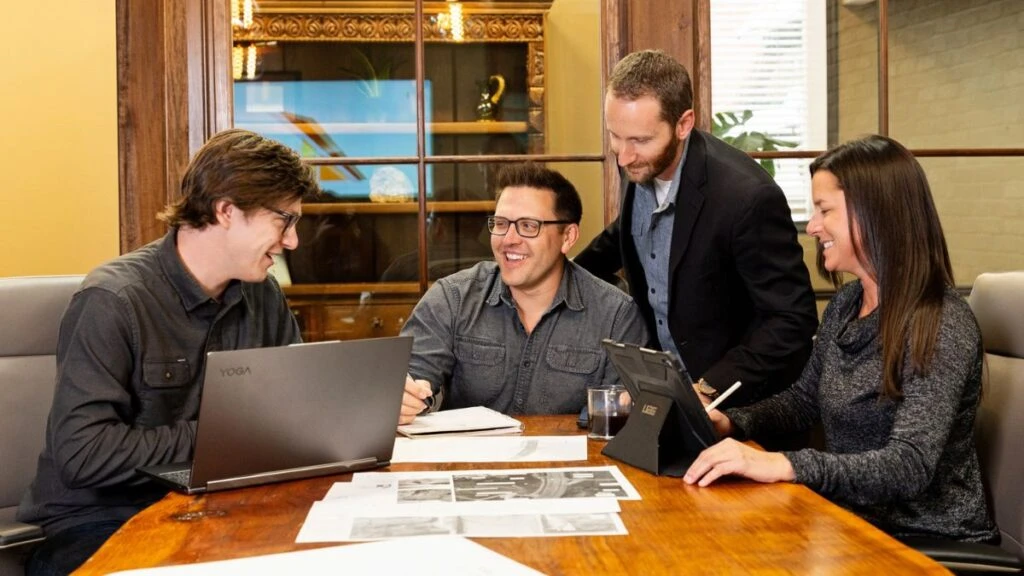
Building codes set the minimum standard for safety, but is “minimum” what you want for your home or commercial property? Your local building department plays a crucial role in verifying this baseline. However, achieving a truly high-quality, durable, and well-built structure requires a more detailed eye. This is where specialized experts come in. Professional architects and engineers provide a deeper level of oversight, ensuring the work on the ground perfectly matches the design plans. This guide explains the different types of construction inspections, clarifying the roles of city inspectors versus private engineering experts and why both are vital for a successful project.
Part 1: Construction inspections
Meeting minimum requirements, or achieving high quality outcomes?
Section 1: Meeting the minimum standard
Construction sites, whether for commercial developments or intimate residential builds, pose many challenges as they develop, construction and building inspectors are the agents in place to ensure minimum standards are met . These dedicated professionals are entrusted with the task of ensuring that each phase of construction meets the stringent criteria set by building codes, regulatory standards and the professionals who design these projects.
Is this enough? Do we want to live in a world that merely complies with a minimum standard, or do we want high quality buildings and construction sites that withstand the ever changing conditions of our natural and manmade environment?
Why Inspections Are Critical
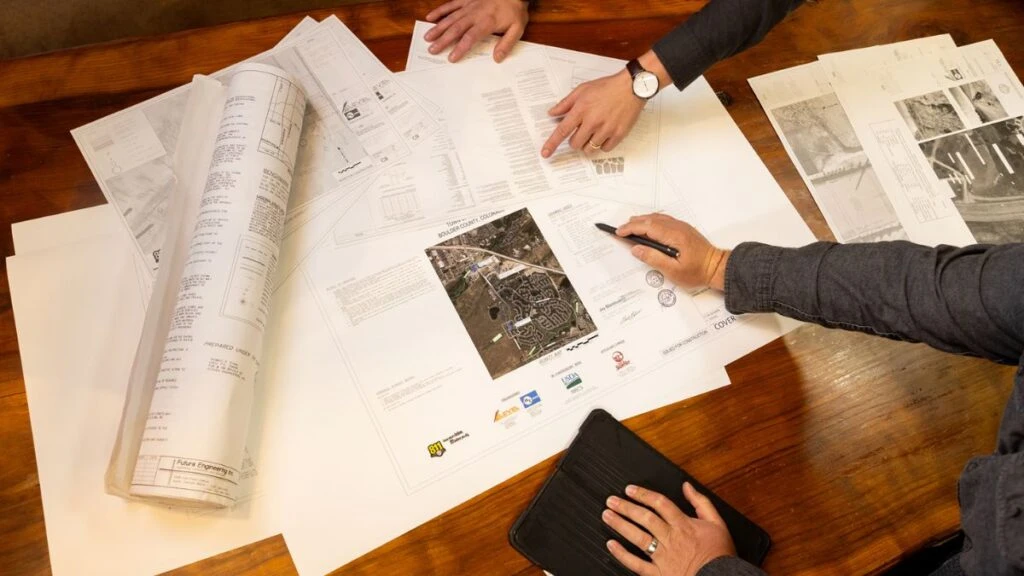
Think of inspections as a critical safety net for your investment. On any active construction site, the primary goal of an inspection is to identify potential hazards and ensure every aspect of the build adheres to safety regulations. This isn’t just about following rules for the sake of it; it’s about preventing accidents, protecting workers, and ensuring the final structure is safe for the public. Beyond safety, regular commercial structural inspections are your best defense against costly project delays. Catching a framing error or a foundation issue early is far less expensive and time-consuming to fix than discovering it after drywall is up. These checks ensure quality and compliance at every stage, keeping your project on track and on budget.
The Role of Your Local Building Department
Your local building department is the official authority responsible for enforcing building codes and ensuring public safety. Their role begins long before construction starts, as they are the ones who review your architectural and engineering plans to confirm they meet all local and state requirements. Once they approve the plans, they issue the necessary permits that allow you to break ground. Throughout the construction process, inspectors from the department will visit your site at key milestones—like foundation, framing, and electrical—to verify that the work matches the approved plans. Working with an experienced firm that understands the nuances of your local department’s processes can make this collaboration much smoother.
The Commercial Plan Approval Process
Getting your commercial project off the ground follows a structured path. It all starts with a complete set of plans created by your design team. These documents are submitted to the city for a thorough review by various departments, including planning, zoning, and building safety. It’s common for the city to return comments or require revisions to ensure the plans are fully compliant. Your designer then makes the necessary adjustments and resubmits them. This back-and-forth is a normal part of the process. Once all departments are satisfied, they will issue your building permit, giving you the green light to begin construction and schedule your first inspections.
The Final Step: Certificate of Occupancy
After the last nail is hammered and the final coat of paint is dry, there’s one more crucial step: obtaining the Certificate of Occupancy (CO). This document is the city’s official declaration that your building is complete, compliant with all codes, and safe for people to use. To get a CO, you must pass all required inspections, from the initial foundation pour to the final fire alarm test. In some cases, projects also require special inspections for unique structural components. Without a Certificate of Occupancy, you cannot legally open your doors to employees or customers. It’s the final seal of approval that transforms your construction project into a functional, ready-to-use space.
Section 2: Beyond the building inspector
At the core of construction oversight are building inspectors, enforcing as a minimum, adherence to regulations and standards. Their specialized training allows them to conduct thorough assessments, verifying compliance with codes, assessing structural stability, and identifying potential safety risks. However, their purview is limited to ensuring projects meet minimum requirements and does not allow them to make technical recommendations
While building inspectors play a crucial role, the intricacies of modern construction often require the expertise of architects and engineers for specialist inspections. These professionals possess the qualifications and experience to delve deeper into critical aspects of a project, ensuring that every detail aligns with design specifications and industry best practices.
This lays the groundwork for an exploration into the distinctive roles of building inspectors, architects, and engineers in upholding safety and quality standards in construction projects. In the subsequent sections, we delve deeper into the importance of appointing specialists for detailed inspections and clarify the collaborative relationship between building inspectors and professionals in ensuring the success of construction projects, and contractors responsible for their execution and construction.
Quality Control vs. Inspections
It’s easy to think “quality control” and “inspections” are the same thing, but they play very different roles in a successful project. Think of Quality Control (QC) as the overall game plan for quality. It’s the proactive system you establish from day one to define what a great result looks like, covering everything from the materials you choose to the construction methods you use. A solid QC program is all about preventing issues before they start, aiming for a final product that doesn’t just meet the bare minimum code requirements but is built to last. It’s the playbook that guides every decision toward a high-quality outcome.
Inspections, on the other hand, are the specific checkpoints within that game plan. They are the scheduled moments where an expert verifies that the work being done actually follows the quality standards you’ve set. An inspection is a snapshot in time designed to catch any deviations from the plan. For example, a structural inspection is when an engineer comes on-site to confirm that the framing, beams, and supports have been built exactly according to the approved plans. The inspection doesn’t create the standard; it simply confirms that the standard is being met on the ground, catching potential problems before they get covered up.
When you have both working in tandem, you protect your investment and your peace of mind. A strong quality control system makes the inspection process much smoother because quality is being built-in at every stage, not just checked for at the end. For the most critical parts of a project—like the foundation or complex framing for a home addition—this might involve special inspections. These are performed by a qualified professional to ensure that the most vital structural components are executed flawlessly, giving you confidence in the safety and longevity of your build.
Your A&E experts
Who is responsible for ensuring the highest standards of quality are met without compromise, and that our buildings are not only safe, but conducive to the quality of life we all wish to maintain? In short, it is the architects and engineers that carry out their specialist inspections and ensure that buildings align with their design, vision and the latest standards, beyond what is prescribed in the building codes.
Section 3: Understanding Inspection Specializations
Construction inspections encompass various specialties tailored to different aspects of building construction and safety. Building inspectors will perform surface level inspections at various stages as prescribed in the buildings codes. They may require specialist architects and engineers to perform inspections of a technical nature. These
Here’s a breakdown of key inspection types and their respective inspectors:
- Construction Inspections: Conducted throughout the entire construction process, these inspections focus on ensuring compliance with building codes, regulations, and approved plans.
Construction inspectors monitor construction activities, verify the quality of materials and workmanship, and identify potential safety hazards. - Structural Inspections: These inspections specifically assess the structural integrity of buildings and infrastructure. Structural inspectors examine load-bearing components, foundations, and framing systems to ensure they meet engineering standards and can withstand various environmental conditions and stresses.
- General Building Inspections: Covering a broad spectrum of building components and systems, general building inspections evaluate everything from electrical and plumbing installations to fire safety measures and accessibility features.
Building inspectors conduct comprehensive assessments to ensure buildings meet safety, health, and habitability standards.
Safety Inspections vs. Safety Audits
While people often use the terms “safety inspection” and “safety audit” interchangeably, they serve distinct and equally important functions on a construction site. A safety inspection is a hands-on, physical check of the work area to identify and correct immediate hazards. Think of it as a routine walkthrough where an inspector is looking for specific dangers like improperly stored materials, missing guardrails, or incorrect use of personal protective equipment. The primary goal is to find and fix unsafe conditions on the spot to prevent an accident from happening. These inspections are frequent, tactical, and essential for maintaining day-to-day safety on any project, from a large commercial build to a home remodel.
A safety audit, on the other hand, is a much broader, systematic review of the entire safety management system. Instead of just looking for hazards, an audit digs deeper to ask *why* those hazards exist in the first place. It evaluates the effectiveness of safety policies, training programs, documentation, and overall compliance with regulations. An audit is less about finding a single broken tool and more about discovering if there’s a proper maintenance and replacement program in place. It’s a comprehensive look at the health of a company’s safety culture, designed to identify systemic weaknesses and drive long-term improvements.
Ultimately, you need both to create a truly safe environment. An inspection addresses the symptom (a wet floor), while an audit addresses the root cause (a recurring leak and no procedure for reporting it). For contractors and developers, this dual approach is critical for risk management and legal compliance. For homeowners, understanding this difference highlights the layers of oversight that protect your investment and the people working on your property. It’s similar to how a city inspector verifies code compliance, while an engineering firm like Level Engineering might perform special inspections to provide a more in-depth analysis of critical systems, ensuring both immediate safety and long-term structural integrity.
Part 2: Understanding the Intricacies of Construction Inspections

Section 4: Comprehensive Construction Checks
As projects progress through various stages, it becomes imperative to conduct thorough inspections to ensure compliance with regulations and adherence to quality standards. Building inspectors may rely on specialists to undertake comprehensive inspections delving into the technicalities such as:
- Foundation Inspection:
- Verify proper excavation and compaction.
- Ensure the integrity of foundation materials.
- Check for adequate drainage and waterproofing measures.
- Framing Inspection:
- Assess the structural integrity of framing components.
- Verify proper installation of beams, columns, and joists.
- Ensure compliance with engineering drawings and specifications.
- Mechanical and Electrical Systems Inspection:
- Inspect HVAC, plumbing, and electrical systems for proper installation.
- Check for adherence to building codes and safety regulations.
- Verify functionality and efficiency of systems.
- Exterior Inspection:
- Assess the integrity of exterior cladding and finishes.
- Verify proper installation of windows, doors, and roofing materials.
- Ensure compliance with weatherproofing and insulation requirements.
- Interior Inspection:
- Check for proper installation of drywall, insulation, and interior finishes.
- Assess the functionality of plumbing fixtures, electrical outlets, and lighting.
- Verify compliance with fire safety regulations and accessibility standards.
Key Stages of Quality Inspections
Quality inspections aren’t a one-and-done event; they’re a series of crucial checkpoints that occur throughout the construction timeline. While your local building department has a required schedule for its inspectors, achieving a higher standard of quality often means bringing in specialists at key moments. These experts don’t just check for code compliance; they verify that the work aligns with the detailed engineering and architectural plans, ensuring the project’s long-term integrity and performance. This proactive approach helps catch potential issues early, saving you from costly and complicated fixes down the road.
Here are some of the most critical stages where specialized inspections make a significant impact:
- Foundation and Footings: Before any concrete is poured, an engineer should inspect the excavation, soil conditions, and the placement of rebar and formwork. While a city inspector confirms code minimums, a foundation engineer verifies that the installation matches the specific design intended to support your structure for decades to come.
- Framing and Structural Integrity: Once the skeleton of the building is up, a structural inspection is vital. This goes beyond checking nail patterns. An engineer will confirm that beams, columns, and load-bearing walls are correctly sized and placed according to the plans, which is especially important for custom home additions or projects with unique structural elements.
- Final Walkthrough: The final building inspection is for obtaining a Certificate of Occupancy, confirming the project is safe to inhabit. However, an architect or engineer can conduct a more detailed final review to create a “punch list” for the contractor, ensuring finishes, fixtures, and all design details are executed to the highest standard.
Section 5: Conducting Project Inspections
Here’s a breakdown of essential steps in conducting project inspections:
- Pre-Construction Inspection:
- Review project plans, permits, and regulatory requirements.
- Conduct site assessments to identify potential hazards and logistical challenges.
- Establish communication channels with project stakeholders and regulatory authorities.
- Progress Inspections:
- Monitor construction activities to ensure adherence to approved plans and specifications.
- Conduct regular site visits to assess workmanship, materials, and safety protocols.
- Document progress and identify any deviations from the approved scope of work.
- Final Inspection:
- Verify completion of all construction activities and installations.
- Ensure compliance with building codes, safety regulations, and quality standards.
- Conduct a comprehensive walkthrough to identify any outstanding issues or deficiencies.
Best Practices for a Successful Inspection Program
A successful project doesn’t happen by accident; it’s the result of a well-managed process. Creating a consistent inspection program is fundamental to ensuring quality and safety from start to finish. The key is to be proactive, not reactive. Regular inspections help identify potential hazards and compliance issues early on, preventing minor mistakes from turning into costly delays or major structural problems. This isn’t just about ticking boxes for the city inspector; it’s about building something that lasts and protecting your investment.
Clear and thorough documentation is another cornerstone of a great inspection program. Gone are the days of scribbled notes on a clipboard. Using digital tools like mobile apps to take photos, make notes, and track fixes creates a transparent and easily accessible record of the project’s lifecycle. This protects everyone involved—the contractor has proof of their work, and the client has a clear understanding of the progress. For critical components that require a higher level of scrutiny, bringing in an expert for special inspections ensures that every technical detail is verified against the approved plans.
How Often Should Inspections Occur?
There isn’t a one-size-fits-all answer for inspection frequency, but every project should follow a consistent rhythm. Inspections should happen before, during, and after construction, with the cadence changing based on the project’s complexity and current phase. Think of it in layers: contractors should be doing quick, informal checks every day they are on-site. A more formal, documented walkthrough by a site manager should happen at least weekly to track progress and address any immediate concerns.
Beyond these routine checks, critical milestone inspections are non-negotiable. These are tied to specific phases of construction, such as pouring the foundation, completing the framing, or installing electrical and plumbing systems. These inspections are often required by the local building department and may involve third-party experts. Scheduling regular structural inspections at these key points is one of the most effective ways to save money. Catching a problem with the foundation rebar before the concrete is poured is a simple fix; discovering it afterward can be a financial catastrophe.
Section 6: Embracing Technology in capturing inspection data.
Advancements in technology have revolutionized the field of construction inspections, enabling inspectors to collect information efficiently such as:
- Building Information Modeling (BIM):
- Utilize 3D modeling software to visualize and analyze building designs.
- Improve coordination among project stakeholders and identify potential clashes or conflicts.
- Drones:
- Conduct aerial inspections to assess hard-to-reach areas and large-scale construction projects.
- Capture high-resolution images and videos for documentation and analysis purposes.
- Mobile Applications:
- Use mobile inspection apps to streamline data collection and reporting processes.
- Enable real-time collaboration and communication among inspectors, contractors, and project managers.
The Future of Inspections: AI, IoT, and Predictive Analytics
The world of construction is constantly evolving, and inspection methods are changing right along with it. While the trained eye of an experienced engineer remains essential, new technologies are providing powerful tools to make inspections more thorough and efficient. Artificial Intelligence (AI) is leading the charge, with systems that can analyze images and data far faster than a person can. For example, AI-powered cameras can be used on a job site to automatically spot potential defects like hairline cracks in concrete or early signs of corrosion on steel beams, flagging issues for a professional to review. This allows inspectors to focus their attention where it’s needed most, ensuring a higher level of quality control throughout the build.
Beyond AI, the Internet of Things (IoT) is creating smarter, more connected construction sites. Imagine sensors embedded in concrete that report on curing conditions in real time, or equipment that sends alerts when it needs maintenance. This constant stream of data gives engineers and project managers a live look into the health of a project. When combined with predictive analytics, this information becomes even more valuable. By analyzing data from past projects, predictive analytics can forecast potential problems—like material shortages or safety risks—before they happen. This proactive approach helps keep projects on schedule and on budget while preventing costly future repairs.
Ultimately, these technologies aren’t about replacing human expertise; they’re about enhancing it. An AI can identify an anomaly, but it takes a qualified structural engineer to understand the context, assess the risk, and design a solution. At Level Engineering, we see these advancements as critical tools that help us provide even more comprehensive and reliable special inspections. By integrating cutting-edge technology with our deep industry knowledge, we can ensure that every project, whether it’s a new commercial build or a home addition, is built to the highest standards of safety and quality for years to come.
Part 3: Navigating the Challenges of the Construction Site
In order to ensure a safe built environment, the building department can insist on professional architects and engineers to inspect or provide input on various tasks related to construction and building sites.
Clients can elect the designers or specialist of record and can choose whether to have the building department undertake various inspections. A designer of record, be it an engineer or an architect, will be much more meticulous in their scrutiny. Not only do they have a reputation to uphold, they are legally responsible for the input they provide.
Section 7: Essential Tasks of Construction Inspectors
Construction inspectors undertake a multitude of critical tasks to ensure the safety, quality, and determine compliance requirements. This encompasses various aspects of construction projects:
- Safety Inspections:
- Check safety equipment, such as harnesses and hard hats, to ensure proper usage and compliance with regulations.
- Inspect electrical equipment for proper installation and functionality, mitigating potential safety hazards.
- Regulatory Compliance Inspections:
- Verify compliance with building codes, regulations, and applicable health and safety standards.
- Ensure proper installation of plumbing systems and adherence to regulatory requirements.
- Documentation and Quality Control Inspections:
- Review project documentation to ensure work is conducted according to approved plans and specifications.
- Assess structural quality through thorough inspections and adherence to applicable regulations.
- Health and Safety Equipment Inspections:
- Ensure proper functioning of health and safety equipment, such as fire extinguishers and first aid kits.
- Mitigate health hazards by identifying potential risks and implementing appropriate control measures.
- Alignment and Setting Out Inspections:
- Verify alignment of structural setting out and components to ensure accuracy and stability.
- Conduct inspections to verify proper alignment of structural elements, such as columns and beams.
Section 8: Collaborative Efforts and Meetings with Building Officials
Construction inspectors collaborate with building officials and regulatory authorities to ensure the smooth execution of construction projects. These collaborative efforts involve:
- Meetings with Building Officials:
- Undertake meetings with building officials to discuss project progress, regulatory compliance, and potential issues.
- Collaborate with building officials to address any regulatory concerns or deviations from approved plans.
- Health and Safety Oversight:
- Mitigate health and safety risks by conducting regular inspections and implementing appropriate control measures.
- Collaborate with regulatory authorities to address health and safety concerns and ensure compliance with applicable regulations.
- Quality Assurance and Control:
- Conduct quality control inspections to verify the quality of workmanship and adherence to project specifications.
- Collaborate with contractors and subcontractors to address any quality issues and ensure project standards are met.
Section 9: The Inspection Process in Practice
Once you understand the types of inspections your project needs, the next step is getting them on the calendar. The logistics can feel a bit confusing, especially if it’s your first time navigating the process. Who calls the inspector? When do they need to be called? Knowing the answers to these questions can help keep your project on track and avoid unnecessary delays. The key is to communicate with your contractor and understand the procedures of your local building department before you even break ground. A little preparation goes a long way in ensuring every inspection happens smoothly, keeping your project moving forward without a hitch.
How to Schedule an Inspection
Scheduling a required construction inspection is usually a straightforward process. Most local building departments, like the City and County of Denver’s, allow you to request an inspection online or over the phone. You will almost always need your permit number to make the request, so be sure to have that information ready. It’s also important to be aware of any deadlines. Many departments require you to request an inspection by a certain time, often early in the morning, if you want it to happen on the same day. Planning ahead and scheduling your inspections as soon as a phase of work is complete is the best way to prevent delays in your construction timeline.
Understanding Who Schedules the Inspection
A common point of confusion is who is responsible for scheduling the inspection—the homeowner or the contractor. In most cases, the person or company who pulled the permit is the only one authorized to schedule the corresponding inspections. This means if your contractor pulled the permit for your remodel, they are responsible for contacting the building department. This rule is in place to ensure accountability. The contractor is responsible for the work meeting code, so they are also responsible for ensuring it passes inspection. This streamlines communication and makes it clear who the inspector should contact with questions or results.
Helpful Resources from Your Building Department
Your local building department is more than just an enforcement agency; it’s also a valuable resource for your project. Many departments offer helpful guides, checklists, and even videos on their websites to walk you through common projects and inspection requirements. These resources can be incredibly useful for everything from a deck build to a basement finish, helping you understand what inspectors will be looking for. While these guides provide excellent general information, remember that some situations require more specialized oversight. For complex structural work, for example, a special inspection by a qualified engineer may be necessary to verify that the construction meets the specific design plans.
Section 9: Tackling Environmental and Site Conditions
The construction site serves as the battleground where the vision of architects and engineers transforms into tangible structures.
However, this battleground is not without its challenges, as environmental factors and site conditions can significantly impact construction projects. From unpredictable soil conditions to volatile climatic changes, navigating these challenges requires expertise and adaptability.
1. Environmental Factors:
Environmental conditions, such as soil composition and climatic variations, play a pivotal role in shaping construction projects. Soil instability, for instance, can pose significant challenges during foundation excavation and compaction, leading to delays and cost overruns.
Similarly, extreme weather events, including heavy rainfall and high winds, can disrupt construction activities and compromise site safety. Mitigating these risks requires careful planning, site analysis, and proactive measures to address environmental contingencies.
2. Tight Timelines and Quality Management:
Construction projects often operate under tight deadlines, necessitating efficient project management and quality control measures. Tight timelines can exert pressure on construction teams, leading to rushed workmanship and potential compromises in quality.
However, by implementing robust quality management systems and conducting regular construction or health and safety inspections, stakeholders can ensure that construction activities adhere to prescribed standards and specifications. Qualified architects and engineers play a crucial role in overseeing inspections, identifying potential risks, and implementing corrective measures to maintain quality over time.
3. Labour and Human Error:
The human element is inherent in construction projects, and with it comes the risk of human error. From misinterpretation of design plans to lapses in safety protocols, human errors can have far-reaching consequences on construction site safety and project outcomes.
However, by providing comprehensive training, implementing stringent safety measures, and conducting regular site inspections, construction teams can mitigate the risk of human error and ensure adherence to best practices and industry standards.
4. Availability of Materials:
The availability of construction materials can significantly impact project timelines and costs. Supply chain disruptions, fluctuations in material prices, and unforeseen shortages can pose challenges for construction projects, leading to delays and budget overruns.
To mitigate these risks, construction teams must establish robust procurement strategies, maintain open communication with suppliers, and explore alternative material options when necessary. Architects and engineers can help assess material suitability, verify compliance with specifications, and identify potential supply chain issues early in the construction process.
In navigating the complexities of the construction site, qualified architects and engineers play a pivotal role in conducting construction inspections and mitigating potential challenges.
By leveraging their expertise, experience, and attention to detail, these specialists ensure that construction projects proceed smoothly, safely, and efficiently, ultimately delivering high-quality built environments that stand the test of time.
Frequently Asked Questions
My project has to pass a city inspection. Isn’t that enough? Think of a city inspection as a pass/fail test that only covers the bare minimum for safety. It confirms your project meets the general building code, which is a great start. However, an engineer’s inspection goes much further. It verifies that the work on the ground perfectly matches the detailed architectural and engineering plans that were designed specifically for your property’s long-term durability and performance. It’s the difference between meeting the minimum standard and achieving a high-quality result built to last.
What exactly is a “special inspection”? A special inspection is required for critical parts of a project that demand a higher level of expertise to verify. These are often structural components where a mistake could have serious consequences, such as specialized concrete work, high-strength bolting, or welding. A certified professional, like an engineer, must be on-site to continuously observe the work and confirm it’s being done exactly as specified in the engineering plans, ensuring the most vital parts of your building are executed flawlessly.
At what stages of my project should I consider bringing in an engineer for an inspection? While every project is different, there are a few key moments where an expert eye is invaluable. The first is before your foundation is poured, to check the soil, rebar placement, and forms. The second is after the structural frame is up but before it gets covered by drywall, so an engineer can verify that all load-bearing elements are correctly installed. Finally, a detailed walkthrough before the project is officially complete can help create a final “punch list” to ensure every detail meets the highest quality standards.
Who is actually supposed to schedule the required inspections with the city? This is a common point of confusion, but the rule is simple: the person or company who pulled the permit is the one responsible for scheduling the inspections. In most residential and commercial projects, this will be your general contractor. This system ensures accountability, as the permit holder is ultimately responsible for the work meeting code and is the direct point of contact for the city inspector.
How is a “safety audit” different from a regular “safety inspection”? A safety inspection is a hands-on check to spot and fix immediate dangers on-site, like an unsecured ladder or a tripping hazard. It’s about addressing a present risk. A safety audit is a much bigger-picture review of the entire safety program. It doesn’t just look for the hazard; it investigates why the hazard exists. An audit examines training protocols, documentation, and company policies to find and fix systemic weaknesses, creating a safer work environment in the long run.
Key Takeaways
- Distinguish Between Code and Quality: Your local building department confirms your project meets the minimum safety code. For a higher standard of work, a private engineer or architect performs quality control inspections to ensure the build perfectly matches your design plans.
- Time Your Inspections Strategically: Inspections are not a one-time event but a series of crucial checkpoints. Scheduling expert reviews at key stages, like foundation and framing, is the most effective way to catch small issues before they become expensive problems.
- Clarify Roles to Keep Your Project Moving: The contractor who pulls the permit is typically responsible for scheduling city inspections. Understanding this process allows you to coordinate with your team and bring in your own experts for specialized oversight at the right moments.
