

Seeing a crack in your foundation can be alarming, but don’t panic just yet. Think of these lines as messages from your home, telling a story about what’s happening beneath the surface. A thin hairline crack is very different from a wide, horizontal one. Some foundation cracks are simply signs of normal concrete settling. Others, however, can signal a more serious problem with a cracked foundation, like intense soil pressure or poor drainage. Learning to tell them apart is the first step. This guide will help you understand what your home is telling you.
Recognizing the signs of foundation problems early can help prevent further damage and costly repairs. In this article, we’ll discuss the types of cracks, evidence of foundation problems, ways to prevent foundation cracks, and how to repair foundation cracks. We’ll also highlight the importance of seeking professional help from an engineer when dealing with cracks to ensure
Normal Vs. Problematic Foundation Cracks
Foundations are crucial components of any building structure, as they provide the necessary support for the entire building. However, a cracked foundation can pose a significant threat to the structural integrity of the building. Therefore, it’s essential to understand what causes foundation cracks, how to prevent them, and how to address foundation problems
Cracks can appear everywhere around your home. Inside, outside, in the foundation and on the ceiling. There are certain cracks that occur due to natural settling and will typically come to a halt.
Then, there are cracks that are cause for concern. Let’s take a look at some different types of cracking.
How to Monitor Foundation Cracks
Once you’ve spotted a crack, the next step isn’t always to panic. Many cracks are simply signs that your home has settled, but some can indicate a more serious issue. The key is to figure out if the crack is “active”—meaning it’s changing in length, width, or shape. Monitoring a crack over a few months is a simple, proactive step you can take to gather information. This data will be incredibly helpful in determining whether it’s time to call a professional. By tracking these changes yourself, you can understand the urgency of the situation and provide valuable history if you do need an expert opinion.
Mark and Measure the Crack
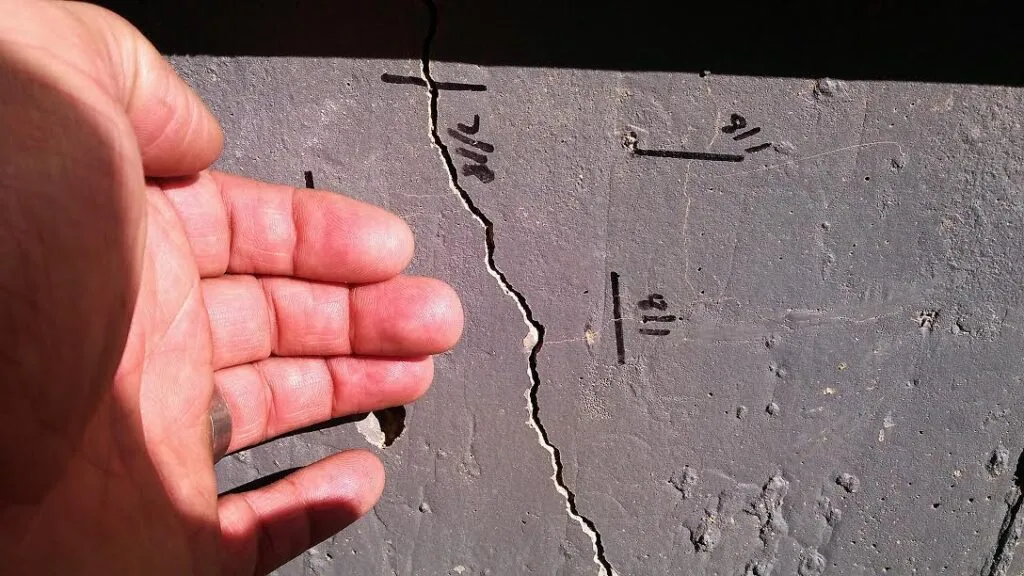
To monitor a crack, you’ll want to track its two key dimensions: length and width. Start by marking the end of the crack with a pencil, noting the date next to your mark. If the crack grows, it will extend past this line, giving you a clear sign of movement. Next, pick a specific spot to measure the crack’s width. Use a ruler or crack monitoring gauge for an accurate reading. It’s a good idea to mark the exact spot you measured with two small pencil lines on either side of the crack. This ensures you are measuring the same point every time for a consistent comparison. Check back monthly to see if there are any changes.
Take Dated Photos for Comparison
A visual record is one of the most powerful tools for tracking foundation issues. Take clear, well-lit photos of the crack every month or so. For the best results, place a ruler or a coin next to the crack in your photo to provide a sense of scale. Be sure to save the images with the date in the file name or keep a written log. This creates a visual timeline that shows not only changes in size but also in shape or direction. This documentation is invaluable if you decide to bring in an expert. When you schedule a structural engineer inspection, this history helps them accurately diagnose the problem and recommend the right solution.
Types of Foundation Cracks
Vertical Foundation Cracks:
These are cracks that run straight up and down and are the most common type of foundation crack. They often occur as a result of settling, and are typically not a cause for major concern unless they are wider than 1/4 inch.
Horizontal Cracks:
These are cracks that run horizontally along the foundation wall, and can be a sign of a serious structural problem. They are often caused by excessive pressure from the soil outside the foundation, and should be inspected by a professional.
Diagonal Foundation Cracks:
These are cracks that run diagonally across the foundation wall, and can be a sign of both settling and a structural problem. They can be caused by movement, poor construction, or water pressure
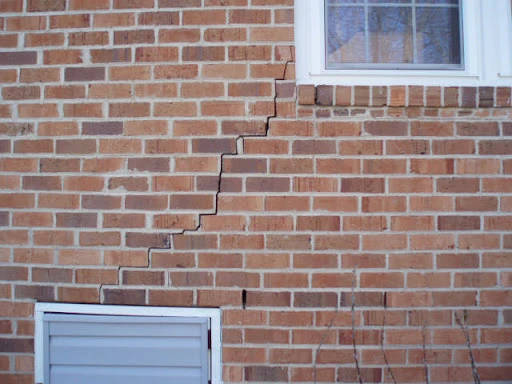
Stair-Step Cracks:
These are cracks that follow a step pattern along the foundation wall, and are typically a sign of serious structural foundation cracks. They are often caused by differential settling, which occurs when one part of the foundation settles more than another
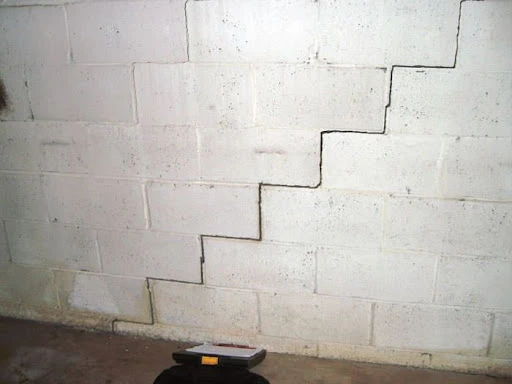
Stair Step cracks leading towards doors and windows are often signs of a structural problem.
Hairline Cracks:
A Hairline Foundation Crack is typically less than 1/16 inch wide and is typically not a cause for concern. They can occur as a result of the normal settling of a house, and are often found in newer homes or homes with a concrete foundation wall
As concrete cures, it shrinks. This shrinkage causes hairline cracks. This is something to keep an eye on, but typically nothing to worry about.
Foundations can bend, but not very much. If they start to bend too far the cracks will grow. Poured foundations will typically have small hairline cracks due to settling.
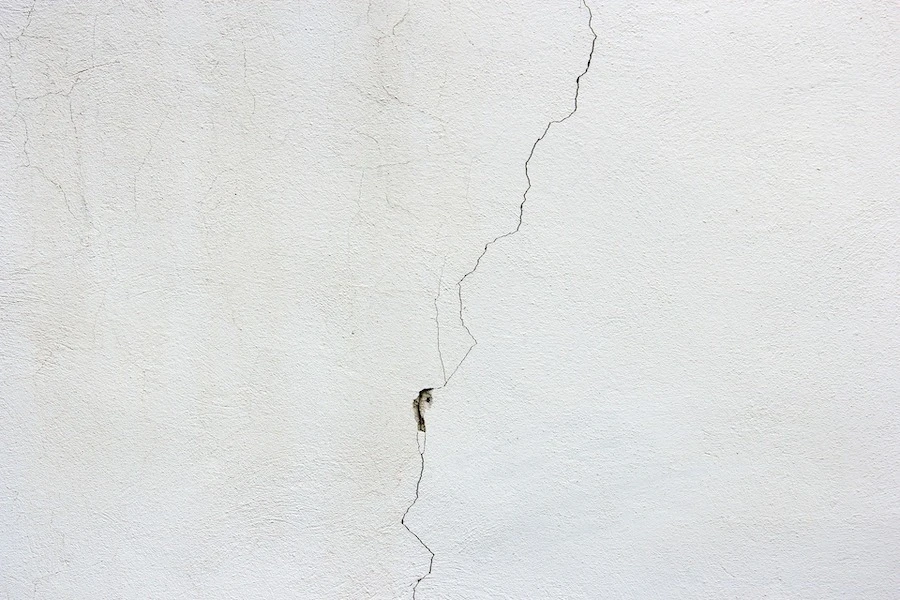
Concrete Shrinkage Cracks
It might sound a bit strange, but concrete actually shrinks as it cures. When a new foundation is poured, the concrete mix contains more water than is needed for the chemical reaction that hardens it. As this excess water evaporates over time, the concrete’s volume decreases, or “shrinks.” This natural drying process creates internal stress. When that stress becomes too much for the concrete to handle, it relieves the pressure by forming small, thin cracks. This is a completely normal and expected part of the process for any concrete structure, including your home’s foundation.
These shrinkage cracks are usually the hairline cracks we talked about earlier—very thin and often appearing within the first year of a new build. You’ll typically find them on basement walls or slab floors. Because they are a byproduct of the curing process rather than a result of the house settling or external pressure, they are generally not a structural concern. They simply indicate that the concrete has settled into its final, hardened state. So, if you spot a tiny, web-like crack in your new garage floor or basement, there’s a good chance it’s just the concrete doing its thing.
Even though shrinkage cracks are normal, it’s always smart to keep an eye on them. A good practice is to mark the ends of the crack with a pencil and write down the date. Check back every few months to see if it has grown in length or width. If a crack starts to widen (getting bigger than 1/16 of an inch), or if you notice water seeping through, it’s time to get a professional opinion. A structural engineer can inspect the foundation to confirm the cause and determine if any action is needed to protect your home’s integrity.
Wet or Leaking Cracks
If you see a crack that is actively leaking water or shows signs of moisture, like stains or mineral deposits, it’s time to act. Water leaks are always a serious issue. Even if the crack itself isn’t a structural threat, water seeping into your basement or crawl space can damage your belongings, ruin flooring and drywall, and lead to mold growth. You should always address water leaks quickly to prevent these secondary problems from getting worse. A wet crack could be a simple fix, but it could also indicate hydrostatic pressure building up against your foundation, which is a more significant concern that requires a professional foundation engineer to assess.
Cracks Above Garage Doors and Windows
Finding cracks above your garage door or windows is common, and it doesn’t always signal a major foundation problem. These areas are inherent weak points in a wall’s structure. A steel beam, called a lintel, sits above these openings to support the weight of the brick or siding above. Over time, especially with a lot of heavy brickwork, this steel support can bend slightly, causing small cracks to form in the middle. While these are often cosmetic, you should still monitor them. If the cracks become wider than a quarter-inch or you notice other issues like doors and windows that are difficult to open, it’s a good idea to schedule a structural inspection to rule out any underlying issues.
Structural Foundation Cracks:
Structural cracks are normally wider than 1/8 inch and can be a sign of serious structural damage. They are often caused by excessive settling or lateral pressure, and should be inspected by a professional immediately.
Bending and moving can cause larger cracks. Most foundations are reinforced by rebar, which helps to provide additional support and keeps things from moving too far.
Although, if there is extensive movement below, the rebar will fail. A larger Foundation crack can be a sign that you need to take action. This usually means there is shifting, shearing, and potentially severe movement from the foundation.
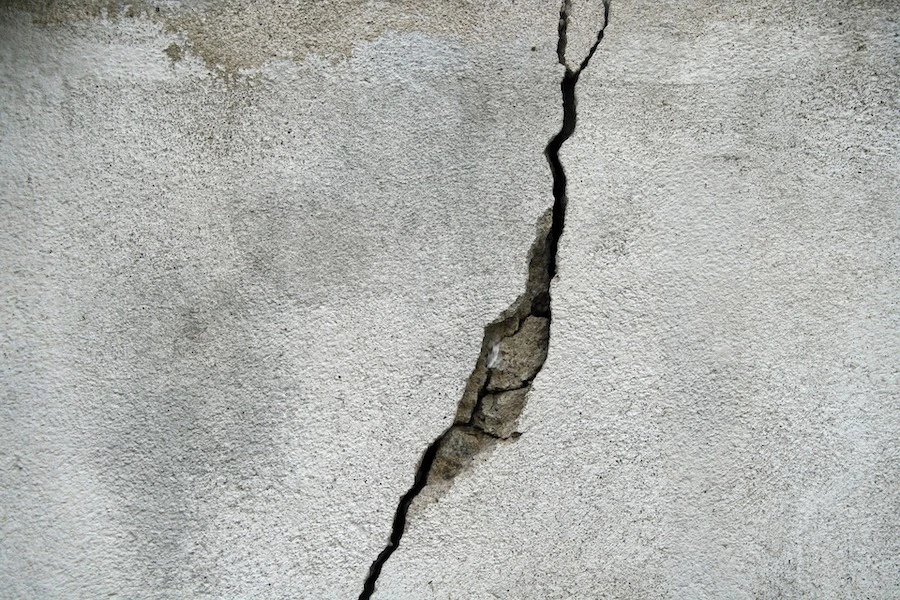
Block foundations will typically show their stress by revealing large gaps between the blocks that resemble steps.
Non-Structural Cracks:
These are cracks that do not affect the structural integrity of the foundation. Non-structural cracks are often cosmetic in nature but can still lead to costly repairs and may be evidence of other problems such as waterproofing or plaster delamination. They can occur as a result of shrinkage, concrete curing, or temperature changes.
It’s important to note that while some foundation cracks may not be a cause for concern, others can indicate serious problems. If you notice any structural or non structural cracks in your foundation, it’s important to have them inspected by a professional to determine the cause and extent of the damage.
Typical Causes of Foundation wall Cracks
Several factors can cause a foundation crack, including poor soil conditions, inadequate drainage, poor construction, and even natural disasters such as earthquakes.
The age of a home’s foundation can also contribute to foundation problems, as older concrete foundations may be more susceptible to cracks. Additionally, foundation movement can occur due to soil pressure, soil movement, soil creep, and shifting soil.
Trees planted too close to a home’s foundation can cause damage to foundations and foundation walls due to their root systems, and poor drainage can lead to hydrostatic pressure, which can cause foundation cracks
Preventing Foundation Cracks
One effective way to prevent a foundation crack is by having a professional assess the building before undertaking any renovations or alterations. An engineer is trained to identify potential issues that could cause foundation problems and can advise on the best approach to avoid them. This is especially important when it comes to older buildings or homes with unique features. A thorough assessment can identify areas where the foundation may need additional support or reinforcement to prevent future cracking.
While it may seem like an unnecessary expense, having an engineer assess the building before any renovations or alterations can save homeowners a lot of money in the long run. It can prevent the need for costly foundation repairs down the line and ensure the structural integrity of the building. Additionally, a professional assessment can provide peace of mind to homeowners, knowing that they are making informed decisions about their home’s foundation repair.
Preventing foundation cracks requires proper construction and maintenance of the foundation. During construction, it’s essential to ensure that the soil is adequately compacted and that the concrete mix is appropriate.
Ensure Proper Yard Drainage and Grading
Water is one of the biggest culprits behind foundation issues. When water pools around your home, it creates immense pressure on your foundation walls, a problem known as hydrostatic pressure. Over time, this can lead to cracks and water intrusion. The best defense is ensuring your yard has proper grading, which simply means the ground should slope away from your house on all sides. This directs rainwater and snowmelt away from your foundation. Also, check that your gutters are clean and your downspouts extend several feet from the house. These simple maintenance steps are crucial for preventing serious foundation problems and protecting the structural integrity of your home.
Manage Trees and Large Shrubs
While trees add beauty and shade to your property, their root systems can pose a significant threat if they are too close to your home. Large tree roots can physically push against a foundation, causing cracks and displacement. They also draw a massive amount of moisture from the soil. During dry periods, this can cause the soil to shrink and pull away from the foundation, leading to settling and cracking. As a general rule, avoid planting large trees closer to your home than their anticipated mature height. If you already have a large tree near your foundation, it’s wise to have a structural engineer assess the situation to catch any potential issues before they become major headaches.
Who does the foundation repair?
Working with an inexperienced contractor or without professional advice can only lead to no commitment estimates that end up costing a fortune or crack repair only a few months after completion.
A professional contractor can also ensure that the foundation is constructed according to the highest industry standards. Homeowners can take steps to prevent foundation cracks by ensuring that downspouts are clear and downspout extensions are directed away from the foundation. Regular foundation inspections can also help identify any potential foundation problems before they become more severe.
Signs of Foundation Problems
Here are some common signs to look out for that could be evidence of structural and non-structural foundation cracks:
- Vertical cracks or horizontal cracks in the foundation walls
- Stair-step cracks in the mortar between concrete blocks or bricks
- Diagonal cracks that form at a 45-degree angle
- Cracks in basement walls or floors
- Uneven floors or floors that slope towards one area
- Windows and doors that stick or do not close properly
- Gaps between walls and ceilings or floors
- Cracks in the drywall or plaster
- Bulging or leaning walls
- Cracks in the exterior walls or brickwork
If you notice any of these signs, it is important to act fast and seek professional attention. Ignoring foundation damage can lead to further damage and costly repairs in the future. At Level, our foundation expert can assess the extent of the damage and recommend appropriate repair options to prevent further structural damage
Additional Signs of Foundation Issues
While cracks are a very direct sign of foundation distress, they aren’t the only clue your house might give you. Sometimes, the evidence of a shifting foundation shows up in less obvious ways throughout your home. Paying attention to these subtle changes can help you catch a problem before it becomes severe. Issues like uneven floors, a dipping roofline, or even persistent dampness in your basement can all be symptoms of an underlying structural issue that needs a closer look. Knowing what to watch for beyond the foundation walls themselves is key to protecting your home’s long-term health and stability.
Uneven or Bouncy Floors
Do you ever feel a slight dip or slope as you walk across a room? Or maybe certain spots feel unusually springy or bouncy underfoot. These are classic signs that the support structure beneath your floors is compromised, which often traces back to foundation settlement. An easy way to check for unevenness is the old-fashioned marble test: place a marble on the floor and see if it rolls on its own. While a perfectly level floor is rare, a noticeable slope or sponginess indicates that the piers, posts, or joists supporting your floor are no longer on solid, even ground. This is a situation where a professional structural inspection can determine the root cause.
Sagging Roofline
It might seem strange, but a problem at the very top of your house can be a sign of trouble at the very bottom. Your home’s entire frame—from the foundation to the rafters—works together as a single system. When the foundation shifts or settles unevenly, it can pull the walls out of alignment, which in turn can cause the roof to dip or sag in the middle. A sagging roofline is a serious red flag that points to significant structural stress. If you look at your roof from the street and notice it’s no longer straight, it’s time to have the entire structure evaluated by an expert to understand the full scope of the issue.
Cracks in Floor Joists
If you have an unfinished basement or a crawlspace, take a look at the wooden beams that make up the ceiling—these are the floor joists. They are the primary support for the floor above. If you spot cracks in these wooden beams, it’s a clear indication of structural strain. These cracks develop when the joists are bearing more weight than they were designed for or are being twisted by movement elsewhere in the structure. This stress is often a direct result of foundation settlement, which causes the points supporting the joists to shift and create immense pressure. Cracks in floor joists should never be ignored, as they signal a potential failure in your home’s support system.
Excessive Basement Humidity
Is your basement constantly damp and musty, even with a dehumidifier running around the clock? This persistent moisture could be more than just a humidity problem; it can be a symptom of foundation issues. Cracks in the foundation walls, even hairline ones, can allow groundwater from the surrounding soil to seep into your basement. This not only creates a damp environment perfect for mold and mildew but also indicates that your foundation’s waterproofing is compromised. Addressing the source of the water is crucial, and that often means you need to consult with foundation engineers to identify and repair the cracks letting the moisture in.
Foundation Repair
Repairing foundation cracks is a task that should be left to professionals, as the cause and extent of the damage must be assessed before any repair work is undertaken. A structural engineer can identify the cause of the cracks and recommend the most appropriate repair options.
Some common repair options include:
- Filling the crack with epoxy or polyurethane foam to prevent water from seeping in.
- Installing carbon fiber strips or steel reinforcement to reinforce the foundation walls.
- Installing helical piers or push piers to stabilize the foundation and prevent further movement.
- Excavating around the foundation and installing waterproofing systems to prevent water damage.
Each repair option has its own advantages and disadvantages, and the choice of the most appropriate solution depends on the specific situation. Therefore, it is recommended that a foundation repair contractor assess the situation and recommend the most appropriate solution for repairing the foundation problem.
Crack Repair,
foundation cracks can be a serious problem for any homeowner. They can occur due to a variety of factors, such as soil movement, poor drainage, and structural problems. It is important to recognize the signs of foundation problems early to prevent more damage and costly repairs.
There are several types of foundation cracks, including vertical, horizontal, stair-step, and diagonal cracks. While some cracks may be non-structural and easily repairable, others may be an indication of more serious damage that requires immediate attention.
Preventing foundation cracks involves ensuring adequate drainage, keeping the soil around the foundation properly compacted, and addressing any structural problems. It is also highly recommended to have a structural engineer assess the building before undertaking any renovations or alterations.
Foundation Crack Repair: Methods and Costs
Once you’ve identified a crack, the next step is figuring out the right repair strategy. The method and cost depend entirely on the type and severity of the crack. A tiny hairline crack from concrete curing requires a much different approach than a wide, horizontal crack caused by soil pressure. While it can be tempting to look for a quick fix, understanding the correct repair method is crucial for a long-term solution. Repairing foundation cracks is a job best left to professionals, as a proper assessment is needed to determine the underlying cause before any work begins. This ensures you’re not just patching a symptom but addressing the root problem for good.
DIY Repair for Minor Hairline Cracks
You might be able to handle very small, non-structural cracks on your own. A hairline foundation crack is typically less than 1/16 inch wide and often isn’t a major cause for alarm. These can occur from the normal settling of a house, especially in newer homes as the concrete foundation cures and shrinks. For these minor issues, you can find DIY epoxy or polyurethane injection kits at most home improvement stores. These kits can seal the crack and prevent moisture from getting in. However, even if you opt for a DIY repair, it’s essential to keep a close eye on the crack to ensure it doesn’t widen over time.
Understanding Foundation Repair Costs
The cost of foundation repair can range from a few hundred dollars to tens of thousands, depending on the complexity of the job. Minor fixes are relatively inexpensive, but significant structural issues require a substantial investment. That’s why getting a professional opinion is so important; an engineer can diagnose the problem accurately and recommend the most effective solution, preventing you from spending money on the wrong fix. At Level Engineering, we provide detailed foundation assessments to give you a clear picture of the damage and the necessary steps to secure your home’s structural integrity for the long haul.
Minor Crack Sealing Costs
For non-structural cracks that are primarily a concern for water leakage, the repair costs are on the lower end of the spectrum. The most common repair options involve filling the crack with epoxy or polyurethane foam to prevent water from seeping into your basement or crawlspace. This injection process is relatively quick and non-invasive. While prices vary based on the length and depth of the crack, this type of repair is generally affordable and provides an effective moisture barrier. It’s a great solution for sealing up those pesky vertical cracks that aren’t threatening the stability of your home but are causing dampness issues.
Major Structural Repair Costs
When a crack signals a serious structural problem, the repairs become more involved and costly. These solutions are designed to stabilize your foundation and prevent further movement. Common methods include installing carbon fiber strips or steel reinforcement to brace the foundation walls against external soil pressure. In cases of significant settling, contractors may need to install helical piers or push piers deep into the ground to support and lift the foundation. These are complex engineering solutions that require excavation and specialized equipment, making them a significant financial undertaking. A structural engineer must design and oversee these repairs to ensure they are done correctly.
Will Insurance or Warranties Cover Foundation Repair?
Figuring out how to pay for foundation repairs can be just as stressful as discovering the cracks themselves. Many homeowners hope their insurance or a home warranty will cover the cost, but coverage is often limited and depends on the specific cause of the damage. It’s rarely a straightforward process, and policies are filled with specific exclusions and conditions. Before you assume you’re covered, it’s important to read the fine print of your documents and understand what circumstances qualify for financial assistance. This proactive step can save you a lot of time and frustration when you’re trying to arrange for necessary repairs.
Homeowner’s Insurance Coverage Explained
Unfortunately, most standard homeowner’s insurance policies do not cover foundation damage caused by settling, soil expansion, or general wear and tear. Coverage is typically reserved for damage resulting from a specific, “covered peril,” such as a burst pipe that erodes the soil under your home, a fire, or an explosion. To make a successful claim, you’ll need to prove the damage was sudden and accidental, not gradual. This is why if you notice any structural or non-structural cracks, it’s crucial to have them inspected by a professional to determine the cause and extent of the damage, which provides the documentation you’ll need for any potential claim.
Checking Your New Home Warranty
If you live in a newer home, your builder’s warranty might offer some protection. Most new home warranties include coverage for “major structural defects” for a set period, often up to 10 years. However, the definition of a “major structural defect” is usually very strict, typically meaning a problem that makes the home unsafe or uninhabitable. Minor cracks from normal settling are almost always excluded. A professional assessment can give you peace of mind and the necessary evidence to know if you are making an informed decision about your home’s foundation repair and whether it’s worth pursuing a warranty claim. Always review your warranty documents carefully to understand the coverage limits and claims process.
Conclusion
Repairing foundation cracks is a task that should be left to professionals, as the cause and extent of the damage must be assessed before any repair work is undertaken. A structural engineer can identify the cause of the cracks and recommend the most appropriate repair options.
Summary
Keep an eye out for:
- Foundation Cracking
- Foundation Settlement
- Hairline crack
- Drywall cracks
- Ccracks in basement floor
- Movement in window frames and door frames
- Bowing/Bending/Shifting
- Horizontal crack in the concrete slabs or walls
- Noises caused by moving and shifting
- Doors and windows that don’t work properly
- Larger than normal spaces between joints
- Other signs small cracks
If you see any cracking, keep an eye on it. If it is larger than a hairline, or headed toward a window or door, give us a call to come take a look at what is causing it.
Don’t ignore, and don’t replace, without first getting an expert’s eyes on it. This is possibly your largest investment, make sure you plan for its future.
Give us a call and schedule a licensed structural engineer to come to your house.
Frequently Asked Questions
Okay, so which cracks should really make me worry? The cracks that demand immediate attention are the ones that show signs of serious stress or movement. Keep a close eye on horizontal cracks in your foundation walls, as these can indicate intense pressure from the soil outside. Stair-step cracks in brick or concrete block walls are another major red flag, often pointing to the foundation settling unevenly. The most important thing to watch for is change. Any crack—even a small one—that is actively getting wider or longer is telling you that there’s an ongoing issue that needs to be investigated.
Can I just fix a small crack myself? For a very thin hairline crack that isn’t growing, a DIY epoxy or polyurethane injection kit can be a reasonable solution to seal it and keep moisture out. However, this is only a cosmetic fix. If you’re not completely certain that the crack is just from normal concrete curing, or if it’s wide enough to fit a credit card into, it’s best to get a professional opinion. A DIY patch might hide a symptom, but it won’t solve an underlying structural problem, which could get worse over time.
Is foundation repair always expensive? Not at all. The cost of a repair is directly related to the cause and severity of the problem. Sealing a simple, non-structural crack to prevent water leaks is a relatively minor expense. The bigger costs come into play when you need major structural work, like installing piers to stabilize a sinking foundation. Getting a professional assessment from an engineer early on is the best way to manage costs, as it ensures you’re paying for the correct solution and not just a temporary patch that will fail later.
How can I prevent foundation cracks from happening in the first place? The best defense against foundation problems is managing water around your home. Your goal is to keep the soil moisture level around your foundation as consistent as possible. Make sure your yard is graded to slope away from the house, so rainwater flows away instead of pooling against the walls. It’s also crucial to keep your gutters clean and ensure your downspouts extend at least five feet from the foundation. Simple maintenance like this can prevent the soil pressure and shifting that cause most foundation cracks.
Should I call a foundation repair contractor or a structural engineer first? Starting with a structural engineer is almost always the right first step. Think of an engineer as the doctor who diagnoses the problem and a contractor as the surgeon who performs the procedure. An engineer provides an unbiased assessment of what’s causing the crack and designs the most effective, long-term solution. A contractor’s job is to sell and install their specific repair system. By getting an engineer’s report first, you ensure that you’re fixing the root cause of the issue, not just patching a symptom.
Key Takeaways
- Track Cracks to Understand Their Story: Before calling for help, become an observer. Mark the ends of a crack and measure its width periodically. Taking dated photos creates a visual record that helps a professional understand if the crack is a sign of normal settling or a developing problem.
- Manage Water to Protect Your Foundation: Water is a primary cause of foundation pressure. You can prevent serious issues by ensuring your yard slopes away from your home, keeping gutters clear, and planting large trees a safe distance away to avoid root and soil moisture problems.
- Know When to Call a Structural Engineer: While you can monitor hairline cracks, significant warning signs like horizontal cracks, stair-step patterns, or sticking doors and windows demand an expert opinion. A structural engineer can accurately diagnose the root cause, ensuring you invest in the right long-term solution instead of a temporary patch.

One Response
My cousin has noticed that she has some cracks and spots on her foundation and in her basement. She would really like to get it repaired by a professional so that it will be more durable. It was interesting to learn about how the cracking can be caused by moving soil.