
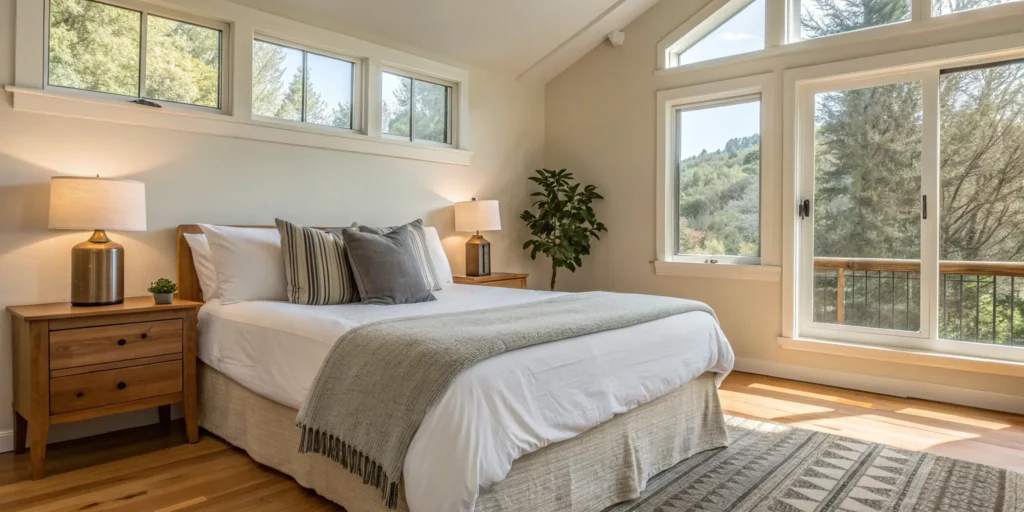
You found a house plan that’s almost perfect. The layout is great, but the kitchen is too small or the master closet needs more space. Here’s the secret: a floor plan is just a starting point. The real magic happens when you make it your own. A 3 bedroom self contain plan is the perfect canvas for this, offering a flexible foundation for customization. This guide will show you how to see a plan not just for what it is, but for what it could be. We’ll walk through common alterations and smart changes to turn a great stock plan into your perfect custom home.
Key Takeaways
- A 3-Bedroom Plan Adapts to Your Life: This layout offers the perfect balance of space and manageability. It can easily accommodate a growing family, a dedicated home office, or a guest room, making it a flexible choice that holds strong resale value by appealing to the widest range of buyers.
- Prioritize a Layout That Works for You: The best floor plan supports your daily routines. Look for a natural flow between the kitchen and living areas, smart bathroom placement for convenience, and plenty of integrated storage to keep your home feeling organized and spacious.
- Use a Stock Plan as a Starting Point, Not a Final Draft: It’s rare to find a pre-drawn plan that’s a perfect fit. Partner with an engineering firm to safely customize a stock plan, ensuring any structural changes—like removing a wall—are sound, compliant with local codes, and tailored to your needs.
Is a 3-Bedroom House Plan Right for You?
Choosing the right number of bedrooms is one of the first big decisions you’ll make when planning a new home or a major remodel. While larger homes have their appeal, the 3-bedroom layout remains a popular choice for a reason. It hits the sweet spot between having enough space and keeping the home manageable and affordable. This layout offers a fantastic blend of practicality and flexibility, making it a solid foundation for a wide range of lifestyles. Whether you’re starting a family, need a dedicated workspace, or want a smart long-term investment, a 3-bedroom plan often checks all the right boxes.
Room to Grow: Perfect for Families
For many people, a 3-bedroom home is the perfect size for family life. It provides enough room for parents and one or two children without feeling overwhelmingly large. This layout allows for personal space while still encouraging family connection. Many popular designs feature two or two-and-a-half bathrooms, which is a practical setup that prevents morning traffic jams. When you’re mapping out your future, a 3-bedroom layout provides the space to grow, making it an ideal choice when you’re ready to start your new home build. It’s a comfortable, functional size that adapts as your family’s needs change over time.
Flexible Spaces for Any Lifestyle
One of the biggest advantages of a 3-bedroom home is its incredible versatility. That third bedroom doesn’t have to be just a bedroom. It can easily become a home office, a fitness room, a creative studio, or a comfortable guest room for visiting family and friends. This flexibility allows your home to evolve with you. If your needs change, you can repurpose the space without needing a major renovation. Many stock house plans can be modified to fit your specific vision, whether you want an open-concept living area or a more traditional layout. This adaptability makes it easier to create a home that truly supports your lifestyle, whether you’re building from scratch or planning home additions.
Great for Roommates and Co-living
Beyond the traditional family model, a 3-bedroom layout is also a smart choice for roommates and co-living situations. It gives everyone their own private space while creating shared common areas for cooking, relaxing, and socializing. This setup can make homeownership more affordable by allowing you to split the mortgage with housemates. Many 3-bedroom plans also include at least two bathrooms, which is a non-negotiable for preventing morning traffic jams and keeping the peace. A well-thought-out architectural design ensures that shared living is comfortable and practical, not crowded, making it an attractive option for a wider range of tenants and buyers.
A Smart Investment for Future Resale
From a financial perspective, opting for a 3-bedroom home is a smart move. These homes consistently have strong resale value because they appeal to the largest group of potential buyers. Young couples, growing families, and even empty nesters looking to downsize while still having space for guests are all in the market for a 3-bedroom layout. This high demand makes your home a more secure investment. These designs come in every architectural style imaginable, from modern farmhouses to classic Craftsman homes. This wide appeal ensures that when it’s time to sell, you’ll have a large pool of interested buyers, helping you get the best possible return on your investment.
Explore Popular 3-Bedroom Home Designs
Once you’ve decided that a three-bedroom layout is right for you, the fun part begins: choosing an architectural style. This choice goes beyond curb appeal; it shapes your home’s entire atmosphere, from the flow of the floor plan to the amount of natural light in your living spaces. Three-bedroom homes are incredibly versatile, available in every style imaginable, from cozy bungalows to sleek, modern structures.
Think about how you want your home to feel. Are you drawn to the clean, bright aesthetic of a contemporary design, or do you prefer the warm, handcrafted details of a Craftsman? Your personal taste, your neighborhood’s character, and even your lot size can influence which style is the best fit. Exploring different designs will help you pinpoint the features that matter most to you, ensuring the final architectural plans truly reflect your vision. This decision sets the tone for everything that follows, from window placement and ceiling heights to material selection and outdoor living connections. It’s about creating a space that not only looks good but also supports your daily life. Below, we’ll walk through some of the most popular styles to help you find the perfect match for your future home.
Sleek and Chic: Modern & Contemporary
If you love clean lines, open spaces, and a bright, airy feel, a modern farmhouse or contemporary design might be for you. The modern farmhouse style has become a favorite for its blend of rustic charm and sleek simplicity. Think classic gabled roofs and board-and-batten siding paired with large windows and minimalist interiors.
Contemporary homes take this a step further, often featuring bold geometric shapes, flat or low-pitched roofs, and an emphasis on natural materials and energy efficiency. Both styles prioritize open-concept living, making them perfect for families and those who love to entertain. These designs prove that three-bedroom homes can be both practical and exceptionally stylish, fitting a wide range of budgets and tastes. If you’re starting from scratch, these styles are fantastic options for a new home build.
Classic Charm: Traditional & Colonial
For a look that never goes out of style, consider a traditional or colonial home. These designs are rooted in classic American architecture, characterized by their symmetry, stately columns, and formal entryways. A colonial home often features a central front door with evenly spaced windows on either side, creating a sense of balance and order.
Inside, you might find more defined spaces, like a separate dining room or a formal living room, which can be a great alternative to the completely open layouts of more modern plans. These styles offer a unique opportunity to blend “traditional elements with modern concepts to create a stunning living space.” Whether you’re building new or planning a home addition that respects your home’s original character, these timeless designs offer enduring elegance.
Cozy and Practical: Craftsman & Ranch
Craftsman and Ranch-style homes are beloved for their warmth, practicality, and down-to-earth charm. The Craftsman style, which emerged from the Arts and Crafts movement, emphasizes natural materials and detailed workmanship. Key features include low-pitched roofs, wide front porches supported by tapered columns, and exposed rafters. Inside, you’ll often find built-in cabinetry and cozy nooks that make the home feel handcrafted and inviting.
Ranch layouts, on the other hand, are all about easy, single-story living. Their sprawling, open floor plans create a seamless flow between rooms and often feature sliding glass doors that connect to a patio or backyard. This accessibility makes them a fantastic long-term option. Both styles are incredibly versatile, with countless three-bedroom house plans available, from classic bungalows to more modern interpretations.
Don’t Overlook These Essential Features
Once you’ve settled on three bedrooms, the real fun begins. The best house plans go beyond just room count; they create a home that feels intuitive and supports your daily life. It’s all about the details that make a space truly livable. As you browse through different designs, keep an eye out for a few key features that can make a world of difference in how your home functions and feels. From the overall layout to the practical, everyday elements, prioritizing these aspects will help you find a plan that you’ll love for years to come.
Understanding Typical Square Footage
When you start looking at 3-bedroom house plans, you’ll see square footage numbers that can range from a cozy 1,200 to a spacious 2,500 square feet or more. This number is more than just a measurement; it’s a blueprint for your lifestyle. The final size depends on many factors, including the size of the individual bedrooms, the number of bathrooms—with two or two-and-a-half being very popular—and whether the plan includes extra spaces like a formal dining room, a home office, or a dedicated laundry room. It’s easy to think bigger is always better, but the goal is to find a size that comfortably fits your needs without creating wasted space or a home that’s expensive to heat, cool, and maintain.
The most effective floor plans are all about smart design, not just size. A well-designed 1,800-square-foot home with an efficient layout can feel much more spacious and functional than a poorly planned 2,200-square-foot one. This is where professional guidance makes a huge difference. Working with an architectural design team can help you optimize a floor plan to maximize every inch, ensuring a natural flow between rooms and plenty of storage. They can help you visualize how you’ll live in the space, making sure there’s enough room for your furniture and daily activities, all while creating a home that feels open, bright, and perfectly suited to you.
Designing an Open and Inviting Layout
A great floor plan feels effortless to move through. Look for designs that create a natural flow, especially in the main living spaces. Many modern 3-bedroom plans feature an open concept where the kitchen, dining area, and living room are connected. This layout is fantastic for families because it encourages togetherness and makes the home feel more spacious and bright. When your home’s layout is intuitive, daily routines become simpler, and entertaining guests is a breeze. If you’re considering a remodel, a structural engineer can help you determine if removing a wall is possible to create that open, connected feel.
Avoiding Common Flow and Layout Mistakes
A floor plan can look perfect on paper, but the reality of living in it can be a different story. It’s the small things that often cause the biggest headaches, like a powder room door that opens directly into the dining area or a master bedroom that shares a wall with the living room. Before you fall in love with a layout, trace the common paths you’ll walk every day. Is the route from the garage to the kitchen direct, or does it cut through a main living space? Poorly placed rooms and long, winding hallways can create frustrating bottlenecks and waste valuable square footage. If you’re remodeling, an expert can help you identify if removing a wall could solve a major flow issue, turning a clunky layout into one that feels open and intuitive.
Getting the Bathroom Layout Just Right
Let’s talk bathrooms. A smart layout is non-negotiable for a busy household. Most 3-bedroom plans will include at least two full bathrooms. Ideally, the primary bedroom has its own private en-suite for a touch of privacy and convenience. The other two bedrooms can then share a second full bathroom, often located in a hallway between them. This setup works well for kids, guests, or even a home office. When planning a new home build, thinking through bathroom placement early on ensures your final layout is both practical and comfortable for everyone living in the home.
Why 2 or 2.5 Bathrooms Are a Popular Choice
The reason so many 3-bedroom plans include two or two-and-a-half bathrooms comes down to pure practicality. It’s a setup designed to prevent morning traffic jams and give everyone a bit of their own space. Typically, this means the primary bedroom gets a private en-suite, creating a quiet retreat for the homeowners. The second full bathroom is then shared by the other two bedrooms. The half-bath, or powder room, is the real hero for entertaining—it gives guests a convenient spot without sending them into the family’s private spaces. This thoughtful configuration is a hallmark of well-designed architectural plans because it adds significant comfort and functionality, making daily life smoother for everyone.
Planning for Storage and Garage Space
You can never have too much storage. It’s one of those features that you’ll be thankful for every single day. As you review plans, look beyond just bedroom closets. Are there linen closets in the hallways? Is there a pantry in the kitchen? A well-designed plan incorporates storage thoughtfully throughout the home. A garage is also a huge asset, not just for parking your cars but for stowing away tools, sports equipment, and seasonal decorations. Keeping your living areas organized and clutter-free is so much easier when everything has its place.
Designing for Future Expansion
Your life isn’t static, so your home shouldn’t be either. When you’re looking at house plans, it’s smart to think about what’s next. A great design doesn’t just work for you today; it has the flexibility to adapt to a growing family, a new work-from-home setup, or the desire for more space later on. Planning for these potential changes now can make future projects much simpler and more cost-effective. For example, knowing where you might add on a new room can influence foundation and roofline decisions from the start. This foresight helps you create a home that truly grows with you, ensuring it remains a perfect fit for years. Considering future home additions early in the process is one of the smartest moves you can make.
Considering Laundry and Outdoor Areas
It’s easy to focus on kitchens and living rooms, but don’t forget the spaces that make daily life run smoothly. A dedicated laundry room, especially one located near the bedrooms, can be a total game-changer for a busy household. It keeps the noise and clutter contained and streamlines your routine. Just as important is your outdoor space, which should feel like a true extension of your home. A well-designed patio or deck creates a seamless transition for relaxing and entertaining. As you review plans for your new home build, think about how you can maximize that indoor-outdoor connection and incorporate smart storage for tools and toys to keep your yard functional and organized.
How to Build an Energy-Efficient Home
Building a home today means thinking about its long-term performance. An energy-efficient design isn’t just good for the planet; it’s great for your wallet. Modern house plans often include features that reduce utility costs, like strategic window placement to maximize natural light and minimize heat gain, or layouts that support high-performance insulation. These thoughtful details ensure your home stays comfortable year-round without constantly running the heat or AC. When you work with an architectural team, they can help you incorporate energy-efficient principles right from the start, creating a home that’s both beautiful and sustainable.
How to Match Your Floor Plan to Your Life
A house plan is more than just a collection of rooms; it’s the blueprint for your daily life. The right layout can make your routines smoother, your home feel more welcoming, and your space perfectly suited to how you relax, work, and entertain. Before you fall in love with a particular design, take a moment to think about your family’s unique rhythm. Do you host big holiday dinners? Do you need a quiet corner for remote work? Are you planning for kids, or are you looking toward a future where stairs might be a challenge? Answering these questions will help you find a floor plan that doesn’t just look good on paper but truly functions for you.
Thinking through these details is a key part of the process, whether you’re starting from scratch with new home building plans or modifying an existing layout. The goal is to create a home that supports your lifestyle, not one that forces you to adapt to an inconvenient space. Consider the flow from room to room, the balance between private retreats and social hubs, and how your needs might change over the next five to ten years. A thoughtful floor plan is one of the best investments you can make in your long-term happiness at home.
Deciding on Master Suite Placement
The location of your master suite sets the tone for privacy and convenience in your home. A main-floor master bedroom is a popular choice for its accessibility, making it a great long-term option for aging in place. It also offers a nice separation from kids’ or guest rooms located on another floor. On the other hand, placing all the bedrooms upstairs is often preferred by families with young children who want to be nearby during the night. Most modern plans include a private, en-suite bathroom, which has become a standard feature for comfort and resale value. Think about your current and future needs to decide which placement gives you the right balance of privacy and practicality.
Laying Out the Kids’ or Guest Rooms
Three-bedroom homes are incredibly popular because of their flexibility. Those two extra rooms can serve many purposes beyond just sleeping quarters. You might need a dedicated home office, a playroom, a fitness area, or a comfortable guest room. When reviewing plans, notice how the secondary bedrooms are arranged. A split-bedroom layout, which places the master suite on the opposite side of the house from the other bedrooms, is great for privacy. For families, having the bedrooms grouped together is often more practical. Many of these plans also feature two or two-and-a-half bathrooms, which is a smart choice that prevents morning traffic jams and comfortably accommodates family and guests. This versatility is a core part of our residential architecture services.
Creating a Connected Kitchen and Living Space
The heart of many modern homes is an open-concept living space where the kitchen, dining area, and living room flow into one another. This integrated layout creates a bright, airy, and social atmosphere that’s perfect for keeping an eye on the kids while you cook or chatting with guests while you prep a meal. It makes smaller homes feel more spacious and encourages family connection. If you’re considering a remodel to achieve this feel, it might involve load-bearing wall removal to open up the space. While open plans are incredibly popular, they aren’t for everyone. If you prefer a more formal dining experience or want to keep kitchen messes out of sight, a plan with more defined rooms might be a better fit for your lifestyle.
Where to Find the Best 3-Bedroom House Plans
Once you have a good idea of your must-have features, the fun part begins: finding the perfect plan. The great news is that you have options, whether you want something completely original or a time-tested layout you can tweak. Your search will likely take you down one of three main paths: working with a firm to create a custom design, browsing large online databases for stock plans, or collaborating with an architectural firm for a truly bespoke home.
Each route has its own benefits, from the complete creative freedom of a custom build to the convenience and affordability of a stock plan. Many people find success by blending these approaches—starting with a stock plan and then partnering with an engineering and architecture firm to customize it. This allows you to get the best of both worlds: a solid foundation to start with and the expert guidance needed to make it uniquely yours. Let’s look at where you can start your search.
Getting a Fully Custom Design
If you have a unique lot, a specific vision, or a lifestyle that off-the-shelf plans just can’t accommodate, a custom design is the way to go. Starting from scratch gives you complete control over every detail, from the overall layout to the placement of each window and door. At Level Engineering, we specialize in creating new home building plans that are tailored to your exact needs. We can help you design a home that not only reflects your personal style but also works perfectly for your family’s daily life. Even if you find a stock plan you mostly love, remember that most plans can be modified to better suit your needs.
Searching Online House Plan Websites
For a sheer volume of options, it’s hard to beat online plan databases. Websites like Houseplans.com and Dream Home Source offer thousands of designs you can filter by square footage, style, number of bathrooms, and garage size. This is a fantastic way to explore different layouts and see what’s possible within the 3-bedroom category. Keep in mind that any stock plan you purchase will still need a professional review to ensure it complies with local building codes and is suitable for your specific property. An engineer can help you make necessary structural adjustments and finalize the plans for permitting.
Hiring a Local Architect or Firm
For a truly one-of-a-kind home, partnering with a professional architectural firm is an excellent choice. This approach is all about collaboration. An architect will work closely with you to translate your ideas, sketches, and inspiration into a cohesive and beautiful design. As the experts at Associated Designs note, the 3-bedroom layout is incredibly versatile, blending traditional and modern concepts. A dedicated firm can help you explore that versatility to its fullest potential. Our team at Level Engineering provides comprehensive architecture services, guiding you from the initial concept all the way through to the final construction documents, ensuring your vision becomes a reality.
How to Customize a Stock House Plan
Found a stock plan that’s almost perfect? You’re not alone. Many people use stock plans as a starting point and then make tweaks to better suit their family’s needs. Customizing a pre-drawn plan is a great way to get a home that feels unique without starting from scratch. The key is knowing which changes are simple and which require a professional eye to ensure your home is safe and sound.
Popular Changes You Can Make
Some of the most popular changes involve creating a more open and connected living space. This often means moving interior walls to combine the kitchen, dining, and living rooms. You might also want to adjust bedroom sizes, add a walk-in closet to the master suite, or reconfigure the kitchen layout for better workflow. These types of home additions and remodels can dramatically improve a home’s functionality while keeping the core design intact. Think about your daily routines and how small layout changes could make a big difference in how you live in the space.
What Are the Structural Limitations?
While shifting a non-load-bearing wall is relatively straightforward, other modifications have serious structural implications. For example, the process for load-bearing wall removal requires careful engineering to redistribute the weight and maintain your home’s integrity. Other structural changes could include altering the roofline, adding large window openings, or changing the foundation to accommodate a basement. These aren’t DIY-friendly adjustments; they require precise calculations and plans to ensure the structure remains stable and safe for years to come. Always assume a wall is load-bearing until a professional tells you otherwise.
When to Bring in an Engineer
This is where a partnership with an engineering firm becomes essential. An experienced structural engineer can review your desired changes and determine exactly what’s needed to make them happen safely. They’ll ensure your modifications comply with local building codes and provide the detailed drawings your contractor needs to build everything correctly. Bringing in a professional early in the process saves you from costly mistakes and gives you confidence that your customized home is built on a solid, secure foundation. It’s a crucial step for any significant architectural project.
What Do 3-Bedroom House Plans Really Cost?
Once you find a house plan you love, the next big question is always: “What does it really cost?” The price you see online for a set of plans is just the beginning of the story. Think of it as the ticket price for a concert—it gets you in the door, but it doesn’t cover the extras that make the experience complete. The total investment for your house plans will include the initial design, any changes you want to make, and the necessary engineering and permitting fees required to actually start building.
Understanding these different cost layers from the start helps you create a realistic budget and avoid surprises down the road. It’s easy to get excited about a beautiful design, but knowing the full financial picture is what turns that dream into a well-planned reality. We’ll walk through the three main components of your house plan costs so you can feel confident in your financial planning and move forward with your project.
The Cost of a Stock Plan
The initial cost you see for a stock house plan is for the license to use that design. This “base price” gives you a set of construction drawings that a builder can use as a starting point. The price often depends on the complexity and size of the home. For developers or individuals building multiple homes, some companies offer discounts for purchasing several plans at once. It’s important to remember that this fee covers the architectural design itself, not any physical materials or the right to build it without further approvals.
Budgeting for Changes and Customizations
It’s rare for a stock plan to be a perfect 100% fit. You’ll likely want to make some adjustments, whether it’s moving a window, expanding the kitchen, or reconfiguring a bathroom. These modifications come with additional design fees. Simple cosmetic changes might be minor, but anything that alters the structure—like removing a load-bearing wall or changing the roofline—requires careful planning and professional input. These customization fees ensure your changes are safe, functional, and properly documented for your builder.
Don’t Forget Engineering and Permit Fees
Before you can break ground, your house plans need a stamp of approval from a licensed structural engineer. This is not an optional step; it’s a legal requirement to ensure the home is safe and compliant with local building codes. An engineer will review the plans to verify that the structure can handle local conditions, like soil type and snow loads. This process is a core part of creating official new home building plans. On top of engineering fees, you’ll also need to pay for building permits from your local municipality, which vary by location.
Estimating Construction and Material Costs
Finally, it’s crucial to understand that the cost of your house plans is entirely separate from the cost to build the home. The construction and material costs will make up the largest portion of your total budget. These expenses can vary dramatically based on your location, the complexity of the design, and the quality of finishes you choose—think hardwood floors versus carpet, or custom cabinetry versus stock options. To get an accurate picture, you’ll need to get detailed quotes from several qualified builders. A professional firm can help you create a design that aligns with your budget from the start, ensuring your vision is achievable. This early planning is a key part of our architecture services, helping you make informed decisions before construction ever begins.
How to Read a Floor Plan Like a Pro
Looking at a floor plan can feel like trying to decipher a secret code. All those lines, symbols, and numbers can be overwhelming at first, but once you know what to look for, you’ll be able to see your future home take shape on the page. Reading a floor plan is a skill that empowers you to make smart decisions, ensuring the layout you choose truly works for your life. It’s about more than just picking a pretty design; it’s about understanding the flow, function, and feel of your space before a single wall goes up. Let’s break down how to read these blueprints with confidence.
Decoding Floor Plan Symbols and Lines
Think of a floor plan as a bird’s-eye view of a home, as if you’ve lifted the roof off and are looking straight down. The lines represent walls, with thicker lines usually indicating exterior walls and thinner ones for interior walls. You’ll also see symbols for doors (often shown as a line with an arc to show which way it swings), windows, and stairs. Kitchens and bathrooms have their own set of symbols for sinks, toilets, and showers. Don’t worry about memorizing everything; most plan sets come with a legend. The key takeaway is that most of these house plans can be changed to fit what you want. This flexibility is why understanding the basics is so important—it helps you see a plan’s potential and communicate your vision for any home addition plans you might have.
Checking for Structural Soundness
Once you’ve got the symbols down, you can start analyzing the layout. Think about your daily routines. Does the path from the garage to the kitchen make sense for carrying groceries? Is the laundry room conveniently located? You can find plans with various features, like two or three bathrooms, different numbers of stories, and attached garages. Consider the scale and dimensions listed for each room. It helps to measure your current furniture to see how it would fit in the new space. This is also the time to think about bigger changes. If you love a plan but want a more open-concept living area, you’ll need to know if the wall you want to remove is structural. Identifying which walls are essential for support is a critical step where a professional can provide clarity on what’s possible with a load-bearing wall removal.
How Photos Help You Picture the Space
Floor plans are fantastic for understanding layout, but photos are what bring a design to life. In collections of house plans, you’ll find everything from tiny cottages to luxury designs, and seeing photos of the finished homes helps you visualize how the space will actually look and feel. Photos show you how natural light fills a room, how high the ceilings feel, and how the different living areas connect. They bridge the gap between the 2D drawing and the 3D reality. When you find a plan you like, look for an accompanying photo gallery or even a virtual tour. This combination of a detailed floor plan and quality images gives you the most complete picture, helping you feel confident as you move forward with your new home building plans.
You’ve Picked a Plan. What’s Next?
Choosing your house plan is a huge milestone, but it’s also where the next phase of your project begins. With your dream layout in hand, it’s time to move from paper to property. This involves two critical steps: getting the official green light from your local authorities and assembling the right team to bring your vision to life. Let’s walk through what you need to do to keep your project moving forward smoothly.
Getting the Necessary Building Permits
Before any ground is broken, you need to get the proper permits. This process involves submitting your detailed house plans to your local building department, often called the Authority Having Jurisdiction (AHJ). They review everything to ensure your future home will be safe and up to code. Because this review can take some time, it’s smart to submit your application as early as possible. Your architectural plans must be complete and accurate, as construction can’t legally start until you have that approved permit in hand. Getting this step right from the start prevents costly delays down the road.
How to Choose the Right Builder
Once your permits are approved, your next task is to hire a great contractor. This is the person who will manage the day-to-day construction, so you want someone you can trust. Look for a builder with a solid track record of projects similar to yours and who is familiar with local building codes. An experienced contractor can make the entire process feel much simpler, especially when it comes to scheduling inspections and managing subcontractors. A strong partnership with your builder is the key to ensuring your new home build stays on schedule, on budget, and true to your original vision.
Related Articles
- Building An ADU: A Comprehensive Guide
- Residential Architectural Design And Planning Services
- Residential Structural Engineering Services: Your Homeowner’s Guide
- New Home Building Architect For Custom Residential Design
Frequently Asked Questions
I found a stock plan online. Can I just give it to a builder and start construction? Not quite. A stock plan is a great starting point, but it needs to be reviewed by a licensed engineer to ensure it meets local building codes and is appropriate for your specific property. An engineer will verify that the structural design can handle local conditions, like soil type and potential snow loads, and will provide an official stamp on the plans, which is required to get a building permit.
How much does it really cost to modify a house plan? The cost for modifications depends entirely on the complexity of the changes. Moving a non-structural interior wall or changing a window size is a relatively simple adjustment. However, if you want to remove a load-bearing wall, alter the roofline, or change the foundation, the cost will be higher because these changes require detailed engineering calculations and new drawings to ensure the home remains safe and stable.
Is it better to have all the bedrooms on one floor or separated? This really comes down to your personal lifestyle and future plans. Families with young children often prefer having all the bedrooms grouped together on an upper level for closeness and convenience. On the other hand, a split-bedroom layout, with the master suite on the main floor or on the opposite side of the house from the other bedrooms, offers more privacy and is a fantastic option for long-term accessibility.
Can I add a third bedroom to my existing two-bedroom home? Absolutely. Adding a bedroom is a common and effective way to increase your home’s space and value. The process involves designing an addition that integrates seamlessly with your current home’s structure and style. You’ll need a professional team to create the architectural plans and ensure the new foundation, walls, and roof are engineered correctly to connect with the existing structure.
What’s the difference between an architect and an engineer for this process? Think of it this way: an architect focuses on the home’s design, flow, and aesthetics—how the space looks and feels. An engineer focuses on the home’s structure, safety, and integrity—making sure the building is strong, stable, and up to code. For a new build or a significant remodel, you need both. A firm that offers both architecture and engineering services can provide a cohesive process from the initial concept to the final, permit-ready plans.
