
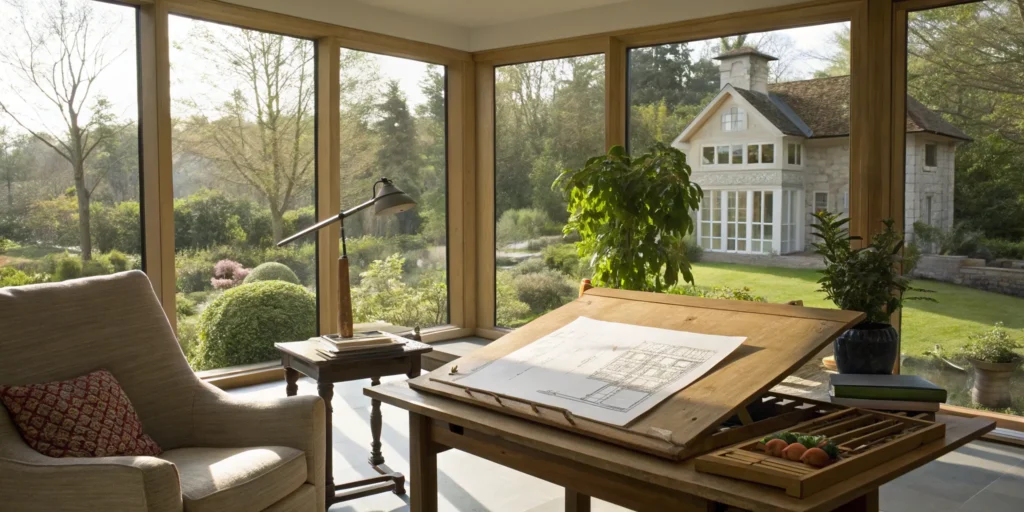
You love your street and your neighbors, but your house is starting to feel tight. Before you start house hunting, consider a home addition. It’s the best way to get the space you need without leaving the neighborhood you love. But a big project demands a solid strategy. Your success starts with creating detailed home addition house plans. This guide covers everything you need to know—from the different types of additions and realistic costs to avoiding the most common pitfalls.
Key Takeaways
- Look Beyond the Design: A successful addition requires a plan that covers local zoning laws, structural needs, and a realistic budget with a 10-20% contingency fund for surprises.
- Invest in a Professional Team: Hiring a qualified architect and structural engineer is essential for safety and legal compliance. Their expertise prevents costly errors and ensures your addition is built correctly from the start.
- Know Your Options and Their Costs: The price of an addition varies greatly by type, from a simple bump-out to a full second story. Understanding the cost ranges for different projects helps you set achievable goals and a practical budget.
Which Home Addition Is Right for You?
When you love your neighborhood but need more room, a home addition is the perfect solution. But “home addition” is a broad term, covering everything from a small kitchen bump-out to a full second story. Understanding your options is the first step toward creating a space that truly fits your life. Let’s walk through the most common types of home additions to help you find the right fit for your home, budget, and goals.
Building Up vs. Building Out: Key Differences
One of the first big decisions you’ll make is whether to build up or build out. Building up by adding a second story can dramatically increase your living space without changing your home’s footprint, which is a huge plus if you have limited yard space. But this approach comes with a major structural question: can your home handle the extra weight? Before you fall in love with plans for a new upper level, it’s essential to work with a professional to ensure your home’s foundation can support the additional load. An experienced engineer can assess your current structure and determine what reinforcements, if any, are needed to safely proceed.
On the other hand, building out by extending your ground floor can be a simpler way to get the space you need. A “bump-out” is a great example; it’s a smaller-scale project that can extend an existing room by just a few feet, making it a cost-effective solution for creating a cozy nook or expanding a kitchen. The main consideration here is that you’ll be sacrificing some of your yard. Ultimately, the choice between building up or out depends on your specific needs, budget, and property lines. Understanding these key differences will help you and your design team create home addition plans that enhance your home perfectly.
Adding a Second Story
Going vertical with a second-story addition is a fantastic way to double your living space without sacrificing your yard. This is a major project that can add tremendous value, giving you room for extra bedrooms, a primary suite, or a bonus room. The most critical factor here is your home’s existing structure. Before you start dreaming of the views, a structural engineer needs to confirm that your foundation can handle the extra weight. This initial assessment is non-negotiable and ensures your home remains safe and sound for years to come.
Expanding Out with Room Additions
If building up isn’t an option, building out is the classic way to expand. This involves adding a new room or extending an existing one on the ground level. Think about a larger family room, a dedicated home office, or a spacious new kitchen. These room additions are incredibly versatile and can be designed to flow seamlessly with your current layout. Because they typically involve extending the foundation and roofline, careful planning with an architect or design firm is key to making the new space feel like it was always part of your home.
Bathroom, Mudroom, and Laundry Room Expansions
Sometimes the most impactful additions aren’t about adding a huge new living area, but about making the functional spaces in your home work better. Expanding a bathroom, adding a mudroom, or creating a more spacious laundry room can dramatically improve your daily routine and increase your home’s value. A bathroom expansion, for instance, is one of the most popular renovations. Whether you’re adding a small half-bath or enlarging a primary bathroom, this project offers a strong return on investment. Costs can vary widely, but the added convenience and appeal are undeniable.
A mudroom is another small addition that delivers big on functionality, creating a perfect transition zone to keep dirt, coats, and backpacks from taking over your main living areas. Likewise, a cramped laundry room can make chores feel endless. Expanding this space can add storage, a folding counter, and room to breathe, making laundry day far more efficient. For any of these projects, working with a professional to create detailed home addition plans is crucial. This ensures the new layout flows logically and that all structural, plumbing, and electrical needs are properly addressed from the start.
Creating a Sunroom or Enclosed Porch
Want to enjoy Colorado’s beautiful scenery from the comfort of your home? A sunroom or enclosed porch might be the perfect addition. These spaces act as a bridge between your indoor and outdoor living areas, providing a light-filled room for relaxing, dining, or entertaining. They can be designed for three-season use or fully insulated for year-round enjoyment. Unlike a full room addition, they often have a more relaxed, open feel, making them a popular choice for adding functional square footage and a touch of charm to any home.
Transforming Your Garage into Living Space
Sometimes, the extra space you need is already there—it’s just being used for something else. Converting your garage is a cost-effective way to add a new room without the expense of a full-scale addition. Garages can be transformed into home gyms, art studios, guest bedrooms, or playrooms. Since the main structure already exists, the project focuses on finishing the interior with insulation, drywall, flooring, and climate control. Just remember, to officially count as new living space, the area can no longer be used for parking your car.
Building Over the Garage
If you’re looking for a way to add significant square footage with minimal disruption to your daily life, building over the garage is an excellent option. This approach leverages your existing garage foundation to create a new bonus room, guest suite, or spacious home office. Because the primary structure is already in place, construction can often proceed more quickly and with less mess than a ground-level addition. However, it’s crucial to remember that your garage was originally designed to support cars, not an entire second level of living space. Before any plans are drawn, a foundation engineer must conduct a thorough assessment to confirm it can bear the additional load, ensuring the safety and integrity of the entire structure.
Finishing a Basement or Attic
Unlocking the hidden potential in your home by finishing a basement or attic is one of the most cost-effective ways to gain livable space. These areas can be transformed into anything from a cozy family entertainment room to a fully functional apartment, adding significant value and utility to your home. While the costs can vary, the return on investment is often quite high. The key to a successful conversion is thoughtful planning that addresses moisture control, insulation, lighting, and safe access. For basements, this includes ensuring proper egress windows are installed, which is a critical safety requirement. A well-designed plan turns a dark, underused space into a bright, welcoming part of your home.
Modular and Prefab Additions
For a modern and efficient approach, consider a modular or prefab addition. These rooms are constructed off-site in a controlled factory environment and then transported to your property to be attached to your house. This method can be 10-20% cheaper than traditional construction and significantly reduces on-site disruption, making it an attractive option for busy households. While the building process is streamlined, the planning phase is just as important. You’ll still need a proper foundation and a seamless, structurally sound connection to your existing home. Working with an experienced architecture and engineering team ensures that your new, factory-built space integrates perfectly with your home’s design and meets all local building codes.
Designing an In-Law Suite or ADU
Whether you’re accommodating aging parents, adult children, or looking for a rental income opportunity, an in-law suite or Accessory Dwelling Unit (ADU) offers a smart solution. These additions provide a private, self-contained living space, complete with a bedroom, bathroom, and kitchenette. An ADU can be attached to your home or built as a separate structure on your property, like a backyard cottage. Creating ADU plans requires a good understanding of local zoning codes, but the flexibility and value they add make them an increasingly popular choice for homeowners.
Gaining Space with a Bump-Out Addition
Not every addition needs to be a massive undertaking. A bump-out is a small extension that can make a big difference in a room’s functionality. Think about pushing a kitchen wall out a few feet to add a breakfast nook, extending a bedroom to create a walk-in closet, or adding a bay window to your living room. Because bump-outs are often cantilevered off the existing structure, they may not require additional foundation work, making them a more affordable way to gain a little extra space exactly where you need it most.
Why Bump-Outs Can Be More Affordable
The main reason bump-outs are easier on your wallet comes down to what’s happening below ground—or rather, what isn’t. Full-scale additions require extending your home’s foundation, which involves excavation, concrete, and significant labor costs. Bump-outs, on the other hand, are often cantilevered. This means they are engineered to extend from the existing house structure, hanging over the foundation rather than sitting on a new one. This approach eliminates one of the most expensive parts of a construction project. Of course, you’ll still need a professional to confirm your home’s existing framing can handle the additional load, but avoiding major foundation work makes a bump-out a savvy choice for a budget-conscious upgrade.
Planning Your Home Addition: What You Need to Know
Before you start knocking down walls or digging up your yard, it’s essential to have a solid plan. A successful home addition is about more than just adding square footage; it’s about creating a space that feels like a natural extension of your home, functions beautifully, and meets all the necessary legal and structural requirements. Thinking through the details now saves you from major headaches and unexpected costs down the road. A comprehensive plan acts as your project’s blueprint, guiding every decision from the foundation to the final paint color. It ensures that your vision is clearly communicated to your entire team, including architects, engineers, and contractors, which minimizes misunderstandings and keeps the project moving forward smoothly. From the big picture—like how the new space will flow with your existing layout—to the nitty-gritty details of permits and utility lines, every element matters. This is where you get to dream, but it’s also where you need to be practical. A well-thought-out plan will be your roadmap throughout the entire project, keeping everyone on the same page and your budget on track. We’ll walk through the most important factors to consider as you begin to shape the vision for your expanded home.
What’s Included in Home Addition Plans?
When you partner with a design firm, you’re not just getting a simple sketch of your new room. You’re getting a comprehensive set of documents that serve as the instruction manual for your entire project. These plans are the critical link between your vision and the final built space, ensuring everyone from the permit office to your contractor understands exactly what needs to be done. They detail everything from the layout and dimensions to the specific materials and structural components required to build your addition safely and legally. A thorough set of plans is your best tool for keeping the project on schedule, on budget, and true to your original goals.
Floor Plans, Elevations, and Wall Sections
The core of any set of home addition plans includes three key views. Floor plans provide a bird’s-eye view of the layout, showing room dimensions, door and window placements, and how the new space connects to your existing home. Elevations are the exterior views, showing what the addition will look like from the front, back, and sides. Finally, wall sections are detailed cross-sections that show how the walls are constructed, from the foundation up to the roof. These technical drawings are essential for obtaining building permits and provide your contractor with the precise information they need to build everything correctly and to code.
Visualizing Your Space with 3D Renderings
While 2D plans are essential for construction, it can be tough to visualize what the finished space will actually feel like. That’s where 3D renderings come in. As part of the architectural design process, these realistic digital models allow you to see your addition from any angle, complete with finishes, furniture, and lighting. A virtual walkthrough can help you get a true sense of the room’s flow and scale, allowing you to make confident decisions and request changes before construction even begins. This step is invaluable for ensuring the final product matches your vision, preventing costly on-the-fly adjustments and giving you peace of mind.
Working with Local Zoning and Building Codes
One of the first hurdles in any home addition project is getting familiar with your local regulations. Many homeowners get excited about design but overlook the crucial step of checking local zoning laws. These rules dictate what you can build, covering things like how close you can build to your property lines (setbacks), how tall your addition can be, and the maximum percentage of your lot you can cover with structures. Building codes, on the other hand, are about safety and specify standards for construction, materials, and electrical work. Getting this wrong can lead to costly fines and rework, so it’s best to work with a professional who understands the local requirements from the start.
Specific Codes for Basements, Attics, and Sunrooms
Different types of additions come with their own set of rules. If you’re finishing a basement, for example, safety codes will require things like emergency exits (think egress windows) and proper ventilation. Planning to convert an attic? You’ll need to ensure there’s enough headroom and a permanent stairway for access, not just a pull-down ladder. The floor joists also need to be strong enough to support a living space. For sunrooms, the requirements can change based on whether it’s a three-season room or a fully insulated, year-round space. To officially count as livable square footage, it generally needs heating and seamless accessibility from the main house. An experienced architectural team can help you understand these specific requirements for your project.
Informing the County Assessor
This is a step that’s easy to forget but incredibly important for keeping everything above board. Before your project begins, you should show your building plans to your local county assessor. Why? Because a home addition increases your home’s value, which in turn affects your property taxes. Giving them a heads-up ensures the process is transparent and helps you avoid any surprises or penalties later. Once the work is complete, you’ll need to follow up with them again so they can update your property’s records accurately. It’s a simple administrative task that protects you and ensures your home’s new value is officially and correctly documented.
Does Your Foundation Support an Addition?
An addition isn’t just four walls and a roof; it’s a new structure that has to be safely supported and integrated with your existing home. The foundation and structural requirements are paramount. For example, a second-story addition places significant weight on your current home’s frame and foundation, which will likely need reinforcement. A single-story expansion might be less complex but still requires a proper foundation to prevent settling and shifting. A structural engineer can assess your property and current home to design the necessary support system, ensuring your new space is safe, stable, and built to last.
How to Match Your Home’s Existing Style
You want your addition to feel like it was always there, not like an afterthought. Achieving a seamless look means carefully considering your home’s existing architectural style. The new roofline should complement the old one, the windows should match in style and proportion, and the exterior materials should blend together. A thoughtful home addition plan will detail how the new structure connects to the old, creating a cohesive design inside and out. This attention to detail not only improves curb appeal but also protects your home’s resale value.
Designing for Your Long-Term Needs
When you’re planning an addition, it’s easy to focus on what you need right now—a nursery for a new baby or a home office for your current job. But a truly successful addition is one that adapts with you. Think about how your life might change over the next five, ten, or even twenty years. Will your kids need a teen hangout space? Might you have an aging parent come to live with you? A flexible architectural design considers these future possibilities, creating a space that serves your family for the long haul. This foresight not only makes your home more functional for years to come but also adds significant long-term value to your investment.
Considering “Aging in Place” Features
Incorporating “aging in place” features is one of the smartest ways to design for the future. This isn’t just about planning for retirement; it’s about creating a home that’s comfortable and accessible for everyone, at any age. Simple considerations during the design phase can make a huge difference. Think about wider doorways and hallways that can accommodate a wheelchair or walker, creating a primary bedroom on the first floor to avoid stairs, or installing non-slip flooring in bathrooms. Features like lever-style door handles and walk-in showers are easier for everyone to use, from a child to a grandparent. Planning for these universal design elements now makes your home safer and more functional for a lifetime.
Setting a Realistic Budget and Timeline
Two of the biggest questions for any project are “How much will it cost?” and “How long will it take?” It’s important to establish a realistic budget early on. Research the average costs for home additions in your area, but remember that the final price depends on the project’s size, complexity, and finishes. Always include a contingency fund—typically 10% to 20% of the total cost—for unexpected issues. A detailed plan will also help you and your contractor create a more accurate timeline, so you know what to expect from groundbreaking to final walkthrough.
How to Finance Your Addition
Once you have a handle on the potential costs, the next step is figuring out how you’ll pay for it. Financing a home addition can seem daunting, but there are several solid options available. Many homeowners use home equity loans or lines of credit (HELOCs), which let you borrow against the equity you’ve already built in your home, often at lower interest rates. If you don’t have a lot of equity yet, you’re not out of options. Specialized renovation loans, like a construction loan, are designed for this exact situation. They let you borrow against your home’s *future* value after the addition is complete, which can give you more borrowing power. It’s always a good idea to talk with a financial advisor to weigh your options and find the best fit for your situation.
Planning for Utilities and HVAC Systems
Don’t forget about what’s happening behind the walls. Your new space will need electricity, plumbing, and climate control. You’ll need to decide whether your current HVAC system can handle the extra square footage or if you need a separate, dedicated unit for the addition. Similarly, you’ll need to plan for extending plumbing for a new bathroom or kitchen and running new electrical wiring. Integrating these systems properly is key to making your new space comfortable and functional, so make sure it’s a core part of your initial design discussions.
How Much Does a Home Addition Cost?
Let’s talk about the numbers. The cost of a home addition can vary dramatically based on the size, complexity, and finishes you choose. While it’s impossible to give a one-size-fits-all price tag, understanding the typical cost ranges for different projects can help you set a realistic budget from the start. Think of these figures as a starting point for your planning and conversations with architects and contractors.
The final price will depend on many factors, including local labor rates, the cost of materials, permit fees, and any unique challenges your property might present. For example, a project that requires significant foundation engineering will naturally cost more than one that doesn’t. We’ll break down the estimates for some of the most common addition types and explore the key variables that will influence your total investment. This will give you a clearer picture of what to expect as you move forward with your project.
Understanding the Return on Investment (ROI)
Beyond the immediate benefit of more space, a home addition is a significant financial investment in your property. It’s smart to think about the potential return on investment (ROI) you might see when it’s time to sell. Different projects yield different returns; for example, converting a garage into living space can recoup as much as 80% of its cost, while a new bathroom might see a return closer to 50%. To maximize your long-term value, the key is thoughtful design. A well-integrated addition that complements your home’s existing style and meets all structural requirements is far more appealing to future buyers. Working with professionals to create detailed home addition plans ensures your new space is not only beautiful and functional but also a wise investment for the future.
How Much Does a Second Story Cost?
Adding a second story is one of the most ambitious and transformative home additions you can undertake. It’s a fantastic way to double your living space without expanding your home’s footprint. Because of the project’s complexity, the cost can range anywhere from $80,000 to $600,000. This wide range accounts for everything from the size of the addition to the quality of finishes. A critical first step is a thorough structural inspection to confirm your home’s existing foundation and frame can support the extra weight. This assessment is non-negotiable and will heavily influence the project’s scope and budget.
How Much Does a Room Addition Cost?
If you’d rather build out than up, a ground-floor room addition is a popular choice. This could be a new family room, a primary suite, or a dedicated home office. Generally, you can expect to pay between $100 to $300 per square foot for a ground-level addition. If you decide to add a room on the second story, the cost increases to $200 to $400 per square foot due to the added structural requirements. These home addition ideas are a great way to get the extra space you need while tailoring the design to your family’s lifestyle.
Kitchen and Bathroom Expansion Costs
When you’re thinking about home value and daily enjoyment, kitchen and bathroom expansions are at the top of the list. A kitchen remodel or addition typically ranges from $15,000 to $40,000, depending on how ambitious your plans are. Even a small bump-out for a breakfast nook can completely change the room’s flow and function. It’s a smart investment, as a well-designed kitchen often brings a high return. If you’re dreaming of an open-concept space, the project might involve removing a load-bearing wall, which is a job that absolutely requires a structural engineer to ensure your home remains safe and sound.
A bathroom addition is another great way to add comfort and value, with costs typically falling between $5,000 and $35,000. The final price really depends on the features you choose—a large soaking tub and double sinks will naturally cost more than a simple powder room. Whether you’re adding a basic half-bath or designing a spa-like primary suite, the goal is to create a space that is both functional and relaxing. Starting with professional home addition plans is the best way to ensure every square foot is used effectively and the final result meets your expectations.
How Much Does a Sunroom or Porch Cost?
Adding a sunroom or enclosing a porch is a wonderful way to enjoy the beauty of the outdoors from the comfort of your home. These additions are typically less complex than a full room addition, which can be reflected in the cost. While the price for construction varies, you can find pre-designed home addition plans for these types of projects for as little as $45 to $120. Remember, this is just for the architectural plans. The total project cost will also include materials, labor, and any necessary foundation work, so be sure to budget accordingly for the full build-out.
How Much Does a Garage Conversion Cost?
Transforming your garage into a living space is often one of the most cost-effective ways to add square footage to your home. Since the foundation, walls, and roof are already in place, you’re a few steps ahead. A garage conversion can cost anywhere from $6,000 to $26,000, depending on the scope. This budget typically covers insulation, drywall, flooring, electrical updates, and potentially adding windows or plumbing. Whether you envision a home gym, an art studio, or a guest suite, a garage conversion can be a smart and affordable solution.
Cost to Finish a Basement or Attic
Finishing your basement or attic is an excellent way to maximize your home’s potential without the expense of a full-scale addition. Turning an unfinished basement into a living area, like a guest suite or entertainment room, can add a lot of usable space and typically costs between $2,800 and $34,000, with a strong return on investment of around 70%. An attic conversion is another great option, offering a potential ROI of up to 56%, provided you meet requirements like adequate ceiling height and proper stairway access. Both projects can significantly enhance your home’s value and functionality by tapping into the square footage you already have.
What Influences the Final Cost?
Beyond the type of addition, several key factors will shape your final budget. The quality of materials you select, from flooring to fixtures, plays a significant role. Labor costs, which vary by location and the expertise of your team, are another major component. The complexity of your home addition plans and the efficiency of your building team will also impact the timeline and overall expense. Unexpected issues, like discovering soil problems or hidden structural damage, can also add to the cost. Remember that the construction phase can be disruptive, so planning for these variables upfront helps ensure a smoother process.
Who Should Create Your Home Addition Design Plans?
Choosing the right professional to design your home addition is one of the most important decisions you’ll make. This partnership will shape not just the blueprints, but your entire experience, from initial sketches to the final walkthrough. The best fit for you depends on your project’s complexity, your budget, and how hands-on you want to be. You could work with an all-in-one firm that handles everything, purchase a pre-made plan online, or hire a local architect for a completely custom design.
The key is to find a partner who understands your vision and has the technical expertise to bring it to life safely and legally. A beautiful design is only half the battle; it also needs to be structurally sound, compliant with local codes, and seamlessly integrated with your existing home. As you explore your options, think about which approach gives you the most confidence and support. Your goal is to create a team that can turn your ideas into a space you’ll love for years to come.
Level Engineering: Your All-in-One Design Partner
Working with an integrated firm like Level Engineering means you have your architect, engineer, and designer all on the same team. This all-in-one approach is a huge advantage because it streamlines communication and ensures everyone is on the same page from day one. We create cohesive home addition plans that are not only beautiful but also structurally sound and buildable. Because we have deep expertise in local zoning laws and building codes, we can anticipate challenges and design solutions that prevent costly delays. This means your project is designed correctly from the start, saving you time, money, and stress.
Finding House Plans with Stock Plan Providers
If your project is relatively straightforward, a stock plan provider can be a great starting point. These companies sell pre-designed, ready-to-use blueprints for a fraction of the cost of a custom design. You can browse thousands of options online and find a layout that closely matches what you need. Many homeowners find these plans are very accurate and easy for their builders to follow. The main thing to remember is that a stock plan isn’t tailored to your specific property or local regulations. You will almost certainly need a local engineer to review and modify the plans to meet Denver’s building codes and ensure it works with your home’s existing structure.
Browsing Online Galleries for Inspiration
Online galleries are fantastic resources for inspiration and ideas. Websites like these offer vast collections of plans, often with a focus on specific features like sunrooms or outdoor living spaces. You can explore different architectural styles and see what’s possible for your home. These galleries are perfect for homeowners who are still refining their vision. While you can purchase home addition plans directly from these sites, just like with stock providers, you’ll need a local professional to adapt them. A structural engineer will have to verify that the design is safe and compliant for our region’s specific climate and soil conditions.
Exploring Curated Plan Collections
Think of curated collections as a more focused version of an online gallery. These websites often group their blueprints by specific project types, making it easier to find exactly what you’re looking for. If you know you need to add a new primary suite or expand your kitchen, a curated site can help you quickly find relevant, high-quality designs. These plans for adding onto your home provide a solid foundation, but they still require local expertise. An architect or engineer will need to integrate the plan with your existing home’s systems and ensure it meets all local permit requirements before construction can begin.
Working with Local Architects and Design-Build Firms
For a truly custom space, hiring a local architect or a design-build firm is the way to go. An architect will work closely with you to create a one-of-a-kind design that reflects your style and meets your family’s unique needs. A design-build firm takes it a step further by managing both the design and construction phases, offering a single point of contact throughout the project. While this is typically the most expensive option, it provides the highest level of personalization and professional oversight. A good local team understands the nuances of the construction phase and can manage the process efficiently to minimize disruption to your life.
Common Home Addition Mistakes to Avoid
A home addition is an exciting project, but it’s also a major investment of your time and money. While it’s impossible to plan for every little hiccup, you can set yourself up for a smoother process by learning from the common missteps others have made. Thinking through these potential pitfalls ahead of time will help you, your designer, and your builder stay on the same page and bring your vision to life with fewer surprises.
Ignoring Zoning and Permit Rules
Before you fall in love with a design, you need to understand your local rules. Every municipality has zoning laws and building codes that dictate what you can build, where you can build it, and how it needs to be constructed. These regulations cover everything from how close your addition can be to your property line (setbacks) to how tall it can be. Failing to get the right permits and approvals can lead to fines, forced tear-downs, and major legal headaches. A professional team will investigate these requirements at the very beginning of the design process to ensure your plans are feasible from the start.
Underestimating Your Budget and Timeline
It’s easy to focus on the big-ticket items, but a realistic budget accounts for everything, right down to the doorknobs. Many homeowners forget to factor in costs for things like landscaping repairs, new furniture, or temporary housing if the renovation is extensive. Always build a contingency fund of at least 10-15% into your budget for unexpected issues that will inevitably pop up. Similarly, be realistic about the timeline. Construction is disruptive, and delays can happen due to weather, supply chain issues, or unforeseen structural problems. A clear timeline from your contractor should also include buffer days.
Not Hiring the Right Professionals
Trying to cut costs by managing a complex project yourself or hiring an unqualified contractor is one of the biggest mistakes you can make. A home addition involves intricate structural, electrical, and plumbing work that requires deep knowledge and experience. Investing in a qualified architect and a structural engineer ensures your addition is not only beautiful but also safe and built to last. These professionals protect your home’s integrity, handle the complex permitting process, and can often save you money in the long run by avoiding costly errors and creating an efficient, buildable design.
Designing an Addition That Doesn’t Match
The best additions look like they were always part of the original house. A common mistake is creating a new space that clashes with your home’s existing architectural style, materials, or scale. This can hurt your home’s curb appeal and even lower its resale value. A skilled designer will focus on creating a seamless transition, matching details like rooflines, window styles, and exterior siding. Inside, they’ll ensure the floor plan flows logically from the old space to the new, creating a cohesive feel throughout your home. Good architectural design is about more than just adding square footage; it’s about enhancing your entire home.
Not Planning for Your Future Needs
When you’re planning an addition, think beyond your immediate needs. How will your family use this space in five or ten years? A playroom for toddlers could be designed to easily convert into a teen hangout or a home office down the road. If you’re adding a main-floor bedroom, consider incorporating universal design principles like wider doorways and a curbless shower. This not only prepares your home for aging in place but also makes it more appealing to a wider range of future buyers. Planning for flexibility ensures your investment continues to serve you well for years to come.
How to Start Your Home Addition Project
Turning your vision for a home addition into a reality is an exciting process. While it involves several moving parts, breaking it down into clear, manageable steps makes the entire project feel much more approachable. From initial sketches to the final coat of paint, here’s how you can get started on the right foot.
Step 1: Draft Your Home Addition Plan
Before you think about floor plans or finishes, start with the “why.” What is the main reason you need more space? Are you welcoming a new family member and need another bedroom? Has your dining table become a permanent home office? Clearly defining your needs is the foundation of a successful project. Think about how you want the new space to function and feel. This initial design phase is the perfect time to gather inspiration and create a wish list that will guide your decisions and help your design team create the perfect home addition plans for your family.
Step 2: Build Your Professional Team
With your goals in mind, it’s time to find the right experts to bring your project to life. You’ll need a team that includes an architect or designer, a structural engineer, and a contractor. An architect helps translate your ideas into a functional design, while a structural engineer ensures the new addition is safe and properly supported by your existing home. A good contractor will manage the build itself. Look for professionals with specific experience in home additions, whether you’re adding a couple of rooms, a new wing, or building living space above your garage. Ask for portfolios and references to find a team you trust.
How to Find and Vet Contractors
Once your design plans are in hand, finding the right contractor is the next critical step. This is the person who will be in your home every day, turning those blueprints into a reality, so it’s essential to find someone you trust. Start by asking for recommendations from friends, family, or your design team. Once you have a shortlist, do your homework. Verify that each contractor is licensed and insured in Colorado—this is non-negotiable. Ask for a portfolio of their recent work and a list of references, and be sure to call them. Ask past clients about their experience with communication, how the contractor handled challenges, and whether the project stayed on budget and on schedule.
Key Elements of a Construction Contract
Never start a project on a handshake alone. A detailed construction contract is your best tool for ensuring a smooth process and protecting your investment. Before you sign, make sure the document clearly outlines several key elements. It should include a detailed scope of work, specifying exactly what will be done and what materials will be used—down to the model numbers for fixtures and appliances. A clear payment schedule should be tied to project milestones, not arbitrary dates. The contract must also include a projected timeline with a start and end date, as well as the process for handling any changes. Getting everything in writing ensures you and your contractor have a mutual understanding of all project expectations.
Establishing a Change Order Process
Even with the most detailed home addition plans, changes can happen. You might decide you want different tile, or the contractor might uncover an unexpected structural issue. To keep these changes from derailing your budget, you need a formal change order process. This should be defined in your initial contract. A change order is a written document that details the requested change, the associated cost (whether it’s an addition or a credit), and any impact on the project timeline. Both you and your contractor must sign the change order *before* any new work begins. This simple process prevents misunderstandings and surprise costs, ensuring you stay in control of your budget throughout the build.
Step 3: The Permit and Approval Process
This is a critical step that many homeowners overlook. Before any construction can begin, your plans must comply with local zoning laws and building codes. These regulations dictate things like how close you can build to your property line and the maximum height of your structure. Your design team will help you prepare the necessary documents for your local building department. If your design doesn’t quite fit the rules, you may need to apply for a variance, which often involves a public hearing. Working with a local expert who understands these requirements can save you significant time and prevent costly mistakes.
Step 4: What to Expect During Construction
Once your permits are approved, construction can begin. It’s important to prepare for this phase, as it can be disruptive to your daily life. Depending on the scale of your project, you can expect noise, dust, and a steady stream of workers at your home. The timeline will vary based on the project’s complexity and even the weather. Talk with your contractor about the schedule and plan accordingly. You might need to set up a temporary kitchen, seal off parts of your house, or adjust your family’s routine. A little preparation can make the construction process much smoother for everyone involved.
Related Articles
- Building An ADU: A Comprehensive Guide
- Do I Need A Permit For Structural Modifications?
- Residential Structural Engineering Services: Your Homeowner’s Guide
- Commercial Remodel & Additions – Level Engineering & Inspection
Frequently Asked Questions
What’s the first professional I should hire for my home addition? A great first step is to talk with a design professional, like an architect or an integrated design firm. They can help you take your initial ideas and shape them into a workable plan that fits your budget and goals. They will also be able to tell you early on if your vision is feasible and what structural or zoning challenges you might face before you get too far down the road.
Do I really need a structural engineer for a small addition? Yes, it’s always a wise investment. Even a small bump-out can affect your home’s structural integrity. A structural engineer’s job is to ensure that any new weight is properly supported and that the addition is safely connected to your existing home. Skipping this step can lead to serious problems like cracking drywall, sagging floors, or worse, so it’s a crucial part of protecting your home and your investment.
How can I make sure my new addition doesn’t look tacked on? The key to a seamless look is a thoughtful design that respects your home’s original architectural style. A skilled designer will focus on matching key details like the roof pitch, window styles, and exterior materials. They will also create a floor plan that flows naturally from the existing rooms into the new space, making the addition feel like it was always meant to be there.
Can I just buy a set of plans online to save money? While stock plans can be a fantastic source of inspiration, they are rarely ready to build from as-is. Every property is unique, and every city has its own specific building codes and climate considerations. You will still need a local engineer or architect to review and modify those plans to ensure they are safe, compliant with local regulations, and properly integrated with your home’s structure.
How much extra should I budget for unexpected problems? It’s smart to set aside a contingency fund of about 10% to 20% of your total project cost. No matter how well you plan, surprises can happen during construction, such as discovering hidden water damage or needing to reroute unexpected plumbing lines. This fund acts as a safety net, ensuring that these unforeseen issues don’t derail your project or your finances.
