
From the moment you turn on the faucet to the bridge you cross on your commute, your day is supported by an invisible force. That force is hydraulic engineering. It’s the critical field behind our modern hydraulic infrastructure, ensuring clean water arrives at your home and floodwaters are kept at bay. So, what do hydraulic engineers do? They design the dams, pipelines, and drainage systems that manage and control the flow of water. Their work is all around us, creating the safe and resilient communities we depend on every day.
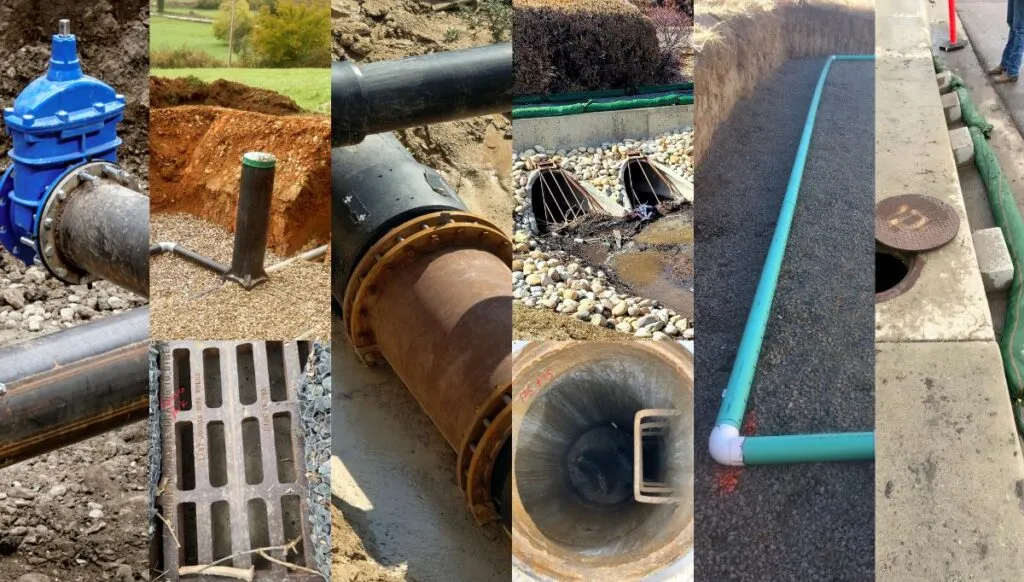
What is Hydraulic Engineering, Really?
Introduction to Hydraulic Engineering
A Hydraulic Engineer is a specialist within the field of civil engineering that focuses on the design, construction, and management of water systems. Their role encompasses a wide range of disciplines, including fluid mechanics, water resources engineering, and environmental management. Hydraulic engineers play a crucial role in ensuring the efficient and sustainable use of water resources.
A Brief History of Managing Water
The challenge of controlling water is as old as civilization itself. Long before we had advanced degrees and computer models, people were engineering brilliant solutions to manage this essential resource. Hydraulic engineering isn’t a modern invention; it’s a practice refined over thousands of years. Early societies in the Middle East and Africa developed sophisticated irrigation methods to grow crops in arid lands. In ancient Persia, for example, engineers created qanats—underground tunnels that used gravity to transport water from mountains to villages. This system was so effective that many are still in use today, showing a deep, practical understanding of how to work with the natural world, not against it.
Ancient Innovations: Aqueducts, Qanats, and Terraces
Some of the most impressive ancient engineering feats are tied to water management. Take the Banaue Rice Terraces in the Philippines, built around 1000 BC. These massive, irrigated fields are carved directly into the mountainsides, creating a breathtaking landscape that’s often called the “Eighth Wonder of the World.” This wasn’t just about farming; it was a monumental earth-moving and water-channeling project that required incredible foresight and skill. The builders were, in essence, the first hydraulic engineers, shaping the land to sustain their communities and proving that with enough ingenuity, even the most challenging environments could be made to flourish.
Foundational Scientific Contributions
For centuries, engineering was more of an art passed down through generations. The shift toward a scientific discipline began with thinkers like Leonardo da Vinci and Isaac Newton. They didn’t just observe how water moved; they sought to understand the fundamental principles behind it. Their work on fluid mechanics and gravity laid the theoretical groundwork that modern engineers rely on every day. This transition from practical know-how to scientific principle allowed for the design of much more complex and predictable systems. It’s this legacy of precision and analysis that allows today’s professionals to tackle everything from massive public works to ensuring the stability of a home’s foundation against water pressure.
Role of Hydraulic Engineers
Hydraulic engineers are responsible for designing hydraulic systems and structures that control the flow, distribution, and storage of water. They work on projects related to water supply, flood control, irrigation, wastewater management, and environmental protection. Their expertise is vital for addressing water-related challenges and ensuring water security for communities and industries.
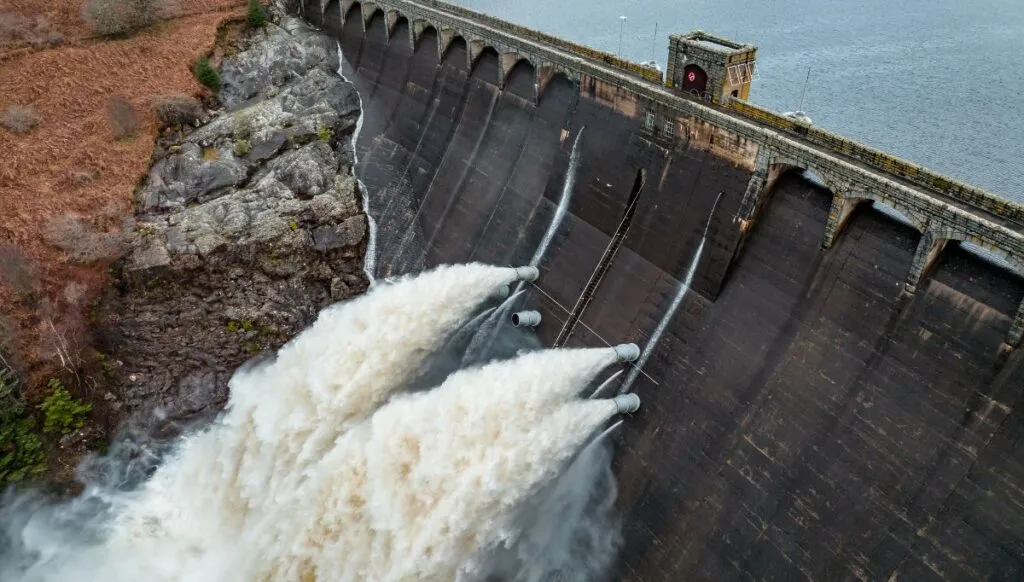
Fundamentals of Fluid Mechanics
Fluid mechanics is the scientific study of fluids (liquids and gasses) and their behavior under various conditions. It provides the theoretical foundation for understanding how fluids flow, exert pressure, and interact with their surroundings. Hydraulics engineering heavily relies on principles of fluid mechanics to design efficient water systems and civil engineering structures.
Hydrostatics and Fluid Dynamics
To get a handle on hydraulic engineering, you first need to understand its two main branches: hydrostatics and fluid dynamics. Hydrostatics is the study of fluids that aren’t moving. Think of the immense pressure water exerts on a dam or the forces acting on the walls of a swimming pool. This is crucial for designing structures that can safely contain water. For instance, understanding hydrostatic pressure is essential when our foundation engineers assess how groundwater might affect a building’s base. It’s all about managing the force of still water to ensure stability and prevent leaks or structural failure over time.
On the flip side, fluid dynamics is all about fluids in motion. This covers everything from water flowing smoothly through your home’s pipes to the turbulent rush of a river during a flood. Engineers use principles of fluid dynamics to design systems that move water efficiently and predictably. This knowledge helps in creating effective drainage systems, optimizing water flow in municipal water supplies, and ensuring that the plumbing in a new home addition works flawlessly. It’s the science of making water go exactly where we want it to, with the right speed and volume.
Bernoulli’s Equation Explained
You might remember hearing about Bernoulli’s Equation in a high school physics class. It sounds complex, but the core idea is pretty straightforward. As explained by sources on hydraulic engineering, this principle is a fundamental rule that connects a fluid’s speed, pressure, and potential energy (or height). In simple terms, when a fluid speeds up, its pressure goes down, and vice versa, assuming its height doesn’t change. Imagine water flowing through a pipe that narrows in the middle. The water has to speed up to get through the smaller section, and as it does, its internal pressure drops. This relationship is a key tool for engineers designing efficient water transport systems.
Real Fluids: Viscosity and Boundary Layers
While principles like Bernoulli’s Equation often assume an “ideal” fluid, real-world engineers work with “real” fluids, which have a property called viscosity. Think of viscosity as a fluid’s internal friction or “stickiness”—it’s why honey flows so much more slowly than water. This stickiness is important because it creates resistance as water moves through pipes or channels. This resistance means we need energy, usually from pumps, to keep the water moving. Understanding a fluid’s viscosity is critical for calculating the right pump size and pipe diameter for any project, from a simple home remodel to a large-scale commercial plumbing system.
Viscosity also leads to another important concept: the boundary layer. When water flows over a surface, like the inside of a pipe, the fluid right next to the surface slows down significantly due to friction, creating a thin “boundary layer” of slow-moving water. This effect influences the overall flow and can contribute to energy loss in the system. Hydraulic engineers must account for these real-world factors to design systems that are not just functional but also energy-efficient and cost-effective over their entire lifespan, which is a key consideration in our commercial addition and remodel projects.
Role of Hydraulic Systems
Hydraulic systems are complex networks of pipes, pumps, valves, and control devices designed to transport, store, and distribute water. These systems are essential for water supply infrastructure, wastewater treatment plants, irrigation networks, and industrial processes. Hydraulic engineers design and optimize hydraulic systems to ensure reliable water delivery and resource efficiency.
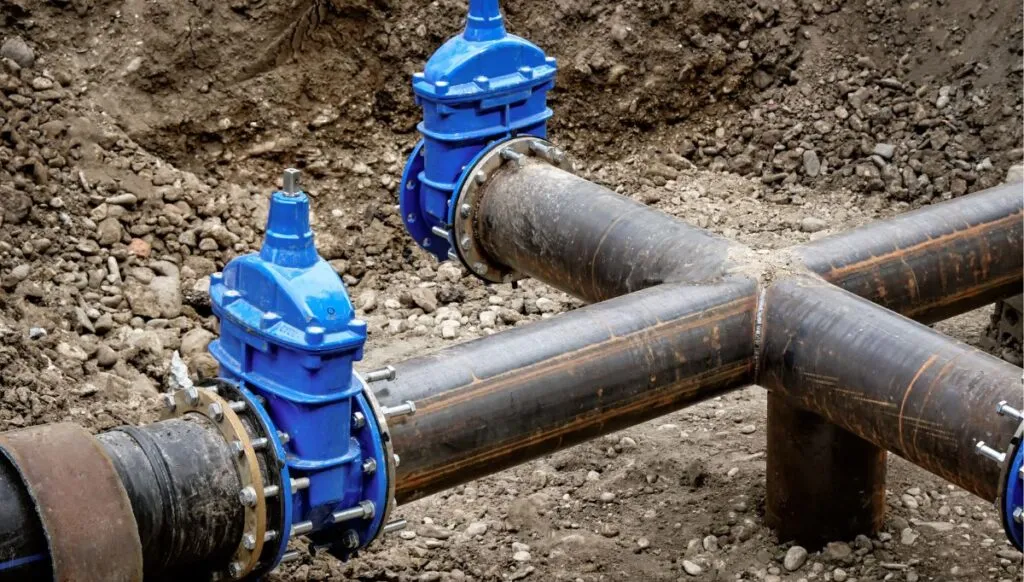
How Hydraulic Engineering Connects to Other Fields
No engineering discipline works in isolation, and hydraulic engineering is a perfect example of teamwork. To design effective water management systems, hydraulic engineers must collaborate with experts in other fields. This interdisciplinary approach is essential for the success of any project involving water, whether it’s ensuring proper drainage for a new home build or managing water runoff for a large commercial site. It ensures every aspect, from understanding the natural environment to building the necessary machinery, is handled with precision, turning a complex water challenge into a functional, reliable solution.
Overlap with Hydrology
Hydraulic engineering is closely tied to hydrology, which is the study of how water moves across and through the Earth’s land. Think of it this way: a hydrologist is like a detective who tracks water, figuring out how much rain an area will get, where it will flow, and how it will seep into the ground. The hydraulic engineer then takes that critical information to design the infrastructure—like drainage systems, bridges, and culverts—to manage that water safely. Without the data from hydrology, a hydraulic design would just be a guess. This partnership is especially important for protecting structures, as understanding local water patterns is key to designing a durable foundation that can withstand the elements.
Collaboration with Mechanical Engineering
The connection with mechanical engineering is all about making things move. While a hydraulic engineer designs the pathways for water, a mechanical engineer designs the machinery that powers the system. For example, in a municipal water supply, the hydraulic engineer maps out the network of pipes, but a mechanical engineer designs the pumps that push water to your home. This same partnership is vital in designing systems for buildings, such as fire suppression or advanced plumbing for a commercial remodel. It’s the perfect marriage of system design and machine power, ensuring water gets where it needs to go efficiently and reliably.
Challenges and Innovations in Hydraulic Engineering
Civil engineering faces challenges such as climate change impacts, water scarcity, aging infrastructure, and urbanization. Engineers continually innovate by integrating new technologies, modeling techniques, and sustainable practices into their designs. They strive to enhance water resilience, improve energy efficiency, and minimize environmental impacts through innovative solutions.
Hydraulics engineering plays a vital role in managing water resources, promoting water sustainability, and addressing complex water-related challenges. As we delve deeper into the various aspects of engineering applications in the following sections, we will explore how this discipline contributes to a more resilient and water-secure future for society.
Section 2: Hydraulic Structures in Water Management
Importance of Hydraulic Structures
Hydraulic structures are engineering marvels designed to control the flow of water and manage its various aspects. These structures play a crucial role in water drainage, ensuring the safe and efficient utilization of water resources.
Types of Civil Engineering Structures concerning hydrology.
Dams: Dams are among the most iconic hydraulic structures, built across rivers and streams to create reservoirs for water storage. They serve multiple purposes, including water supply for irrigation, hydroelectric power generation, flood control, and recreation.
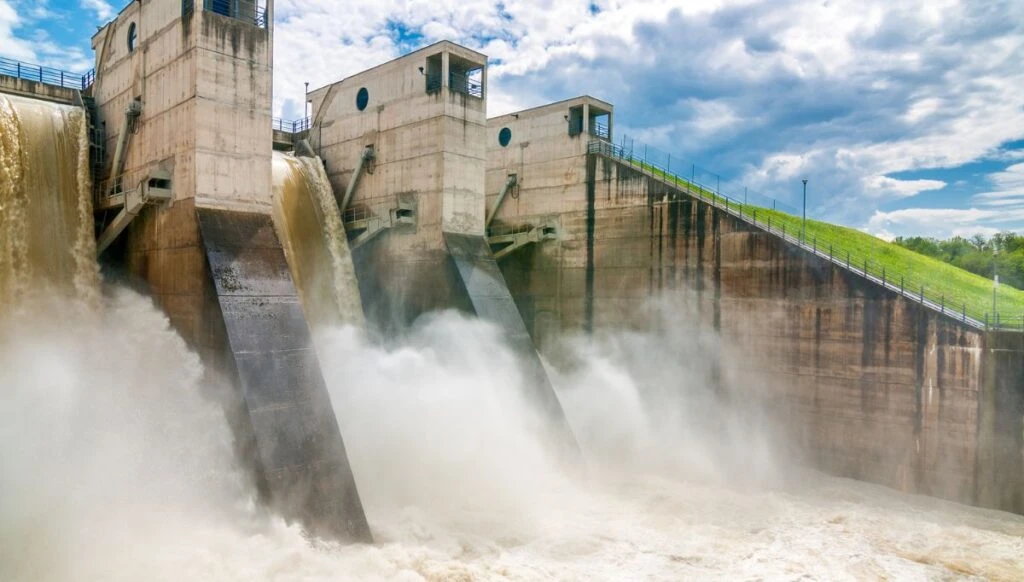
Canals and Aqueducts: Canals and aqueducts are man-made channels used to transport water over long distances. Canals are often employed for irrigation purposes, allowing water to reach agricultural fields efficiently. Aqueducts carry water across valleys or uneven terrain, ensuring a steady flow to urban areas or water treatment facilities.
Reservoirs and Storage Tanks: Reservoirs and storage tanks are essential components of water supply systems. They store water during periods of excess flow and release it as needed to meet demand. Proper controlling of the chemistry in our reservoirs involves balancing water levels, maintaining water quality, and coordinating releases based on environmental and human needs.
Weirs and Barrages: Weirs and barrages are structures built across rivers to regulate water levels and control sediment transport. They help in maintaining river flow, preventing erosion, and managing water for irrigation or industrial purposes. Weirs can also be used for fish migration, creating fish ladders to bypass barriers and ensure ecological balance.
Pumping Stations: Pumping stations are critical in hydraulic systems where water needs to be lifted or transported against gravity. They use pumps to increase water pressure and facilitate its movement through pipelines or distribution networks. Pumping stations are common in municipal water supply systems and industrial processes requiring water at specific locations or elevations.
Far Reaching Impact of Hydraulic Engineering projects:
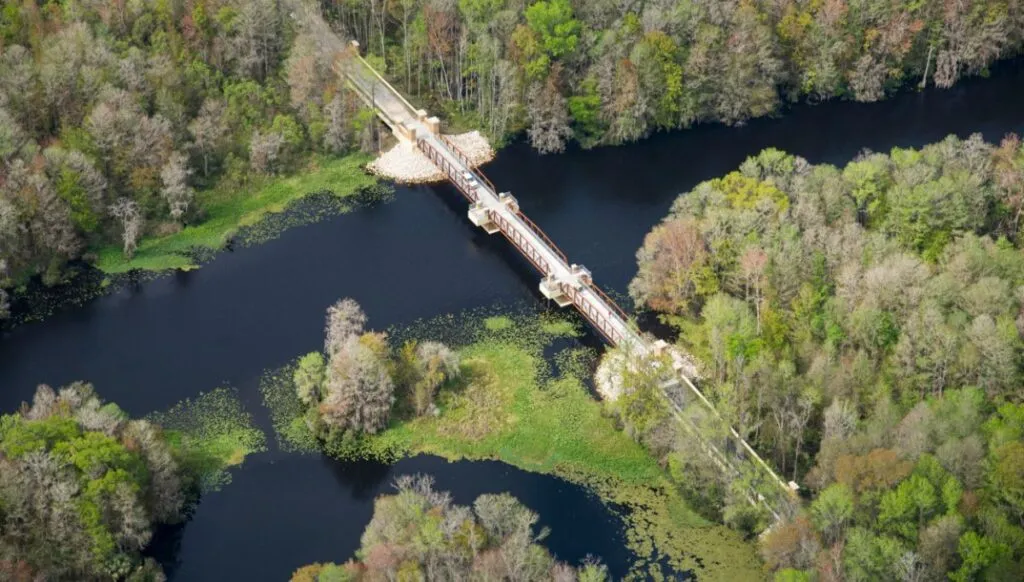
The Marjorie Harris Carr Cross Florida Greenway is a remarkable transformation of an ambitious yet controversial hydraulic engineering project initially conceived as the Cross Florida Barge Canal. Originating in the 1930s, the canal was intended to create a navigable waterway across the Florida peninsula, facilitating maritime commerce by connecting the Gulf of Mexico with the Atlantic Ocean.

However, driven by political and economic motivations, the project largely overlooked ecological considerations, leading to significant environmental concerns. By 1971, it was deemed both an economic and ecological failure, and construction was halted. In the 1990s, thanks to the efforts of environmental activist Marjorie Harris Carr, the project was repurposed into a greenway that now spans over 110 miles.
This greenway offers diverse recreational activities and serves as a critical wildlife corridor. Today, it stands as a testament to how hydraulic engineering works, once driven by narrow economic interests, can be reinvented to support ecological preservation and community benefits
Key Applications and Sub-disciplines
Hydraulic engineering isn’t just one single practice; it’s a broad field with many specialized areas that touch our lives daily. These sub-disciplines tackle specific challenges related to water management, from keeping city streets from flooding during a downpour to ensuring the bridges we drive over are safe and stable. Each application plays a critical role in developing and maintaining the infrastructure that supports our communities. Understanding these different facets shows just how integral the study of water in motion is to modern civil engineering and how it impacts everything from our homes to our highways, making our environment safer and more resilient.
Urban Drainage
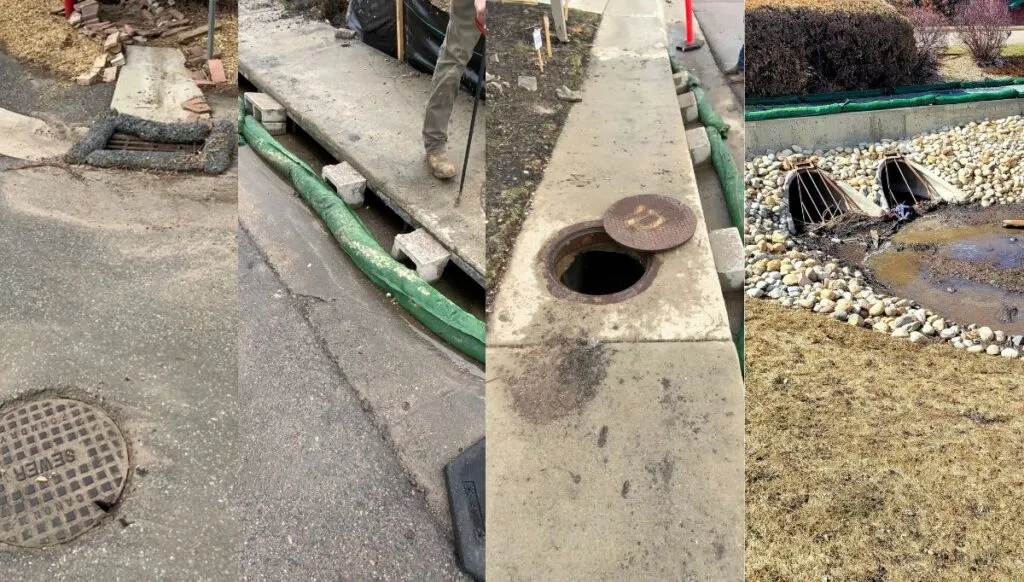
Ever wonder where all the water goes after a heavy rainstorm in the city? That’s the work of urban drainage. Hydraulic engineers design the complex systems of gutters, storm drains, and underground pipes that prevent flooding in urban areas. Their goal is to efficiently manage runoff from roads, parking lots, and rooftops, protecting properties and keeping transportation routes clear. For homeowners and developers, this is especially critical. A well-designed drainage plan is the first line of defense in protecting a building’s foundation from water intrusion and soil erosion, ensuring the long-term stability and value of the property. Without these carefully planned systems, our cities would face constant water damage and disruption.
River and Coastal Engineering
While Colorado might not have a coastline, we certainly have our share of powerful rivers, like the South Platte and Cherry Creek. River engineering is a vital sub-discipline focused on managing how these waterways behave. This involves studying sediment transport, stabilizing riverbanks to prevent erosion, and undertaking restoration projects to maintain a healthy ecological balance. This work is crucial for protecting nearby homes, businesses, and infrastructure from the powerful, erosive forces of flowing water. By understanding and working with the natural dynamics of a river, engineers can help ensure long-term stability for communities built along its banks, safeguarding investments and preserving natural habitats.
Environmental Hydraulics
Beyond just moving water from one place to another, hydraulic engineers are deeply involved in protecting its quality. Environmental hydraulics is the specialty that focuses on how substances, like pollutants or nutrients, travel through water systems. By modeling and studying this transport, engineers can design better water treatment facilities, create strategies to clean up contaminated waterways, and protect our precious drinking water sources. This field is essential for maintaining the health of our ecosystems and ensuring the water we rely on is safe for both human use and the environment that depends on it, contributing to a more sustainable future for everyone.
Transportation Hydraulics and Scour Prevention
Every time you drive over a bridge, you’re trusting the work of hydraulic engineers. Transportation hydraulics deals with managing water around our roads and bridges. One of the biggest challenges is preventing “scour,” which is when fast-moving water erodes the soil around a bridge’s foundations, potentially compromising its structural integrity. Engineers use hydraulic principles to design bridges and culverts that can withstand flood conditions and prevent this dangerous erosion. This ensures our transportation infrastructure remains safe and reliable, protecting the public and keeping our supply chains moving smoothly, no matter what the weather brings.
Design and Maintenance of Hydraulic Structures
Hydraulic structures require careful design, construction, and maintenance to ensure their functionality and safety. Engineers use advanced modeling techniques, hydraulic simulations, and structural analysis to design structures capable of withstanding hydraulic forces, sedimentation, and environmental conditions.
Hydraulic structures are integral to effective water management systems. They provide essential functions such as water storage, distribution, regulation, and transport, contributing to water security, environmental protection, and societal needs.
Research and Technology in Hydraulic Engineering
Advancements in Hydraulic Engineering
Hydraulic engineering encompasses a wide range of research areas and technological advancements aimed at improving water management practices and infrastructure. While fluid mechanics provides the foundational understanding, modern hydraulic engineers leverage advanced technologies and innovative approaches to address complex water-related challenges.
Research in Different Types of Hydraulics and Hydrology
Hydraulic engineers conduct research into various types of hydraulics and hydrology to better understand water behavior and optimize system performance. They explore topics such as open-channel flow, pipe flow dynamics, sediment transport, and hydraulic modeling. With the aid of computational tools and simulations, engineers can analyze fluid flow patterns, predict hydraulic behavior, and design hydrology structures with greater precision.
Application of Technology in Civil Engineering
The integration of technology has revolutionized Civil engineering practices. Engineers utilize Geographic Information Systems (GIS), remote sensing techniques, and satellite imagery to map water resources, assess environmental impacts, and monitor water quality.
Real-time data collection through sensors and IoT devices allows for proactive management of water systems, early detection of anomalies, and prompt response to changes in water conditions.
Modern Digital Tools: CAD, CFD, and GPS
Today’s hydraulic engineers have a powerful digital toolkit that allows them to design and analyze water systems with incredible accuracy. Computer-Aided Design (CAD) software acts as a sophisticated digital drafting board, enabling the creation of detailed 3D models for everything from dams to drainage pipes. To see how these designs will perform, engineers use Computational Fluid Dynamics (CFD), a technology that creates virtual simulations to predict how fluids will flow without needing to build a physical prototype first. This saves immense time and resources. Once the design is perfected, tools like GPS and advanced laser mapping ensure that the digital plans are translated to the construction site with pinpoint precision, making sure every component is built exactly as intended.
The Role of Physical Testing
Even with sophisticated computer modeling, there’s no substitute for seeing how a structure behaves in the real world. This is why physical testing remains a vital part of the process. Engineers often build scaled-down physical models of dams, spillways, or channels in a lab to run water through them and observe the results firsthand. This hands-on approach helps validate the accuracy of computer simulations and can reveal unexpected behaviors or weaknesses before full-scale construction begins. It’s a critical step in verifying the safety and functionality of a design, ensuring the final structure can withstand the powerful forces of water. This commitment to thorough structural analysis is fundamental to building resilient and reliable infrastructure that stands the test of time.
Hydraulics Engineering Research Areas
Research in Civil engineering extends to fundamentals such as:
- Sustainable water resource management: Developing strategies for water conservation, reuse, and ecosystem preservation.
- Urban water infrastructure: Designing resilient water supply systems, stormwater management solutions, and flood control measures for cities.
- Coastal protection and climate resilience: Studying coastal dynamics, sea level rise impacts, and designing coastal defense structures.
- Water-energy nexus: Integrating hydropower generation, renewable energy technologies, and optimizing water-energy trade-offs.
- Emerging contaminants and water treatment: Investigating new pollutants, treatment technologies, and water quality monitoring approaches.
Innovations and Future Directions
Hydraulics engineers are at the forefront of innovation, exploring novel materials, smart sensors, automation, and data-driven decision-making tools. Concepts like digital twins, which create virtual replicas of physical hydrology systems, offer insights into real-time performance and facilitate predictive maintenance.
Hydraulic engineering continues to evolve through research, technological advancements, and interdisciplinary collaboration. By harnessing the power of data, modeling tools, and cutting-edge technologies, hydraulic engineers strive to create sustainable water solutions, enhance infrastructure resilience, and address global water challenges in the 21st century.
Water Resources Engineering and Sustainable Water Management
Importance of Water Resources Engineering
Water resources engineering plays a pivotal role in the sustainable management of water systems, ensuring the equitable distribution, conservation, and preservation of this vital resource. As global water challenges intensify due to population growth, climate change, and urbanization, the expertise of water resources engineers becomes increasingly crucial in developing resilient water infrastructure and promoting sustainable practices.
Role of Water Resources Engineers
Water resources engineers are tasked with analyzing water availability, quality, and usage patterns to design effective water management strategies. They work on projects ranging from watershed management and groundwater replenishment to water supply systems and wastewater treatment. By integrating engineering principles with environmental considerations, water resources engineers contribute to the long-term sustainability of water resources.
Sustainable Water Management Practices
In pursuit of sustainable water management, engineers employ a range of practices and technologies:
- Water conservation measures: Implementing efficient hydrology techniques, promoting water-saving appliances, and encouraging public awareness on water conservation.
- Rainwater harvesting and greywater reuse: Capturing rainwater for non-potable uses and recycling greywater from sinks and showers for irrigation or toilet flushing.
- Stormwater management: Designing green infrastructure, such as permeable pavements and rain gardens, to reduce stormwater runoff and improve water infiltration.
- Integrated water resource management (IWRM): Adopting a holistic approach that considers the interconnectedness of water resources, ecosystems, and human needs to achieve sustainable outcomes.
- Climate-resilient infrastructure: Designing infrastructure that can withstand climate-related challenges like extreme weather events, sea level rise, and changing precipitation patterns.
Role of Education in Promoting Sustainability
The education of hydraulics engineering students plays a crucial role in shaping the future of the industry towards sustainability. Universities and institutions emphasize courses on water resources management, environmental impact assessment, sustainable infrastructure design, and water policy. Hands-on projects, internships, and research opportunities expose students to real-world challenges and innovative solutions in water engineering.
Building a Career in Hydraulic Engineering
Education and Salary
Educational Requirements
The path to becoming a hydraulic engineer begins with a bachelor’s degree in civil or environmental engineering. This curriculum provides a strong foundation in math and science, focusing on the principles of fluid mechanics that govern how water moves and behaves. This specialized education is essential for learning how to design and manage complex water systems, from municipal water supplies to large-scale flood control structures. It’s a rigorous but direct path for anyone passionate about solving critical water-related challenges.
Salary Information
The earning potential for hydraulic engineers is strong, reflecting their specialized expertise. Salaries vary by location, experience, and employer, but they are competitive within the engineering field. For instance, in a high-cost state like California, the average salary can reach over $124,000 annually. In other regions, experienced professionals can expect to earn in the high five to low six figures. This financial stability, combined with the impact of the work, makes it an attractive career choice for many aspiring engineers.
Career Paths and Employers
Specialized Job Roles
A career in hydraulic engineering offers diverse and impactful roles. You might design water supply networks, drainage systems for new developments, or large-scale irrigation projects for agriculture. Many engineers specialize in flood control, working on dams, levees, and river management to protect communities. These roles involve applying the principles of fluid mechanics to study and control water in both natural and built environments, ensuring resources are managed safely and efficiently.
Who Hires Hydraulic Engineers?
Hydraulic engineers are in demand across various sectors. Private consulting firms that provide civil engineering solutions hire them to design systems for commercial and residential projects. Government agencies, from local public works departments to federal bodies like the Army Corps of Engineers, employ them to manage public water infrastructure. You can also find opportunities with construction companies, environmental organizations, and research institutions, allowing you to align your career with your specific interests, whether in hands-on building, policy, or innovation.
Conclusion
Water resources engineering is instrumental in promoting sustainable water management practices that balance societal needs, economic development, and environmental preservation. Through education, research, and innovative solutions, hydraulics engineers contribute to a future where water resources are managed responsibly, equitably, and in harmony with nature, safeguarding our planet’s water for future generations.
Frequently Asked Questions
How does hydraulic engineering affect my home, especially the foundation? Think of hydraulic engineering as the science of keeping water away from where it shouldn’t be. For your home, this is critical. Engineers use principles of fluid mechanics to design drainage systems that guide rainwater and groundwater safely away from your foundation. Without proper management, water can saturate the soil, creating immense pressure against your basement walls or causing the soil to shift, which can lead to cracks and long-term structural damage.
Is a hydraulic engineer the same as a plumber? That’s a great question, as both work with water, but they operate on different scales. A plumber focuses on the systems inside your home—the pipes, faucets, and fixtures that bring water in and take waste out. A hydraulic engineer designs the much larger systems outside your home, such as the storm drains for your neighborhood, the grading of your property to prevent flooding, or the culverts under a nearby road.
Why is managing water runoff so important for a new home build or addition? When you build a new structure, you change how the land absorbs and sheds water. A solid hydraulic design is essential to prevent that new construction from creating a water problem. An engineer will plan how to manage runoff from the roof and paved surfaces to ensure it flows away from the building’s foundation. This protects your investment from soil erosion, basement leaks, and other costly water-related issues down the road.
What’s the real difference between a hydrologist and a hydraulic engineer? It helps to think of it as a two-step process. A hydrologist is the scientist who studies how water moves across the land, calculating things like rainfall patterns and river flows. The hydraulic engineer is the designer who takes that scientific data and uses it to create practical solutions, like bridges, dams, or drainage systems that can safely handle the amount of water the hydrologist identified.
Do I need to hire a hydraulic engineer for my project? For many standard home projects, you likely won’t need one directly. However, their expertise is built into the work of civil and structural engineers. If your project involves building a new home, putting on a significant addition, addressing serious drainage or flooding issues on your property, or dealing with foundation problems caused by water, then consulting an engineering firm is a wise move. They ensure the design properly accounts for the powerful forces of water.
Key Takeaways
- Control Water to Protect Your Property: Hydraulic engineering is the science behind managing water flow to safeguard structures, from designing effective drainage that keeps your foundation dry to preventing erosion that could compromise bridges and roads.
- Design Relies on Science, Not Guesswork: Engineers use core principles of fluid mechanics combined with advanced digital tools to model and predict how water will behave, ensuring that every pipe, channel, and dam is designed for optimal safety and performance.
- It’s a Collaborative Effort for Complete Solutions: Successful water management requires teamwork. Hydraulic engineers work closely with hydrologists and mechanical engineers to create systems that are not only well-designed but also integrated with the natural environment and powered effectively.
