
A building’s exterior is more than just its appearance—it’s a matter of public safety. In many cities, local laws mandate that commercial properties undergo periodic checks to ensure they aren’t a hazard. Failing to comply can lead to steep fines and serious liability. This is where professional building facade inspections become essential. A proper building facade assessment is your key to meeting these legal requirements, protecting your asset, and ensuring public safety. The resulting facade inspection report provides the crucial documentation you need to stay compliant.
While these structures captivate with their beauty, their exteriors play a pivotal role beyond aesthetics. They serve as protective shields, ensuring structural integrity, safety for passersby, and the preservation of a city’s unique charm.

There are many types of building facade products including timber, aluminum paneling, glass and steel screens to mention only a few. Each of these is attached to the building in a unique way which can also vary based on the various loads imposed on the building, climate and geographical considerations of the building’s context.
So why inspect a facade?
Building owners, developers and architects naturally want to add cutting edge new facade products to their buildings, be it for aesthetic reasons or climate control. Most of the time these are installed “in accordance with manufacturer specifications.”
Now we need to ask the question, what conditions do the manufacturers specification take into consideration? Does this product in its factory standard comply with the specific needs of my building?
This can be checked by a structural engineer conducting a facade inspection. This small step may be what stops a facade cladding panel from falling onto unsuspecting members of the public.
Building Facade:
The facade of a building is its first layer of protection against the forces that nature may impose on it. It acts as the windshield, sun-screen and thermal blanket, and is the first interface that the public has with your building.
These facades are becoming much more advanced and use complex mechanisms that require maintenance and upkeep in accordance with facade ordinance. It is worth your while to have a qualified structural engineer design and inspect these specialist facade systems to protect yourself from any future litigations and ensure your valuable building asset is well protected.

Key Stages of an Inspection
A thorough facade inspection isn’t just a quick look-over. It’s a systematic process designed to evaluate the condition of your building’s exterior and identify any potential issues before they become serious problems. Understanding the stages involved can help you know what to expect and how to prepare. Each step, from the initial review to the final report, plays a critical role in ensuring the safety and longevity of your property. This process provides a clear picture of your facade’s health and gives you an actionable plan for any necessary maintenance or repairs, helping you protect your investment and the people who interact with it every day.
Setting Goals and Initial Review
The first step in any facade inspection is a comprehensive review of the building’s history and documentation. This involves looking at original architectural plans, previous inspection reports, and any records of repairs or maintenance. It’s also the time to discuss your specific goals. Building owners and developers often want to add cutting-edge new facade products to their buildings for aesthetic or climate control reasons, and this initial stage helps the engineer understand the unique characteristics and materials of your building. This groundwork sets the scope for the physical inspection and ensures the engineer knows exactly what to look for, creating a focused and efficient process from the start.
On-Site Examination and Data Collection
Next comes the hands-on part of the process. During the on-site examination, a structural engineer will meticulously inspect every component of the facade. This includes a close-up visual assessment to identify any signs of distress, such as cracks, water intrusion, corrosion, or displacement of materials. This detailed check by a professional is crucial; it’s the small step that may stop a facade cladding panel from falling onto unsuspecting members of the public. The engineer will document their findings with photos and detailed notes, gathering all the necessary data to perform a thorough analysis of the facade’s condition and ensure a comprehensive commercial structural inspection.
Analysis and Reporting
After the on-site work is complete, the engineer takes all the collected data back to the office for analysis. They evaluate the findings to determine the root cause of any observed issues and assess the overall risk to the building and public safety. Modern facades are becoming much more advanced and use complex mechanisms that require maintenance and upkeep, so this analysis considers how well the system is performing against its design standards. The process culminates in a detailed report that outlines the inspection findings, identifies areas of concern, and provides clear, actionable recommendations for repairs, maintenance, or further investigation, empowering you to make informed decisions about your property.
Best Practices for Property Owners
As a property owner, you play a vital role in the long-term health of your building’s facade. Being proactive and organized can make the inspection process smoother and more effective, ultimately saving you time and money. By adopting a few key practices, you can help ensure your building remains safe, compliant, and valuable. These simple habits contribute significantly to protecting your investment and maintaining the integrity of your property’s exterior for years to come. Here’s what you can do to stay ahead of potential issues and work collaboratively with your engineering team.
Maintain Detailed Records
Keeping a comprehensive file on your building is one of the most effective things you can do. This should include everything from the original construction documents and material specifications to a log of all maintenance, repairs, and past inspections. Having this information readily available gives your engineer valuable context and can speed up the inspection process. It is always worthwhile to have a qualified structural engineer design and inspect these specialist facade systems to protect yourself from any future litigations and ensure your valuable building asset is well protected. Detailed records create a clear history that helps track performance and plan for future needs.
Ensure Inspector Qualifications
The quality of your facade inspection depends entirely on the expertise of the person performing it. It’s essential to hire a licensed and experienced professional with a deep understanding of building envelope systems. While some cities have specific requirements for inspectors, the universal rule is to choose a licensed engineer or architect with a proven track record in facade assessments. An expert can identify subtle signs of trouble that a less experienced inspector might miss, providing you with the peace of mind that your building is in capable hands and that you are receiving a truly accurate evaluation of its condition.
Facade Inspector:
A facade inspector, usually a licensed professional engineer or a licensed architect, plays a critical role in conducting thorough examinations of building exteriors.
These professionals possess the expertise to assess the condition, structural soundness, and safety of facades, ensuring compliance with specific requirements and regulations.
Common Inspection Methods
So, what actually happens during a facade inspection? Think of it as a detailed health checkup for your building’s exterior. These inspections are essentially detailed checks of a building’s outside walls and all its features, looking closely at the condition, strength, and overall safety. An inspector will conduct a thorough visual examination of the walls, windows, balconies, and any other attached elements. The goal is to identify any signs of deterioration like cracks, water damage, or loose materials before they become major hazards. This hands-on approach is a fundamental part of any commercial structural inspection, as it provides a clear baseline of the building’s current state and pinpoints areas that might need a closer look.
Non-Destructive Testing Techniques
Sometimes, the biggest problems are the ones you can’t see. That’s where non-destructive testing (NDT) comes in. These are advanced methods that allow inspectors to find hidden issues without having to open up walls or cause any damage. For example, an inspector might use an infrared camera to detect water leaks or missing insulation behind the facade. Ultrasound is another technique used to check the thickness of materials and find internal flaws. These methods are guided by industry standards, like ASTM E2270, which outlines how to perform these tests to ensure a comprehensive and accurate assessment of the building’s health.
Emerging Technologies
Just like in every other industry, technology is transforming facade inspections, making them more efficient and precise than ever before. New tools are giving inspectors superpowers, allowing them to see more and analyze information in smarter ways. Technologies like Artificial Intelligence (AI), machine learning, and the Internet of Things (IoT) are moving inspections beyond simple visual checks. They enable automated analysis, remote monitoring, and a more predictive approach to maintenance. This shift means we can catch potential problems earlier, saving building owners time and money while making buildings safer for everyone.
Using Drones, AI, and Smart Sensors
Leading the charge are tools like drones, which can quickly and safely access hard-to-reach areas of a building’s exterior, capturing high-resolution images and videos. This data can then be fed into an AI platform that analyzes it for signs of wear and tear, often spotting subtle issues a person might miss. Smart sensors are another game-changer, offering the ability to monitor a building’s condition in real-time and alert owners to changes before they become serious problems. Together, these technologies are creating a future where inspections are faster, more accurate, and can even predict issues before they happen.
Understanding Official Facade Inspection Standards
When it comes to the safety and longevity of a commercial building, we can’t afford to leave things to chance. That’s where official standards come into play. Think of them as a comprehensive rulebook, carefully crafted by industry experts to ensure every component of a building’s facade is sound, secure, and built to withstand the elements. These standards create a universal language for architects, engineers, and inspectors, setting a high bar for quality and removing any guesswork from the assessment process. For property owners and developers, getting familiar with these guidelines is crucial for protecting your investment, ensuring public safety, and maintaining the long-term value of your asset.
Following these established protocols is more than just a box-ticking exercise; it’s a fundamental part of responsible property management. A building’s exterior is its first line of defense, and these standards provide the framework for keeping that defense strong. Whether you’re planning a new build, a renovation, or just conducting routine maintenance, a thorough commercial structural inspection will always use these official benchmarks to accurately evaluate a facade’s condition. This commitment to quality not only prevents costly future repairs but also ensures the building remains a safe and reliable structure for years to come.
The Role of ASTM International
So, who is behind these critical rules? One of the most important organizations is ASTM International. This group is responsible for developing and publishing thousands of technical standards for a vast array of materials, products, and services worldwide. In the context of construction, they create the benchmarks that help everyone agree on what defines quality, safety, and reliability. As noted by Global Techniques of Architecture, “These rules help make sure things are good quality, safe, and reliable around the world.” By establishing this common ground, ASTM ensures that a building’s components are held to the same rigorous and respected criteria, no matter where they are located.
Key Standards for Facade Assessments
While ASTM has a massive library of standards, a few are especially critical for facade assessments. These specific guidelines cover the entire inspection process, from routine visual checks to sophisticated tests for water intrusion and impact resistance. They provide engineers with a clear, step-by-step methodology for identifying potential issues long before they escalate into serious structural problems or safety hazards. For anyone involved in managing commercial properties, from contractors to building managers, understanding the basics of these standards helps you ask informed questions and better interpret the findings of a professional facade inspection report. Let’s break down some of the most important ones.
ASTM E2270: Standard Practice for Periodic Inspection of Building Facades
This is the cornerstone standard for routine facade inspections. ASTM E2270 lays out the essential procedures for regularly examining building exteriors to identify any unsafe conditions, such as loose cladding, cracked masonry, or deteriorating sealant. The primary goal is proactive prevention. The standard provides a clear framework for how often inspections should be performed and what specific details inspectors need to look for, ensuring a consistent and thorough approach every time. It’s designed to catch “any dangerous problems” before they can pose a risk to the public or lead to more extensive, expensive repairs, making it a vital part of any commercial structural engineering assessment.
Standards for Water and Air Leakage (E2128, E1186, E331, E1105)
Water and air infiltration are two of the most persistent threats to a facade’s integrity. A specific set of ASTM standards gives inspectors the tools to combat them. For instance, ASTM E2128 provides a systematic approach to determine “why building walls are leaking water,” using methods like detailed visual examinations and controlled water tests to find the exact source. Likewise, ASTM E1186 is used to detect air leaks with techniques like pressure tests and thermal imaging. Since unchecked moisture and air flow can cause mold, corrosion of structural components, and significant energy loss, these standards are essential for preserving a building’s health and keeping operational costs down.
Standards for Impact Resistance (E2395)
A facade needs to be more than just visually appealing—it has to be resilient. ASTM E2395 establishes the performance requirements for windows, doors, and other exterior components to withstand impacts. This is particularly important in regions like Colorado that experience severe weather, including strong winds and hail. This standard ensures that a building’s most vulnerable points can hold up against significant force, protecting both the people and property inside. It “sets rules for windows and doors that are built to resist strong impacts,” which is a critical factor in safeguarding a building from external threats and ensuring its facade is as tough as it is beautiful.
Big Buildings, Big Issues
Facade inspections in New York and San Francisco
In the bustling landscapes of cities like New York and San Francisco, the facade of a building serves as more than just an architectural statement; it’s a testament to engineering prowess and a shield against the elements.
However, the vulnerability of modern facade materials, particularly glass panels, underscores the need for diligent inspections and maintenance.
Imagine the impact of a piece of glass falling from a hundred-story skyscraper, hitting a car, or even worse a group of people.
This harrowing thought is why façade inspections are so critically important in larger and denser cities.
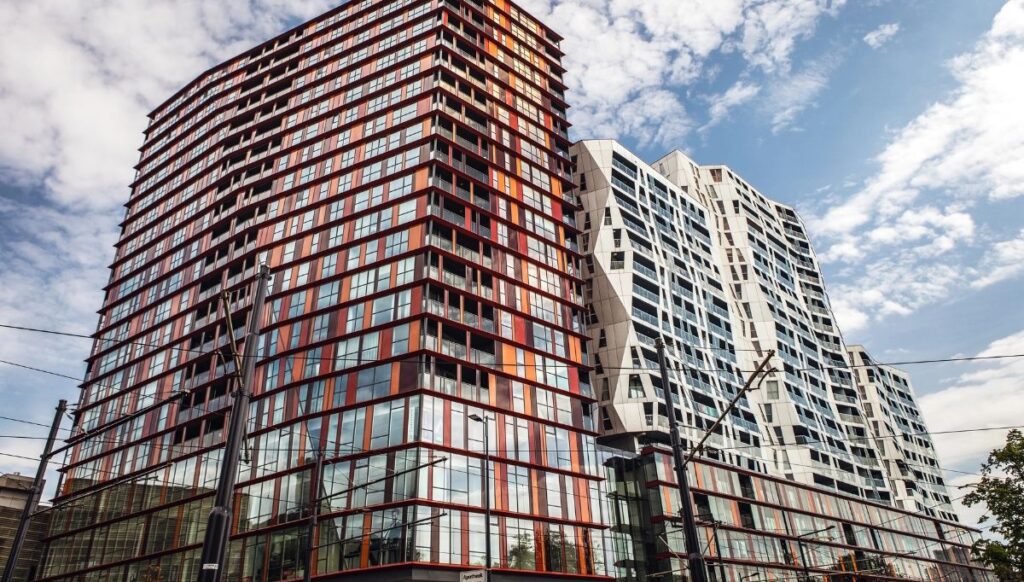
Ensuring Public Safety and Structural Integrity
Beyond a building’s appearance, the primary reason for facade inspections is safety. The facade is the building’s first line of defense against the elements, acting as its “windshield, sun-screen and thermal blanket.” Over time, exposure to wind, rain, and temperature fluctuations can cause materials to degrade, connections to loosen, and components to fail. A thorough commercial structural inspection by a qualified engineer is essential to identify these potential hazards before they become critical. This proactive check ensures that every panel, window, and fixture is securely in place, protecting pedestrians below and maintaining the structural soundness of the entire building for its occupants.
Complying with Local Laws and Avoiding Fines
Many cities have established facade inspection ordinances to protect the public, especially for taller or older buildings. For example, some municipalities require that “owners of properties higher than six stories must have exterior walls and appurtenances inspected every five (5) years.” Failing to comply with these local regulations can result in significant fines and legal notices. These laws are not just bureaucratic hurdles; they are critical safety mandates. Engaging with a professional engineering firm to schedule regular inspections ensures your property remains compliant, helping you avoid costly penalties and demonstrating a commitment to public safety and responsible property management.
Preserving Property Value and Reducing Long-Term Costs
Regular facade inspections are a smart financial strategy. Think of them as preventative care for your most valuable asset. Identifying and addressing minor issues—like a small crack, a failing sealant, or early-stage corrosion—is far less expensive than dealing with major structural failures down the road. As experts note, “Finding problems with a building’s facade early on can prevent bigger, more dangerous issues and save money in the long run.” This proactive approach helps you create a predictable maintenance budget, prevents unexpected emergency repairs, and preserves your building’s curb appeal and overall market value. A well-maintained facade signals a well-managed property, which is attractive to tenants and buyers alike.
Consequences of Neglecting Inspections
Ignoring the need for regular facade inspections can lead to a cascade of negative outcomes. What starts as a minor, unseen issue can escalate into widespread water intrusion, compromising the building’s structural integrity and leading to incredibly expensive repairs. Beyond the financial strain, a deteriorating facade poses a direct threat to public safety. The risk of falling debris is a property owner’s worst nightmare, carrying immense legal liability and the potential for tragic accidents. When failures occur, a forensic engineering investigation is often required to determine the cause, a situation that is both costly and damaging to a property’s reputation. Simply put, neglecting inspections is a gamble with your investment and the well-being of the community.
Building Facade Inspection:
Building facade inspection entails a comprehensive assessment of exterior walls, examining materials such as glass panels and cladding systems for signs of deterioration, damage, or unsafe conditions.
An inspection is typically conducted at five year intervals to ensure ongoing maintenance and public safety.
The inspection will look at all the fixings, resistance to the elements and any signs of structural fatigue in the structure that makes up the building envelope.
A Closer Look at NYC’s Façade Inspection & Safety Program (FISP)
New York City takes the safety of its pedestrians seriously, which is why it established the Façade Inspection & Safety Program (FISP), often remembered by its former name, Local Law 11. This regulation is designed to ensure the exteriors of tall buildings are properly maintained and don’t pose a risk to the public below. Think of it as a required health check-up for a building’s skin. The core purpose of FISP is to identify potential hazards like loose bricks, cracked masonry, or deteriorating window fixtures before they can become a danger, helping to keep the city’s busy sidewalks safe for everyone.
FISP Compliance and Qualified Inspectors (QEWI)
Not just anyone can perform a FISP inspection. The city mandates that these critical assessments be carried out by a Qualified Exterior Wall Inspector (QEWI). A QEWI is a licensed professional engineer or a registered architect who has been vetted and approved by the NYC Department of Buildings. This requirement ensures that inspections are conducted by experts with the specific knowledge needed to evaluate a building’s exterior integrity accurately. They have the training to spot subtle signs of wear and tear that could lead to major problems, making their role essential in upholding the city’s safety standards and protecting property owners from liability.
Building Classifications: Safe, SWARMP, and Unsafe
After a QEWI completes their inspection, they file a technical report that classifies the building into one of three categories. A “Safe” classification means no repairs are needed for the next five years. “Safe with a Repair and Maintenance Program” (SWARMP) indicates the building is currently safe but has issues that must be addressed within five years to prevent them from becoming hazardous. The most critical classification is “Unsafe,” which means the building poses an immediate danger to people or property. In this case, repairs must be completed within one year to resolve the hazardous conditions and bring the building into compliance.
Reporting, Deadlines, and Penalties
The entire FISP process is managed digitally through the city’s online portal, DOB NOW: Safety, where all reports are filed and payments are made. Building owners must adhere to strict deadlines for submitting their inspection reports and completing any required repairs. Failing to meet these deadlines can result in significant financial penalties. The city imposes fines for late filings, failure to correct unsafe conditions, and other violations. These penalties underscore the importance of proactive maintenance and timely compliance, encouraging building owners to prioritize the safety and upkeep of their properties to avoid costly consequences and ensure public well-being.
How to Obtain Facade Inspection Reports:
Following a facade inspection, an inspection report is generated outlining findings, recommendations, and any necessary remedial actions.
This report serves as tools for property owners, offering insights into the structural health of their buildings and guiding maintenance efforts to address potential risks. These reports can play a vital role in providing historic data should a building need changes down the road.
Why Facade Inspection Matter:
Facade inspection is not merely a routine maintenance task; it is crucial for ensuring public safety and preserving urban landscapes.
In cities like New York and San Francisco, the urban environment is densely populated, with buildings becoming taller and more technologically advanced.
In these landscapes, facade ordinance plays a vital role in upholding the structural integrity of these glass and metal towers, mitigating risks associated with aging buildings and evolving environmental factors.
Facade Ordinance:
Facade codes and regulations are laws passed by local authorities requiring the periodic inspection of certain building facades to help ensure public safety.
There are several local regulations in each city, regulating the need and frequency of facade inspections.
For example, in New York, facade inspection is governed by local laws, such as the Facade Ordinance, commonly known as Local Law 11.
These regulations mandate periodic inspections of building facades to identify and address any unsafe conditions, underscoring the importance of proactive maintenance in densely populated urban environments.
Challenges and Innovations:
The dynamic nature of urban landscapes poses unique challenges for facade inspections. Innovations in wind modeling and facade engineering are constantly evolving to address these challenges, ensuring buildings remain resilient in the face of environmental pressures and architectural advancements.
Conclusion:
Facade inspections are an indispensable aspect of building maintenance and safety, particularly in densely populated urban environments.
By prioritizing regular inspections and proactive maintenance efforts, property owners can uphold structural integrity, ensure public safety, and preserve the architectural heritage of our cities.
As cities continue to evolve, embracing innovative solutions and adhering to regulatory requirements will be paramount in safeguarding urban landscapes for generations to come.
We’re Here to Help
Ensure the safety and longevity of your building facades. Contact a licensed professional engineer or registered architect today to schedule a comprehensive facade inspection.
Frequently Asked Questions
My building looks fine from the outside. Is a professional facade inspection really necessary? It’s a common thought, but a building’s exterior can be deceptive. Many serious issues, like water seeping behind panels, corrosion of structural ties, or cracks in hidden areas, aren’t visible from the ground. A professional inspection is like a preventative health screening for your property. It’s designed to catch these small, unseen problems before they can develop into major safety hazards and lead to far more expensive repairs.
How often should I have my building’s facade inspected? The right frequency often depends on your local city ordinances, as well as your building’s age, height, and the materials used in its construction. Many municipalities legally require inspections every five years for buildings over a certain size. Even if there isn’t a strict law in place for your property, establishing a regular inspection cycle with an engineer is a smart move to protect your investment and ensure long-term safety.
Are these inspections actually required by law? In many cities, especially for taller commercial buildings, the answer is yes. Local governments create facade ordinances to protect public safety, and failing to comply can result in steep fines and legal notices. These laws aren’t just red tape; they are critical safety measures. A professional engineer can help you understand the specific requirements in your area and ensure your property remains fully compliant.
What should I look for when hiring an inspector for my building’s facade? The quality of your inspection hinges on the expert you hire. You should always choose a licensed professional engineer or a registered architect who has specific, proven experience with building exteriors and facade systems. Don’t hesitate to ask about their qualifications and their experience with buildings similar to yours. A true expert will be able to spot subtle issues that a general inspector might miss, giving you a truly accurate assessment of your property’s condition.
What happens if the inspection uncovers a problem? Finding an issue isn’t a cause for panic; it’s an opportunity to act. A thorough inspection report will do more than just point out flaws. It will provide a detailed analysis of the problem’s root cause and offer clear, actionable recommendations for repairs or maintenance. Your engineer will help you prioritize the findings so you can create a sensible plan and budget to address any issues, protecting both your property and the public.
Key Takeaways
- Prioritize Regular Inspections to Protect Your Asset: Staying ahead of facade maintenance is crucial for ensuring public safety, complying with local laws, and preventing minor issues from turning into costly structural failures.
- Hire a Licensed Professional Who Follows Industry Standards: The accuracy of your inspection hinges on the inspector’s expertise. Ensure you work with a qualified engineer or architect who uses established guidelines, like those from ASTM, to provide a thorough and reliable assessment.
- Maintain Detailed Building Records for a Smoother Process: You can help your engineering team and get a more effective assessment by keeping organized files of original plans, past repairs, and previous inspection reports. This historical context is invaluable.
