

From the tallest skyscraper to your backyard deck, an invisible force holds everything together. That force is #structuralengineering—the science of designing strong, stable, and safe structures. It’s what ensures buildings can handle their own weight, heavy snow, and even strong winds. But what does a structural engineer actually do, and how is it different from architecture? We’ll explore the essentials of structural engineering, why it’s so important, and the surprising ways it impacts your daily life.
So what is Civil Engineering, Structural Engineering and their differences? Civil Engineering is a term for a broad range of engineering disciplines that serve our society. This industry is known as the Architecture, Engineering and Construction Industry (AEC). Structural Engineering is just one concentration of Civil Engineering.
Some other concentrations include Geotechnical, Transportation, Hydraulic and Environmental Engineering. A civil engineer will typically specialize in one of these concentrations and each discipline has a specific focus and responsibility that may be required for a civil project.
Civil Engineers who opt to concentrate in Structural Engineering choose to focus on the science and art of
- Planning
- Designing
- Constructing safe and economical structures that will serve their intended purposes
Whether that purpose is a bridge, building, or support for mechanical equipment, if the structure is being subjected to forces, it requires structural engineering.
In order to produce efficient solutions, structural engineering requires awareness and intuition, a knowledge in physics and mathematics, and an understanding of best construction practices. It also requires a curiosity and desire to continue to learn as new and powerful technologies are becoming more integrated into the industry.
Sound structural engineering typically begins with establishing all the functional requirements of the project prior to preliminary design. If the project requires architects or other consultants, the structural engineer will work with them to establish these requirements. They will include the general layout of the structure, the materials used in construction, as well as possible types of structural elements and their material properties.
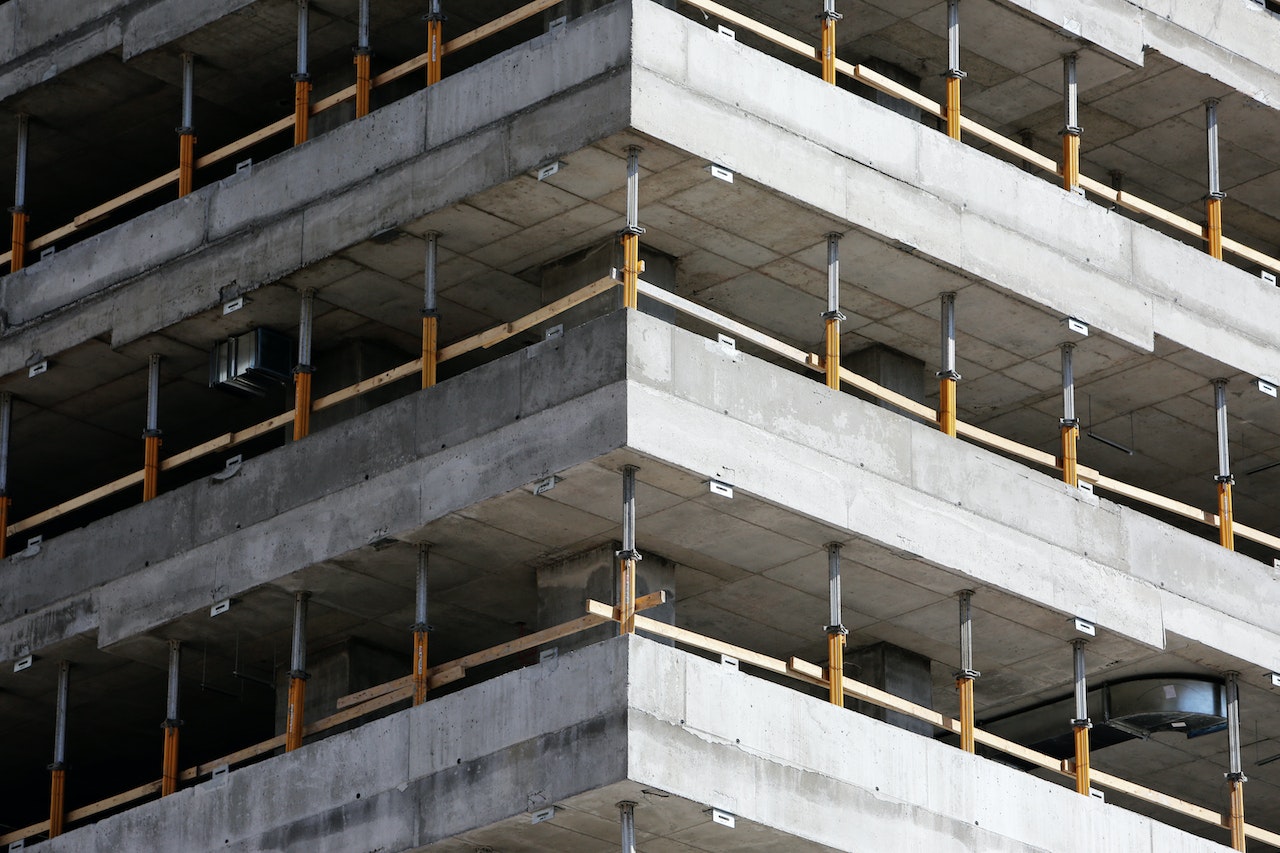

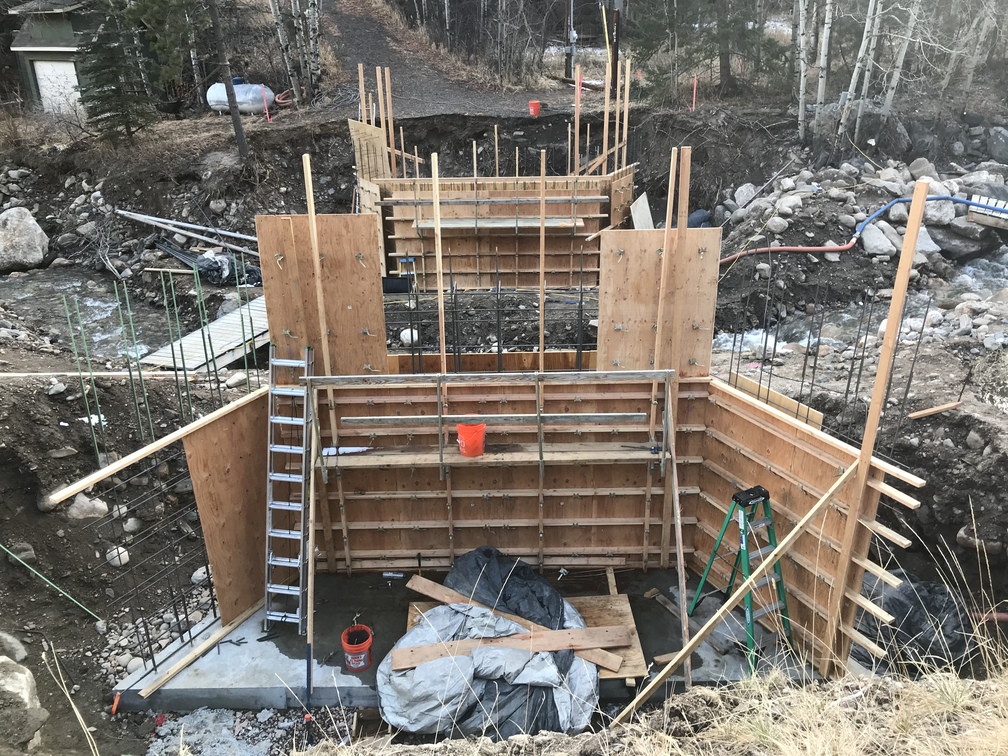
During this time, they may also give input on non structural factors such as the environmental impact, general aesthetics and so on. Ultimately, the responsibility falls upon the designer to be aware of all the requirements and factors affecting the project. This applies whether the project is existing or new.
What is Structural Engineering?
At its core, structural engineering is the practice of designing the “bones” of a structure to make sure it’s safe, stable, and can withstand all the forces it will encounter. Think of it as the invisible framework that holds everything together, from a towering skyscraper to the new deck in your backyard. It’s a specialized field within civil engineering that focuses on making sure buildings don’t just look good, but are fundamentally sound. A structural engineer analyzes the pressures of gravity, wind, snow, and even the weight of people and furniture to create a design that can handle it all without collapsing. This involves a deep understanding of physics, materials, and building codes to ensure every project is built to last.
This discipline is crucial for nearly every construction project, whether it’s a brand-new build or a renovation. For homeowners, a structural engineer is the expert you call when you want to remove a load-bearing wall to create an open-concept living space or investigate a crack in your foundation. For developers and contractors, they are essential partners from day one, providing the calculations and plans needed for everything from multi-story commercial buildings to residential subdivisions. Their work provides the peace of mind that the structures we live and work in are not only functional but, most importantly, safe for everyone who uses them.
Fundamental Concepts
The fundamental concept of structural engineering is managing loads and forces. Every structure is constantly being pushed and pulled by different forces. The primary force is its own weight, known as the “dead load.” Then there are “live loads,” which include temporary forces like people, furniture, and snow. Finally, you have environmental loads like wind and seismic activity. A structural engineer’s job is to design a system that can safely transfer all these loads down through the structure and into the ground. They do this by creating a stable skeleton for the building, ensuring it can resist bending, twisting, and buckling under pressure.
Key Structural Elements
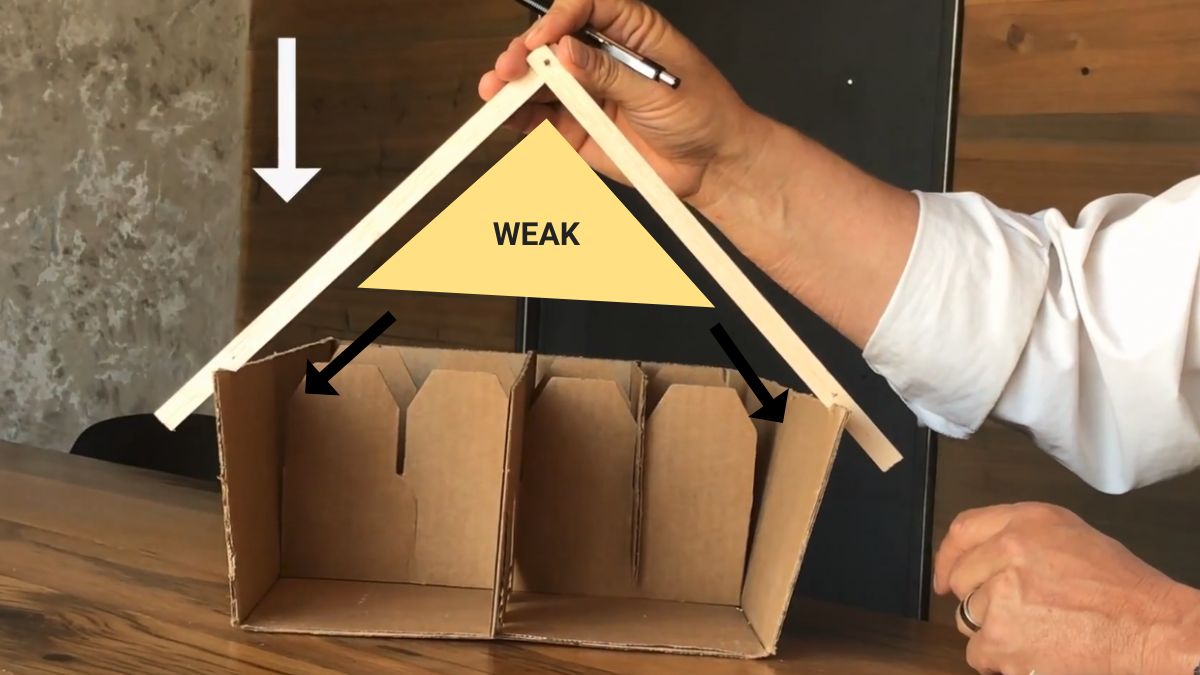
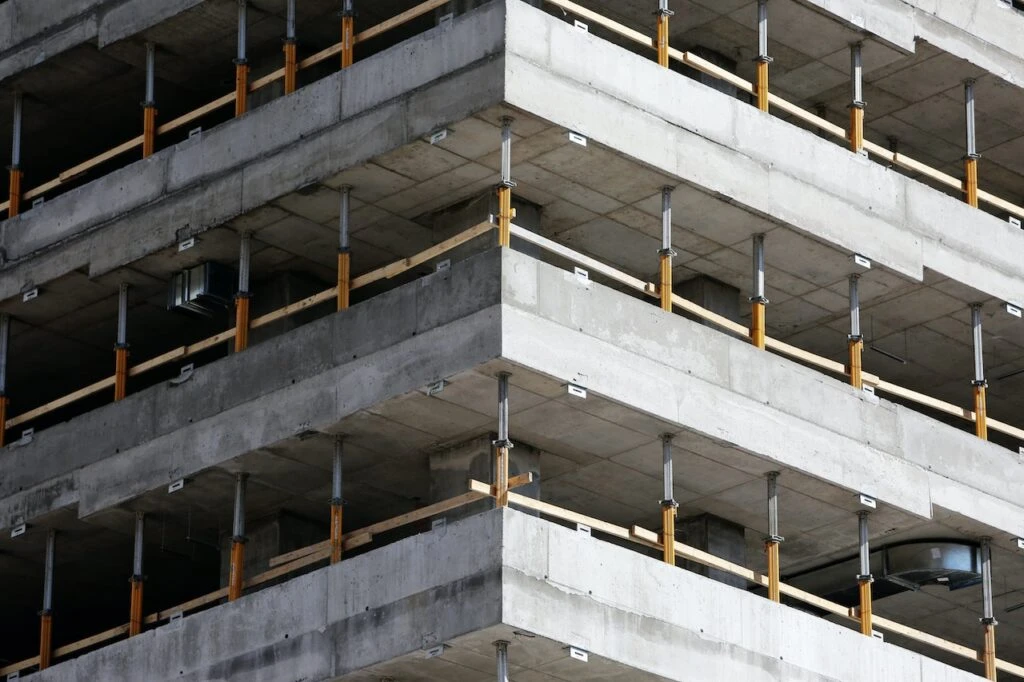
To manage these forces, engineers use a handful of key structural elements that work together in a system. You can think of these as the individual parts of a skeleton. Columns are the vertical supports, like legs, that carry weight downward. Beams are the horizontal elements that support floors and ceilings, carrying loads over to the columns. Trusses are efficient, triangle-based frameworks often used in roofs and bridges to span long distances. Other elements like plates, shells, and arches are also used to create strong, stable, and efficient structures for all kinds of projects.
Common Building Materials
The choice of material is just as important as the design itself. Engineers select materials based on their strength, durability, cost, and the specific needs of the project. Concrete is incredibly strong under compression, making it ideal for foundations and columns. Steel is strong in both tension and compression, which is why it’s used for beams and the frames of large buildings. Timber is a versatile and renewable resource popular in residential construction for its balance of strength and workability. Other materials like masonry, aluminum, and modern composites are also part of an engineer’s toolkit.
A Brief History of Structural Engineering
While structural engineering feels like a modern profession, its roots go back thousands of years. The earliest structural engineers were the master builders of the ancient world who relied on intuition, experience, and trial and error. Think of the Egyptian pyramids, built around 2700 B.C., or the incredible aqueducts and Colosseum of the Roman Empire. These builders didn’t have computer software or advanced physics, but they had a deep, practical understanding of materials and geometry. They learned what worked by studying past successes and, just as importantly, failures. This hands-on knowledge was passed down through generations, allowing for the construction of some of history’s most enduring and awe-inspiring monuments.
From Ancient Builders to Modern Science
The transition from master builder to modern engineer began during the Renaissance, as figures like Leonardo da Vinci started to scientifically study the forces acting on structures. However, the real shift happened during the Industrial Revolution in the 18th and 19th centuries. The development of new materials like cast iron, wrought iron, and eventually steel, demanded a more precise, mathematical approach. This era saw the birth of civil engineering as a formal profession. Engineers began applying scientific principles to design bridges, factories, and railway networks, moving away from pure intuition and toward calculated, predictable results that could be replicated on a massive scale.
The Industrial Revolution and the Birth of a Profession
With the Industrial Revolution came the need for bigger, stronger, and more complex structures than ever before. The invention of modern concrete and the mass production of steel opened up a world of possibilities, but these new materials also presented new challenges. Engineers could no longer rely solely on traditional building methods. This necessity drove the development of the theories and mathematical formulas that are still the foundation of structural engineering today. It became a distinct profession, separate from architecture, focused specifically on the science of stability and strength, ensuring that ambitious new designs were also safe and reliable.
Learning from Structural Failures
As much as we celebrate engineering triumphs, the profession has learned some of its most important lessons from failures. Every bridge collapse or building failure throughout history has been a harsh but invaluable learning opportunity. Engineers meticulously study these events to understand exactly what went wrong—was it a design flaw, a material defect, or an unforeseen force? This process, known as forensic analysis, has led to stronger building codes, better materials, and safer design practices. It’s a humbling reminder of the immense responsibility engineers carry and drives the continuous improvement that makes modern structures so incredibly reliable.
What Does a Structural Engineer Do Day-to-Day?
The daily life of a structural engineer is a mix of creative problem-solving, precise calculation, and collaborative teamwork. While they spend a good portion of their time in the office, their work extends far beyond a desk and a computer. They are deeply involved in a project from the initial concept all the way through to the final nail being hammered in. An engineer might start their day reviewing architectural drawings for a new home, then move on to calculating the load requirements for a commercial renovation, and end the afternoon at a construction site inspecting foundation work. It’s a dynamic role that requires both technical expertise and practical, hands-on engagement to bring a project to life safely and efficiently.
The Design Phase: Drawings and Calculations
A huge part of an engineer’s job is the design phase, where they act as the architect of a building’s skeleton. Using sophisticated software, they create detailed drawings and models of the structural system. These plans are like an instruction manual for the builders, specifying the exact size, material, and placement of every beam, column, and connection. This isn’t just about drawing lines; it involves complex calculations to ensure the structure can support itself and withstand external forces. Whether it’s for a custom new home build or a simple deck, this meticulous planning is what guarantees the final structure will be sound.
The Construction Phase: Site Visits and Collaboration
An engineer’s work doesn’t stop once the plans are approved. During construction, they become a key resource for the building team. They make regular site visits to observe the work and ensure it aligns with their designs. These structural inspections are critical for catching potential issues before they become serious problems. Engineers also answer questions from contractors, review material certifications, and help solve any unexpected challenges that arise on-site. This collaborative role is essential for translating the detailed plans into a physical structure that is built correctly, safely, and to the highest standard.
So what is the difference between Architects and Structural Engineers?
Where Architects bring the vision for a structure, their concerns and expertise are generally geared towards the general purpose and aesthetics of the structure, meeting building code requirements such as fire and occupancy, and the overall user experience.
Structural Engineers will take the Architects vision and evaluate if it is economically possible to bring to life. There are many possible situations to consider. Equipped with knowledge in wind engineering and seismic engineering, a structural engineer develops a design that not only considers how the structure responds to human or mechanical interactions due to gravity, but also the location and topographic factors to withstand the forces of nature.
Overall, they are responsible for the prediction of the performance of a given structure under various worst case loading scenarios.
A deep understanding in mechanics of materials is fundamental to create a proper economical design. Engineers must reasonably yet conservatively predict all the possible forces the structure will undergo, understand the load paths created by them and how the structure will respond throughout all members down to the foundation design.
Types of Structural Engineering Specializations
Just like doctors specialize in different areas of medicine, structural engineers often focus on specific types of structures or challenges. While the core principles of physics and mathematics are the same for everyone, the real-world application can look vastly different from one project to the next. This level of focus is crucial because it ensures that no matter how unique or complex a structure is, there’s an expert with the right knowledge to design it safely and efficiently. From the house you call home to the bridges you drive over every day, a structural engineer with a specific skill set played a key role in making sure it stands strong. Let’s explore a few of the major specializations within this fascinating field.
Buildings and Infrastructure
This is the specialization most people picture when they think of structural engineering. These experts design our homes, offices, schools, and bridges, focusing on creating structures that are safe, functional, and durable. They work closely with architects to ensure a building is not only beautiful but also structurally sound, calculating everything from beam sizes to foundation design. At Level Engineering, this is our bread and butter—we provide the commercial and residential structural engineering that brings our clients’ visions for new builds and remodels to life.
Aerospace, Mechanical, and Other Fields
Structural engineering principles extend far beyond buildings. A specialized group of engineers applies these concepts to other complex systems, like designing aircraft to handle the incredible stresses of flight. Mechanical structural engineers might design a car’s chassis for crash safety or the support for heavy industrial machinery. They even work on smaller projects, like designing medical equipment to be both lightweight and strong. This work ensures safety and performance in countless products we use every day by analyzing loads and designing structures that can safely resist them.
Earthquake Engineering
In regions prone to seismic activity, earthquake engineering is a critical specialization. These engineers design structures to withstand an earthquake’s violent shaking, using advanced analysis and innovative techniques to make buildings more resilient. One method is “base isolation,” where a building sits on bearings that let the base move with the ground while the structure above stays stable. While major earthquakes aren’t a primary concern in Colorado, our engineers must account for unique local challenges, like expansive soils and heavy snow loads, which require specialized foundation engineering and robust roof designs.
Structural Engineering Technological advances
Structural Engineering has always been an integral part of the human endeavor. Yet, it hasn’t been until recently, with the development in materials and computer programs that such complex and efficient structures have been capable of being created.
In fact, nowadays the structural and civil engineering industries rely heavily on computer aided design (CAD) and 3D modeling. Engineers are required to model and understand in depth the output results from these programs to not only determine if the structure works, but also discern if the virtual model was correctly built.
In addition to member and connection design, BIM (Building Information Modeling) helps engineers collaborate with general contractors, builders, other engineering disciplines, and construction companies to solve coordination issues that otherwise wouldn’t have been discovered until the construction phase.
How to Become a Structural Engineer
In order to practice structural engineering in the United States, it is required by each state to become a licensed professional.
Applicants must pass a test, be approved by a state board and meet the following requirements:
- A Bachelor’s degree in Civil Engineering
- Minimum of 4 years of post school experience under a Licensed Engineer
Once an engineer is licensed, they can apply for a transfer to other states to practice structural engineering in that state.
They will need to provide:
- Proof of passing the PE exam
- Completed state-specific paperwork for the state you are transferring to
- School transcripts or supplementary experience records and references
- Completed state-specific PE license application to that state
Ultimately, Structural Engineering involves a deep understanding in science, construction, and technology to develop an economical design that meets the project’s intentions while staying within budget. It is crucial for the structural engineer to be creative with great attention to detail, knowledgeable and innovative.
Education and Accreditation
Becoming a structural engineer is a dedicated path that requires state licensure to practice professionally in the United States. The first step is earning a Bachelor’s degree in Civil Engineering from an accredited university. After graduation, you’ll need to gain at least four years of real-world experience working directly under a Licensed Engineer. This mentorship is crucial for applying complex theories to practical design challenges. The final hurdle is passing a comprehensive state board exam to officially earn your license. This rigorous process ensures that every professional has the expertise and accountability to design safe, sound structures, whether it’s for a custom new home build or a complex commercial project.
Salary and Job Market Outlook
If you’re looking for a stable and rewarding career, the job market for structural engineers is incredibly strong. With a constant need to repair and expand our nation’s infrastructure—from bridges to buildings—skilled engineers are in high demand. For new graduates, starting salaries often begin around $70,000 and can increase substantially with experience and licensure. It’s common for engineers to see their income grow to the $85,000–$90,000 range after just a few years in the field. This consistent demand and significant earning potential make it a secure career path for those passionate about shaping the built environment through thoughtful commercial structural engineering and residential design.
Why is Structural Engineering Important?
Whether it’s designing new structures, or maintaining existing ones as they begin to age or become damaged, the science of structural engineering keeps us safe and efficient as we continue to grow and advance as a society.
No matter the issue, if you are in need of a structural engineering solution, our engineers and Architects are prepared and ready to help.
Give us a call today.
When Do You Need to Hire a Structural Engineer?
Knowing that structural engineering is vital for safety is one thing, but knowing when to actually pick up the phone and call an engineer is another. For homeowners, contractors, and real estate agents, certain situations and projects absolutely require professional engineering oversight. It’s not just about following rules; it’s about ensuring the structural integrity of a building for everyone who uses it. If your project involves altering the bones of a structure, you’ll want an expert on your team to make sure it’s done right.
Projects That Require an Engineer’s Stamp
Certain projects require a licensed professional engineer to review, sign, and stamp the plans before a building permit can be issued. This stamp is official verification that the designs are safe and compliant with local building codes. You will almost certainly need to hire a structural engineer when you’re building a new structure from the ground up, whether it’s a custom home or a commercial building. Major renovations also fall into this category. For example, if you’re planning to remove a load-bearing wall for that open-concept kitchen, an engineer needs to calculate the new loads and design a proper support system. The same goes for significant home additions, like adding a second story or even a large deck that will bear a lot of weight.
Understanding the Costs
It’s natural to focus on the budget, and adding another professional to the payroll might seem like a pure expense. However, bringing a structural engineer on board early is an investment that can save you money in the long run. A good engineer doesn’t just ensure safety; they create efficient and economical designs. By analyzing the project’s requirements, they can prevent over-engineering (which wastes money on unnecessary materials) and identify potential issues before they become costly construction problems. The cost of engineering services is a small fraction of the total project budget, but it provides immense value by protecting your investment and giving you peace of mind that the structure is sound and built to last.
Frequently Asked Questions
What’s the difference between a structural engineer and a home inspector? A home inspector is a generalist who assesses the overall condition of a home, identifying visible issues from the roof to the foundation. A structural engineer is a specialist you call when a specific structural concern is found or suspected. While an inspector might flag a large crack in the foundation, an engineer will analyze its cause, determine if it compromises the home’s integrity, and design a specific repair plan.
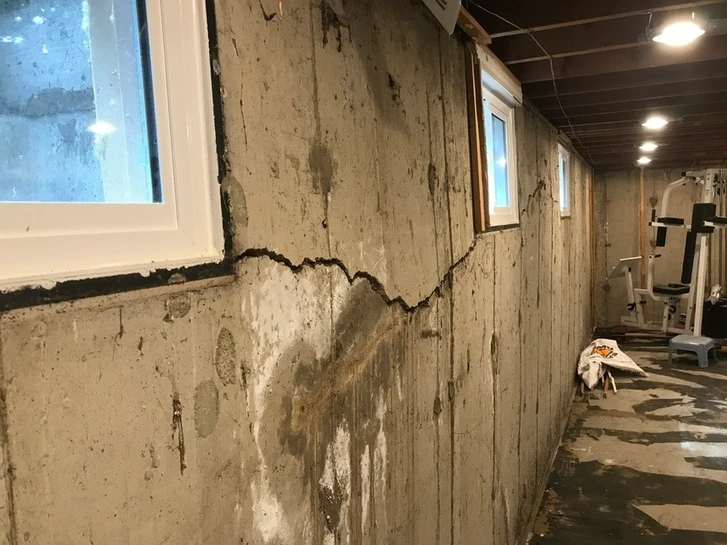
I see a crack in my wall. Do I need to call a structural engineer right away? Not every crack is a sign of a major problem. Small, hairline cracks in drywall are often due to normal settling. However, you should consider calling an engineer if you see cracks that are wider than a quarter-inch, are growing, or appear over doorways and windows. Other red flags include sloping floors, sticking doors, or horizontal cracks in your foundation. An engineer can determine if these are symptoms of a serious issue or just cosmetic flaws.
For a big remodel, should I hire an architect or a structural engineer first? For most major remodels, you’ll likely start with an architect or a designer. They help you shape the vision, layout, and aesthetics of your project. Once that vision involves changing the building’s structure—like removing a wall or adding a second story—the architect will bring in a structural engineer. The engineer then works with the architect to make sure the beautiful design is also safe, stable, and buildable.
What factors influence the cost of hiring a structural engineer? The cost depends entirely on the scope and complexity of your project. A simple consultation to assess a foundation crack will cost less than designing the entire structural system for a new custom home. Key factors include the size of the project, the level of detail required for the plans, the number of site visits needed, and the overall complexity of the structural challenges that need to be solved.
What does it actually mean when an engineer “stamps” a drawing? An engineer’s stamp is their professional seal of approval on a set of plans. It signifies that a licensed professional has reviewed the design and confirms that it is safe and complies with all relevant building codes. This stamp is a form of legal and professional accountability, assuring the city building department, your contractor, and you that the structure is designed to be sound.
Key Takeaways
- Structural engineering designs a building’s “bones” for safety. It’s the specialized field focused on creating a stable framework that can handle all loads and forces, ensuring the structures we live and work in are fundamentally sound.
- Architects create the vision; engineers make it stand. While an architect focuses on aesthetics and function, a structural engineer provides the critical calculations and plans to ensure that vision can be built safely, efficiently, and to code.
- Any project altering a building’s core structure requires an engineer. You’ll need to hire one for new builds, removing a load-bearing wall, or adding a second story to ensure the project is safe, secure permits, and protect your investment.
