


As a property owner, the stability of your commercial building foundation rests squarely on your shoulders. It’s easy to focus on what you can see, but the biggest risks often develop out of sight. Issues like shifting soil and poor drainage can silently compromise your building’s structure, leading to expensive commercial building foundation repair later on. A proactive commercial foundation inspection is your best defense. It’s a critical step for protecting your investment, ensuring tenant safety, and avoiding major liabilities.
These inspections are not merely a procedural formality; they are a proactive measure against unforeseen damage and costly repairs. In this article, we look into the essentials of foundation inspections, highlighting the process, common pitfalls, and the ultimate value these inspections provide.
Don’t be caught off guard, have your building manager arrange regular structural inspections with a qualified structural engineer. Ensure the longevity of your most valuable assets.
What are Commercial Foundations?
Commercial foundations are the bases upon which commercial buildings stand. Unlike residential buildings, commercial structures often bear heavier structural loads and are occupied by heavy machinery that is seldom static in nature.
The foundation types used in commercial construction vary, with common choices including Shallow foundation, spread footings, mat foundations, and raft foundations. Each type caters to different soil conditions and structural requirements. These requirements are best identified by a competent structural engineer, be it for a new build when affecting critical structural repairs.
Types of Commercial Foundations:
- Slab on Grade Foundations: Common in warmer climates and areas with stable soil conditions.
- Spread Footings: Used for buildings requiring added support across broader areas.
- Mat Foundations (Raft Foundations): Ideal for supporting heavy structural loads over large areas.
- Shallow Foundation: Suitable for buildings where the load-bearing capacity of the upper layers of soil is sufficient.
Who is responsible for safeguarding these foundations?
There is a common misconception that the local building department is responsible for ensuring buildings are safe for use. This is not always true, in fact, most local building departments are under funded and have immunity against structural failures, leaving property owners and the professional teams they appoint responsible for ensuring the building’s foundations and structural system is sound.
Building owners often have large property portfolios and outsource the management of the building to professional building or asset managers. It is up to these building managers to ensure that regular structural inspections are carried out on building foundations.
It is up to the building owner to ensure that these inspections are included in the building manager’s activities. If not, they may be caught off guard with nobody to turn to for the critical data on their building’s structural performance.
Foundation Inspection
Regular foundation inspections are vital for maintaining the structural integrity of commercial buildings. Qualified structural engineers look for signs of damage or wear, such as cracks in concrete, shifting soil, and uneven floors. These issues can indicate deeper problems that, if left unaddressed, could compromise the building’s stability.
Common Issues Detected:
- Cracks and Gaps: Indicators of stress and potential structural failure.
- Shifting Soil: Can lead to misalignment and instability.
- Water Damage: Can weaken the concrete and underlying soil, leading to significant structural issues.
Specific Signs of Foundation Problems to Look For
Knowing what to look for is the first step in protecting your property. Foundation issues rarely appear overnight; they usually develop over time, leaving a trail of clues. By regularly checking for these signs, you can catch problems early before they escalate into major structural failures. It’s about being proactive rather than reactive. A quick walk around the exterior and a careful look inside can reveal subtle shifts and stresses that might indicate a deeper issue with the foundation. Paying attention to these details can save you significant time, money, and stress down the road.
Exterior Warning Signs
Start by examining the outside of your building. Look closely at the foundation itself for any visible cracks, especially horizontal ones or “stair-step” cracks in brick or concrete block walls. These can be indicators of stress and settlement. Also, check the exterior walls for cracks and gaps, particularly around window and door frames. A leaning chimney or walls that appear to be bowing or bulging are more severe signs that demand immediate attention. If you notice any of these issues, it’s wise to schedule a commercial structural inspection to get a professional assessment of the situation and understand the underlying cause.
Interior Warning Signs
Inside the building, the signs can be just as telling. Look for cracks in drywall, especially those that run from the corners of doors and windows up toward the ceiling. Doors and windows that stick, jam, or no longer latch properly can indicate that the frame has shifted due to foundation movement. Uneven or sloping floors are another classic red flag. You might also notice gaps between the walls and the ceiling or floor. These symptoms often point to problems like shifting soil or water damage weakening the structure from below, issues that only expert foundation engineers can properly diagnose and address.
The Inspection Process
A thorough foundation inspection is critical for identifying potential issues early on. The process involves several steps:
- Initial Assessment: Inspectors evaluate the visible aspects of the commercial building’s foundation, looking for cracks, uneven floors, and other signs of structural instability.
- Detailed Examination: This includes checking the integrity of structural elements like walls, floors, and the underlying soil.
- Structural Analysis: Engineers analyze the structure’s weight distribution and how well the foundation supports this load.
- Soil Testing: Understanding soil conditions is crucial, as shifting soil can lead to foundation problems.
What a Full Commercial Property Inspection Covers
Think of a full commercial property inspection as a comprehensive health check for your building. It’s a structured review designed to give you a clear picture of the property’s condition, estimate necessary repairs, and flag any safety issues that could impact your investment. A qualified inspector will systematically evaluate the entire site, but they pay special attention to five key systems. These include the roof, the building’s core structure, the electrical systems, all plumbing, and the heating and cooling (HVAC) systems. A thorough commercial structural inspection goes beyond the obvious, helping you uncover potential hidden costs like future repairs or necessary upgrades before they become major problems.
Preparing for the Foundation Inspection
A little preparation can go a long way in making your foundation inspection efficient and effective. Before the engineer arrives, the most helpful thing you can do is ensure they have clear, unobstructed access to the foundation. This means moving any stored items, equipment, or debris away from the interior and exterior foundation walls, including in basements or crawl spaces. This simple step allows the inspector to work more quickly and thoroughly, which can save you money, especially if they charge by the hour. It’s also a good idea to gather any relevant documents, such as previous inspection reports or blueprints, that might provide valuable context for the foundation engineer.
Hiring the Right Professional for Your Inspection
When it comes to your commercial property’s foundation, you can’t afford to guess. Bringing in the right expert is the most important step you can take to protect your investment. The choice between a general contractor, a foundation repair company, and an independent structural engineer can make all the difference in the accuracy of the assessment and the effectiveness of any recommended solutions. An expert eye ensures that you’re not just treating symptoms but addressing the root cause of any potential issues, saving you from costly and ineffective repairs down the line.
Why to Hire an Independent Structural Engineer
Choosing an independent structural engineer for your foundation inspection is a strategic move to get an unbiased, expert opinion. Unlike inspectors affiliated with repair companies, an independent engineer has no vested interest in selling you a particular service or product. Their sole focus is to provide a thorough and neutral evaluation of your foundation’s condition. This allows them to identify potential issues early, often before they become major, expensive problems. An independent engineer provides a detailed report outlining their findings and clear, actionable recommendations, giving you the information you need to make sound decisions for your property’s long-term health and stability.
Checking an Inspector’s Qualifications
Not all inspectors have the same level of expertise, especially when dealing with the complexities of commercial structures. It’s essential to hire a licensed Professional Engineer (P.E.) who specializes in structural engineering. These professionals possess the advanced training and experience to assess complex issues that are often invisible to an untrained eye. After a comprehensive commercial foundation inspection, a qualified structural engineer will produce a detailed engineering report. This document clearly identifies the cause of any damage and provides a recommended repair plan, serving as a critical roadmap for any necessary remediation work and ensuring the structural integrity of your building.
Understanding the Cost of a Commercial Foundation Inspection
Investing in a commercial foundation inspection is a proactive measure that safeguards your property’s value. While there is a cost associated with this service, it’s minor compared to the potential expense of major structural repairs. The price of an inspection can vary based on several factors, but understanding these variables will help you budget appropriately and recognize the value you’re receiving. A transparent quote from a reputable engineering firm will break down the costs, ensuring you know exactly what the assessment covers and why it’s a crucial part of responsible property management.
Common Pricing Models
The cost of a commercial foundation inspection isn’t a one-size-fits-all figure. Generally, you can expect prices to range from a few hundred to several thousand dollars, depending on the scope and complexity of the job. A small, single-story retail building will naturally cost less to inspect than a large, multi-level office complex or industrial facility. Most engineering firms offer a flat fee for a standard visual inspection and initial report. For more complex situations that require deeper investigation or ongoing consultation, an hourly rate may apply. A trustworthy firm will always be upfront about their pricing structure.
Factors That Influence the Price
Several key factors influence the final cost of a foundation inspection. The size and age of the building are primary considerations, as larger and older structures typically require more time to assess thoroughly. The type of foundation also plays a significant role; a complex mat foundation, for instance, demands a more detailed analysis than a simple slab-on-grade. Furthermore, if specific issues like significant cracking or settling are already present, the investigation will be more intensive. In some cases, your foundation engineer may recommend additional services like soil testing or detailed structural analysis, which are crucial for a comprehensive evaluation but will add to the overall cost.
Foundation Repair
When foundation issues are detected, timely foundation repair is essential. Addressing problems early can prevent more extensive and costly repairs down the line. Repair methods vary depending on the type of foundation and the severity of the damage.
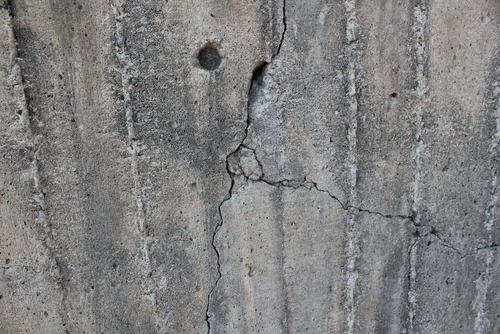
Common Repair Techniques:
- Reinforced Concrete Patching: For minor cracks and surface issues.
- Underpinning: Adding support to existing foundations to stabilize the structure.
- Soil Stabilization: Techniques like grouting to address shifting soil.
Proactive Foundation Maintenance
Staying ahead of foundation problems is always smarter—and more affordable—than reacting to them after the fact. Think of it like regular check-ups for your building’s health. A proactive maintenance plan helps you catch small issues before they spiral into major structural headaches that could disrupt business operations. By focusing on a few key areas, you can significantly extend the life of your commercial property’s foundation and protect your investment. Regular commercial structural inspections are the cornerstone of this approach, providing the expert oversight needed to keep your building on solid ground for years to come.
Manage Water and Drainage
Water is the number one enemy of any foundation. When moisture accumulates around or under your building, it can cause serious trouble. Poor drainage can weaken the concrete and underlying soil, leading to significant structural issues. That’s why managing water flow is non-negotiable. Ensure your property’s gutters and downspouts are clear and directing water far away from the building. The ground around the foundation should also be properly graded to slope away from the walls, preventing water from pooling. Consistent checks of your drainage systems can prevent soil erosion and the hydrostatic pressure that puts your foundation at risk.
Fill Small Cracks Promptly
It’s easy to dismiss a small crack in the concrete as a minor cosmetic flaw, but it can be an early warning sign of a bigger problem. These issues can indicate deeper problems that, if left unaddressed, could compromise the building’s stability. Addressing small cracks as soon as you spot them prevents water from seeping in, which can lead to further deterioration, especially during freeze-thaw cycles. While sealing minor cracks is a good first step, it’s also important to understand why they appeared in the first place. If you notice new or expanding cracks, it’s wise to have them assessed by professional foundation engineers to rule out any underlying structural movement.
Structural Analysis
Structural analysis is a crucial part of foundation inspections. Engineers assess the building’s design, the materials used, and how the foundation interacts with the structural load. This analysis helps determine if the foundation can adequately support the building under various conditions, including the structure’s weight and potential environmental stresses.
The Need for Concern Regarding Your Commercial Building’s foundation?
Our environment is constantly changing, which has a significant impact on the structures we erect on it. Areas such as Florida, Colorado, California, and Texas are prone to ground movement, having an engineer assess the root cause of any foundation shifts in your commercial building is crucial.
Building foundations can shift up to an inch in a year, significantly impacting the stability and precision of commercial or industrial processes that demand extreme accuracy. Without regular and thorough assessments, these movements can compromise the entire construction, leading to costly repairs and operational inefficiencies.
Having the data on hand from regular inspections over the building’s lifespan can help Engineers identify the underlying issues causing the movement. This means they can recommend appropriate solutions to stabilize the foundation, ensuring the structural integrity and longevity of the building.
Structural Instability
Detecting signs of structural instability early can save property owners from significant financial losses. Common signs include uneven floors, cracks in walls, and doors or windows that no longer close properly. These issues often stem from underlying problems with the foundation and must be addressed promptly to maintain the building’s safety.
Pro-Tip: never let a foundation repair product salesman or a building contractor design the solution for a structural problem without the expertise of a qualified structural engineer. When it comes to safeguarding your property there is no substitute for having a structural engineer do an inspection and recommend an effective solution. It could save you millions of dollars in repairing ongoing problems.
Foundation Inspection Report
After completing the inspection process, the foundation engineer will provide a detailed foundation inspection report. This report outlines any issues found, their severity, and recommended repairs. It serves as a valuable record for property owners and building managers, guiding maintenance decisions and investment planning.
The Purpose and Outcome of an Inspection
Think of a foundation inspection as a health check-up for your building. Its main purpose is to catch potential problems before they become catastrophic failures. During a commercial structural inspection, a qualified engineer methodically searches for tell-tale signs of distress, such as cracks in the concrete, uneven floors, or doors that stick. These symptoms often point to deeper issues like shifting soil or water damage that could be compromising the building’s stability. Identifying these red flags early is crucial. It allows you to address the root cause with targeted repairs, saving you from the significant financial burden and safety risks associated with major structural damage down the road.
What is a Property Condition Report (PCR)?
After the fieldwork is done, you’ll receive a Property Condition Report (PCR), sometimes called a foundation inspection report. This document is your roadmap. It doesn’t just list problems; it provides a comprehensive analysis of the foundation’s health. The report will detail any issues the engineer found, explain their severity, and, most importantly, outline a clear set of recommended repairs and next steps. For property managers, it’s an essential tool for planning maintenance and budgeting. For potential buyers, it provides the critical data needed to decide if a property is a sound investment or if it’s better to walk away.
Conclusion
Understanding the importance of commercial foundation inspections is crucial for anyone involved in property ownership, real estate, or construction. These inspections ensure the structural integrity of buildings, prevent costly repairs, and protect investments. By regularly inspecting and maintaining the foundations of commercial properties, owners can safeguard their assets and ensure the long-term stability of their buildings.
If you own or manage a commercial property, don’t wait until issues become apparent. Schedule a comprehensive foundation inspection today to ensure your building remains a solid foundation for your business’s future.
Frequently Asked Questions
Why should I hire an independent structural engineer instead of just calling a foundation repair company for an inspection? Think of it this way: a foundation repair company sells solutions, while an independent structural engineer provides an unbiased diagnosis. An engineer’s only goal is to give you an accurate assessment of your foundation’s health and recommend the most appropriate course of action, even if that action is simply to monitor the situation. This approach ensures you’re addressing the root cause of any issue, not just buying a product or service that might not be necessary.
How often does my commercial foundation need to be inspected? There isn’t a single magic number, but a good rule of thumb is to have a professional inspection every three to five years as part of your regular property maintenance. You should also consider scheduling an inspection sooner if you notice any new warning signs like cracks or sticking doors, after a significant weather event, or if there has been major construction nearby that could affect the ground around your building.
I’ve noticed a few small cracks in the foundation. Should I be worried? Not all cracks signal a catastrophe. Many small, vertical cracks are a normal part of a concrete foundation settling over time. However, certain types, like horizontal cracks or “stair-step” cracks in brickwork, can indicate more serious pressure or movement. The best approach is to have them evaluated by a professional who can determine their cause and tell you if they are cosmetic or a symptom of a larger structural problem.
What’s the most important thing I can do to prevent foundation problems? Water management is, without a doubt, the most critical factor in protecting your foundation. Excess moisture is the primary culprit behind soil shifting and pressure that can lead to damage. You can be proactive by ensuring your gutters are clean, downspouts direct water far from the building, and the ground slopes away from the foundation walls. Keeping water under control is the best defense you have.
What can I expect to receive after the inspection is complete? After a thorough assessment, your engineer will provide you with a detailed document called a Property Condition Report (PCR). This isn’t just a simple checklist; it’s a comprehensive analysis of your foundation’s condition. The report will clearly identify any issues, explain their potential causes, and provide a clear, actionable plan with recommended repairs or next steps, giving you the information you need to make informed decisions.
Key Takeaways
- Regular Inspections are Non-Negotiable: Treat foundation inspections like a routine health check-up for your building. This proactive approach helps you catch subtle shifts and small cracks early, saving you from the massive expense and disruption of major structural repairs later on.
- Always Hire an Independent Engineer: For an unbiased and accurate assessment, a licensed Professional Engineer (P.E.) is your best resource. Unlike a repair contractor, their only goal is to diagnose the root cause of any issues and provide a clear, effective solution, not to sell you a specific service.
- Control Water Around Your Foundation: Water is the biggest threat to your foundation’s stability. You can prevent most common problems by ensuring gutters and downspouts direct water away from the building, maintaining a proper slope in the surrounding ground, and promptly sealing any small cracks.
