
Nothing can derail a real estate deal faster than the words “foundation problem.” Whether you’re preparing to sell your home or you’re in the process of buying, the structural integrity of the foundation is a critical point of negotiation. For sellers, identifying and addressing issues beforehand can ensure a smoother transaction. For buyers, knowing the warning signs is crucial for making a smart investment. This guide provides a comprehensive foundation inspection checklist to help you evaluate a property’s structural health, understand what inspectors look for, and confidently move forward in your real estate journey.
Part 1: Understanding your Home’s Foundation
The structural anchor
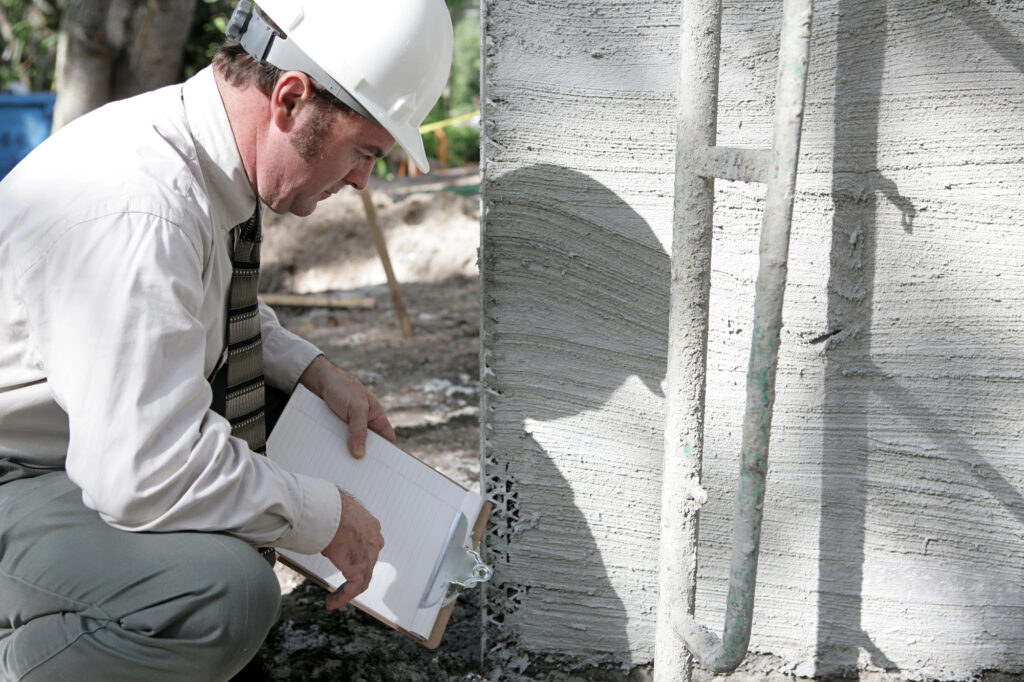
The Foundations and foundation stem walls, if applicable, are crucial in maintaining the structural integrity of your home. These bear the weight of the entire house, distributing it to the natural soil layers to prevent uneven settling and potential damage as well as assuring safe use and maintaining value.
Don’t forget the walls are resisting lateral soil pressures and keeping the exterior moisture, varmints and elements from intruding into your home. Therefore, inspecting the basement foundations or crawl space walls is the first and most critical step in your foundation inspection checklist.
Types of Home Foundations
Not all foundations are built the same. The type supporting your home depends on several factors, including the local climate, soil conditions, and the original design of the house. In Colorado, we see a variety of foundations designed to handle our unique freeze-thaw cycles and expansive soils. Knowing which type you have is the first step in understanding its specific needs and potential issues. Let’s walk through the most common types you’ll encounter.
Concrete Foundations
Concrete is a popular choice for foundations because it’s incredibly strong and durable. These foundations come in a few different forms. A slab-on-grade foundation is a single layer of concrete poured directly onto the ground, which also serves as your home’s floor. For colder areas, you might find a T-shaped foundation, which has footings that extend deeper into the ground to sit below the frost line, providing extra stability. Another type, the frost-protected foundation, is specifically designed for very cold climates and uses insulation to prevent the ground from freezing and shifting. Choosing the right design is a critical decision where professional foundation engineers provide essential guidance to ensure long-term stability.
Basement Foundations
Basement foundations are built deep into the ground to provide valuable additional living or storage space. A full basement is entirely underground and, when finished, can double your home’s usable square footage. A daylight basement is built on a slope, leaving one or more walls exposed to the outside, which allows for windows and doors. Then there are crawl space foundations, which create a short, accessible area under the house for ventilation and access to plumbing or wiring. With any below-ground structure, effective waterproofing is essential to prevent moisture problems. A well-designed basement offers a fantastic opportunity to expand your living area, much like planning a home addition, but by using the space you already have.
Pier and Beam Foundations
A pier and beam foundation elevates the home off the ground instead of having it sit directly on the soil. The house rests on a series of piers (concrete or brick posts) connected by wooden beams, creating a crawl space underneath. This design is beneficial in areas with shifting soils and provides easy access to plumbing and electrical systems for repairs. While common for manufactured homes, some older homes feature this style as well. Because the home rests on individual points rather than a continuous wall, a thorough structural inspection is key to ensuring every pier and beam is sound and properly supporting the structure above it.
What to Look For:
– Cracks in the Walls: Examine both the interior and exterior foundation walls for cracks. Horizontal cracks can be particularly concerning as they may indicate structural deficiency or possible hydrostatic pressure buildup behind the wall. Such pressure can result from improper drainage or excessive water accumulation, which exerts un-intended forces on the wall and can lead to significant structural damage if left unattended.
– Moisture and Mold: Moisture is a common enemy of foundation walls. Look for signs of water intrusion, such as damp spots, mold, and white efflorescence. These can weaken the concrete and reinforcement over time and lead to health issues for the occupants due to mold spores.
– Discoloration: Stains or discoloration on the walls can be evidence of leaks or previous water damage. This discoloration often appears as dark patches or efflorescence, which is a white, powdery substance caused by water-soluble salts, cement elements and critical lime and pozzolans left behind after water evaporates.
– Bowing or Leaning Walls: Walls that are not straight or are bowing could signal serious structural issues. Bowing walls often result from external pressures, such as soil expansion and external soil pressures.
If you notice any bowing or inward leaning of stem walls, it is a clear sign of structural failure and requires immediate professional evaluation.
Foundation Issues: Recognizing Warning Signs
Identifying foundation issues early, like with many mechanical systems, can save homeowners from expensive repairs and maintain the stability of the house. Here are some common foundation issues to watch for:
Normal Settling vs. Problematic Shifting
It’s completely normal for your home’s foundation to shift a little over many years. This gradual process, known as settling, happens as the soil beneath your house compacts under its weight. However, if your foundation shifts a lot or very quickly, it could signal a deeper problem. Rapid or significant movement can be caused by issues like expansive clay soils, which are common in Colorado, poor drainage around the home, or even plumbing leaks saturating the ground. Differentiating between normal settling and a serious structural issue can be tricky, which is why a professional foundation engineering assessment is so valuable for peace of mind.
Decoding Foundation Cracks
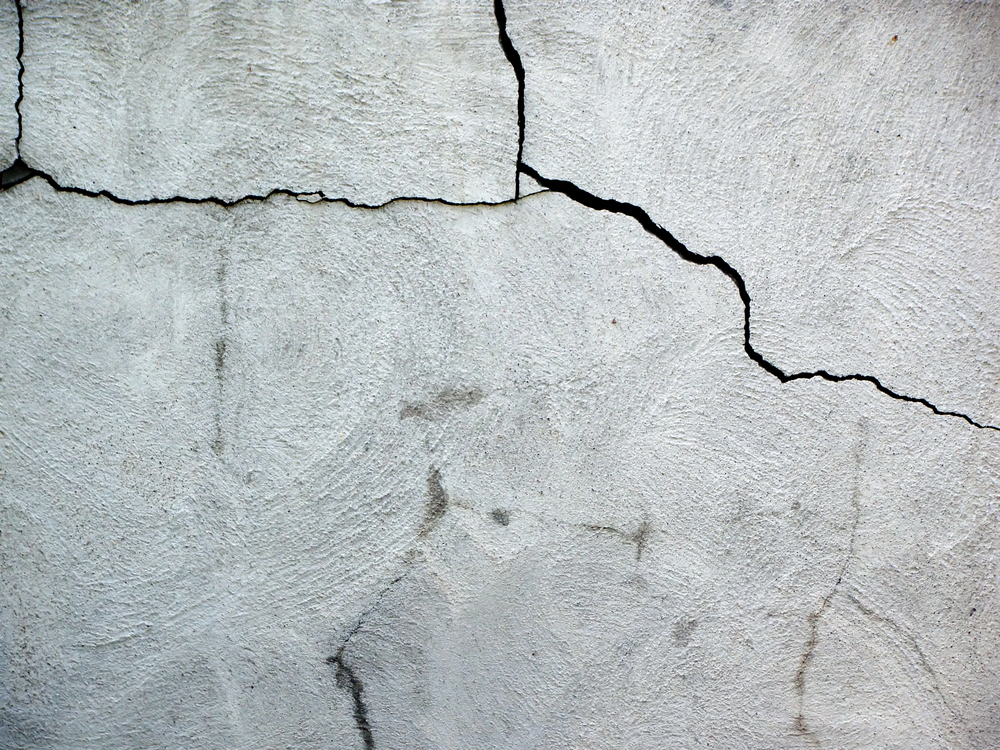
When you inspect your foundation, you’ll likely find some cracks, but not all of them are cause for alarm. The key is to understand what different types of cracks mean. You should examine both the interior and exterior foundation walls for cracks. Thin, vertical cracks are often related to concrete curing and may not be a structural concern. However, horizontal cracks can be particularly concerning as they may indicate a structural deficiency or pressure from water-saturated soil pushing against the wall. Stair-step cracks in brick or concrete block walls can also point to uneven settling. If you spot any horizontal or wide, jagged cracks, it’s best to have a structural engineer inspect them.
Other Red Flags: Leaning Chimneys and Gaps
Foundation problems often show up in other parts of your house. For instance, if doors and windows suddenly become hard to open or close, it might be due to the foundation moving and misaligning their frames. You might also notice new gaps between your walls and the ceiling or floor. On the exterior, a leaning chimney is a classic sign that the foundation supporting it has shifted. Inside, walls that are not straight or are bowing could signal serious structural issues. Bowing walls often result from external pressures, like expanding soil. These are clear indicators that the home’s structural integrity might be compromised and a forensic analysis is needed to uncover the root cause.
Common Foundation Issues:
– Cracks in Drywall and Finishes: While small hairline cracks are normal, large cracks can indicate significant movement or settling of the foundation. Cracks that form in a stair-step pattern on walls, along the ceiling, at wall joints or at window and door openings are particularly concerning.
– Uneven Floors: If your floors are uneven or have noticeable slopes, it could be a sign of foundation shifting. This unevenness can be signs of structural instability and should be addressed promptly to avoid further damage.
– Sticking Doors and Windows: Doors and windows that suddenly become difficult to open or close is an early sign of foundation movement and possibly failure. This is because the frames may become misaligned due to the shifting of the foundation, which affects the functionality of these fixtures.
– Gaps Around Windows and Doors: Gaps can form when the foundation settles unevenly, leading to misalignment. These gaps not only indicate structural issues but also allow drafts and pests into the home, reducing energy efficiency and indoor comfort.
– Basement Leaks: Water seeping into the basement is a clear sign of foundation damage which needs immediate attention. Persistent leaks can cause extensive damage to the foundation and reinforcement itself, as well as basement environment concerns, leading to mold growth and weakening of the structural materials.
Part 2: The Inspection Process and Identifying Foundation Damage
The Inspection Process: A Step-by-Step Guide
The first thing to do if you notice any of the above mentioned signs of foundation issues is contact your local structural engineer.
They will carry out a thorough inspection for accurately assessing the condition of your foundation.
Below is a detailed checklist of what to expect from your structural engineers inspection.
How Often to Inspect and What Tools to Use
So, how often should you be checking on your foundation? As a general rule, it’s smart to perform a visual inspection at least once a year. If your home is in an area with expansive soils or big weather swings, checking more frequently—say, every spring and fall—is a great idea. For a more thorough assessment, scheduling a professional structural inspection every three to five years is a proactive step. Of course, if you spot any major warning signs like large cracks or bowing walls, don’t wait. Getting an expert opinion right away can prevent a small issue from turning into a major, costly repair.
For your own visual check, you don’t need much more than a good flashlight and a keen eye. You can also use a simple carpenter’s level to check for sloping floors or a tape measure to monitor any cracks you’ve found. When you hire a professional, they come prepared with more specialized equipment. A foundation engineer will use tools like moisture meters to detect hidden water intrusion, laser levels for precise measurements of floor elevation changes, and sometimes even crack monitors to track movement over time. This level of detail ensures a thorough and accurate diagnosis of your foundation’s health.
Step-by-Step Inspection Process:
1. Exterior Walkaround:
– Check the Grading: Ensure the ground slopes away from the foundation to prevent water pooling. Proper grading helps direct water away from the foundation, reducing the risk of water infiltration and pressure buildup against the foundation walls.Check those irrigation systems!
– Inspect Gutters and Downspouts: Make sure they direct water away from the foundation. Clogged or damaged gutters and downspouts can cause water to overflow and accumulate near the foundation. This can lead to extraordinary hydrostatic water pressure loads which have the potential to cause expensive damage.This is the difference from almost no loads on your foundation to 10’s of thousands of lbs of load on the sides of your foundation.
– Look for Cracks in Exterior Walls: Pay attention to any significant cracks. These cracks can indicate structural movement or settling that requires professional evaluation.
– Examine the Foundation Walls: Look for signs of damage, such as cracks, discoloration, or bulging walls. Use a flashlight to inspect hard-to-see areas and document any findings with photos. Inspect the center of the wall spans for an increasing gap between the siding and the concrete foundation edge. This is bad news: the detachment of the foundation top from the floor framing system is a sign of pending disaster.
2. Interior Inspection:
– Check Basement and Crawl Spaces: Look for signs of water intrusion, mold, and mildew. Use a moisture meter to detect hidden damp spots and inspect the condition of the walls and floors for any damage or abnormalities.We recommend mold testing on a regular basis.
– Inspect Floors and Walls: Look for cracks, gaps, and any noticeable shifts. Use a level to check for uneven floors and a straightedge to detect bowed walls.
– Test Doors and Windows: Ensure they open and close smoothly without sticking. Misalignment or difficulty in operation can indicate foundation issues.
– Check for Moisture: Use a moisture meter to detect any hidden damp spots. Pay particular attention to areas near plumbing fixtures, as leaks can contribute to foundation problems.
3. Foundation Damage Evaluation:
– Document Findings: Keep detailed notes and photos of any issues you find. This documentation will be useful for tracking changes over time and for providing evidence to professionals if needed.
– Evaluate the Severity: Determine if the issues are minor or if they require professional evaluation. Minor cracks and moisture spots can often be managed with simple repairs and preventive measures, while significant structural damage will need expert intervention.
3. Crawl Space and Basement Check:
Your basement and crawl space are on the front lines of foundation health, so it’s crucial to inspect them carefully. Look for any signs of water intrusion, mold, and mildew, which often present as damp spots, musty smells, or a white, chalky substance on the concrete called efflorescence. This indicates that water has seeped through and evaporated, leaving mineral deposits behind. A moisture meter is a great tool for detecting dampness that isn’t visible to the naked eye, giving you a more complete picture of the situation. While you’re down there, run a flashlight along the walls and floors to check for any cracks, bulges, or other abnormalities that could signal a deeper issue.
Catching moisture issues early is key because persistent dampness can weaken the concrete and its steel reinforcement over time, compromising your home’s structure. Beyond the structural risk, it can also create health issues for your family due to mold spores. As you inspect, be sure to take detailed notes and photos of anything that looks concerning. This documentation creates a valuable timeline, helping you track if a crack is growing or a water spot is spreading. This detailed record is exactly what an expert needs when they arrive to perform a structural inspection, as it helps them make a faster, more accurate assessment of the situation.
Identifying Foundation Damage: When to Seek Professional Help
While some foundation issues can be minor and manageable, others require the expertise of foundation experts. Knowing when to call in a professional can prevent further damage and ensure the longevity of your home.
DIY Fixes vs. Calling a Professional
It’s tempting to want to tackle home repairs yourself, and for some minor issues, that’s perfectly fine. You can typically handle sealing very small, hairline cracks in your foundation with an epoxy injection kit from a hardware store. Preventative maintenance, like ensuring your gutters are clean and the soil around your home slopes away from the foundation, is also a great DIY task. These small steps can make a big difference. However, it’s crucial to recognize the line between a simple fix and a serious structural problem that needs an expert eye.
If you spot any of the major red flags—like horizontal cracks, bowing walls, or doors and windows that stick—it’s time to put down the tools and call a professional. Trying to fix significant foundation issues on your own can make the problem worse and lead to far more expensive repairs down the road. When the structural integrity of your home is at stake, getting a professional structural inspection is the smartest and safest move. An expert can accurately diagnose the root cause and recommend the right solution to protect your investment.
Part 3: The Role of Foundation Experts and Repair Services
Foundation Experts: Ensuring Structural Integrity
A foundation repair company sales person is not a qualified engineer!
Foundation experts, such as structural engineers, play a crucial role in assessing and repairing foundation issues. They have the training and experience to identify problems that may not be visible to the untrained eye and can provide solutions to ensure your foundation remains stable and secure.
Salesmen selling foundation repair products will make all sorts of (Empty) promises about their products. Remember that only a structural engineer can determine whether the solution is suitable to your specific problem.
How Structural Engineers Inspect a Foundation:
– Comprehensive Assessment: Engineers perform a detailed inspection of the foundation and the surrounding soil conditions. They evaluate the overall stability of the foundation, identify potential weak points, and assess any visible damage.
– Testing and Analysis: They may use tools such as soil probes, moisture meters, vertical and horizontal laser levels as well as gravity water column measuring devices to gather data. These tools help them understand the underlying causes of foundation issues, such as soil composition and moisture levels as well as foundation wall movements
– Recommendations: They can provide reports of findings as well as offer independent expert advice for you to arm yourself with real information. They also provide recommended repairs or reinforcement methods. This may include specific solutions such as underpinning, slab jacking, waterproofing, water drainage systems as well as foundation replacement depending on the severity and nature of the problems identified.
Pre-Pour Conditions and Material Specifications
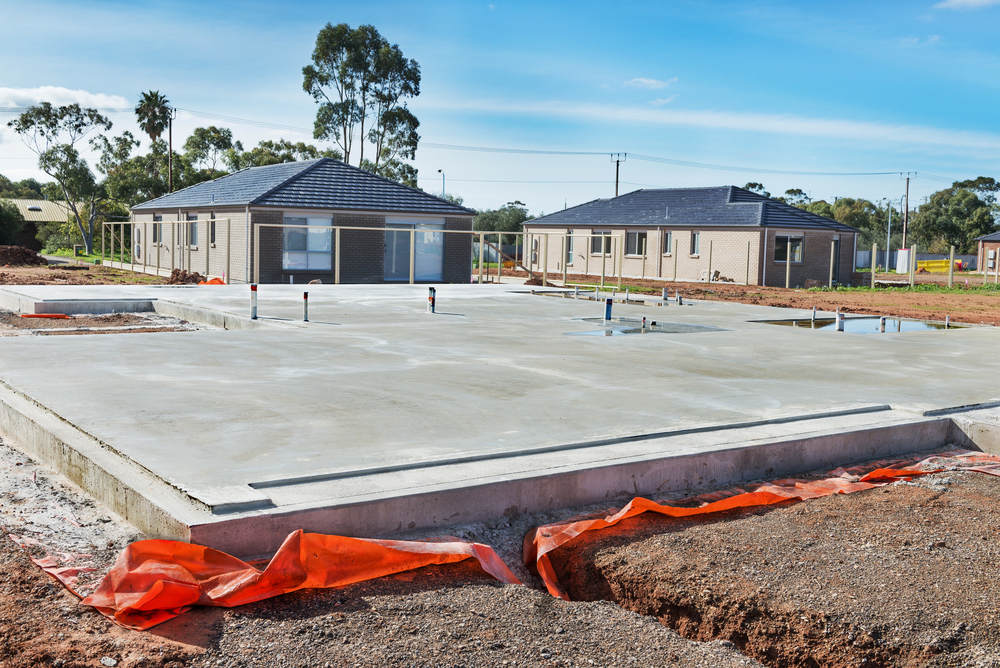
Before a single drop of concrete is poured for a new foundation, a detailed pre-pour inspection is absolutely essential. This step ensures the groundwork is perfectly set to support your home for years to come. A qualified engineer will verify that the excavated area, or “open hole,” is correct and that the footings—the base of the foundation—are properly formed. They also check for the correct placement of steel reinforcement, damp proofing materials to block moisture, and proper electrical grounding systems. Think of it as the ultimate quality control check, confirming that all materials and preparations meet the project’s design specifications and stopping future issues before they can even begin.
Structural Dimensions and Weather Precautions
The success of a concrete pour is heavily influenced by timing and the weather. Concrete should never be poured in freezing temperatures, as the water in the mix can freeze, expand, and compromise the material’s strength, leading to cracks and structural weakness down the road. On the flip side, extreme heat presents its own set of challenges. Hot weather can cause concrete to cure too quickly and dry out, which also weakens it. A professional team will carefully monitor the forecast and manage the pour to ensure the concrete cures properly, achieving its maximum strength and durability. This attention to detail is a hallmark of a well-managed new home build.
Key Components and Safety Checks
Protecting your foundation from water is one of the most important parts of home maintenance. Your property’s grading should always slope away from the house to guide rainwater and snowmelt away from the foundation walls. It’s also a good idea to regularly inspect your gutters and downspouts to ensure they are clear of debris and effectively channeling water far from your home’s base. When water is allowed to pool against the foundation, it creates immense pressure that can lead to cracks, leaks, and serious structural damage. A routine structural inspection can help you spot and address these critical drainage issues early on.
Understanding the Costs of Foundation Services
When you suspect a foundation problem, one of the first questions that comes to mind is, “How much is this going to cost?” It’s a valid concern, but it’s helpful to see it as an investment in your home’s safety and value. Catching foundation issues early with a professional assessment can prevent small problems from becoming major, budget-breaking repairs. The costs are generally broken down into two phases: the initial inspection to diagnose the problem and the subsequent repairs to fix it. Understanding the typical price ranges for both can help you plan and make informed decisions without feeling overwhelmed by the numbers.
Foundation Inspection Costs
A professional foundation inspection is the first step toward a solution, and its cost typically ranges from $300 to $800. The final price depends on the type of foundation you have and how complex it is to access and evaluate. For example, a simple concrete slab foundation is the easiest to inspect, usually costing between $300 and $600. A home with a crawlspace or a finished basement might fall into the $400 to $800 range because they require more time and effort to examine thoroughly. The most complex, a pier and beam foundation, can cost up to $1,000 to inspect. Think of this fee as paying for an accurate diagnosis from an expert, which is essential before you commit to any repairs.
Foundation Repair Costs
Foundation repair costs vary significantly based on the severity of the damage. Minor crack repairs might only cost around $500, but major structural issues requiring extensive work can easily exceed $10,000. The national average for foundation repair is about $5,400, but this number can be misleading since every situation is unique. The final cost depends on the specific repair method needed, whether it’s underpinning, slab jacking, or waterproofing. This is why getting an unbiased assessment from a licensed foundation engineer is so important. They can identify the root cause of the problem and recommend the right solution, ensuring you only pay for the repairs your home actually needs.
Foundation Repair Services: Addressing and Fixing Issues
When it comes to repairing foundation issues, professional foundation repair services are indispensable. These experts use specialized techniques and equipment to address various problems, ensuring long-term stability and safety.
Common Foundation Repair Methods:
– Underpinning: This technique involves strengthening the foundation by extending it deeper into the ground by periodic vertical devices extending into the ground. Vertical solutions are tailored to constructability soil type and the actual requirement needing the repair.
Although quite complicated, foundation trained engineers in geotechnical and structural studies are equipped to navigate the complexities. Foundation piering can vary with solutions like push piers, helix piers, drilled piers, grouted micropiles and grouted or other pressure stabilized soils applications. These solutions to stabilizing foundations are used when the existing foundation is determined to be insufficient to perform well in the soil environments and unable to support the structure adequately. This is often due to poor soil conditions or changes in soil stability.
– Slab Jacking: For concrete slab foundations, this method involves injecting a grout mixture under the slab to lift it back into place. Slab jacking is commonly used to address sinking or uneven concrete slabs and restore their level position. This foundation repair is utilized for settlement only.
– Wall Anchors: These are used to stabilize bowing or leaning walls by anchoring them to the adjacent surrounding soil, often beyond 12 feet. Wall anchors provide additional support and prevent further movement, helping to maintain the integrity of the foundation walls.
– Waterproofing: Addressing moisture problems through waterproofing can prevent further foundation damage. This includes sealing cracks, installing drainage systems, and applying waterproof coatings and membranes to protect the foundation from water infiltration. Underdrain systems as well as sump systems are frequently applied to foundation repair to lower lateral hydrostatic pressures.
Conclusion
Regular foundation inspections are crucial for maintaining the structural integrity of your home and avoiding costly repairs. By following this comprehensive foundation inspection checklist, homeowners can identify potential issues early, take proactive measures, and ensure their homes remain safe and stable for years to come. Remember, when in doubt, always seek the expertise of foundation professionals to address any serious concerns.
Call to Action
Don’t wait until it’s too late! Schedule your foundation inspection today and protect your home from potential damage. If you notice any warning signs or need professional assistance, contact your local structural engineering firm today.
Frequently Asked Questions
How often should I really be checking my foundation? A quick visual inspection of your foundation once a year is a great habit to get into. A good time to do this is when you’re cleaning your gutters in the spring or fall. If you live in an area with expansive soils, like we have here in Colorado, checking twice a year is even better. Of course, if you ever notice a sudden change like a large crack or a door that suddenly won’t close, don’t wait for your annual check-in—that’s a sign to get a professional opinion right away.
Should I panic if I see a crack in my foundation? Not necessarily. It’s important to remember that concrete can develop thin, vertical hairline cracks as it cures and settles over time, and these are often not a cause for alarm. The cracks that demand immediate attention are the ones that are horizontal, wide and jagged, or look like a set of stairs in a brick or block wall. These types of cracks can indicate pressure from the soil or significant, uneven movement, and they definitely warrant a professional structural inspection.
My floors are a little sloped. Is that a sign of a major foundation problem? Slightly uneven floors can be a normal characteristic of an older home that has settled gradually over many decades. However, if you notice the slope is new, seems to be getting worse, or is accompanied by other red flags like sticking doors, cracks in the drywall above doorways, or gaps between the wall and the floor, it’s a good idea to have it looked at. These symptoms together often point to a more active foundation issue that needs to be properly diagnosed.
Why should I hire a structural engineer instead of just calling a foundation repair company? Think of it like seeing a doctor for a diagnosis before you get a prescription. A structural engineer’s only job is to provide an unbiased, expert assessment of your foundation’s condition. They identify the root cause of the problem and can recommend the most appropriate solution. A foundation repair company, on the other hand, is there to sell you their specific repair product or service. Getting an engineer’s report first ensures you’re fixing the right problem with the right method, which can save you from unnecessary or incorrect repairs.
What’s the most important thing I can do to prevent foundation issues? Hands down, the most critical thing you can do is manage the water around your home. Most foundation problems are caused by water. Ensure the soil around your foundation slopes away from the house so that rain and snowmelt don’t pool against the walls. Also, keep your gutters clean and make sure your downspouts extend several feet away from your home. Controlling where water goes is the single most effective step you can take to protect your foundation’s long-term health.
Key Takeaways
- Proactive maintenance is your best defense: Simple, regular checks can prevent costly foundation issues. Ensure your yard slopes away from the house and inspect your basement or crawl space annually for moisture and cracks.
- Know which warning signs are serious: While hairline cracks can be harmless, horizontal cracks, bowing walls, and sticking doors or windows demand immediate attention as they often point to deeper structural problems.
- An engineer’s report is your first step: Before calling a repair company, get an unbiased assessment from a structural engineer. This ensures you understand the root cause and only pay for the solution your home actually needs.
