
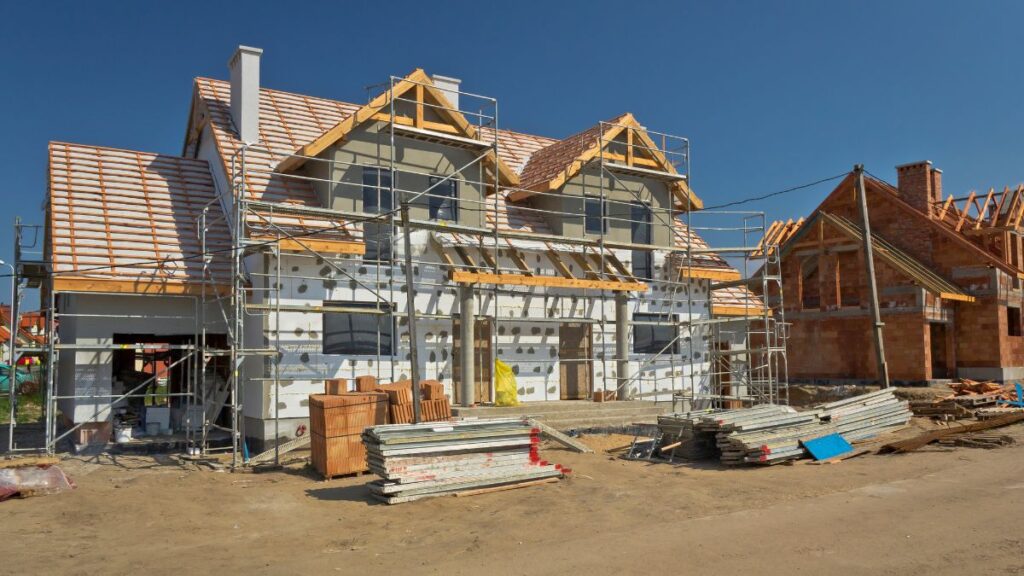
You’ve picked the perfect floor plan and agonized over every finish. But what about what’s behind the drywall? Building your dream home is a massive undertaking, and even the most reputable builders can miss things. This is where a dedicated building inspector for new homes becomes your most valuable partner. They provide a critical second set of eyes, conducting a detailed home inspection during construction to spot potential issues early. This isn’t about mistrusting your builder; it’s about protecting your investment and ensuring your new house is safe and sound from the foundation up.
While most understand the importance of a home inspection for resale properties, there’s a growing need to have a third party evaluation of your home by an independent inspector.
Dive into this comprehensive guide to appreciate the due diligence involved in each phase of new construction homes.

Section 1: The Foundational Framework – new construction home inspections
In essence, constructing a building is akin to crafting a masterpiece. It demands precision, meticulousness, and a deep respect for process and procedure.
This is where the phased inspection process plays a pivotal role, ensuring that the entire edifice evolves systematically and adheres to the highest standards set by local building codes.
The evolution of a new house involves several layers, each carrying its unique importance:
- Soil Compatibility: At this critical stage, inspectors ensure the stability of the site not only in terms of structural integrity but also in its harmonious interaction with the natural environment. They meticulously examine the builder’s pour, identify faulty grading, and confirm that the soil types are compatible with the intended construction. Additionally, inspectors test the correct hardness of foundations to prevent cracking concrete and ensure that all footings and pads are positioned at the proper distance. The foundation inspection is a key feature in ensuring your home’s structure not only complies with local code but also harmonizes with the soil beneath it..
- Foundation Inspection They test the correct hardness of foundations to avoid cracking concrete and ensure all footings and pads are set out at a proper distance. The foundation inspection is also one of the key features in ensuring your home’s structure complies with local code.
- Pre-Drywall Inspection: Here, the bones of the house—its framing—come under scrutiny. Inspectors look for discrepancies in the skeletal system, ensuring beams, joints, and supports align perfectly.
- Final Inspection: This phase is the culmination of all prior stages, an overarching home inspection ensuring the structure is in impeccable condition, safe for occupancy.
Section 2: Inspector for new construction homes
In the vast ecosystem of new home construction, a structural inspector is your trusted sentinel. As homes evolve, striding forward with technological advancements and design intricacies, the role of the home inspection has similarly transformed.
Today’s buildings are getting more and more complex, and as a result require highly qualified professionals to design and inspect their structures. Where previously home inspection could be carried out by a certified home inspector, today we require the keen eye of a structural engineer, qualified to operate in environments of higher complexity. This helps ensure compliance with the latest standards in construction. The new construction home inspection ensures:
- Local Building Code is Adhered to: These codes are constantly updated to ensure the safety and wellbeing of occupants. With numerous inexperienced builders entering the industry, the role of inspectors in ensuring strict adherence has never been more critical.
- Even the most reputable builders will benefit from thorough structural inspections as structural defects can result in costly delays and repairs.
- Interior Scrutiny: This delves into the home’s interiors. Inspectors review the insulation in the attic and walls, check for missing insulation, inspect the functionality of all appliances, and ensure that HVAC systems are installed correctly and operational.
- These types of home inspections are carried out by specialists in each of the various fields and do not necessarily require the trained eye of a structural engineer.
- Electrical problems, Structural defects are Detected: Several issues during a new home construction can affect the structure of your home. From drainage and grading issues to missing switch plates, all can result in costly repairs and effect the value of resale property.
- Highlighting Potential Long-Term Issues: Some problems aren’t immediate but could manifest over time. These include things like poor framing or outdated plumbing.
Even issues that seem minor like incorrectly installed appliances or improper piping can lead to major structural problems later down the line.
An experienced inspector or structural engineer can forecast these issues, safeguarding homeowners from future headaches.

How to Find a Qualified Inspector
Finding the right inspector is about more than just checking a box before you close. It’s about partnering with an expert who can protect your investment and give you peace of mind. The builder will have their own inspections, but you need an independent advocate working solely for you. A qualified third-party inspector ensures that every detail, from the foundation to the roof, meets safety standards and quality benchmarks, not just the bare minimum required to pass a municipal check. This expert serves as your eyes and ears on the job site, identifying potential issues before they become costly problems.
Check for New Construction Experience
Inspecting a new build is a different ballgame than inspecting a 50-year-old house. An inspector familiar with new construction knows exactly what to look for, from common builder shortcuts to issues specific to modern materials and building practices. They understand the phased nature of construction and can spot subtle signs of improper installation or grading issues that a generalist might miss. When you hire an inspector, ask them directly about their experience with new homes and what specific things they focus on during these types of evaluations. Their answer will tell you a lot about their expertise and whether they’re the right fit for the job.
Verify Credentials and Professional Memberships
Today’s homes are complex systems, and you need a highly qualified professional to ensure everything is structurally sound. Don’t be shy about asking for credentials. Look for licensed Professional Engineers (P.E.) who specialize in residential structures. Professional memberships, like those in the American Society of Civil Engineers (ASCE), indicate a commitment to ongoing education and adherence to the latest industry standards. A qualified engineer can provide a much deeper analysis than a standard home inspector, especially when it comes to the critical structural components of your new home. This level of expert oversight is essential for complex or custom builds.
Ask for Reviews and Sample Reports
The proof is in the pudding, or in this case, the inspection report. A good inspection is worth the money, and the final report is the tangible product you receive. Ask potential inspectors for a sample report to review. Is it detailed, with clear photos and concise explanations, or is it just a generic checklist? The report should be a clear, actionable document that you can use to communicate with your builder. Online reviews and testimonials are also invaluable. Look for feedback from other new-construction homebuyers to see if the inspector was thorough, professional, and effective at identifying important issues that the builder needed to address.
Section 3: Engineers and Architects: Your Allies in Modern Inspection
If you’re wondering why an engineer or an architect might be necessary for a new construction inspection, consider the intricate mix of systems and aesthetics that a modern house represents.
General building inspectors are adept at ensuring a home’s safety and compliance and identifying cosmetic flaws, but a specialized structural inspector finds deeper and more intricate structural issues in a new or existing home.
Engineer Inspection:
Engineers view homes as living, breathing entities. Their approach towards inspection is to gauge the harmony between all the major systems.
This means they’re evaluating the house’s structural components, checking on drainage systems, ensuring the foundation’s resilience and making sure the overall structural integrity complies with local and national codes.
With houses getting more sophisticated, engineers ensure everything, from the grading of soil beneath the foundation to the structure of the roof’s framing system, integrates seamlessly.
Section 4: Unmasking the Layers: What Constitutes a Structural Inspection
While many might have a general idea about home inspections, qualified A&E experts understand the depth and focus of a structural inspection. At its core, this type of inspection zeroes in on the very bones and foundation of a building, ensuring it stands strong and safe.
- Foundation Inspection: A building is only as sturdy as its foundation. Whether it’s a slab, crawl space, or full basement, it needs to be built on a solid base. Structural failures often come down to poor soil compaction, insufficient knowledge of the type of soil on site or the amount of clay present in the soil. All these factors have a major impact on the type of foundation, what kind of reinforcement it requires, and even what treatment the soil requires prior to casting your foundation.
- Examination of Load-Bearing Walls and Beams: These are the critical components that support the weight of the building. Ensuring their proper placement, strength, and quality is non-negotiable. Any deviations or inadequacies can lead to significant structural complications.
- Roof Structure Inspection: The roof doesn’t just shield from rain and sun; its structural integrity ensures it can withstand heavy snowfalls, strong winds, and other natural pressures. A structural inspection ensures that the trusses, joists, and rafters are in optimal condition.
Beyond the Structure: The Full Scope of a Home Inspection
While a home’s strong bones are essential, a truly comprehensive inspection looks at the whole picture. It examines all the interconnected systems that make a house a safe, comfortable, and functional place to live. Think of it as a complete health check-up for your new home. An inspector will move from the roof to the foundation, testing, checking, and documenting the condition of every major component. This detailed review ensures that everything from the wiring behind the walls to the shingles on the roof has been installed correctly and is working as it should, giving you a complete picture of the property’s health.
Roof and Gutters
The roof is your home’s first line of defense against the elements. It doesn’t just shield you from rain and sun; its structural integrity is crucial for withstanding heavy snowfalls and strong winds. A thorough inspection verifies that the trusses, joists, and rafters are in optimal condition. The inspector also checks for proper installation of shingles or other roofing materials, examines the flashing around chimneys and vents, and ensures the gutters are correctly sloped to direct water away from the house. A proper structural inspection of the roof system can prevent costly leaks and water damage down the road.
Plumbing and Water Systems
From the water heater to the faucets, the plumbing system is one of the most critical, and often hidden, components of your home. An inspector will check the entire system for any signs of leaks, test the water pressure, and ensure all fixtures are functioning correctly. They also verify that pipes are properly insulated, especially in areas prone to freezing. Small, undetected leaks can lead to significant problems over time, including mold growth and water damage that can compromise the home’s structure and even the integrity of your home’s foundation.
Electrical Systems
Faulty electrical work is a major safety hazard, and a professional inspection is non-negotiable. During an inspection, every part of the electrical system is carefully examined, from the main service panel to individual outlets and light switches. An inspector will check for proper wiring, grounding, and circuit breaker function. Issues like missing switch plates or incorrectly wired outlets might seem minor, but they can point to larger problems. A detailed electrical review ensures the system is up to code and can handle your family’s power needs safely.
Heating and Cooling (HVAC)
Your home’s heating, ventilation, and air conditioning (HVAC) system is essential for comfort and air quality. An inspector will confirm the furnace and air conditioner are installed correctly and are operational. They also review the insulation in the attic and walls to ensure there are no gaps that could lead to energy loss. This part of the inspection confirms the system is appropriately sized for the home and that the ductwork is properly sealed, which directly impacts your future energy bills and the overall comfort of your living space.
Interior Finishes
While structural integrity is paramount, the quality of the interior finishes is what you’ll see and interact with every day. An inspector will create a detailed “punch list” of cosmetic issues, such as paint flaws, scratches on flooring, or misaligned cabinet doors. Even the most reputable builders can overlook small details, and having a professional third party document these imperfections ensures they are addressed before you take possession. This final check guarantees the home meets the quality standards you expect and that small finish issues aren’t masking bigger installation errors.
Specialized Inspections to Consider
A general home inspection covers a wide range of systems and components, but sometimes a deeper look is warranted. Depending on the property’s location, age, or specific features, you might want to bring in a specialist. These experts have advanced training and equipment to assess specific risks that may not be covered in a standard inspection. This extra step provides an additional layer of assurance and can help you make a more informed decision about your investment, ensuring no stone is left unturned.
Pest and Termite Inspection
Even in a brand-new home, a pest inspection is a wise move. This specialized inspection checks for termites, rodents, and other wood-destroying organisms that can cause significant damage. Building materials can sometimes be exposed to pests at the lumberyard or during transit, and the construction site itself could be in an area with a high pest population. A pest inspection can identify any signs of infestation early on, allowing the builder to address the problem before it becomes a major issue that could compromise your home’s structure.
Section 5: Potential Pitfalls: Common Structural Issues in New Constructions
Even in new constructions, there’s potential for structural hiccups. Awareness of these can help potential homeowners understand the gravity of a structural inspection.
- Construction Errors: Human errors are an unavoidable reality. Structural inspections during construction of a new home can help identify any potential errors or oversights made by contractors before they are hidden behind finishing layers and pose risks to residents. It is important to have an engineer conduct inspections at all critical stages of erecting a structure.
- Inadequate Soil Testing: Before laying the foundation, it’s crucial to understand the type and quality of the soil. Incorrect or incomplete soil testing can lead to foundation settling or even significant shifts.
- Use of Subpar Materials: Cutting costs using low-quality materials can jeopardize the home. From weaker beams that might bend under pressure to substandard concrete that might crack, the repercussions are manifold.
- Faulty Design. Sometimes, the design on paper doesn’t translate well in reality. Having a structural engineer onboard for the entire project from design to completion is the best way to ensure structural concerns are mitigated and resolved on paper, rather than compensated for on site.

Section 6: The Intricacies of New Construction Inspections
Diving deeper into the subject, it’s essential to recognize that a new construction home inspection isn’t just a single event. It’s a series of evaluations that occur at different stages of the construction building process:
- Pre-Pour Inspection: Conducted before the concrete is poured for the foundation. This ensures that the ground is appropriately prepared and that all necessary systems are in place.
- Pre-Drywall: As mentioned earlier, this happens before walls are sealed. It’s an opportunity to check the skeletal framework of the house and ensure all internal systems are correctly installed.
- Final Inspection: A comprehensive review, ensuring that every aspect of the construction meets the stipulated standards and is ready for occupancy.
Key Inspection Timelines
Understanding when to schedule inspections is just as important as knowing what they cover. Timing is everything in new construction, as each phase builds upon the last. Missing a key inspection window can mean covering up a problem that becomes much more difficult and expensive to fix later. Here are the three most critical inspection timelines you shouldn’t miss.
The Pre-Drywall Inspection
This is arguably one of the most important inspections for a new home. Here, the bones of the house—its framing—come under scrutiny. A professional will look for discrepancies in the skeletal system, ensuring beams, joints, and supports align perfectly. This is the last chance for an expert to see the home’s inner workings before they are hidden behind drywall. A structural inspection at this stage verifies that the framing is sound and that the electrical, plumbing, and HVAC systems have been installed correctly and according to code. Catching an issue with a support beam or a misplaced pipe at this point is a relatively simple fix, but it becomes a major renovation project once the walls are closed up.
The Final Walk-Through Inspection
This phase is the culmination of all prior stages, an overarching home inspection ensuring the structure is in impeccable condition and safe for occupancy. While you’ll be doing your own walk-through with the builder, having an independent inspector provides a crucial, unbiased assessment of the finished product. They will systematically test everything from appliances and electrical outlets to plumbing fixtures and the HVAC system. They’ll also check for cosmetic defects, ensure windows and doors operate smoothly, and confirm that any issues identified in previous inspections have been resolved. This detailed report gives you a final punch list to hand to your builder before you sign the closing papers.
The 11-Month Warranty Inspection
Many people who hired inspectors for new construction homes found problems after moving in. A final inspection around 10-11 months after you move in, right before the builder’s one-year warranty runs out, helps catch problems that show up after living in the home for a while. As a house settles and experiences a full cycle of seasons, new issues can emerge, such as drywall cracks from settling, nail pops, or grading issues that cause poor drainage. Hiring a professional to perform a warranty inspection ensures these items are documented and submitted to your builder for repair under warranty, saving you from paying for them yourself down the road.
The Logistics: Cost and What to Expect
Understanding the practical side of a new construction inspection helps set clear expectations from the start. Knowing the costs, who is responsible for them, and how much time to set aside can make the entire process feel much more manageable. Let’s walk through the key logistics so you can plan accordingly and move forward with confidence.
How Much Does a New Home Inspection Cost?
The cost of a new construction inspection can vary quite a bit, typically falling somewhere between $150 and $1,200. The final price tag depends on several factors, including the home’s size, location, and the complexity of the inspection required. For instance, a smaller property might be on the lower end of that range, while a larger home in a city area will likely cost more. It’s helpful to think of this not as a cost, but as an investment in protecting your future home. A thorough structural inspection provides invaluable peace of mind by ensuring the core of your home is sound before you ever move in.
Who Pays for the Inspection?
In most cases, the person buying the house is the one who pays for the inspection. This makes sense when you think about it—the inspection is for the buyer’s benefit. It’s a crucial step in their due diligence process, providing an unbiased, third-party assessment of the builder’s work. By hiring your own inspector, you get a clear and honest report on the condition of your new home, ensuring that your investment is secure. This independent verification is key to identifying any potential issues before they become your responsibility to fix down the road.
How Long Does an Inspection Take?
You can generally expect a standard building inspection to take about one to two hours to complete. Of course, this is just an estimate. A larger or more complex home will naturally require more time for a thorough evaluation. If you opt for a specialized structural inspection, the engineer may spend additional time carefully examining critical components like the foundation, framing, and load-bearing elements. It’s always a great idea to be present for the inspection, or at least for the final summary, so you can walk through the property with the inspector and ask questions in real-time.
Section 7: The Added Value of Hiring a Structural Inspector for New Construction
When it comes to structural inspections, general knowledge isn’t sufficient. It requires a keen eye trained explicitly in structural nuances such as that of a structural engineer.
- In-depth Expertise: A specialized inspector, like those at Level Engineering, brings a depth of understanding about load-bearing components, foundational elements, and other structural nuances, ensuring nothing gets overlooked.
- Advanced Tools and Techniques: Structural inspection isn’t just about the visible. Using advanced tools, these inspectors can detect issues like internal beam weaknesses or foundation shifts, which might not be immediately apparent to the naked eye.
- Tailored Recommendations: Should an issue arise, a specialized inspector can provide detailed guidance on remedies, ensuring the problem is rectified in the most efficient and effective manner.
Section 8: Understanding the Role of the Home Inspector in New Construction
The decision to invest in a new construction home is a monumental one, and ensuring its integrity and safety is paramount. Enter the hero of this process: the inspector for new construction.
Their role goes beyond just a cursory look. They are the guardians ensuring that every brick laid and every nail driven stands the test of time and safety.
- Diving Deep with the Framing Inspection: One of the most critical stages, the framing inspection ensures that the skeletal structure of the home is sound. Our home inspectors meticulously examine beams, posts, and other structural components, guaranteeing the house is built on a robust foundation.
- Going Beyond the Bare Minimum: The goal of the inspector isn’t just to ensure the home meets the minimum local building codes. They dive deeper, checking for incomplete construction elements, potential safety issues, and any shortcuts that may have been taken during the construction process.
- Identifying Hidden Issues: It’s easy to get enamored by the aesthetics of a new or existing home. However, beneath the polished surfaces, there could be hidden dangers in the structure. From improperly secured beams to major plumbing issues, the home inspector is trained to spot and highlight these potential pitfalls.
Section 9: Why Hiring a Home Inspector is Non-Negotiable
- Spotting Incomplete Constructions: It’s not uncommon for contractors, especially when under tight deadlines, to miss out on certain construction elements. Home inspectors ensure no corner is left unchecked, from the basement to the attic.
- Ensuring Safety: Aesthetics can sometimes overshadow safety in the construction process. An inspector for new construction ensures that safety standards aren’t just met but exceeded, giving homeowners peace of mind.
- Guaranteeing Quality: The last thing any homeowner wants is to move into their dream home only to face issues down the line. By hiring a home inspector, you’re safeguarding against future problems, and alleviating the stress of obtaining the final occupancy permit.
Independent vs. Builder and City Inspectors
When you’re building a new home, it might seem like there are inspectors everywhere. You’ll have the city or county inspector checking for code compliance, and the builder will have their own team reviewing the work. While these inspections are part of the process, it’s crucial to understand who they’re really working for. Their primary goal is to ensure the project meets minimum standards and keeps moving forward. An independent inspector, on the other hand, works for you. Their only priority is to protect your investment by providing a thorough, unbiased evaluation of your new home’s quality and safety.
Why a City Code Inspection Isn’t Enough
It’s a common myth that a new home doesn’t need a private inspection because the city already checks it. However, a city code inspection is not a quality control check. These inspectors are only verifying that the construction meets the bare minimum safety codes, which can be outdated and may not reflect the best building practices. Similarly, the builder’s inspector is on the builder’s payroll. Their job is to keep the project on schedule and on budget, not to advocate for you. An independent structural inspection goes far beyond these basic checks to identify potential issues that could affect your home’s long-term durability and value.
The Value of an Unbiased Report
Hiring your own inspector is about getting an objective and honest assessment of your home. An independent expert has no stake in the project other than providing you with accurate information. This unbiased report is your best tool for understanding the true condition of your home, from the foundation to the roof. It helps you find and address problems early, making your home safer and protecting your significant financial investment. An independent report also creates a formal record of any issues, which can be invaluable if you have disagreements with the builder down the road.
Creating a Paper Trail for Negotiations
One of the most powerful benefits of an independent inspection report is that it creates a documented paper trail. This list of findings becomes a key tool for negotiating with your builder. It’s much easier to get problems fixed before you close on the house and move in, rather than dealing with the hassle of repairs later. You can present the report to the builder with a clear, professional list of items that need to be addressed. An experienced inspector or structural engineer can also help you prioritize these issues, safeguarding you from future headaches and ensuring your new home is everything you dreamed it would be.
Potential Red Flags for Homebuyers
While most builders and real estate agents are professionals who want the best for their clients, it’s smart to stay vigilant throughout the home-buying process. You are your own best advocate, and certain behaviors can signal that something isn’t quite right. When it comes to ensuring the quality of your new home, you should feel empowered to ask questions and insist on thorough evaluations. Paying attention to how your builder or agent responds to your request for an independent inspection can be very revealing. If you encounter resistance, it’s worth taking a moment to consider the reasons why.
Pressure From a Builder or Agent
One of the most significant red flags is feeling pressured to skip an independent home inspection. If a builder or agent suggests that a third-party inspection is unnecessary because the home is new or has already passed city inspections, you should be cautious. Their primary goal is to complete the sale, but your goal is to make a sound long-term investment. A reputable builder should be confident in their work and welcome the chance for a professional to confirm its quality. Insisting on your own structural inspection isn’t about distrust; it’s about due diligence and protecting what is likely your largest asset.
Restrictions on Inspector Access
Another major warning sign is when a builder attempts to limit what your inspector can see. For example, they might claim that for liability reasons, the inspector isn’t allowed on the roof or in the attic. These are critical areas where significant issues related to framing, insulation, and potential leaks can be found. Denying access to these spaces prevents a complete and accurate assessment of the home’s condition. A comprehensive home inspection requires unrestricted access to all parts of the property. If a builder imposes these kinds of limitations, it’s fair to wonder what they might be trying to hide.
Section 10: Trusting the Eyes of the Expert
In recent years we have experienced a growing shortage of intricate knowledge of the artisanal practices making up the construction industry. When it comes to complex new structures it is critical to have an expert on hand who has the knowledge and experience to pre-empt issues and provide tested solutions and trustworthy advice.
A trusted A&E expert will not only save you from potential disaster, but can be a guide and a mentor on your construction site. This ensures each element of your new home is executed with care and precision, while ensuring the quality of our built environment remains in tact for future generations.
Home inspection contingency
If you’re considering a new construction or dealing with a real estate agent regarding an existing home, contact Level Engineering and Inspection, as part of an inspection contingency for your structural inspection requirements.
Make sure your dream home is truly the sanctuary you envision, standing strong and safe for years to come by contacting Level Engineering and inspections to hire a home inspector today.
Frequently Asked Questions
My builder says they have their own inspectors and the city will inspect the house, too. Do I really need to hire my own? Think of it this way: the city inspector is checking for the bare minimum to meet code, and the builder’s inspector is working for the builder. An independent inspector works exclusively for you. Their only job is to protect your interests by providing a thorough, unbiased evaluation of the home’s quality and safety, looking for issues that go far beyond basic code requirements.
What’s the most important time to get an inspection during the building process? If you can only choose one, the pre-drywall inspection is arguably the most critical. This is the last opportunity for an expert to see the home’s framework, plumbing, and electrical systems before they are hidden behind the walls. Catching a structural or systems issue at this stage is a relatively simple fix, but it becomes a major, expensive project once everything is covered up.
The post mentions both home inspectors and structural engineers. Which one do I need? A general home inspector provides a fantastic overview of the home’s systems, from the HVAC to the appliances. However, for a new build, a structural engineer offers a deeper level of expertise. They focus specifically on the “bones” of the house—the foundation, load-bearing walls, and framing—to ensure its long-term integrity. For the ultimate peace of mind that your home is built to last, an engineer’s specialized eye is invaluable.
An inspection seems like another expense. Is it really worth the money for a brand-new house? It’s best to view the inspection fee not as a cost, but as an investment in protecting your largest asset. Even the best builders can make mistakes, and a new home doesn’t always mean a perfect one. An inspector can identify potential construction errors or subpar work early, saving you from discovering them after you’ve moved in when they could cost you thousands of dollars and a lot of headaches to fix.
What happens if my inspector finds problems with the construction? This is exactly why you hire an inspector! You’ll receive a detailed report with clear explanations and photos of any issues. This professional document isn’t just for your information; it’s a powerful tool you can use to negotiate with your builder. You can present the report as a clear punch list of items that need to be corrected before you sign the closing papers, ensuring your new home is truly move-in ready.
Key Takeaways
- An Independent Inspector is Non-Negotiable: While your builder and the city have their own inspectors, their goal is to meet minimum code requirements. Hiring your own third-party inspector ensures you have an unbiased expert working to protect your investment.
- Inspections Must Happen in Phases: A single walk-through at the end of construction isn’t enough. Schedule inspections at key stages, especially before the drywall goes up, to catch structural, plumbing, and electrical issues before they get covered up.
- Know When to Call a Structural Engineer: A general inspector is great, but a licensed structural engineer provides a deeper analysis of your home’s most critical components, like the foundation and framing, ensuring its long-term safety and stability.
