
Think of yourself as the captain of a ship, steering your clients through the complex waters of a property transaction. A general home inspector is your first mate, checking the visible rigging and sails. But a structural engineer is your deep-sea navigator, using sonar to map the unseen terrain below the surface. They assess the very foundation and frame—the hull of the ship—ensuring it’s sound for the long journey ahead. This practice, known as real estate engineering, isn’t about finding problems to sink a deal; it’s about providing the critical information needed to ensure a safe and successful voyage for everyone involved.
Are you a real estate agent? Whether you are a solo entrepreneur or work in a large real estate company, this article is meant for you.
Helping your clients find the perfect home or commercial property is your job and primary goal as a real estate agent. But what happens when you discover the home or building may have structural issues? This is where an engineer’s expertise becomes indispensable.
Why Structural Issues Shouldn’t Be Overlooked
If your client buys a building with a structural problem, it could cost hundreds of thousands later on when they are trying to sell or renovate their new home. Experts in the industry such as Level Engineering, deal with hundreds of cases per year where a crack in the foundation or mold damage was overlooked in order to expedite the sale.
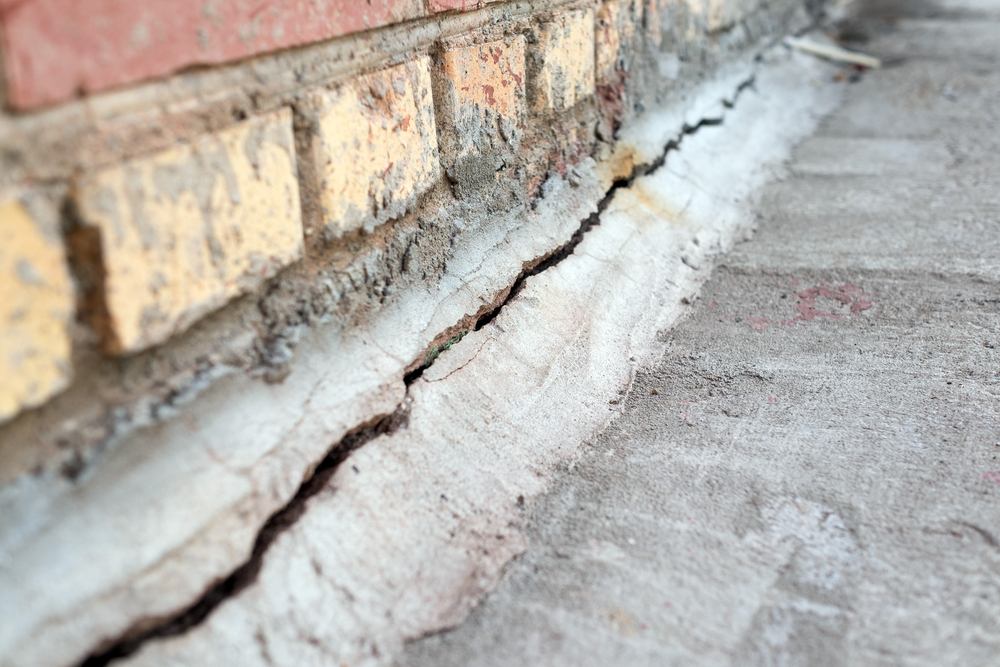
In all these cases, one thing is consistent, over capitalizing. The repairs when not factored into the sale value can add hundreds of thousands of dollars to the overall cost of a home and result in major disputes and legal procedures.
The advantage of hiring an Engineer to give a professional opinion cannot compare to the cost of putting off the repair of major structural issues . It’s always a great idea to educate yourself, but remember that youtube does not have all the answers.
Want to hear from a real professional engineer: click the link below to hear it from Level Engineering’s top engineer, Scott Zurn:
LEVEL Engineering and Inspection – YouTube
Do I need a structural engineer?
When a property is under contract and the buyer has paid an earnest deposit, or the objection deadline is approaching, questions often arise about the home’s structural integrity. A General home inspector can assist with a surface level inspection, but hiring a professional engineer for a more detailed inspection is the only way to fully understand the structure and the potential value of the repairs.
Remember that every building acts as a barrier between us and the natural environment. An ever changing and often hazardous natural force. An Engineer reviews the structures ability to withstand these forces with in depth knowledge of the structural systems and the way they work.
What Can Engineers Do for Real Estate Transactions?
They bring technical skills and engineering expertise to the table. They help mitigate the fear of making a costly mistake when buying a building or a property destined for construction as a developer. They can focus on the structural aspects of your investment to put you in the position to make informed real estate decisions.
- Detailed Structural Inspections: Perform comprehensive evaluations of the property, checking for cracks, foundation movement, weather damage, destruction to load-bearing elements, sagging ceilings, and doors/windows that don’t close smoothly.
- Recommendations and Solutions: They provide detailed reports on the extent of any structural issues and recommend necessary repairs, allowing investors to make informed decisions.
- Peace of Mind for Your Client: Knowing that an engineer has thoroughly inspected a property gives buyers confidence in their purchase, reducing the risk of future costly repairs.
Q&A: Common Questions About Hiring Engineers
Q: What is the difference between a home inspector and an engineer?
A: Home inspectors look for general issues within the home, such as plumbing, HVAC systems, and water damage. However, they are not qualified to assess structural integrity. Only Licensed Professional Engineers (P.E.s) can state an opinion on the structural integrity of a home.
Q: What qualifications do engineers need?
A: To practice as a structural engineer, one must receive a Bachelor’s Degree in Civil Engineering from an accredited college/university, gain experience through approximately 5 years of apprenticeship under a P.E., and pass multiple certified examinations. The State Board of Licensure for Architects, Professional Engineers, and Professional Land Surveyors evaluates a person’s experience, education, and examination scores for licensure.

Q: When should a client hire an engineer?
A: It’s advisable to hire an engineer when structural concerns arise, especially if a home inspector suggests it. Early involvement can save time and money.
Top Tips for Real Estate Agents
- Build a Network: Have a list of reliable engineers you can refer to your clients. This can expedite the process and build trust with your clients.
- Educate Your Clients: Explain the importance of structural inspections and the potential long-term savings from addressing issues early.
- Stay Informed: Keep up with local soil and structural issues in your area to better inform your clients.
- Encourage Thorough Inspections: While it might be tempting to speed up the buying process, ensure your clients understand the value of a thorough inspection.
- Leverage Engineer Reports: Use detailed engineer reports to negotiate better terms for your clients, whether they are buying or selling.
Case Study: The Value of Engineering Expertise
Hiring a local engineer to assess your property will give you insight into the structure of your property. Although this sounds simple, remember that the main structural components of a building may be hidden deep underground.
Engineers can also very quickly see signs of previous renovations, additions or even demolitions that were not carried out according to code.
For example, imagine you are buying a home that has a 200 square foot enclosed patio. If this enclosure was not done according to the local building code, it does not contribute anything to the value of your home.
Hiring a Structural engineer gives you the ability to identify this and negotiate the price accordingly. Alternatively you may find the value it adds outways the price of making the structure compliant. Here a structural engineer can guide you through the submission process and provide the documentation to get the building work approved.
The Engineer’s Role in the Buying and Selling Process
Real estate agents know that buying and selling can be complex and fraught with potential pitfalls. Engineers play a crucial role in mitigating these risks by ensuring the structural integrity of properties sold is sound and all square footage is code compliant and legal.

Engineers vs. Home Inspectors
A common misunderstanding among real estate agents and clients is the difference between home inspectors and professional engineers. Home inspectors perform a valuable service by identifying general issues in a home but are not equipped to assess structural integrity. This is where engineers come in.
Engineers provide:
- In-Depth Structural Analysis: Beyond what a home inspector can offer, engineers evaluate the structural health of the property, ensuring there are no hidden issues that could cause problems later.
- Unbiased Third-Party Opinions: Engineers provide objective assessments, free from conflict of interest, ensuring clients receive accurate and reliable information.
- Expert Recommendations: Engineers can suggest specific solutions to any identified problems, offering a path forward that is both practical and cost-effective.
Conclusion
Engineers are essential partners for agents. Their technical skills and engineering background provide crucial assurance and security in real estate transactions. By integrating engineers into your process, you can offer clients a higher standard of service, protect their investments, and ensure successful transactions. If you haven’t already, consider building relationships with qualified engineers. Their expertise can make a significant difference in buying and selling, helping you deliver exceptional service to your clients and achieve tremendous success in your career.
Providing Expert Opinions in Property Disputes
Property disputes can quickly become complicated and emotionally charged, especially when there are disagreements about the condition of a structure. This is where a professional engineer can act as an invaluable, neutral expert. They provide objective assessments, free from any conflict of interest, ensuring everyone involved receives accurate and reliable information. An engineer’s role is to conduct a thorough investigation, sometimes involving forensic analysis, to get to the root of the problem. They then deliver a detailed report outlining the extent of any structural issues and recommend specific, practical solutions. This clear, fact-based documentation can cut through the noise of a dispute, providing a clear path forward and helping all parties reach a fair resolution based on sound engineering principles rather than speculation.
The Engineer’s Role in New Real Estate Development
For real estate agents working with developers or clients planning a new build, an engineer’s involvement from day one is a game-changer. Their role extends far beyond just signing off on plans; they are integral partners throughout the entire development process. From initial site assessments to final structural designs, engineers ensure that a project is not only viable and safe but also optimized for efficiency and cost-effectiveness. Bringing in an engineering firm early helps anticipate challenges, streamline construction, and ultimately protect your client’s investment. This proactive approach transforms a potentially stressful process into a well-managed project with a clear path to success.
Pre-Construction Planning and Analysis
Before a single shovel hits the ground, an engineer’s work begins. They are essential during the pre-construction phase, conducting feasibility studies and site analyses to determine if the land is suitable for the proposed project. This involves evaluating soil conditions, drainage, and potential environmental impacts on the surrounding community. Their analysis ensures the project starts on a solid foundation—literally and figuratively. By identifying potential issues early, they help developers and investors avoid costly surprises down the road. This initial planning is crucial for everything from a single custom home to a large commercial development, setting the stage for a successful build that is both safe and compliant with local regulations.
Expertise in Materials and Structural Design
An engineer’s deep understanding of structural mechanics and material science is what turns an architectural vision into a safe, durable reality. They are responsible for designing the building’s skeleton—the foundation, beams, columns, and floors—that will support the structure and withstand environmental forces like wind and snow. This requires careful calculations and selecting the right materials for the job, balancing strength, cost, and longevity. Whether it’s a residential home addition or a multi-story commercial building, their expertise ensures the final structure meets all building codes and safety standards, providing peace of mind for developers and future occupants alike.
“Value Engineering”: Saving Costs Without Compromising Quality
One of the most significant benefits an engineer brings to a new development project is “value engineering.” This isn’t about cutting corners; it’s a systematic approach to finding cost-effective alternatives without sacrificing quality, safety, or structural integrity. An experienced engineer can analyze the initial plans and suggest alternative materials or construction methods that deliver the same performance for a lower price. For example, they might recommend a different type of foundation that is better suited for the soil conditions or a more efficient framing layout. This process helps developers maximize their return on investment and allows clients to get the most out of their budget when planning a new home build.
Part 2: Maximizing the Value of Engineers in Real Estate
Understanding the importance of structural integrity can make or break a deal in the real estate market. Brokers who effectively leverage the expertise of engineers can better serve their clients, whether they are buying, selling, or investing in properties.
Building the Engineer-Real Estate Agent Partnership
A robust partnership between real estate agents and engineers is essential for ensuring that properties are thoroughly evaluated and safe. This collaboration brings numerous benefits:
- Enhanced Property Evaluations: Engineers provide comprehensive assessments, identifying potential issues home inspectors might overlook.
- Increased Client Trust: Clients appreciate the thoroughness and expertise engineers bring, increasing their confidence in buying or selling.
- Streamlined Transactions: With engineers on your team, you can expedite the process, address any concerns early, and keep deals on track.
The Engineer’s Role in Real Estate Ventures
Agents can rely on engineers for a range of services that go beyond traditional inspections. These services include:
- Pre-Purchase Inspections: Engineers can perform detailed inspections before purchasing, ensuring the property is structurally sound.
- Post-Purchase Evaluations: For buyers, engineers can identify any issues that need to be addressed after the purchase, helping to maintain the property’s value.
- Renovation and Development Projects: Engineers provide essential guidance for renovations or new developments, ensuring compliance with structural codes and standards.
Q&A: Engineers’ Contributions to Real Estate
Q: How do engineers help agents with property sales?
A: Engineers assist agents by researching and providing thorough inspections and evaluations of properties. Their expertise helps identify structural issues early, enabling agents to address concerns and negotiate better terms for their investors.
Q: What should agents look for when hiring engineers?
A: Agents should look for Licensed Professional Engineers with experience in real estate, home inspections, and the buying/selling process. It’s, of course, also crucial to hire an unbiased third party to ensure objective assessments.
Q: Can engineers help with investment properties?
A: Yes, engineers are invaluable for investors. They assess the structural integrity of properties, helping investors make informed decisions and avoid costly mistakes. This expertise is significant for large investments and developments.
Transitioning from Engineering to Real Estate
It’s a common thought for many engineers, especially those in the civil and structural fields: what would a career in real estate look like? The good news is that “real estate” isn’t a single job title but a wide-ranging industry with roles that perfectly match an engineer’s skill set. Beyond becoming an agent, you could explore property appraisal, land development, or managing investment properties. The analytical mindset, attention to detail, and project management skills honed in engineering are incredibly valuable in any of these paths. This transition allows you to apply your technical knowledge in a new, dynamic context, moving from designing structures to shaping the communities they exist in.
Combining a PE License with a Real Estate Career
Holding a Professional Engineer (PE) license while working in real estate creates a powerful professional advantage. This unique combination allows you to operate with a level of insight that few others can claim. Imagine being able to conduct your own structural inspections for a potential investment property or having the expertise to approve your own plans for a development project. This dual qualification not only saves time and money but also provides deeper access to property data and a more complete understanding of land development, contracts, and sales. It positions you as a trusted expert who can see a project from both a technical and a market-driven perspective, giving you a significant edge over the competition.
How to Become a Real Estate Developer
The role of a real estate developer goes far beyond simply overseeing construction. A developer is the visionary and central coordinator of a project, connecting all the moving parts from start to finish. The process begins with identifying and acquiring promising land, securing financing, and then collaborating with architects and engineers on the design. As a developer, you would manage the entire construction process and then pivot to handle the marketing and sales of the finished property. Engineers are uniquely suited for this role because they already understand the critical path of a build, from initial site analysis to creating new home building plans that are both functional and marketable.
Exploring Other High-Paying Real Estate Jobs and Salaries
While development is a popular path, the real estate industry offers many other rewarding career opportunities. A career in real estate can provide flexible hours, high earning potential, and the chance to build a vast professional network. However, it’s also important to be realistic about the challenges, which can include income instability and intense competition. Roles in commercial real estate, property management, and real estate finance all offer lucrative paths where an engineering background can be a major asset. For example, understanding the principles of architecture and design gives you a leg up when evaluating the long-term value and potential of a property, helping you make smarter, more profitable decisions.
Maximizing the Value of Engineer Partnerships in Real Estate
Collaborate with Engineers: Form strong partnerships with reputable engineering firms to enhance your service offerings and add value for investors. Comprehensive property evaluations ensure all structural issues are addressed, aiding in effective marketing and sales strategies.
Standardize Engineer Involvement: Make engineering inspections a standard practice for every transaction, showcasing your commitment to quality and due diligence.
Proactive Issue Management: Encourage investors to address potential structural issues early, enhancing property value and marketability while building client trust.
Effective Communication: Translate technical findings from engineers into actionable insights for clients, ensuring informed decision-making.
Legal and Financial Benefits of Engineer Reports
Engineer reports provide legal assurance and valuable dispute documentation and increase market confidence. They support construction projects by ensuring compliance with building codes, aiding in obtaining permits, and enhancing property safety and longevity.
Case Study: The Impact of Engineering Expertise
A real estate agent partners with an engineer who identifies a minor foundation issue. Using the engineer’s report, the agent negotiates a lower purchase price for the buyer, who then hires the engineer to oversee repairs. This proactive approach saves money, enhances the agent’s reputation, increases market value, and provides legal protection, ultimately boosting investor confidence. Integrating engineering expertise ensures higher service standards and long-term stability in real estate transactions.
How Engineering Guidance Prevents Costly Overruns
As a real estate agent, you know the feeling: your client has found a property they love, but you spot a potential red flag—a sloping floor or a crack near the foundation. It can be tempting to push past it to keep the deal moving, but this is precisely where pausing to bring in an expert can save your client from a financial nightmare. If your client buys a property with a hidden structural problem, they could face repairs costing hundreds of thousands of dollars down the road. This isn’t just about fixing an issue; it’s about protecting your client’s largest investment from becoming a money pit.
This is where a professional engineer becomes your most valuable partner. While a general home inspector provides a great overview, an engineer performs a much deeper dive. They provide comprehensive structural assessments, identifying potential issues that might otherwise be missed. Engineers are trained to see the big picture of how a building’s systems work together. They can determine if a foundation crack is a simple cosmetic issue or a sign of significant soil movement, ensuring that all aspects of the property’s structure are sound and code-compliant. This expert analysis is crucial for mitigating risks before they become costly realities.
The true value of engineering guidance lies in its timing. By identifying problems before closing, an engineer’s report gives you powerful leverage. It allows you to negotiate repairs with the seller or adjust the sale price to account for the future costs. This prevents your client from shouldering an unexpected financial burden after they’ve already moved in. An official report from a licensed foundation engineer also provides legal assurance and valuable documentation, which can be critical if disputes arise. It’s about turning uncertainty into a clear, actionable plan that protects your client’s interests and builds their confidence in the transaction.
Engineers in Various Real Estate Roles
Engineers play a vital role in different real estate scenarios, including the following:
- Residential Sales: Ensuring homes are structurally sound before listing them on the market.
- Commercial Properties: Evaluating commercial buildings’ structural integrity is crucial for businesses.
- Investment Ventures: Helping investors assess the feasibility and safety of potential investments.
Conclusion: Engineers and Agents – A Winning Team
The collaboration between agents and engineers is a powerful partnership that enhances the quality and success of property transactions. Engineers bring invaluable technical expertise and assurance to the real estate market. By integrating engineers into their processes, agents can offer superior service and better long-term security on their property value.
Building strong relationships with engineers and understanding their vital role in property transactions can transform how agents conduct their business. Whether through pre-purchase inspections, renovation guidance, or investment evaluations, engineers provide the expertise needed to navigate the complexities of life in the real estate market. Embrace this partnership and watch your real estate ventures thrive.
Key Takeaways
- Rely on engineers for structural certainty: A general home inspector provides a crucial first look, but only a licensed Professional Engineer (P.E.) can deliver a definitive assessment of a property’s structural health, giving you and your client a solid foundation for your transaction.
- Turn structural findings into negotiation power: An engineer’s report is more than a list of problems; it’s a powerful tool that provides the objective data you need to negotiate for repairs or a price adjustment, ensuring your client gets a fair deal.
- Create a go-to list of engineering experts: Proactively building relationships with trusted engineers means you can provide clients with fast, reliable answers when structural questions arise, streamlining the transaction and reinforcing your value as a knowledgeable agent.

One Response
I like how you said that it costs way less to hire a structural engineer to look at a house that you want to buy then it is to pay for repairing any damage done to it later. This is a great idea because it can save people tons of money in the future. If I ever try to buy a house again then I’ll be sure to have a structural engineer come look at it for me.