
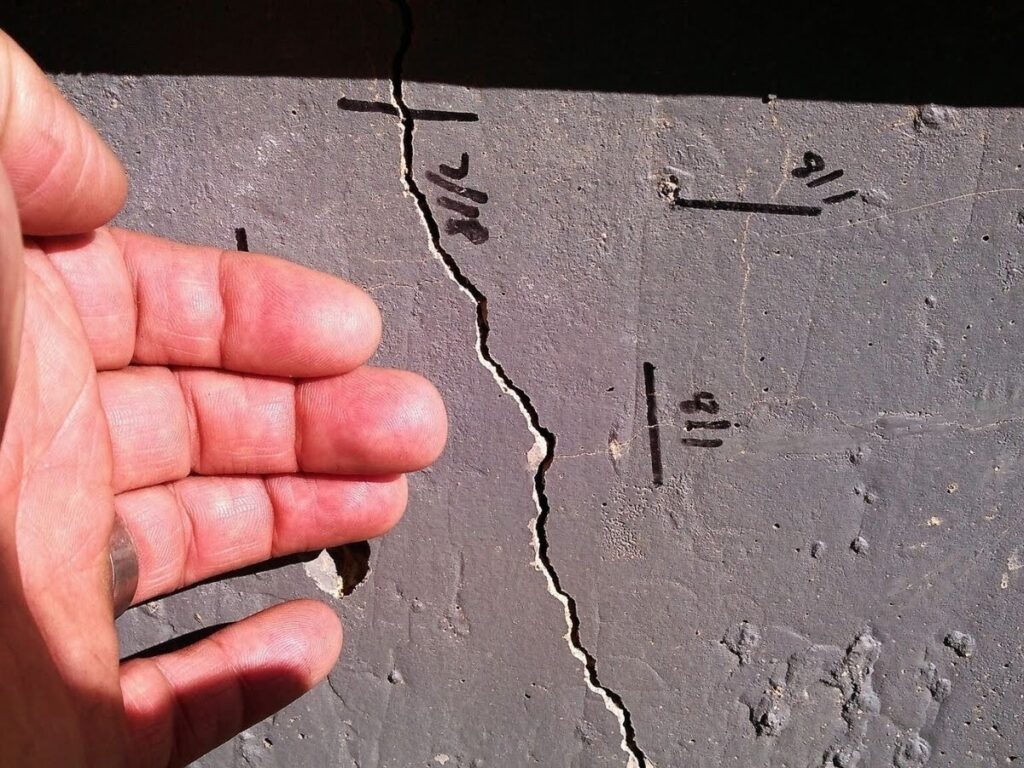
That strange crack in the drywall seems a little bigger today. The bedroom door suddenly sticks at the top, and you notice the floor has a slight, but definite, slope. These are the kinds of subtle changes that can make a homeowner’s mind race. While it’s easy to brush them off as a house simply “settling,” they can also be early warnings of a deeper issue.
A structural home inspection is a definitive way to get clearer answers and reduce the guesswork. It’s a specialized assessment performed by a licensed engineer to evaluate your home’s skeleton — the foundation, beams, and load-bearing walls.
This guide will walk you through what an inspection covers, when you need one, and how professional analysis supports more informed decisions about your home’s safety and condition.
Key Takeaways
- Go beyond a standard inspection for professional structural insight: A licensed Professional Engineer provides a specialized assessment of your home’s core structure — the foundation, framing, and load-bearing walls — to identify issues a general inspection may not address.
- Know the right time to call in an expert: Consider scheduling an inspection if you notice red flags like wall cracks or sloping floors, before a major renovation, or during a real estate transaction to support more informed decisions.
- Use the report as your action plan: The engineer’s findings are not a pass/fail grade; they are a professional guide to help you prioritize repairs, approach negotiations with more information, and work with qualified contractors.
What Is a Structural Home Inspection?
Think of a structural home inspection as a specialized assessment of your home’s skeleton. While a general home inspector looks at the whole picture — from plumbing to electrical — a structural inspection focuses more narrowly. It’s an evaluation of the components that hold your house up: the foundation, beams, columns, and load-bearing walls. The goal is to assess the home’s stability and condition, providing a professional opinion on its structural integrity. This isn’t about cosmetic flaws; it’s about the core components of the building itself, assessed by a qualified expert.
What an Inspector Looks For
During a structural inspection, an engineer is trained to identify signs that may point to underlying issues. They look for subtle indicators that might go unnoticed by the average person, things like sloping floors, doors and windows that stick or don’t close properly, and visible gaps between walls and floors.
They’ll pay close attention to cracks, especially diagonal ones spreading from the corners of doors and windows, as these can be associated with foundation movement. They also examine the foundation itself for cracks or bowing, look for sagging ceilings or roofs, and assess signs of water damage or soil conditions around the property that could affect the structure.
Some of the most common structural concerns stem from unpermitted or poorly executed remodels, in fact, over half of all remodels are completed without permits or qualified contractors, often leaving hidden framing deficiencies behind.
Water damage is another frequent culprit, leading to wood rot and creating conditions that attract wood-destroying insects like termites, which can quietly compromise the very elements holding your home up. Storm damage is equally worth scrutinizing; improper repairs after hurricanes or high-wind events are a pattern inspectors see regularly.
This brings up an important caution for buyers: not every seller fully addresses damage before listing. The “take the insurance check and move on” mentality is more common in real estate than most buyers realize, which is why fix-and-flip properties deserve extra scrutiny.
The goal is to identify conditions before you buy and take action on issues that warrant attention before they progress further. Due diligence isn’t just advisable on a purchase this significant, it’s essential.
Who Performs the Inspection

A structural inspection must be performed by a licensed Professional Engineer (P.E.) who specializes in structural engineering for an affordable price. These are professionals who have dedicated years to understanding how buildings bear weight and respond to stress, and who hold state licensure reflecting rigorous educational and testing standards. Unlike a general home inspector, a structural engineer can provide a professional analysis of a home’s structural condition, offer an opinion on the likely cause of observed issues, and develop engineered repair plans when needed. Their specialized qualifications are what give their assessment professional and legal weight when you’re making decisions about a property.
Why Is a Structural Inspection So Important?
A structural inspection goes beyond surface-level cosmetics to assess the core components that keep your house standing: the foundation, beams, columns, and load-bearing walls.
Skipping this step, whether you’re buying, selling, or renovating, is like ignoring a check-engine light. You might be fine for a while, but you could be heading toward a problem that’s far more expensive to address later. Please note, we see properties all the time that require a six figure investment to fix. Finding things early pays dividends down the road.
A professional structural inspection gives you an objective picture of the property’s condition at a point in time. It’s not about finding fault; it’s about gathering facts. This information supports more informed decisions, whether that means approaching a home purchase with greater confidence, planning a renovation with a clearer structural baseline, or understanding conditions that may affect your family’s safety. Professional documentation of your home’s structural condition is a practical asset that supports your investment over time.
Support Your Safety and Identify Potential Risks
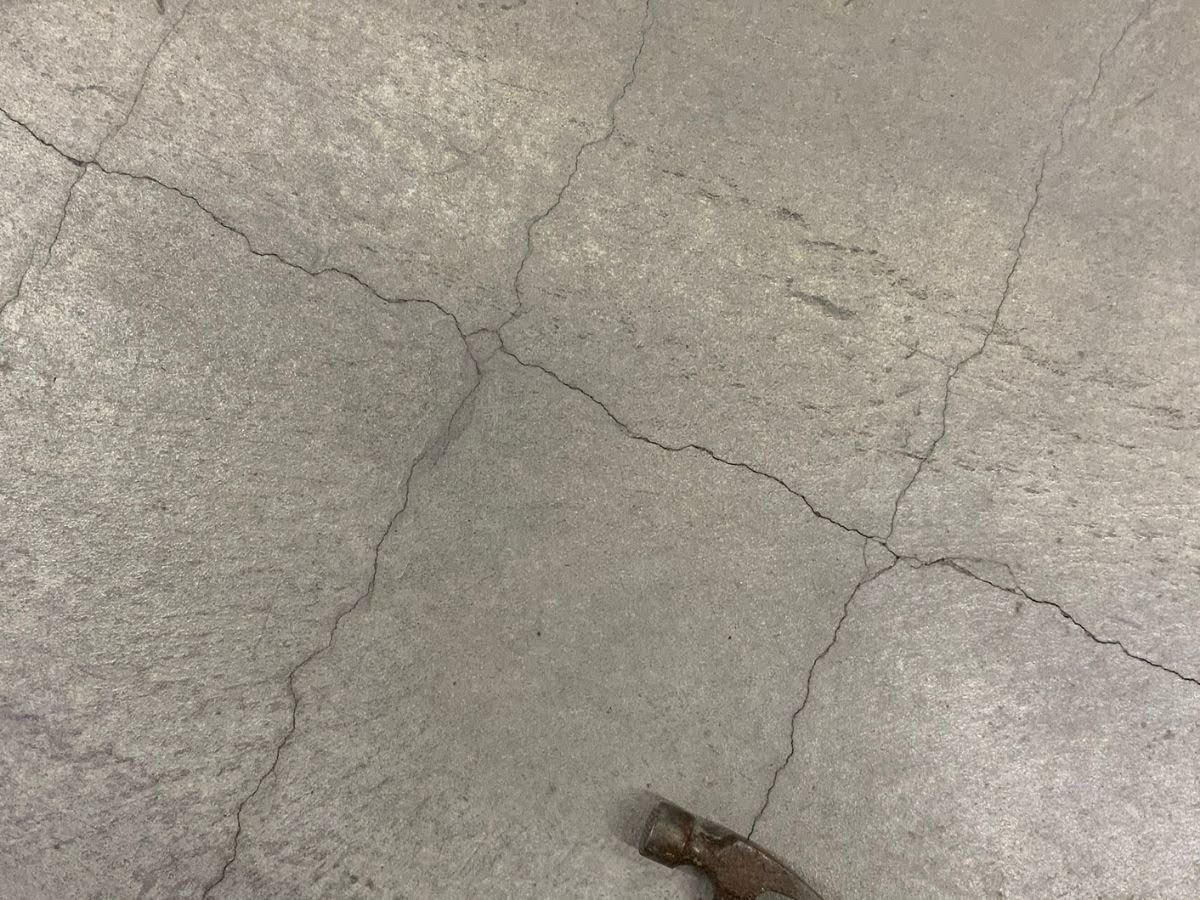
Your home’s structural integrity is the foundation of its safety. Seemingly minor issues can be early indicators of more significant conditions. Structural problems can manifest as cracked walls, sloping floors, and sagging roofs — and over time, these can worsen, affecting the stability of the building. A thorough evaluation by a structural engineer identifies conditions that warrant attention before they escalate. Professionals may also note vulnerabilities related to pests or water intrusion as they relate to structural components.
Identify Hidden Conditions Before They Become Costly
Some of the most expensive home repairs are the ones you don’t see coming. Issues with a home’s foundation or frame can develop behind walls and under floors, quietly progressing into significant problems. A structural inspection surfaces these hidden conditions, giving you an opportunity to address them while they’re still manageable. For example, a hairline crack in a basement wall might seem minor, but an engineer can assess whether it reflects normal behavior or a pattern of foundation movement that warrants intervention. Addressing concerns during the planning phase is typically far less costly than emergency repairs after the fact.
Early Assessment Supports Better Long-Term Planning

When it comes to your home’s structure, being proactive tends to pay off. Getting an assessment early can surface conditions before they develop into larger, more expensive problems. This is true for older homes with years of wear and tear, but it’s equally relevant for new construction. Even newly built homes can have structural conditions stemming from construction errors or soil issues. An inspection identifies potential concerns early, giving you an opportunity to have them addressed by the builder before they become your responsibility.
Structural vs. Regular Home Inspection: What’s the Difference?
While a regular home inspection gives you a broad overview of a property’s condition, a structural inspection offers a focused, in-depth analysis of its core load-bearing components.
Think of it as the difference between a general check-up and a visit to a specialist. At their core, homes are made up of interconnected systems working together to provide safe shelter, and the structure is the most critical of all, as it supports everything else.
Both serve an important purpose, but they look for very different things. Understanding the key distinctions helps you know which one you need and when.
Scope and Areas of Focus
A regular home inspection is a top-to-bottom visual review of a house — the inspector checks everything from the roof and plumbing to electrical systems and appliances, looking for general defects, safety issues, and maintenance items. While a general inspector may note visible foundation cracks, their assessment is typically limited in structural depth. A structural inspection focuses exclusively on the home’s load-bearing system: the foundation, floor joists, beams, and walls that hold the house up. It’s a specialized assessment designed to evaluate structural stability.
Inspector Qualifications and Expertise
A general home inspector is a trained generalist with broad knowledge of a home’s systems who can identify potential red flags that may warrant a closer look. For a structural inspection, you need a licensed Professional Engineer (P.E.) — a specialist with advanced education and field experience in how structures behave under load. A structural engineer can assess the root cause of an observed problem, evaluate its significance, and develop engineered solutions. Their findings carry professional and legal weight, and their official report includes a professional engineer’s stamp.
The Depth of the Final Report
After a regular home inspection, you receive a detailed report listing defects and maintenance recommendations across the property — a useful informational document, but one that typically doesn’t include engineered solutions. A structural engineer’s report is analytically deeper. It doesn’t just identify a problem like a foundation crack; it addresses the likely cause, whether it affects the home’s structural stability, and what a qualified contractor would need to do to address it. This gives you a clearer, more actionable basis for next steps.
When Should You Get a Structural Inspection?
Knowing when to call in a structural engineer doesn’t have to feel like a mystery. While some situations are obvious — like after a major storm — others are more subtle. A structural inspection is a professional assessment to help you understand whether your home’s core components are performing as expected. Here are several situations where getting a professional structural inspection is a sound decision.
Telltale Signs of Structural Conditions
Your home often provides early indicators when something may not be right. Floors with a distinct slope, doors and windows that suddenly stick or don’t close properly, and cracks in the foundation or walls — especially diagonal ones over doorways — are all worth a professional look. A hairline crack might reflect normal behavior, but anything wide enough to fit a dime in warrants assessment. Spongy-feeling floors or visible wood deterioration are also conditions that merit attention. These signs don’t necessarily indicate a major problem, but they do suggest that a professional opinion is worthwhile.
During a Real Estate Transaction
Buying a home is a significant financial commitment, and having complete information about the property’s structural condition supports better decision-making. A standard home inspection is valuable for assessing plumbing, electrical, and general condition, but it doesn’t always address structural integrity in depth. A separate structural engineering inspection provides a professional opinion on the foundation, framing, and load-bearing walls. For sellers, a pre-listing inspection can surface conditions worth addressing before the transaction, supporting a more transparent process for both parties.
After a Disaster or Before a Renovation
After a significant weather event, termite damage, or other unexpected incident, a structural assessment can confirm whether damage has occurred and what remediation may be needed. Similarly, if you’re planning a renovation — particularly one that involves removing a wall or adding to the structure — a structural assessment early in the process helps establish what your home’s existing structure can support, what modifications may be required, and whether the planned work is consistent with applicable building codes.
What to Expect During a Structural Inspection
A structural inspection is a professional assessment of your home’s core load-bearing components — not a test you can pass or fail. The goal is to give you an objective picture of the property’s structural condition so you can make informed decisions. From the initial walkthrough to the final report, a structural engineer is there to assess the foundation, framing, and load-bearing elements and document their findings professionally.
How to Prepare for the Inspection
A little preparation helps the engineer conduct a thorough assessment. Clear away dirt, plants, or debris from around the foundation to provide clear visibility. Ensure access to key areas like the attic and crawl space. If you’re aware of specific concerns — a crack you’ve been monitoring, a floor that feels uneven — document them and be ready to share that context with the engineer. Providing this background helps the engineer focus their assessment on the areas of greatest concern.
The On-Site Evaluation Process
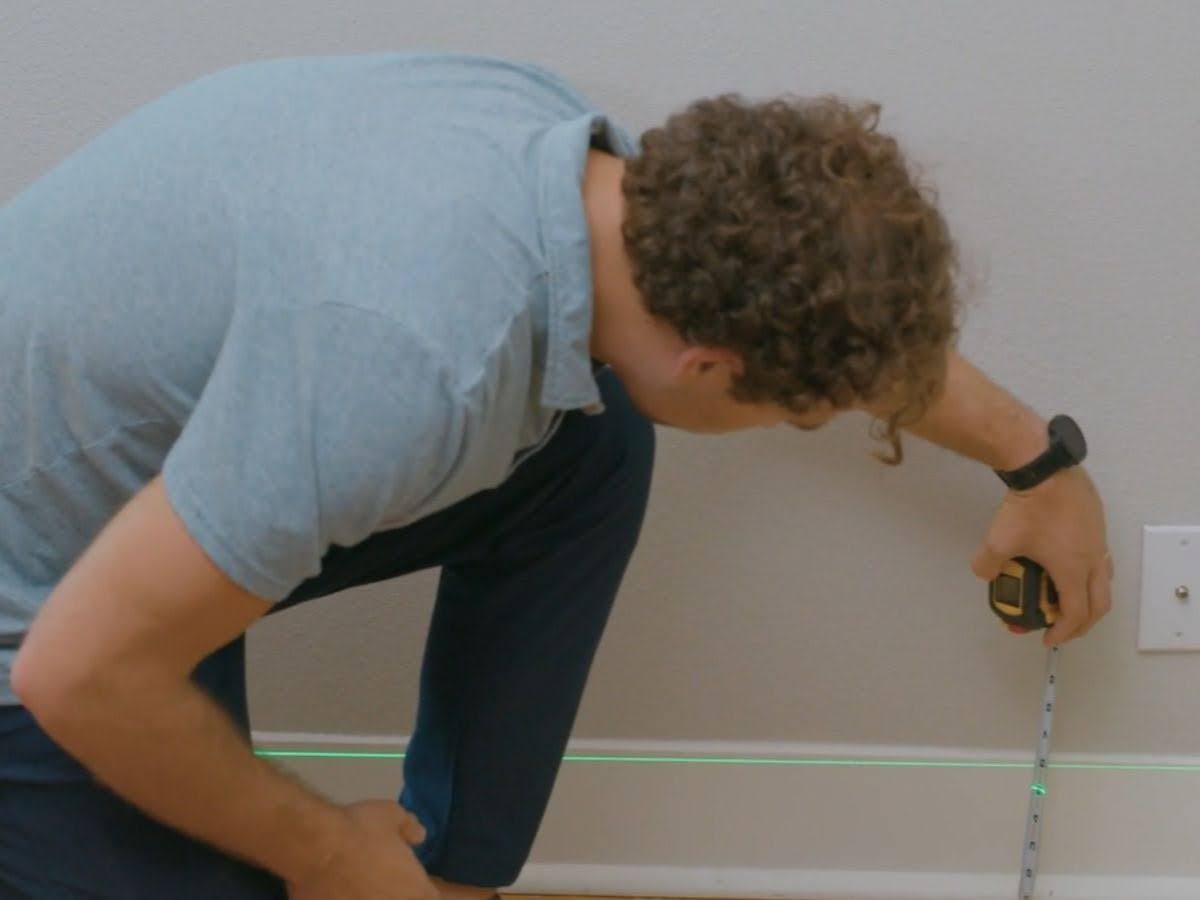
The engineer will typically begin with a conversation to understand your concerns and the history of any observed conditions. They’ll then conduct a thorough visual inspection of the property, from the foundation to the roof, assessing how loads are distributed through the structure and the condition of key materials. Following the walkthrough, the engineer analyzes their findings — which may involve considering soil conditions or other site factors — before compiling a detailed report.
Specific Areas the Engineer Will Evaluate
The structural inspection focuses on the load-bearing system. This includes a detailed evaluation of the foundation for cracks, settlement patterns, or water-related conditions; the framing and support systems including beams, columns, and joists; the roof structure for sagging or damage; and the condition of walls, floors, windows, and doors as they relate to overall structural performance. This specialized focus is what distinguishes a professional structural assessment from a general home inspection.
Busting Common Myths About Structural Inspections
A number of misconceptions surround structural inspections. Understanding the reality helps you approach the process with accurate expectations and recognize the inspection for what it is: a professional tool for understanding your home’s structural condition.
“New Homes Don’t Need One.”
A brand-new home isn’t automatically free of structural concerns. Builders work with multiple subcontractors, and conditions like improper soil grading, construction errors, or materials that don’t perform as expected can occur. A structural inspection on a new build provides an independent professional assessment before you close — or before the builder’s warranty expires — giving you an opportunity to address concerns while the builder may still be responsible for corrections.
“Inspections Are Just for Buyers.”
While structural inspections are common during real estate transactions, they are also valuable for current homeowners. Over time, conditions in a home’s structure can develop and change. A periodic inspection can help you monitor developing conditions — like foundation movement or water intrusion — before they become more serious. It’s also a sound step before starting a major renovation, such as a home addition or wall removal, to understand what your existing structure can support.
“It’s a Simple Pass/Fail Test.”
A structural inspection is not a test with a final grade. It’s an objective, professional assessment of the property’s structural condition at a specific point in time. The engineer’s job is to observe, analyze, and document their findings. The resulting report outlines structural components, identifies conditions of concern, categorizes their significance, and provides professional recommendations. This information supports your decision-making — it doesn’t render a verdict on your home.
How Much Does a Structural Home Inspection Cost?
Structural inspection fees vary based on several factors, and understanding what influences the cost helps you budget appropriately and recognize the value relative to what major unforeseen repairs can cost. Fees are project-specific; the figures discussed here are general reference ranges, not quotes. Contact us for an estimate based on your specific property and situation.
Factors That Influence the Price
The primary driver of cost is the size and complexity of the property. A larger, older home with intricate architecture will typically require more time to evaluate than a smaller, more straightforward one. The scope of the inspection also matters — a general pre-purchase assessment differs in depth from an investigation into a specific, concerning condition like a significant crack pattern or visible foundation movement. The time and expertise required for each scenario will be reflected in the fee.
Typical Cost Range and What It Includes
As a general reference, structural inspection fees commonly range from a few hundred dollars for a focused evaluation to $2,000 or more for a comprehensive assessment of a larger or more complex property. These fees generally cover the engineer’s time on-site for a thorough visual assessment of the home’s foundation, framing, load-bearing walls, and related components, as well as preparation of the written report documenting findings and professional recommendations. All fees are project-specific — request a proposal for your property.
The Value Relative to Potential Repair Costs
The case for a structural inspection is most clear when considered alongside what structural repairs can cost when problems are found late. Conditions identified early, during the assessment phase, are typically far less expensive to address than those discovered mid-construction or after significant deterioration has occurred. A structural inspection provides professional documentation of your home’s condition at a point in time — information that supports better planning, more informed negotiations, and earlier intervention when conditions warrant it.
How to Read Your Structural Inspection Report
Your structural inspection report is a professional document that describes the condition of your home’s structural components at the time of inspection. It may feel technical at first, but it’s designed to give you an objective basis for decision-making — not to overwhelm you. Here’s how to approach it.
Key Components and Technical Terms
A well-organized report typically opens with a summary of the most significant findings before addressing each structural system in detail. You’ll see sections covering the foundation, framing, roof structure, and load-bearing elements. Technical terms like “beams” (horizontal supports) and “columns” (vertical supports) will appear throughout. “Defects” refer to observed conditions or areas of concern; these are distinguished from normal wear and tear. A thorough report will include photographs and descriptions to help you understand what the engineer observed and where.
Understanding Severity Levels
Not every finding in your report requires immediate action. Engineers categorize findings by significance to help you prioritize. A minor finding might be a small, non-structural crack in a concrete slab. A moderate finding might be a sagging floor joist that warrants reinforcement in the near term. A significant finding — one requiring prompt attention — might be a bowing foundation wall that affects the structural stability of the home. This tiered approach helps you allocate your attention and resources appropriately.
Recommended Next Steps and Timelines
The recommendations section is where the report becomes most actionable. A structural engineer will document what they believe should be done in response to each finding — whether that’s monitoring a minor crack over time, scheduling repairs with a qualified contractor, or taking immediate action on a serious condition. Some findings will be flagged as urgent; others will be part of a longer-term maintenance picture. If you’re planning a renovation that involves removing a wall, the report will address whether the wall is load-bearing and what steps would be required to do so safely.
Your Inspection Is Done. Now What?
You have the structural inspection report in hand. Rather than letting it sit, treat it as your action plan. Here’s how to move from findings to next steps.
Address Immediate Safety Concerns First
Start by identifying any findings the engineer has flagged as urgent. These represent conditions that could affect the structural integrity of the home or pose a more immediate risk — significant foundation cracking, compromised roof trusses, or unstable load-bearing walls. Addressing these conditions first prevents further deterioration and limits the risk of more extensive damage over time.
Plan for Necessary Repairs
Once urgent items are addressed, you can develop a plan for the remaining findings. Your structural engineer’s report provides the basis for this: it documents the cause of observed conditions, their assessed significance, and the engineer’s recommended course of action. In a real estate context, this report supports negotiations — you can request repairs, negotiate a credit, or use the findings to inform your decision about the transaction. For homeowners, the report helps you build a prioritized, budgeted maintenance and repair plan.
Work with Qualified Contractors and Engineers
Structural repairs require professional expertise. The engineer’s report establishes what needs to be done; a qualified contractor executes the work. In many cases, the engineering firm that conducted the inspection can also develop the repair documents — detailed construction drawings that a contractor uses to perform the work correctly and that may be required for permit applications. Vet your contractors carefully, verify their licenses and references, and confirm they have relevant experience with the type of structural work your home requires.
How to Choose the Right Structural Engineer
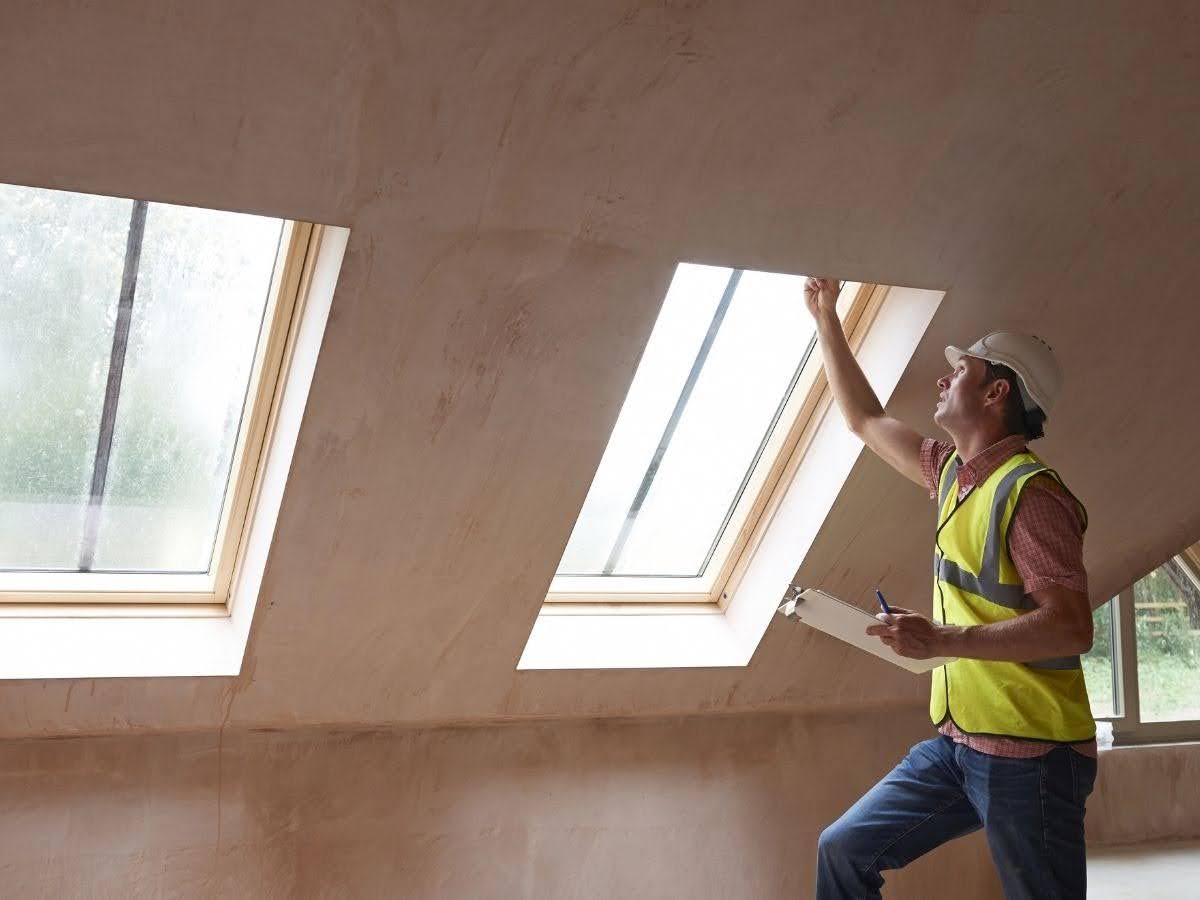
The quality of your inspection depends significantly on the professional you choose. Here’s what to look for.
Credentials and Qualifications to Look For
Confirm that any engineer you consider holds a current Professional Engineer (P.E.) license in your state. This is a baseline requirement, not a differentiator — it confirms the engineer meets the professional and legal standards required to practice. Beyond licensure, look for demonstrated experience with residential structural work and familiarity with local building codes. An engineer with a relevant project history and local code knowledge is better positioned to provide findings and recommendations that are practical and applicable to your jurisdiction.
Key Questions to Ask Before You Hire
A brief conversation before hiring can tell you a great deal about an engineer’s experience and approach. Consider asking:
- Have you worked on homes in my area or on projects similar to mine?
- Can you walk me through your on-site assessment process?
- How do you structure your fees, and what does the inspection include?
- What types of conditions should I be prepared to discuss when we meet?
- Are you familiar with the specific building codes for my city?
Their answers will give you a sense of their experience, how they communicate findings, and whether they’re the right fit for your project.
Related Articles
- When To Hire A Structural Engineer For House Inspection
- Structural Engineer For Home Inspection – Level Engineering
- How To Check The Structural Integrity Of A House
- Unlocking The Value Of Your Home: The Power Of A Pre-listing Inspection
- Inspector For New Residential Construction: Why It Matters
Frequently Asked Questions
Can my house “fail” a structural inspection?
No. A structural inspection is not a test with a grade. It’s a professional assessment of your home’s structural condition at a specific point in time. The engineer observes, analyzes, and documents what they find. The report gives you factual, professional findings and recommendations — not a pass or fail verdict. The goal is to give you accurate information to support your decisions.
Do I need an engineer for just a few small cracks?
Many hairline cracks reflect normal movement in a house over time, but some can indicate a developing structural condition. An engineer is trained to distinguish between the two. If you notice cracks that are widening, running diagonally from door or window corners, or are large enough to fit a dime in, a professional opinion is a reasonable step. Confirming a crack is non-structural is itself useful information.
How long does a typical structural inspection take?
For a standard-sized home, the on-site portion typically runs one to three hours. Larger properties or situations involving specific, complex conditions may take longer. The engineer can give you a more accurate time estimate when you schedule. Report preparation occurs after the site visit and typically adds additional turnaround time.
Will the structural engineer also fix the problems they find?
The engineer’s role is diagnostic and design-based — they assess conditions, determine their significance, and develop engineered solutions. They do not perform construction repairs themselves. Once you have the report and any accompanying repair documents, you engage a qualified contractor to execute the work according to the engineer’s specifications. This separation of roles supports objectivity and quality control.
Is a structural inspection worth it if I’m not buying or selling a home?
Yes, for current homeowners a periodic inspection can surface developing conditions before they become more costly to address, and provides a professional baseline for understanding your home’s structural health over time. It’s also an important step before any significant renovation — particularly one involving wall removal or structural additions — to establish what your existing structure can support and what modifications may be required.
This article provides general information about structural home inspections and should not be considered professional engineering advice for your specific project. Every structure and site has unique requirements. Level Engineering and Architecture recommends consulting with a licensed structural engineer to evaluate your particular needs and ensure compliance with local building codes and regulations.
Level Engineering and Architecture offers civil and structural engineering and architecture services designed to give our clients clear guidance and practical solutions so you can move forward with confidence. Our approach typically includes an initial site visit and consultation before moving into potential designs, reports, or other services. Results and timelines vary based on project scope, site conditions, and regulatory requirements.
Engineering solutions should be implemented by licensed professionals in accordance with applicable building codes, regulations, and industry standards. This information is for educational purposes only.
Expert Quote (Scott Zurn, P.E.)
“Think of a home inspection like a general check-up and a structural inspection like a visit to a specialist. Both matter, but when there’s something wrong with the bones of a house, you need someone trained to find it, accurately diagnose it, and design the right solution.
A structural inspection goes beyond surface-level cosmetics to assess the core components that keep your house standing — the foundation, beams, columns, and load-bearing walls. These are the elements that, when compromised, can turn a manageable repair into a six-figure problem.
Skipping this step, whether you’re buying, selling, or renovating, is like ignoring a check-engine light. You might be fine for a while, but you could be heading toward something far more expensive down the road. We see it all the time. Finding these issues early doesn’t just protect your investment — it pays dividends for years to come.” – Scott Zurn, P.E.
