
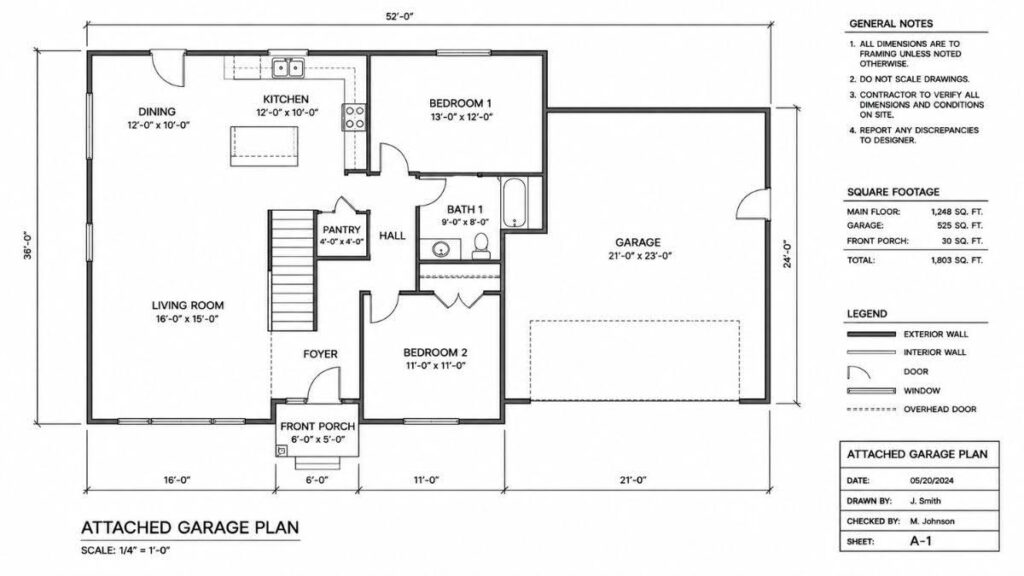
Get expert tips on attached garage plans, from choosing the right layout to budgeting and avoiding common mistakes for a smooth, successful project.
Think of your new garage project as a team sport, with you as the captain. While you have the vision, you need a strong team and a clear playbook to bring it to life. That playbook is your set of attached garage plans. It’s the central document that unites your structural engineer and your contractor, ensuring everyone is working toward the same goal.
A great plan supports clearer communication, more informed quotes, and a more organized construction process. This guide will explain how to assemble your project dream team and how to use your plans to keep everyone on the same page, turning a complex project into a rewarding experience.
Key Takeaways
- Treat Your Plan as a Roadmap, Not a Suggestion: A comprehensive plan is the single most important tool for a successful garage addition. It aligns your builder, helps you get accurate quotes, and ensures the final structure is safe, functional, and compliant with local codes.
- Factor in a Local Engineering Review: No matter where you get your plans, they must be reviewed and stamped by a local structural engineer. This essential step adapts the design for your area’s specific soil, climate, and building requirements, making it safe and ready for permitting.
- Design for Your Life, Not Just Your Vehicles: The most common regret is building a garage that’s too small or doesn’t fit your lifestyle. Plan for future storage, consider how the design affects your home’s curb appeal, and incorporate features like a workshop or mudroom to create a truly multi-functional space.
- Be mindful of improving your home’s value and not hurting it.
What is an Attached Garage Plan?
Think of an attached garage plan as the complete instruction manual for your new garage. It’s a detailed set of drawings and specifications that outlines every aspect of the project, from the foundation to the roof. These plans are more than just a simple sketch; they are technical documents that show dimensions, door and window placements, and crucial structural elements like headers and rafters. A professional plan is the foundation upon which your entire project is built, ensuring everyone involved is on the same page and working toward the same goal. Does the foundation perform in harmony with the existing foundation? Remember, you are attaching them.
A well-drafted plan helps communicate your vision to your contractor and is designed to support structural soundness and general alignment with local building codes, though local review and permitting. Whether you’re planning a simple one-car garage or a multi-bay space with a workshop, the plan is the first and most critical step in any home addition. It helps you secure necessary permits and provides a clear basis for construction quotes, reducing the likelihood of costly surprises down the road.
Common Attached Garage Layouts
When you review a set of attached garage plans, you’ll see several key components. The plans must specify all structural details, including the size and spacing of rafters or trusses that support the roof, as well as the headers needed above door and window openings. You’ll also find detailed foundation information, which is critical for stability. These details will outline the requirements for footings and foundations that meet local frost depth regulations, a must for northern climates. Beyond the technical specs, a good plan also considers aesthetics, ensuring the new garage complements your home’s existing style for a seamless look. This includes matching roof lines, siding, and other architectural features.
Attached vs. Detached: The Pros and Cons
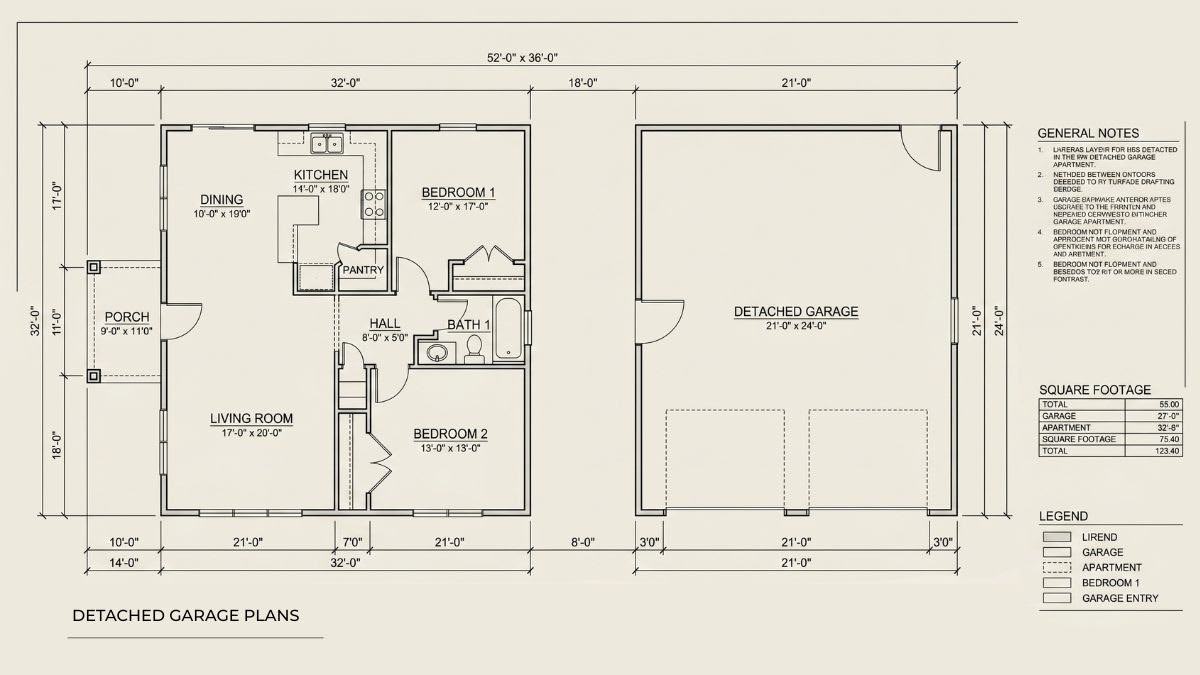
One of the first decisions you’ll make is whether to build an attached or detached garage. Attached garages are often less expensive because they share a wall with your home, which can reduce material and labor costs. They also offer the convenience of direct access to your house — a feature you’ll appreciate during a snowstorm. On the other hand, a detached garage provides more flexibility in placement and design. It can also be a safer place to store flammable materials like gasoline or paint away from your main living areas. Plus, a separate structure can free up space next to your house for a patio or garden. Fire separation and roof configuration and materials are important factors a plan can outline.
Key Features to Look for in Garage Plans
When you start looking at attached garage plans, it’s easy to get caught up in the big picture — how many cars it will fit or what the exterior will look like. But the real value is in the details. A great set of plans goes beyond basic dimensions to give you a blueprint for a space that is safe, functional, and perfectly suited to your home and lifestyle. It’s about creating a seamless extension of your living space, not just a box for your cars.
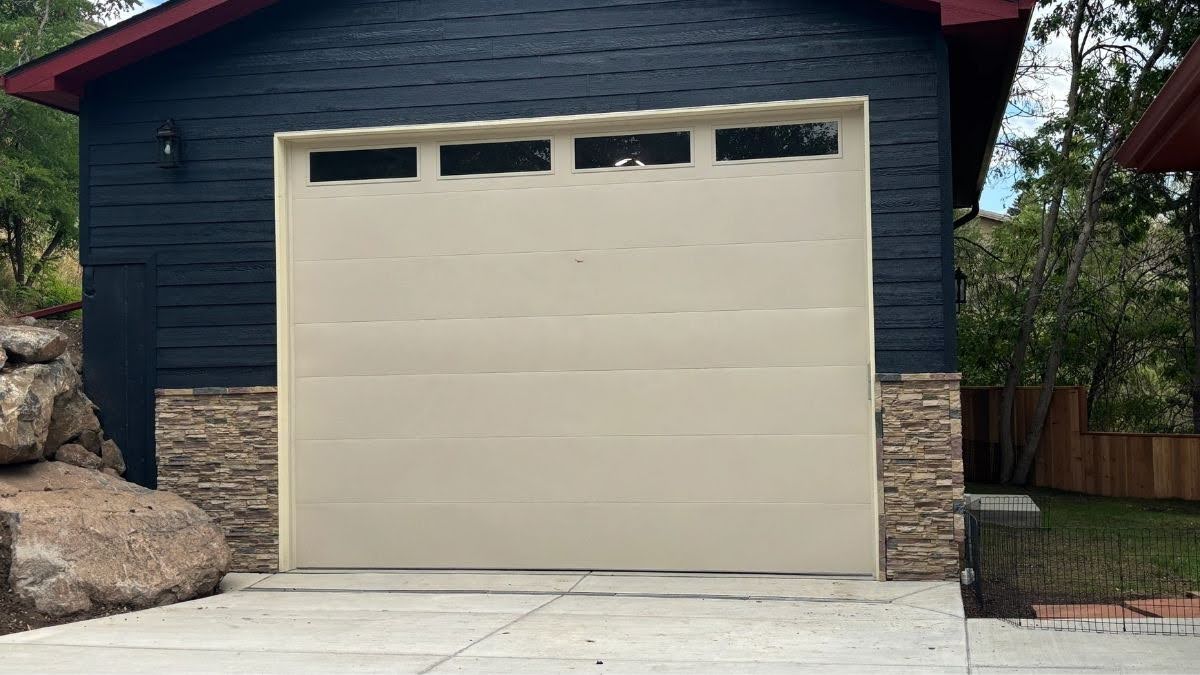
The best plans provide clear, comprehensive information that your builder can follow without guesswork. This includes everything from the type of foundation required for your local soil conditions to the specific structural supports needed to connect the garage to your house safely. Think of it as a detailed instruction manual for your project. Looking for these key features from the start will save you from headaches, unexpected costs, and potential structural issues down the road. A well-thought-out plan is the foundation of a successful home addition. It’s the difference between a project that flows smoothly and one that’s plagued by constant questions and on-the-fly decisions. A detailed plan empowers your entire team, from the architect to the contractor, to build with confidence and precision.
Sizing Up Your Space: Vehicles and More
Before you settle on a plan, think realistically about how you’ll use the space. It’s not just about fitting your cars; it’s about being able to open the doors without hitting a wall, having room for storage, and maybe even a small workbench. Measure your vehicles, including height, especially if you have a large truck or SUV with a roof rack. The plans should specify crucial structural details like the size of headers over the garage door, the spacing of roof rafters or trusses, and the precise locations for any windows and doors. These elements are essential for ensuring the structure is sound and the space is usable.
Essential Foundation and Structural Details
A garage is only as strong as its foundation. Your plans must include detailed information about the foundation, tailored to your region’s climate. For those of us in northern climates, this means specifying footings that extend below the local frost line.
A professional plan will outline these requirements clearly, providing the contractor with the specifications needed to build a stable foundation. Working with experienced foundation engineers helps ensure your plans are designed to address local soil conditions and applicable building codes, providing a solid start for your project.
Creating a Multi-Functional Space
Your garage can be so much more than a parking spot. Modern garage plans often include flexible spaces that add value and convenience to your home. Consider features like a dedicated mudroom to serve as a transition zone, keeping dirt and clutter out of your main living areas. You might also want to incorporate extra storage with built-in shelving or even a workshop for your hobbies. Some homeowners even plan for finished living quarters above the garage, creating a perfect spot for a home office, guest suite, or an accessory dwelling unit (ADU).
Integrating Smart Home Technology
As our homes become more connected, it makes sense to extend that technology to the garage. When reviewing plans, look for details that support modern living. This could include pre-wiring for electric vehicle (EV) chargers, smart garage door openers, and enhanced security systems. Other forward-thinking features to consider are advanced ventilation systems to handle fumes and moisture, and durable, easy-to-clean flooring like epoxy coatings. Planning for these elements from the beginning makes installation easier and more cost-effective than trying to retrofit them later.
Designing for Energy Efficiency
An attached garage can have a significant impact on your home’s overall energy consumption. A well-designed plan will incorporate features that minimize heat loss and reduce your utility bills. Look for specifications on insulation for walls and ceilings, energy-efficient windows, and insulated garage doors. A properly sealed and insulated garage not only protects your vehicles and stored items from extreme temperatures but also acts as a buffer zone, helping to keep your main house more comfortable. These sustainable design choices are not just good for the environment; they’re good for your wallet, too.
Where to Find Attached Garage Plans
Finding the right garage plan can feel like a treasure hunt. The good news is, there are tons of resources out there, whether you’re looking for a ready-to-go stock plan or something designed just for you. Stock plan websites are a great starting point for inspiration and can be a cost-effective option if you find one that fits your needs perfectly. But if your property has unique challenges or you have a specific vision in mind, working with a design and engineering firm is the best way to get a plan that’s tailored to your home. Here are a few of the best places to start your search.
Level Engineering: Your Partner for Custom Designs
Sometimes, a pre-drawn plan just doesn’t cut it. Maybe your lot is an unusual shape, you want to match your home’s unique architecture, or you have a specific multi-use layout in mind. That’s where a custom design comes in. We specialize in creating custom architectural plans that are a perfect fit for your home and lifestyle.
If you find a stock plan you mostly like, we can also modify it to address your specific needs and prepare it for local building code review and permitting. A custom approach allows your new garage to be a seamless and functional addition to your home, designed with your goals and property in mind from day one.
The Garage Plan Shop
If you want to browse a huge variety of options, The Garage Plan Shop is a great place to start. They offer a massive collection of plans for garages and other small buildings, with designs from top architects across North America. You can find everything from simple 1-car garages to expansive 3-car or even larger layouts. Their extensive library makes it easy to see different styles, rooflines, and configurations all in one place.
Architectural Designs
Known for their focus on style and budget, Architectural Designs offers a well-curated selection of garage plans. You can easily filter by popular styles like modern farmhouse or traditional to find something that complements your home’s aesthetic. Many plans are designed for more than just parking cars, with options that include workshops, loft spaces, or extra storage rooms, helping you envision a truly multi-functional space.
Family Home Plans
Another robust online resource, Family Home Plans, has a wide range of garage plans for sale. A key benefit of their site is that you can easily search for both attached and detached garage designs. They feature everything from small, single-car garages to large, multi-bay structures that can accommodate several vehicles and a workshop.
Budgeting for Your Garage Plans: What to Expect
Understanding the costs associated with your attached garage is one of the most important steps in the planning process. The price tag isn’t just for the physical construction; it starts with the plans themselves. Your total investment will depend heavily on whether you opt for a ready-made design or a fully custom solution, along with a handful of other factors specific to your property and vision.
Think of your budget as a roadmap. It helps you make informed decisions about size, features, and finishes. While it’s tempting to look for the lowest price on plans, it’s more effective to consider the overall value and how the design will meet your long-term needs. A well-thought-out budget prevents surprises down the road and ensures your project stays on track from the first draft to the final build.
Pre-Drawn vs. Custom Plans: Which is Right for You?
Once you’ve decided to build an attached garage, you’ll face a big question: should you use a pre-drawn plan or invest in a custom design? It’s a reasonable question, but it’s also one that’s hard to answer without first understanding your specific site, your local codes, and what’s actually buildable on your property.
Start With an Engineer, Not a Plan
Many homeowners begin by browsing pre-drawn plans online, which is a natural first step for gathering ideas. The risk is moving too far down that road before consulting a professional. Pre-drawn plans are designed generically, and they can’t account for your municipality’s specific code requirements, your lot’s setbacks, your soil conditions, or regional factors like snow load and frost depth. In some cases, homeowners have purchased and fallen in love with a plan, only to discover a local code requirement that makes the design unbuildable as drawn, requiring a full restart.
Meeting with a structural engineer or design-build firm before committing to any plan is the move that saves you time and money in the long run. That early conversation gives you a clear picture of what your property can support and what your local codes require, so when you do evaluate plans, you’re doing it with the right information in hand.
Pre-Drawn Plans: Useful for Inspiration, With Caveats
Pre-drawn plans can be a helpful reference point and are generally less expensive upfront. But treat them as a starting point, not a finished product. Any pre-drawn plan will need review and likely modification by a local engineer before it’s ready for permitting, which adds cost and time back into the equation.
Custom Design: Built Right From the Start
A custom design starts with your property, your codes, and your goals, which means fewer surprises down the road. If your lot has an unusual shape, if you want to match your home’s architecture, or if you need a multi-functional layout, custom is typically the more efficient path overall, even if the upfront cost is higher.
The Bottom Line
The right plan isn’t the cheapest one or the fastest one, it’s the one that actually works for your property. A brief consultation with an engineer before you commit to anything is the single best step you can take to make that call with confidence.
Key Engineering Details You Can’t Ignore
Once you’ve settled on the size and style of your garage, it’s time to focus on the technical details that will make it safe, stable, and seamlessly integrated with your home. While these elements might seem less exciting than picking out finishes, getting them right is non-negotiable. This is the structural backbone of your project, and overlooking these details can lead to serious problems, from a cracked foundation to a leaky roof. Paying close attention to the engineering from the start reduces the risk of costly fixes and helps your new garage stand strong for years to come. A structural engineer is your most important partner during this stage.
Load-Bearing Walls and Structural Support
Every opening in your garage — from the main vehicle door to windows and pedestrian doors — creates a gap in the structure that needs to be properly supported. This is where elements like headers, rafters, and trusses come into play. Your plans must specify the size and spacing of these components to handle the weight of the roof and walls above them. Properly engineered structural support helps prevent sagging, cracking, and other serious issues down the road.
Foundation Needs and Soil Considerations
A garage is only as strong as the ground it’s built on. Your plans need to include detailed information about the foundation, including footings that extend below the local frost line. This is designed to reduce the risk of structural shifting and cracking during freeze-thaw cycles. The right foundation engineering also depends on your local soil conditions. Different soil types expand, contract, and drain differently, so a professional assessment is key to designing a foundation that provides lasting stability.
Connecting the Garage to Your Home
Figuring out how the new garage will attach to your existing house is a critical engineering challenge. Will they share a wall, a foundation, or a roofline? Or will they be connected by a breezeway? Designing this transition with proper structural and weatherproofing specifications is essential to helping the garage integrate seamlessly with your home. A poorly planned attachment can lead to water intrusion, drafts, or structural stress on your home. When done correctly, an attached garage should feel like a natural home addition, not a separate structure that was tacked on later.
Navigating Building Codes and Permits
Local building departments treat an attached garage as a major addition to your home, which means it must comply with a long list of codes and regulations. These rules govern everything from maximum size and property line setbacks to electrical wiring and fire separation between the garage and your living space. Trying to manage these requirements on your own can be overwhelming. Working with an expert who understands local codes helps position your plans for a smoother permitting process, ensuring your finished project is safe and built to last.
Common (and Costly) Planning Mistakes to Avoid
Designing an attached garage seems straightforward, but a few common oversights can lead to frustration and unexpected costs down the road. Taking the time to think through the details now will save you from a finished space that doesn’t quite meet your needs. Let’s walk through some of the most frequent mistakes homeowners make so you can steer clear of them.
Misjudging Your Space Needs
One of the most common regrets is building a garage that’s too small. It’s easy to focus only on fitting your cars, but what about everything else? Think about lawn equipment, bikes, holiday decorations, and workbenches. Before you finalize any plans, take a full inventory of what you need to store. Considering a home addition plan that includes ample, well-organized storage from the start will help prevent a cluttered and dysfunctional space later on. Measure your cars with the doors open and map out where everything will go.
Forgetting About Curb Appeal
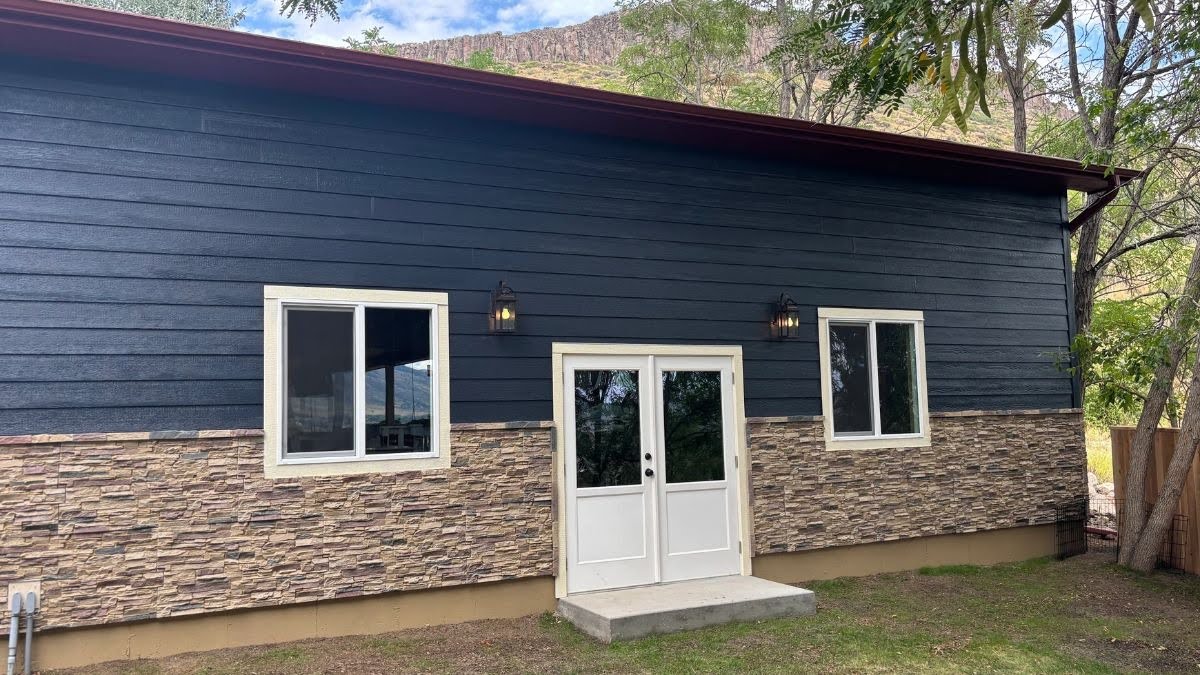
An attached garage is a prominent feature of your home’s exterior. A design that clashes with your home’s existing style can hurt its curb appeal and even lower your property value. Working with an architecture service can help you match materials, rooflines, and window styles for a seamless and attractive look that enhances your home’s overall appearance.
Overlooking Future Storage
Your storage needs today might not be your storage needs in five or ten years. Think vertically when planning your garage. You can incorporate features like high ceilings for overhead racks, built-in cabinets, or even a small loft area for long-term storage. Planning for flexible garage organization systems from the beginning gives you room to grow and adapt over time without the headache of a major overhaul.
Neglecting Ventilation and Access
Proper ventilation is crucial in an attached garage, especially to prevent carbon monoxide, paint fumes, and moisture from seeping into your living space. Good air circulation also protects your stored items from mildew and damage. Beyond the main vehicle entrance, think about how you’ll move around. Adding a convenient personnel door can make daily life much easier. A structural engineer can help ensure that any access points or ventilation systems are integrated without compromising your home’s structural integrity.
How to Find the Best Value on Garage Plans
Finding the right garage plan is exciting, but it’s easy to get caught up in the price tag. While staying on budget is important, the “best value” isn’t always the cheapest option you can find. A cheap plan that requires extensive modifications to comply with local codes or doesn’t actually fit your needs can end up costing you far more in the long run. The key is to be a smart shopper. By looking for deals, asking the right questions, and focusing on quality over initial cost, you can find a plan that serves as a solid foundation for your project.
Watch for Seasonal Promotions
If you’re not in a major rush to break ground, timing your purchase can lead to significant savings. Many online plan providers run sales during key shopping periods and holidays. Keep an eye out for promotions around Black Friday, Labor Day, or Memorial Day, when some companies offer discounts of 20% or more. Subscribing to newsletters from a few of your favorite plan websites is a great way to stay in the loop.
Ask About Bundled Deals
Found a pre-drawn plan that’s almost perfect but needs a few small adjustments? Before you pay for the plan and then hire someone else for modifications, ask the provider about bundled deals. Some companies offer discounts or free quotes for minor changes when you purchase a plan from them. This approach can be a cost-effective way to get a semi-customized plan without paying the full price for a completely custom design.
Compare Value, Not Just Price
The sticker price of a garage plan is only one piece of the puzzle. A truly valuable plan is one that complements your property and is designed to be built safely and efficiently in your specific location. Remember, you are responsible for ensuring the plans comply with local building codes and engineering requirements. A cheaper plan might not account for your area’s soil conditions, snow loads, or seismic activity. This is where partnering with a local structural engineer becomes essential. Investing in a quality plan for your home addition from the start can save you time, money, and stress.
Assembling Your Project Dream Team
Bringing your attached garage plans to life is a team sport, and you’re the captain. While you have the vision, surrounding yourself with the right professionals will make the entire process smoother and help ensure the final result is safe, functional, and what you imagined. You’ll need an expert to handle the technical details, a skilled builder to manage the construction, and a solid plan to keep everyone on the same page.
Why You Need a Structural Engineer
While you might find a garage plan you love online, you are ultimately responsible for making sure it meets local building codes and engineering requirements. This is where a structural engineer becomes your most valuable player.
A structural engineering expert will review load-bearing wall designs and other critical components for code compliance and structural adequacy, providing the documentation needed for permitting. They review your plans to confirm that every detail, from the foundation to the roof trusses, is designed with local conditions like soil type and snow loads in mind. They provide the official stamp of approval you’ll need to get your building permits.
Partnering with Contractors and Builders
Your contractor is the person who turns your two-dimensional plans into a three-dimensional reality. Building a strong partnership with them is essential for a successful project. Before construction even begins, it’s a good idea to discuss any changes you want with your builder, as they can often offer practical advice or make minor adjustments on-site that save time and money. Keep the lines of communication open, schedule regular check-ins, and don’t be afraid to ask questions.
Creating a Realistic Project Timeline
One of the biggest mistakes in any construction project is underestimating how long it will take. Rushing the process can lead to poor decisions, sloppy work, and a lot of unnecessary stress. A realistic project timeline is your roadmap to success. Work with your contractor to map out each phase, including design approvals, permit applications, site preparation, foundation work, framing, and finishing touches. A well-planned schedule should also include buffer time for unexpected delays, like bad weather or supply chain issues.
Frequently Asked Questions
I found a pre-drawn plan I love online. Can I just buy it and give it to my contractor?
Think of an online plan as a great starting point, not a finished product. That plan was likely designed for a different state with different climate and soil conditions. Before you can build, you must have a local structural engineer review and modify the plans to meet your area’s specific requirements for things like snow load and foundation depth. They will provide the necessary calculations and official stamp you’ll need to get a building permit.
Is it really worth the extra cost to get a custom garage plan?
A custom plan is an investment in getting the job done right the first time. If your property has an unusual slope, you want to perfectly match your home’s unique architecture, or you need a specific multi-functional layout, a custom design is the best way to go. It addresses your specific needs and challenges from the very beginning, which can reduce the likelihood of unexpected costs and headaches from forcing a generic plan to fit your unique situation.
What’s the most overlooked detail when planning a new garage?
Many people focus on the interior space but forget to carefully plan the connection point between the garage and the house. This is a critical structural detail that involves more than just sharing a wall. A poorly designed attachment can lead to water leaks, drafts, and even stress on your home’s existing structure. Designing this transition with proper structural and weatherproofing specifications is essential for making the garage feel like a seamless, natural part of your home.
How do I ensure my new garage doesn’t look like a tacked-on addition?
The key is to treat it as a true home addition, not just a utility space. This means working with a design professional to thoughtfully match the architectural elements of your existing home. Pay close attention to details like matching the roof pitch, siding material, window styles, and even the trim. A cohesive design considers how the garage looks from the street and how it flows with your home’s overall aesthetic, creating a polished and intentional look.
What is the first step I should take after deciding I want to build an attached garage?
Before you even start looking at plans, make a detailed list of how you want to use the space. Think beyond just parking your cars and consider your storage needs for today and for the future. Do you need a workshop, a mudroom, or extra space for hobbies? Once you have a clear vision of your needs, your next step should be to consult with a design and engineering firm. They can help you understand what’s possible on your property and guide you toward the best path forward.
This article provides general information about Attached Garage Plans and should not be considered professional engineering advice for your specific project. Every structure and site has unique requirements. Level Engineering and Architecture recommends consulting with a licensed structural engineer to evaluate your particular needs and ensure compliance with local building codes and regulations.
Level Engineering and Architecture offers civil and structural engineering and architecture services designed to give our clients clear guidance and practical solutions so you can move forward with confidence. Our approach typically includes an initial site visit and consultation before moving into potential designs, reports, or other services. Results and timelines vary based on project scope, site conditions, and regulatory requirements.
Engineering solutions should be implemented by licensed professionals in accordance with applicable building codes, regulations, and industry standards. This information is for educational purposes only.
Expert Quote
“An attached garage is one of the most significant additions you can make to your home, and the plan is where everything either comes together or falls apart. Before you fall in love with a design online, talk to a local engineer first. Understanding what your property and your local codes actually require takes about an hour — and it can save you from an expensive restart down the road.” – Scott Zurn, P.E.
