
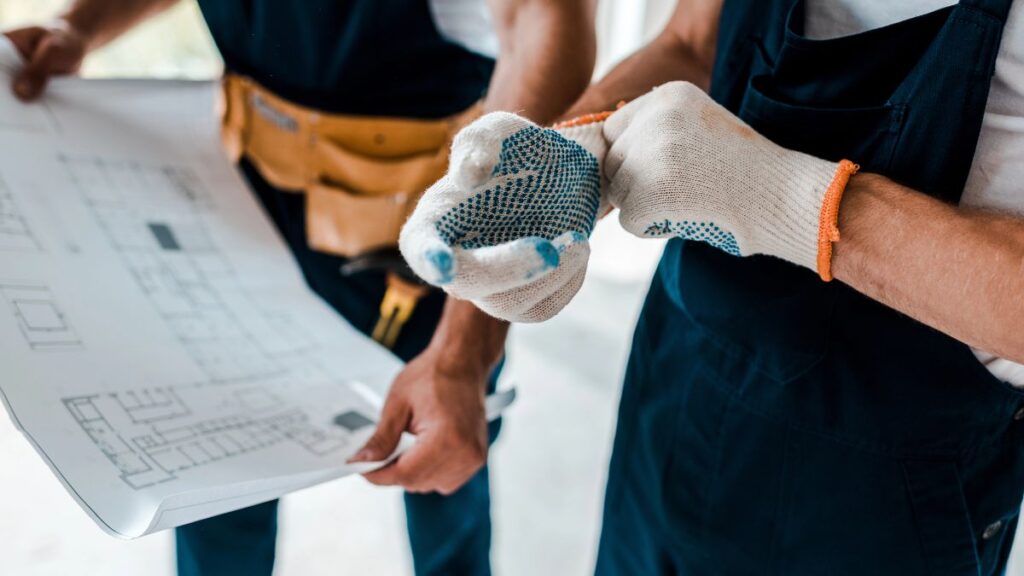
Dreaming of taking out a wall for that open-concept kitchen you’ve always wanted? Or maybe you’re planning a second-story addition or a new deck for summer barbecues? While these projects are exciting, they all have one thing in common: they directly impact your home’s structural integrity. This is where a residential structural engineer becomes your most important partner. Their expertise in residential structural engineering ensures your vision is built safely and correctly, preventing costly mistakes down the road. They are the key to making sure your dream renovation doesn’t turn into a structural nightmare.
It’s not just about getting a permit; it’s about ensuring the changes you make are safe and won’t cause catastrophic problems down the line. We’ll explore the specific projects that require professional oversight and show you how residential structural engineering services are the key to a successful, secure, and long-lasting home renovation.
Key Takeaways
-
Prioritize Structural Integrity for Peace of Mind: Any project that alters your home’s frame—from removing a wall to building an addition—requires an engineer’s expertise to ensure it’s safe, compliant, and built to last. This is a non-negotiable step for protecting your investment and your family.
-
Vet Your Engineer for the Right Experience: The right expert makes all the difference. Confirm they are a licensed Professional Engineer (PE), look for a portfolio of residential projects similar to yours, and always check references to ensure you’re hiring a reliable and communicative partner.
-
View Your Engineer as a Creative Problem-Solver: An engineer does more than just approve plans; they are a key collaborator who analyzes designs, finds efficient solutions, and works with your team to prevent issues before they start. This partnership is essential for a smooth and successful project.
What Is a Residential Structural Engineer?
A residential structural engineer is a licensed professional who evaluates and designs the structural systems of your home — including foundations, beams, load-bearing walls, and roof systems. Unlike a general home inspector, who provides a broad overview of a property’s condition, a structural engineer diagnoses potential issues, determines root causes, and creates engineered solutions that meet building codes.
By ensuring your home is structurally sound, safe, and compliant, a structural engineer protects your investment and prevents costly mistakes. Their expertise is critical for remodels, additions, new construction, and foundation repairs, helping homeowners maintain both safety and long-term value.
What Does a Residential Structural Engineer Actually Do?
A residential structural engineer is like a doctor for your home’s skeleton. Their role is to ensure the key structural elements of your house — the foundation, beams, columns, and walls — are strong, safe, and compliant with building codes.
Unlike interior designers or contractors who focus on finishes, colors, or layout, a structural engineer’s expertise is entirely on your home’s structural integrity. They evaluate existing issues, such as a crack in the foundation or sagging beams, and provide engineered solutions. They also design and review plans for new construction, additions, or remodels, ensuring your home is safe, stable, and built to last.

What They Can Do for Your Home
A residential structural engineer provides the technical analysis and plans for a wide range of home projects. This includes designing safe and sound home additions and remodels, creating the necessary drawings to remove a load-bearing wall, or inspecting your home’s structure to diagnose issues. They are experts in foundation engineering, ensuring the very base of your home is stable and secure. Whether you’re building from scratch or renovating an existing space, an engineer’s primary goal is to make sure your home can handle all the weight and forces it will face over its lifetime, keeping you and your family safe.
Specialized Engineering Services
Beyond the foundational work of designing additions and inspecting homes, the world of structural engineering has some fascinating specialties. These niche services are incredibly valuable, especially when you’re dealing with a tricky renovation or looking to use cutting-edge construction methods. Two key areas are forensic engineering—which is all about playing detective with structural problems—and expertise in advanced building materials. Understanding what these services offer can help you see how an engineer is more than just a plan-stamper; they’re a problem-solver who can tackle unique challenges and ensure your project is built with the best possible approach, from diagnosing old issues to incorporating new technology.
Forensic Engineering
When you see a mysterious crack spreading across your drywall or notice a floor starting to sag, your first thought might be panic. This is where forensic engineering comes in. Think of it as structural detective work. A forensic engineer doesn’t just look at the symptom; they investigate the root cause of the problem. They analyze why a structure is failing or not performing as it should. This is absolutely critical before a remodel, as you don’t want to build a beautiful new kitchen on top of a failing foundation. By providing a detailed forensic analysis, an engineer can identify underlying issues, ensuring that any repairs or new construction are built on a solid, safe base.
Advanced Building Materials
The construction world is constantly evolving, and the materials we use to build homes are getting smarter and more efficient. From Structural Insulated Panels (SIPs) that offer incredible insulation to Insulated Concrete Forms (ICFs) that provide superior strength, modern options can make your home more durable and energy-efficient. However, these materials can’t just be swapped in for traditional lumber. An engineer with experience in advanced materials is essential to ensure they are integrated correctly into your home’s overall design. They understand the unique properties and requirements of these systems, making sure your innovative build is not only forward-thinking but also structurally sound and safe for the long haul.
The Engineer’s Role From Start to Finish
A structural engineer is much more than just a final checkpoint for your plans. They are a vital collaborator from the very beginning of your project. Working closely with your architect and contractor, your engineer analyzes designs to spot potential issues before they become expensive problems. They are your go-to problem-solvers, finding creative and efficient ways to achieve your vision without compromising safety. Throughout the construction process, they provide crucial support, answering questions from the build team and ensuring the work aligns with the approved structural engineering plans. This hands-on approach helps keep your project on track, on budget, and built to last.
Why You Need a Residential Structural Engineer
Planning a home project — whether a remodel, addition, or new construction — is exciting. It’s easy to get caught up in paint colors, finishes, and design trends, but the most important consideration should always be the structural integrity of your home.
Hiring a residential structural engineer goes far beyond simply satisfying permit requirements. They are your expert guide for safety, stability, and long-term durability. From evaluating the foundation to ensuring load-bearing walls are correctly supported, a structural engineer ensures that your home can safely handle current and future stresses.
Protect Your Home and Meet Building Codes
Your home’s structure is its first line of defense against everything from gravity to severe weather. A residential structural engineer specializes in ensuring this structure is sound. Their job is to analyze the loads and forces acting on your home and design a frame that can safely handle them. They ensure every beam, column, and foundation element meets or exceeds local building codes, which exist to protect you. This focus on structural engineering provides a critical safety net, making sure your home isn’t just beautiful, but fundamentally safe for your family. This expertise is purely about structural integrity, not interior design choices.
Avoid Expensive Construction Errors
Bringing in an engineer early can save you from major financial headaches. Research shows that a significant percentage of failures in residential buildings could be prevented with an engineering assessment before serious damage occurs. An engineer can spot potential issues in the design phase, long before construction begins. Catching a design flaw on paper is a simple fix, but discovering it after a wall has been built can lead to costly tear-downs and project delays. A thorough structural inspection identifies these risks, ensuring your project is built correctly the first time and preventing expensive surprises down the road.
Add Long-Term Value to Your Property
A home with a clean bill of structural health is a more valuable asset. When you undertake a project like a remodel or addition, working with a structural engineer ensures it meets all building codes and regulations. This professional oversight adds significant credibility and value to your property. Potential buyers will have confidence knowing that any changes were structurally sound and properly documented. Having professionally engineered home addition plans can be a powerful selling point, demonstrating a commitment to quality and safety that makes your home stand out in the market. It’s a tangible investment that pays off.

Get an Assessment Early (and Why It Matters)
Even a seemingly minor change to your home’s structure can have significant consequences. That’s why getting an engineer’s assessment at the very beginning of your project is so important. Whether you’re planning to remove a wall or build a brand-new home, an early consultation helps you avoid costly mistakes. An engineer can work alongside your architect and contractor from the start to ensure the design is both visionary and viable. This collaborative approach streamlines the entire process, preventing the need for expensive redesigns and ensuring your project is built on a foundation of safety and expertise from day one.
The Financial Cost of Delaying Repairs
It’s tempting to put off what seems like a minor issue, but delaying necessary repairs can have serious financial consequences. Research shows a significant percentage of structural failures in homes could be avoided with an engineering assessment conducted early in the process. Bringing in an expert at the start can save you from massive headaches, as catching a design flaw on paper is a simple fix compared to discovering it after construction has begun. Ignoring warning signs allows small problems to escalate into worse damage, more expensive repairs, and even safety risks for your family. A proactive professional assessment identifies these risks, ensuring your project is built correctly the first time. Investing in this expertise upfront is a financially sound decision that protects your home and your wallet from preventable surprises.
When Should You Call a Structural Engineer?
It’s exciting to imagine all the ways you can improve your home, from finally getting that open-concept kitchen to building a brand-new house from the ground up. While some projects are perfect for a weekend of DIY, others touch the very framework of your home. Any time you plan to alter, add to, or repair your home’s structure, you need a professional on your team. A structural engineer ensures these changes are safe, compliant with building codes, and built to last. This isn’t just about following rules; it’s about making sure your home can safely handle the changes you’re making.
Many common home improvement projects fall into this category. If you’re building new, adding on, moving walls, or even just noticing some worrying cracks, an engineer’s expertise is essential. They provide the technical plans and oversight needed to protect your investment and, more importantly, your family’s safety. Think of them as the doctors for your home’s bones—they diagnose issues, prescribe solutions, and ensure everything is strong and stable. Let’s walk through some of the most common projects where calling a structural engineer is a non-negotiable first step.
When You Spot Specific Warning Signs
Sometimes your house sends out an S.O.S. These signals aren’t always dramatic, but they are important clues that something might be wrong with its structural health. Ignoring them can lead to bigger, more expensive problems. A structural engineer is a specialist who checks the main support parts of your home, like the foundation, beams, and walls. They figure out why problems are happening and how to fix them safely. If you notice any unusual changes, it’s a good idea to have them checked out. Paying attention to these warning signs is the first step in protecting your home’s integrity and ensuring its long-term stability.
Cracks in Walls or Foundation
Not all cracks are created equal. Tiny, hairline cracks in the drywall are often just a sign of normal settling. However, you should pay close attention to cracks that are large (wider than a quarter-inch), horizontal, or run in a jagged, stair-step pattern along brick or block walls. These can indicate serious pressure on your foundation or walls from issues like soil pressure or water damage. A forensic structural engineer can analyze these cracks to determine their root cause. Getting a professional diagnosis is crucial for developing a targeted repair plan that addresses the actual problem, not just the visible symptom.
Bowing Walls or Sagging Floors
If your basement walls are starting to curve inward or your floors feel bouncy and uneven, it’s a clear sign that something is off. Bowing walls are often caused by external pressure from soil and water, which can compromise your foundation’s strength. Similarly, if your floors sag in the middle or clearly slope to one side, it could mean the underlying joists or support beams are failing or were not properly sized to begin with. These are not issues you want to put on the back burner. A structural inspection can assess the load-bearing capacity of your floors and walls and help design a solution to reinforce them correctly.
Gaps Between Walls and Ceilings
Have you noticed a new gap forming between your wall and the ceiling? Or are doors and windows suddenly sticking and becoming difficult to open or close? These are classic signs that your home’s frame is shifting. This movement is often tied to foundation settlement, where parts of your home are sinking at different rates. While some minor settlement is normal, significant shifts can strain your home’s entire structure. An engineer can evaluate the situation to see if the movement is ongoing and recommend solutions, such as foundation underpinning, to stabilize your home and prevent further damage from occurring.
Before Purchasing a Home
Buying a home is a huge decision, and you want to be sure you’re making a sound investment. While a standard home inspection is a great start, a structural engineer offers a deeper level of analysis. If the home is older, has visible red flags like major cracks, or if the home inspector recommends a second opinion, bringing in an engineer is a smart move. They can provide a detailed assessment of the foundation, framing, and overall structural condition. This expert evaluation provides the peace of mind that your new home is built to last and that your family is safe within its walls for years to come.
For New Home Construction
When you’re building a new home, an architect designs the layout and aesthetics, but a residential structural engineer designs its skeleton. They are responsible for creating a safe and sound structure that can withstand all the forces it will face, from gravity to wind and soil pressure. This involves designing the foundation, framing, beams, columns, and roof structure. An engineer’s role is to ensure your new home build is not only beautiful but also fundamentally safe and compliant with local building codes. They specialize in the structural aspects of the home, focusing on integrity and durability rather than interior finishes. Bringing an engineer in at the beginning of the process guarantees your home starts with a strong, reliable framework.
For Major Remodels and Additions
Thinking about adding a second story or a new wing to your house? Even seemingly minor alterations can have major effects on your home’s structural system. When you plan home additions or remodels, you’re changing the loads that your home was originally designed to support. An engineer is needed to make sure the existing structure can handle the new weight and that the addition is seamlessly and safely integrated. This applies to building an Accessory Dwelling Unit (ADU), expanding your kitchen, or any project that alters the building’s footprint or frame. A structural engineer will analyze your plans, identify potential issues, and design the necessary supports to ensure your updated home remains stable and secure for years to come.
For Foundation Inspections and Repairs
Your home’s foundation is its most critical structural element. Unfortunately, homeowners sometimes overlook the early warning signs of foundation issues, which can lead to much more expensive problems down the road. If you see large, growing cracks in your drywall or foundation, have doors that stick, or notice sloping floors, it’s time to call for a structural inspection. A structural engineer can assess the condition of your foundation, determine the root cause of the problem—whether it’s soil settlement, water damage, or something else—and design a professional repair plan. Getting an expert assessment from a foundation engineer is the best way to address these concerns and prevent small cracks from turning into a major structural failure.

When Removing Load-Bearing Walls
The dream of an open-concept living space often involves taking out a wall. But before you pick up a sledgehammer, you have to know if that wall is holding up part of your house. A load-bearing wall supports the weight of the floor or roof above it, and removing one without the right plan can have catastrophic consequences. This is a job that absolutely requires a structural engineer. An engineer will analyze your home’s structure to determine which walls are load-bearing and design a solution to safely redistribute that weight. Their involvement in your load-bearing wall removal project isn’t just about getting a stamp of approval; it’s an active collaboration to ensure your renovation is completed safely.
When Building a New Deck or Porch
A new deck or porch can be a wonderful addition to your home, but it’s also a significant structure that needs to be designed correctly. Decks must support the weight of people, furniture, and even snow, and a poorly built one can collapse or damage your home. In fact, a surprising number of residential building failures are related to improperly constructed decks. A structural engineer can design a deck that is safe and durable. They will consider factors like soil conditions for the footings, the load capacity of the structure, and how it safely attaches to your house. By having your deck professionally designed with expert structural engineering principles, you can relax and enjoy your new outdoor space, confident that it was built to the highest safety standards.
What to Expect When You Hire a Structural Engineer
Hiring a structural engineer might sound intimidating, but it’s a pretty straightforward process. Think of your engineer as your project partner, there to make sure your vision is built safely and correctly from the ground up. Knowing what to expect can help you feel more confident as you get started. The process generally follows a few key phases, from the first conversation to the final sign-off.
Step 1: Your Initial Consultation
Your journey begins with an initial consultation. This is your chance to sit down with the engineer, explain your project, and outline your goals. Whether you’re planning a major renovation or just have a few concerns about your home’s integrity, this first meeting is crucial. The engineer will listen to your needs, assess the scope of the work, and offer initial guidance on the best path forward. This is the perfect time to ask questions and get a feel for how they work. A good engineer will help you understand any potential challenges and provide a clear overview of the next steps for your structural inspection.
Step 2: The On-Site Inspection and Assessment
After the initial chat, the next step is for the engineer to visit your home for an on-site assessment. This is where the real detective work begins. The engineer will conduct a thorough visual structural inspection of the areas related to your project, examining everything from the foundation to the roofline. They’re looking for signs of stress, potential weaknesses, and the existing structural systems that support your home. This hands-on analysis allows them to spot potential issues before they become expensive problems, whether they’re assessing the condition of your foundation or determining the best way to support the structure after removing a wall. This isn’t just a quick walkthrough; it’s a detailed investigation to gather all the data needed to create a safe and effective plan for your project.
Step 3: The Design and Analysis Phase
After the consultation, the engineer gets to work on the technical details. This is the design and analysis phase, where they apply their expertise to your project. They will analyze the plans, run calculations, and identify any potential structural concerns to ensure everything is safe and compliant with local building codes. For projects like removing a load-bearing wall, this step involves creating detailed drawings and plans that your contractor will follow. This meticulous work is what prevents costly mistakes and ensures the long-term stability of your home, turning your ideas into a buildable, secure reality.
Step 4: Support During Construction
An engineer’s job doesn’t end once the plans are delivered. They provide vital support throughout the construction process to make sure everything is built according to the approved designs. Your engineer can make site visits to check on progress, answer questions from your contractor, and help solve any unexpected problems that pop up. This ongoing oversight is especially important for complex projects like home additions. Having an engineer available during construction provides peace of mind and helps keep your project on track, ensuring the final result is exactly as it was designed to be.
How Your Engineer Works With Your Build Team
Collaboration is at the heart of any successful building project. A structural engineer works closely with your architect and contractor to form a cohesive team. They act as the bridge between the creative vision of the architectural design and the hands-on work of the builder. By collaborating from the start, the engineer ensures the design is not only beautiful but also structurally sound and feasible to build. This teamwork helps streamline the entire process, preventing miscommunications and ensuring that the construction adheres to the highest safety and quality standards from start to finish.
How to Spot a Great Structural Engineer
Finding the right structural engineer is about more than just hiring a professional; it’s about finding a partner for your project. The right expert will not only ensure your project is safe and sound but will also collaborate with you, your architect, and your contractor to bring your vision to life. When you’re vetting potential engineers, there are a few key qualities that separate the good from the great. Paying attention to these details will help you find a professional you can trust with the structural integrity of your home.
Check for Proper Licensing and Certifications
First things first: a legitimate structural engineer must be a licensed Professional Engineer (PE). This isn’t just a fancy title; it’s a legal requirement that proves they have met rigorous education, experience, and examination standards. You can typically verify an engineer’s license through your state’s licensing board website. This is a non-negotiable first step. An unlicensed individual cannot legally provide engineering services, and relying on their advice puts your project and your safety at risk. A great engineer will be transparent about their credentials and proud to show you they are fully licensed and insured for the work they perform.
Find an Engineer with the Right Experience
Not all engineering projects are the same. An engineer who specializes in commercial high-rises may not be the best fit for your home addition plans. Look for an engineer with a strong portfolio of residential projects similar to yours. A great engineer is an active collaborator, not just a passive approver of plans. They should ask thoughtful questions, analyze your project’s unique challenges, and work closely with your team to find practical solutions. Their experience helps them foresee potential issues before they become costly problems, ensuring your project meets all safety and compliance standards from the start.
Verify Their Professional Reputation
A great engineer’s reputation precedes them. Look for professionals with positive client testimonials, strong reviews, and a history of successful projects in your community. A solid reputation is built on trust, clear communication, and a commitment to client satisfaction. These engineers understand the importance of a thorough structural inspection and won’t cut corners. They take the time to explain their findings and recommendations in a way you can understand, giving you confidence in the decisions you make for your home. Ask for references and take the time to check them—it’s one of the best ways to gauge what it will be like to work with them.
What Do Residential Structural Engineering Services Cost?
Thinking about your project’s budget is a smart first step. While it’s natural to want a simple price tag, the cost of structural engineering services isn’t one-size-fits-all. It really depends on what your specific project needs.
Factors That Influence the Cost
The cost of hiring a residential structural engineer can vary widely depending on the scope, complexity, and size of your project. Understanding these factors helps homeowners plan their budget and know what to expect.
Project Type and Complexity
- A simple structural inspection for a small crack in a wall or foundation will typically cost less than a comprehensive set of engineering and architectural plans for a major home addition or remodel.
- More complex issues — like evaluating foundation settlement, designing second-story additions, or addressing structural damage — require additional time, expertise, and detailed analysis.
Size of Your Home or Project
- Larger homes or additions naturally require more engineering calculations, drawings, and inspection time, which increases costs.
Level of Detail Required
- Basic inspections may include visual assessment and a brief report.
- Full construction projects often need detailed, stamped plans for permits, structural calculations, and ongoing consultation.
Ongoing Support During Construction
-
Some homeowners choose to have the engineer involved throughout construction to ensure plans are followed correctly.
-
This additional support adds to cost but provides peace of mind and reduces the risk of mistakes.
Unique Challenges or Site Conditions
-
Homes with unusual layouts, older structures, or challenging soils may require specialized analysis or custom solutions, which can increase the overall price.
Ultimately, the cost of residential structural engineering reflects a tailored solution for your home’s unique situation, ensuring safety, code compliance, and long-term durability. Investing in a qualified engineer upfront can prevent costly repairs and structural problems in the future.
Ballpark Costs for Common Home Projects
To give you a general idea, a basic consultation or inspection might cost a few hundred dollars. For more involved projects, engineers may charge hourly or a flat fee. For example, creating detailed drawings for a new home build could range from $2,000 to $10,000, while plans for removing a load-bearing wall often fall into a lower range. These figures are just ballpark estimates, as every project is different. The best way to get an accurate number is to request a detailed proposal that outlines the full scope of work and all associated fees, so you know exactly what to expect before any work begins.
Why Professional Engineering Is a Smart Investment
It’s helpful to think of structural engineering not as a cost, but as an investment in your home’s safety and longevity. Getting a professional assessment early on can prevent major issues down the road. In fact, many structural failures in homes could be avoided with a timely engineering assessment. Investing in expert foundation engineering now can save you from incredibly expensive repairs later. Beyond just preventing problems, professional engineering ensures your project is built correctly, adds to your property value, and gives you invaluable peace of mind knowing your family is safe and your investment is secure. It’s a foundational step for a successful project.
How to Choose the Right Engineer for Your Project
Finding the right structural engineer is one of the most important steps in your home project journey. This is the expert who will ensure your vision is built on a safe, solid, and compliant foundation. Think of it as choosing a key partner for your team. Taking the time to carefully vet your options will pay off in the long run, giving you peace of mind and a final result you can trust. A great engineer doesn’t just provide calculations; they offer creative solutions, clear communication, and a steady hand to guide you through the technical parts of your project.
Start by Researching Local Engineers
Start by looking for engineers or firms that specialize in residential projects. While many engineers have broad expertise, one who focuses on homes will have a deep understanding of the specific challenges and codes that apply to you. They’ll be familiar with common issues in residential construction, from foundation quirks to the nuances of home addition plans. Look for local professionals who are familiar with your area’s building regulations and environmental conditions, like soil type and weather patterns. A quick search for local firms, checking their websites, and reading client reviews is a great first step. You want a partner who not only has the right technical skills but also a proven track record of successful home projects.
The Importance of Local Expertise
Hiring a local engineer isn’t just about convenience; it’s about tapping into specialized knowledge of your area’s unique challenges. Every region has its own quirks, and Colorado is no exception. We have expansive clay soils that can wreak havoc on foundations, dramatic freeze-thaw cycles, and specific snow load requirements for roofs. An engineer who works in the Denver area every day understands these conditions intimately. They know the local building codes inside and out, which helps streamline the permit process and ensures your project is designed correctly from the start. This local expertise is a critical safety net, protecting your home from issues that an out-of-state engineer might overlook and ensuring your foundation engineering is built to last.
Ask for and Compare Detailed Quotes
Once you have a shortlist, reach out for proposals. It’s smart to get a few quotes, but remember that the lowest price isn’t always the best choice. The cost of hiring an engineer can vary based on the project’s complexity, so you need to compare the proposals carefully. A good proposal will clearly outline the full scope of work, including what services are covered, the estimated timeline, and a breakdown of fees. Look for details. Does the quote include site visits during construction? Does it cover coordination with your contractor or architect? A thorough, detailed proposal is often a sign of a professional and meticulous engineer. It shows they’ve taken the time to understand your needs for services like a structural engineer inspection and are transparent about their process.
Key Questions to Ask a Potential Engineer
When you interview your top candidates, it’s your chance to dig deeper than the proposal. Start with the most important question: “Are you a licensed Professional Engineer (PE) in this state?” This is a non-negotiable requirement that confirms their qualifications. Next, ask about their specific experience with residential projects like yours. You want to know they have a portfolio of successful home additions or foundation repairs, not just commercial work. Also, inquire about their process for collaborating with architects and contractors to ensure a smooth workflow. Finally, get clarity on their fee structure by asking what the proposal includes—are site visits and construction support covered? Asking these direct questions will help you find a true partner for your project.
Check References and Review Past Projects
Before you make your final decision, do your due diligence. Ask each candidate for references from past clients and a portfolio of their work. Don’t just look at the pictures; ask for examples of projects that are similar to yours. If you’re planning to remove a load-bearing wall, you’ll want to see that they have specific experience with that type of job. Actually call the references they provide. Ask about their experience with the engineer. Were they easy to communicate with? Did they stick to the timeline and budget? Were they a helpful problem-solver on the project? Hearing directly from previous clients gives you invaluable insight into what it’s truly like to work with that engineer, helping you choose a partner you can rely on.
Common Myths About Structural Engineering, Busted
There’s a lot of misinformation out there about what structural engineers do and when you actually need one. These misconceptions can lead to risky decisions, costly mistakes, and a whole lot of stress. Let’s clear up some of the most common myths so you can approach your home project with confidence and a clear understanding of how an engineer can be your most valuable partner.
Myth: “My project is too small for an engineer.”
I hear this one all the time. Many homeowners think that unless they’re building a skyscraper, an engineer is overkill. The truth is, structural integrity matters just as much in a small remodel as it does in a new build. Even seemingly minor changes, like taking out a single wall, can have a major impact on your home’s stability. An engineer ensures that any alteration, big or small, is safe and complies with building codes. Their involvement in your home addition plans provides peace of mind and protects your investment, preventing small projects from turning into huge problems down the road.
Myth: “It’s a new build, so it must be perfect.”
It’s easy to assume a brand-new home is flawless, but that’s a risky assumption. Even with the best builders, mistakes can happen. Materials can have defects, and oversights can occur during construction that aren’t visible to the untrained eye. A newly constructed home can still have hidden structural issues that could compromise its safety and longevity. That’s why having an independent structural engineer inspection is so important. An expert can identify potential problems before they become serious, giving you leverage to have them fixed by the builder and ensuring your new dream home is truly built to last.
Myth: “An engineer just stamps the plans.”
This myth reduces a complex, critical role to a simple rubber stamp. A structural engineer is a creative problem-solver and a key collaborator on your project. They don’t just approve plans; they analyze them, run calculations, and work with your architect and contractor to find the safest and most efficient solutions. They are deeply involved in the design process, ensuring that every beam, support, and connection can handle the loads it will carry. Their expertise in structural engineering is what transforms an architectural vision into a safe, buildable reality, making them an essential part of your team from the start.
Myth: “It’s just a small crack, I don’t need an expert.”
While some small cracks are just cosmetic, others can be the first warning sign of a serious underlying issue. Homeowners often dismiss a hairline crack in the drywall or a small fissure in the foundation, thinking it’s just the house “settling.” However, that crack could indicate soil movement, water damage, or a failing structural component. Ignoring it can allow the problem to worsen, leading to much more extensive and expensive repairs later. Consulting with an expert in foundation engineering can help you understand the cause of the crack and address it before it threatens your home’s stability.
Protect Your Home with a Licensed Structural Engineer
Hiring a licensed residential structural engineer is one of the most important steps you can take to ensure your home project is safe, code-compliant, and built to last. From foundation inspections and remodels to additions and new construction, having expert guidance protects your investment and gives you peace of mind.
📞 Schedule Your Expert Today
Call (720) 408-0119 or submit your project details online to get a professional consultation with a licensed structural engineer. Let us help you navigate your home project with confidence and expertise.
Frequently Asked Questions
What’s the difference between an architect and a structural engineer?
Think of it this way: an architect designs your vision, and a structural engineer makes sure that vision can stand up safely. An architect focuses on the space, flow, and aesthetics of your home—how it looks and feels. A structural engineer focuses on the physics—the beams, columns, and foundation that support the entire structure. They are two distinct but essential professionals who work together to create a home that is both beautiful and secure.
My contractor says they can handle the structural changes. Do I still need an engineer?
While a great contractor is an expert at building, a structural engineer is the licensed professional legally qualified to design the structural systems. It’s a matter of having the right expert for the right part of the job. An engineer provides the calculations and official plans required for permits and, more importantly, ensures the changes won’t compromise your home’s safety. Relying on an engineer protects you, your family, and your investment by making sure the work is based on proven analysis.
When is the best time to bring a structural engineer into my project?
The short answer is as early as possible. Bringing an engineer in during the initial design phase is one of the smartest moves you can make. When your engineer collaborates with your architect or designer from the beginning, they can integrate structural needs into the plan seamlessly. This avoids costly redesigns and ensures your project starts on a solid, buildable foundation, saving you time and money down the road.
What should I have ready for my first meeting with an engineer?
To make your first consultation as productive as possible, it helps to come prepared. If you have them, bring any existing blueprints or drawings of your home. It’s also great to have photos or videos of the area you want to change or the specific issue you’re concerned about, like a foundation crack. Most importantly, have a clear idea of what you want to achieve. This information gives the engineer the context they need to provide the best possible guidance.
Can hiring a structural engineer actually save me money?
It might seem like another professional fee, but an engineer is an investment that pays for itself. Their expertise helps you avoid the most expensive problems in any project: structural mistakes. By identifying potential issues on paper, they prevent costly tear-downs and delays during construction. They can also often find more efficient and cost-effective ways to achieve your design goals without sacrificing safety. The peace of mind and long-term security they provide is invaluable.
