
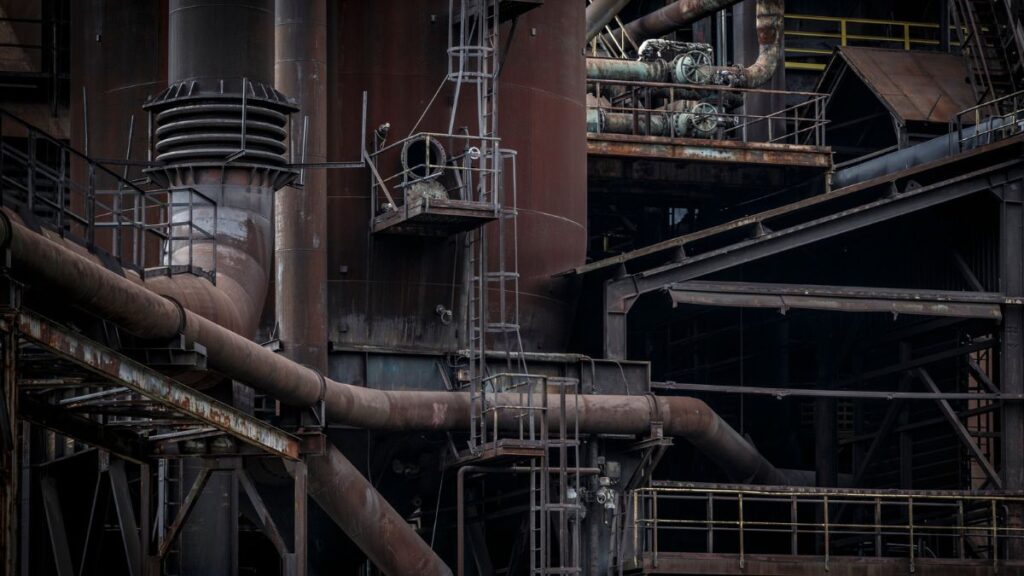
Industrial architecture focuses on creating highly functional buildings used for manufacturing, warehousing, logistics, and large-scale commercial operations. While it may not always be glamorous, industrial design plays a crucial role in productivity, safety, and efficiency. This guide explains what industrial architecture is, its key features, building types, and why it’s foundational to modern industry. Creating a space that is efficient, safe, and scalable requires far more coordination than a typical residential or commercial project.
So, what is industrial architecture? It is the specialized practice of designing highly functional environments for manufacturing, logistics, energy, and processing operations. For business owners and developers, navigating these projects can feel overwhelming due to technical requirements, regulations, and long-term operational considerations. This is where experienced industrial architects play a critical role, translating operational needs into durable, efficient, and compliant facilities that perform over time.
This article explains how industrial architecture supports business success by exploring the types of industrial projects, the value of working with specialized architects, common design and construction challenges, the separation of uses within industrial buildings, and how sustainable design strategies can improve performance and long-term value.
Key Takeaways
- Design Starts with Your Process: An effective industrial building is designed from the inside out. The layout, materials, and structural systems should all be tailored to support your specific operational workflow, ensuring the space functions as a tool for productivity and safety.
- Complexity Requires Specialized Expertise: Industrial projects involve unique challenges, from integrating heavy machinery and specialized HVAC systems to meeting strict safety and building codes. Partnering with an experienced architecture and engineering firm is critical for a successful outcome.
- Industrial Principles Offer Sustainable Solutions: The focus on durable materials, natural light, and functional efficiency aligns with modern sustainability goals. This approach also champions adaptive reuse, giving historic industrial buildings new life as functional, modern spaces.
What is Industrial Architecture?
At its core, industrial architecture is all about designing buildings for a specific job. Think of the spaces where businesses make, process, store, or move goods—like factories, warehouses, and distribution centers. The main goal is to create a building that supports a safe and efficient flow of work, products, and people. Unlike residential design, where comfort and personal style often take the lead, industrial projects are built entirely around the processes happening inside. The layout, materials, and structural systems are all chosen to support a specific workflow, making the building itself a vital piece of the operational puzzle.
This focus on utility means every design choice is strategic. The ceiling height might be determined by the size of the machinery, while the floor plan is mapped out to streamline how materials move from one stage to the next. It requires a deep understanding of not just building codes, but also the client’s unique operational needs. That’s why partnering with a firm experienced in commercial architecture is so important. A skilled team can translate complex industrial processes into a physical space that is efficient, safe, and built to last for years to come.
The Core Purpose: Function Over Form
The guiding principle of industrial architecture is simple: function always comes before form. While these buildings can have a striking and powerful look, their appearance is a byproduct of their purpose, not the primary goal. As The Spruce points out, industrial design prioritizes “functionality and efficiency through features like open floor plans, high ceilings, and exposed structural materials.” Every element is there for a reason. The design isn’t about adding decoration; it’s about stripping away anything that doesn’t serve the core operation, creating a space that is as practical and efficient as possible.
A Brief History of Industrial Architecture
The story of industrial architecture is directly tied to the story of modern industry itself. Before the late 18th century, there wasn’t much need for large, specialized buildings dedicated to manufacturing. But as new technologies sparked the Industrial Revolution, the demand for factories and mills exploded, and a new type of architecture was born. Early on, these buildings were designed by engineers and builders focused purely on housing new machinery and maximizing output. Over time, as technology and materials evolved, so did the design of these essential structures, shaping the industrial landscapes we see today.
The First Industrial Revolution
Industrial architecture first popped up in Great Britain during the First Industrial Revolution. In the beginning, these buildings were small, more like workshops. But as Wikipedia explains, “As factories grew, they became more common, especially in Northern Europe.” These early structures were often built with brick, stone, and heavy timber frames. Their design was dictated by the limits of their materials and the needs of early machinery, like the steam engine. Large windows were a common feature, not for style, but out of the practical need for natural light to illuminate the factory floor before effective electric lighting was available.
The Second Industrial Revolution and Beyond
The Second Industrial Revolution brought a major shift with the introduction of new building materials. According to the publication cmapr, after this period, “buildings became larger. Iron and steel became key building materials because they were strong and durable.” Using steel frames and reinforced concrete allowed for much larger, more open interior spaces than were possible with timber or masonry alone. This innovation was crucial for accommodating bigger, more complex machinery and assembly lines. These stronger materials paved the way for the massive, multi-story factories and sprawling warehouses that define modern industrial zones.
Core Features of Industrial Architecture Design
Even though industrial architecture is driven by practicality, its no-frills approach has given rise to a distinct and recognizable style. This aesthetic, born from necessity, celebrates the raw, functional elements of a building. It’s a look that has become so popular that its key features—like exposed brick, visible ductwork, and open layouts—are now frequently incorporated into residential and commercial spaces, from loft apartments to trendy restaurants. Understanding these characteristics helps you appreciate how every detail in an industrial building serves a purpose, contributing to a design that is both honest and highly efficient.
Raw and Honest Materials
One of the most defining features of the industrial style is its use of raw, unfinished materials. The Spruce notes that “Industrial buildings often use strong, raw materials like concrete, brick, and metal.” These materials are chosen for their strength, durability, and cost-effectiveness. Concrete floors can withstand heavy machinery, steel beams can support immense weight across wide spans, and brick walls offer fire resistance. There’s an “honesty” to this approach—nothing is hidden. The materials are left exposed, showcasing their natural texture and character as an integral part of the building’s design.
Exposed Structural Elements
In most buildings, the structural skeleton is hidden behind drywall and ceilings. In industrial architecture, it’s often the star of the show. You’ll likely see “exposed brick, pipes, and ductwork inside,” as The Spruce mentions. This isn’t just an aesthetic choice; it’s incredibly practical. Leaving structural elements and building systems visible saves on the cost and time of adding cosmetic finishes. It also makes maintenance and future modifications much simpler. For a commercial structural engineer, this means their work—from the steel trusses to the concrete columns—is on full display, becoming a key part of the building’s character.
Open Floor Plans and High Ceilings
Industrial spaces are known for their vast, open interiors. According to MacroAir Fans, this style “features large, open spaces and high ceilings to accommodate machinery and allow for adaptable layouts.” This design provides the ultimate flexibility. A business can easily reconfigure its workflow, move large equipment, or adapt the space for different processes without being constrained by interior walls. The high ceilings serve multiple purposes: they provide clearance for tall machinery, improve air circulation, and help dissipate heat from operations, creating a more functional and comfortable work environment.
Large Windows for Natural Light
Walk into a modern industrial facility, and you’ll often be struck by the amount of natural light. This is a deliberate design feature. As MacroAir Fans notes, “Modern industrial buildings often have large windows and skylights for natural light.” This choice offers significant benefits, from reducing the need for artificial lighting and lowering energy costs to creating a more pleasant and productive environment for employees. This feature has roots in early factories that relied on large windows before electric light was common, and it remains a key element in sustainable industrial design today.
A Minimalist Aesthetic
At its core, industrial architecture embodies a minimalist philosophy. The Spruce summarizes it well, stating that it’s “characterized by a simple design with little decoration.” The focus is on clean lines, simple forms, and uncluttered spaces. The aesthetic appeal doesn’t come from added ornamentation but from the inherent beauty of the raw materials, the geometry of the structural elements, and the sheer scale of the space. This simplicity is a direct result of the focus on function, proving that a building doesn’t need to be elaborate to be visually powerful. The design is straightforward, honest, and efficient.
Design Driven by Process
Ultimately, every aspect of an industrial building’s design comes back to the work that will happen inside it. As cmapr puts it, “The way an industrial process works is the main thing that shapes how an industrial building is designed.” An architect or engineer can’t simply design a generic “warehouse.” They must first gain a deep understanding of the client’s specific operations. This includes analyzing the flow of materials, the placement of equipment, the needs of the workforce, and all safety requirements. The building is then designed from the inside out, creating a structure that is custom-fit to the process it houses.
For example, a food processing facility will have vastly different design requirements than a metal fabrication shop. The food facility needs durable, non-porous surfaces for sanitation and specialized drainage, while the fabrication shop needs reinforced flooring for heavy loads and advanced ventilation for fumes. This process-driven approach ensures the final building isn’t just a shell but an active tool that enhances productivity and safety. It’s why a thorough commercial structural inspection and design process, tailored to the unique operational needs of the business, is the foundation of any successful industrial project.
Types of industrial projects
Creating an efficient workspace is crucial for any company. It not only helps increase productivity but also ensures the safety of employees and the successful completion of projects. The best industrial architects can provide businesses with the perfect solution for their workspace needs. By working with an experienced design firm with a diverse portfolio, businesses can create functional and attractive architecture that meets their specific requirements.
Below is a list of the various types of industrial facilities
- Manufacturing Facilities:
These are buildings specifically designed for processes such as manufacturing and assembly lines. - Warehouses:
These are buildings used for storage and distribution of goods and materials. - Distribution Center:
These are buildings used for sorting and distributing goods and materials to various destinations. - Ecodistricts:
These are planned developments of buildings and infrastructure that are designed to attract businesses in the industrial sector while focusing on creating sustainable architecture and reducing carbon footprints within the development. - Transportation facilities:
These are critical considerations in building projects, as they can significantly impact the efficiency and productivity of a business. By carefully considering transportation during site planning, architects can minimize delays and bottlenecks, which can result in significant cost savings over time. Additionally, a well-designed transportation system can help improve safety by reducing the risk of accidents and injuries. - Mixed-Use developments:
These are building complexes that integrate multiple uses, such as office space, retail, academic buildings and manufacturing processes. These projects are challenging to design because of the need to separate incompatible uses and maintain safety and functionality. When designed right, these projects often have a wide reach and can help realize regional architectural vision within communities and can form important nodes in eco-districts.
By providing a range of spaces and amenities in a single location, your company activities can be made more efficient and more comfortable for staff and visitors while careful design can guarantee no compromise on safety.
Common Industries That Use Industrial Architecture
Industrial architecture supports a wide range of sectors where operational efficiency and durability are essential. Common industries include:
-
Manufacturing & Assembly – These facilities rely on large open floor plans, overhead clearances, and reinforced flooring.
-
Warehousing & Logistics – Buildings require optimized loading docks, climate control, and traffic flow planning.
-
Agriculture & Food Processing – Designed with strict sanitary codes, temperature zones, and drainage systems.
-
Energy & Utilities – These buildings are often custom-built for equipment size, ventilation, and security compliance.
-
Data Centers & Tech Parks – Require specialized electrical infrastructure, cooling systems, and redundancy layouts.
These structures are often designed with future adaptability in mind, supporting sustainable growth or conversions.
Projects with multiple uses facility
Stanford Medicine’s 225,000 square foot biomedical innovations building, which forms part of Stanford medicine’s 812,000 square foot Stanford Medical Centre, is an excellent example of multiple processes being included in a single facility. The project includes several research facilities, office facilities, laboratories, cold storage rooms and public spaces.
Designed by ZGF architects, A firm with a very impressive portfolio that specializes in medical buildings and corporate campuses. The firm created an award winning multi-use facility through a highly collaborative process alongside engineering and architecture firms like Level engineering.
The innovative “arcade” approach on the exterior reflects interior programming. Inside, 27 lab units spread over five levels – four stories above-grade and one full lower level – are organized to enhance connection and circulation.
Offices are located around the edges of the building with labs in the center, encouraging collisions and interaction at the heart of the building. Rather than a single central atrium or two isolated collaboration hubs, the building creates a series of nodes distributed across floors with distinct color palettes.
The nodes are bookended with lounges and outdoor terraces at the edges of the building. Communicating stairs, transparency via glass that puts science on display, and vertical connections encourages interaction between the floors.
In addition to creating a new gateway for the School of Medicine, BMI completes an existing research “quad” and provides a new outdoor plaza space where four different building porches meet. It creates a focused and intimate space where scientists from different areas and disciplines can gather to socialize and exchange ideas outside of the laboratory . (From ZGF architects website: https://www.zgf.com/work/1898-stanford-university-biomedical-innovations-building-bmi-for-stanford-medicine)
Level Engineering’s architecture service is characterized by a collaborative approach that focuses on creating functional and efficient spaces that meet the needs of their clients. The firm worked on Stanford Medicine project alongside award winning firms and stakeholders to develop designs that would optimize workflow and support high-quality patient care as well as enhance the user experience for members of staff and students alike.
Challenges of Industrial-Scale Projects
One of the key challenges of industrial architecture in healthcare settings is the need to balance functionality with aesthetics. Healthcare facilities must be designed to accommodate complex medical equipment and procedures, while also providing a welcoming and calming environment for patients and their families.
Top industrial architects and engineers are experienced in addressing these challenges, and featured projects such as BMI demonstrate their ability to successfully manage large-scale, complex projects while delivering designs that meet the highest standards of quality and functionality.
Overall, Level Engineering’s architecture service is a valuable asset to clients in need of functional and efficient industrial facilities. Their experience working on this high profile facility project demonstrates their ability to successfully manage large-scale, complex projects and deliver designs that meet the highest standards of quality, design excellence and functionality in healthcare settings.
Heating and Cooling Challenges
Heating and cooling an industrial facility is a completely different ballgame compared to a typical office building. The sheer scale—think massive open floors and soaring ceilings—means standard HVAC systems just won’t cut it. These vast spaces require powerful, complex systems designed to handle huge volumes of air effectively. On top of that, different areas often have wildly different temperature needs. A production line might generate a lot of heat, while a nearby storage area needs to stay cool to protect sensitive materials. This requires a sophisticated approach to temperature control to ensure product quality and a safe working environment. Proper planning from the start is key, as these systems must be seamlessly integrated with the building’s overall design. A well-designed structure, planned with commercial architectural expertise, ensures the HVAC system operates efficiently without compromising the building’s integrity or function.
Workflow and Space Optimization in Industrial Facilities
Efficient workflow and space utilization are critical challenges in industrial facilities. Poorly designed layouts can create bottlenecks, reduce productivity, and increase operational costs. Industrial architects carefully analyze processes, machinery requirements, and material movement to design spaces that maximize efficiency and minimize downtime. Open floor plans, strategic equipment placement, and clearly defined circulation paths ensure that workers and machinery can operate safely and smoothly. By optimizing space and workflow, industrial architecture not only supports day-to-day operations but also provides the flexibility needed to adapt as production demands evolve.
Benefits of Architecture Services for Businesses
- Multi-Use Spaces
One of the significant benefits of industrial architecture services is the ability to create multi-use spaces. With the right design, architects can accommodate different activities such as manufacturing, storage, and office facility into a single project A well-designed multi-use space can help businesses optimize their operations, reducing the need for multiple facilities and streamlining workflow.
- Addressing Hazards of manufacturing Processes
Manufacturing processes often involve hazards that can pose a significant risk to employees and the environment. Architects can help businesses address these hazards by designing safe and efficient layouts. For example, a properly designed ventilation system can help prevent air contamination, and the use of appropriate materials can help reduce the risk of fire.
- Separation of Uses in Buildings
In mixed-use buildings, businesses need to ensure that industrial processes are adequately separated from other uses to minimize the risk of accidents. Architecture services can help address this challenge by designing productive spaces that are separate from other activities in the project. By creating proper barriers and partitioning, architects can ensure a safe environment for your employees while optimizing space usage.
- Incorporating Offices within Manufacturing and Storage Areas
Architects can help businesses incorporate office facility within manufacturing and storage areas. This approach can help optimize space utilization and promote better communication between employees. For instance, office spaces located within commercial warehouses can help supervisors monitor the workflow and communicate with workers more efficiently.
- Efficient Use of Space
Architects can help businesses make the most of their available space. By optimizing the design, businesses can reduce the need for additional facilities, resulting in cost savings. A well-designed industrial space can also promote efficient workflow, reducing the time and effort required to complete tasks.
Architects can help businesses optimize their operations by creating a functional, safe, and attractive workspace. From multi-use spaces to efficient use of existing space, architecture firms can design solutions that meet the specific needs of each project.
If you are a business or property owner looking to improve your work facility, working with experienced top architects such as Level Engineering can guarantee the best chance of your project succeeding
Role of Architects in Industrial Architecture
Architects play a critical role in designing and creating efficient and safe workspaces for businesses. They work closely with business owners, property managers, and other stakeholders to understand their specific requirements and design custom solutions that meet their needs. Here are a few details of the services that the best industrial architects typically offer:
- Planning and Design
Architects analyze the needs of your business and evaluating the available space. this information is used to develop a comprehensive plan for the workspace, taking into account factors such as workflow, safety, and efficiency.
- Structural Engineering
collaborating with structural engineers to ensure that the office facility’s design is structurally sound and meets all safety standards. Architects also evaluate the building’s electrical, mechanical, and plumbing systems to ensure that they are compatible with your business or facility’s needs.
- Material Selection
choosing materials that are safe, durable, and cost-effective. They consider factors such as environmental impact, energy efficiency, and fire safety when selecting materials.
- Interior Design
Architects also help businesses with interior design of new and existing facilities. They consider factors such as lighting, ergonomics, and workflow when designing the layout of the space. Good interior design is often the tool that architects use to create a close link between functionality, aesthetics and comfort.
- Construction administration
Architects oversee the construction process to ensure that the project is constructed according to plan and that all safety standards are met. They also work closely with the construction firm to ensure that the project is completed on time and within budget.
Industrial architects offer a range of services to help businesses create efficient, safe, and attractive workspaces. They play a critical role in the planning, design, and construction of industrial spaces, helping businesses optimize their operations and achieve their goals.
If you are a business or property owner looking to improve your industrial workspace, consider working with experienced industrial architects to design a custom solution that meets your specific needs.
Key Responsibilities of an Industrial Architect
An industrial architect does more than just draw up blueprints for a big building. Their role is a complex blend of designer, engineer, and project manager, all focused on creating a space that is highly functional, safe, and efficient for its specific industrial purpose. They are responsible for understanding the intricate processes that will happen inside the facility and designing a structure that supports them seamlessly. This involves a deep analysis of your business needs, from the flow of materials and people to the integration of specialized machinery, all while ensuring the final building is structurally sound and compliant with all regulations. It’s a role that requires a unique combination of creative vision and technical precision.
Site Logistics and Flow
One of the first tasks for an industrial architect is to map out the logistics and workflow of the facility. They analyze how materials will enter the site, move through the production or storage process, and eventually exit as finished goods. This involves creating a comprehensive plan that considers everything from loading docks and storage areas to assembly lines and employee pathways. The goal is to design a layout that maximizes efficiency, minimizes bottlenecks, and ensures a safe environment for everyone working there. A well-thought-out flow is the backbone of a productive industrial space, and getting it right requires a detailed understanding of your specific operations, which is a core part of any commercial architecture service.
Specialized Equipment Integration
Industrial facilities are often home to large, heavy, and highly specialized equipment. An architect must design the building to not only house this machinery but also support its operational needs. This includes planning for sufficient clearance, reinforced flooring, specific power and ventilation requirements, and access for maintenance. They work closely with engineers to ensure the building’s structure can handle the weight and vibrations of the equipment. This integration of architecture and commercial structural engineering is critical for creating a space where machinery can run effectively and safely without compromising the building’s integrity.
Code Compliance and Safety Regulations
Navigating the web of building codes, safety regulations, and zoning laws is a crucial responsibility for an industrial architect. These facilities are subject to strict standards, from fire safety and accessibility to environmental regulations and workplace safety rules. The architect ensures that every aspect of the design—including electrical, mechanical, and plumbing systems—is fully compliant. This protects the business from legal issues and fines and, more importantly, creates a safe environment for employees. This often involves coordinating special inspections to verify that all construction meets the required standards before the facility can become operational.
Common Specializations
Just as doctors specialize in different areas of medicine, industrial architects often focus on specific types of facilities. The unique demands of a food processing plant are vastly different from those of a data center or a logistics warehouse. This specialization allows architects to develop deep expertise in the specific processes, equipment, and regulations associated with a particular industry. By concentrating on a niche, they can provide more insightful and effective design solutions tailored to the client’s exact needs. This expertise is invaluable for creating a facility that not only meets current demands but can also adapt to future changes in the industry.
Manufacturing and Production Facilities
Architects specializing in manufacturing facilities design spaces built for creation and assembly. Their work revolves around the production line, ensuring a logical and efficient flow from raw materials to finished products. They must consider the placement of machinery, the movement of workers, and the integration of robotic or automated systems. The design needs to be robust enough to handle the demands of production while also being flexible enough to adapt to new technologies or changes in process. These architects create the physical environment where goods are made, making their role fundamental to the manufacturing sector.
Warehouse and Distribution Centers
For warehouses and distribution centers, the primary focus is on storage and logistics. Architects in this specialty design vast, open spaces optimized for racking systems, forklift traffic, and the efficient movement of goods. Key considerations include ceiling height, floor load capacity, and the number and placement of loading docks. The goal is to maximize storage density while ensuring that products can be received, stored, and shipped out as quickly as possible. As ecommerce continues to grow, the design of these logistical hubs has become increasingly sophisticated, often incorporating advanced automation and inventory management systems.
Energy and Utility Plants
Designing energy and utility plants is a highly technical specialization that involves creating facilities for power generation, water treatment, or waste management. These projects require a deep understanding of complex industrial processes and stringent safety protocols. The architect must work in close collaboration with a wide range of engineers to design structures that can house massive equipment, withstand extreme conditions, and meet strict environmental regulations. The safety and reliability of these facilities are paramount, as they provide essential services to entire communities, making this one of the most demanding fields of industrial architecture.
The Work Environment: Office vs. On-Site
The life of an industrial architect is a dynamic balance between the design studio and the construction site. A significant portion of their time is spent in an office, where they use advanced computer-aided design (CAD) software to develop detailed plans and 3D models. This is also where they collaborate with clients, engineers, and other members of the project team to refine the design and solve problems. However, they don’t stay behind a desk all day. Regular site visits are essential to oversee construction progress, ensure plans are being followed correctly, and address any issues that arise in the field, making it a career that blends creative office work with hands-on project involvement.
The Modern Influence of Industrial Architecture
Adaptive Reuse: Giving Old Buildings New Life
One of the most exciting trends in modern architecture is adaptive reuse, which involves taking old industrial buildings and giving them a new purpose. Think of a historic brick warehouse transformed into stylish loft apartments or a decommissioned factory finding new life as a bustling marketplace. This approach does more than just create a cool space; it’s a sustainable practice that preserves a piece of local history and character. Instead of demolishing a structure, adaptive reuse celebrates its original features, like exposed brick walls, large steel-framed windows, and soaring ceilings. Of course, converting these buildings for modern use requires careful planning. A comprehensive structural assessment is the critical first step to ensure the building’s bones are sound enough to support its new life, blending historic charm with contemporary safety standards.
The Industrial Aesthetic in Modern Design
The industrial look has become so popular that its influence has extended far beyond repurposed buildings. This aesthetic is now a sought-after style for new construction and remodels in both commercial and residential spaces. The core of the industrial aesthetic is honesty in materials—celebrating raw concrete floors, exposed steel beams, and visible ductwork rather than hiding them. It favors wide-open floor plans, which create a sense of spaciousness and light. Achieving this look often involves significant structural changes, like removing load-bearing walls to create that signature open-concept feel. Marrying this raw, functional style with the comforts of a modern home or office requires a thoughtful design that balances industrial edge with intentional warmth and usability, a process where architects and engineers work together to make it happen.
Environmental Sustainability in Industrial Buildings
If you are looking to construct an environmentally sustainable project, you need to take steps to reduce your carbon footprint and enhance sustainability. To achieve this, you should consider working with a Leadership in Energy and Environmental Design Accredited Professional (EDAP/LEED ap). These experts are trained in sustainable design practices and can help you design a project that is eco-friendly and energy-efficient.
One key benefit of working with a LEED ap is that they can help you design a project that is energy-efficient. This means that you will use less energy for heating, cooling, and lighting, reducing your carbon footprint and saving you money on energy bills. Additionally, an EDAP can help you select sustainable materials for your project, promoting a circular economy, reducing waste, and sourcing materials locally.
Water conservation is also essential for environmental sustainability, and an LEED ap can help you design a project that conserves water. This includes using low-flow fixtures, water-efficient landscaping, and rainwater harvesting systems. You can also improve indoor air quality by using materials and design practices that reduce indoor pollutants and promote good ventilation.
An EDAP can perform a lifecycle analysis of the project, evaluating its environmental impact throughout its entire lifecycle. This analysis can help you identify areas for improvement and make informed decisions about sustainability. By partnering with an EDAP, you can design and construct a building that meets your sustainability goals and contributes to the protection of the environment.
If you are looking for an architecture firm with expertise in sustainable design, consider Level Engineering. This multi-awarded firm has been recognized by the National Council and the American Institute for its innovative approach to sustainability. By working with Level Engineering, you can be confident that your building will meet rigorous sustainability standards and enhance your property’s value. For examples of successful sustainable design, have a look at some of the featured projects and featured architects on the green building council webpage.
Conclusion
Industrial architects play a crucial role in the success of any business operating in the sector. A well-designed building can improve efficiency, productivity, and safety, while also supporting the specific needs of the business. Working with an architect can help businesses achieve these goals by creating a functional and attractive space that meets their specific requirements.
At Level Engineering, we understand the unique challenges facing businesses and projects in the sector. Our team of experienced architects can provide a wide range of services, from programming and analysis to construction documents and project management. We specialize in creating efficient and sustainable buildings and distribution centers that support our clients’ operations and help them achieve their goals.
If you’re a business owner or property owner in need of industrial architecture services, we encourage you to get in touch with Level Engineering. Our firm can provide a customized solution for your specific needs and help you create a space that supports your operations and enhances your bottom line.
Contact us today to learn more about our services, featured projects, and how we can help you achieve your architecture goals.
Frequently Asked Questions
What’s the first step in planning a new industrial building or remodel? The first step is always a deep dive into your operational needs, long before any floor plans are drawn. We start by discussing your specific business process, from how materials arrive at your door to how finished products ship out. Understanding your workflow, equipment requirements, and employee needs allows us to design a space that is truly built around your business, ensuring the final structure functions as an efficient tool for your team.
My business has a very specific workflow. How do you make sure the building design actually supports it? This is the core of industrial design. We work closely with you to map out every step of your process. This involves analyzing material flow, equipment placement, and how your team moves through the space. The building is then designed from the inside out, meaning the layout is created specifically to streamline your operations, minimize bottlenecks, and create a safe, productive environment. The building’s form is a direct result of your company’s function.
Is it complicated to convert an old warehouse or factory for a new use, like offices or apartments? Converting an old industrial building, a process called adaptive reuse, is an exciting project, but it requires careful planning. The main challenge is ensuring the original structure is sound and can support its new purpose. The process always begins with a thorough structural assessment to evaluate the foundation, columns, and beams. Once we confirm the building’s integrity, we can design a modern, functional space that preserves the unique character of the original structure.
Does the “industrial look” with exposed materials cost less than a traditional finished building? Not necessarily. While you might save money on cosmetic finishes like drywall and drop ceilings, that budget is often reallocated. The raw materials left exposed, like steel beams and high-quality concrete, must be finished to a higher standard since they are part of the final aesthetic. Furthermore, creating large, open spans often requires more complex and robust structural engineering. The cost is simply different, with a focus on durable, honest materials rather than decorative layers.
How do you handle the unique heating and cooling needs of a large, open industrial space? Heating and cooling a massive, high-ceilinged space requires a specialized approach that goes beyond standard HVAC systems. The solution is integrated into the architectural design from the very beginning. We consider factors like insulation, the placement and type of windows, and air circulation patterns. We then work with mechanical engineers to design a system that can efficiently manage the large air volume and address specific zones that may generate more heat, ensuring a comfortable and energy-efficient environment.
